Narrative Writing Teaching Resources
Teaching narrative writing this school year? Explore writing prompts, printable worksheets, storyboards and story maps and more teaching resources created by teachers for primary teachers like you.
This collection of teaching resources aligned with the Australian English Curriculum has been carefully curated by our expert teacher team to ensure every resource is ready to add to your lesson plans and ready for your students!
Is this your first year teaching students about writing narratives? Or maybe you're just looking for some fresh ideas to tackle the topic? Read on for a primer from our teacher team, including a look at how narrative writing is included in year 3 and year 5 students NAPLAN testing.
What Is Narrative Writing?
Narrative writing is the act of writing a story, and those stories can be fictional or non-fiction accounts of something the student has experienced or learned about.
This type of writing is often popular with students as it allows them to use their imagination and creativity!
Narrative Writing and NAPLAN
Are your students sitting NAPLAN this school year? They may be required to show they can write a good narrative!
Narrative writing is one of the three writing genres assessed in NAPLAN — along with persuasive and informative writing.
Your students may be required to respond to a narrative writing prompt that presents a scenario or situation that students will have to use as a starting point for their story. Your class will then have about 40 minutes to plan, draft and edit their narrative story.
NAPLAN assessors will be looking for the following:
- Text Structure and Organisation — Year 3 and 5 students are expected to be able to structure a story with a clear beginning, middle and end. There should be a resolution by the end of the story.
- Characterisation — Characters should be well-developed and relatable.
- Setting — The narrative should describe a setting to immerse the reader in the story.
- Language Use — Year 3 and 5 students are assessed on their ability to use descriptive language to engage the reader.
- Dialogue — If dialogue is included in the story, students need to correctly use quotation marks.
- Grammar — Students are expected to edit and revise their work for errors, showing proper punctuation use and spelling words correctly.
- Narrative Techniques — A good narrative example for NAPLAN will show the student knows how to use techniques such as creating suspense, using figurative language and pacing the story.
Which Elements Does Strong Narrative Writing Always Contain?
Of course, not every student will be sitting NAPLAN this year, and standardised testing is hardly the only reason we need to help students make their narrative writing engaging and strong. So what do you need to know in general? There are certain key elements students need to understand and include, so we've compiled this quick refresher for you.
Plot
The plot of strong narrative writing is crucial — without it, there's no narrative! Keeping the reader interested from the start of a story involves developing the characters well and including conflict.
Structure
The structure of the text is just as important as the plot when writing a strong narrative. Students should be writing texts that include a beginning, middle and end. This can include a clear introduction that sets up the main conflict, a rising action that builds tension and excitement and a resolution that provides closure and ties up loose ends.
Descriptive Language
Teaching students to go beyond overused words like "said" or "nice" and using more descriptive language can help them make their narrative writing stronger. This graphic element of writing works with imagery and figurative language to help readers visualize the story.
Descriptive language helps the reader to visualize the setting and the characters. Sensory details can help kids set the scene in their essay or story.
Point of View
Whether it is written in the first-person, the third-person or flips back and forth, a piece of strong narrative writing has a clear point of view. This helps the reader better understand the narrator or protagonist.
What Is a Hook in Narrative Writing?
One feature of narrative writing you may want to focus on with your students this school year is the art of writing a 'hook' to capture the reader's attention and draw them into the story. This is a compelling introduction that will engage the reader and make them want to keep reading!
There is no one kind of hook! It can be anything from an interesting fact or question to a dramatic opening scene or dialogue.
8 Narrative Writing Examples and Assignments to Share With Your Students
Are you looking for some different examples of narrative writing assignments that will engage your students and inspire them to write? Try these ideas from our teacher team!
- A personal narrative about a special day the student will never forget
- A fictional narrative about a group of friends going on an adventure
- A descriptive narrative that uses sensory details and describing words to create a vivid image of riding a rollercoaster
- A historical narrative that tells the story of their favourite historical figure
- A reflective narrative that explores the writer's thoughts and feelings about going to secondary school one day
- A fantastical narrative that includes magical or imaginary elements like the arrival of a magic hat in the classroom
- A humorous narrative that uses comedic elements to entertain the reader about a time the PE teacher was replaced by an alien
- A collaborative narrative that involves students writing a chapter book in small groups
- Plus Plan
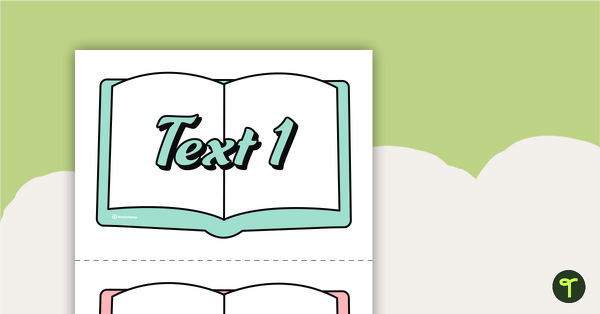
Narrative Writing Bump It Up Wall – Year 1
A visual display for your classroom to help students ‘bump up’ their narrative writing.
- Plus Plan
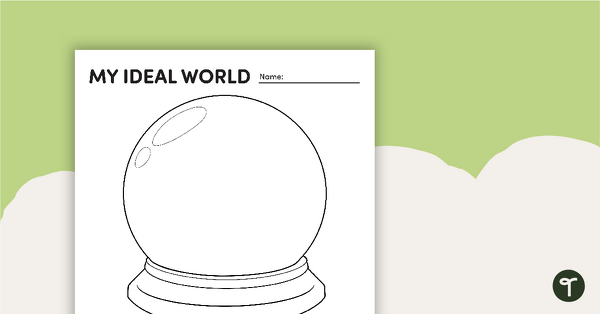
My Ideal World – Writing Template
A template for students to use when writing about their ideal world.
- Plus Plan
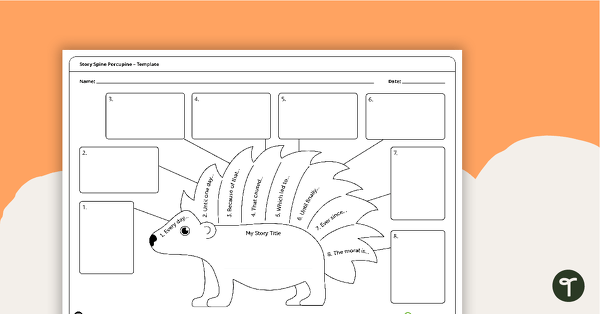
Story Spine Porcupine – Narrative Writing Template
Help your students with the technical side of writing with our Story Spine Porcupine Narrative Writing Template.
- Plus Plan
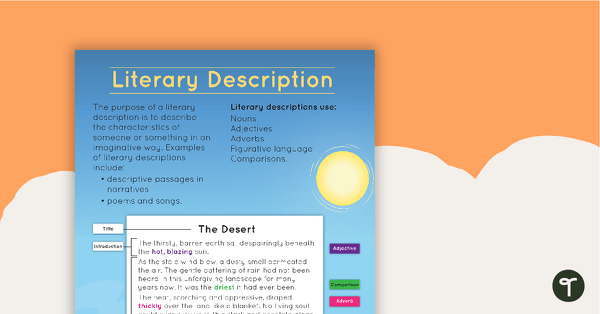
Literary Description Text Type Poster With Annotations
A poster about literary descriptions, including an annotated example.
- Plus Plan
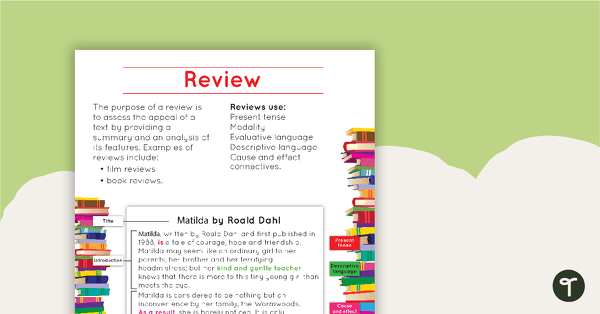
Review Text Type Poster With Annotations
A poster about reviews, including an annotated example.
- Plus Plan
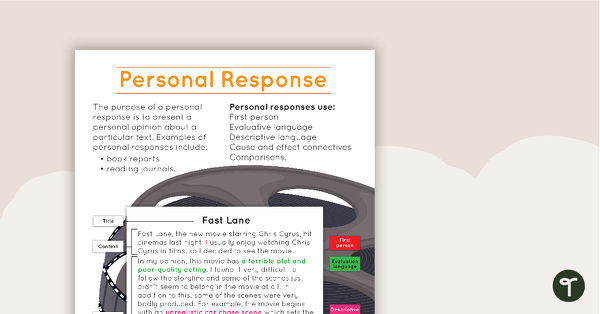
Personal Response Text Type Poster With Annotations
A poster about personal responses, including an annotated example.
- Plus Plan
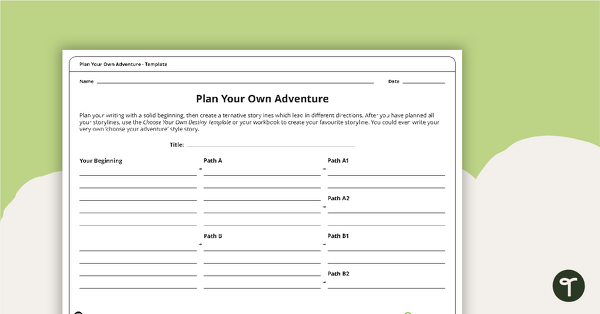
Plan Your Own Adventure - Writing Template
Students use a template to help them plan stories with alternative pathways for their friends to read.
- Plus Plan
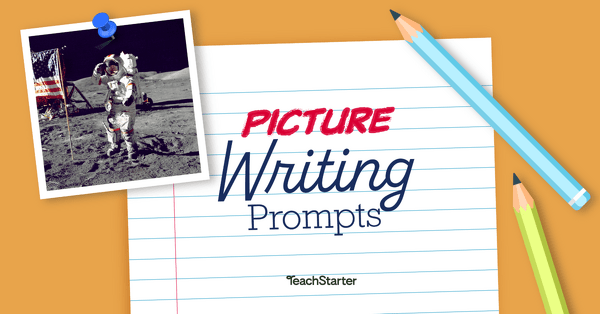
Picture Writing Prompts
Introducing the perfect picture writing prompts to encourage creative writing in your primary students! Explore 60 visual prompts made just for the primary classroom.
- Plus Plan
Developing Narrative Writing Skills Unit Plan - Year 3 and Year 4
This English unit addresses the narrative text type, specifically how to plan and write an engaging story.
- Plus Plan
Writing Narrative Texts Unit Plan - Year 5 and Year 6
This English unit addresses the narrative text type; specifically, how to write an engaging narrative text.
- Plus Plan
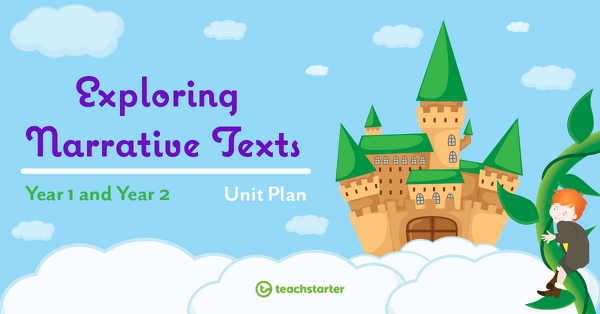
Exploring Narrative Texts Unit Plan - Year 1 and Year 2
This English unit uses fairy tales to introduce the narrative text type to younger students. It addresses the structure, characters and language features of a narrative.
- Plus Plan
What's The Story With Stories?
- Plus Plan
Narrative Skills - Sensational Story Starters
A 60 minute lesson in which students will investigate exciting, attention-grabbing methods of starting a story.
- Plus Plan
Narrative Features - Creating a Setting
A 60 minute lesson in which students will use descriptive language effectively to create a narrative setting.
- Plus Plan
Narrative Texts - Text Structure
A 60 minute lesson in which students will identify and explore the structure of narrative texts.
- Plus Plan
Tell Me A Story
A 60 minute lesson designed to introduce the narrative text type using familiar stories.
- Plus Plan
What's the Problem?
A 60 minute lesson in which students will develop a complication and resolution for a fairy tale.
- Plus Plan
What Are Fairy Tales?
A 60 minute lesson in which students will explore the key features of the fairy tale genre.
- Plus Plan
Narrative Texts - Language Features
A 60 minute lesson in which students will identify and explore the language features of narrative texts.
- Plus Plan
Exploring Simple Narrative Structure
A 60 minute lesson in which students will explore the structure of a narrative text.
- Plus Plan
Narrative Features - Developing a Plot
A 60 minute lesson in which students will develop a plot for a narrative which includes a setting, characters and a problem to be solved.
- Plus Plan
Narrative Features - Building a Character
A 60 minute lesson in which students will use descriptive language effectively to build a character.
- Plus Plan
Narrative Texts - Text Structure
A 60 minute lesson in which students will identify and explore the structure of narrative texts.
- Plus Plan
Constructing a Narrative Paragraph
A 60 minute lesson in which students will identify and use the correct paragraph structure for narrative writing.
- Plus Plan
Dressing Up Sentences for Narrative Writing
A 60 minute lesson in which students will use descriptive language to add additional detail to sentences.
- Plus Plan
Applying Proofreading and Editing Skills
A 60 minute lesson in which students will learn and apply proofreading and editing skills.
- Plus Plan
Narrative Skills - Planning a Story
A 60 minute lesson in which students will independently plan a setting, characters and plot for a narrative text.
- Plus Plan
Narrative Skills - Independent Writing
A 60 minute lesson in which students will independently write a narrative, using appropriate text structure, language and features.
- Plus Plan
Narrative Features - Developing a Plot
A 60 minute lesson in which students will develop a plot for a narrative which includes a setting, characters and a problem to be solved.
- Plus Plan
Creating a Narrative Writing Station
A 60 minute lesson in which students will discuss writing goals and explore a classroom writing station.
- Plus Plan
Writing a Fairy Tale
A 60 minute lesson in which students will independently write a fairy tale, using appropriate text structure, language and features.
- Plus Plan
Creating a Fairy Tale Setting
A 60 minute lesson in which students will develop a setting for a fairy tale.
- Narrative Writing Templates
- Narrative Writing Worksheets
- Narrative Writing Teaching Presentations
- Narrative Writing Posters
- Narrative Writing for Foundation Year
- Narrative Writing for Year 1
- Narrative Writing for Year 2
- Narrative Writing for Year 3
- Narrative Writing for Year 4
- Narrative Writing for Year 5
- Narrative Writing for Year 6