Reading Teaching Resources
Make teaching reading simple with printable worksheets, digital games, activities and so much more right at your fingertips. This teaching resource collection was created by primary teachers for primary teachers like you, and each literacy resource is aligned with the Australian curriculum!
Teaching students how to read opens up their world, and our teaching team knows the task ahead of you is challenging but rewarding. That's why we've designed our printables and digital activities to provide students with a strong foundation in English, creating the basis of lesson plans rooted in best practice and the science of reading.
Best of all, each resource has been through our careful review process to ensure it’s ready for your lesson plan and your students. This collection even includes customisable resources and activities that have already been differentiated for you!
Literacy Activities for Every Year Level
With games and activities for students from early years classrooms to upper years in this collection, here's just a taste of what is covered in the curriculum-aligned resources you'll find as you explore!
Foundation (Prep)
Foundation teachers can use Teach Starter's extensive literacy resources to focus on students' development of foundational reading skills.
We supply the basis for recognising and naming letters, identifying sounds associated with letters (phonics) and blending sounds to read simple words. Explore activities that promote oral language development, vocabulary expansion and phonemic awareness, as well as resources designed to foster a love for reading, build basic decoding skills and develop comprehension through discussions and shared reading experiences.
Year 1
Teaching year 1? You'll find resources designed to teach students how to apply their knowledge of letter-sound relationships to read and spell words with more complex phonics patterns.
Literacy resources for this year level offer a basis for you to work on fluency in reading by using appropriate phrasing, expression and intonation and introduce your class to various texts — including fiction, nonfiction, and poetry — to build comprehension skills.
Year 2
Year 2 reading activities and games are designed to help students expand their reading skills by developing a larger sight word vocabulary and refining their decoding skills.
Our lesson plans help students recognise and use more advanced phonics patterns — including vowel digraphs and trigraphs. You'll also find resources created by our teacher team to deepen students' comprehension skills, such as making predictions, summarising and making connections to the text.
Year 3
In the year students are expected to sit their first NAPLAN tests to assess their literacy skills, students further develop their reading skills by focusing on more complex texts and strategies.
Our literacy resources are here to provide you support as your students learn to read and understand a wide range of fiction and nonfiction texts, including chapter books and informational texts with specialised vocabulary! Worksheets and reading passages offer students a chance to practise inferring, analysing characters and settings and identifying main ideas and supporting details.
Year 4
Excited to see your year 4 students refine their reading skills by developing greater independence and comprehension? We are too!
With our reading passages and literacy activities, students are given the chance to analyse the author's purpose, evaluate different perspectives and make connections across texts. Our vocabulary resources expose kids to a wide range of words so they can use context clues to determine word meanings.
Year 5
In Year 5, students once again have their literacy skills assessed by NAPLAN, and they continue to build on their reading skills by exploring a variety of texts and genres.
Teach Starter resources for this year help you build your lesson plans around complex language structures and figurative language, as well as providing students with the means to practise evaluating arguments, drawing conclusions and identifying bias and propaganda.
As you engage students in discussions about texts, our reading activities offer students a chance to express their opinions and support their ideas with evidence from the text.
Year 6
As your year 6 students consolidate and extend their reading skills in preparation for secondary school, you'll find a range of texts to support your lesson plans, including poetry, drama, and media texts.
Explore resources designed to give students practise analysing literary techniques, understanding symbolism and interpreting implicit and explicit meanings.
- Plus Plan
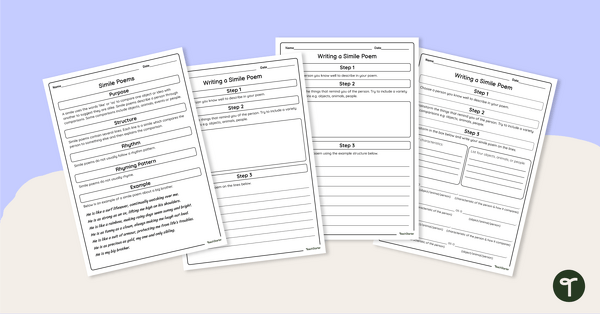
Writing a Simile Poem - Worksheet
Experiment with similes by writing a simile poem about a special person.
- Plus Plan
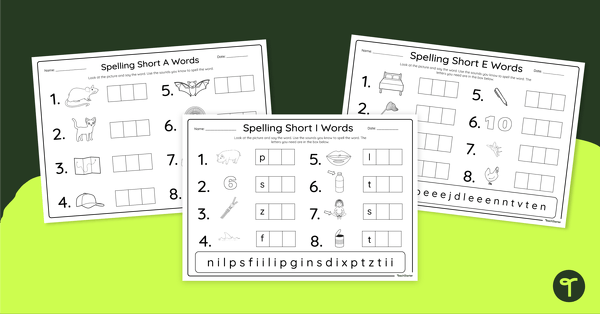
Spelling CVC Words - Worksheets
Develop students’ ability to segment and blend the sounds in CVC words with this set of differentiated worksheets.
- Plus Plan
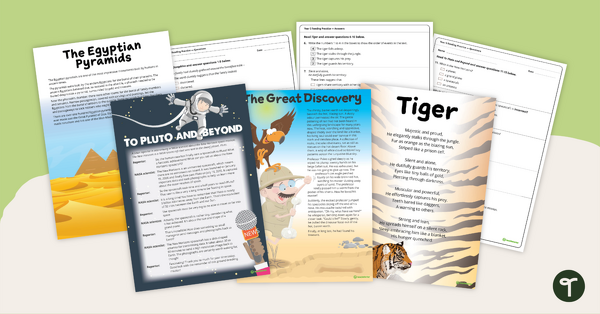
NAPLAN-Style Reading Magazine – Year 5
5 reading texts with multiple choice questions for NAPLAN Reading Year 5.
- Plus Plan
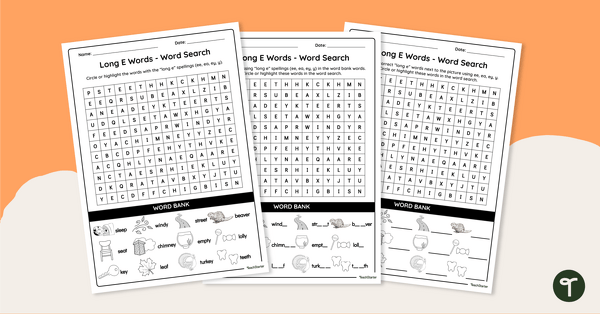
Long E Words - Word Search
Explore words containing some of the most common ‘long e’ graphemes with this set of differentiated word searches.
- Plus Plan
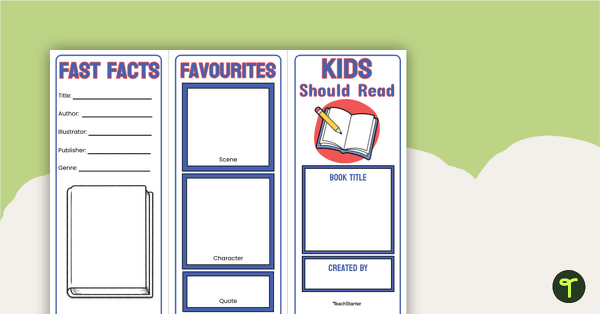
Book Review Brochure Template
Share the love of reading with a printable book review brochure project.
- Plus Plan
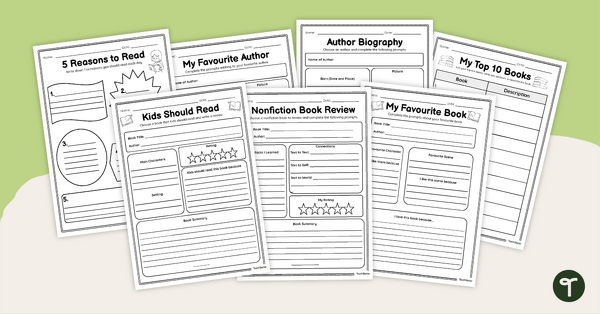
Generic Reading Response Templates
Get kids talking about the books they have read with these printable book review templates.
- Plus Plan
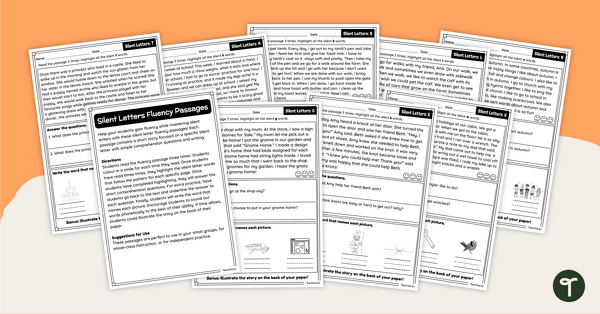
Silent Letters Fluency Passages - Worksheet Pack
Practise identifying the silent letters in words with this comprehensive collection of reading fluency passages.
- Free Plan
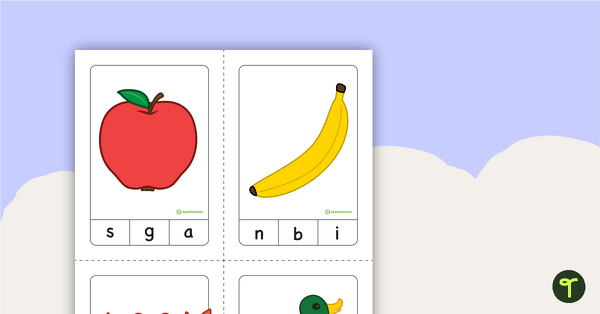
Initial Sound Peg Cards (Version 1)
An initial sound and fine motor activity for the early years classroom.
- Free Plan
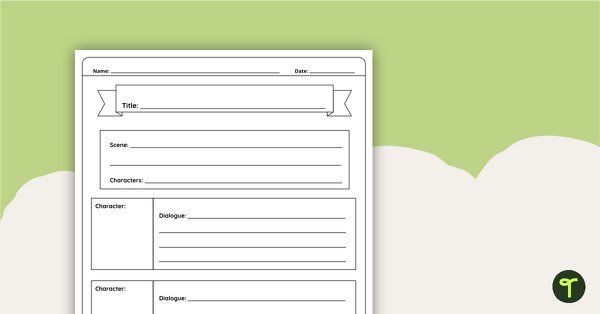
Play Script Template
A template for students to use when writing their own play script.
- Plus Plan
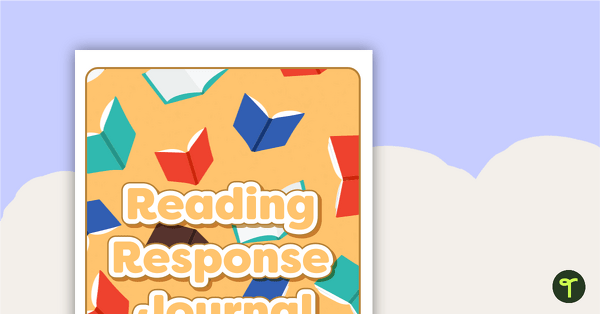
Reading Response Journal – Comprehension Templates
A journal with comprehension sheets designed for students to study texts.
- Plus Plan
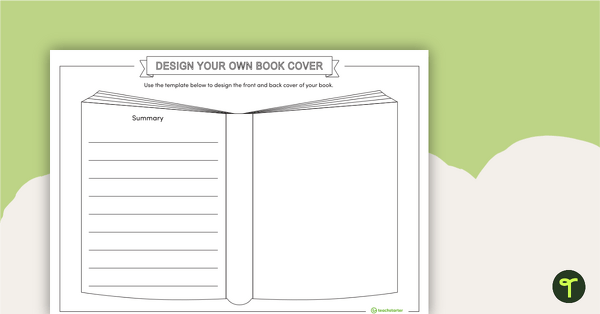
Design Your Own Book Cover Template
Design a new book cover and summarise a book using this one-page, printable template.
- Plus Plan
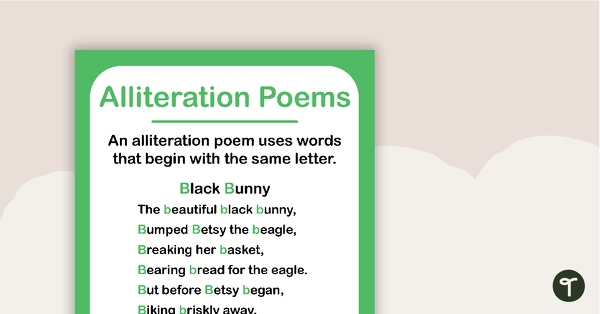
Alliteration Poem Poster and Templates
Use this alliteration poem example and accompanying worksheets to teach your students how to write an alliteration poem.
- Plus Plan
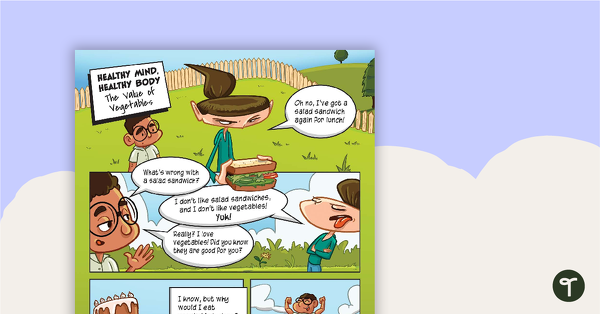
Healthy Mind, Healthy Body: The Value of Vegetables – Worksheet
A comprehension worksheet for a comic from the Year 5 magazine (Issue 2).
- Plus Plan
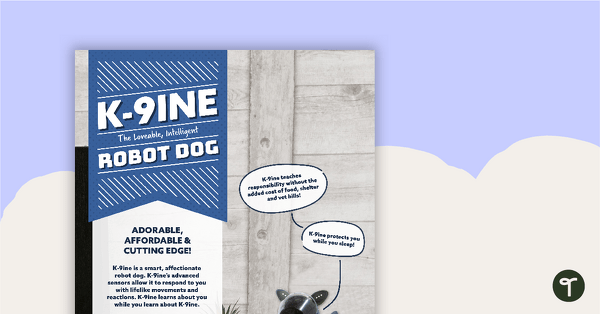
Critical Literacy Reading Task – To Buy or Not to Buy?
Teach critical reading skills with this engaging reading comprehension project that helps students evaluate texts and make evidence-based decisions.
- Plus Plan
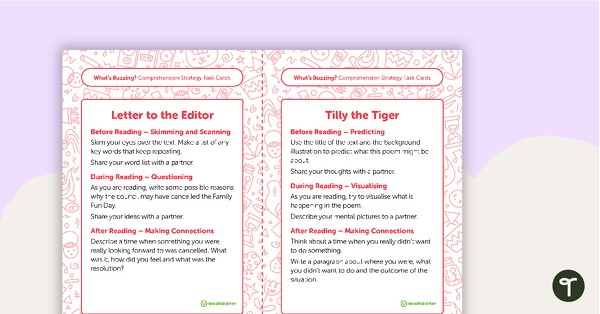
Year 3 Magazine - "What's Buzzing?" (Issue 2) Task Cards
A set of five literacy rotation task cards to be used in conjunction with Issue 2 of Teach Starter’s Year 3 magazine.
- Plus Plan
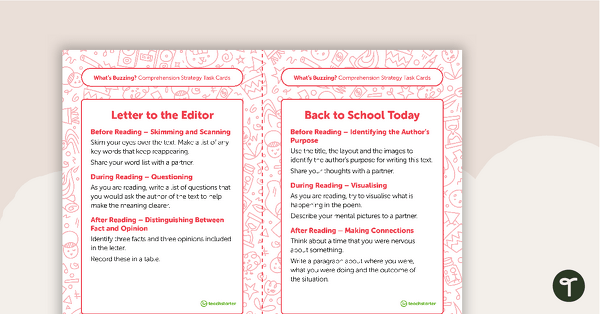
Year 4 Magazine - "What's Buzzing?" (Issue 2) Task Cards
A set of five literacy rotation task cards to be used in conjunction with Issue 2 of Teach Starter’s Year 4 magazine.
- Plus Plan
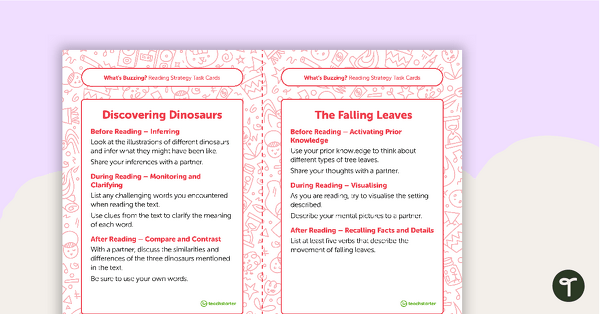
Year 4 Magazine – "What's Buzzing?" (Issue 3) Task Cards
A set of five literacy rotation task cards to be used in conjunction with Issue 3 of Teach Starter’s Year 4 magazine.
- Free Plan
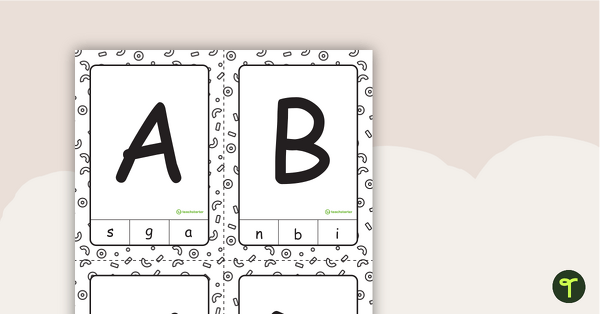
Upper and Lowercase Peg Cards
An upper and lowercase matching activity combined with a fine motor activity for the early years classroom.
- Plus Plan
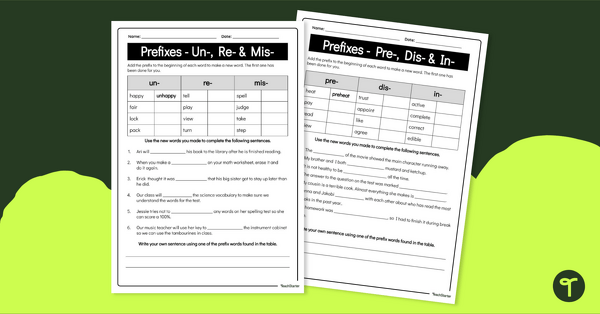
Prefixes List for Students
Download this list of prefixes to help your students build vocabulary, improve decoding skills, and confidently understand how prefixes change the meaning of words.
- Plus Plan
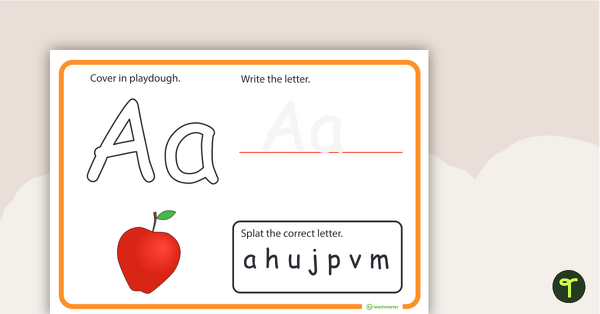
Alphabet Playdough Mats
A set of playdough mats where students write and form letters in playdough.
- Plus Plan
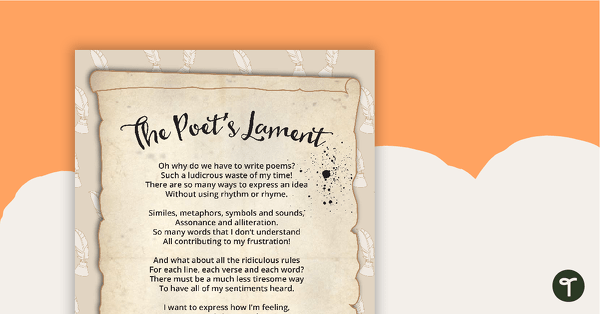
The Poet's Lament - Comprehension
A comprehension activity using a poem.
- Free Plan
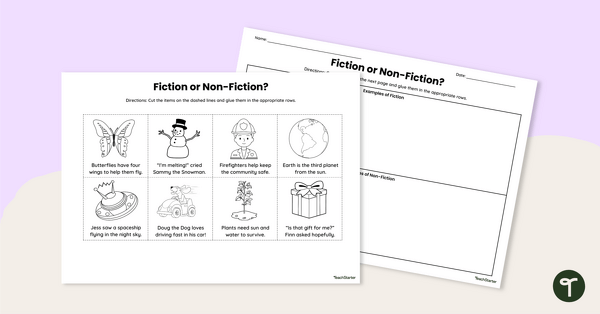
Fiction or Non-Fiction? Cut and Paste Worksheet
Use this fiction and non-fiction worksheet when teaching your students about the differences between fiction and non-fiction texts.
- Plus Plan
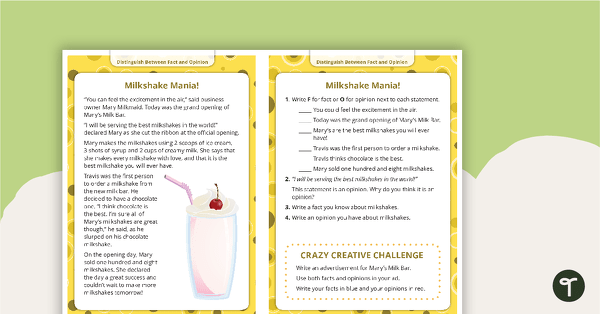
Distinguish Between Fact and Opinion Task Cards and Worksheets
Use these engaging task cards to help your students distinguish between fact and opinion when reading various texts.
- Plus Plan
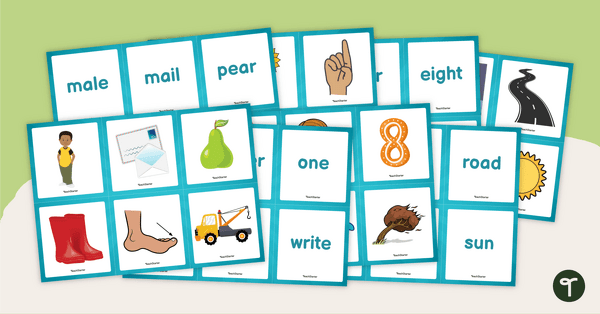
Homophones Match-Up Cards
Teach your students the meanings and spellings of some common homophones with this set of 32 match-up cards.
- Plus Plan
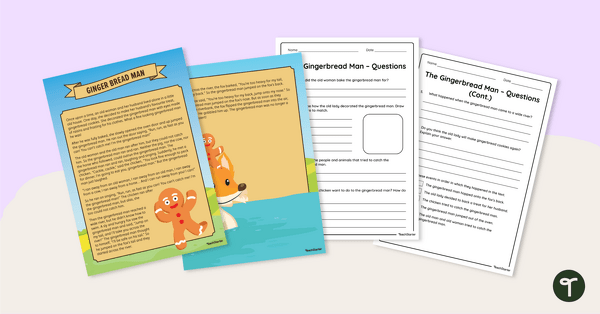
The Gingerbread Man - Comprehension Worksheet
Develop your students' reading comprehension skills with a well-known fairy tale.
- Plus Plan
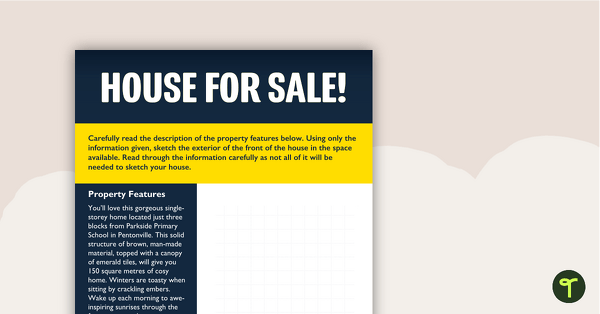
Real Estate Listing Inference Worksheets
Support comprehension with inference worksheets that guide students in interpreting real estate descriptions and justifying their ideas with clear textual evidence.
- Plus Plan
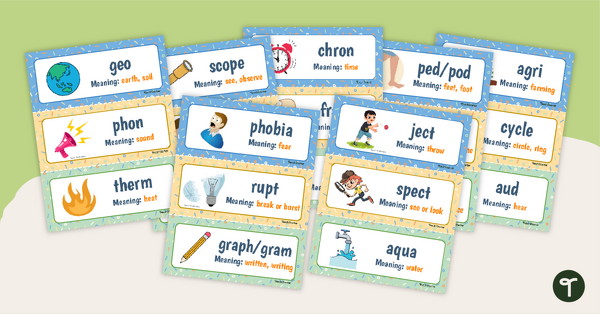
Greek and Latin Roots – Illustrated Word Wall
Use word wall displays to build student vocabulary with daily exposure to Greek and Latin root words.
- Plus Plan
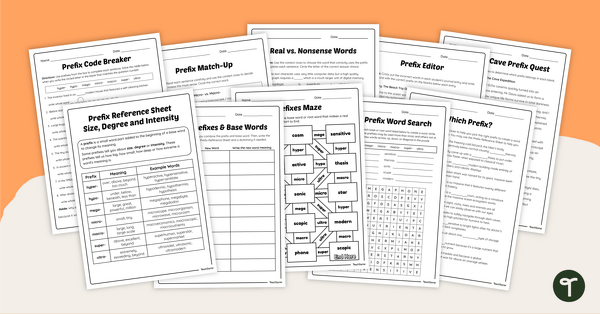
Size Prefixes Worksheet Pack
Teach size prefixes with this comprehensive worksheet pack that helps students understand how prefixes change the meaning of words through a collection of engaging activities.
- Plus Plan
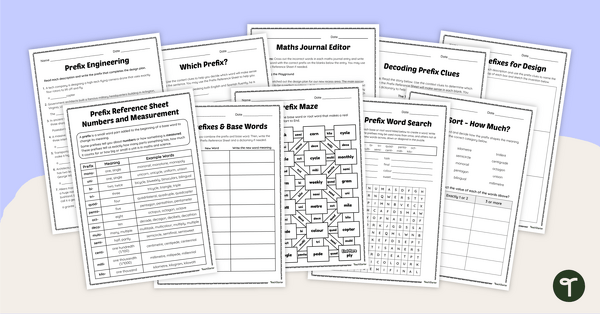
Number and Measurement Prefixes Worksheet Pack
Help your students master number and measurement prefixes with this comprehensive worksheet pack, which uses a collection of engaging activities to show how prefixes change word meaning.
- Plus Plan
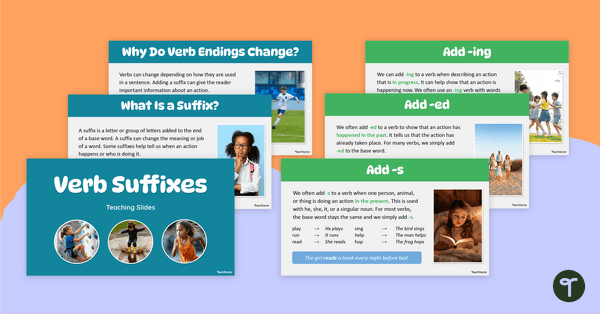
Verb Suffixes Teaching Slides (s, ed, ing)
Teach verb suffixes to your class with ease using this engaging slide deck that helps students understand when to apply the suffixes -s, -ed and -ing to change verb tense.
- Plus Plan
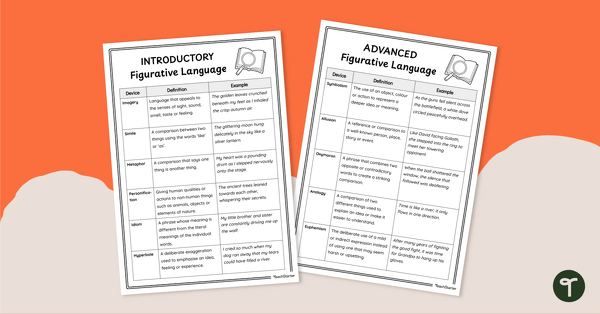
List of Figurative Language
Download this list of figurative language to help your students recognise, interpret and use figurative language when reading and writing.
- Plus Plan
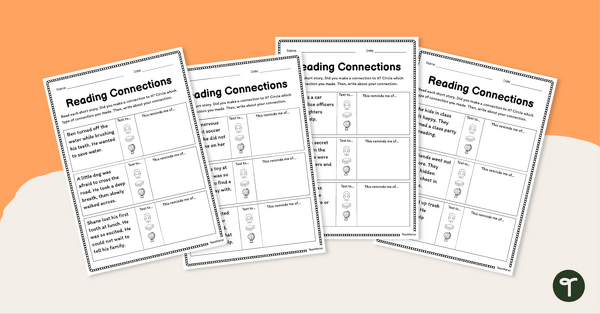
Reading Connections Worksheet Set
Build deep comprehension skills with this engaging Reading Connections Worksheet set.
- Reading Worksheets
- Reading Games
- Reading Templates
- Reading Posters
- Reading Teaching Presentations
- Reading Flashcards
- Reading Labels, Signs & Decorations
- Reading for Preschool/Kindergarten
- Reading for Foundation Year
- Reading for Year 1
- Reading for Year 2
- Reading for Year 3
- Reading for Year 4
- Reading for Year 5
- Reading for Year 6
- Reading for Year 7