Understanding and Responding to Literature
- Plus Plan
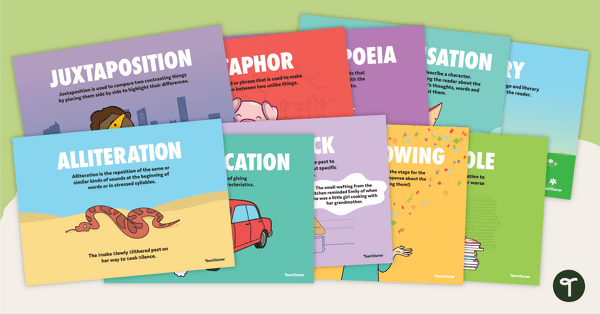
Literary Devices Poster Pack
Explore the various literary devices used by authors with the set of colourful classroom posters.
- Plus Plan
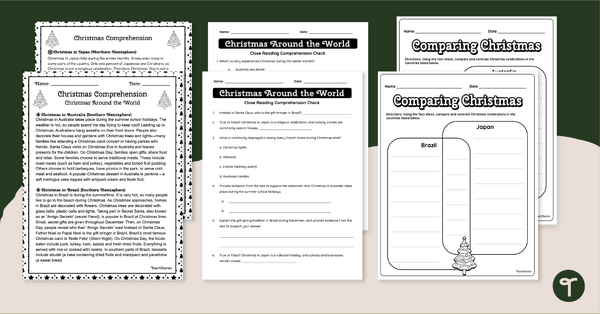
Christmas Around the World - Year 3 Reading Comprehension
Discover how Christmas is celebrated in the northern and southern hemispheres with printable reading comprehension sheets for Year 3.
- Plus Plan
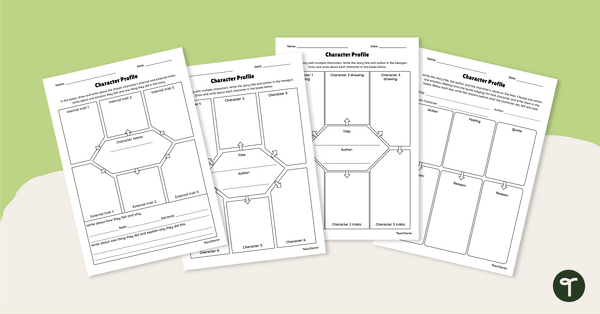
Character Profile - Graphic Organisers
Explore the internal and external traits of story characters with a set of differentiated graphic organisers.
- Plus Plan
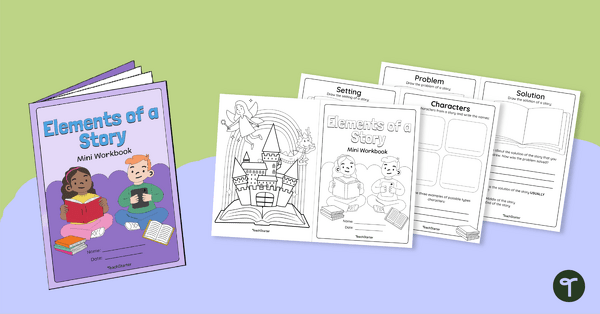
Elements of a Story Activity Workbook
Explore the different elements of a narrative story with this student mini workbook.
- Free Plan
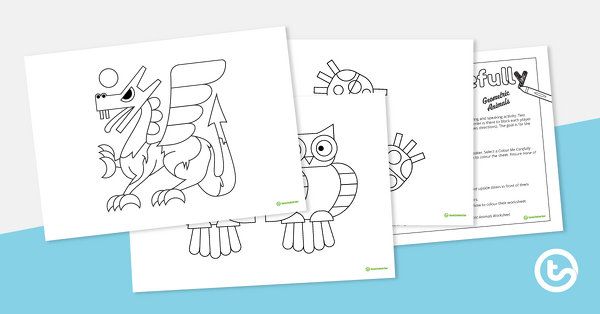
Colour Me Carefully – Geometric Animals – Worksheets
A set of four colouring pages to be used as speaking and listening activities.
- Free Plan
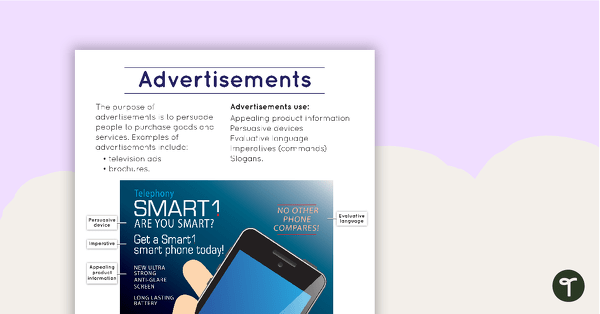
Advertisement Text Type Poster With Annotations
A poster about advertisements, including an annotated example.
- Plus Plan
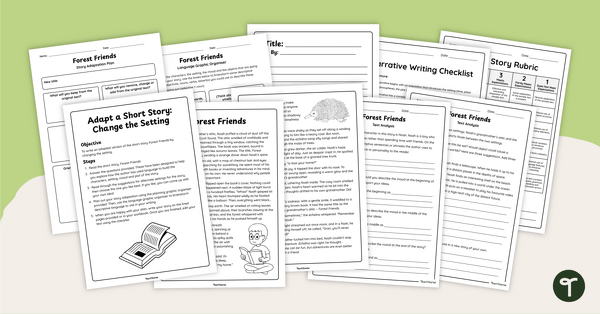
Adapt a Short Story – Change the Narrative Setting
Explore the role the narrative setting plays within a story with this engaging and fully scaffolded writing project booklet for primary students.
- Plus Plan
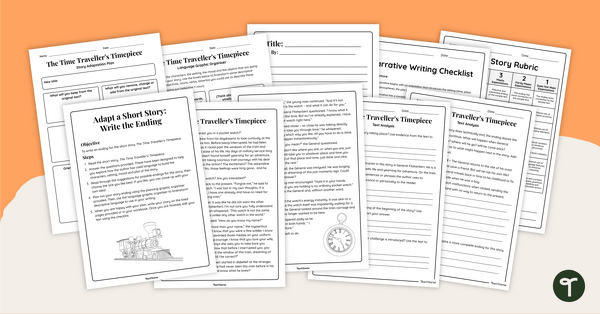
Adapt a Short Story – Write the Ending
Get your students to write the ending of an existing story with this engaging and fully scaffolded writing project booklet.
- Plus Plan
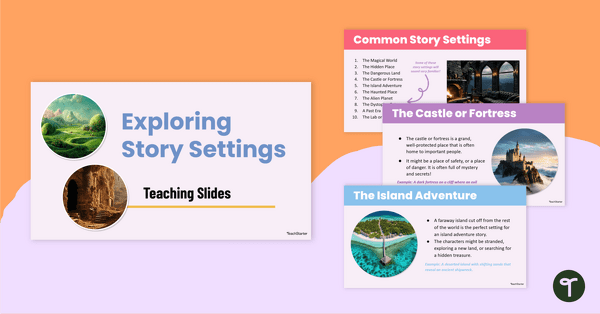
Examples of Story Settings Teaching Slides
Discover engaging examples of story settings with this teaching presentation that introduces students to ten classic settings in children’s literature.
- Plus Plan
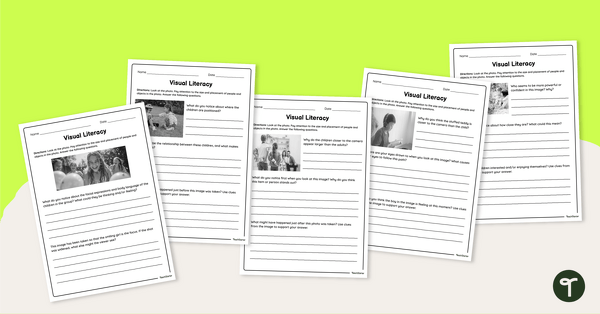
Visual Literacy Worksheets
Enhance critical thinking with visual literacy worksheets that guide students to analyse images, infer meaning and explore how pictures tell powerful stories.
- Plus Plan
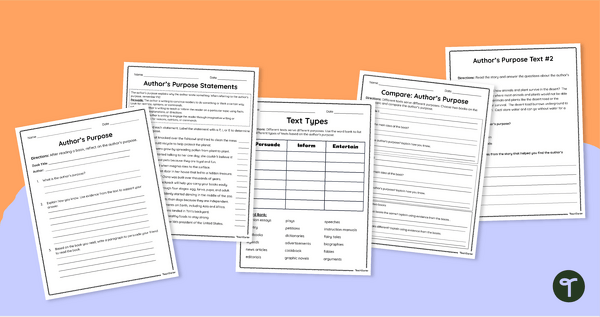
Author's Purpose Worksheet Set
Assess reading comprehension by using this comprehensive Author's Purpose Worksheet Set.
- Plus Plan
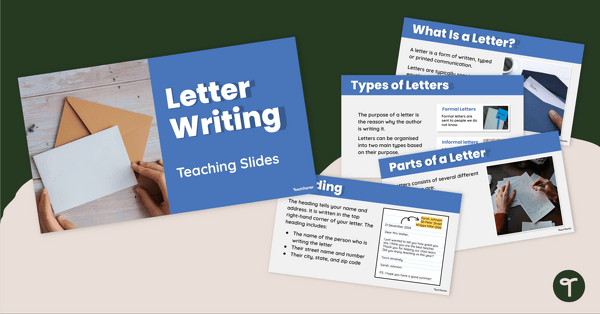
Letter Writing PowerPoint
Download this letter writing PowerPoint to teach students about the purpose, audience and structure of letters through an engaging and easy-to-follow presentation.
- Plus Plan
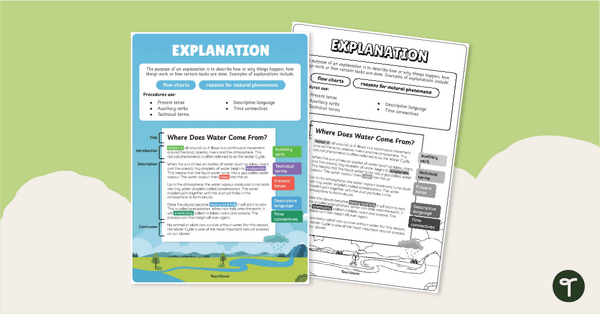
Explanation Text Type Poster With Annotations
Display this explanation text with annotations to help students identify the structure of an explanation.
- Plus Plan
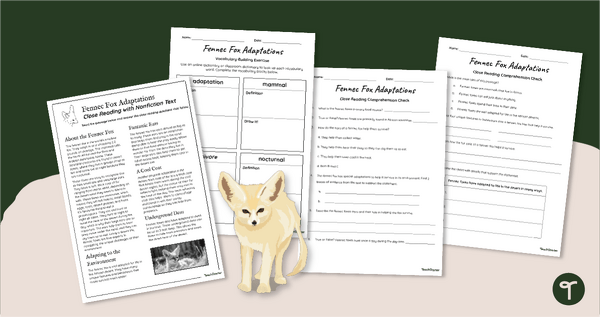
Fennec Fox Adaptations - Close Reading Worksheets
Read and learn about Fennec Fox adaptations with a set of printable Reading Comprehension Worksheets for Year 5.
- Plus Plan
Reading Response Journal – Comprehension Templates
A journal with comprehension sheets designed for students to study texts.
- Plus Plan
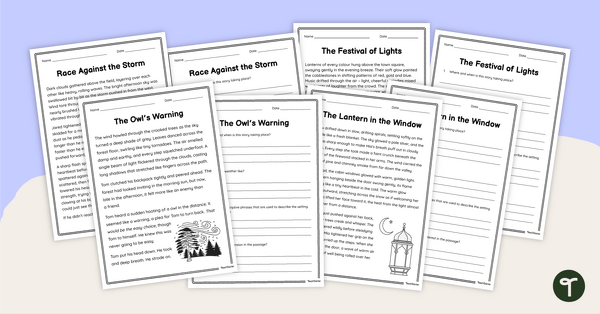
Mood in Narrative Writing – Text Analysis Worksheets
Teach mood in narrative writing with this set of four worksheets designed to help students explore narrative atmosphere in the context of real texts.
- Plus Plan
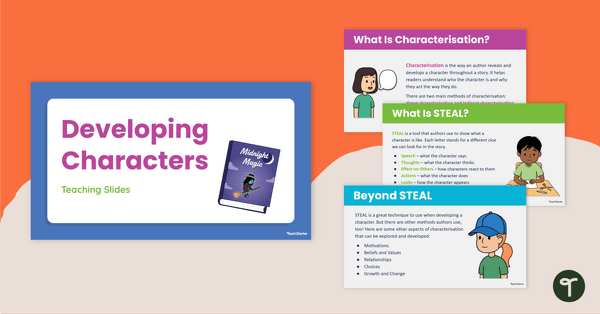
Develop a Character Teaching Slides
Teach your students how to develop a character using the STEAL technique and other characterisation methods with this comprehensive teaching presentation.
- Plus Plan
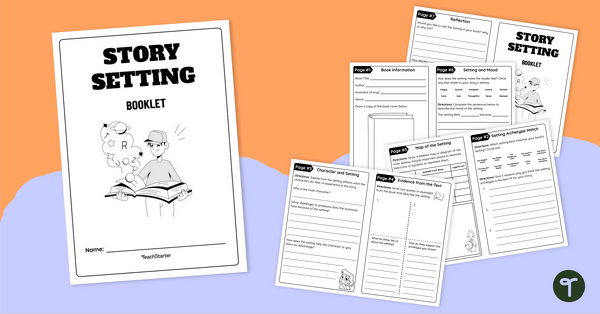
Story Settings Booklet
Explore common story settings in literature with this engaging 8-page mini book that helps students analyse settings from their own reading.
- Plus Plan
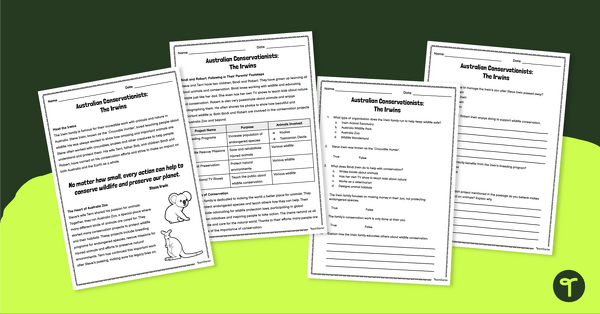
Australian Conservationists: The Irwins – Comprehension Worksheet
Learn about the Irwin family and their conservation work with this 2-page reading passage and accompanying comprehension questions.
- Plus Plan
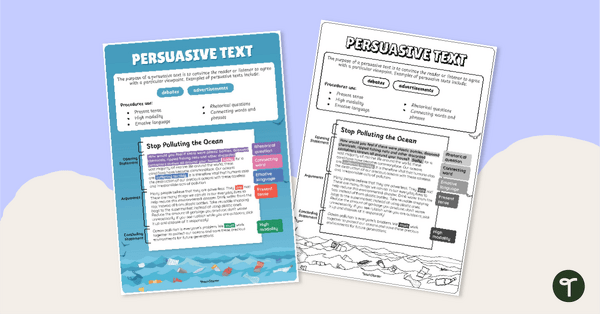
Persuasive Text Type Poster With Annotations
Display this Persuasive text with annotations to help students identify the structure of this type of text.
- Plus Plan
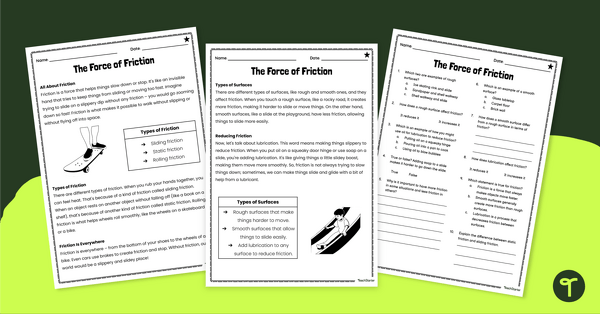
The Force of Friction Comprehension Worksheets
Download this friction worksheet to teach your Year 4 students about the force of friction and its impact on our daily lives.
- Plus Plan
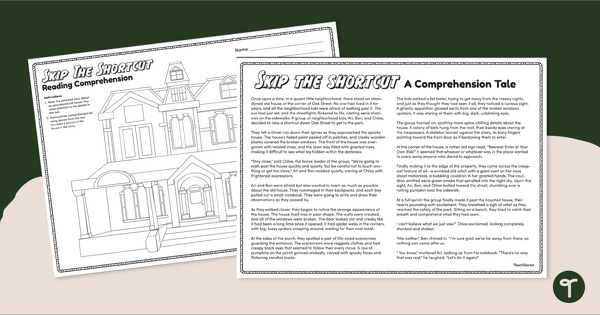
Halloween Printables - Read and Draw Worksheet
Practise comprehension skills with an exciting Halloween reading comprehension worksheet for year 4.
- Plus Plan
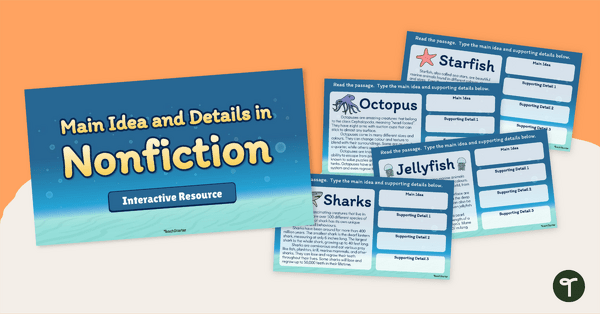
Main Idea and Details in Nonfiction - Interactive Activity
Help your students easily find the main idea and support details in a nonfiction text with this interactive activity.
- Plus Plan
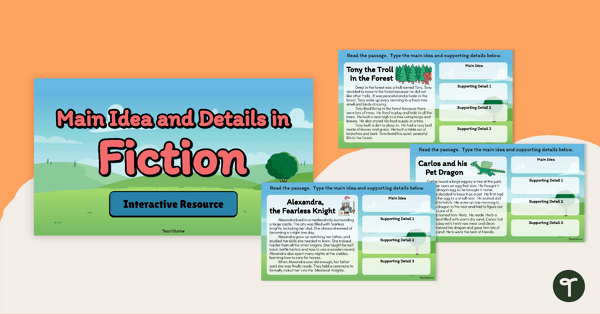
Finding the Main Idea in Fiction Texts Interactive Activity
Help your students easily find the main idea and support details in a fiction text with this interactive activity.
- Free Plan
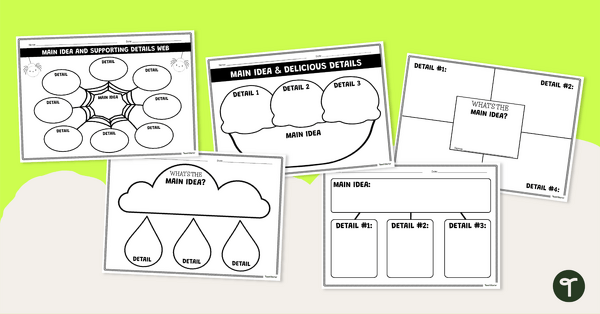
Finding the Main Idea - Graphic Organiser Templates
A worksheet to use when teaching students how to find the main idea of a text.
- Plus Plan
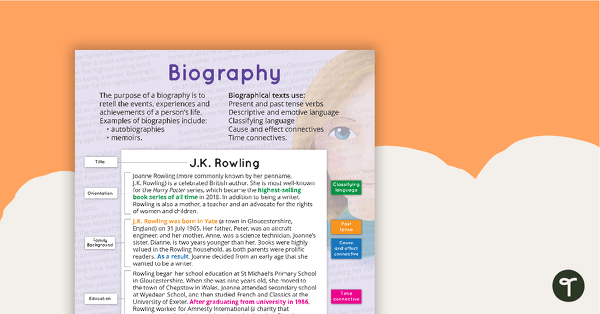
Biography Poster With Annotations
Use this biography poster to introduce your students to the structure and language features of biography writing through an annotated example.
- Plus Plan
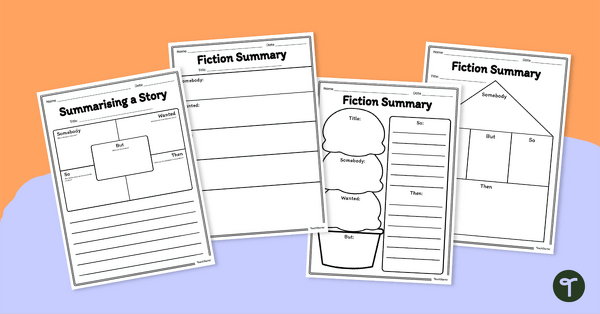
Summarising a Story Graphic Organisers
Use these graphic organisers to help students when summarising a story.
- Plus Plan

Five Senses Imagery Teaching Slides
Teach five senses imagery with an engaging slide deck that helps students understand how authors use descriptive language to create vivid mental pictures and richer reading experiences.
- Plus Plan
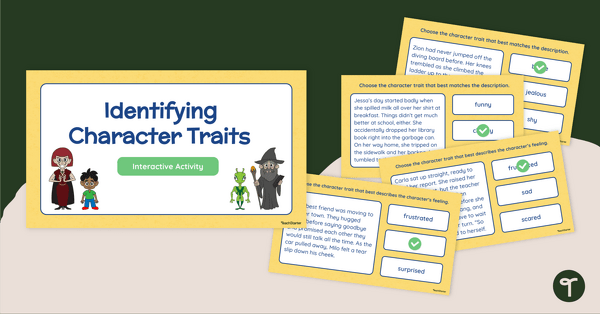
Identifying Character Traits Interactive Activity
Get your students identifying character traits with this engaging digital quiz that helps students understand how language reveals personality in writing.
- Plus Plan
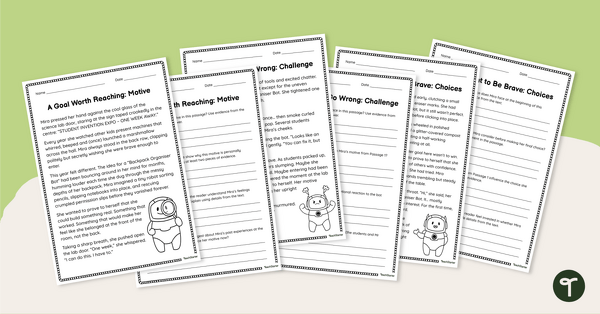
Character Development – Text Analysis Worksheets
Explore character development in narrative writing with this set of three engaging worksheets that help students understand how motivations, challenges and choices shape a character’s growth.
- Plus Plan
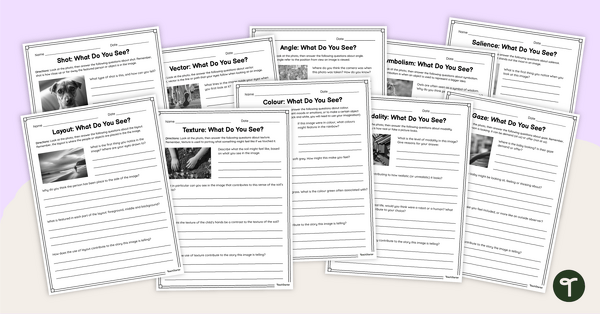
Elements of Visual Literacy Worksheets
Teach the elements of visual literacy with this engaging worksheet pack designed to help primary students analyse images and deepen their critical thinking skills.
- Plus Plan
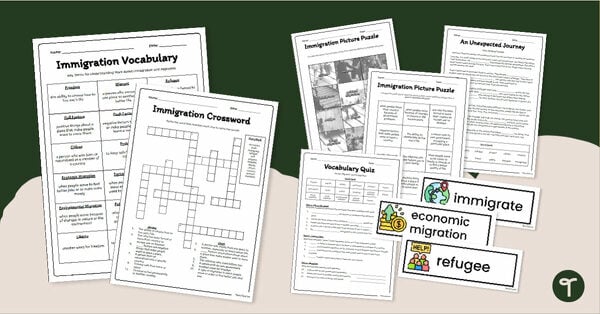
Immigration Vocabulary List & Activity Pack
Download our immigration vocabulary list and printable vocabulary activities to teach your students about human migration and immigration.