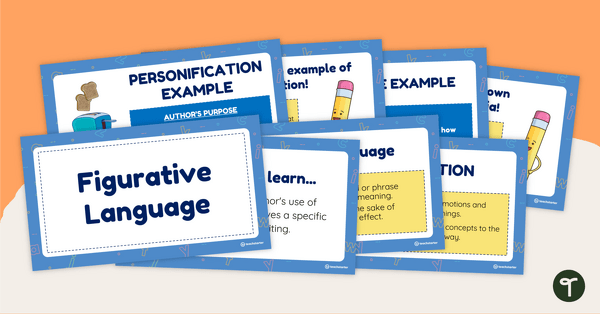
Download this figurative language PowerPoint to teach your students how authors use figurative language to create meaning and engage readers.
Teach Literary Devices with a Figurative Language PowerPoint
Teaching literary devices this term? If you’re looking to teach your students about the most common types of figurative language and their effects, this teaching slide deck is for you! This comprehensive presentation has been crafted by our experienced team to demystify these key writing techniques and illuminate their role in creating imagery in literature.
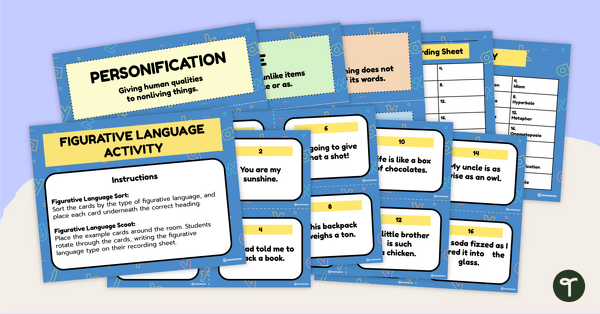
This 29-slide teaching presentation will help you explain the most common forms of figurative language and their effects to your students, with no addition prep required! Each device is explained with a child-friendly definition, accompanied by examples of its application in context.
The figurative language techniques featured in this presentation are:
- Simile
- Metaphor
- Personification
- Idiom
- Hyperbole
Designed with classroom engagement in mind, this presentation includes built-in check-for-understanding activities throughout. These interactive opportunities help teachers quickly assess student understanding, identify misconceptions and provide additional support where needed.
This figurative language presentation can be downloaded as a Microsoft PowerPoint or Google Slides file. By engaging with this resource, your students will be able to identify the most common figurative language devices and explain how these enhance the reader’s experience of poetry and literature.
Learning Beyond This Figurative Language Slideshow
This figurative language slideshow is an excellent resource for introducing your class to five key forms of figurative language. If you’re looking to follow up with more whole-class, small-group or independent activities, then take a look at these suggestions from our experienced team:
- Class Scavenger Hunt – Have students search through familiar picture books, novels or classroom texts to find examples of figurative language. Ask students to identify the type of figurative language used and explain its purpose.
- Collaborative Class Display – Place the students in small groups and assign each group a form of figurative language. Have students create an informative poster explaining the device, providing definitions and original examples. Place all the posters together to create a comprehensive class display about figurative language.
- Independent Writing – Challenge students to write a short paragraph, story or poem using multiple types of figurative language. Set a goal to include at least one of each device from the PowerPoint presentation. Share completed writing pieces with the class and identify the figurative language used.
Download This Figurative Language PPT Today!
Are you ready to get your hands on this figurative language presentation? Use the dropdown menu on the Download button to access your preferred version. (Note: You will be prompted to make a copy of the Google Slides presentation before accessing it.)
Project the resource onto your screen and work through the slides as a class for a paperless English lesson. We encourage you to work through the slides at your own pace, pausing to discuss examples, complete the check-for-understanding activities and address any individual student needs.
This resource was created by Tanya Bailey, a teacher and Teach Starter collaborator.
Resources to Complement This Figurative Language PowerPoint Presentation
Looking for more resources to support your teaching of figurative language? Great news… we have many more teacher-created, curriculum-aligned resources available!
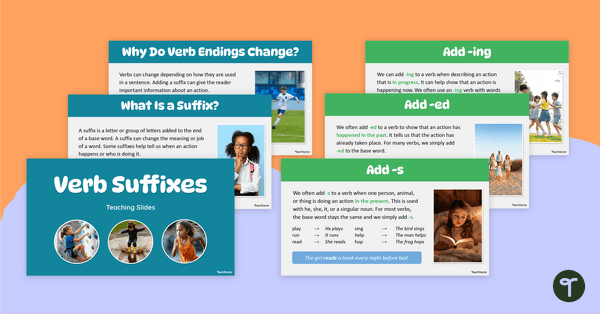
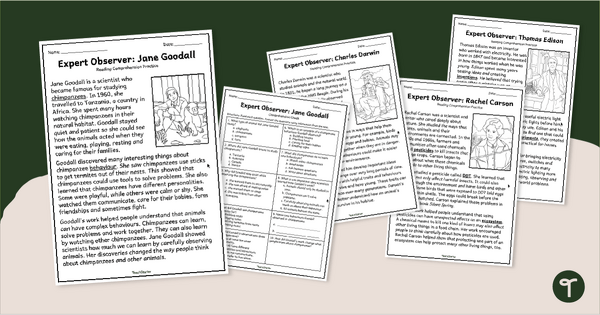
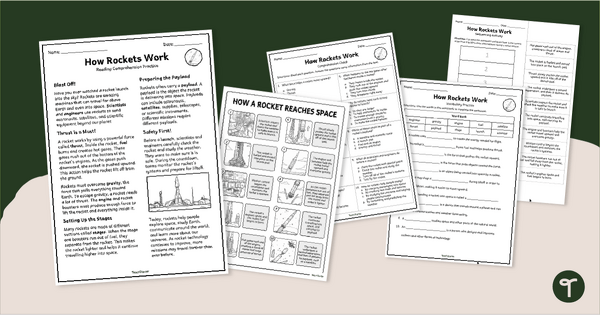
[resource:5215709] [resource:13191] [resource:4031902]


0 Comments
Write a review to help other teachers and parents like yourself. If you'd like to request a change to this resource, or report an error, select the corresponding tab above.