Figurative Language Teaching Resources
You use figurative language in your classroom every day, but if you are on the hunt for figurative language worksheets, classroom posters activities and more, chances are you are struggling to find good resources for primary-level learners. Our teacher-created resource collection has you covered with teacher slide decks about idioms, onomatopoeia writing activities, figurative language anchor charts and more figurative fun.
Each resource has been reviewed by the teachers on the Teach Starter team to ensure it's Australian curriculum-aligned.
Hey, we don't all teach the same classes every year, and between the list of students with peanut allergies and the latest mandate from admin, you've got a lot of information already packed into your brain. Let the expert English teachers on our Teach Starter team provide a quick refresher course. (Already know the answer? Feel free to skip right to downloading the printable activities and worksheets!)
What Is Figurative Language?
Figurative language is the usage of words that aren't literally or strictly true in order to convey meaning. Wait, huh? Think of it this way — if your students say that their homework was a piece of cake, you know they're using an idiom, but you also know what they mean. That's using figurative language!
Figurative language gives meaning to something by referencing something else — in this case, cake — while literal language is more explicit. If that student were being literal, they could have simply said, 'That homework was so easy!'
Figurative language can make reading comprehension challenging for students, particularly multi-lingual learners. But children's figurative language acquisition and development aren't just crucial for reading and writing — studies show they're also a core part of social and emotional learning as children learn better ways to express their feelings.
And let's face it — metaphors, hyperbole, idioms and all types of figurative language make reading and writing more engaging and exciting. In turn, helping us encourage students to develop a lifelong love of reading.
Figurative Language Examples
As you're sitting down to lesson plan and explore this teaching resource collection, we thought looking at the main figurative language examples might help! Here are the types of figurative language our teacher team has covered in this collection, with editable options that allow you to differentiate lessons to meet the needs of each student in your classroom:
- Similes
- Metaphors
- Personification
- Alliteration
- Onomatopoeia
- Idioms
- Oxymorons
- Hyperbole
- Plus Plan
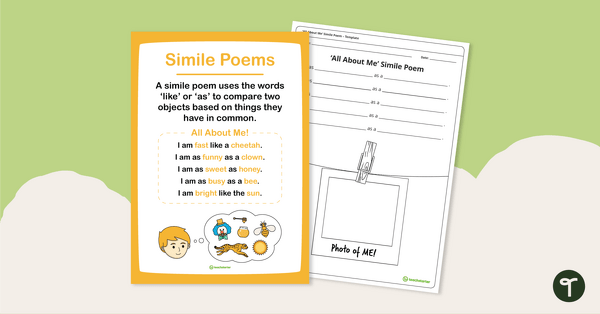
All About Me! - Simile Poem Template & Poster
Get to know your students and explore simile poems at the same time with this All About Me Simile Poem Template and Poster.
- Plus Plan
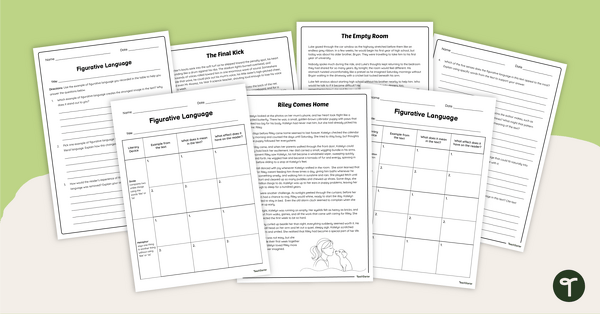
Analysing Figurative Language in Literature Worksheets
Explore figurative language in literature with engaging reading passages and targeted worksheets that help students identify, analyse and explain how authors use figurative devices to create meaning and impact.
- Plus Plan
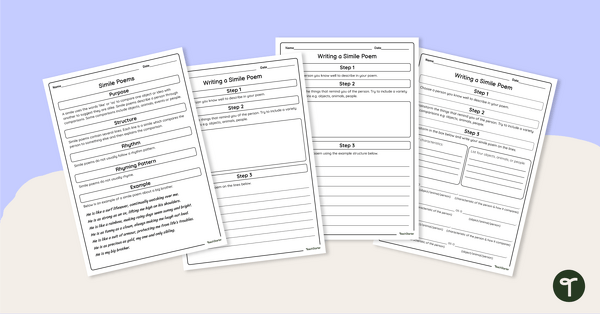
Writing a Simile Poem - Worksheet
Experiment with similes by writing a simile poem about a special person.
- Plus Plan

Five Senses Imagery Teaching Slides
Teach five senses imagery with an engaging slide deck that helps students understand how authors use descriptive language to create vivid mental pictures and richer reading experiences.
- Free Plan
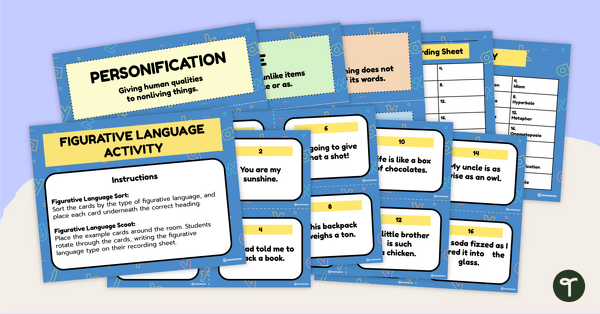
Figurative Language Sorting Activity
Explore figurative language in context with this set of 28 sorting cards.
- Plus Plan
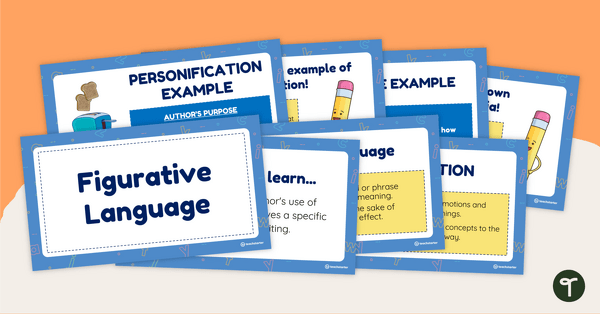
Figurative Language PowerPoint
Download this figurative language PowerPoint to teach your students how authors use figurative language to create meaning and engage readers.
- Plus Plan
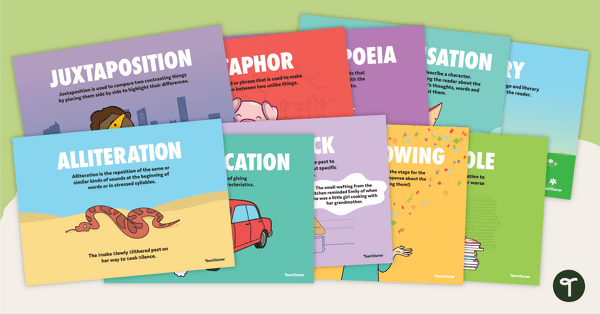
Literary Devices Poster Pack
Explore the various literary devices used by authors with the set of colourful classroom posters.
- Free Plan
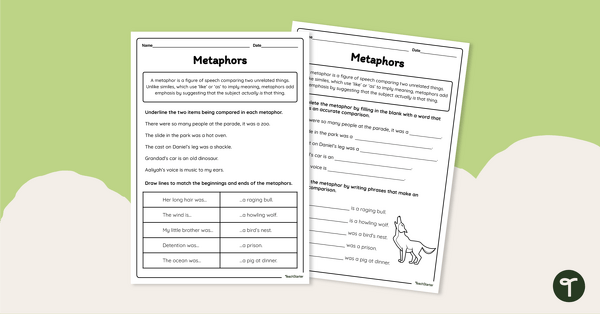
Metaphors Worksheet
Practise identifying and using metaphors with this differentiated metaphors worksheet.
- Plus Plan
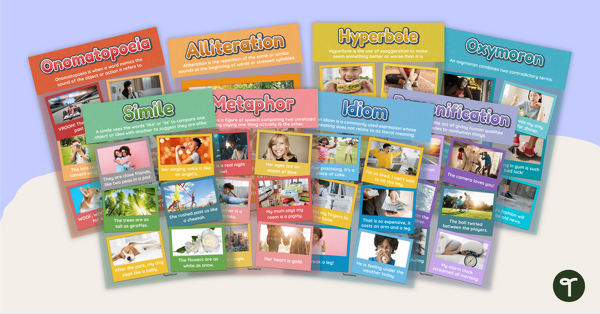
Figurative Language Poster Pack
Remind your students about the most common types of figurative language with this set of classroom display posters.
- Plus Plan
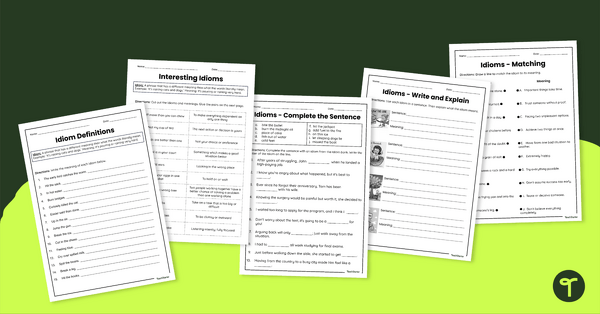
Interesting Idioms Worksheets
Teach figurative language with these idioms worksheets that will introduce your students to many of the most commonly used idioms.
- Plus Plan
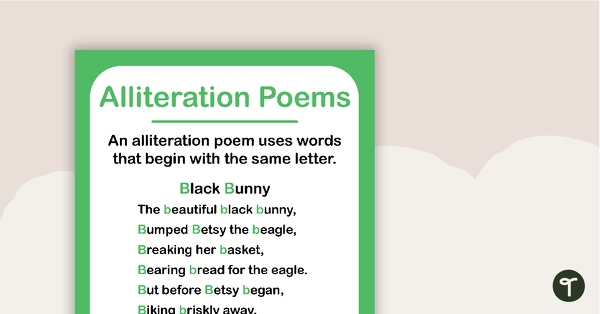
Alliteration Poem Poster and Templates
Use this alliteration poem example and accompanying worksheets to teach your students how to write an alliteration poem.
- Plus Plan
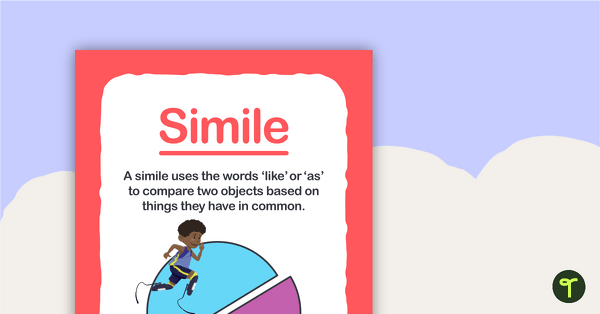
Similes Poster (Early Years)
Show your students an example of a simile using this colourful classroom display poster.
- Plus Plan
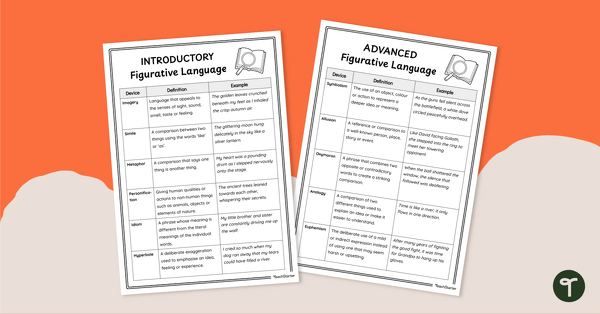
List of Figurative Language
Download this list of figurative language to help your students recognise, interpret and use figurative language when reading and writing.
- Plus Plan
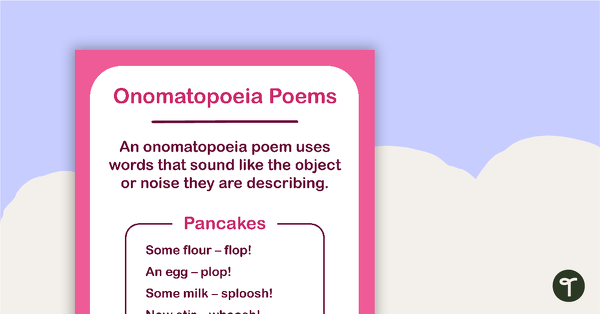
Onomatopoeia Poems Poster and Templates
Use this onomatopoeia poem poster and accompanying template to teach your students how to write an onomatopoeia poem.
- Plus Plan
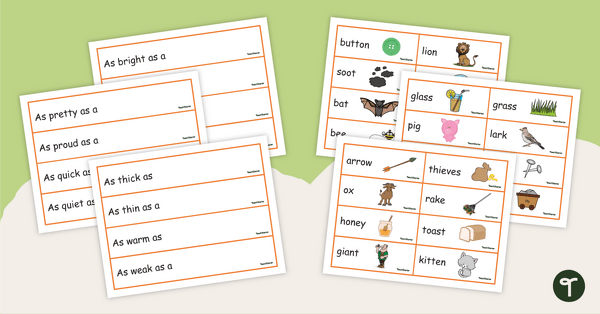
Similes Matching Game
Use this similes game to introduce your students to some of the most common similes used in the English language.
- Plus Plan
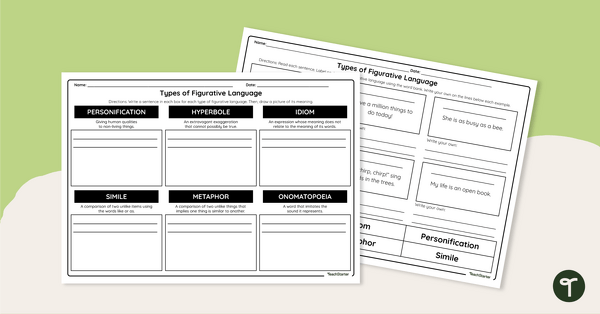
Types of Figurative Language - Worksheet
Practise identifying and creating examples of figurative language with this printable worksheet.
- Plus Plan
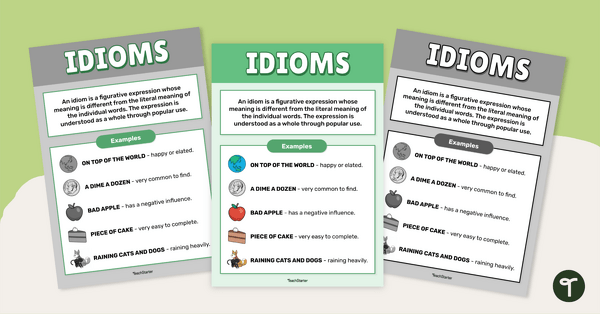
Idioms Poster
Hang this idioms poster in your classroom to give your students a reference for this important piece of figurative language.
- Plus Plan
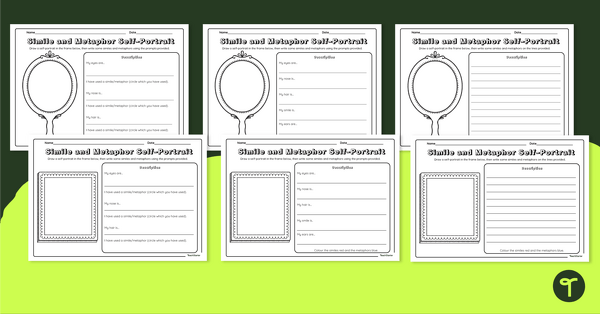
Simile and Metaphor Self-Portrait Worksheet
Teach students about similes and metaphors by asking them to describe... themselves!
- Plus Plan
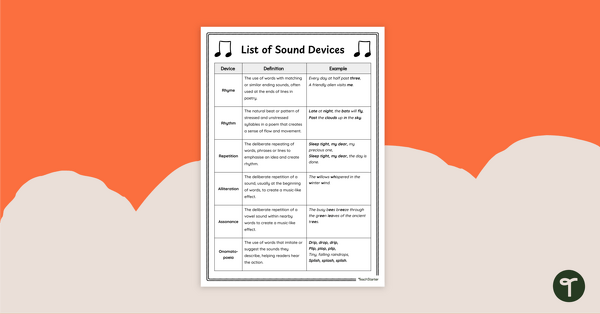
List of Sound Devices
Download this list of sound devices in poetry to help students recognise, understand and confidently use sound techniques that bring poems to life.
- Plus Plan
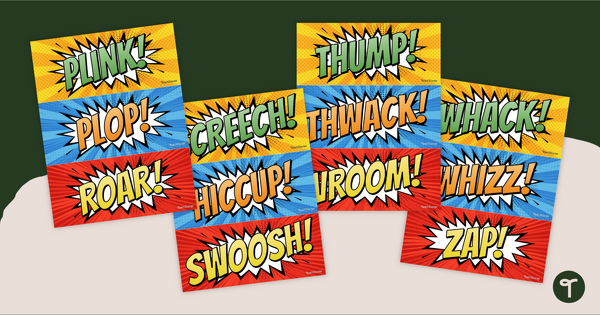
Onomatopoeia Examples - Word Wall Display
Display a fun onomatopoeia word wall in your classroom with printable cards containing 45 onomatopoeia examples.
- Plus Plan
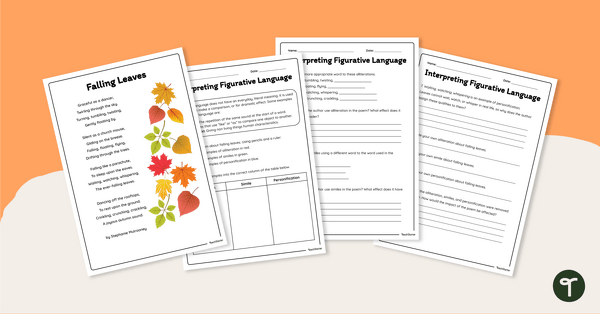
Interpreting Figurative Language - Worksheets
Explore figurative language in poetry with this age-appropriate poem and accompanying vocabulary questions.
- Plus Plan
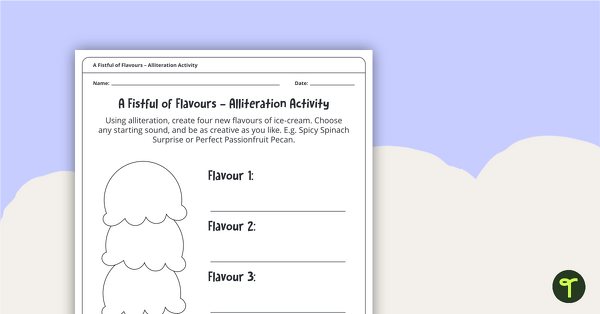
A Fistful of Flavours Alliteration Activity
Make alliteration fun with a printable worksheet that challenges students to create flavours of ice cream.
- Plus Plan
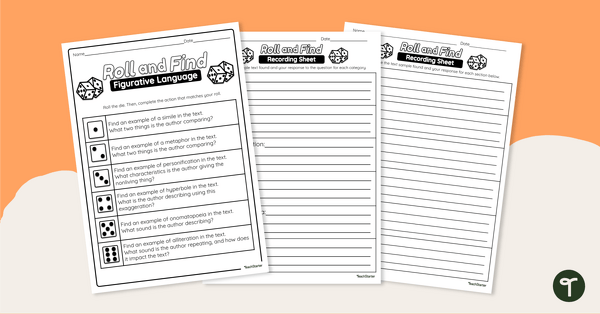
Roll and Find – Figurative Language Worksheet
Explore, identify and interpret figurative language with this engaging roll and find activity.
- Plus Plan
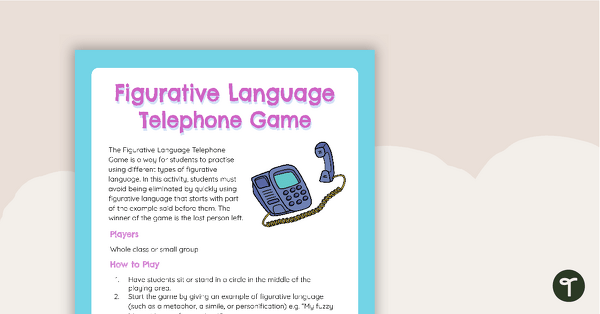
Figurative Language Telephone Game
Play this figurative language game with a group to practise recognising and inventing metaphors, similes and personification.
- Plus Plan
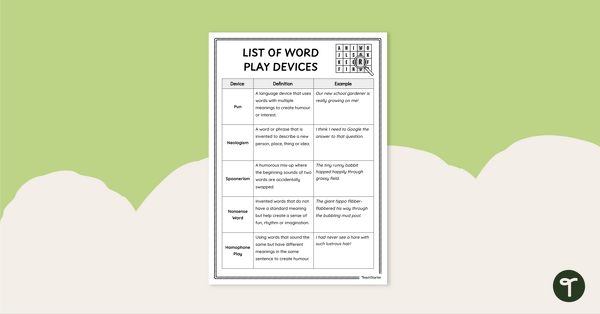
List of Word Play Examples
Download this list of word play examples to help your students recognise, interpret and use creative language techniques when reading and writing.
- Plus Plan
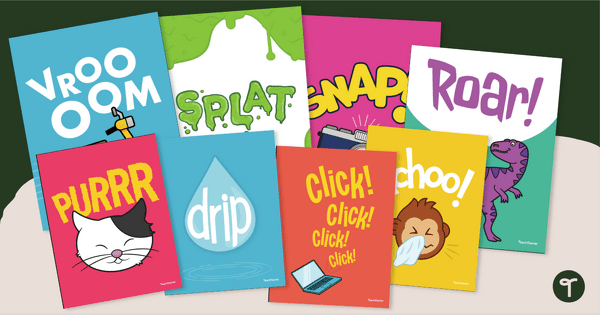
Figurative Language Posters – Onomatopoeia
Help young readers and writers recognise onomatopoeias with a set of onomatopoeia classroom posters.
- Plus Plan
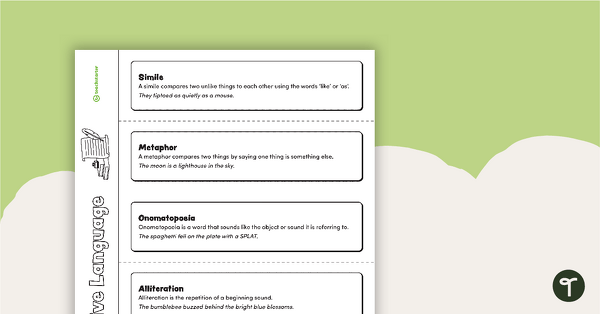
Figurative Language Flip Book
A flip book template for students to identify examples of figurative language.
- Plus Plan
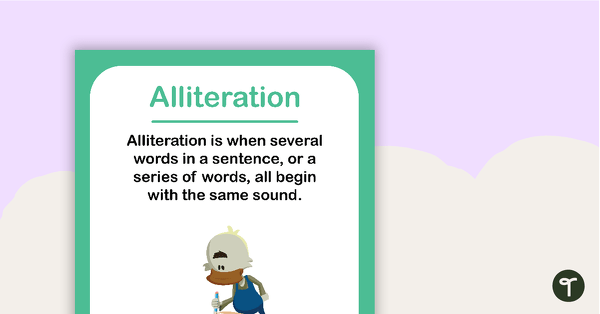
Alliteration Poster For Young Students
A poster to use with young students when teaching alliteration.
- Plus Plan
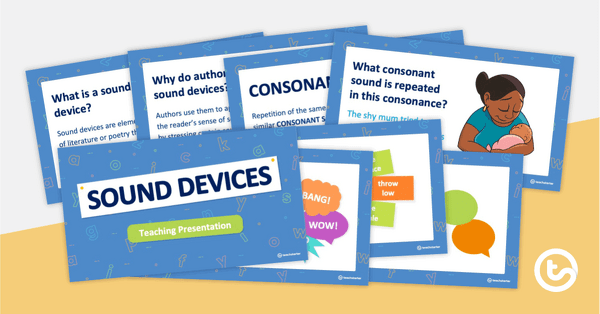
What Are Sound Devices? PowerPoint
Teach sound devices in literature with this engaging PowerPoint presentation that helps students identify and understand common sound techniques used by authors and poets.
- Plus Plan
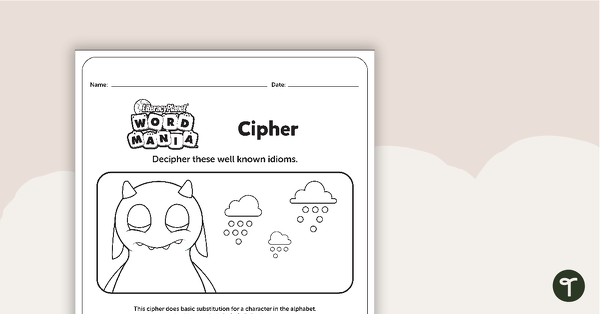
Cipher Worksheets - Levels 4, 5 and 6
3 cipher worksheets.
- Plus Plan

Sound Play in Poetry - Alliteration
A 60 minute lesson in which students will identify and explore alliteration in poetry.
- Plus Plan
Figurative Language
A 60 minute lesson in which students will identify and investigate figurative language in poetry.