ELAR 1.2
Developing and sustaining foundational language skills: listening, speaking, reading, writing, and thinking--beginning reading and writing. The student develops word structure knowledge through phonological awareness, print concepts, phonics, and morphology to communicate, decode, and spell. The student is expected to:
- (1) demonstrate phonological awareness by:
- (A) producing a series of rhyming words;
- (i) recognizing spoken alliteration or groups of words that begin with the same spoken onset or initial sound;
- (ii) distinguishing between long and short vowel sounds in one-syllable words;
- (iii) recognizing the change in spoken word when a specified phoneme is added, changed, or removed;
- (iv) blending spoken phonemes to form one-syllable words, including initial and/or final consonant blends;
- (v) manipulating phonemes within base words; and
- (vi) segmenting spoken one-syllable words of three to five phonemes into individual phonemes, including words with initial and/or final consonant blends;
- (vii) demonstrate and apply phonetic knowledge by:
- (B) decoding words in isolation and in context by applying
common letter sound correspondences;
- (i) decoding words with initial and final consonant blends, digraphs, and trigraphs;
- (ii) decoding words with closed syllables; open syllables; VCe syllables; vowel teams, including vowel digraphs and diphthongs; and r-controlled syllables;
- (iii) using knowledge of base words to decode common compound words and contractions;
- (iv) decoding words with inflectional endings, including -ed, -s, and -es; and
- (v) identifying and reading at least 100 high-frequency words from a research-based list;
- (vi) demonstrate and apply spelling knowledge by:
- (C) spelling words with closed syllables, open syllables,
VCe syllables, vowel teams, and r-controlled syllables;
- (i) spelling words with initial and final consonant blends, digraphs, and trigraphs;
- (ii) spelling words using sound-spelling patterns; and
- (iii) spelling high-frequency words from a research-based list;
- (iv) demonstrate print awareness by identifying the information that different parts of a book provide;
- (D) alphabetize a series of words to the first or second letter and use a dictionary to find words; and
- (E) develop handwriting by printing words, sentences, and answers legibly leaving appropriate spaces between words.
- (A) producing a series of rhyming words;
- Plus Plan
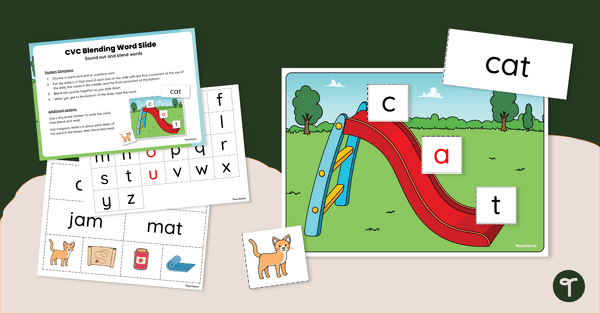
CVC Word Blending Slide Activity
Engage students in a fun blending activity to encourage students to ‘slide’ their phonemes together with this phoneme blending mat.
- Plus Plan
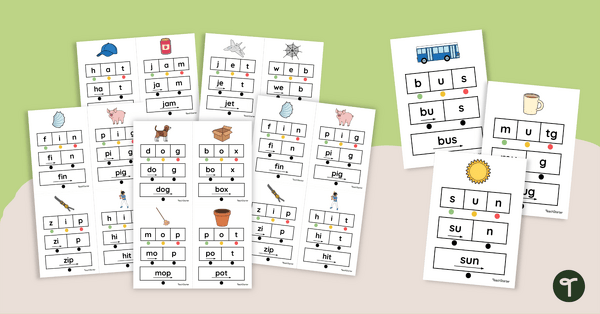
CVC Successive Phoneme Blending Task Cards
Help students blend CVC words by using the successive blending technique with this set of easy to use phoneme blending task cards.
- Plus Plan
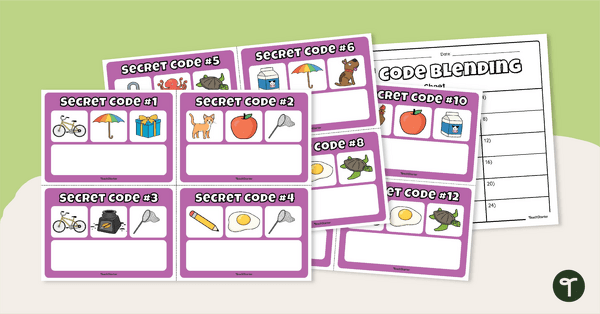
Secret Code Phoneme Blending Task Cards
Explore phoneme blending with this set of engaging secret code blending CVC word task cards.
- Plus Plan
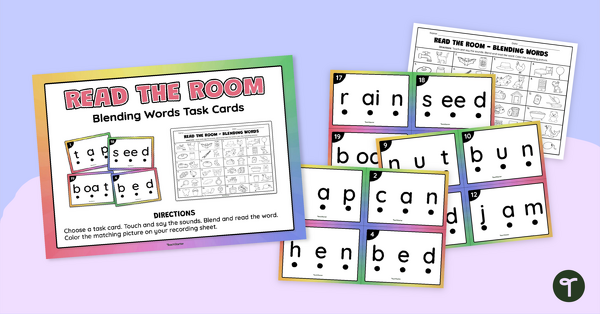
Read the Room - Blending Words Task Cards
Get your students active and also practicing their phoneme blending skills with this fun read the room blending activity.
- Plus Plan
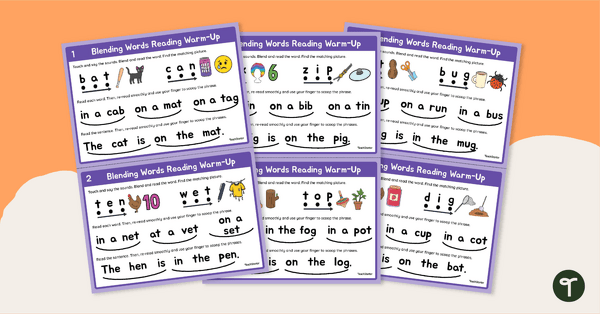
Blending Words Reading Warm-Up Task Cards
Get your students ready for reading with these blending words reading warm-up task cards.
- Plus Plan
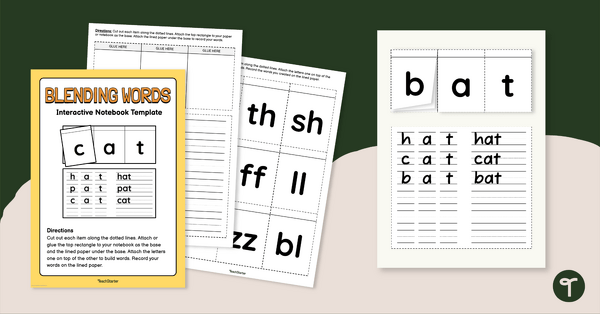
Blending Interactive Notebook Template
Engage students in blending simple 3 and 4 phoneme words with this interactive flip book template.
- Plus Plan
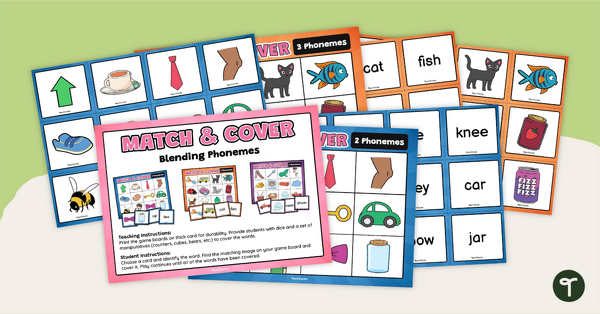
Match and Cover Blending Phonemes Game
Engage your students in blending phonemes with this set of ‘Blend and Cover’ game boards.
- Plus Plan
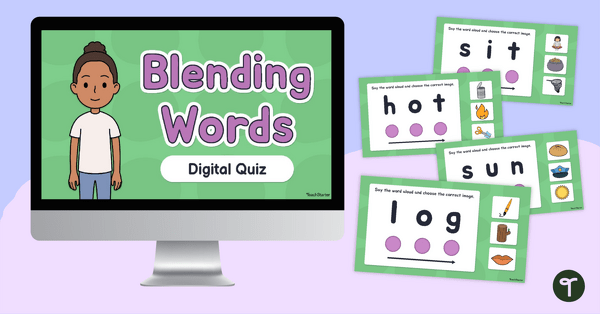
Blending Words Digital Quiz
Get your students to practice their blending with simple CVC words using this digital activity.
- Plus Plan
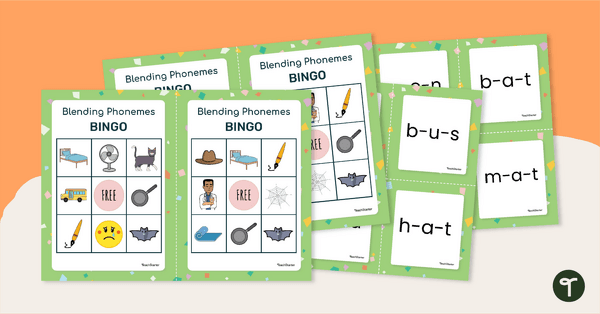
Blending Phonemes CVC Word BINGO
Practice blending phonemes to form one-syllable words with this set of 20 bingo game boards and cards.
- Plus Plan
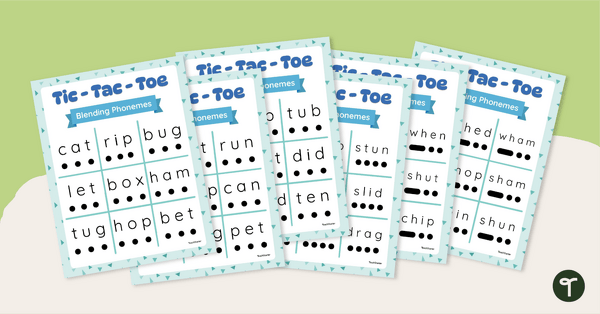
Tic-Tac-Toe Blending Phonemes Game
Develop your students' blending phonemes in CVC and CCVC words with a set of 10 Tic-Tac-Toe board games.
- Plus Plan
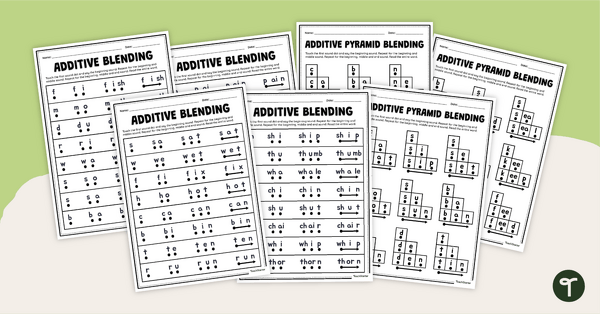
Additive Blending Worksheet Pack
Provide students with the tools to successfully practice phoneme and word blending with these additive and pyramid blending worksheets.
- Plus Plan
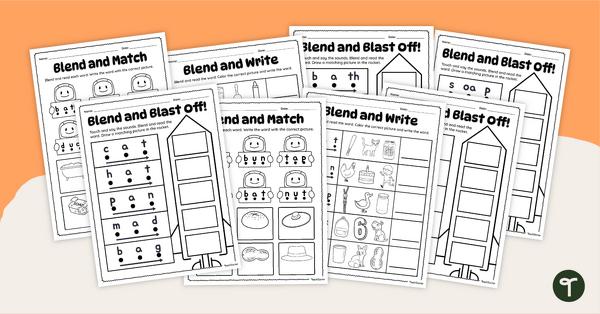
Blending Words Worksheet Pack
Explore blending phonemes in a variety of ways using this worksheet pack for your students.
- Plus Plan
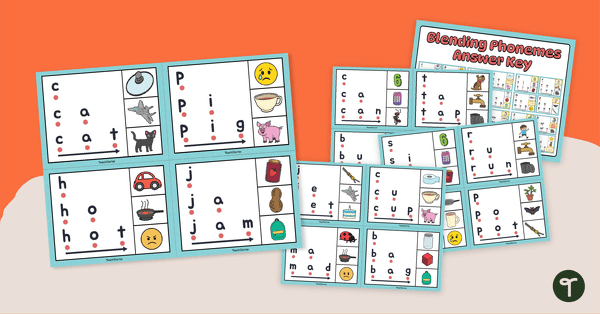
Blending Phonemes Clip Cards
Provide students with the ability to practice successive blending of phonemes with this set of clip cards.
- Plus Plan
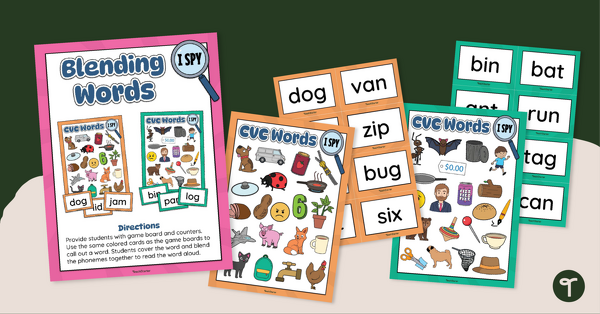
I Spy Blending Phonemes Activity
Support students' phonemic awareness development with this fun I Spy phoneme blending activity.
- Plus Plan
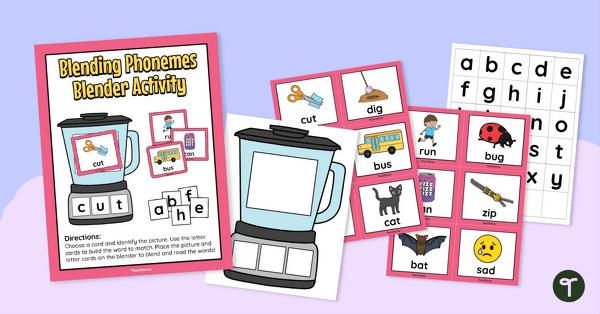
Phoneme Blending Blender Activity
Set your students up for success when learning to blend phonemes by using this fun blender activity to practice blending simple CVC words.
- Plus Plan
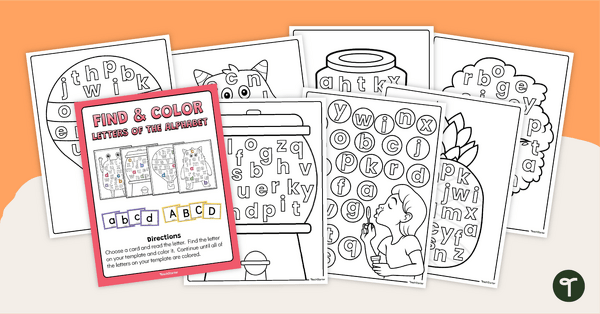
Find and Color Alphabet Activity
Help students recognize different letters of the alphabet with this find and color worksheet pack.
- Plus Plan
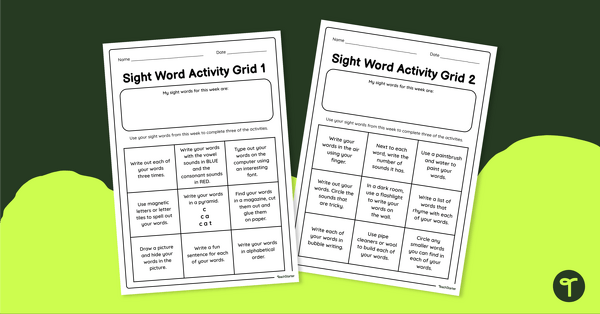
High Frequency words Activity Grid
Support your students in practicing high-frequency words at home with this set of two activity grids, designed to reinforce decoding, encoding, and automatic word recognition in line with the Science of Reading.
- Plus Plan
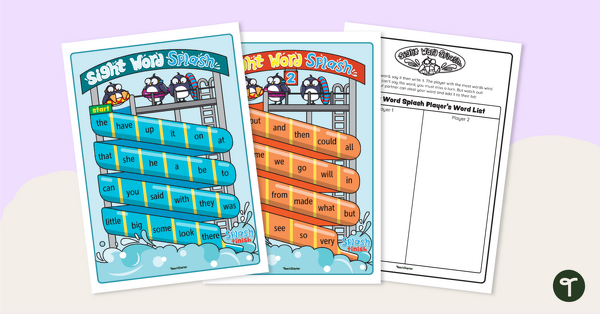
Sight Word Splash Game
Use this collaborative partner game to allow your students to practice reading and writing some of the most common high-frequency words.
- Plus Plan
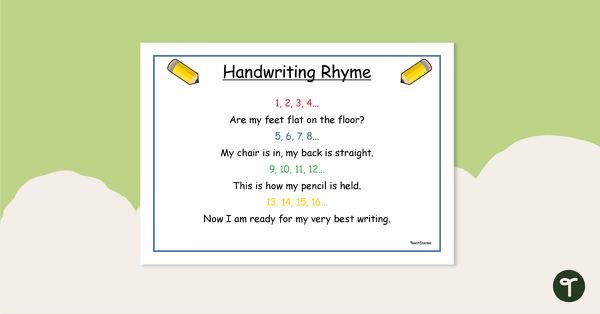
Handwriting Rhyme Poster
Use this handwriting rhyme to help your students prepare themselves for a handwriting lesson.
- Plus Plan
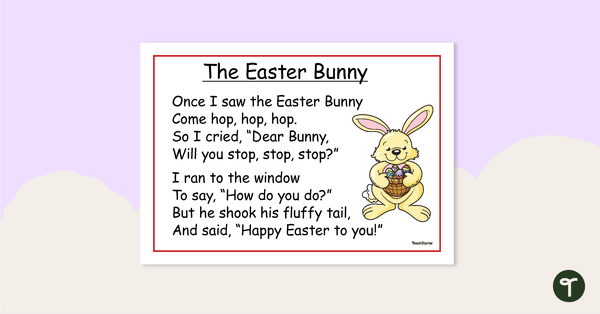
The Easter Bunny – Easter Poem Poster
Use this Easter poem about the Easter bunny as a basis for some Easter fun in your classroom!
- Plus Plan
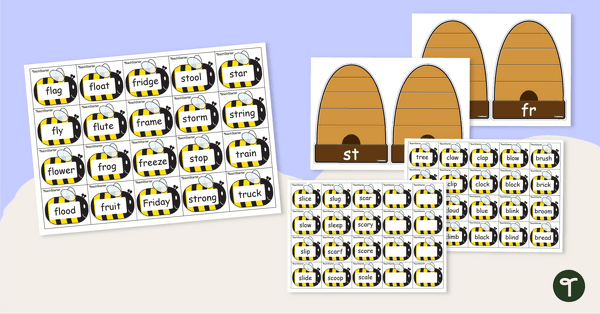
Consonant Blends Beehive Sorting Activity
Explore common consonant blends with a bee-themed sorting activity perfect for lower elementary phonics lessons.
- Plus Plan
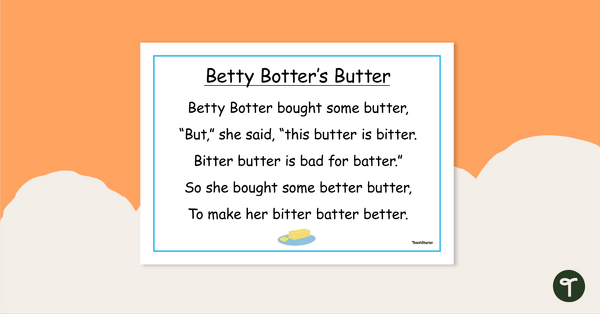
Betty Botter – Tongue Twister Poster
Use this “Betty Botter” tongue twister poster to teach your youngest students about word play and alliteration.
- Plus Plan
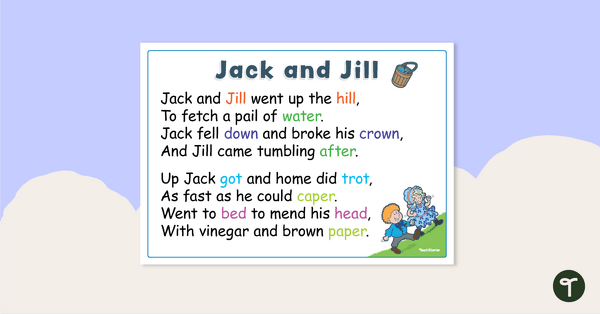
Jack and Jill – Nursery Rhyme Poster
Use this “Jack and Jill” nursery rhyme poster to teach your youngest students about rhyme and rhythm.
- Plus Plan
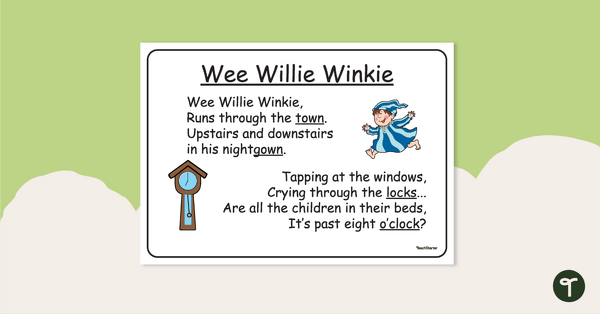
Wee Willie Winkie – Nursery Rhyme Poster
Use this “Wee Willie Winkie” nursery rhyme poster to teach your youngest students about rhyme and rhythm.
- Plus Plan
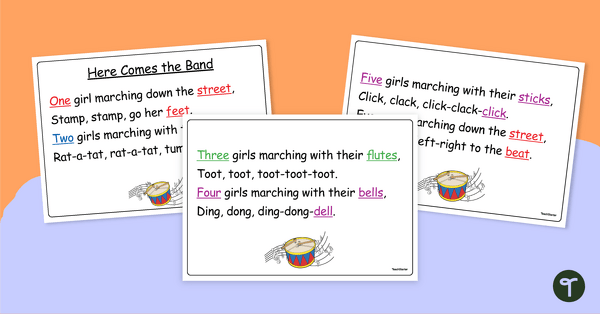
Here Comes the Band – Counting Rhyme Poster
Use the counting rhyme “Here Comes the Band” poster to teach your students about numbers and rhyme simultaneously!
- Plus Plan
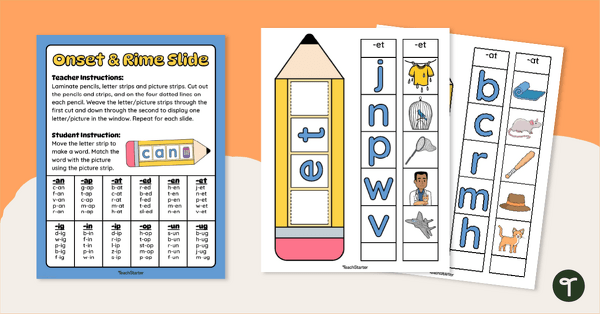
Onset and Rime Slide Activity
Practice matching onset and rime to create words in this fun slider activity.
- Plus Plan
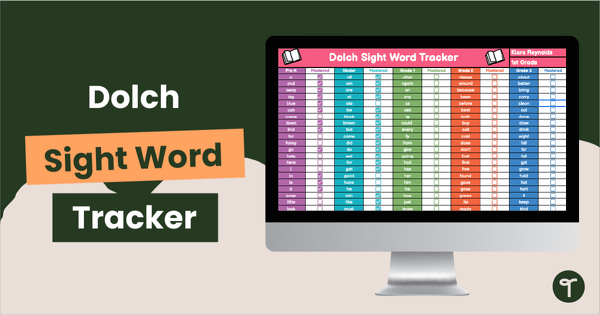
Dolch Sight Word Tracker - Google Sheets
Track mastery of Dolch Sight Words using a digital Google Sheets Sight Word tracking spreadsheet
- Plus Plan
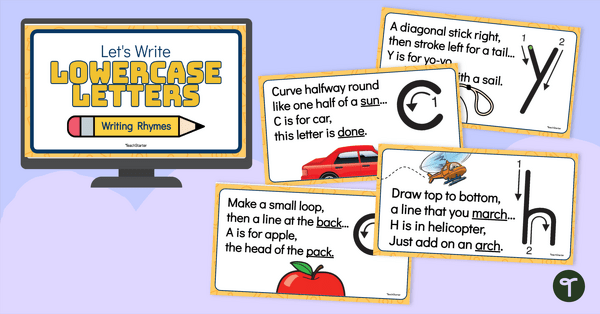
Alphabet Writing Rhymes - Teaching Slides
Use these fun alphabet writing rhymes to help students learn to write the letters of the alphabet.
- Plus Plan
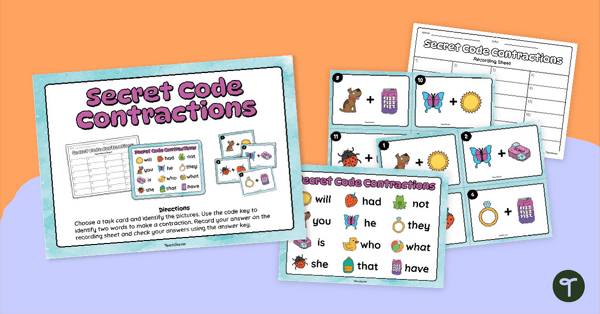
Secret Code Contractions Activity
Explore contractions and decode the secret code with this fun secret code activity.
- Plus Plan
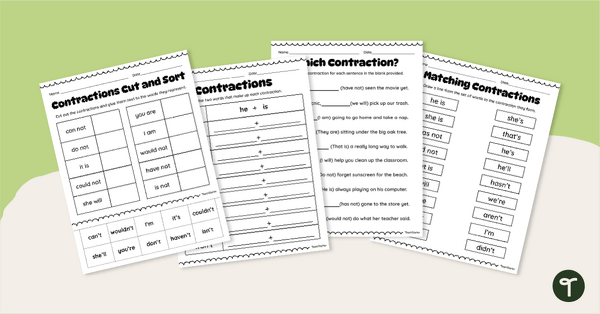
Contraction Worksheets
Help students learn more about contractions with this contraction worksheet pack.
- Plus Plan
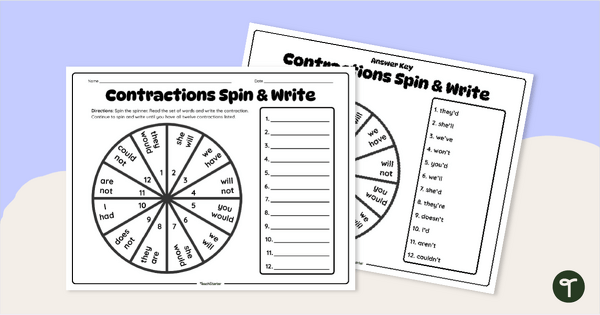
Contractions Spin and Write Worksheet
Spin and write contractions using this fun and engaging contraction worksheet.
- Plus Plan
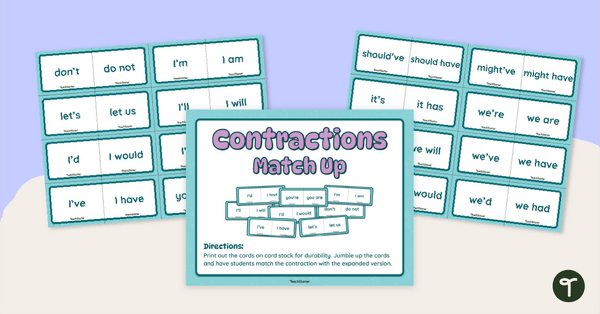
Contraction Match-Up Cards
Practice matching contractions with their expanded form with this extensive collection of match up cards.