VC2E6LA06
understand how the choice of verb, elaborated tenses and a range of adverb groups can expand and sharpen ideas
- knowing that the simple present tense is typically used to talk about present states (for example, ‘He lives in Darwin.’) or actions that happen regularly in the present (for example, ‘He watches television every night.’) or that represent ‘timeless’ happenings, such as in informative reports (for example, ‘Bears hibernate in winter.’)
- knowing that there are various ways in English to refer to future time, such as using the auxiliary ‘will’ (for example, ‘She will call you tomorrow.’), using the present tense (for example, ‘Tomorrow, I leave for Hobart.’) and using adverbials of time (for example, ‘She arrives in the morning.’)
- using precise verbs (for example, ‘slice’, ‘dice’, ‘fillet’ and ‘segment’) rather than general words (for example, ‘cut’)
- Free Plan
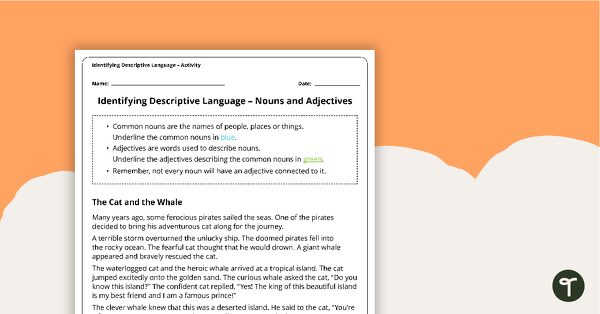
Identifying Descriptive Language Worksheets - Nouns, Adjectives, Verbs and Adverbs
A set of 5 worksheets to help your students identify descriptive language in narrative texts.
- Plus Plan
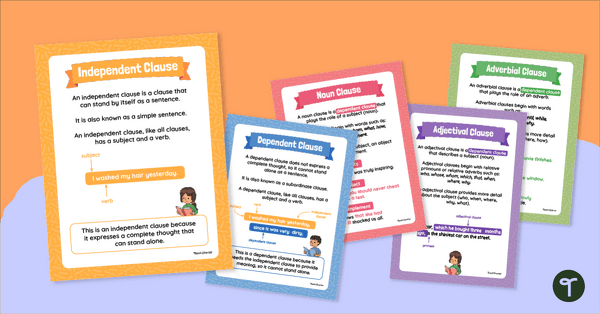
Types of Clauses Posters
Introduce your students to the types of sentence clauses with a set of printable Types of Clauses Anchor Charts.
- Free Plan
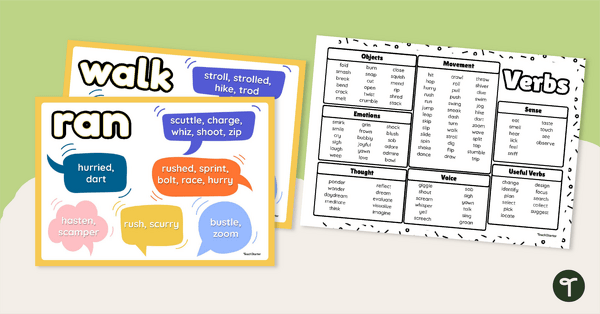
Better Verb Choice Words Pack
Help your students during their writing with this set of visually appealing verb posters and verb word mat.
- Plus Plan
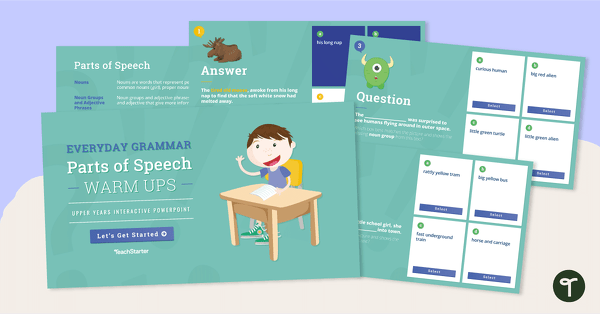
Everyday Grammar Parts of Speech Warm Ups - Upper Years Interactive PowerPoint
Learn and consolidate noun groups, adjectival phrases, adverbial phrases and more with this 44-slide interactive PowerPoint.
- Plus Plan
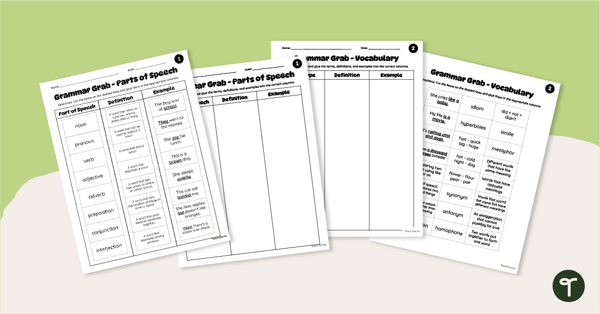
Grammar Practice Worksheets - Vocabulary Cut and Sort
Review parts of speech and vocabulary skills with a pack of cut-and-paste grammar practice worksheets.
- Plus Plan
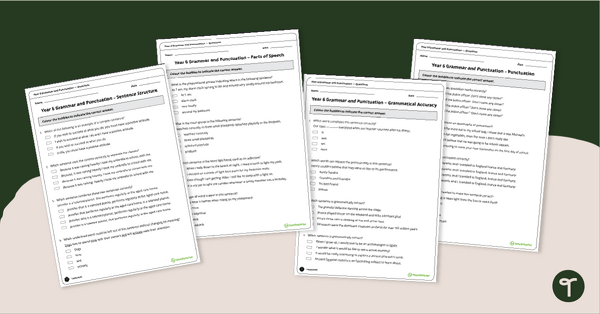
Grammar Conventions - Year 6 Grammar and Punctuation Test Pack
Assess student knowledge of grammar conventions with a printable Year 6 Grammar and Punctuation Test Pack
- Plus Plan
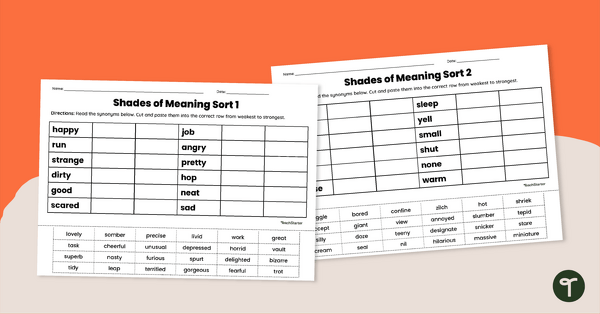
Cut and Paste Shades of Meaning Verb Sort
Engage your students in exploring subtle differences between verbs with this set of two cut and paste worksheets.
- Plus Plan
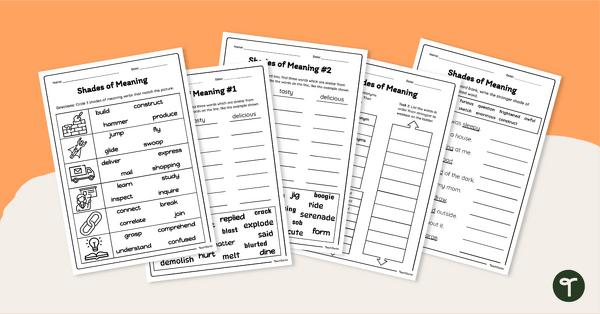
Shades of Meaning in Verbs Worksheet Pack
Help your students explore different verbs for their writing with these shades of meaning verb worksheets.
- Free Plan
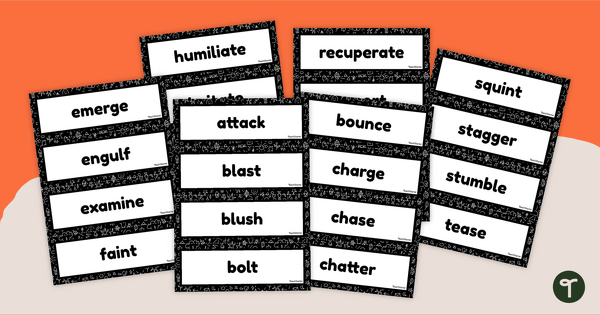
Strong Verbs Word Wall
Print a set of strong verbs word wall cards to help your students boost their writing skills!
- Plus Plan
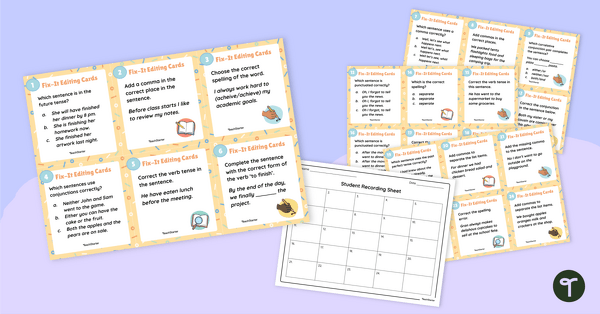
Year 6 Grammar Review Task Cards
Download these Year 6 grammar review task cards perfect for literacy rotations.
- Plus Plan
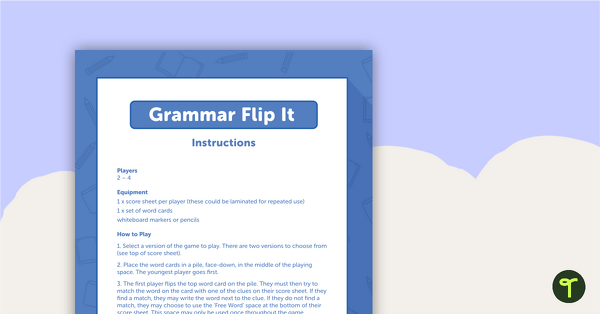
Verb Grammar Card Game – Flip It!
A fun game for students to play in small groups to consolidate their understanding of verbs.
- Plus Plan
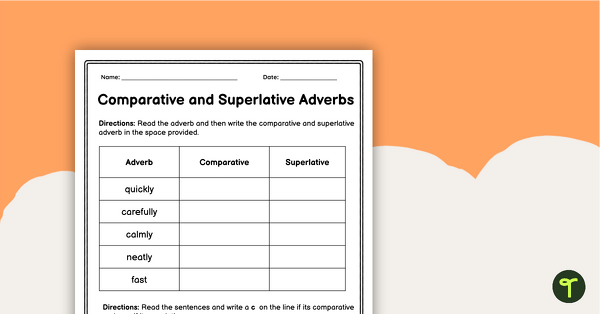
Comparative and Superlative Adverb Worksheet
Use this comparative and superlative adverbs worksheet to check students understanding of this grammar concept in your classroom
- Plus Plan
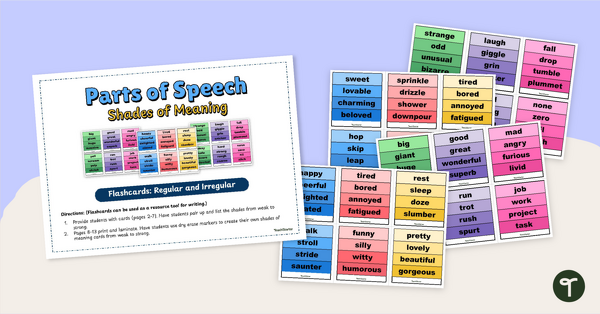
Shades of Meaning Verb Flashcards
Encourage your students to use different shades of meaning in their sentence writing with this set of shades of meaning verb flashcards.
- Plus Plan
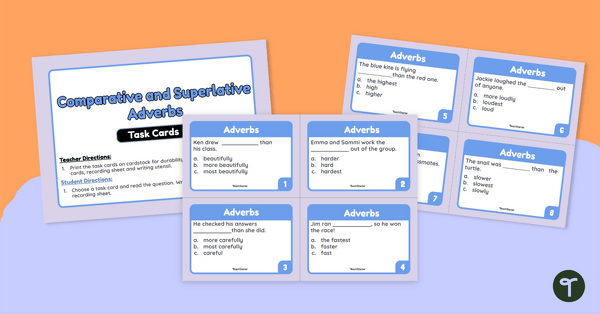
Comparative and Superlative Adverb Task Cards
Introduce these comparative and superlative adverbs task cards to your class to grow their understanding of these types of adverbs!