VC2E6LY09
create different types of texts, written and spoken, with developed and organised ideas for purpose and audience, and multimodal elements as appropriate
- planning a report on a topic, sequencing ideas logically and providing supporting detail (including graphics, sound and visuals) to enhance audience engagement and understanding
- creating informative texts for 2 different audiences that explore a topic using text structure and language features for the identified audiences, noting the changes required to appeal to each audience
- using rhetorical devices, images and modal verbs for persuasive effects, for an identified audience
- selecting and combining digital tools to create texts
- Plus Plan
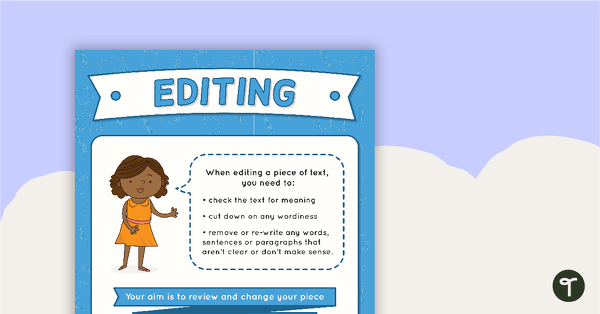
Editing and Revising Anchor Chart
Use this editing and revising anchor chart to remind your students of the steps involved in revising and editing their writing.
- Plus Plan
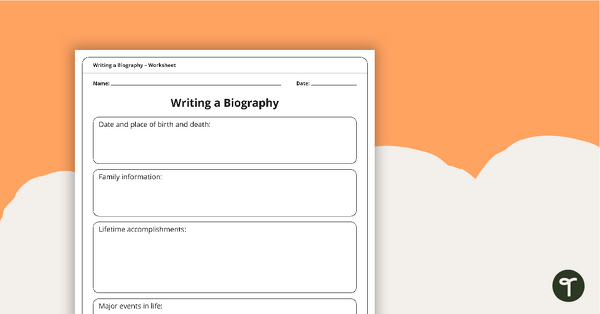
Biography Template Pack
Download this biography template pack to help students structure engaging biographies with differentiated layouts suited for various writing projects.
- Plus Plan
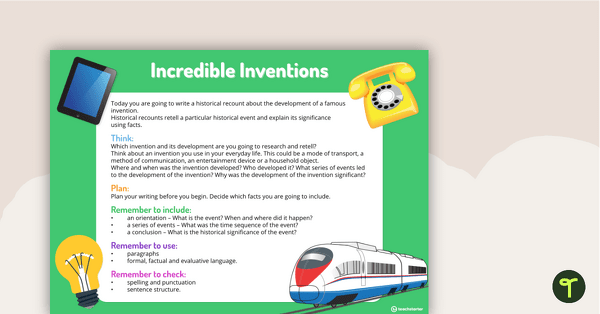
5 Historical Recount Stimulus Sheets
Use this set of 5 historical recount writing prompts to assess your students’ writing skills.
- Plus Plan
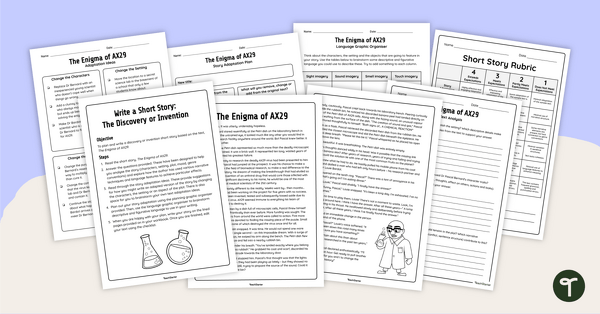
Write a Short Story – The Discovery or Invention
Get your students analysing and writing an invention story with this engaging and fully scaffolded writing project booklet.
- Plus Plan
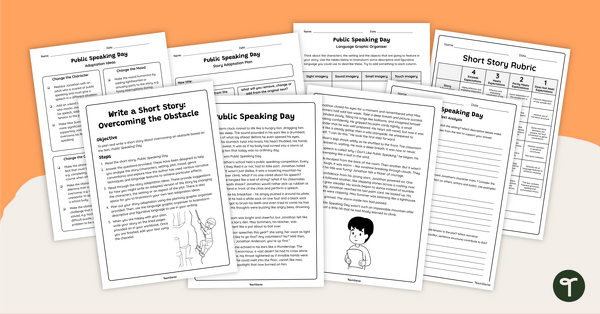
Write a Short Story – Overcoming Obstacles
Get your students analysing and writing overcoming obstacles short stories with this engaging and fully scaffolded writing project booklet.
- Free Plan
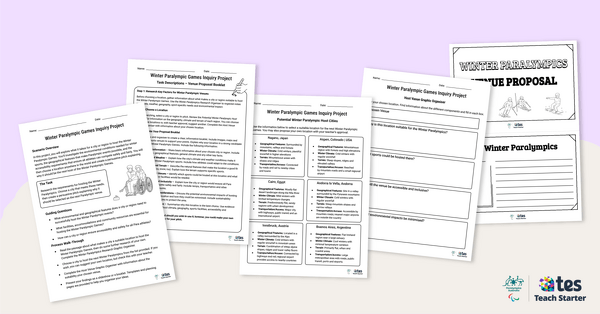
Winter Paralympic Games – Inquiry-Based Project
Have your students investigate the requirements of being a Paralympic Winter Games host city with this inquiry-based learning project.
- Free Plan
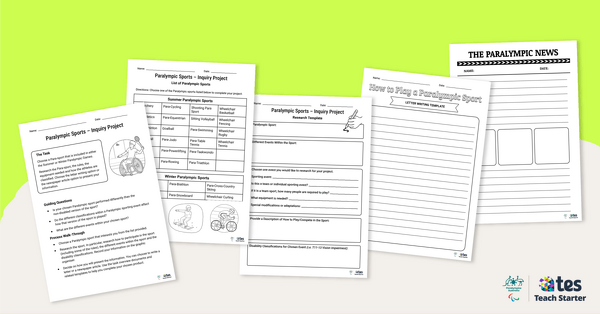
Paralympic Sports – Inquiry-Based Project
Have your students investigate the different types of Paralympic sports with this inquiry-based learning project.
- Plus Plan
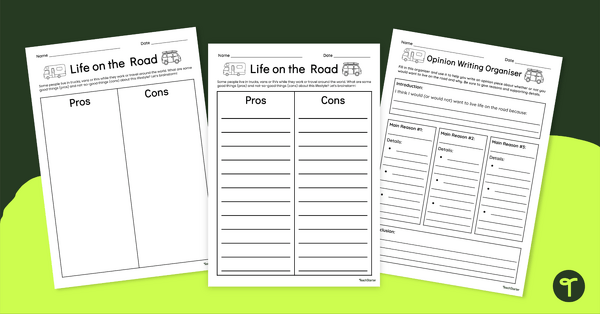
Opinion Writing Worksheets — 'Life on the Road'
Contemplate life on the open road with these opinion writing worksheets that help students construct a piece of writing backed by their personal reasons and opinions.
- Plus Plan
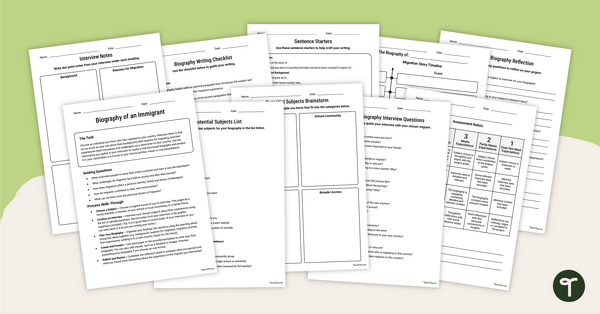
Biography of an Immigrant Writing Project
Uncover the untold stories of migrants with an enriching biography research project for upper primary students.
- Plus Plan
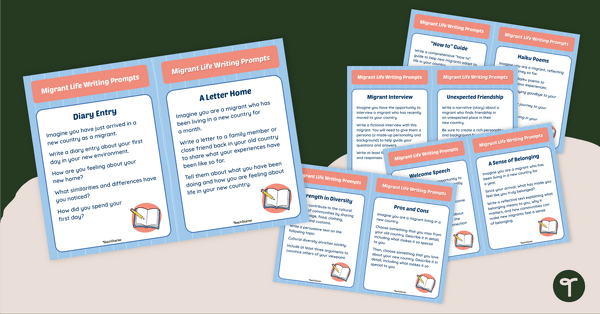
Migrant Life Writing Prompts
Spark thoughtful classroom discussions and meaningful writing about migrant life with these engaging writing prompts for upper primary students.
- Plus Plan
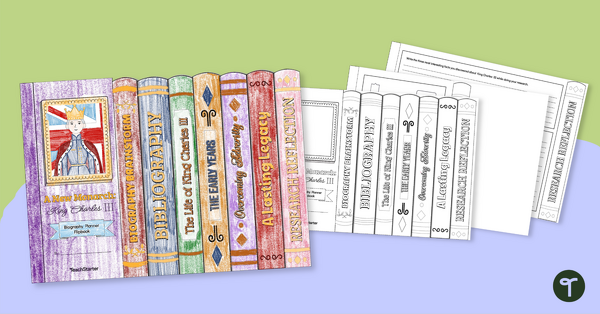
King Charles III Biography Planner Flipbook
Research and learn about King Charles III and discover biography writing.
- Plus Plan
Narrative Writing Bump It Up Wall – Year 6
A visual display for your classroom to help students ‘bump up’ their narrative writing.
- Plus Plan
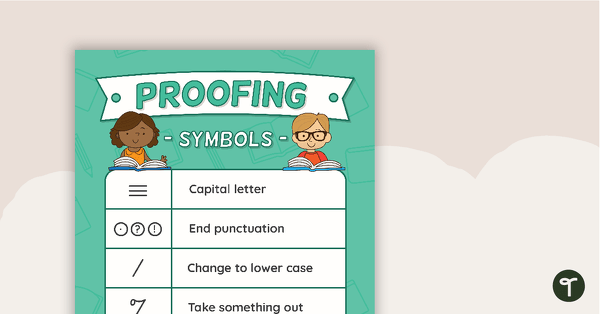
Editing Symbols Chart
Use this editing symbols chart to help simplify the proofreading process for your students.
- Plus Plan
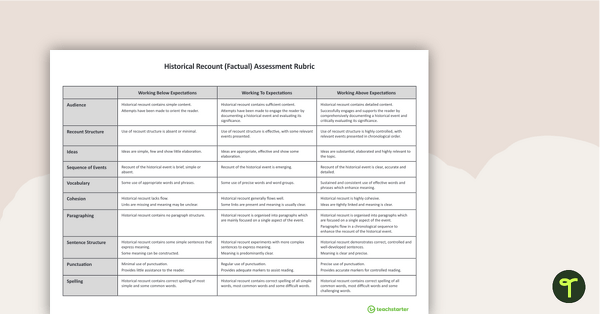
NAPLAN-Style Assessment Rubric - Historical Recounts
A NAPLAN-style rubric designed to help teachers to assess students' historical recounts.
- Plus Plan
Experimenting with Poetry Unit Plan - Year 5 and Year 6
This English unit addresses the common elements of poetry and explores how these may be applied to shape poems, limericks, odes and simple ballads.
- Plus Plan
Writing Narrative Texts Unit Plan - Year 5 and Year 6
This English unit addresses the narrative text type; specifically, how to write an engaging narrative text.
- Plus Plan
Writing Persuasive Texts Unit Plan - Year 5 and Year 6
This English unit addresses the genre of persuasion; specifically, how to write an effective persuasive text.
- Plus Plan
Concrete Poetry - Shape Poems
A 60 minute lesson in which students will plan and write a shape poem.
- Plus Plan
Writing Informative Texts Unit Plan - Year 5 and Year 6
This English unit addresses the informative text type; specifically, how to write a well-structured informative text.
- Plus Plan
Narrative Features - Developing a Plot
A 60 minute lesson in which students will develop a plot for a narrative which includes a setting, characters and a problem to be solved.
- Plus Plan
Descriptive Poetry - Odes
A 60 minute lesson in which students will plan and write an ode.
- Plus Plan
Humorous Poetry - Limericks
A 60 minute lesson in which students will plan and write a limerick.
- Plus Plan
Constructing a Paragraph - Modelled Writing
A 60 minute lesson in which students will correctly construct an informative paragraph.
- Plus Plan
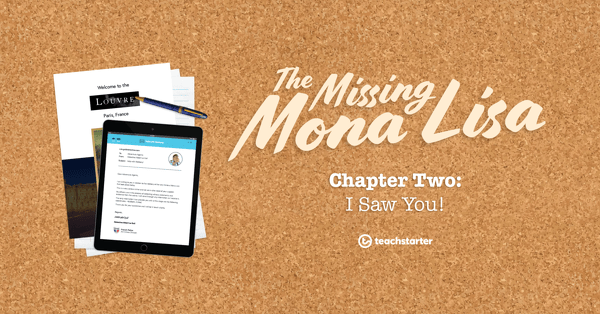
The Missing Mona Lisa - Chapter 2: I Saw You!
Now it's time for the Adventure Agents to learn some of the main characters and look at their witness statements. They will have the first pieces of this fun puzzle!
- Plus Plan
Constructing a Persuasive Paragraph
A 60 minute lesson in which students will identify and use correct paragraph structure.
- Plus Plan
The Missing Mona Lisa – Chapter 8: Process of Elimination
It's getting closer now - the Adventure Agents are closing in of the thief. They now need to write a persuasive piece in order to get a warrant. Time is of the essence!
- Plus Plan
Introduction to Historical Recounts Unit Plan
This English unit has been designed to introduce the historical recount text type to older students; specifically, the purpose, structure and language features of factual historical recounts.
- Plus Plan
Writing Biographical Texts Unit Plan
This English unit addresses the purpose, structure and language features of the biography text type.
- Plus Plan
Modelled Writing - Improving Persuasive Texts
A 60 minute lesson in which students will improve a persuasive text by applying knowledge of persuasive language features and devices.
- Plus Plan
Persuasive Speeches - Constructing
A 60 minute lesson in which students will construct a persuasive speech using appropriate text structure, language features and devices.
- Plus Plan
Forms of Poetry
A 60 minute lesson in which students will explore some well-known and commonly used forms of fixed verse.
- Plus Plan
The Missing Mona Lisa – Chapter 3: The Evidence Piles Up!
Chapter 3 introduces the Adventure Agents to the evidence collected so far and requires them to write a newspaper report informing the public that the 'Mona Lisa' has been stolen.