VC2MFN03
quantify and compare collections to at least 20 using counting and explain or demonstrate reasoning
- establishing the language and process of counting, and understanding that each object must be counted only once, that the arrangement of objects does not affect how many there are and that the last number counted answers the question of ‘How many?’; for example, saying numbers in sequence while playing and performing actions
- using counting to compare the size of 2 or more collections of like items to justify which collection contains more or fewer items
- using counting and one-to-one correspondence to quantify the number of items required for a purpose; for example, when asked to collect enough scissors for each member of their group to have a pair, counting each member and using the total count to know how many to collect
- discussing how different cultures may have alternative ways of representing the count; for example, discussing how some people of the Asia region use an abacus or Chinese hand gestures
- using body-tallying that involves body parts and one-to-one correspondence from counting systems of Aboriginal and/or Torres Strait Islander Peoples to count to 20
- Plus Plan
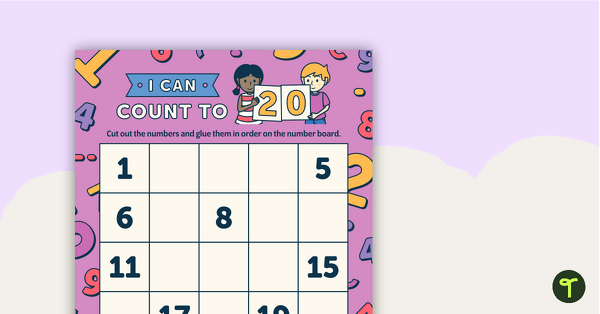
Counting to 20 Activity
Use this number activity to consolidate your students’ knowledge of numbers 1-20.
- Plus Plan
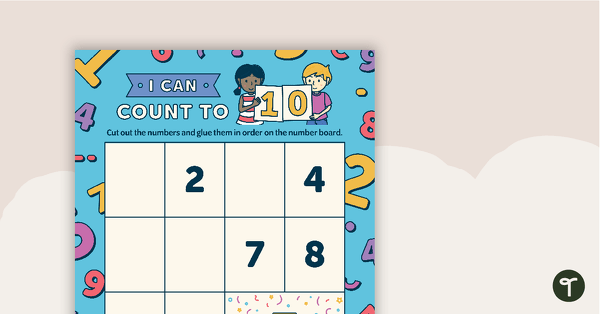
Counting to 10 Activity
Use this number activity to consolidate your students' knowledge of numbers 1-10.
- Plus Plan
Identifying Numbers Teaching Slides
A 12 page editable presentation to use when teaching number recognition to younger students.
- Plus Plan
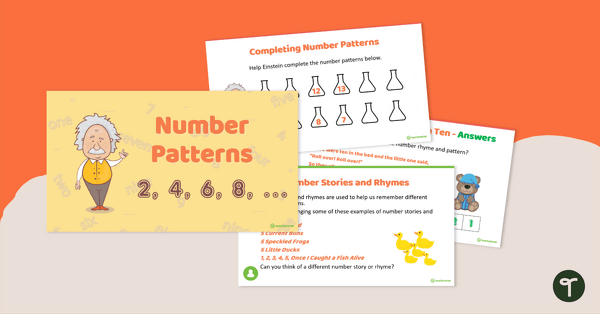
Number Patterns PowerPoint
Use PowerPoint presentation to use as part of a numeracy lesson when teaching place value and number patterns to younger students.
- Plus Plan
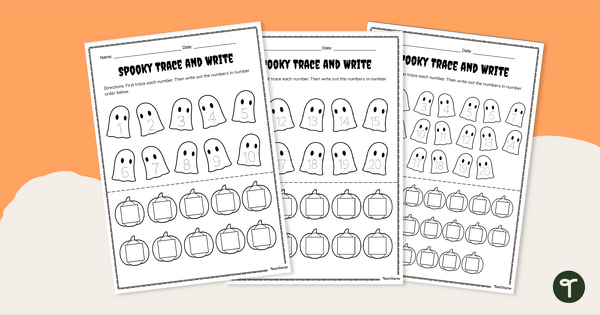
Halloween Tracing Numbers Worksheets
Trace and write numbers to twenty with a set of spooky Halloween tracing numbers worksheets.
- Plus Plan
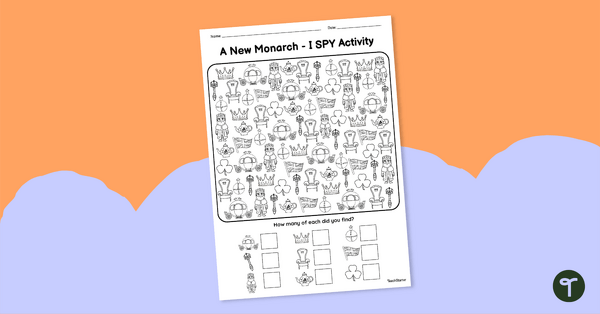
A New Monarch - A Royal 'I Spy' Worksheet
Count and find the royal symbols that represent the King's Coronation.
- Plus Plan
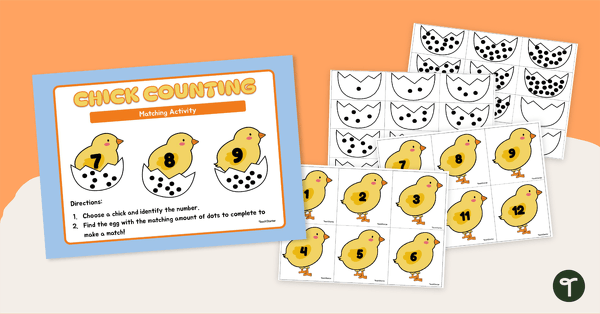
Chick Counting Activity - Numbers 1-20
Practise recognising, counting and subitising numbers from 1-20 with this Easter-themed counting activity.
- Plus Plan
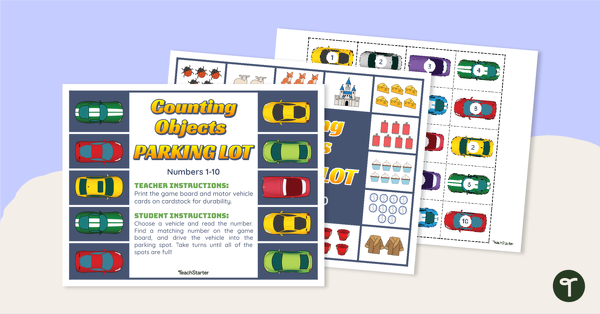
Counting Objects Parking Lot - Numbers 1-10
Count objects and recognise numbers with a fun car-themed match-up style game.
- Plus Plan
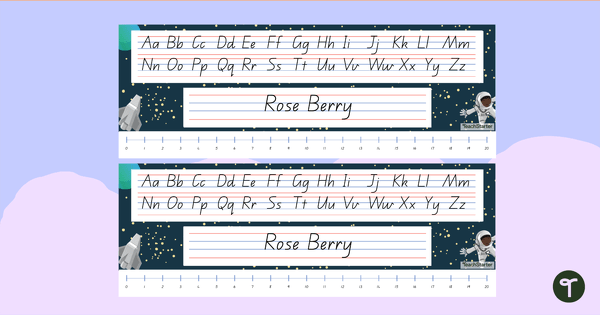
Space-Themed Editable Desk Name Plate
Help your students feel at home on the first day of a new school year with these customisable desk name plates to match your classroom theme.
- Plus Plan
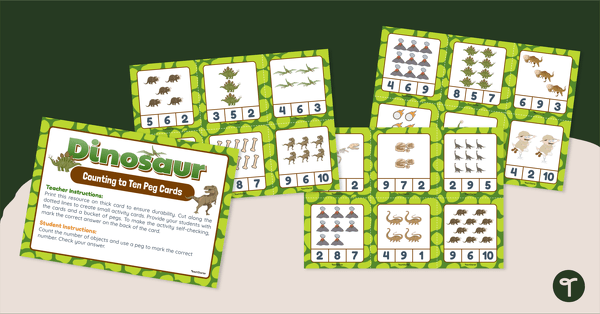
Counting Peg Cards – Dinosaurs
Practice counting objects with a set of 18 dinosaur-themed counting peg cards.
- Plus Plan
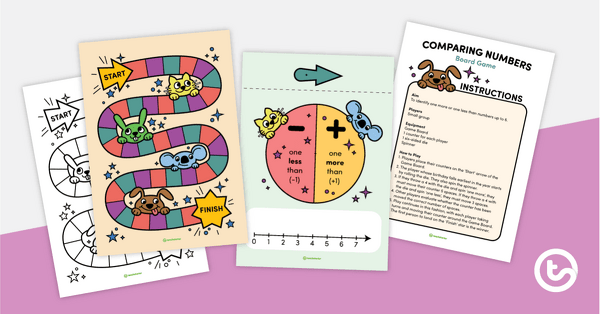
Comparing Numbers Board Game
A hands-on Board Game to practise comparing numbers less than ten.
- Plus Plan
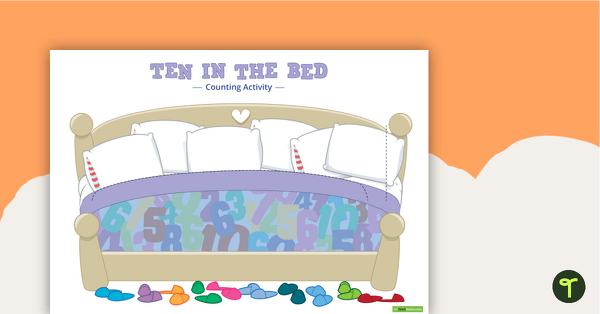
Ten in the Bed - Counting Activity
A fun hands-on 'Ten in the Bed' number rhyme activity to help students sequence numbers and count backwards from 10.
- Plus Plan
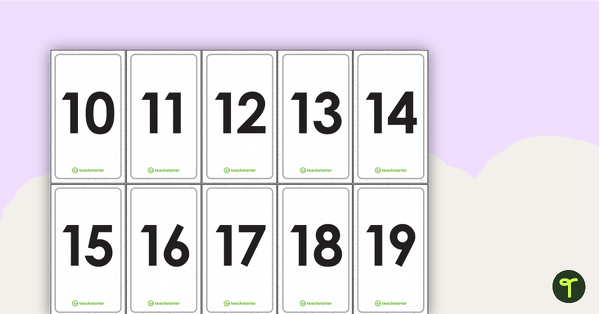
10-20 Digit Cards
A set of 10-20 digit cards to be used when teaching place value.
- Plus Plan
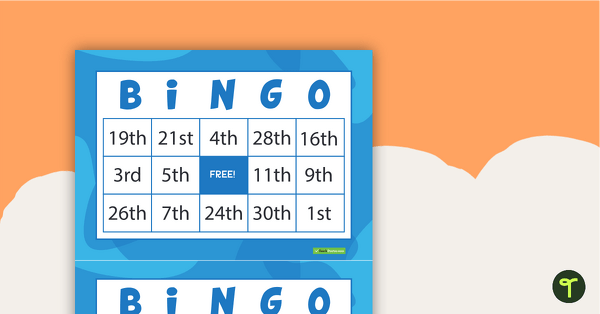
Ordinal Numbers Bingo Cards
32 different bingo cards using ordinal numbers.
- Plus Plan
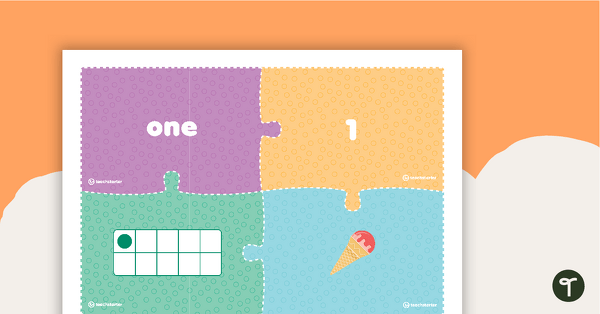
1 to 20 Number Match-Up Puzzles
A set of 20 match-up puzzles to help students identify the numbers from 1 to 20.
- Plus Plan
0-20 Number and Word Posters - BW
Posters showing numbers and words from 0-20.
- Plus Plan
Number and Word Posters 0-99
Posters showing numbers and words from 0-99.
- Plus Plan
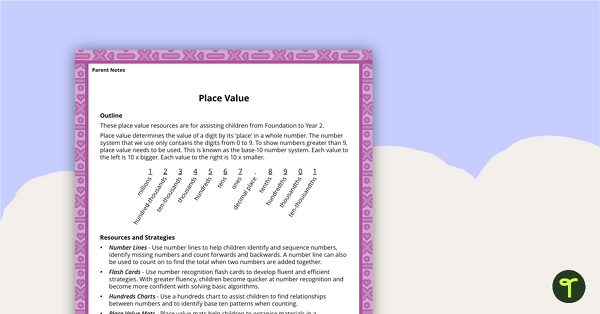
Maths Activity Ideas for Parents - Place Value
An information sheet for parents or carers to use when assisting children with place value at home.
- Plus Plan
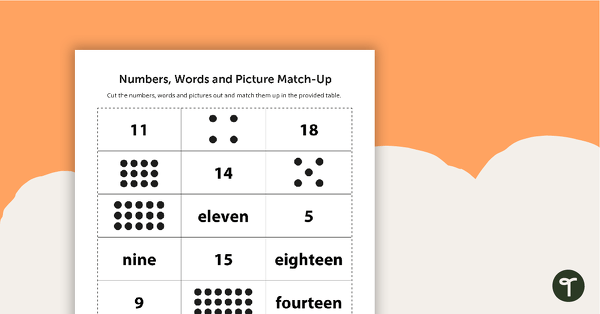
Number, Word and Picture Match-Up Worksheet
A worksheet to consolidate your students' understanding of words, numbers and pictures.
- Plus Plan
Numbers and Words 0-30 with Animal Values
Posters representing the numbers and words from 0-30 with different animals showing their values.
- Plus Plan
Maths Resource Pack for Parents - Place Value
A comprehensive resource pack for parents and carers to help Foundation to Year 2 children with place value.