VC2S2I05
observations can be compared to predictions and the observations of others, which may lead to further questions being identified
- comparing observations of weather at different times of day with those of others, and making predictions about weather patterns in the next week
- comparing observations of different ways to physically change a material, such as by cutting and folding different types of paper, and exploring further questions to investigate physical changes to different materials
- identifying differences between observations of plants and animals by different people
- comparing, with guidance, observations with predictions about the way similar and different objects move
- identifying, after exploration, further questions that arise from comparing observations of sound with observations of others and considering if everyone senses sound in the same way
- suggesting, with guidance, reasons for differences between tracking methods recognised by Aboriginal and/or Torres Strait Islander Peoples to identify tracks or plants, and the counting of animals by students
- Plus Plan
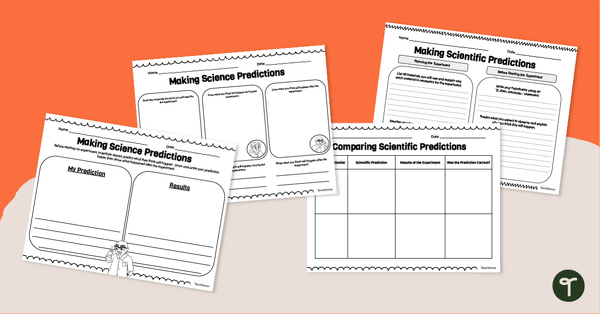
Making Predictions in Science - Worksheets (Differentiated)
Introduce your students to making predictions in science with a set of differentiated Scientific Prediction Worksheets.
- Free Plan
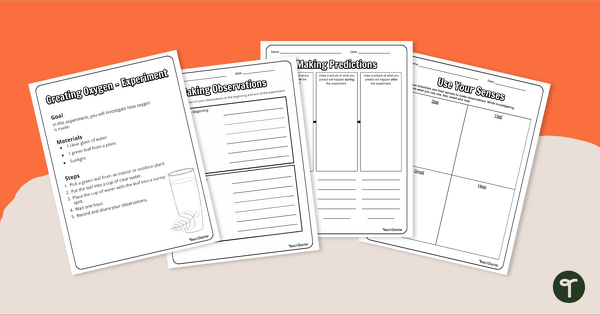
Observing Photosynthesis Experiment (F-2)
Investigate how oxygen is made with a hands on photosynthesis experiment.
- Plus Plan
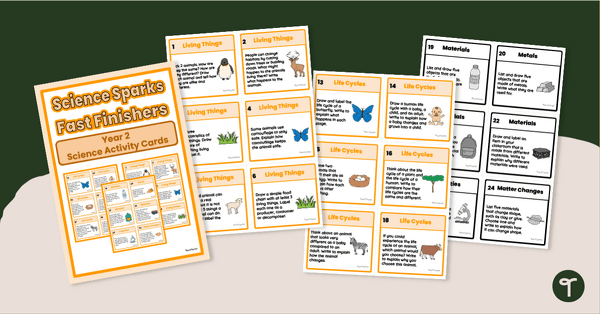
Science Sparks - Year 2 Science Activities for Fast Finishers
Use Science Sparks, a collection of year 2 science activities for fast finishers to review science standards during classroom downtime.
- Plus Plan
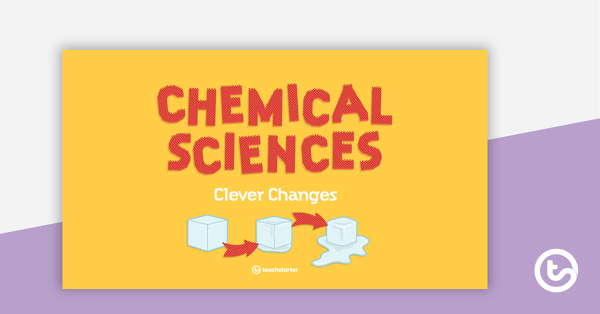
Chemical Sciences: Clever Changes – Teaching Presentation
A 56-slide teaching presentation introducing facts about different chemical changes to different materials.
- Plus Plan
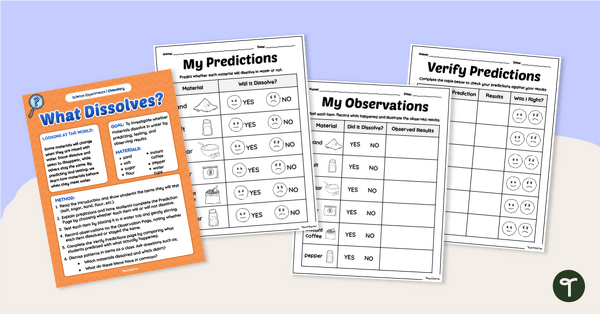
What Dissolves? Science Inquiry Activity (F-2)
Introduce science inquiry skills and investigate whether materials dissolve in water with a hands-on science experiment for early learners.
- Free Plan
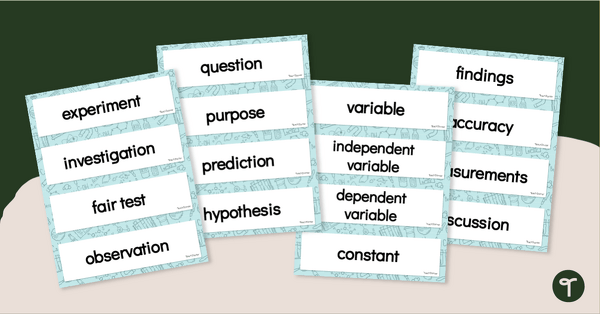
Scientific Method Word Wall Vocabulary
Introduce your students to vocabulary surrounding the Scientific Method with a printable science word wall.
- Plus Plan
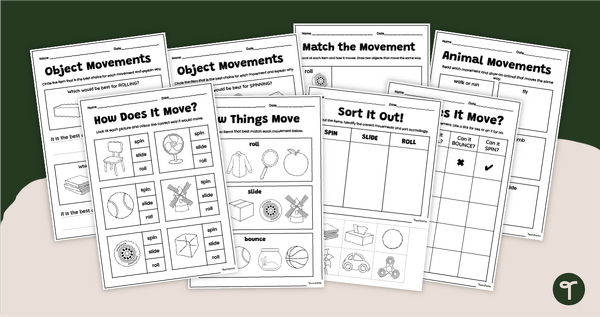
How Things Move Worksheet Pack
Download our ‘How Things Move’ Worksheet Pack to boost science inquiry skills and encourage your students to explore force and motion.
- Plus Plan
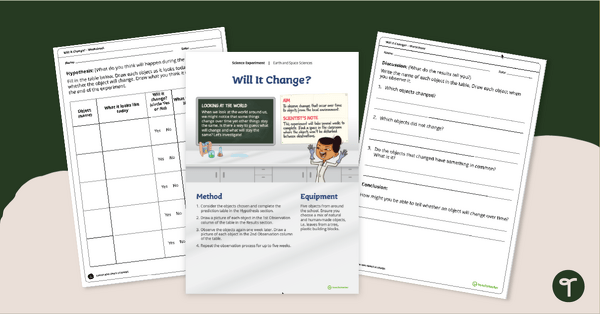
Science Experiment - Will It Change?
A science investigation in which the students observe changes that occur to various objects over time.
- Plus Plan
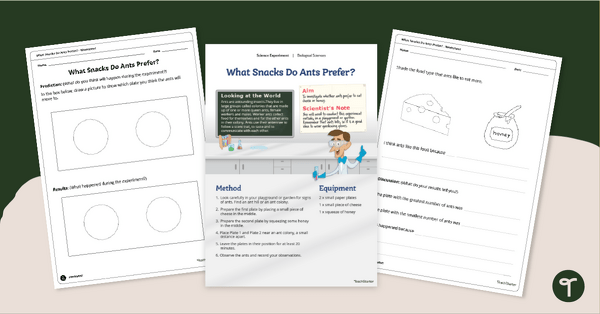
Science Experiment - What Snacks Do Ants Prefer?
Teach your early years students how to make scientific predictions and observations with an engaging hands-on science experiment.
- Plus Plan
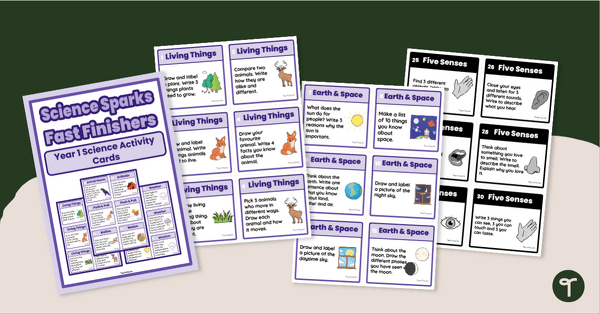
Science Sparks - Year 1 Science Activities for Fast Finishers
Grow your students’ scientific understanding during classroom downtime with Science Sparks, a collection of Year 1 science activities for fast finishers.
- Plus Plan
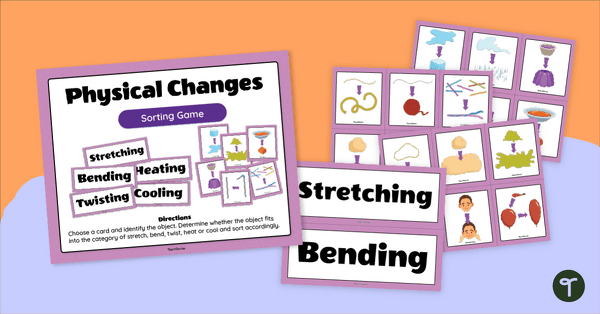
Types of Physical Change - Science Sort
Sort examples of physical changes with a printable Types of Physical Change Science Sort.
- Plus Plan
Science Experiment - Line Up the Light!
A science experiment which explores how light travels.
- Plus Plan
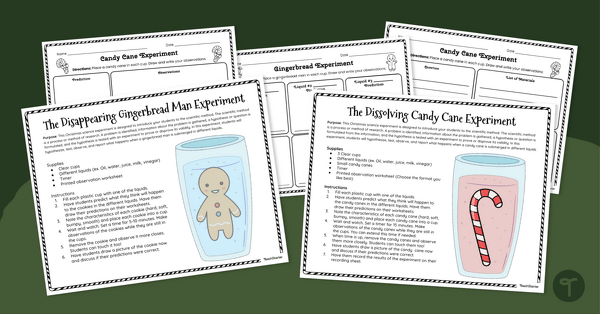
Christmas Science Experiments
Perform Christmas Science Experiments and teach your students about the scientific method with a set of two printable Christmas Science activities.