VC2S2H02
science is used by people in their daily lives, including asking questions and using patterns from observations of the world around them to make scientific predictions
- identifying ways that scientific knowledge is used in the care of the local environment to meet the needs of native animals and in designing supports to meet the needs of those animals, such as building frog and insect hotels and nesting boxes or recycling materials to provide habitat
- recognising how Aboriginal and/or Torres Strait Islander Peoples observe cyclic changes of night and day length, star patterns in the sky and seasons to predict when events occur, for example following seasonal calendars such as the Gariwerd calendar of the Djab Wurrung and Jardwardjali Peoples to associate the appearance of the emu constellation with the wildflower season during September to November
- sharing examples of how people use scientific knowledge at home, such as by listening to or viewing weather forecasts or observing weather patterns when planning family events or outings, and wearing appropriate clothing for the season
- discussing how people manage light and sound at home to ensure that they do not disturb each other or their neighbours, such as quietly closing doors, turning down the lights, taking off shoes on wooden floors and using window coverings
- learning from people who work with materials, such as woodworkers, product designers and artists (such as fibre artists and sculptors), about how they observe and learn about properties of materials and how they use creativity when manipulating materials
- investigating toys and digital tools that are sound-activated or voice-activated, and engaging in guided discussions about how some devices use voice patterns to recognise the unique features of an individual’s voice or to help people manage daily activities such as turning on lights and communicating with others
- Plus Plan
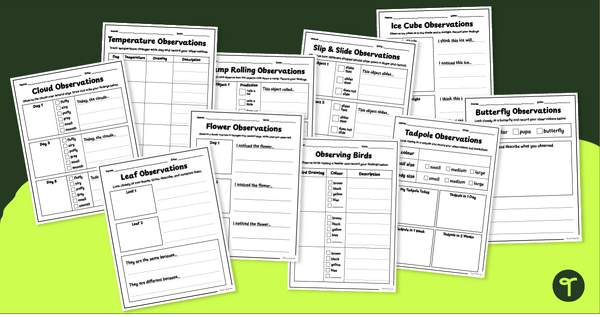
Scientific Prediction & Observation Templates
Introduce your early learners to scientific inquiry skills with a set of printable Scientific Observation templates.
- Plus Plan
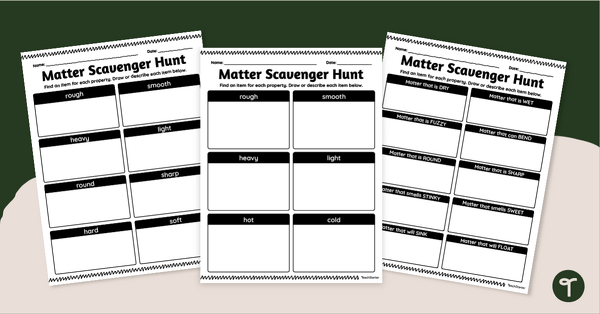
Describing Matter - Scavenger Hunt Activities
Host an engaging science scavenger hunt to introduce your early years students to the observable properties of matter.
- Plus Plan
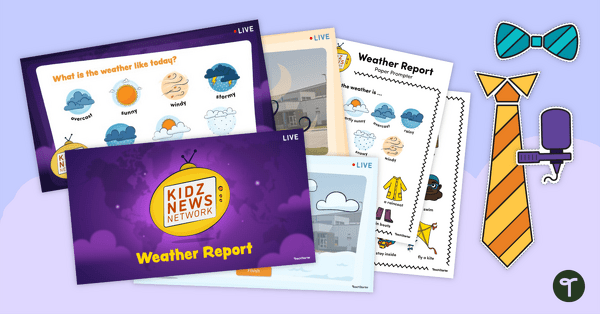
Daily Weather Report – Interactive PowerPoint
Encourage your students to become weather reporters with this interactive weather activity.
- Plus Plan
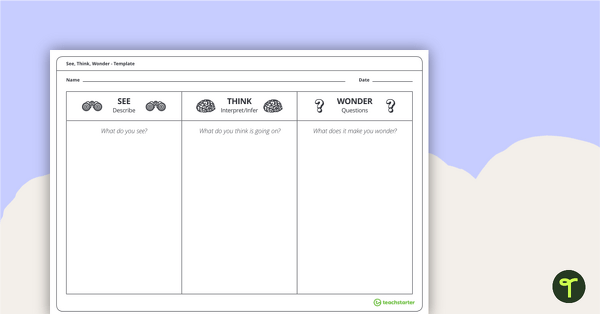
See, Think, Wonder Template
A See, Think, Wonder Template is useful in encouraging students to make careful observations and interpretations.
- Plus Plan
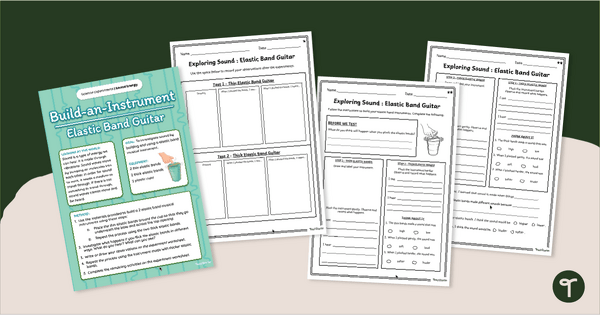
Elastic Band Guitar Experiment
Use this sound energy experiment to help your students create elastic band instruments and visualise sound using everyday items.
- Plus Plan
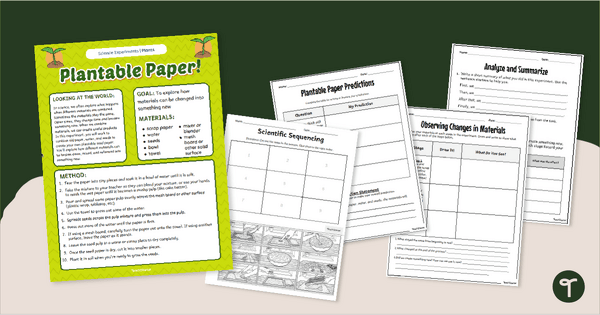
Plantable Seed Paper Activity Pack
Make your own Plantable Seed Paper and learn about physical changes, recycling, and biodegradable materials with a printable Make Your Own Paper Activity pack.
- Plus Plan

Which Material is Best? Task Cards
Identify the materials needed to make things with our printable ‘Which Material is Best?’ task cards.
- Plus Plan
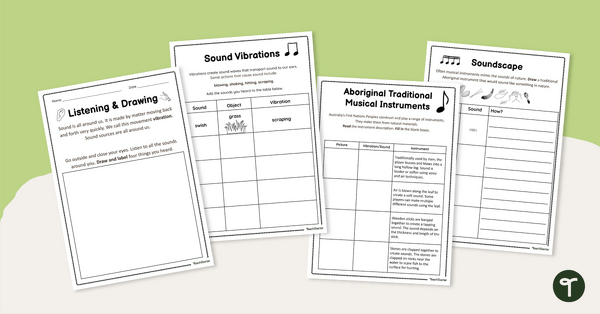
Sound Energy (First Nations Instruments Worksheets)
Use these First Nations Instruments Worksheets to help your students record their learnings about First Nations traditional instruments and how they produce sound.
- Plus Plan
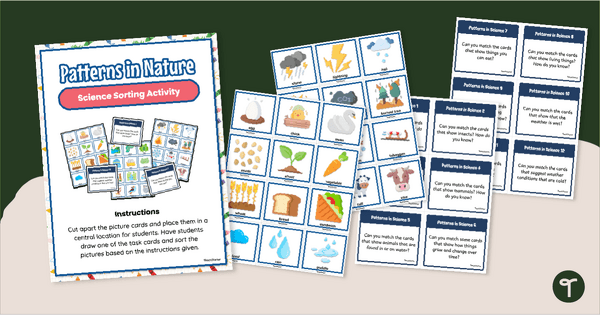
Patterns in Nature - Science Sorting Activity
Explore and observe patterns in nature with a printable Patterns In Nature Sorting Activity.
- Plus Plan
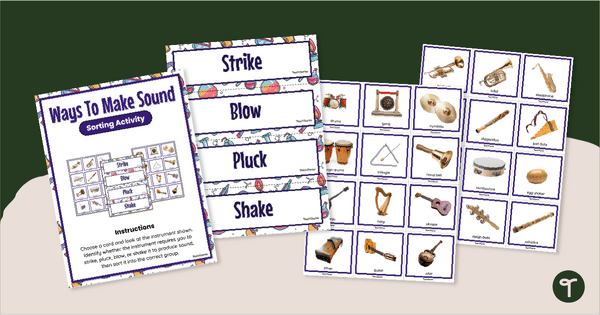
How Sound Is Made - Sorting Activity
Sort instruments that need to be plucked, blown, struck, or shaken to produce sound with our printable ‘How Sound Is Made’ Sorting Activity.
- Plus Plan
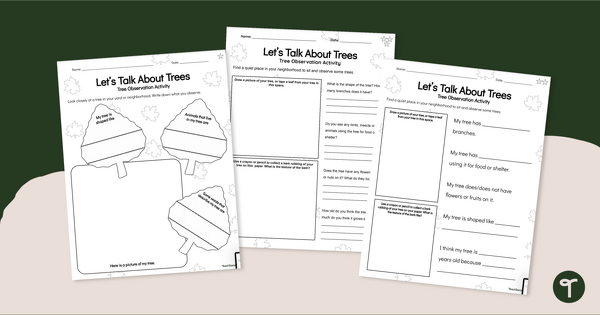
Tree Observation Worksheets
Record observations of trees in the local environment with a printable graphic organiser.
- Free Plan
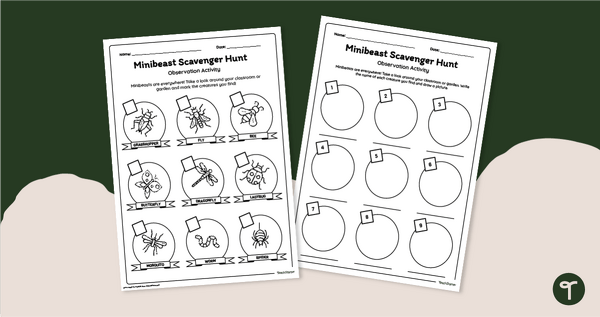
Minibeast Scavenger Hunt- Outdoor Observation Activity
Investigate and observe insects and minibeasts with a printable Minibeast Scavenger Hunt Observation Activity.
- Plus Plan

5 Senses School Scavenger Hunt Checklists
Use our 5 Senses Scavenger Hunt Worksheets to teach your students to observe their environment.
- Plus Plan
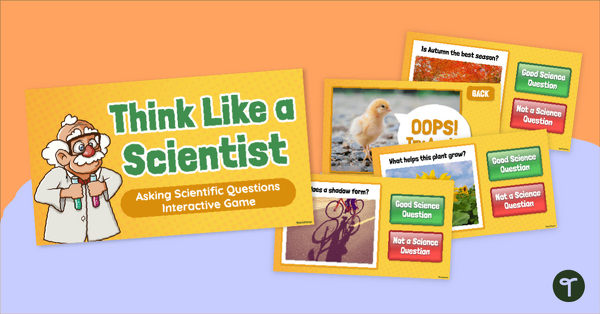
Think Like a Scientist - Science Inquiry Game
Encourage scientific thinking and teach your students how to identify scientific questions with an engaging science inquiry game.
- Free Plan
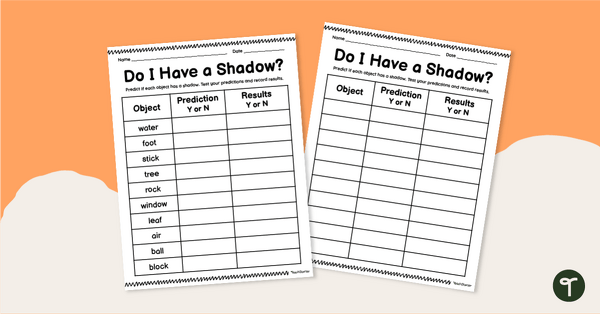
Do I Have a Shadow? Activity (F-1)
Explore light and shadow while practising science inquiry skills with an engaging Predict and Observe Shadow Experiment for early learners.
- Plus Plan
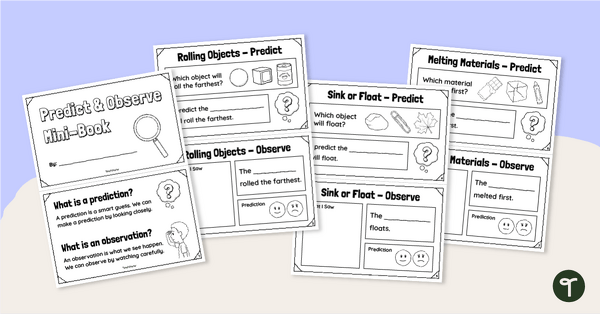
Predict and Observe Science Investigations Booklet (F-1)
Introduce your F-1 students to scientific investigation with a printable Predict and Observe Science Lab Activity Booklet.
- Plus Plan
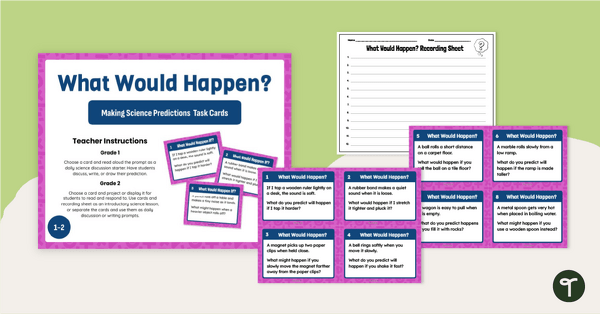
What Would Happen? Making Science Predictions Activity Cards
Read, think, and make scientific predictions in the classroom with a set of printable Science Prediction Task Cards for early and middle-primary students.
- Plus Plan
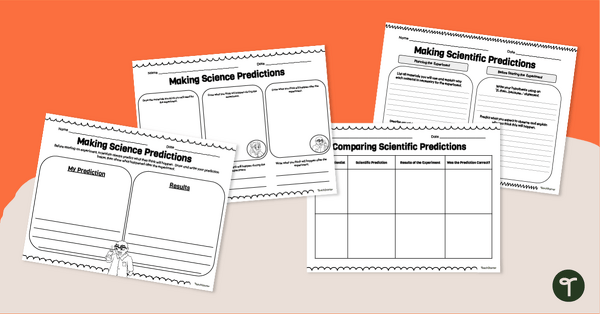
Making Predictions in Science - Worksheets (Differentiated)
Introduce your students to making predictions in science with a set of differentiated Scientific Prediction Worksheets.
- Plus Plan
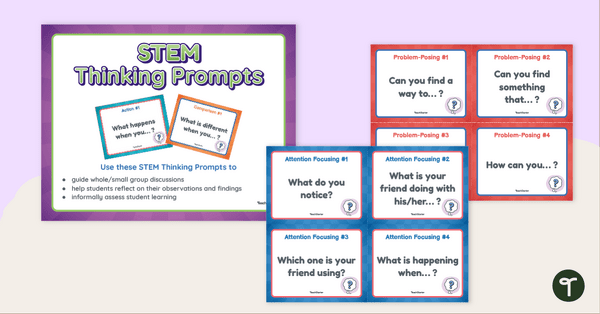
STEM Thinking Prompts - Higher Order Thinking Skills Questions
Use our printable STEM Higher Order Thinking Question cards to improve scientific conversation and critical thinking skills in your students.
- Plus Plan
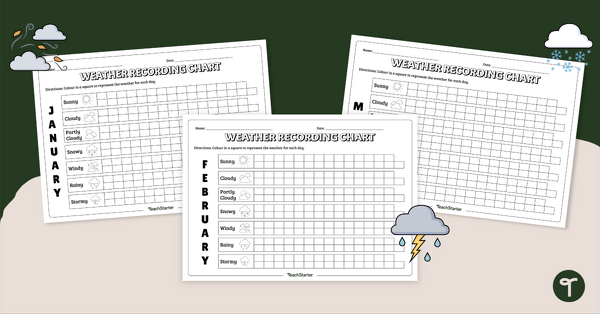
Printable Weather Recording Charts
Use these printable weather charts to graph and analyse the weather for each month.
- Plus Plan
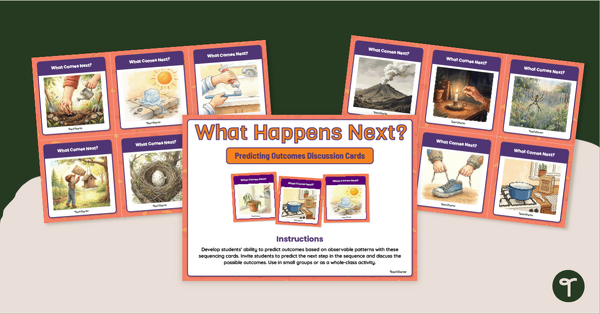
What Happens Next? Predicting Outcomes Activity Cards
Introduce your students to scientific thinking and predicting steps in a sequence with printable Predicting Outcomes Activity Cards.
- Plus Plan
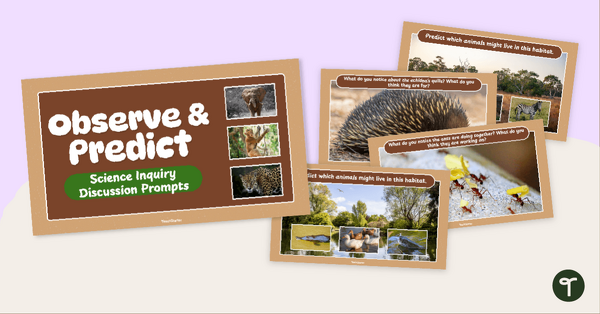
Science Inquiry Discussion Prompts - The Natural World
Practise making observations and scientific predictions about the natural world with engaging Science Inquiry Discussion Prompts.
- Plus Plan
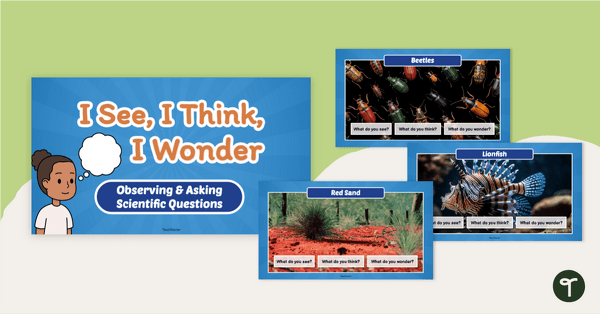
I See, I Think, I Wonder - Science Inquiry PowerPoint
Teach students to ask scientific questions, make observations, and inspire discussions with an engaging ‘I See, I Think, I Wonder’ Science Inquiry Slide Deck.
- Free Plan
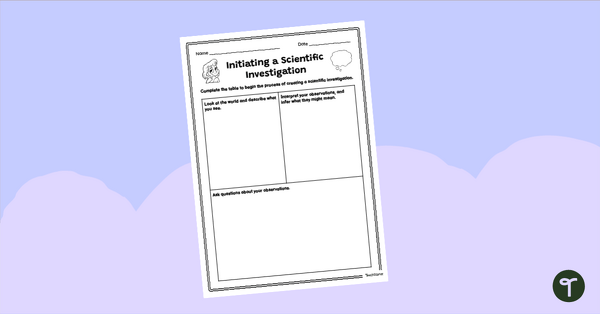
Scientific Investigation Skills Worksheet
Help students begin the process of a scientific investigation with an introduction to the scientific method activity sheet.
- Plus Plan
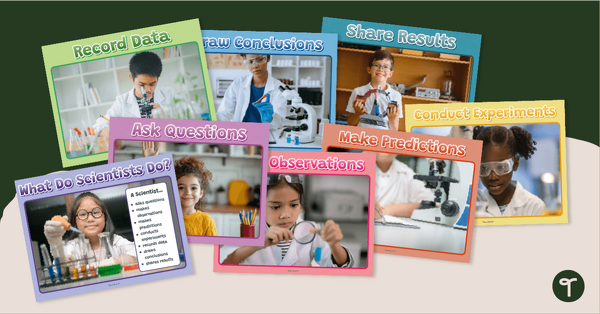
Scientific Method Chart Pack (F-2)
Teach the scientific method with a printable ‘What Do Scientists Do?’ Scientific Method Chart Pack for Early Years.
- Plus Plan
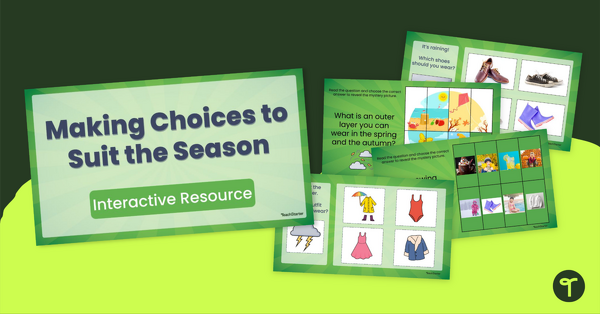
Seasons, Weather and Our Choices Interactive Activity
Complete this whole-class interactive activity to teach students the connection between the seasonal conditions and their daily choices.
- Plus Plan
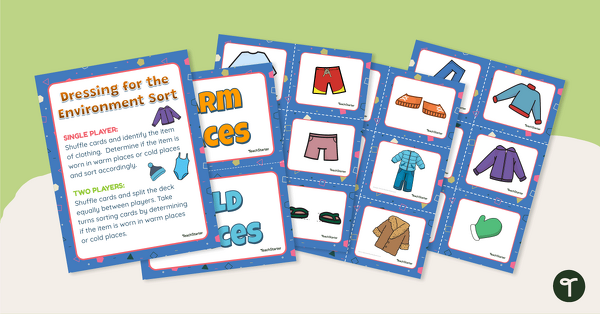
Dressing for the Physical Environment Sorting Activity
Help children learn about dressing for the environment by sorting clothing items into categories for warm climate and cold climate.
- Free Plan
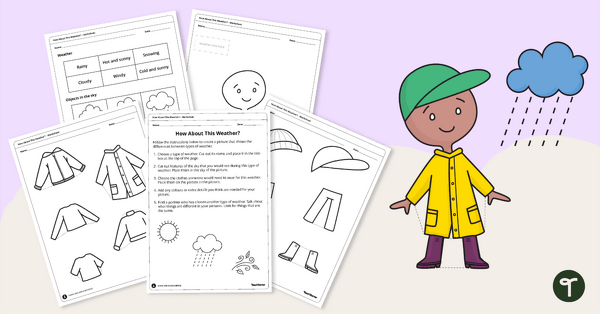
How About This Weather? - Worksheet
Explore different types of weather and subsequent observable changes with this 5-page worksheet pack.
- Plus Plan
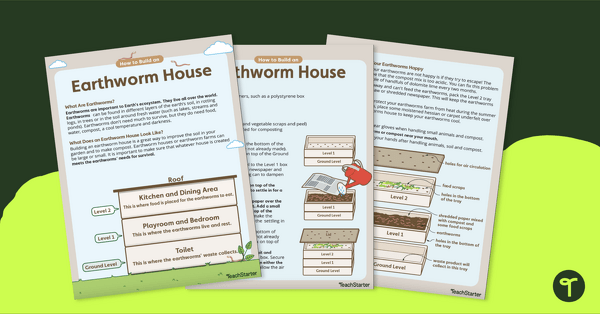
How to Build an Earthworm House Project
Learn to build an earthworm house with a comprehensive step-by-step guide.
- Plus Plan
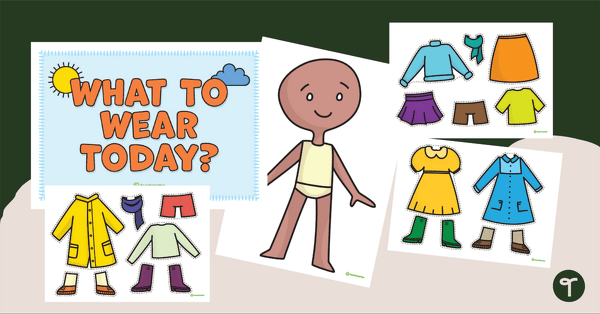
What to Wear Today? – Classroom Display
An interactive classroom display where students update the clothes the character is wearing each day based on the weather.
- Free Plan
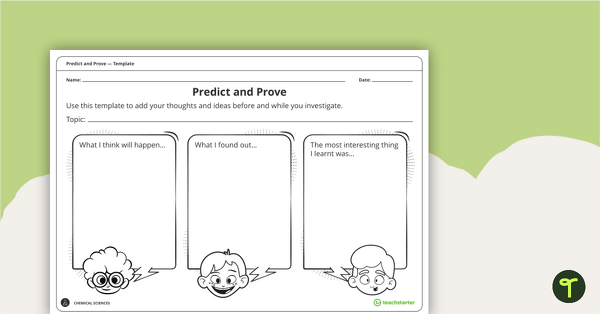
Predict and Prove – Template
A template to help introduce making a hypothesis before starting an investigation.
- Plus Plan
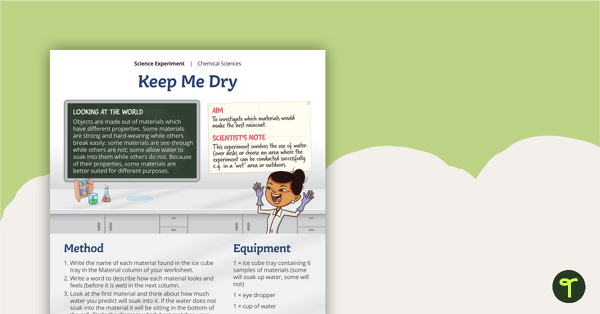
Science Experiment - Keep Me Dry
A science experiment which explores the absorptive properties of materials.