Year 3
The science inquiry skills and science as a human endeavour strands are described across a two-year band. In their planning, schools and teachers refer to the expectations outlined in the achievement standard and also to the content of the science understanding strand for the relevant year level to ensure that these two strands are addressed over the two-year period. The three strands of the curriculum are interrelated and their content is taught in an integrated way. The order and detail in which the content descriptions are organised into teaching and learning programs are decisions to be made by the teacher.
Incorporating the key ideas of science
Over Years 3 to 6, students develop their understanding of a range of systems operating at different time and geographic scales.
In Year 3, students observe heat and its effects on solids and liquids and begin to develop an understanding of energy flows through simple systems. In observing day and night, they develop an appreciation of regular and predictable cycles. Students order their observations by grouping and classifying; in classifying things as living or non-living they begin to recognise that classifications are not always easy to define or apply. They begin to quantify their observations to enable comparison, and learn more sophisticated ways of identifying and representing relationships, including the use of tables and graphs to identify trends. They use their understanding of relationships between components of simple systems to make predictions.
(source: www.australiancurriculum.edu.au)
Achievement Standard
By the end of Year 3, students use their understanding of the movement of Earth, materials and the behaviour of heat to suggest explanations for everyday observations. They group living things based on observable features and distinguish them from non-living things. They describe how they can use science investigations to respond to questions.
Students use their experiences to identify questions and make predictions about scientific investigations. They follow procedures to collect and record observations and suggest possible reasons for their findings, based on patterns in their data. They describe how safety and fairness were considered and they use diagrams and other representations to communicate their ideas.
(source: www.australiancurriculum.edu.au)
- Plus Plan
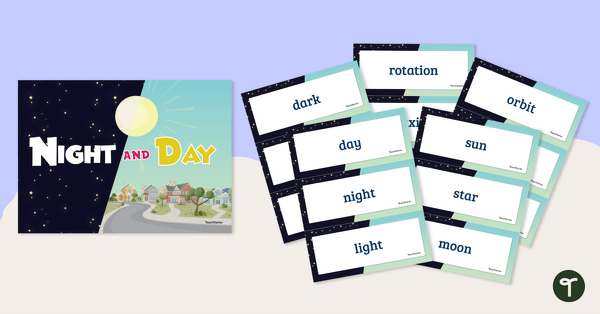
Night and Day Word Wall
A set of vocabulary words related to night and day.
- Plus Plan
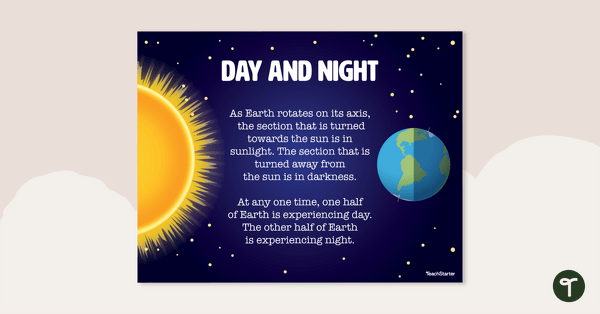
Day and Night Cycle Poster
Display information about Earth’s day and night cycle with this colourful science poster.
- Plus Plan
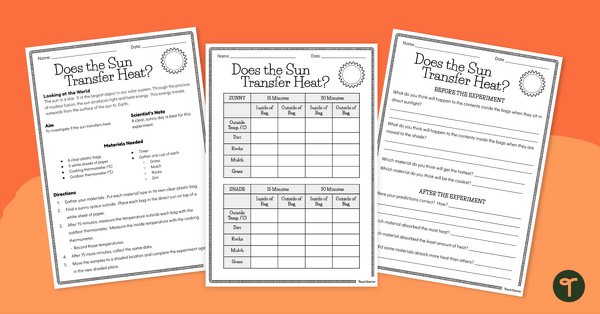
Does the Sun Transfer Heat? – Science Experiment
Discover how the sun transfers thermal energy and which objects absorb more heat with this science experiment for kids.
- Plus Plan
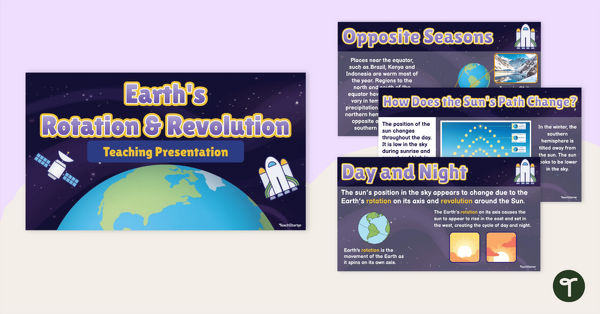
Earth's Rotation and Revolution – Teaching Presentation
Explore the difference between rotation and revolution while learning about the day and night cycle, what causes the seasons to change and more with this teaching presentation.
- Plus Plan
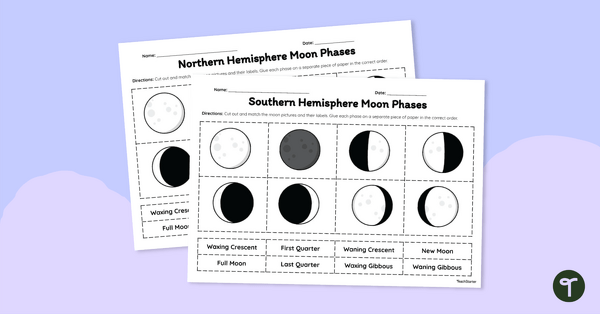
Moon Phases – Cut and Paste Activity
Create a diagram showing the different moon phases and their names with this cut-and-paste activity sheet.
- Plus Plan
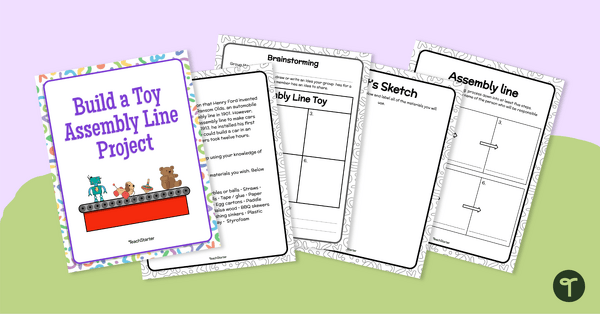
Assembly Line Production - STEAM Project
Engage your students in learning about the assembly line process with an exciting project-based task.
- Plus Plan
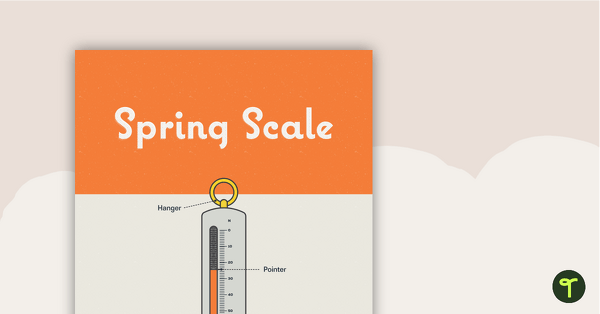
Spring Scale Poster – Diagram with Labels
A poster containing a diagram with labels showing the key parts of a spring scale.
- Plus Plan
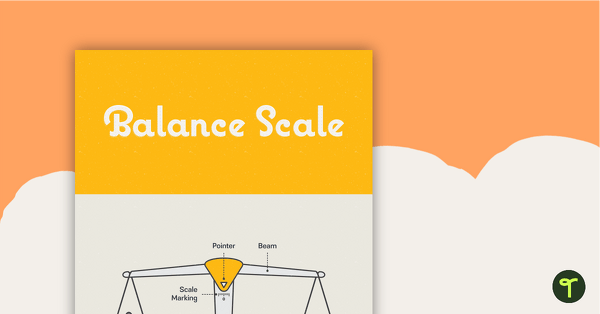
Balance Scale Poster – Diagram with Labels
A poster containing a diagram with labels showing the key parts of a balance scale.
- Plus Plan
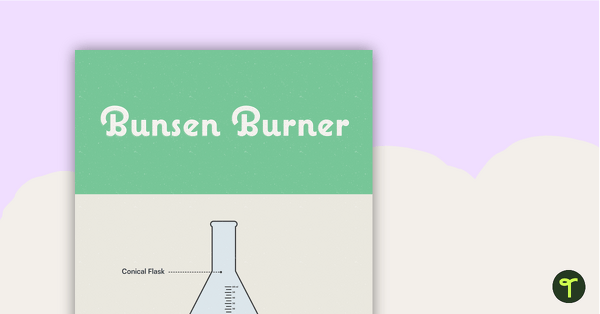
Bunsen Burner Poster – Diagram with Labels
A poster containing a diagram with labels showing the key parts of a Bunsen burner.
- Plus Plan
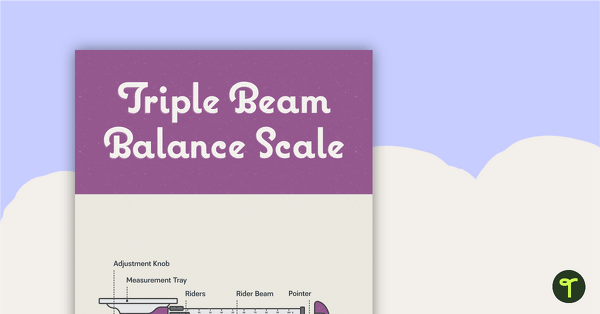
Triple Beam Balance Scale Poster – Diagram with Labels
A poster containing a diagram with labels showing the key parts of a triple beam balance scale.
- Free Plan
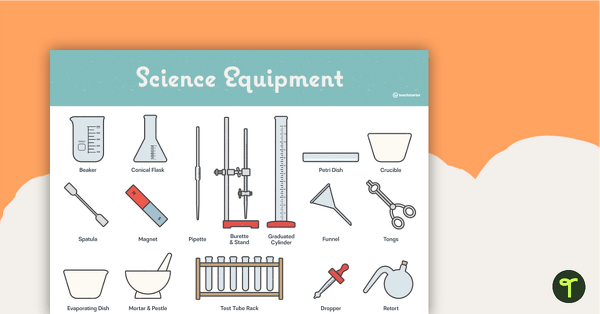
Lab Equipment Poster – Diagram with Labels
A poster containing a diagram with labels showing standard lab equipment.
- Plus Plan
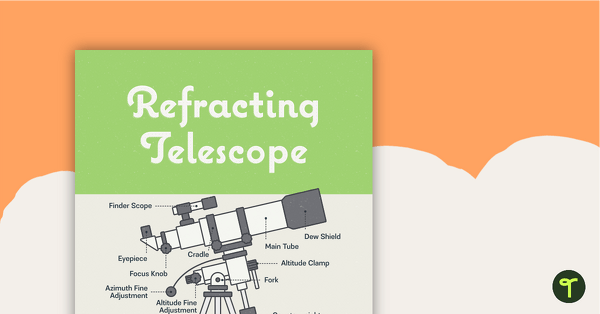
Refracting Telescope Poster – Diagram with Labels
A poster containing a diagram with labels showing the key parts of a refracting telescope.
- Plus Plan
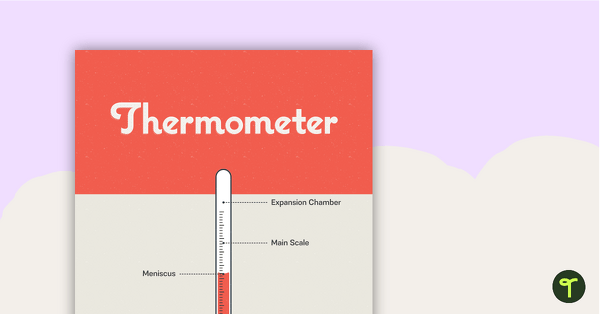
Thermometer Poster – Diagram with Labels
A poster containing a diagram with labels showing the key parts of a thermometer.
- Plus Plan
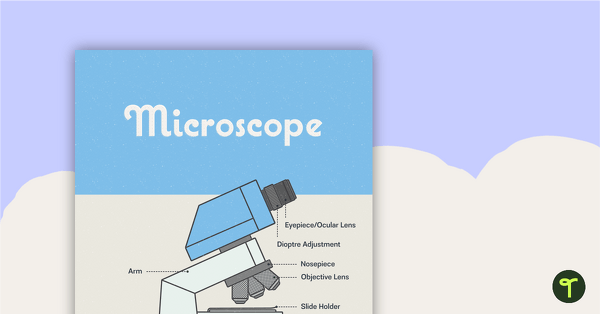
Microscope Poster – Diagram with Labels
A poster containing a diagram with labels showing the key parts of a microscope.
- Plus Plan
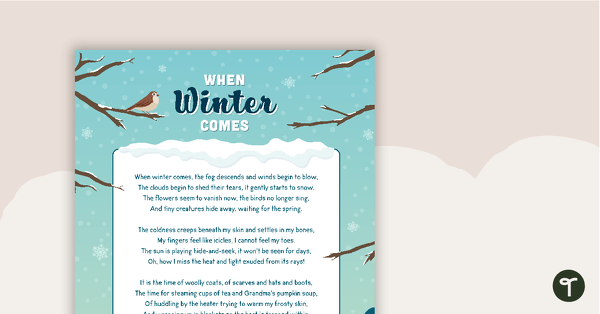
When Winter Comes - Keeping Warm Worksheet
A poem to activate students' prior knowledge about keeping warm.
- Plus Plan
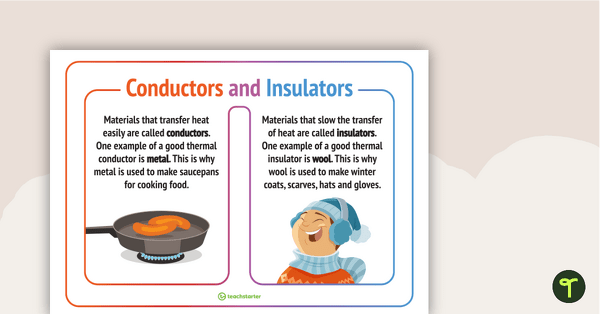
Conductors and Insulators Poster
A poster highlighting conductors and insulators of heat energy.
- Plus Plan
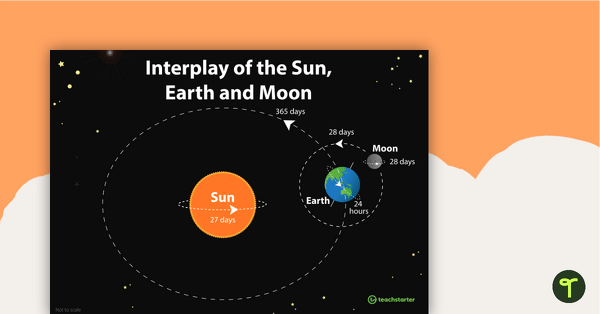
Interplay of the Sun, Earth and Moon Poster
A poster showing the interplay of the Sun, Earth and Moon.
- Free Plan
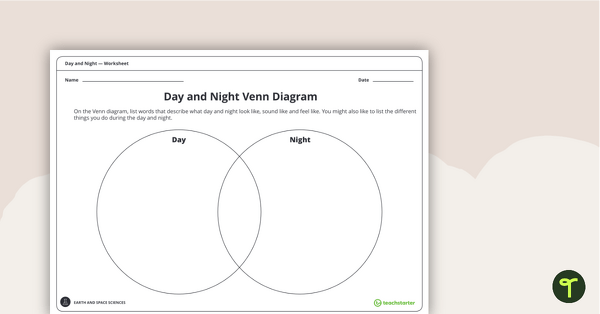
Day and Night Venn Diagram
Brainstorm the similarities and differences between day and night using this Venn Diagram worksheet with your students.
- Plus Plan
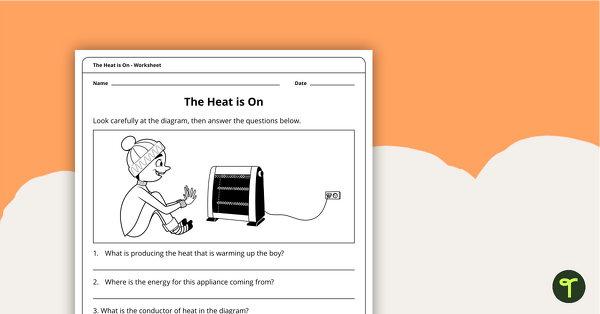
The Heat is On Worksheet
A worksheet to consolidate your students' understanding of heat energy.
- Plus Plan
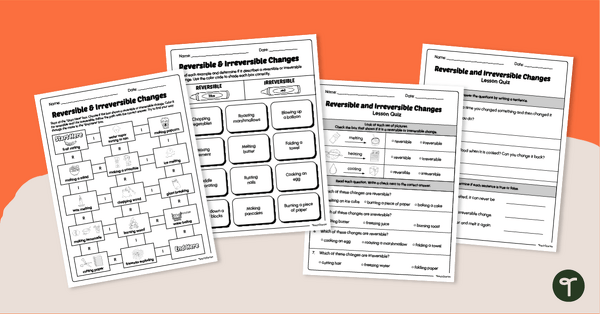
Reversible and Irreversible Changes Worksheet Pack
Download our Reversible and Irreversible Changes Worksheet Pack to help your students learn about temporary and permanent changes in matter.
- Plus Plan
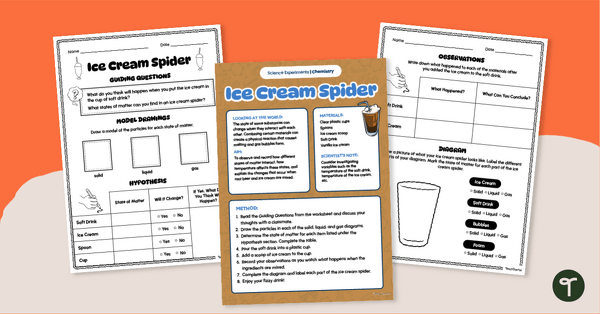
Making an Ice Cream Spider – Matter Experiment
Have fun making ice cream spiders in this exciting Changing States of Matter Science Experiment for Kids.
- Plus Plan
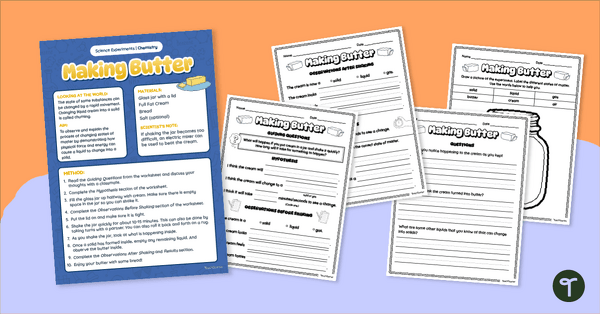
Making Butter in a Jar – States of Matter Lab Activity
Have fun making butter in a jar in this exciting Changing States of Matter Lab Activity.
- Plus Plan
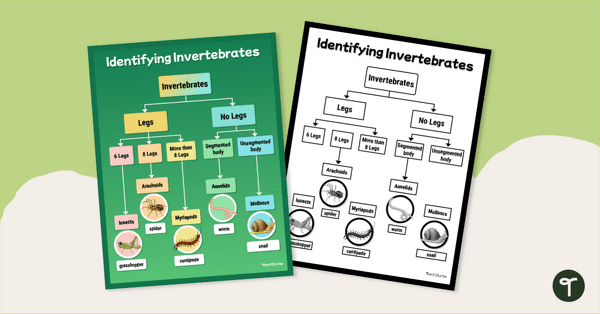
Identifying Invertebrates Poster
Help your students differentiate between insects, arachnids and other invertebrates, with a printable Invertebrate Identification chart.
- Plus Plan
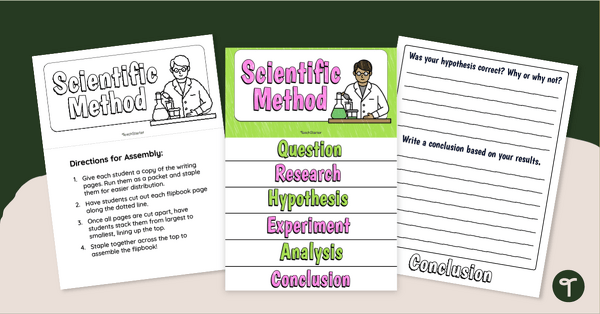
Scientific Method Flipbook Template
Create a Scientific Method Flipbook to record scientific predictions, observations, and conclusions with a printable science flip book template.
- Free Plan
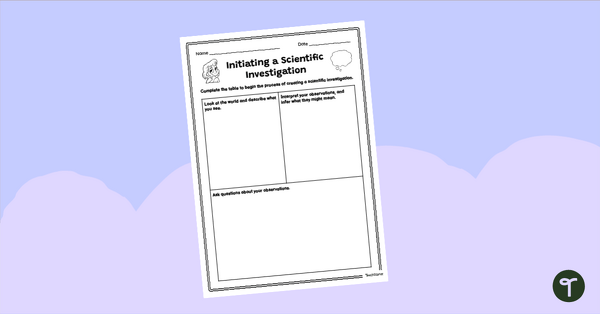
Scientific Investigation Skills Worksheet
Help students begin the process of a scientific investigation with an introduction to the scientific method activity sheet.
- Plus Plan
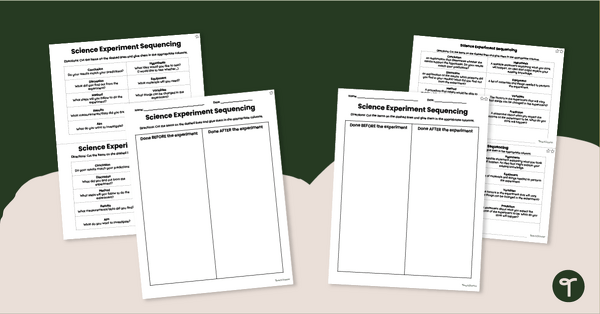
Experimental Design Worksheet - Scientific Method Cut and Paste
Sequence the steps in the scientific method with a pair of differentiated Experimental Design Worksheets.
- Plus Plan
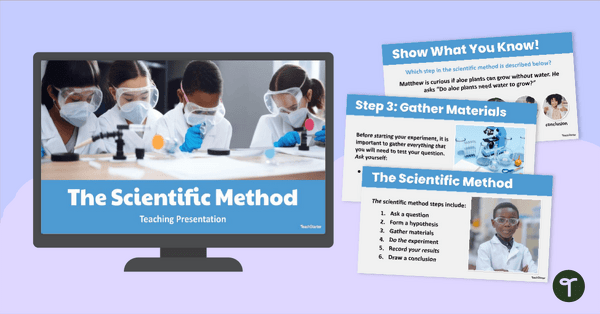
The Scientific Method PowerPoint - Early Years
Complete your scientific method lesson plan sequence with a ready-made Scientific Method PowerPoint for Year 1 through Year 3 Students!
- Plus Plan
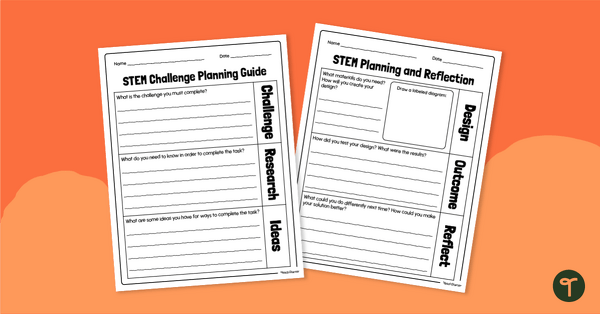
STEM Challenge Planning Guide-Upper Years
Use this STEM Challenge Planning sheet with to keep your students on task and organised when completing STEM challenges.
- Plus Plan
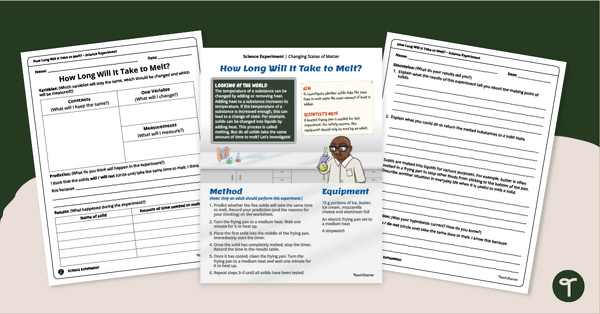
Changing Matter Experiment – How Long Will It Take to Melt?
Explore how solids change into liquids with an exciting hands-on Matter science experiment.
- Plus Plan
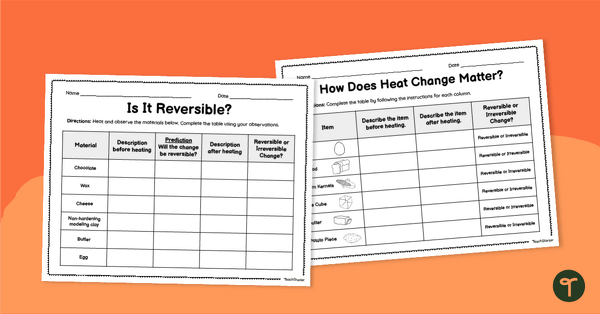
Changes in Matter Due to Heat - Worksheets
Identify examples of reversible and irreversible changes caused by heat with a pair of Changing States of Matter Worksheets.
- Plus Plan
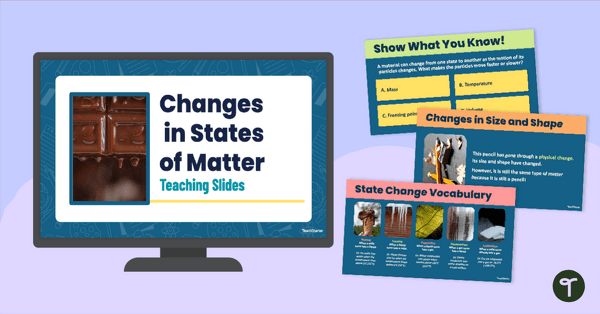
Changes in States of Matter Teaching Slides
Teach your students about the changes in states of matter with an engaging interactive teaching slide deck.
- Plus Plan
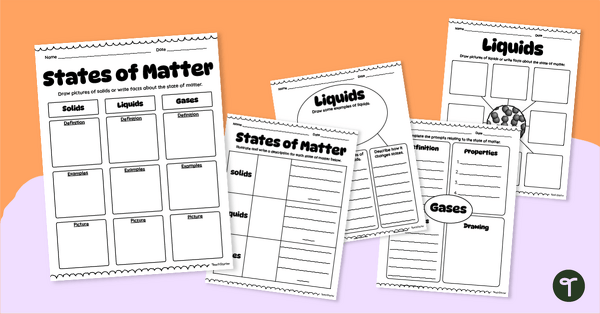
States of Matter Graphic Organiser Pack
Use our States of Matter graphic organisers to help your students record what they have learned about the three forms of matter.