Year 3
The science inquiry skills and science as a human endeavour strands are described across a two-year band. In their planning, schools and teachers refer to the expectations outlined in the achievement standard and also to the content of the science understanding strand for the relevant year level to ensure that these two strands are addressed over the two-year period. The three strands of the curriculum are interrelated and their content is taught in an integrated way. The order and detail in which the content descriptions are organised into teaching and learning programs are decisions to be made by the teacher.
Incorporating the key ideas of science
Over Years 3 to 6, students develop their understanding of a range of systems operating at different time and geographic scales.
In Year 3, students observe heat and its effects on solids and liquids and begin to develop an understanding of energy flows through simple systems. In observing day and night, they develop an appreciation of regular and predictable cycles. Students order their observations by grouping and classifying; in classifying things as living or non-living they begin to recognise that classifications are not always easy to define or apply. They begin to quantify their observations to enable comparison, and learn more sophisticated ways of identifying and representing relationships, including the use of tables and graphs to identify trends. They use their understanding of relationships between components of simple systems to make predictions.
(source: www.australiancurriculum.edu.au)
Achievement Standard
By the end of Year 3, students use their understanding of the movement of Earth, materials and the behaviour of heat to suggest explanations for everyday observations. They group living things based on observable features and distinguish them from non-living things. They describe how they can use science investigations to respond to questions.
Students use their experiences to identify questions and make predictions about scientific investigations. They follow procedures to collect and record observations and suggest possible reasons for their findings, based on patterns in their data. They describe how safety and fairness were considered and they use diagrams and other representations to communicate their ideas.
(source: www.australiancurriculum.edu.au)
- Plus Plan
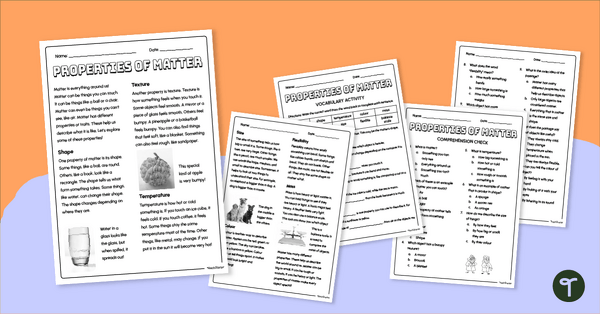
Properties of Matter Reading Comprehension Pack (Year 3)
Read and discover the properties of matter with a set of Year 3 Reading Comprehension Worksheets.
- Plus Plan
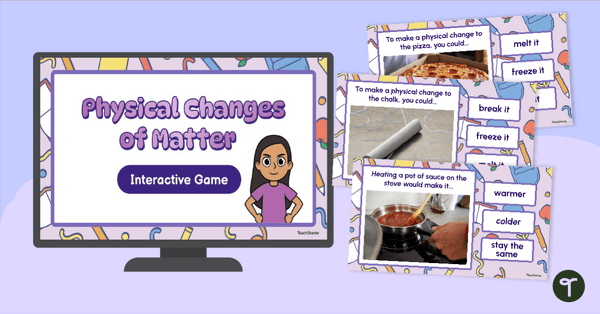
Physical Changes in Matter Interactive Game
Observe and predict physical changes in matter with an engaging, interactive Science Game!
- Plus Plan
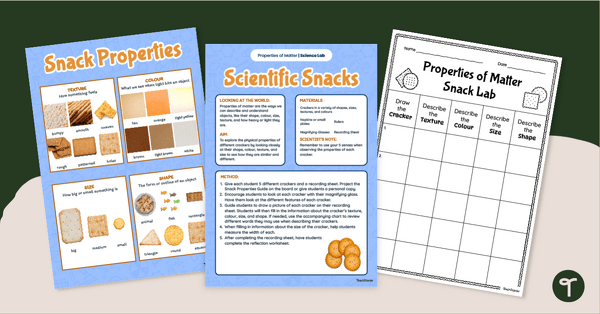
Observing Matter – Edible Science Experiment
Discover the observable properties of matter with an exciting edible science experiment!
- Plus Plan
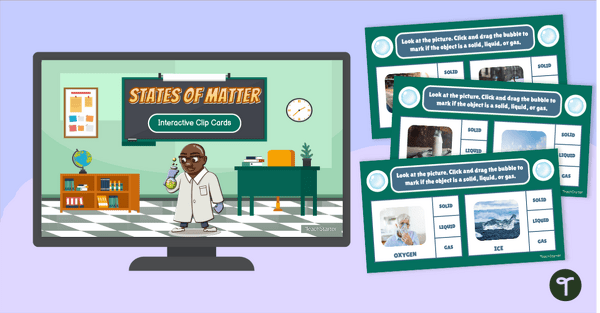
States of Matter Interactive Clip Cards
Drag and drop to identify the three states of matter with a set of interactive clip cards.
- Plus Plan
Properties of Solids, Liquids, and Gases Interactive Game
Discover the properties of solids, liquids, and gases with an engaging Properties of Matter Interactive Game.
- Free Plan
Scientific Method Word Wall Vocabulary
Introduce your students to vocabulary surrounding the Scientific Method with a printable science word wall.
- Plus Plan
States of Matter - Colour by Code Worksheet
Engage your students and have fun identifying the states of matter with a colour-by-code worksheet.
- Plus Plan
Year 3 Matter Worksheets - Properties & Changes
Reinforce your students' understanding of the properties of matter and changes in state with a set of printable differentiated Matter Worksheets.
- Plus Plan
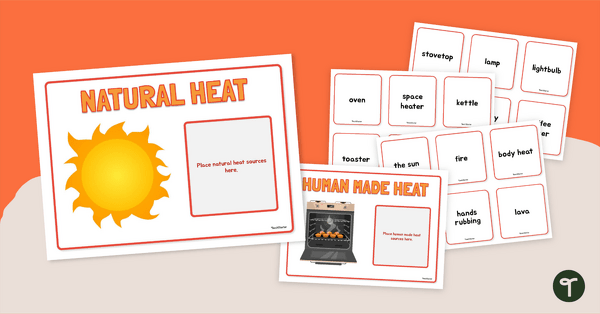
Natural and Human Made Heat Sources Sort
Explore the different man-made and natural heat sources with this sorting activity.
- Plus Plan
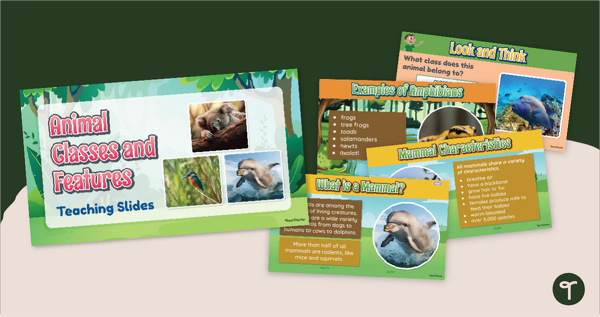
Classification of Animals - PowerPoint
Teach your students about the different classes of animals and their characteristics with an Animal Classification teaching presentation.
- Plus Plan
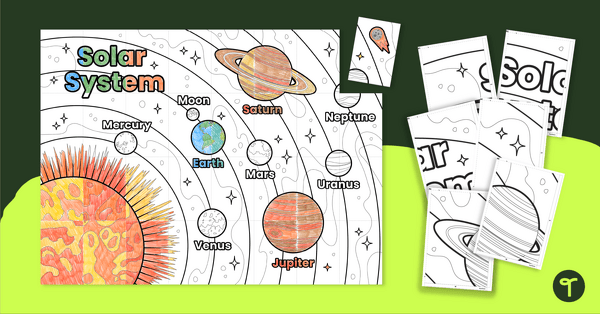
Planets Collaborative Colouring Display
Combine colouring with awareness of the planets and the solar system with this collaborative colouring sheet.
- Free Plan
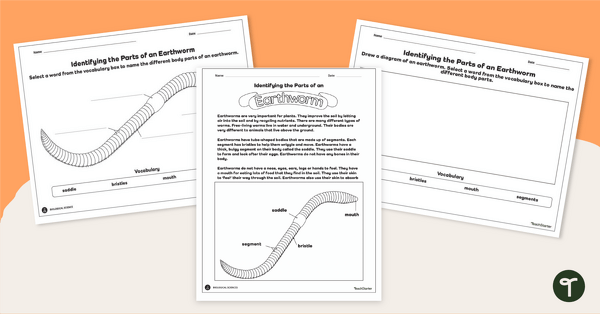
Diagram of an Earthworm Worksheet Pack
Read, learn and label the parts of a worm with a set of printable animal features worksheets.
- Plus Plan
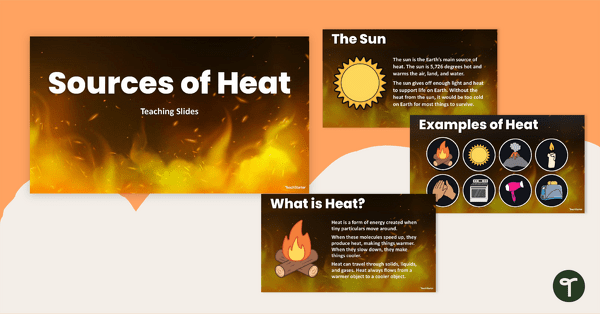
Sources of Heat Teaching Slides
Learn about the different sources of heat with this set of engaging teaching slides.
- Plus Plan
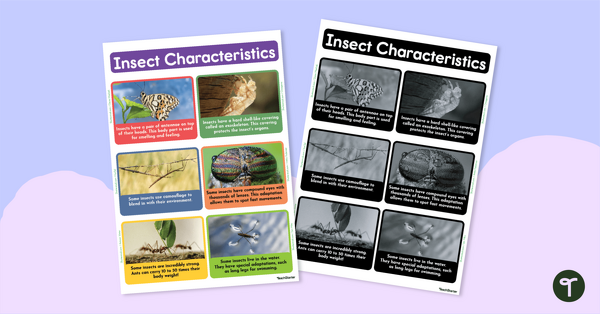
Facts About Insects Anchor Chart
Display this Facts About Insects poster showcasing interesting insect facts and characteristics in your classroom.
- Plus Plan
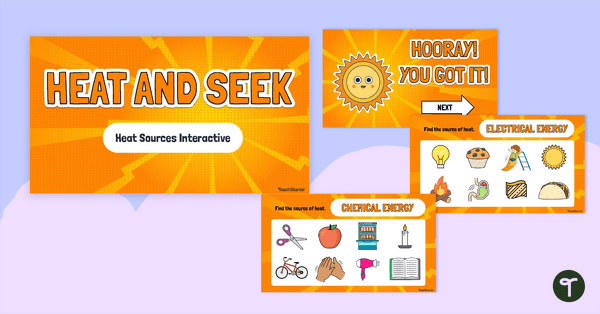
Heat Energy Sources Interactive Activity
Help students identify different sources of heat energy with this engaging, interactive activity.
- Plus Plan
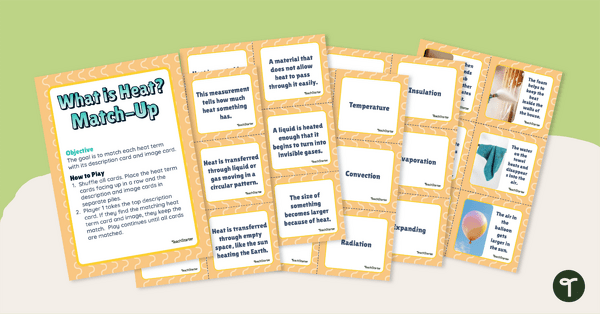
Heat Energy Vocabulary Match Up Activity
Explore different heat energy vocabulary words with this definition and word match-up activity.
- Plus Plan
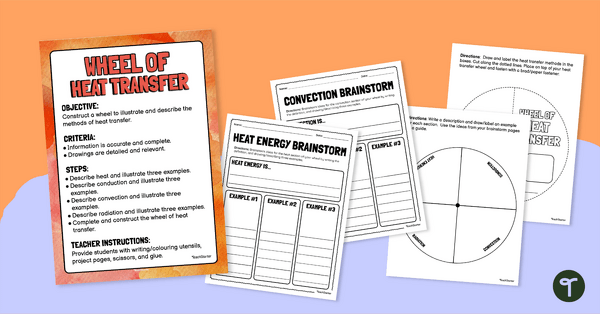
Wheel of Heat Transfer Project
Explore the process of heat transfer with this engaging wheel of heat project.
- Plus Plan
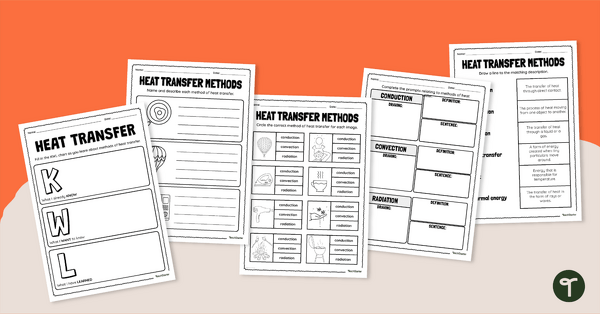
Heat Transfer Methods Worksheet Pack
Learn about the different ways heat can be transferred using this guided set of heat transfer worksheets.
- Plus Plan
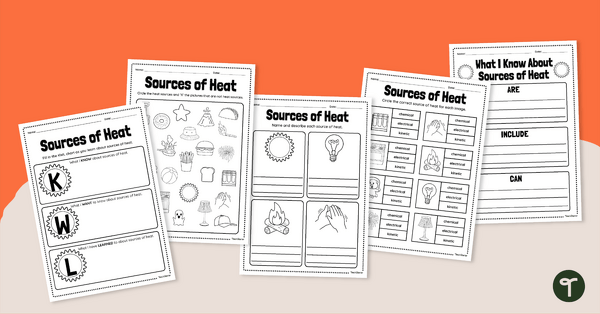
Year 3 Sources of Heat Worksheet Pack
Learn all about different thermal energy sources with this set of heat worksheets.
- Plus Plan
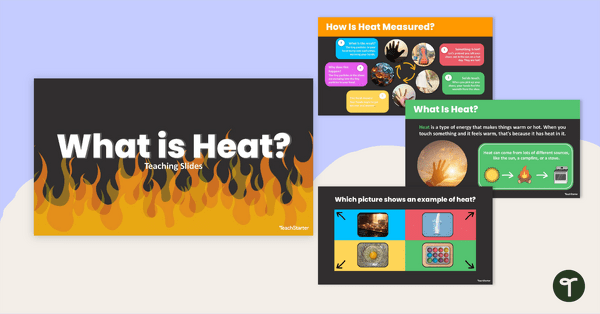
What is Heat? Thermal Energy Teaching Slides
Guide students through learning about thermal energy with this set of ‘What is Heat?’ teaching slides.
- Plus Plan
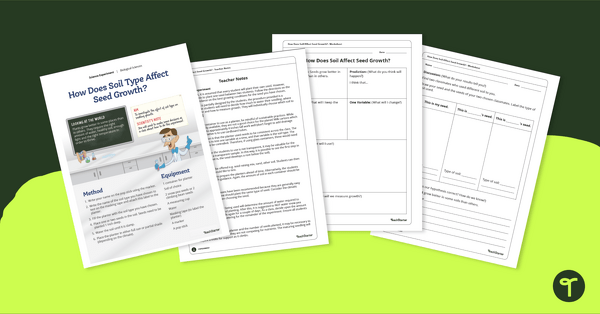
Science Experiment - How Does Soil Affect Seed Growth?
Explore the effect of soil type on growth and change of a seedling with a hands-on science experiment.
- Free Plan
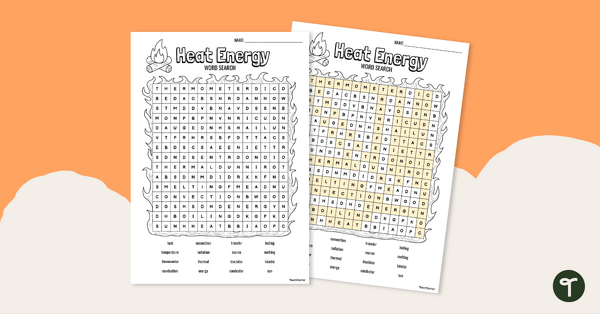
Heat Energy Word Search
Help students remember heat energy vocabulary with this word search.
- Plus Plan
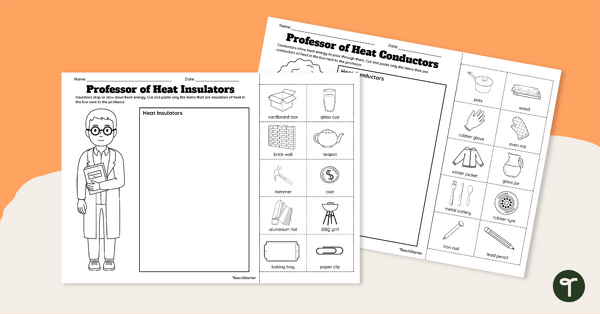
Heat Conductors and Insulators Sorting Worksheet
Explore materials and everyday items as heat conductors or heat insulators during your heat energy unit plan with this cut-and paste worksheet.
- Plus Plan
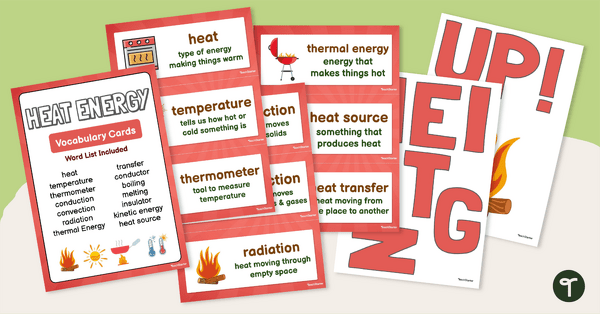
Year 3 Heat Energy Vocabulary Cards
Explore heat energy vocabulary with this set of thermal energy vocabulary cards.
- Plus Plan
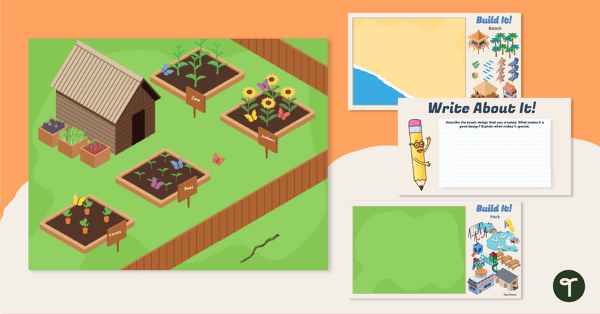
Build It! Interactive STEM Engineering Activity
Bring engineering into the digital classroom with an interactive design project.
- Plus Plan
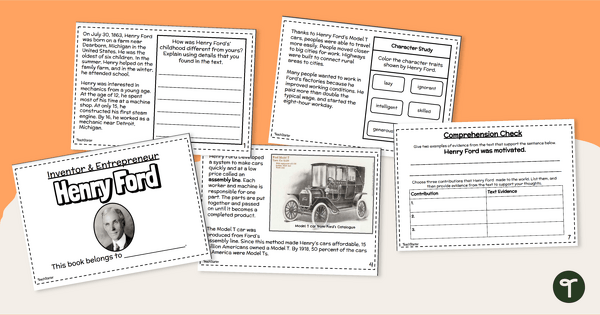
Henry Ford Mini Book - Famous Inventor Activity Book
Provide students with cross-curricular history, science and reading instruction with a printable Henry Ford mini book.
- Plus Plan
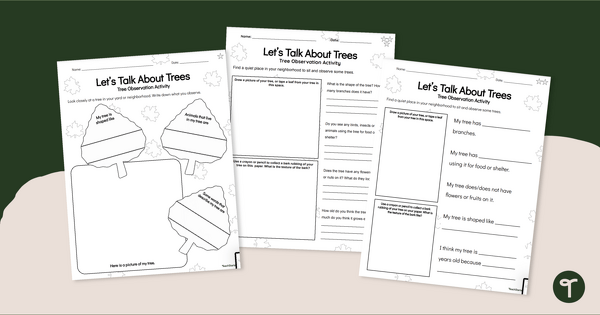
Tree Observation Worksheets
Record observations of trees in the local environment with a printable graphic organiser.
- Free Plan
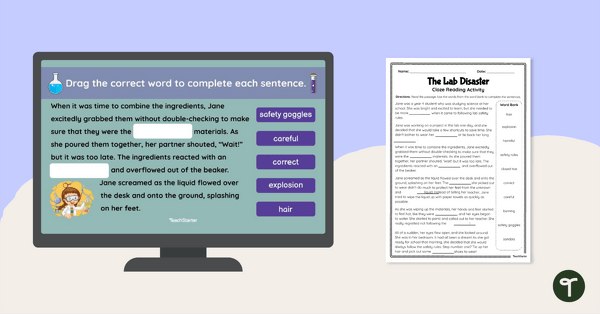
Lab Safety Interactive and Printable Cloze Reading Activity
Assess students' understanding of lab safety rules and expectations with this cloze reading activity.
- Plus Plan
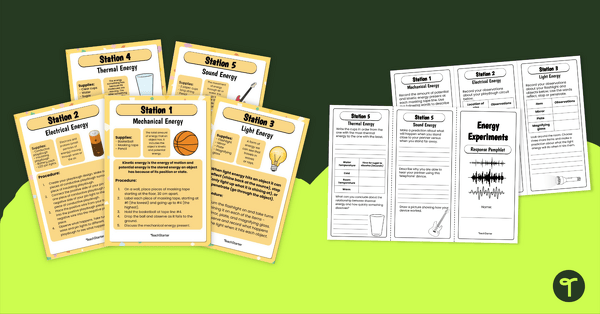
Forms of Energy – Year 4 Science Experiments for Kids
Investigate mechanical, electrical, light, thermal and sound energy with this set of science activities for kids.
- Plus Plan
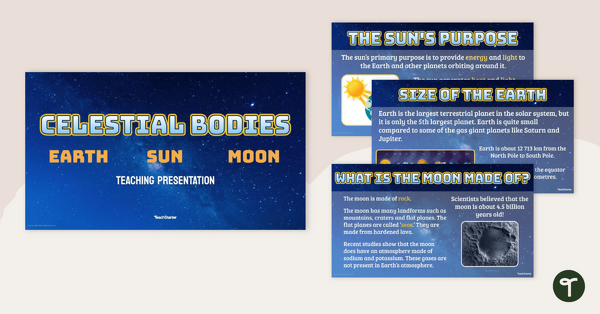
Celestial Bodies – Earth, Sun and Moon – Teaching Presentation
Learn information about the Earth, sun and moon while comparing the physical characteristics of each with this 22-slide teaching presentation.
- Plus Plan
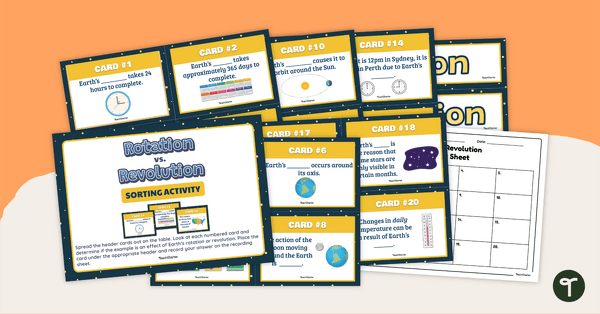
Rotation vs. Revolution – Sorting Activity
Determine if examples are due to Earth’s rotation or revolution with this sorting activity.
- Free Plan
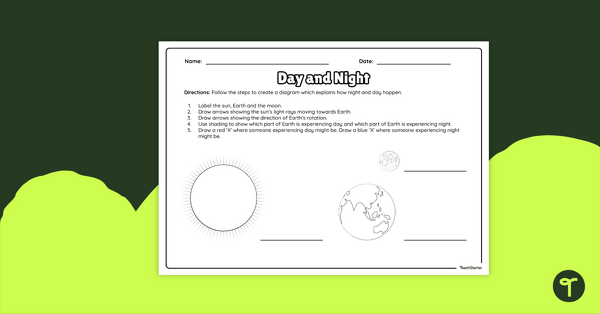
Day and Night – Worksheet
Encourage your students to illustrate the day and night cycle with this free worksheet.