

If your first year of teaching has you feeling a little nervous — OK, more than a little nervous — take a very, very deep breath. Feel better? The teachers at the Teach Starter offices have all been where you are, and we’ve talked to some more veterans to come up with the one thing every new teacher needs: a super handy list of advice and tips for new teachers to help you have the absolute best first year of teaching you can have.
Advice and Tips for New Teachers
Even better? We broke all the advice from our veteran teachers down into alphabetical order because what teacher doesn’t love alphabetizing and organization? Whether you’re looking for practical tips for new teachers or reassurance that every first-year teacher feels this way at first, we’ve got you. Ok, let’s get started:
First Year Teacher Tips You Can Use Right Away
Think of this as your A-to-Z guide to new teacher life, with practical advice for everything from acronyms and classroom routines to work/life balance and social media boundaries.
Acronyms
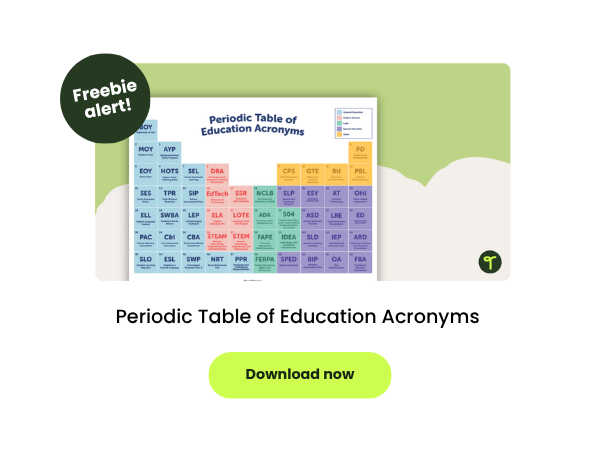
There is nothing the education system seems to love more than a good acronym, and new teachers quickly learn that school life comes with its own language. Brush up on the big ones before the start of school with our handy list of acronyms used in schools, and keep a running note of any new terms you hear in meetings, emails or planning documents. If someone uses an acronym you do not know, ask. The kids are not the only ones learning!
Build Your Boundaries
There is a lot to do when you are a teacher, and modern classrooms can make it feel as though you should be available all the time. Protecting your time, energy and wellbeing is not selfish — it helps you show up more consistently for your students. Decide when you will check emails, how late you will stay at school, what you can realistically prepare from scratch and when you will use ready-made support.
There’s a lot to do when you’re a teacher, but it’s important to know what’s worth doing so you can do it well. Take this tip from veteran teacher and former Teach Starter Collaborator Maddie Schmalz. An ELA teacher with 10 years in the classroom under her belt, Schmalz had this to say:
“Going in knowing what you are willing and able to do and what you are not willing and able to do can make a huge difference in your teaching and own life.”
Get started with our teacher wellness bullet journal!
Classroom Management Is Crucial
From the minute you walk in the door, those students will keep you on your toes! Strong classroom management today is about more than behaviour charts — it means clear routines, predictable expectations, positive relationships and calm responses when things do not go to plan. A few good classroom management tricks can help you create a learning environment where students feel safe, supported and ready to learn.
Differentiate Your Lessons
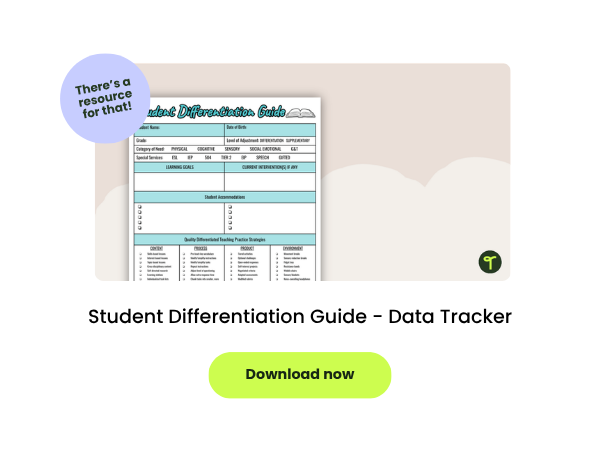
It would be great if you could sit down one-on-one with every single student for every single lesson, but the reality of a busy classroom makes that difficult. New teachers need practical ways to support a wide range of abilities, learning needs, language backgrounds and confidence levels. Plan ahead with flexible resources, scaffolded tasks, extension activities and editable materials so you can adjust lessons without starting from scratch. That’s why many Teach Starter resources are editable and include practical tips to help you adapt them for different learners.
Emotional Learning Is Everything
You are not just in the classroom to help students learn to add fractions and punctuate sentences. Today’s students are also learning how to manage emotions, build friendships, recover from mistakes and feel a sense of belonging at school. When you are building a classroom community, a former Teach Starter Collaborator and special education teacher Talia Buonopane suggests leaning into social-emotional learning lessons, even if your school does not have them built into its curriculum.
“Social perception, understanding, and awareness and emotional regulation, and resilience are such important skills to have as a person and need to be taught from the beginning,” the Boston-area teacher advises. “You should try your best to create a safe space where kids can express themselves and work through how they feel about anything and everything. SEL can be incorporated into everyday lessons and subjects!”
Not sure where to start? Here are a few ideas to get you going!
[resource:4635583][resource:5015062][resource:4695394][resource:5211077]
Factor Yourself Into the Faculty
Many new teachers can feel hesitant in staff meetings or planning discussions, especially when everyone else seems more experienced. But being a first-year teacher does not mean you have nothing to contribute. You may bring fresh training, current digital skills, new perspectives on inclusion or a strong understanding of what students are experiencing right now. Trust your abilities, ask thoughtful questions and do not be afraid to use your voice.
Grow Big or Go Home
Teach Starter’s Holly Mitchell remembers her first year of teaching too, and she offered up this important gem! “Your first year is all about growth,” she advises. “Ask to go and watch some of the strong, positive teachers at your school. Observe and mix it with your own teaching philosophy.”
Have Fun
Teaching is a job, but that doesn’t mean you have to be serious all the time! Working with children means you’re surrounded by a whole lot of silliness and joy, and it’s not just OK to be infected by it … it’s highly recommended!
Invest in Poster Tape
It sounds simple, but reliable classroom supplies can save you time and frustration. Whether you are displaying anchor charts, a visual schedule, student work or behavior reminders, choose wall-safe tape or reusable adhesive that suits your classroom surfaces and school rules. You do not want your carefully prepared displays falling down halfway through the day!
Jobs, Jobs, Jobs
Repeat after us: You are one person. You do not have to do every little thing in the classroom. Assigning age-appropriate classroom jobs can help students feel ownership, build responsibility and contribute to a positive classroom culture. Keep it simple with rotating roles such as tech helper, materials manager, line leader, library monitor or wellbeing buddy.
[resource:1952162][resource:4984920]
Keep Up With Fast Finishers
There are always going to be students who finish early and are ready for the next challenge. Stay ahead of them with purposeful fast-finisher activities that are independent, meaningful and easy to access — think early finisher task cards, reading responses, math games, vocabulary practice or creative prompts. Having these ready is one of those first-year teacher tips that can prevent a lot of classroom disruption.
[resource:5207024][resource:5029839][resource: 5089284 ][resource: 5210595 ]
Librarians Are Invaluable
This is another tip from Holly Mitchell, who recalls the librarians in her school as precious resources for her classroom. “Make time to get to know the librarian and ask for help when needed,” she says. School library staff can help with book recommendations, research skills, digital literacy, reading engagement and finding texts that reflect the students in your room.
Mentors Matter
Ask Dr. Shaun Woodley what he wishes he’d known before he started teaching, and the Atlanta, GA educator has this to say:
“I wish I was told the importance of good, quality mentorship to facilitate my growth as an educator.”
Some districts will assign mentors to first-year teachers, but if yours doesn’t, you can always join an organization of educators such as the National Association for the Education of Young Children to find someone who can show you the ropes or simply ask around. This is one of the most valuable pieces of advice for new teachers because a good mentor can help you navigate everything from classroom routines to tricky parent conversations. Your new principal or a teacher on your grade level team you admire may be up for the job — or have recommendations. Not sure either place works? Try Facebook groups for educators or reach out to a teacher who inspired you to join the field!
Newsletters Are Awesome
Families want to know what is happening in their children’s classrooms, and clear communication can reduce confusion before it starts. Set expectations early with a simple newsletter or digital update that shares classroom highlights, reminders, upcoming dates and ways families can support learning at home. These newsletter templates will get you started.
Open With Organization
Angella Solo has taught three different grades in her three years teaching, including third, sixth, and most recently fifth. The Instagrammer behind the handle @thepurrfectpencil says she wishes she had found a better way to organize papers, digital files and grades when she first started out, and she recommends other first-year teachers make it a day one priority. “I remember feeling overwhelmed with grading papers and managing paper flow. It’s important to stay on top of the organization from the first week of school!” Solo says. “A file system or Google Drive can be helpful in organizing documents. A teacher planner can help with deadlines and reminders!”
Wait, did someone say teacher organization?
[resource: 4885016 ][resource: 4983988 ][resource: 4823873 ][resource: 5081154 ][resource: 5089162 ]
Parents Need to Hear the Positives
Make the time to share positive stories with families. New teachers can feel as though parent communication only happens when something has gone wrong, but quick positive updates help build trust. Keep a stash of our Positive Parent Notes on your desk, or set a reminder to send one positive message or make one positive call each week.
Quiet Time Is Important
We are not just talking about the need you will have now and then for complete silence so you can hear yourself think! Quiet time, mindfulness and calm transitions can help students reset during a busy school day. Short breathing activities, reflective prompts or soft-start routines can support focus without taking over your schedule. Here are a few of our teacher team’s favorites that will get you started!
[resource: 4877077 ] [resource: 2660454 ] [resource: 5015036 ] [resource: 4492707 ]
Representation Matters
Teach Starter resource creator Melissa, an ELA teacher for the past six years, practically shouted when she shared this bit of advice for first-year teachers — that’s how important it is!
“Make sure that you include a wide range of reading levels, accessibility levels, and interests as you are choosing what books to offer in your library, but do not forget to make sure that a wide variety of identities, voices, and perspectives are represented in your books,” Melissa says. Now comes the shouting bit: “EVERY ONE OF YOUR STUDENTS DESERVES TO SEE THEMSELVES REPRESENTED IN WHAT THEY READ!” Indeed!
Solid Routines Will Save You
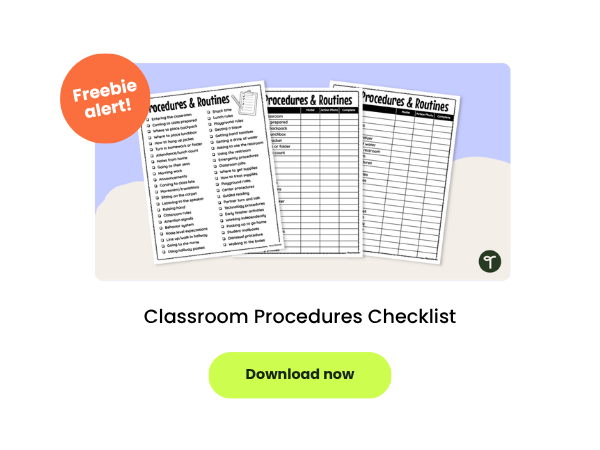
Kids are not the only ones who thrive on routine — so do teachers. Former Teach Starter Collaborator and classroom teacher Kasey Turner says it’s something every first-year teacher needs to develop, and there’s no doubt it will help you steer that ship straight through choppy waters. For new teachers, simple routines can make the school day feel more predictable, manageable and calm.
Talk to Other Teachers
Your new colleagues are a vast resource. They can help you understand school routines, behavior systems, curriculum expectations, technology tools, assessment timelines and the unofficial things that make each school run. Ask questions, share what is working and remember that you do not have to figure everything out alone.
Unload on Someone Grown Up (Not the Kids)
Garrett Gerard is one of the teachers who used to create resources for us, and he remembers the best advice he got as a new teacher: “Find someone you can talk to and cry to,” he says. “There will be days where you are just overwhelmed with everyone and everything, and having someone who will just listen is vital to your mental health.” In other words? Do not bottle things up. Find a trusted adult, mentor or professional support, and talk things through in a way that protects student privacy. You might also want to grab a copy of our free teacher mental health checklist to check in with yourself now and then.
Value Your Voice
A teacher’s voice is like a piano player’s hands, and losing your voice is scary! Follow these 10 tips to protect that valuable asset so you can keep showing up each day to engage those little learners!
Work/Life Balance Is Crucial
There will always be work to do, but teacher burnout is real. Protect your wellbeing by setting realistic planning routines, batching tasks where you can, reusing quality resources and giving yourself permission to go home at a reasonable time. Your body and your teaching will thank you.
X Out Procrastination
Hey, we’re not judging! We’ve all had those late nights of grading papers when we just want to put it off until … next year. But if you already know you put the pro in procrastination, now’s the time to nip it in the bud!
You Have a Calling
Teaching isn’t just a job! It’s a calling. First-grade teacher Debrice Hill is CEO of Teacher to Teacher Magazine and a lead teacher who offers up this important advice:
“Remember your easy days will outlast your rough days, and you are chosen to make a difference in the lives of all children that cross your path no matter how minute it will be.”
Zip It When It Comes to Students & Social Media
You have heard this one before, we know, but it always bears repeating. When you are upset with a student, frustrated after a tough day or unsure how to respond to a family concern, keep it off social media and private messaging groups that are not appropriate for school matters. You never know who is watching, and students deserve privacy and professionalism. Instead, turn to your teaching mentor, grade level team, leadership team, school counseling staff or another trusted adult, and work through the issue safely.
New Teachers Get 50% Off Their First Year of Teach Starter
If you are a student teacher or recent graduate, you may be eligible for 50% off your first 12-month Teach Starter subscription. It is designed to help you walk into your first classroom with ready-to-use support from day one, without spending your evenings creating every worksheet, display, game and lesson activity from scratch.
A Teach Starter subscription gives new teachers access to printable and digital teaching resources, editable templates, worksheets, classroom displays, organizational tools, games, lesson plans, unit plans, digital activities and classroom videos. Many resources are curriculum-aligned and all are created by experienced teachers, with options that can help you differentiate, save planning time, organize your classroom and keep students engaged.
For a first-year teacher, that can mean having a fast-finisher activity ready when a lesson ends early, a printable parent note when you need to communicate quickly, an editable teaching slide deck for tomorrow’s lesson, a bulletin board pack for your classroom walls or a unit plan that helps you see the bigger picture. In other words, it is not just about having more resources — it’s about having reliable support when your to-do list feels endless.
The new teacher discount can help make that support more affordable in your first year. Submit a new teacher discount request to find out if you are eligible for 50% off your first year and start building a resource library that helps you feel more prepared, organized and confident in the classroom.


Comments