English Language Arts Teaching Resources
Explore English Language Arts (ELA) activities, worksheets, games and more teaching resources created by teachers for teachers just like you! You'll find ELA resources aligned with the Common Core State Standards (CCSS), and ELAR resources that align to TEKS.
This collection of teacher-created resources for elementary and middle school teachers was designed with students and teachers in mind, including differentiated activities and worksheets ready to print and add to your lesson plan.
Each game, activity and more have undergone a careful review by a member of our ELA teaching team to ensure it's classroom — and student — ready.
What Is ELA in Education?
In most educational instances, ELA stands for English Language Arts, the subject that encompasses reading, writing, speaking, listening and language skills development in American schools.
ELA curriculum standards vary from state to state and even school district to school district, but they typically include instruction in the following areas:
1. Reading
In ELA classes, students learn to read, understand and interpret a variety of texts, including fiction and non-fiction. They develop reading comprehension skills such as identifying main ideas and making inferences while building their understanding of vocabulary.
2. Writing
As they progress through elementary and middle school, students learn the skills they need for effective written communication by learning to create types of texts — such as narratives and persuasive essays, research papers, and descriptive pieces.
They also learn to organize their ideas, use proper grammar and punctuation and refine their writing through revision and editing.
3. Speaking and Listening
While English instruction in the US was once heavily focused on grammar and reading comprehension, education experts saw a call to move toward a more student-centered means of teaching that paved the way to today's ELA curriculum ... and to the inclusion of oral communication as a focus in the curriculum.
Through speaking and listening activities, kids learn to express themselves clearly, listen actively, ask questions, participate in discussions and deliver presentations. They also learn to articulate their thoughts and understand different perspectives while developing their critical thinking abilities.
4. Language
Finally, students study grammar, vocabulary and syntax to enhance their understanding of English and how it should be used.
The curriculum includes proper sentence structure, word choice, spelling and punctuation rules. Language instruction also includes figurative language, idioms and understanding context.
ELA as English Language Acquisition
You may have noticed that we said ELA stands for English Language Arts in most educational instances. So, what else can it stand for?
In some schools, ELA is the abbreviation used for English Language Acquisition, and it's the name given to programs created to help English language learners as they tackle the language.
This form of ELA has marked similarities with the ELA described above, as it focuses on helping students build oral, reading and writing skills. However, there are distinct differences as one focuses on educating native speakers and the other on ELL students.
English vs. Language Arts — Why Is English Called Language Arts?
Some of your students may have parents who remember attending English classes as children but are unfamiliar with the concept of English language arts.
How do you explain the difference to them?
The fact is, some districts may well use the term English for what another district terms "English language arts." In other places, the two refer to very different concepts. In many areas, English is the name for courses taught on a high school level, while English language arts applies to elementary level work.
To explain why their children are enrolled in language arts coursework, it may be helpful to break down the various components of language arts — as we have done above — and their role in students' literacy growth.
What Is ELAR?
ELAR stands for English Language Arts and Reading. While much of the country's schools follow an ELA curriculum, ELAR is unique to Texas, where ELAR is an integrated subject that combines the study of language arts skills with the development of reading abilities.
This collection includes hundreds of ELAR activities, aligned directly with TEKS standards to ensure Texas teachers have everything they need for their lesson plans.
- Plus Plan
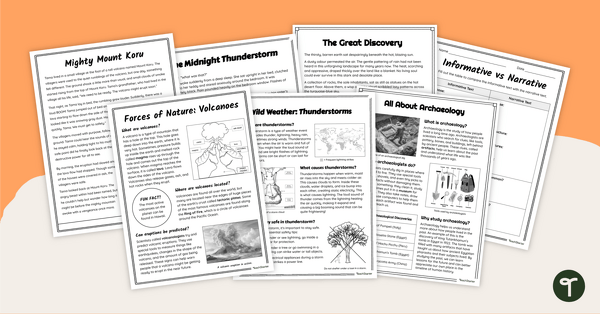
Comparing Narrative and Informational Text Worksheets
Use this set of comparing narrative and informational text worksheets to examine the purpose and features of these two common genres.
- Free Plan
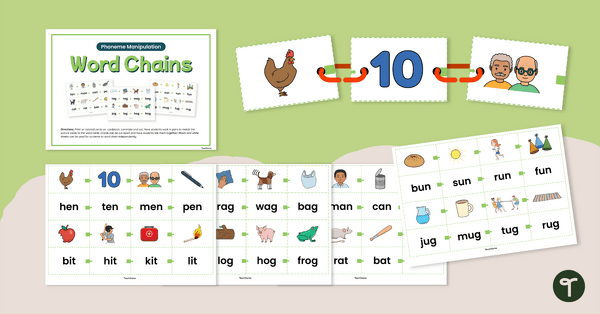
Word Chains Activity
Explore phoneme manipulation with simple words using this word chain activity.
- Plus Plan
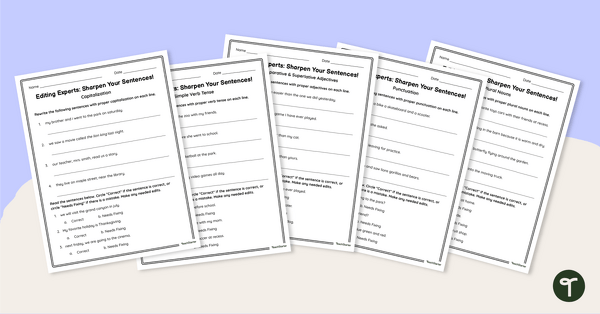
Editing Sentences – 3rd Grade Worksheets
Download these editing sentences worksheets for 3rd grade to get your students identifying and fixing errors in sentences.
- Plus Plan
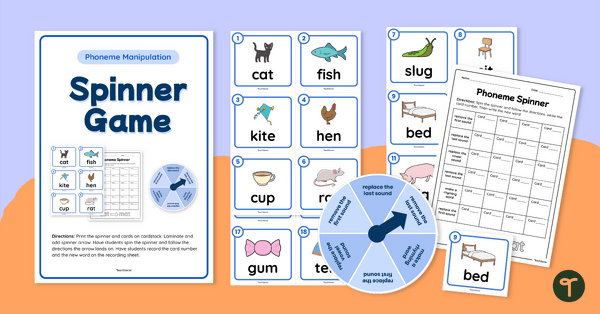
Phoneme Manipulation Game
Explore phoneme manipulation with your students using this fun phoneme manipulation game.
- Plus Plan
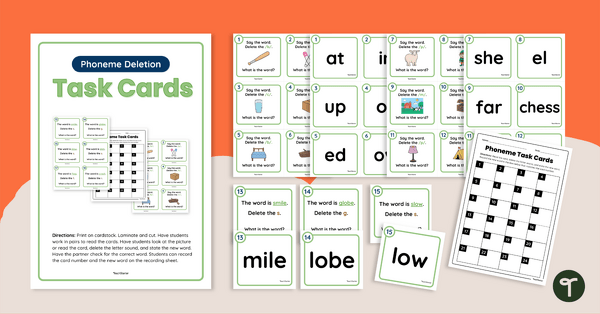
Phoneme Deletion Activity Task Cards
Explore phoneme deletion with this set phoneme deletion activity task cards.
- Plus Plan
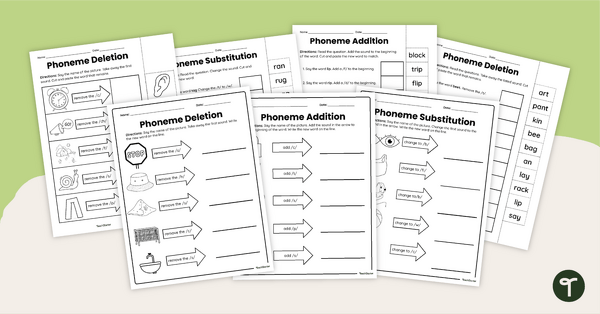
Phoneme Manipulation Worksheet Pack
Use these phoneme manipulation worksheets to help students develop their phonemic awareness skills.
- Plus Plan
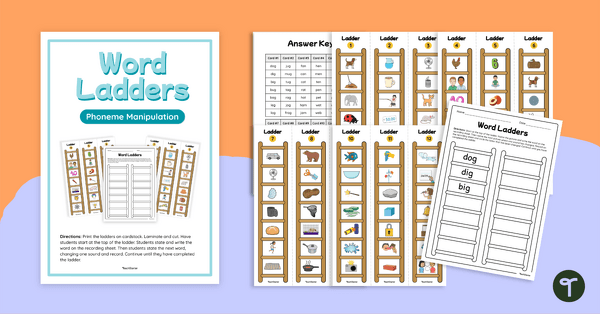
Sound Manipulation Word Ladder Activity
Develop your students' phonological awareness with this phoneme substitution word ladder activity.
- Plus Plan
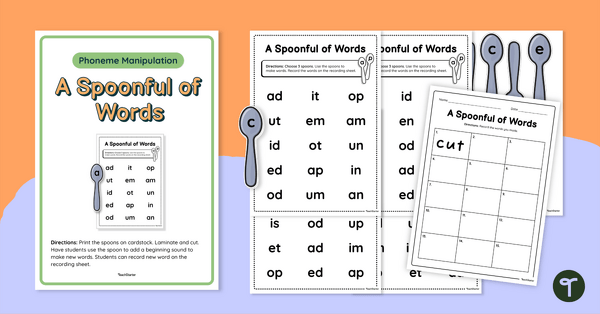
Manipulating Phonemes Activity
Help students practice manipulating phonemes with this manipulating phonemes activity - a spoonful of fun!
- Plus Plan
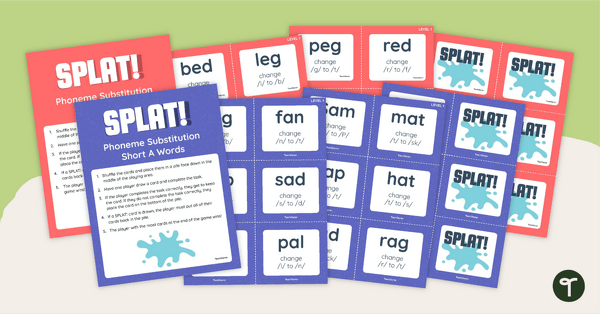
Phoneme Substitution Games - SPLAT Card Game
Use this phoneme substitution game with your students to practice substituting initial and final phonemes in short vowel words.
- Plus Plan
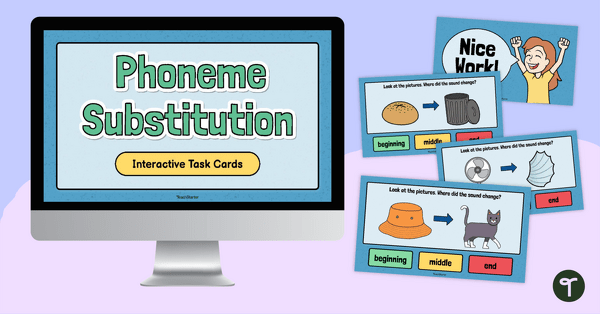
Phoneme Substitution Digital Activity
Explore phoneme substitution with your students using this interactive set of task cards using images.
- Plus Plan
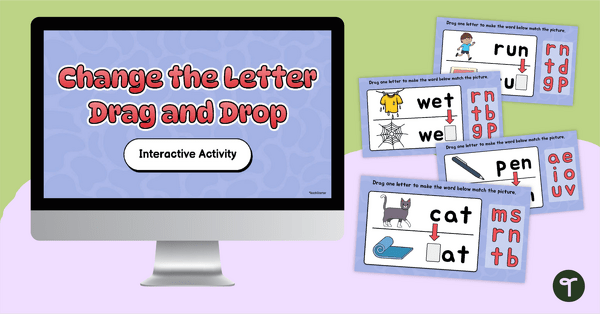
CVC Change the Letter Digital Activity
Use this CVC Change the Letter digital activity to help students develop their phonemic awareness skills through phoneme manipulation
- Plus Plan
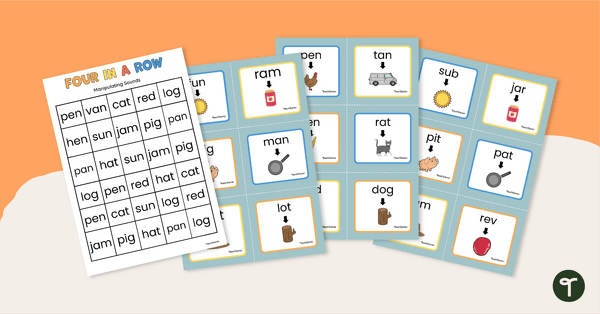
Manipulating Sounds Four in a Row Game
Explore phoneme manipulation with your students by creating new words by changing phonemes with this phoneme manipulation game.
- Plus Plan
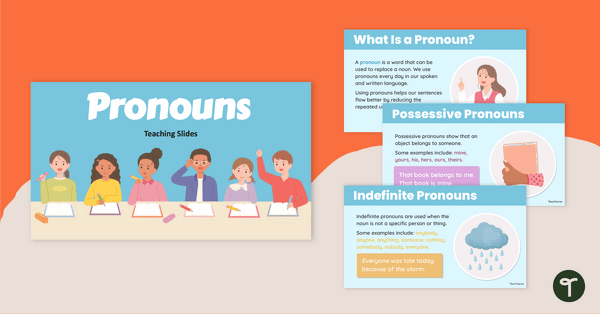
Pronouns Teaching Slides
Use these pronoun slides to teach your students about some of the most common types of pronouns.
- Plus Plan
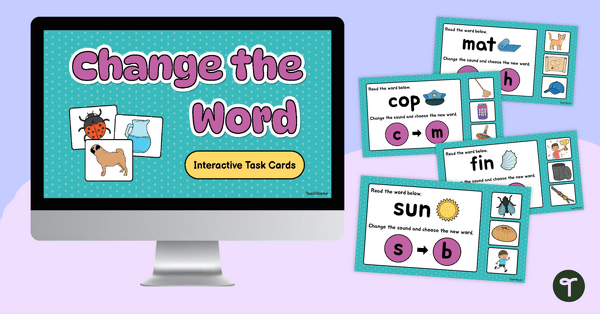
Phoneme Manipulation Interactive Task Cards
Practice phoneme manipulation with your students using this fun and engaging interactive activity.
- Plus Plan
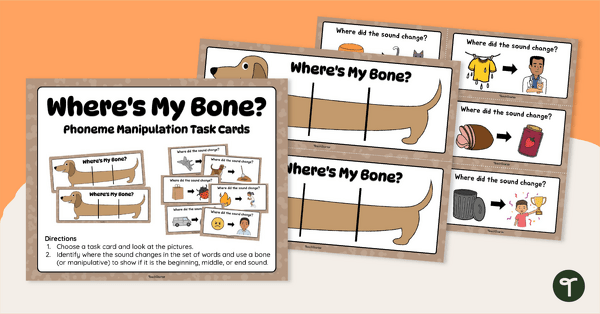
Phoneme Manipulation Task Cards - Where’s My Bone?
Use this phoneme manipulation activity to engage students in listening and manipulating sounds in simple CVC words.
- Plus Plan
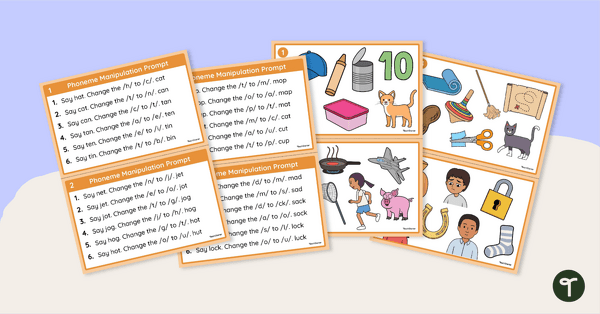
Phoneme Substitution Activity Cards
Explore phoneme substitution with this interactive phonemic awareness learning activity.
- Plus Plan
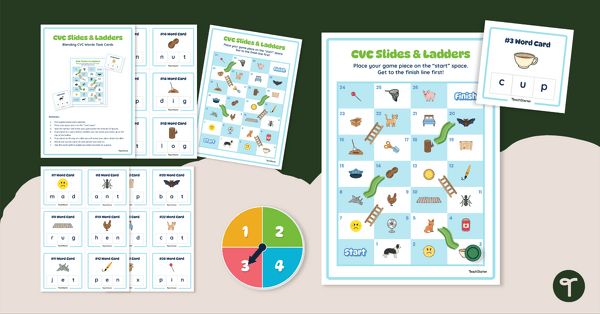
Blending Words Slides and Ladders Game
Play slides and ladders with your students and get them practicing blending CVC words with this fun and engaging game board.
- Plus Plan
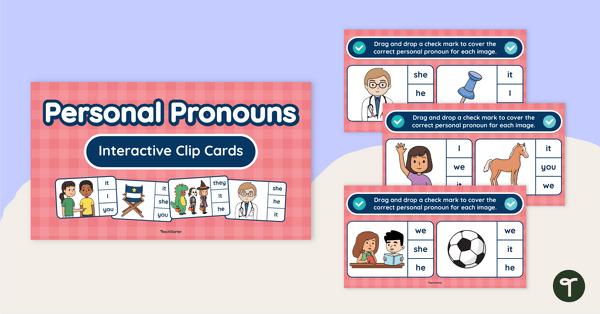
Personal Pronouns Interactive Clip Cards
Do some pronouns practice with your students using this set of 24 digital clip cards.
- Plus Plan
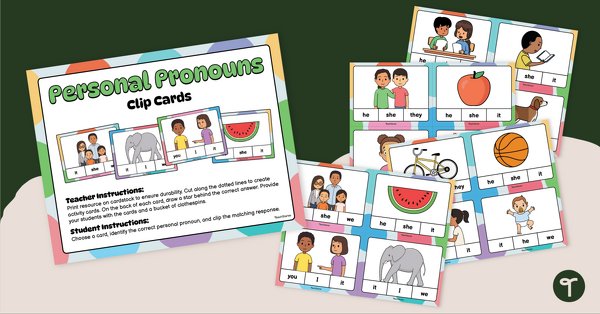
Personal Pronouns Clip Cards
Use these personal pronouns clip cards in your grammar lessons when teaching students about parts of speech.
- Plus Plan
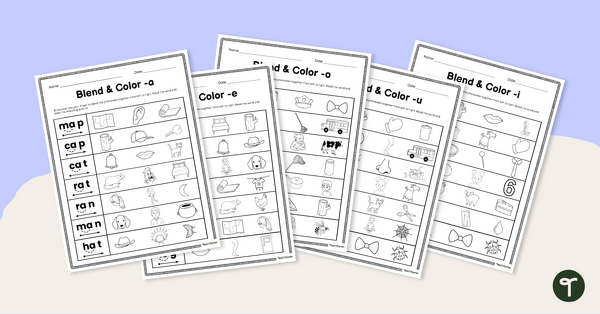
Blend and Color Phoneme Blending Worksheets
Get your students blending simple CVC words with this set of blend and color worksheets.
- Plus Plan
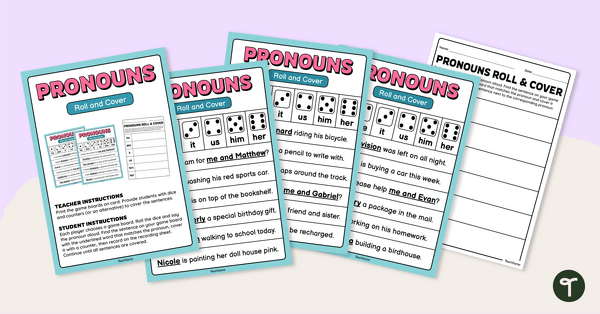
Personal Pronouns Roll and Cover Game
Use this pronouns game as a fun and collaborative way of learning about personal pronouns.
- Plus Plan
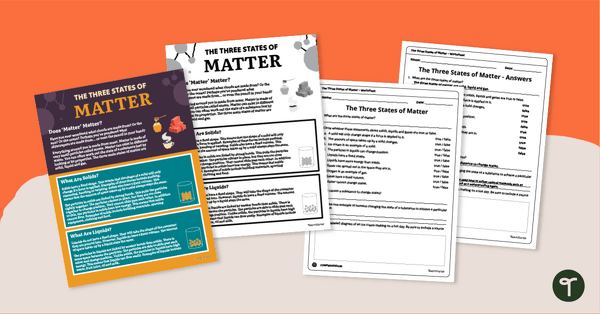
The Three States of Matter – 5th Grade Reading Worksheets
Use a 5th Grade Reading Comprehension passage and worksheet to teach your students about the three states of matter.
- Plus Plan
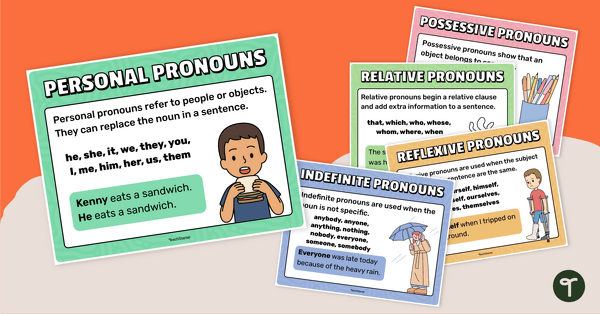
Pronouns Anchor Charts
Display this set of 7 pronouns anchor charts in your classroom to remind your students of the most common types of pronouns and their uses.
- Plus Plan
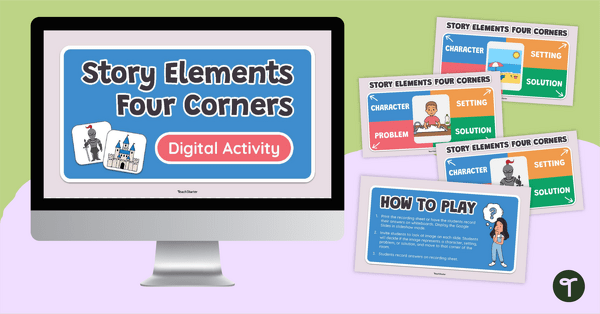
Story Elements Four Corners
Engage your students in exploring key story elements with this Four Corners activity!
- Plus Plan
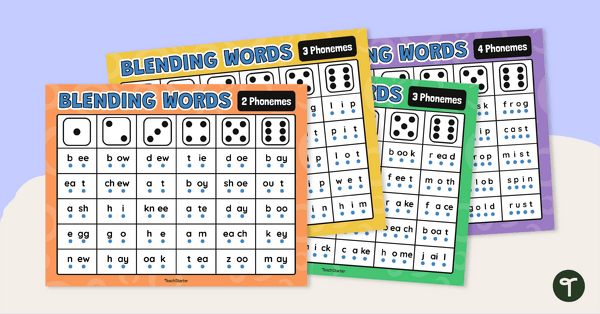
Blending Words Game Boards
Engage students in blending a number of words using this set of leveled phoneme blending game boards.
- Plus Plan
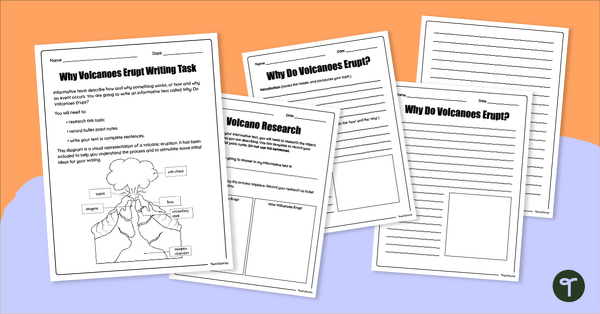
Informative Text Writing Task – Why Do Volcanoes Erupt?
Research and write about how volcanoes erupt with a scaffolded informational writing task.
- Plus Plan
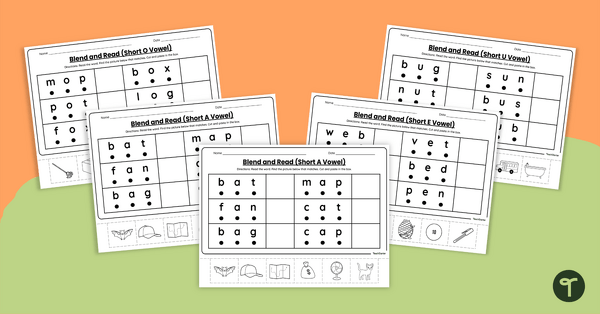
CVC Word Blending Cut and Paste Worksheets
Help students practice blending and reading CVC words with this set of 6 cut-and-paste worksheets.
- Plus Plan
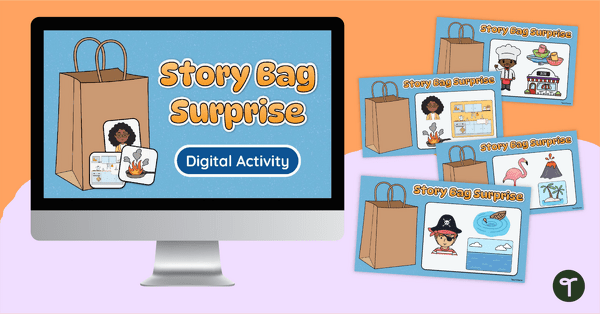
Story Bag Surprise - Story Elements Digital Activity
Introduce and explore different story elements with this story bag surprise digital activity for the whole class to enjoy.
- Plus Plan
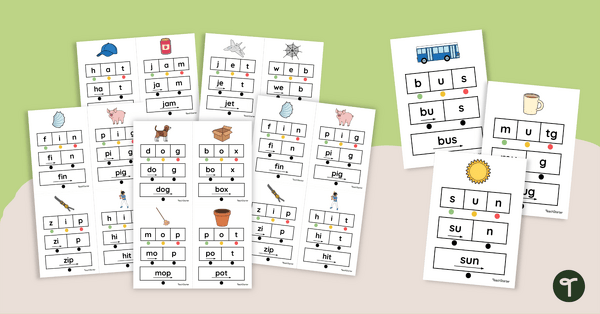
CVC Successive Phoneme Blending Task Cards
Help students blend CVC words by using the successive blending technique with this set of easy to use phoneme blending task cards.
- Plus Plan
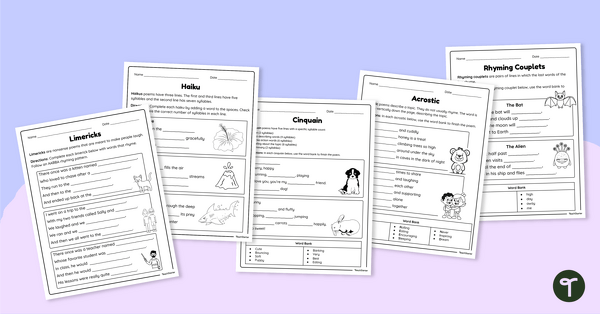
Poetry Cloze Passage Worksheets
Use these poetry cloze worksheets to introduce your students to various types of poetry in a fun and engaging way.
- Plus Plan
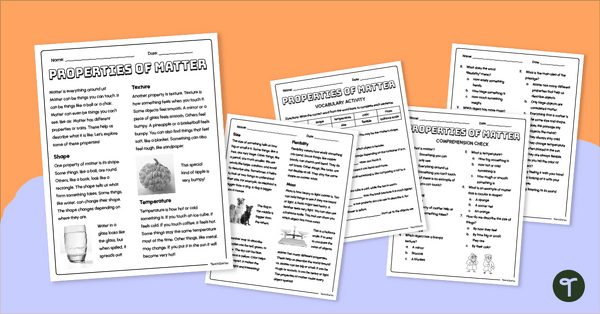
Properties of Matter Reading Comprehension Pack (2-3)
Read and discover the properties of matter with a set of 2nd Grade/3rd Grade Reading Comprehension Worksheets.
- Plus Plan
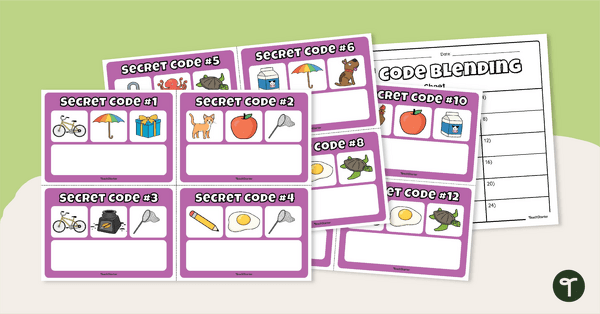
Secret Code Phoneme Blending Task Cards
Explore phoneme blending with this set of engaging secret code blending CVC word task cards.
- English Language Arts Worksheets
- English Language Arts Games
- English Language Arts Templates
- English Language Arts Posters
- English Language Arts Flashcards
- English Language Arts Word Walls
- English Language Arts Projects
- English Language Arts for Pre-K
- English Language Arts for Kindergarten
- English Language Arts for 1st Grade
- English Language Arts for 2nd Grade
- English Language Arts for 3rd Grade
- English Language Arts for 4th Grade
- English Language Arts for 5th Grade
- English Language Arts for 6th Grade
- English Language Arts for 7th Grade