Reading Comprehension Strategies Teaching Resources
Teach reading comprehension strategies your students can use for a lifetime with printable worksheets, reading passages, graphic organizers, task cards, Google Slide decks and more resources to help students learn to summarize, make connections, draw inferences and more!
This curriculum-aligned teaching resource collection was created by teachers for elementary teachers just like you! Explore the whole collection, and you'll find editable versions designed to easily differentiate your instruction for individual students, plus a variety of options to make ELA lesson planning easier this school year.
New to teaching this portion of the ELA or ELAR curriculum or just looking for fresh and engaging ways to teach reading comprehension strategies? Read on for a primer from our teacher team, including tips on helping ESL students/English language learners build their reading comprehenion skills.
What Are Reading Comprehension Strategies for Elementary School?
As you well know, students don't start off being able to comprehend every single thing they read.
Teaching our students strategies to better understand and retain information will allow them to go from simply recognizing individual words to understanding a range of texts and being power readers!
These strategies can help kids go from the early stages of developing critical thinking skills to preparing them for success in higher education and the workforce. All of these comprehension strategies can be taught and practiced explicitly.
8 Reading Comprehension Strategies That Build Students' Reading Skills for the Future
So, what are the most common strategies for reading comprehension? Our teacher team has broken down eight strategies to help your students build their reading skills.
1. Previewing
Previewing is the process of skimming the text before reading it in detail to get an overall sense of what it is about.
2. Activating Prior Knowledge
Employing this strategy, students draw on existing knowledge and experience to help them understand new information, such as a new text.
3. Making Connections
This strategy focuses on teaching students to connect a text with their own experiences and understandings. Research into the science of reading has shown enhanced comprehension when students can connect new information to information they already know.
4. Questioning
Learning to question is an important skill across a variety of elementary subjects, and developing this reading skill can help your students be better mathematicians and scientists — in addition to readers!
In this comprehension strategy, students ask and answer questions to clarify the meaning of the text and deepen their understanding.
When you center questioning activities around the familiar open-ended prompts of who, what, when, where, how, why and which, students assert their understanding and identify any gaps in their comprehension of the text.
Questions can be posed by you — their teacher — by their peers or by the students themselves.
5. Visualizing
Visualization provides both teachers and students with another means to extend their exploration of a text and deepen understanding. This reading comprehension strategy asks students to create and describe an image in their mind centered around a place, situation, or character in the text. Visualizing has been proven in research to improve student recall! Using the five senses is a great way to scaffold student comprehension through visualizing.
6. Summarizing
Summarizing is a reading comprehension strategy that asks students to reflect on the text and communicate their understanding. A well-formed summary is made up of the text's main idea and the key details that support the main idea, showing that the student has understood what they’ve read well enough to write a summary that’s not merely a repetition of the text.
When summarizing, teach your students to complete one or more of the following steps:
- Recount the text in their own words
- Identify the main idea, topic or purpose
- List key words or phrases
- Identify structural elements of the genre
7. Inferring
The process of drawing conclusions based on clues or evidence presented in the text is called inferring, and it involves readers using what they know and pairing it with what they read in the text to make a conclusion. You could also call this "reading between the lines!"
8. Monitoring Comprehension
Monitoring comprehension requires students to reflect on and assess their understanding as they progress through the text. In this metacognitive process, they should be asking themselves, "Is this making sense?" or "Do I need to read this again?"
- Some monitoring comprehension strategies that may be effective may include going back to reread a section of a text, slowing down or speeding up your reading rate and using text features to help understand difficult parts of a passage. All of these are active reading strategies that students can do to help them better understand what they are reading while they are reading!
The process of monitoring asks students to identify hurdles and barriers. With that in mind, we have found that our students tend to benefit most if we can connect this reading comprehension strategy with explicit strategies to help them pass those hurdles.

5 Reading Comprehension Strategies for ESL Students
Millions of American public school students are considered ESL students (also known as English Language learners), and it's important to differentiate instruction to ensure their needs are being met in your classroom.
If you're teaching ELA and have English language learners in your classroom, you might want to employ some of these strategies to help them build their reading comprehension skills.
- Vocabulary Instruction — Explicit vocabulary instruction can help your ESL students understand the meaning of key words and phrases in the text. This is a building block of reading comprehension!
- Simplified Texts — Using simplified versions of texts, such as graded readers, can help ESL students build their confidence and their comprehension skills.
- Cooperative Learning — Working in small groups or pairs with other students gives English Language learners a chance to practice their reading comprehension skills and develop their language abilities through discussion and collaboration.
- Visual Aids — Using visual aids such as pictures, diagrams or videos can help students make connections between the text and their own experiences and break down language barriers.
- Graphic Organizers — Designed to help kids visualize relationships and organize their thoughts, mind maps, flowcharts and Venn diagrams can all help English language learners visualize the relationships between ideas in the text.
- Free Plan
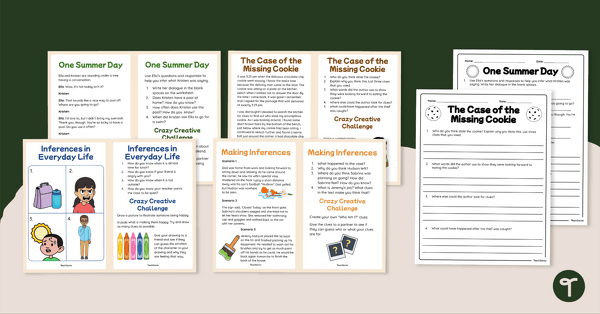
Drawing Conclusions and Making Inferences Task Cards
Use this set of comprehension task cards with your students to help them draw conclusions and make inferences when reading.
- Plus Plan
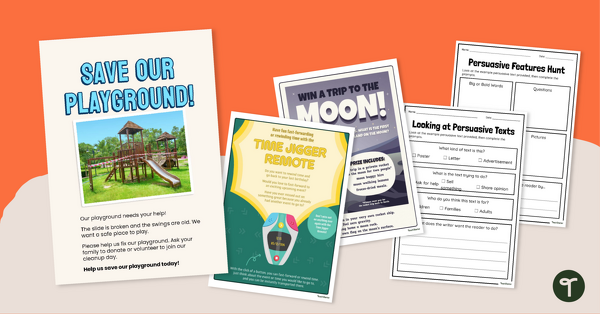
Persuasive Texts and Analysis Worksheets - 2nd Grade
Help your 2nd grade students learn how different texts are organised and why they are written with this persuasive texts analysis activity pack.
- Plus Plan
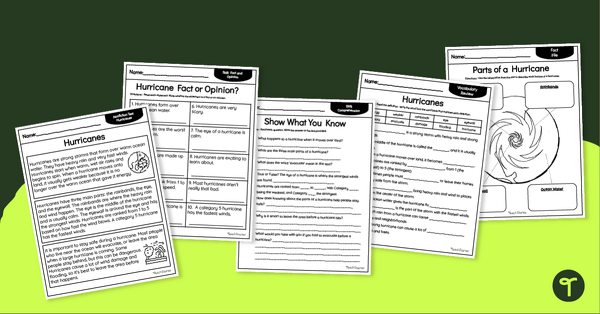
2nd Grade Hurricane Worksheets - Reading Comprehension
Read and learn about hurricanes with our 2nd Grade Hurricane Worksheets resource pack.
- Free Plan
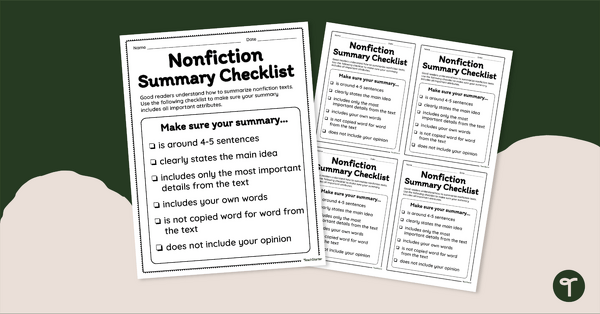
Nonfiction Summary Checklist
Give your students a checklist when summarizing nonfiction texts to make sure they include everything required.
- Free Plan
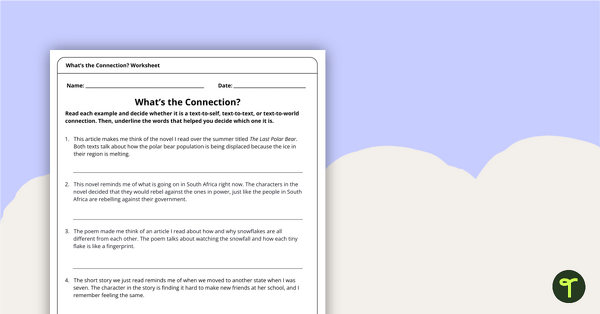
What's the Connection? Worksheet
Use this reading skills worksheet to help your students learn about the types of text connections: text-to-text, text-to-self and text-to-world.
- Free Plan
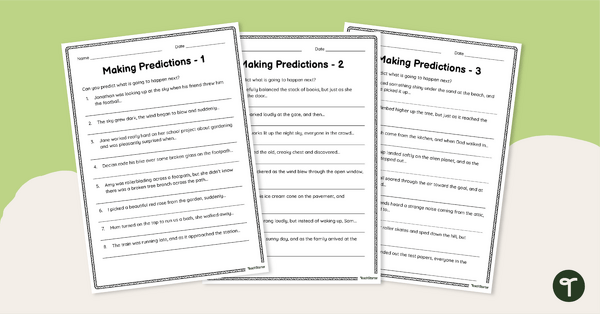
Making Predictions from Sentences Worksheets
Practice making predictions with sentences using this set of making predictions worksheets.
- Plus Plan
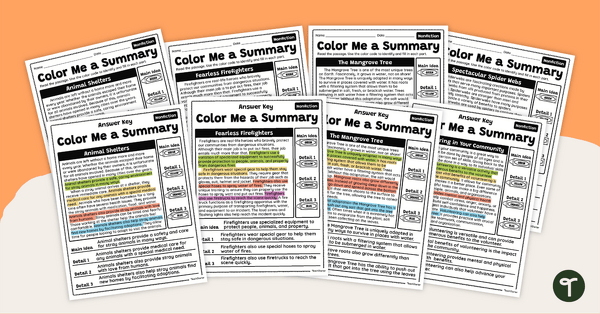
Color-Coding Summarizing Nonfiction Text Worksheets
Practice summarizing small nonfiction texts with this fun color-coding set of worksheets.
- Free Plan
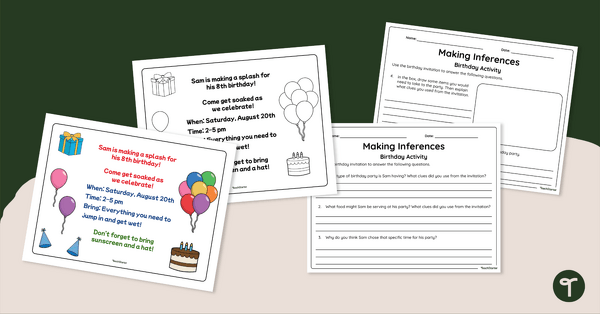
Making Inferences – Birthday Activity
Teach your students how to make inferences with this birthday invitation activity.
- Plus Plan
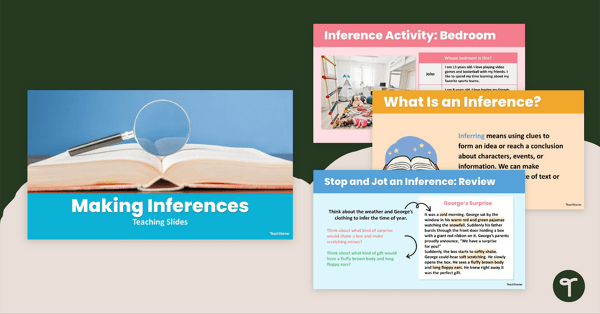
Making Inferences Teaching Slides
Teach your students how to make inferences with this 31-slide teaching presentation.
- Free Plan
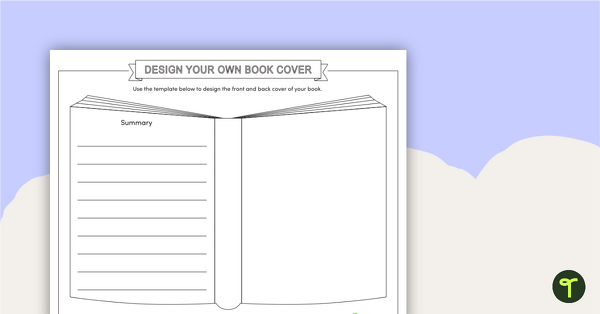
Design Your Own Book Cover Worksheet
Design a new book cover and summarise a book using this one-page, printable template.
- Free Plan
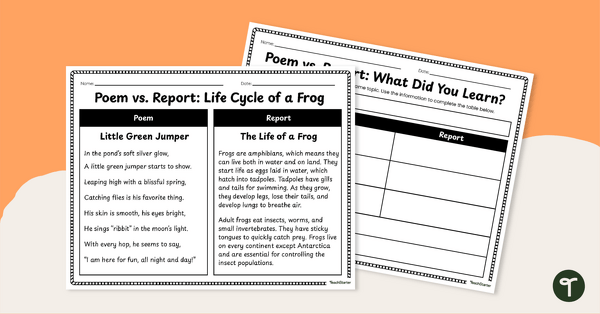
Comparing Texts on the Same Topic Worksheet
Explore the purpose of poem texts and report texts with clear guidance that helps students' interpretive skills.
- Plus Plan
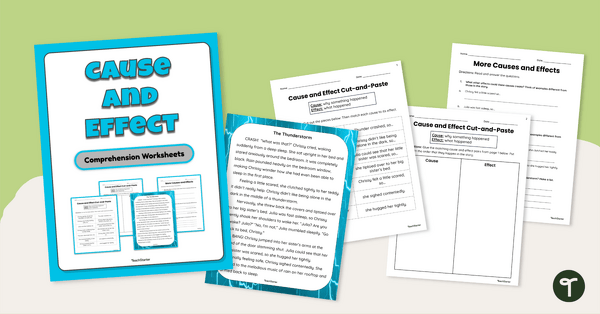
Cause and Effect Comprehension Worksheets
Use these cause and effect comprehension worksheets to give your students practice reading, sequencing, and matching effects to their causes.
- Free Plan
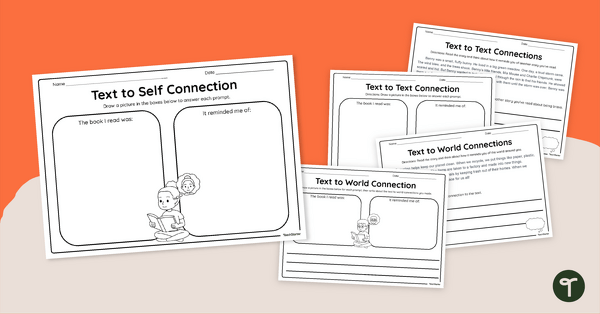
Making Connections Worksheet Set
Allow your students to record their connections to a particular text with this Making Connections Worksheet set.
- Free Plan
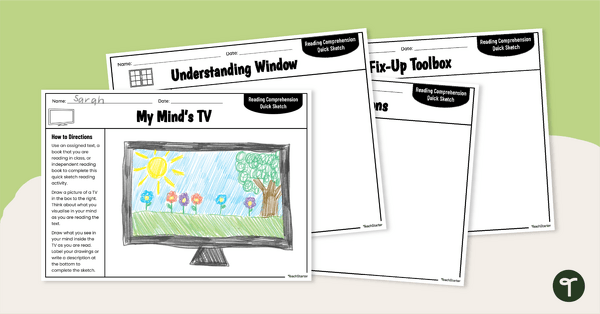
Reading Monitoring Comprehension Activity Pack
Explore easy ways to monitor comprehension with this quick draw activity pack perfect for elementary students.
- Plus Plan
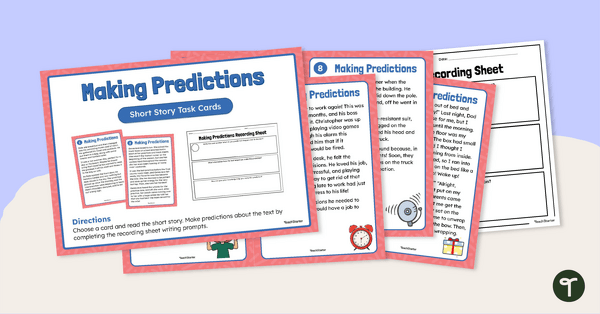
Short Stories for Making Predictions Task Cards
Explore the comprehension strategy of predicting using these short stories for making predictions task cards.
- Plus Plan
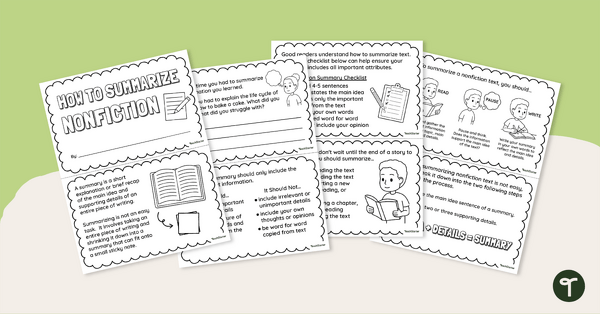
How to Summarize Nonfiction Mini Book
Explore the elements needed for a good summary of nonfiction texts with this How to Summarize Nonfiction mini-book.
- Plus Plan
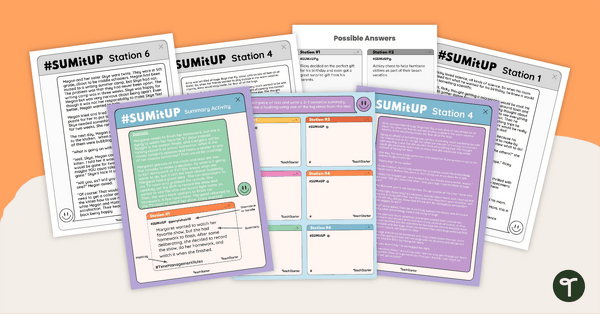
#SUMitUP Summarizing Activity
Summarize fictional text through this whole-class station activity.
- Plus Plan
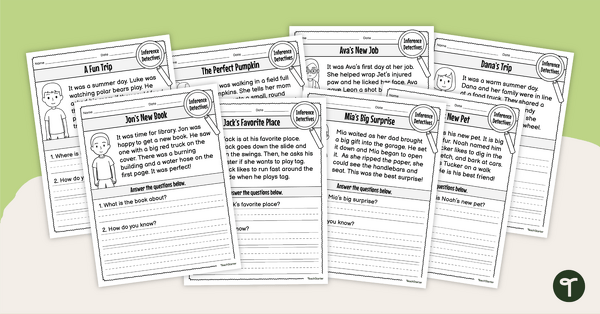
Inference Detectives Worksheet Pack
Guide your students to use personal experiences and text evidence to make inferences with this set of reading worksheets.
- Free Plan
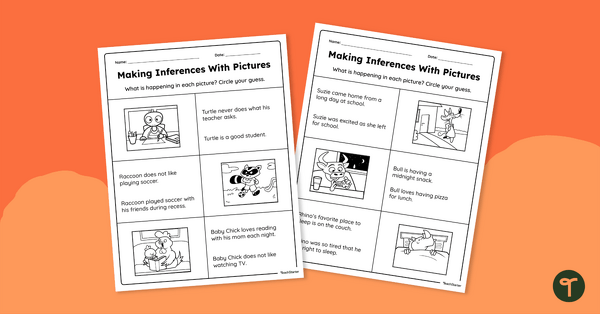
Making Inferences With Pictures Worksheet
Guide your students to use pictures to make inferences with this reading worksheet.
- Plus Plan
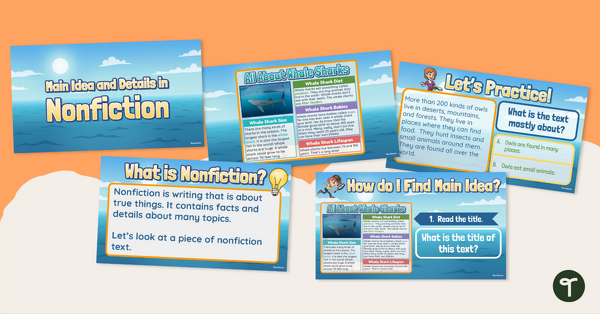
Main Idea and Details in Nonfiction Text — Instructional Slide Deck
Build skills in identifying main idea and details in nonfiction texts with an instructional slide deck for primary grades.
- Free Plan
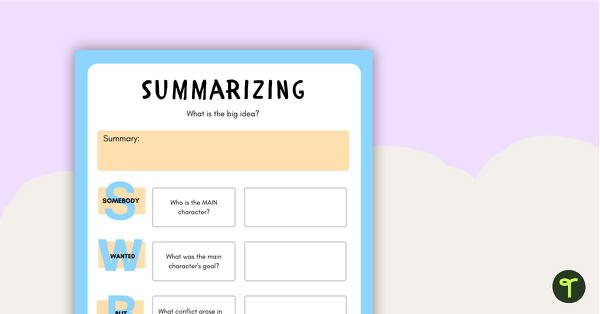
S.W.B.S.T. Summarizing Graphic Organizer
Use this printable SWBST strategy graphic organizer with students to write a summary for a fictional piece of text.
- Free Plan
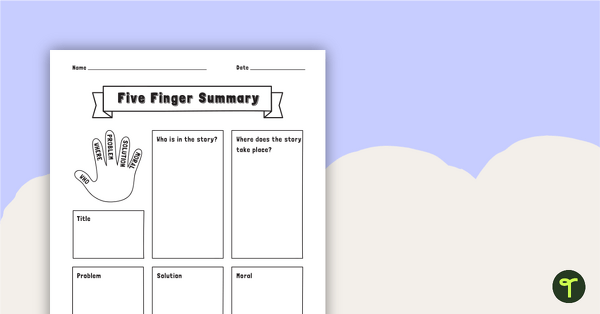
Five Finger Summary - Graphic Organizer
A graphic organizer for students to use to summarize a fiction text.
- Free Plan
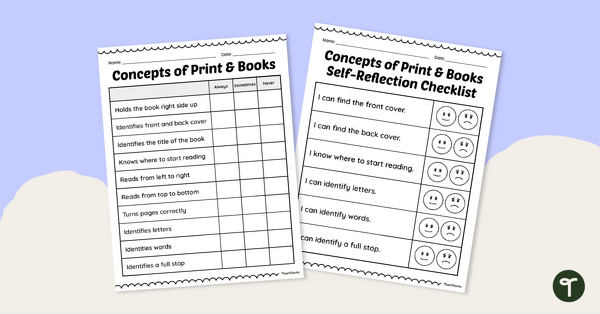
Concepts About Print Assessment Checklists
Use these concepts of print assessment checklists to check all aspects of print are understood.
- Free Plan
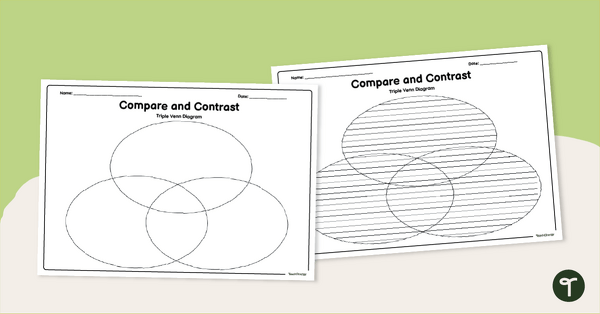
Triple Venn Diagram Template
Download a printable Triple Venn Diagram Template to use when comparing and contrasting three topics.
- Plus Plan
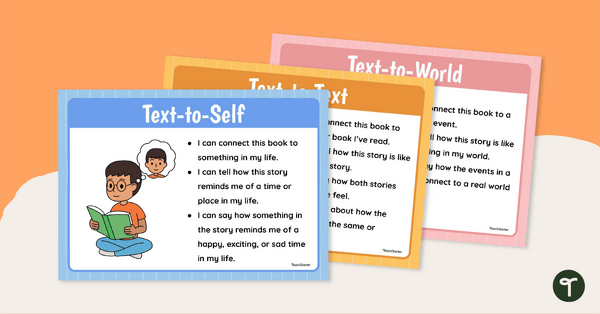
Making Connections Text to Self Poster Pack
Explore making connections with these text to self, text to text and text to world posters for the classroom.
- Plus Plan
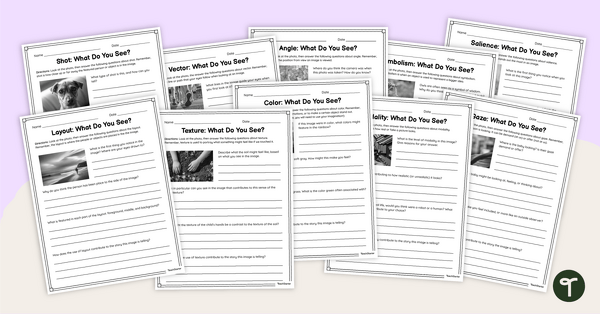
Elements of Visual Literacy Worksheets
Teach the elements of visual literacy with this engaging worksheet pack designed to help elementary students analyze images and deepen their critical thinking skills.
- Free Plan
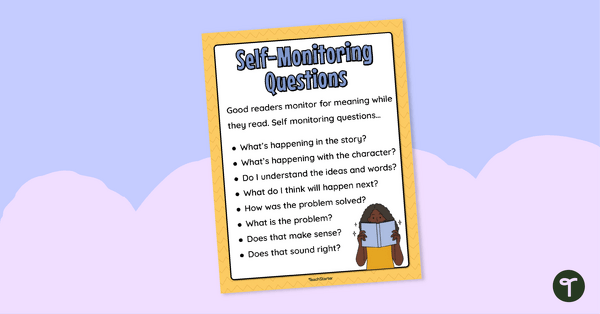
Self Monitoring Reading Strategy Poster
Help students reflect on their reading with this Self Monitoring Reading Strategy Poster.
- Free Plan
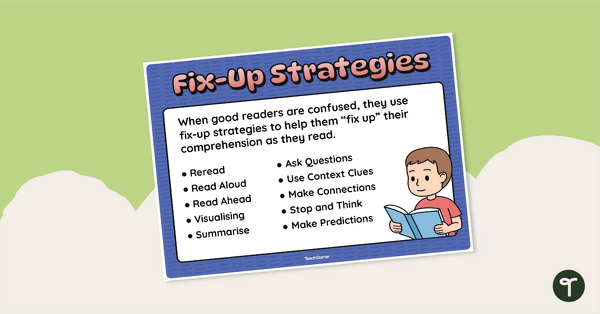
Reading Fix-Up Strategies Anchor Chart
Support your students in becoming confident, independent readers with this Fix-Up Strategies Anchor Chart!
- Free Plan
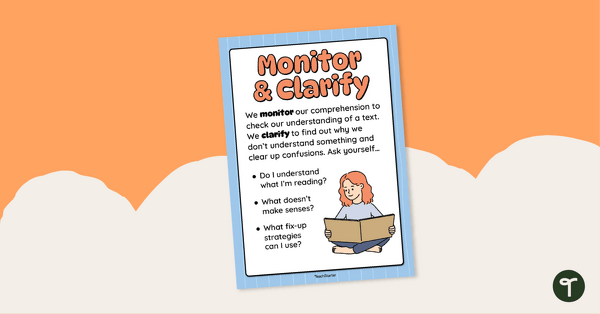
Free Monitor and Clarify Anchor Chart
Display and remind students to monitor and clarify their comprehension of a text while reading with this Monitor and Clarify Anchor Chart.
- Plus Plan
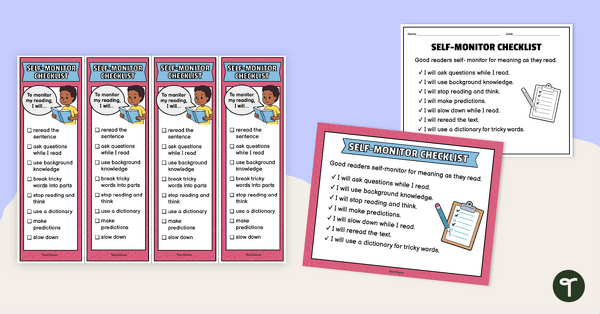
Self Monitoring Reading Checklist Bookmark
Explore self monitoring comprehension with this printable self monitoring reading checklist bookmark for your budding readers.
- Plus Plan
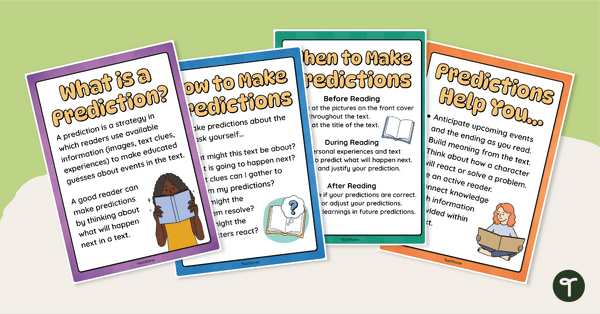
Making Predictions Anchor Chart Pack
Support student learning with these Making Predictions Anchor Charts explaining when and how to make predictions.
- Plus Plan
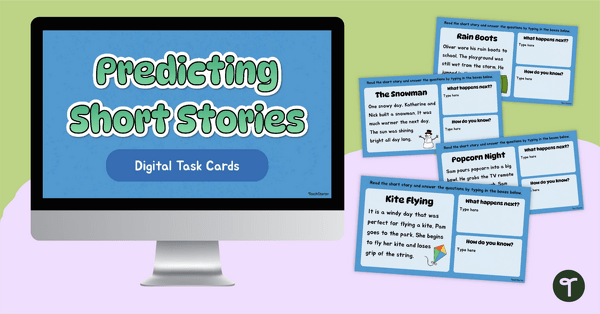
Making Predictions Short Stories Digital Task Cards
Enhance reading comprehension with these Making Predictions Short Stories Digital Activity Cards, where students read short stories, predict what happens next, and justify their thinking using text evidence.
- Reading Comprehension Strategies Worksheets
- Reading Comprehension Strategies Templates
- Reading Comprehension Strategies Posters
- Reading Comprehension Strategies Games
- Reading Comprehension Strategies for Kindergarten
- Reading Comprehension Strategies for 1st Grade
- Reading Comprehension Strategies for 2nd Grade
- Reading Comprehension Strategies for 3rd Grade
- Reading Comprehension Strategies for 4th Grade
- Reading Comprehension Strategies for 5th Grade
- Reading Comprehension Strategies for 6th Grade