Puzzles for Teachers
Browse an extensive collection of printable puzzles, brain teasers, mazes, crosswords, digital activities and a whole lot more to challenge your elementary students in fresh and fun ways!
This teaching resource collection is teacher-created, with curriculum-aligned and editable resources available for both lesson planning and adding to your fast finisher activity box or sub binder!
Curious about using puzzles in your classroom or looking for fresh ideas? Read on for a primer from our teacher team!
Types of Puzzles
There's a whole host of puzzles out there you can use to get your students more engaged in learning, develop problem-solving skills, and reinforce the concepts you're teaching! Here are a few favorites from our teacher team (and you'll find printable versions of many of these in this collection)!
- Picture puzzles — Picture puzzles are a great teaching tool that require kids to use visual perception and problem-solving skills to identify patterns or differences in a set of pictures.
- Crossword puzzles — Often used by adults, these puzzles are kid-friendly too! They offer up written clues and require students to fill in a grid with words that intersect with each other.
- Tangram puzzles — These challenging puzzles for kids involve using a set of geometric shapes to create a larger picture or design.
- Logic puzzles — This learning tool requires kids to use reasoning and deduction to solve a problem. They usually involve a set of clues that need to be used to figure out the solution.
- Word searches — In this type of puzzle, a grid of letters is given with a list of words to find hidden within it. Students are challenged to go on the hunt for the word, often reading up, down, diagonally, and sometimes even backward!
- Spot the difference — A popular feature in kids' magazines, these require our students to find the differences between two nearly identical pictures.
- Sequence puzzles — Sequence puzzles involve arranging a series of objects or symbols in a particular order, based on a set of rules or patterns. For example, students may practice skip counting as they place puzzle pieces in order based on the numbers displayed on each piece.
- Maze puzzles — Yes, mazes count as puzzles! They challenge kids to find their way through a maze to reach a goal or endpoint.
- Matching games — This is another type of puzzle you may not think of as a puzzle per se, but it is! Matching games involve finding pairs of matching items, such as shapes, colors, or numbers, in a set of cards or objects.
- Tarsia puzzles — Similar to jigsaw puzzles, tarsia puzzles are made up of irregularly shaped pieces that fit together in a specific way to form a larger picture or pattern. This type of puzzle has a twist, however! In a Tarsia puzzle, each piece contains a problem or question related to a particular topic or subject area. The students must match the pieces together by finding the correct answer or solution to each problem or question. Once all the pieces have been matched, they form a larger picture or pattern that provides a visual representation of the topic or concept being studied.

How Do You Use Puzzles in the Classroom?
Whether you're using mazes to teach math or crossword puzzles in your reading centers, this is a versatile learning tool! Here are a few of the times they can come in handy:
- Introducing new concepts
- Reviewing concepts students have learned
- Reinforcing problem-solving skills
- Collaborative learning
- Learning through play
- Differentiated instruction
- Free Plan
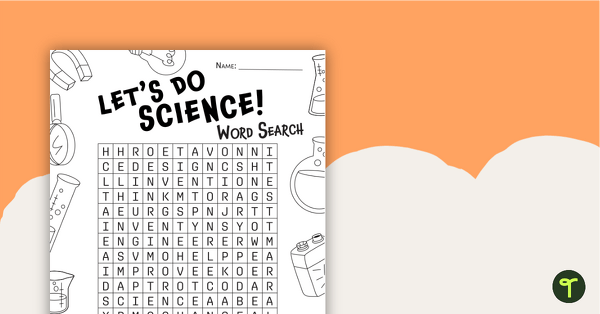
Innovate and Invent! Science Word Search
Build your students’ vocabulary around the topics of innovation and invention with a word search worksheet.
- Free Plan
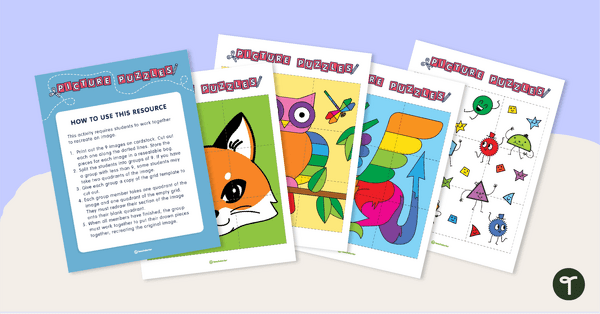
Picture Puzzles - Team Building Activities
A set of 10 picture puzzles to use as a team-building activity.
- Plus Plan
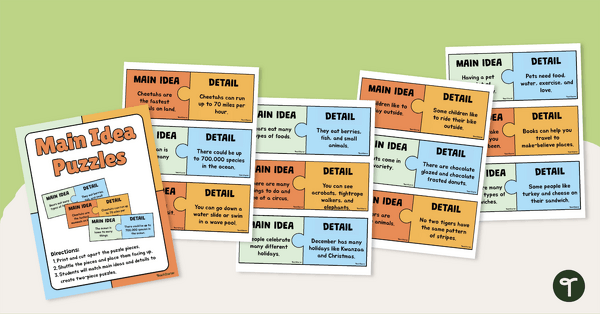
Main Idea and Detail Puzzle
Practice deciphering the main idea from the supporting detail with this printable puzzle.
- Free Plan
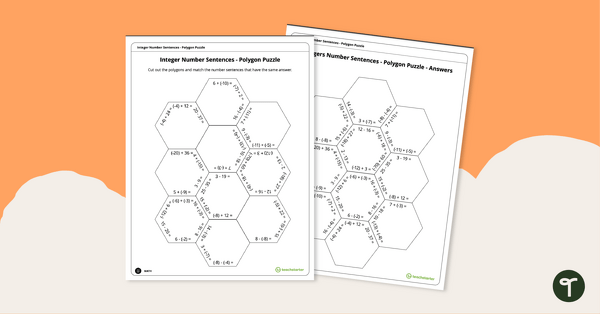
Integer Number Sentences - Tarsia Puzzle
Practice solving addition and subtraction number sentences involving integers with a printable Tarsia puzzle!
- Plus Plan
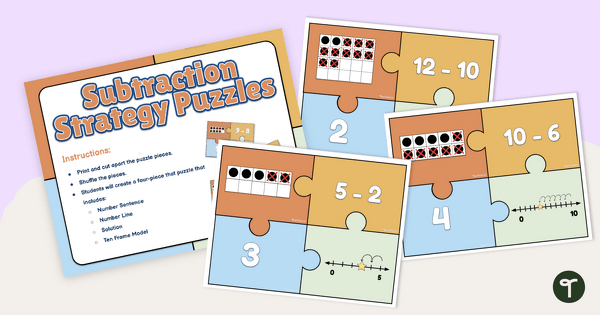
Subtraction Strategies Puzzle Match
Practice identifying and using different subtraction strategies with a set of printable math puzzles.
- Plus Plan
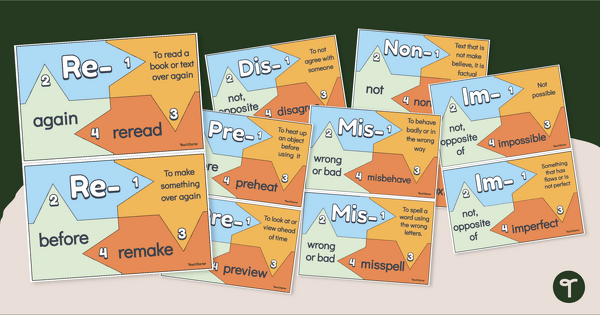
Prefix Puzzles – Printable Reading Center
Grow your students’ vocabularies with an engaging prefix puzzle activity.
- Plus Plan
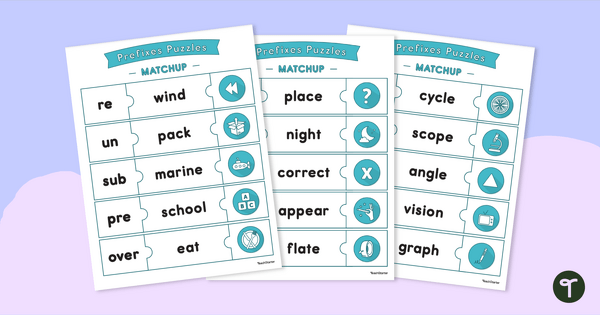
Prefix Puzzles - Printable Reading Centers
Practice building, reading, and understanding the meaning of words with prefixes with fun literacy centers!
- Plus Plan
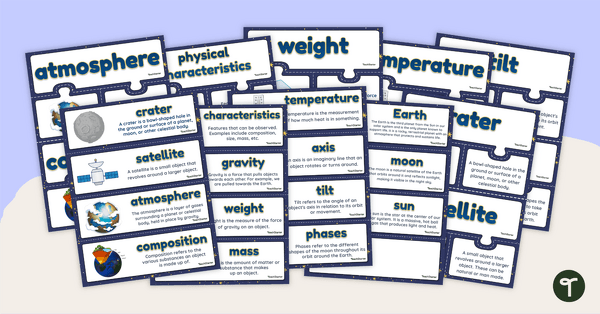
Earth, Sun, and Moon – Vocabulary Cards and Puzzles
Reinforce science vocabulary with this set of word wall cards and vocabulary puzzles covering the Earth, sun, and moon.
- Plus Plan
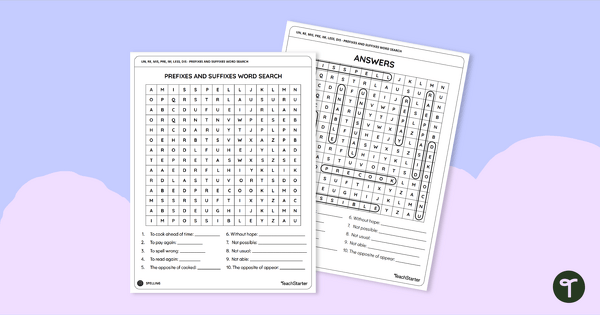
Prefixes and Suffixes Word Search
Practice identifying the meanings of words containing prefixes and suffixes with a fun word search activity.
- Plus Plan
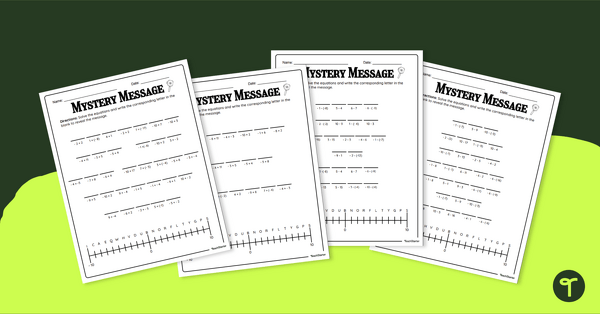
Adding and Subtracting Integers - Codebreaker Worksheets
Crack the positive and negative number code with four adding and subtracting integers worksheets.
- Plus Plan
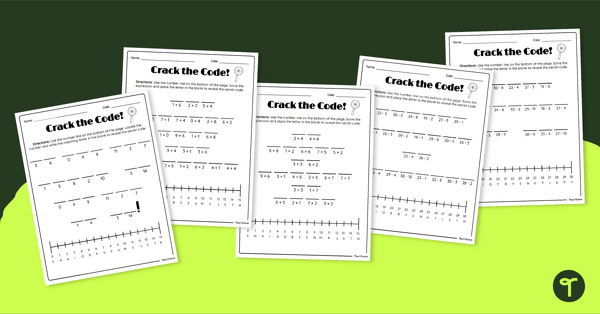
Secret Code Number Line - Worksheet
Crack the number line code with five number line codebreaker worksheets to practice number identification, addition, and subtraction.
- Plus Plan
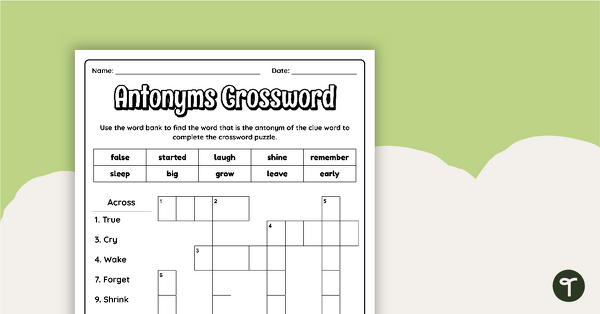
Antonyms Word Search
Download this antonyms word search set that helps students identify opposite meanings and strengthen their understanding of contrast in language.
- Free Plan
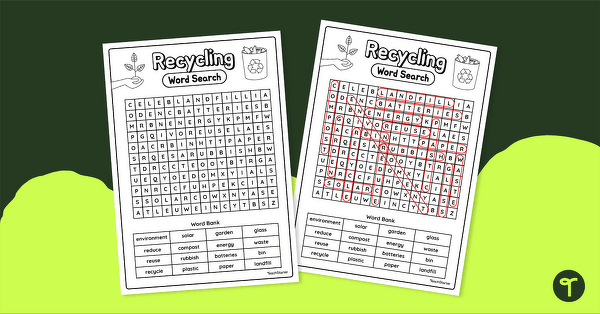
Recycling Word Search
Build your students’ vocabulary around the topic of recycling with this recycling word search.
- Plus Plan
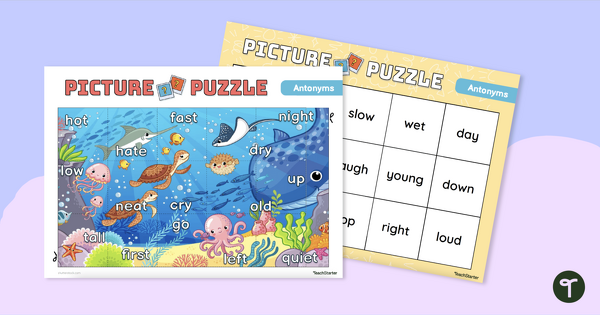
Antonyms Picture Puzzle
Practice identifying and using antonyms with this 15-piece under the sea picture antonyms puzzle.
- Plus Plan
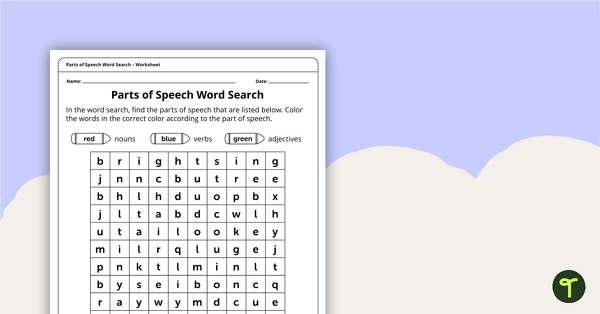
Parts of Speech Word Search – Nouns, Adjectives, and Verbs – Worksheet
A word search where students find and categorize nouns, adjectives and verbs.
- Plus Plan
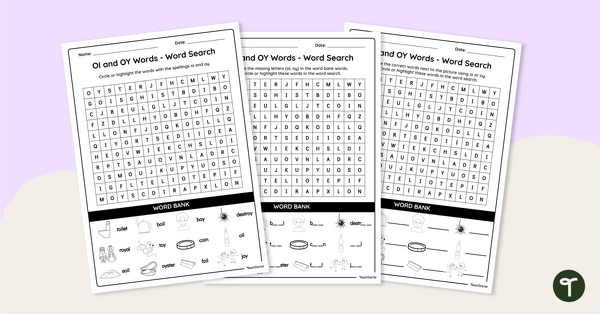
OI and OY Words - Word Search
Explore words containing “oi” and “oy” with this set of differentiated word searches.
- Plus Plan
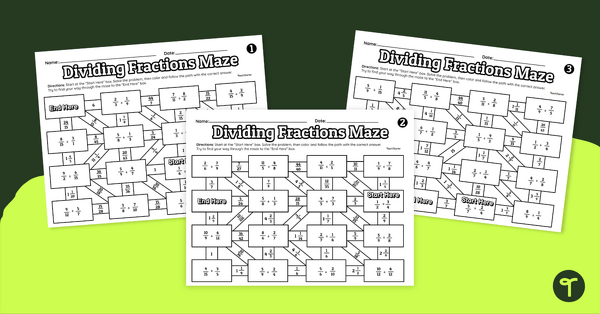
Dividing Fractions – Math Mazes
Improve student understanding of dividing a fraction by a fraction while working through these 3 math mazes.
- Plus Plan
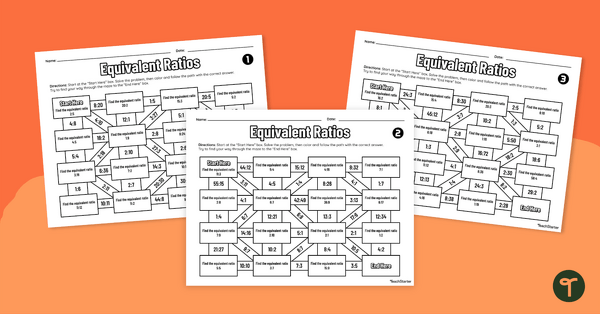
Equivalent Ratios – Math Mazes
Practice how to find equivalent ratios with this set of math mazes.
- Plus Plan
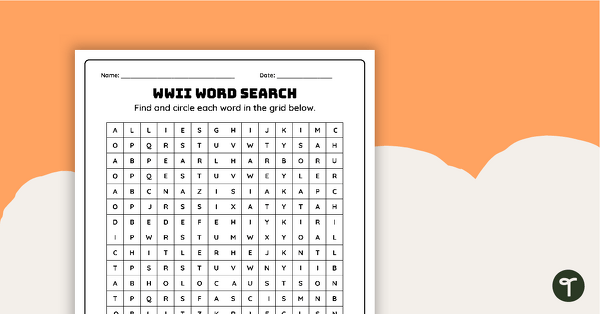
World War II Word Search
Build academic vocabulary skills with a World War 2 word search for 5th graders.
- Plus Plan
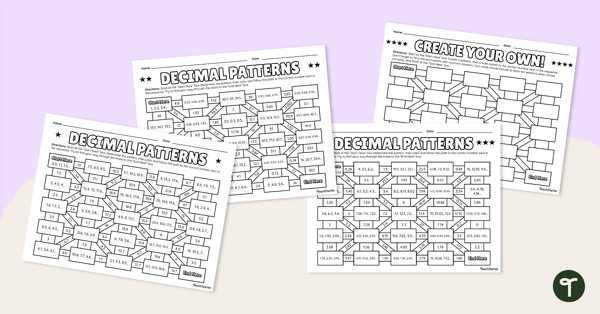
Decimal Patterns – Math Mazes
Find your way through this set of math mazes by determining the addition or subtraction pattern in a sequence of decimal numbers.
- Plus Plan
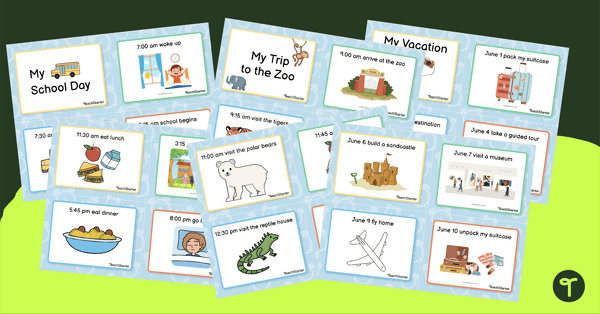
Build a Timeline - Puzzle Set
Practice building a timeline using given events with this set of 3 puzzles.
- Plus Plan
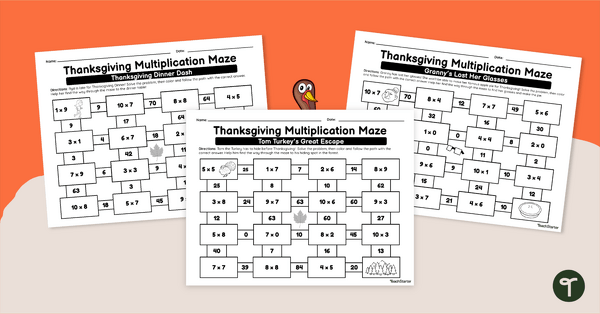
Thanksgiving Math Mazes - Multiplication
Multiply single-digit numbers to help solve Thanksgiving problems with Math Mazes!
- Free Plan
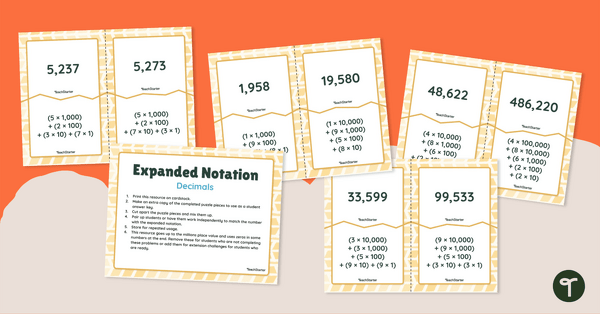
Expanded Notation Puzzles - Decimals
Practice expanded notation using decimals and whole numbers with this set of 28 puzzle pieces.
- Plus Plan
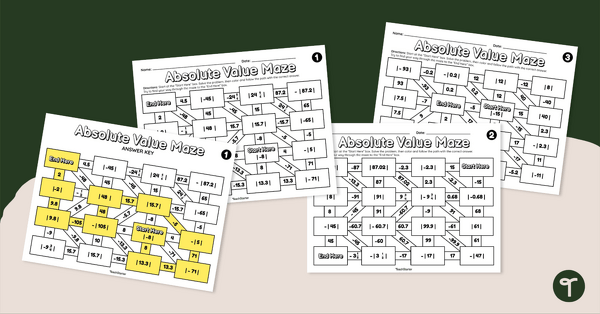
Absolute Value Mazes
Calculate the absolute value of rational numbers while finding your way through this set of 3 math mazes.
- Plus Plan
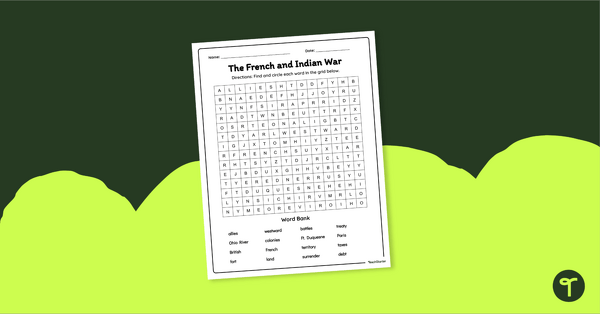
The French and Indian War - Word Search
Build academic vocabulary skills with a French and Indian War word search.
- Plus Plan
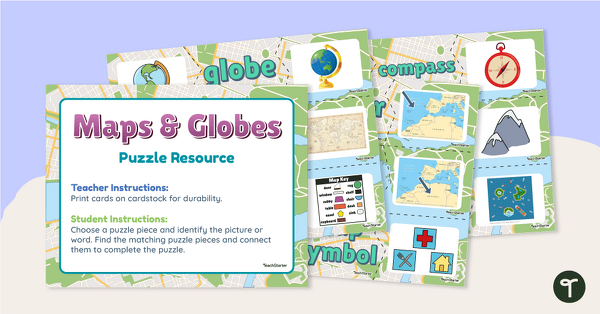
Maps and Globes Vocabulary Picture Puzzles
Make your geography lessons more fun with a set of map and globe picture puzzles.
- Plus Plan
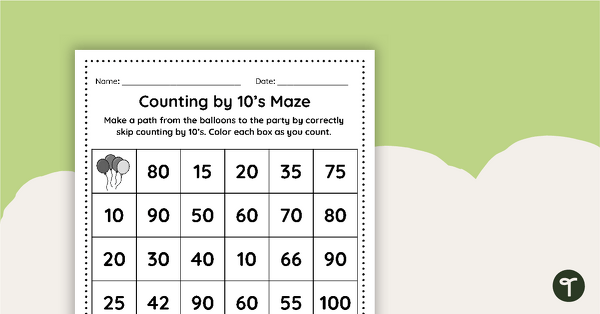
Counting by 2's, 5's, and 10's Maze
Find the fun and learn to skip count by 2s, 5s, and 10s up to 100 with this engaging maze activity!
- Plus Plan
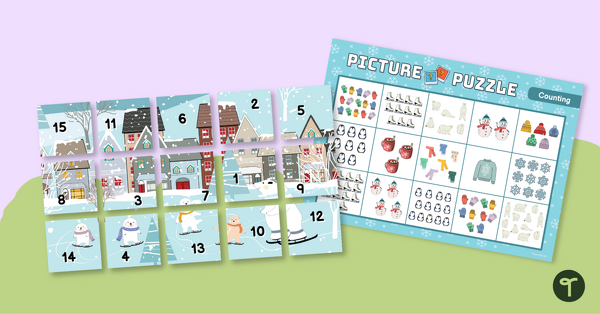
Counting Within 20 Picture Puzzle
Practice counting objects within 20 and matching groups to numbers through this 15-piece winter scene picture puzzle.
- Plus Plan
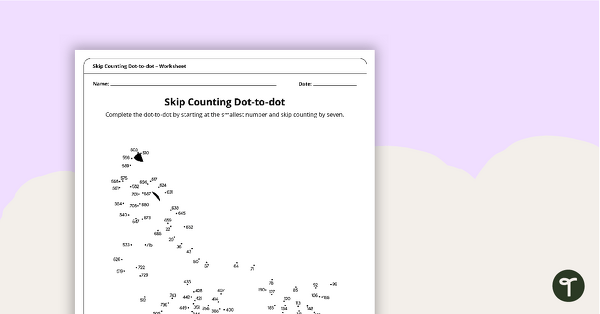
Complex Dot-to-dot – Skip Counting by Sevens (Wolf) – Worksheet
A complex dot-to-dot where students demonstrate skip counting by sevens.
- Plus Plan
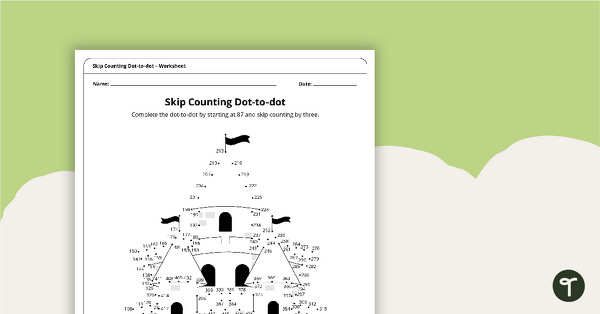
Complex Dot-to-Dot – Skip Counting by Threes (Castle) – Worksheet
A complex dot-to-dot where students demonstrate skip counting by threes.
- Plus Plan
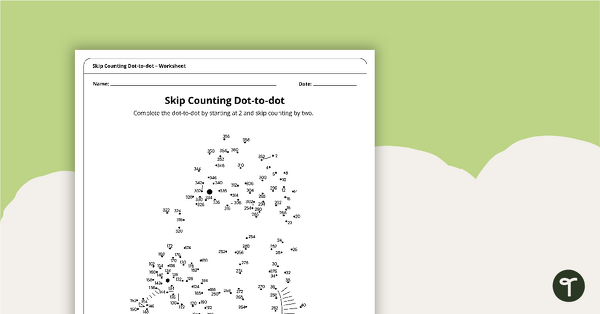
Complex Dot-to-dot – Skip Counting by Twos (Seahorses) – Worksheet
A complex dot-to-dot where students demonstrate skip counting by twos.
- Plus Plan
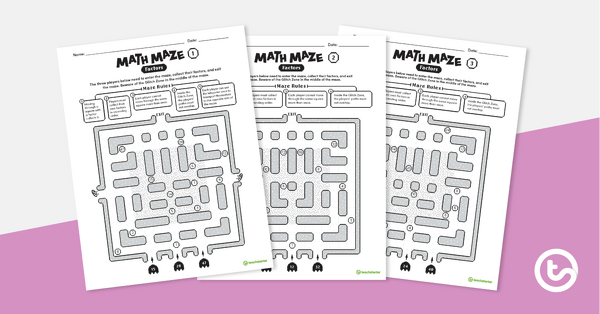
Math Mazes – Factors
A set of math mazes that allow students to demonstrate their knowledge of factors.