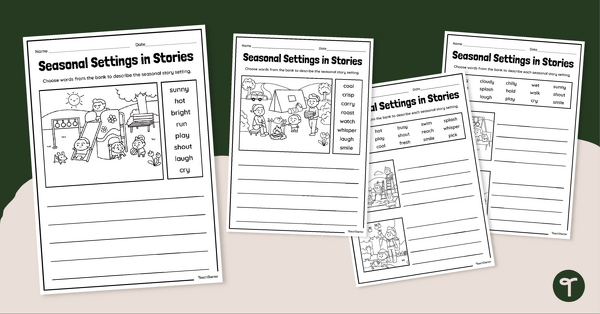
Use this Seasonal Settings Descriptive Writing Worksheet Pack to help students strengthen their descriptive writing skills by exploring how different seasons influence the setting of a story.
Seasonal Settings Descriptive Writing Worksheets
Support your Grade 1 and Grade 2 students as they build descriptive vocabulary and practice identifying seasonal clues in story settings. Each worksheet features a seasonal scene: summer, winter, spring, and fall along with a word bank filled with descriptive adjectives and action verbs. Students choose words such as sunny, hot, bright, snowy, crisp, fresh, bloom, laugh, smile, and splash to describe what is happening in the picture.
The pack includes multiple seasonal variations and mixed word‑bank pages, giving students repeated opportunities to practice selecting precise words that match the setting. These activities help young writers understand how seasons influence mood, actions, and sensory details in a story.
This set is perfect for early writers who need structured support to expand their descriptive vocabulary and connect visual cues with written language.
How to Teach Seasonal Settings to Young Students
Teaching students to describe seasonal settings helps them develop stronger narrative writing skills and deeper comprehension. These worksheets break the process into simple, kid‑friendly steps that guide learners to look closely at the picture, identify seasonal clues, and choose descriptive words that match what they see.
Students learn to recognize how settings change across seasons — from cold, snowy, bright winter scenes to colorful, fresh, blooming spring days or cool, crisp fall afternoons. The word banks provide visual and vocabulary support, helping students connect sensory details with descriptive writing.
Simple steps for modeling:
- Introduce the season — discuss weather, colors, and activities.
- Explore the word bank — read each word together and talk about meaning.
- Match words to the picture — choose adjectives and verbs that fit the scene.
- Describe the setting — model writing a sentence using selected words.
- Add sensory details — encourage students to think about what they might see, hear, or feel.
- Practice independently — guide students through the next seasonal worksheet.
Download and Explore Seasonal Writing Today
Download the Seasonal Settings Descriptive Writing Worksheet Pack to support early writing lessons, build descriptive vocabulary, and help students create vivid seasonal settings in their stories. With clear word banks, engaging seasonal scenes, and early‑years friendly language, this resource is ideal for literacy rotations, writing workshops, and whole‑class instruction.
This resource was created by Lindsey Phillips, a teacher in Michigan and a Teach Starter collaborator.
More Descriptive Writing Activities for the Classroom
Looking for more descriptive writing resources to use in your classroom? We have you covered…
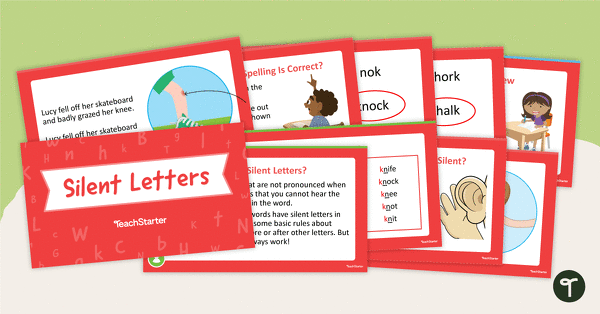
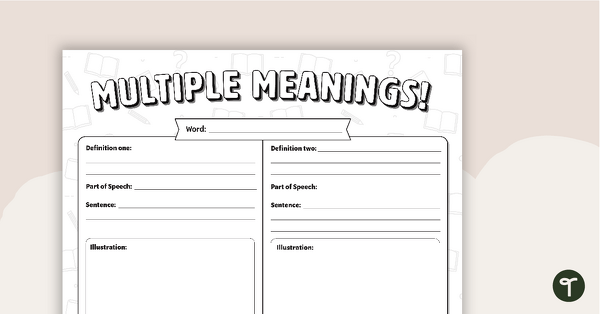
[resource:2654018] [resource:4967016] [resource:5177912]

0 Comments
Write a review to help other teachers and parents like yourself. If you'd like to request a change to this resource, or report an error, select the corresponding tab above.