ELAR 1.8
Multiple genres: listening, speaking, reading, writing, and thinking using multiple texts--literary elements. The student recognizes and analyzes literary elements within and across increasingly complex traditional, contemporary, classical, and diverse literary texts. The student is expected to:
- (1) discuss topics and determine theme using text
evidence with adult assistance;
- (A) describe the main character(s) and the reason(s) for their actions;
- (B) describe plot elements, including the main events, the problem, and the resolution, for texts read aloud and independently; and
- (C) describe the setting.
- Free Plan
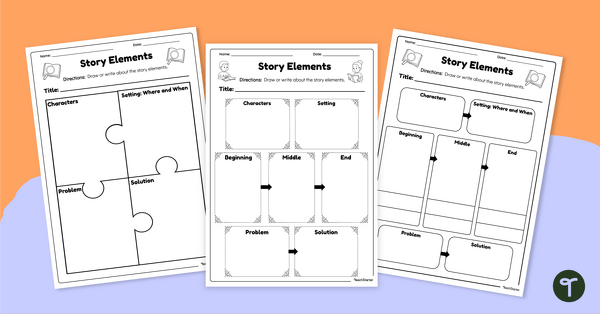
Story Elements Graphic Organizers – Portrait
Encourage your students to write and draw about various story elements with this set of differentiated graphic organizers.
- Plus Plan
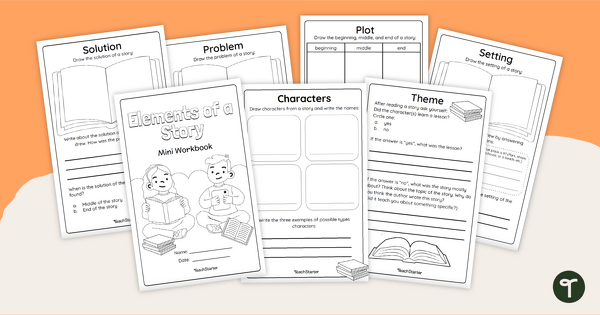
Parts of a Story - Story Elements Workbook
Explore the different elements of a narrative story with this student mini workbook.
- Plus Plan
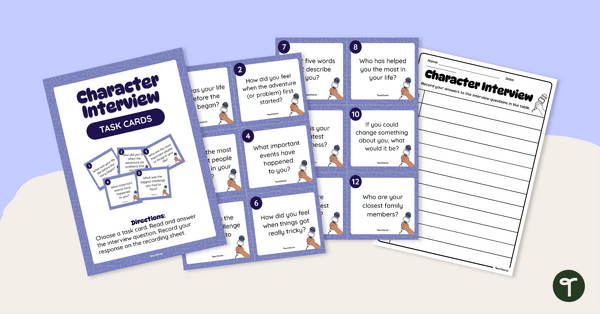
Character Interview Task Cards
Use these book character interview questions to extend your students' learning about the narrative elements.
- Plus Plan
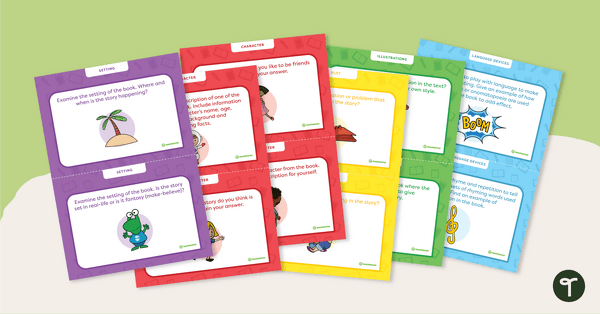
Literary Element Task Cards (Primary Grades)
A set of 12 task cards for primary students to use after reading a picture book.
- Plus Plan
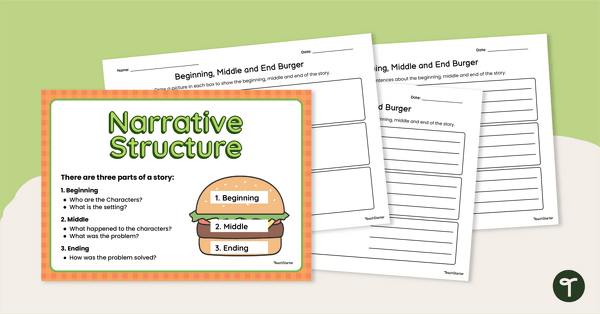
Story Beginning, Middle, and End - Graphic Organizer
Help your students write and draw about the beginning, middle and end of stories with this set of differentiated graphic organizers.
- Plus Plan
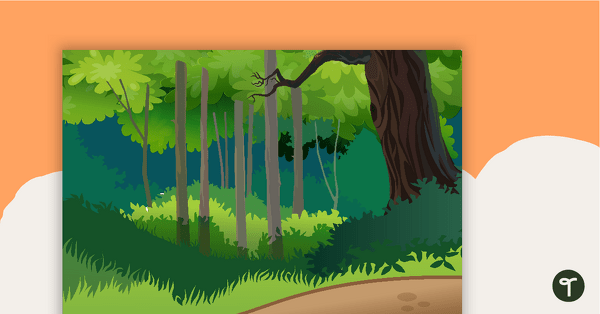
Describing Fairy Tales Settings: A Writing Activity
Guide students to describe fairy tale settings using visual prompts and scaffolded writing activities.
- Plus Plan
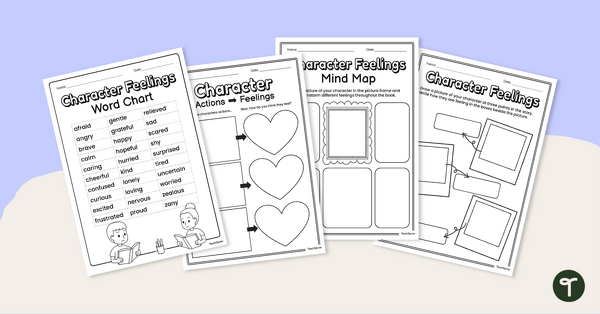
Character Emotions Chart and Worksheets
Explore character emotions in stories using this Character Emotions Chart and matching character Graphic Organizers
- Plus Plan
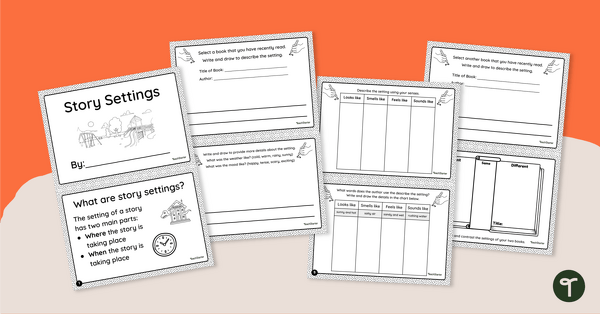
Story Settings Mini Book
Allow your little learners to explore and write about story settings with this fun-sized mini-book.
- Plus Plan
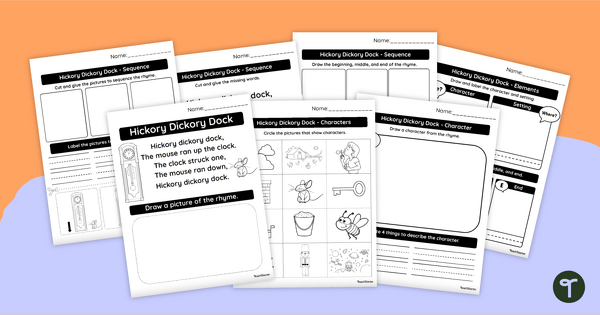
Hickory Dickory Dock - Story Elements Worksheet Pack
Demonstrate learning about the parts of a story with a printable set of Hickory Dickory Dock worksheets.
- Free Plan
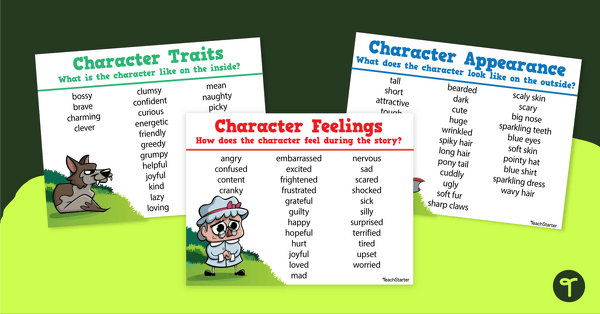
Character Anchor Charts - Traits, Feelings, and Appearances
A set of 3 posters depicting words and phrases that can be used to describe a character traits, feelings and appearance.
- Plus Plan
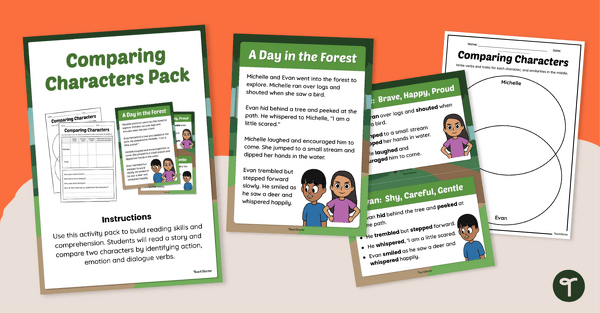
Comparing Characters Activity Pack
Use this Comparing Characters Activity Pack to help students strengthen their reading comprehension by analyzing how characters act, feel, and speak within a story.
- Plus Plan
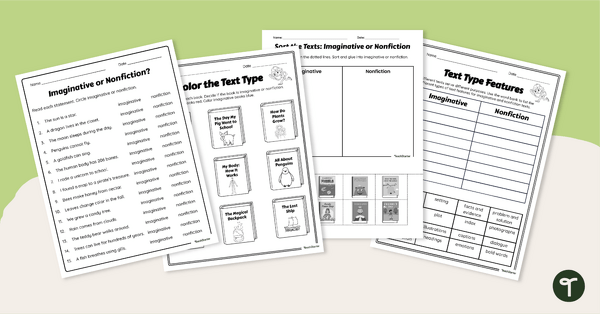
Purpose of Text Worksheets
Help students understand the purpose of a variety of texts using this set of Purpose of Texts Worksheets.
- Plus Plan
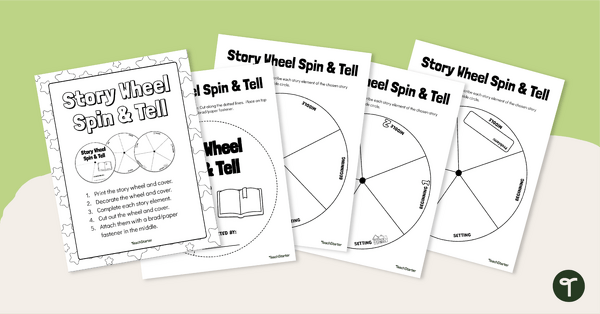
Basic Elements of a Story Spinner Template
Learn the basic elements of a story using this fun and engaging story spinner template for your students.
- Plus Plan
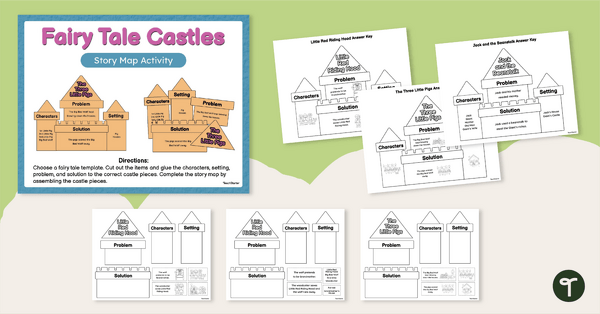
Literary Elements Fairy Tale Sorting Activity
Explore literary elements with this fairy tale sorting activity in the shape of a castle.
- Plus Plan
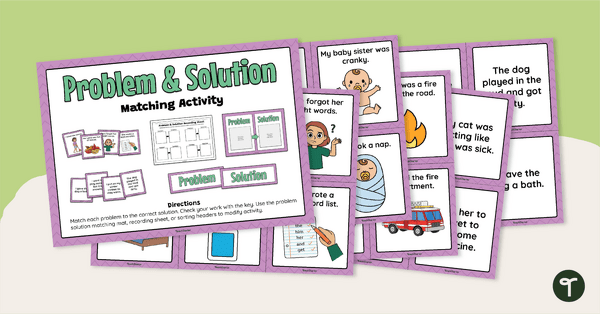
Story Problem and Solution Matching Activity
Match problems with their solutions to enhance your students' knowledge using this problem and solution matching activity.
- Plus Plan
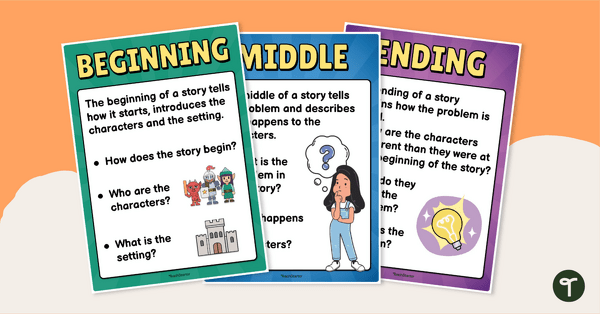
Beginning, Middle and End of Story Poster Set
Remind students of the elements that make up the beginning, middle and end of a story with this set of three posters.
- Plus Plan
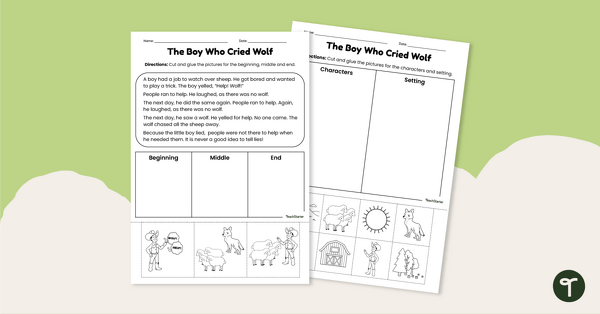
Story Elements Cut and Paste Worksheets - The Boy Who Cried Wolf
Explore story characters, settings and main events with this set of cut-and-paste worksheets based on a well-known fable.
- Plus Plan
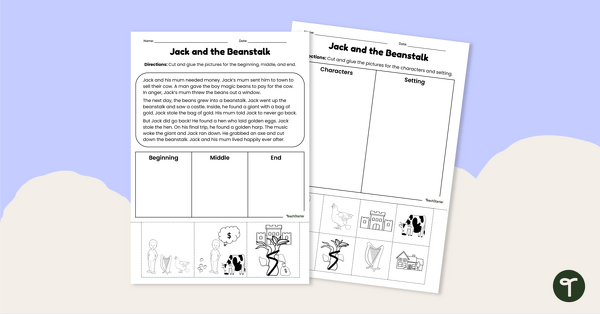
Story Elements Cut and Paste Worksheets - Jack and the Beanstalk
Explore story characters, settings and main events with this set of cut-and-paste worksheets based on a well-known fairy tale.
- Plus Plan
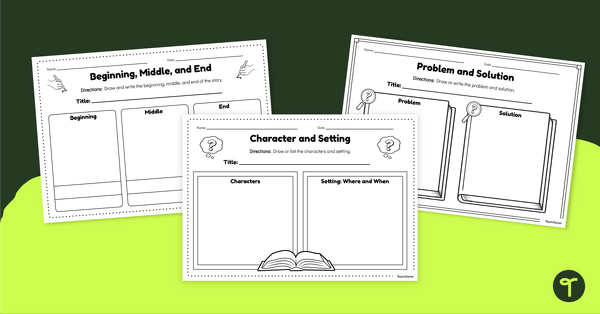
Story Elements Graphic Organizers – Landscape
Encourage your students to write and draw about various story elements with this set of differentiated graphic organizers.
- Plus Plan
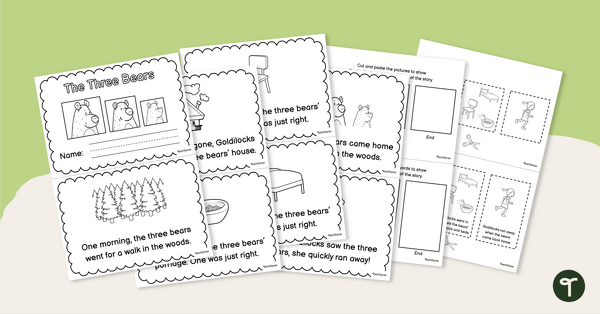
Beginning, Middle and End Mini-Book - The Three Bears
Teach your students about the beginning, middle and end of a story with this mini-book retell of The Three Bears.
- Plus Plan
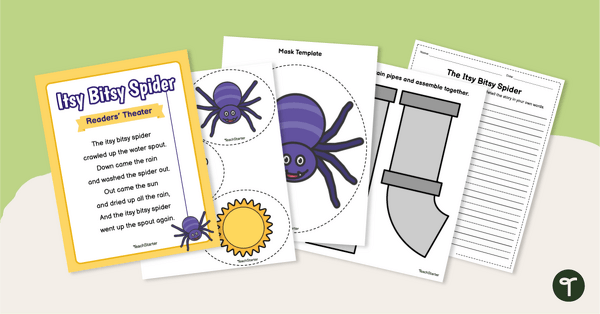
Readers' Theater - Itsy Bitsy Spider Read and Retell Activity
Engage young readers in texts with a dramatic reading of “The Itsy Bitsy Spider” and accompanying story retelling activity.
- Plus Plan
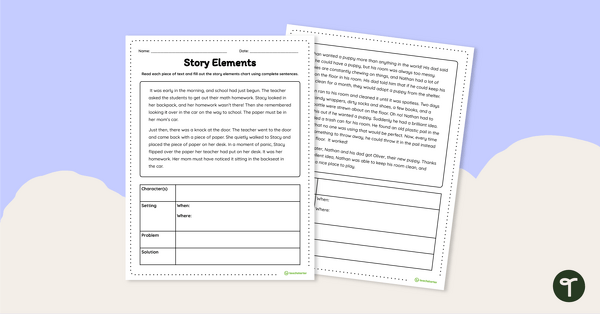
Story Elements - Worksheet
Practice identifying characters, settings, problems and solutions in fictional texts with this set of worksheets.
- Plus Plan
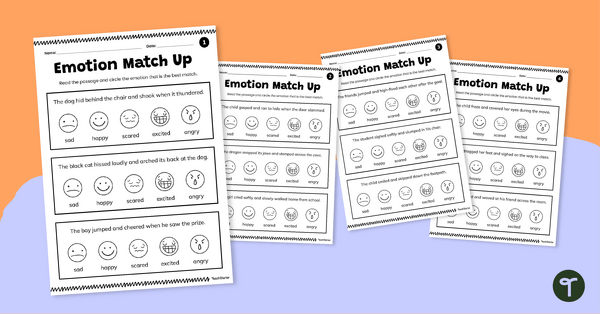
Emotion Match Passages Worksheet Pack
Help your students strengthen emotional vocabulary and early inferencing skills with this engaging set of Feeling Inferencing passages.
- Plus Plan
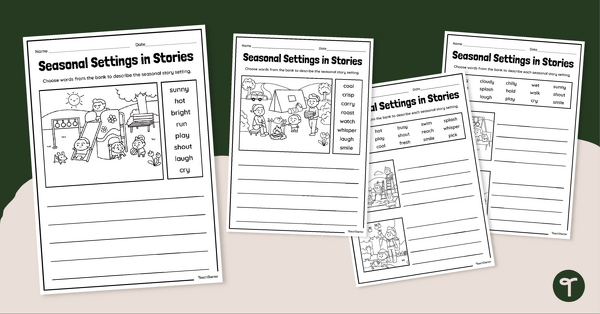
Seasonal Settings Descriptive Writing Task
Use this Seasonal Settings Descriptive Writing Worksheet Pack to help students strengthen their descriptive writing skills by exploring how different seasons influence the setting of a story.
- Plus Plan
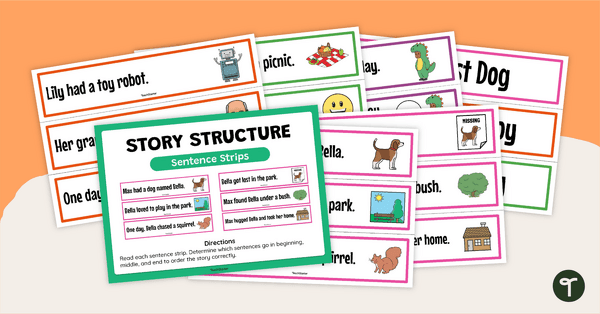
Story Structure Sentence Strips
Explore sentences that form the beginning, middle and end of 5 short stories with this sorting activity for younger year levels.
- Plus Plan
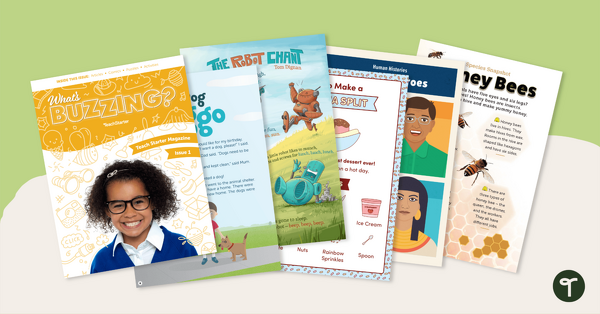
Grade 1 Magazine - What's Buzzing? (Issue 1)
A beautifully designed, 24-page reading magazine specifically written for Grade 1 students.
- Plus Plan
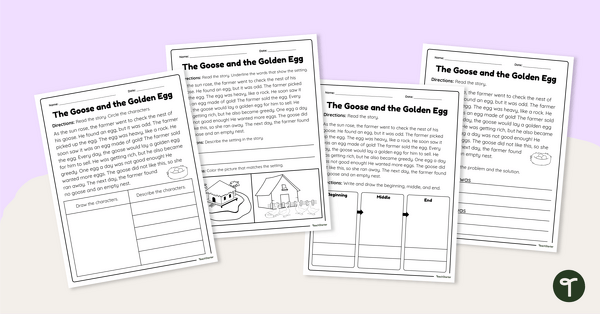
Story Elements Worksheets - The Goose and the Golden Egg
Practice identifying the story characters, settings and main events with this set of worksheets based on a traditional tale.
- Plus Plan
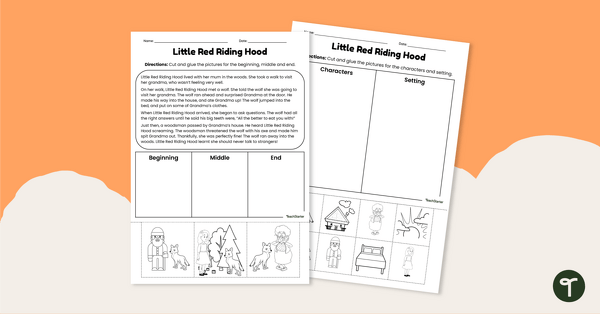
Story Elements Cut and Paste Worksheets – Little Red Riding Hood
Explore story characters, settings and main events with this set of cut-and-paste worksheets based on a well-known fairy tale.
- Plus Plan
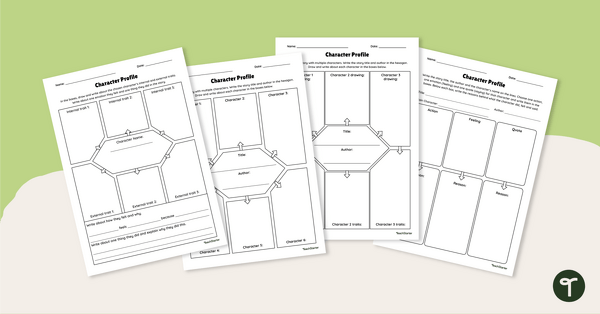
Character Profile - Graphic Organizers
Explore the internal and external traits of story characters with a set of differentiated graphic organizers.
- Plus Plan
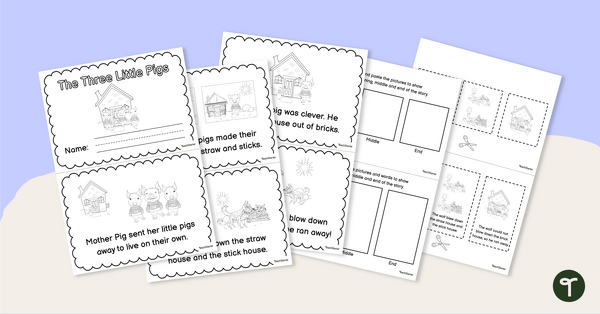
Beginning, Middle and End Mini-Book - The Three Little Pigs
Teach your students about the beginning, middle and end of a story with this mini-book retell of The Three Little Pigs.
- Plus Plan
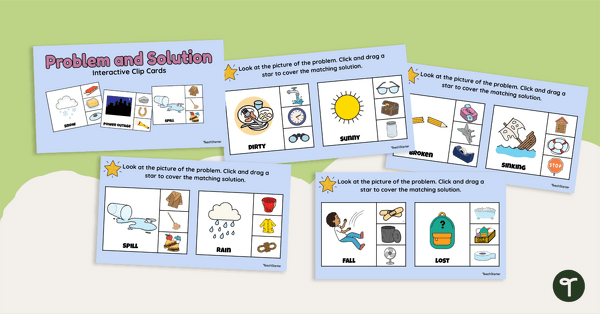
Problem and Solution Interactive Clip Cards
Practice identifying problems and solutions with an interactive clip card activity.
- Plus Plan
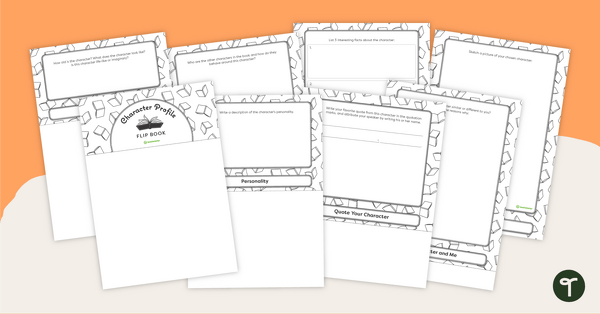
Character Profile Flip Book - Primary Grades
Explore story characters with this flipbook template for lower primary students.