VC2E4LA03
describe how different types of texts across the curriculum have different language features and are typically organised into characteristic stages depending on purposes
- identifying the typical stages and language features of texts such as narratives, factual recounts, imaginative recounts, biographies, information reports, explanations, book talks, poetry and arguments for a particular purpose
- understanding how and why text structure is important in texts such as sequential and causal explanations, and comparative and part-whole information reports
- recognising that poems have different purposes that influence the organisation of the text into characteristic stages, for example poems that tell stories, poems that describe and poems that reflect on aspects of life
- recognising the difference between a text’s form (such as a poster, email or list) and its organisation into stages, depending on its social purpose
- Plus Plan
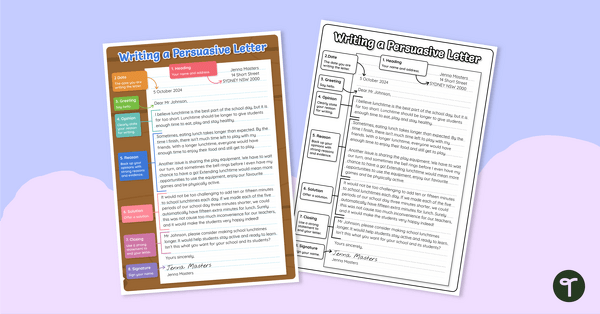
Writing a Persuasive Letter Poster
Use this writing a persuasive letter poster to teach your students the structure and features of persuasive letters.
- Plus Plan
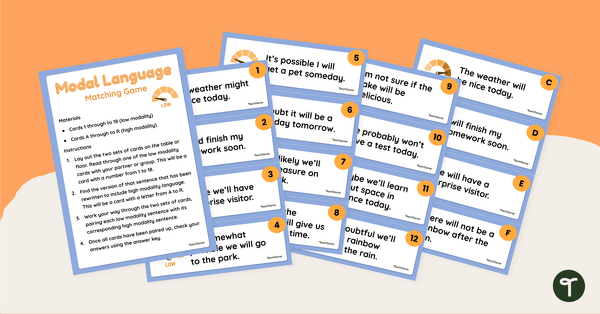
Modal Language Matching Activity
Have students explore high modality and low modality language with this matching game to use during your persuasive writing unit.
- Plus Plan
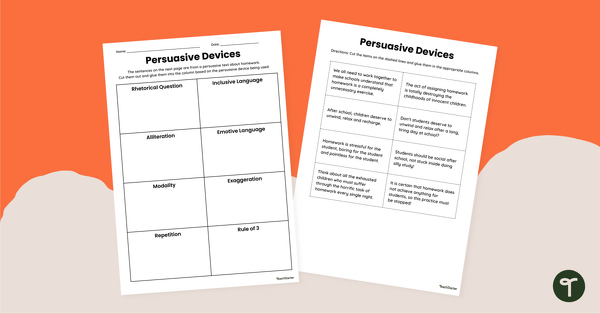
Persuasive Device Examples – Cut and Paste Worksheet
Match the persuasive writing techniques with the correct examples using this simple cut-and-paste worksheet perfect for your persuasive writing unit.
- Plus Plan
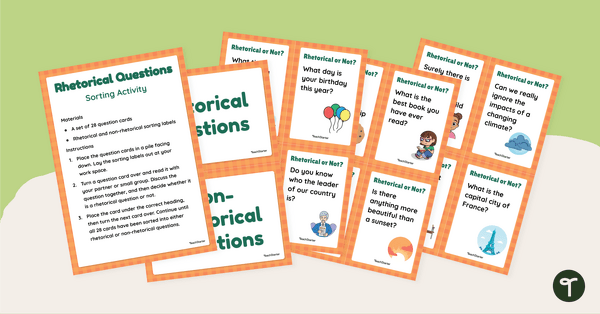
Rhetorical Questions Sorting Activity
Explore rhetorical question examples with your students using this set of 28 sorting cards perfect for literacy groups
- Plus Plan
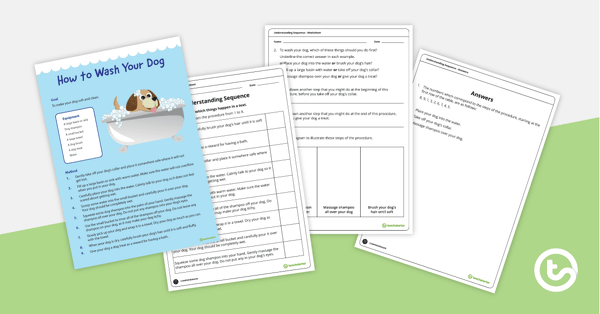
Procedural Writing Sequencing Worksheet – How to Wash Your Dog
Use this procedural writing worksheet to teach your students about the importance of sequence in procedure texts.
- Free Plan
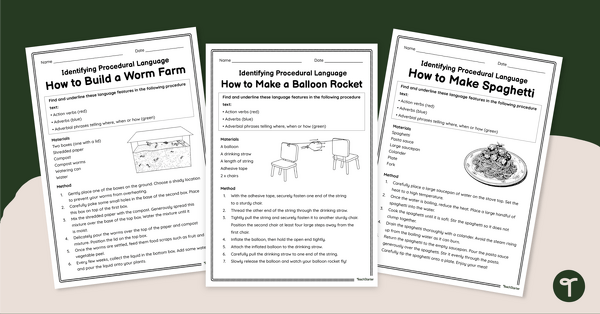
Identifying Procedural Language Worksheets
Help your students identify procedural language with this set of three worksheets.
- Plus Plan
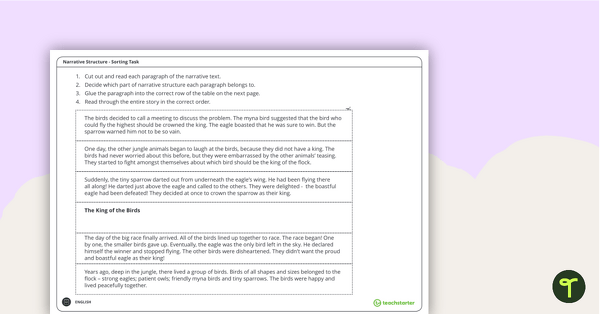
Narrative Structure Sorting Task
A sorting task to help students learn about narrative structure.
- Plus Plan
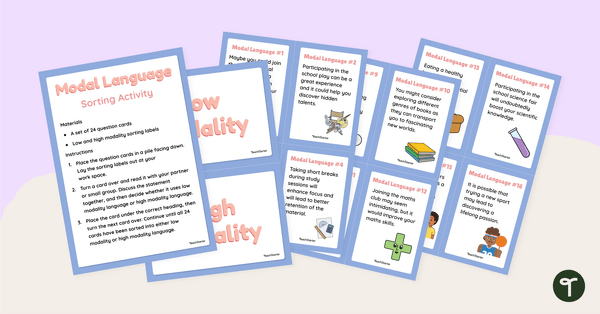
Modal Language Sorting Activity
Explore examples of modal language with your students using this set of 24 sorting cards perfect for your persuasive writing unit.
- Plus Plan
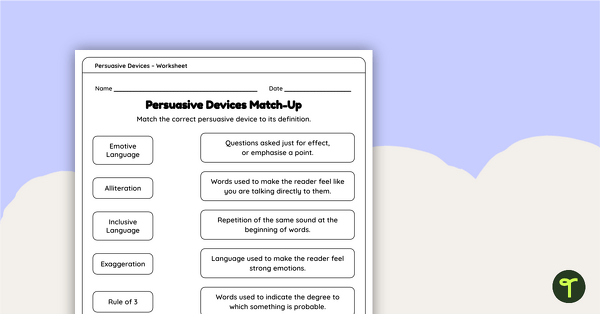
Persuasive Device Definitions – Match-Up Worksheet
Have students match the persuasive devices with their definitions using this simple one-page worksheet.
- Plus Plan
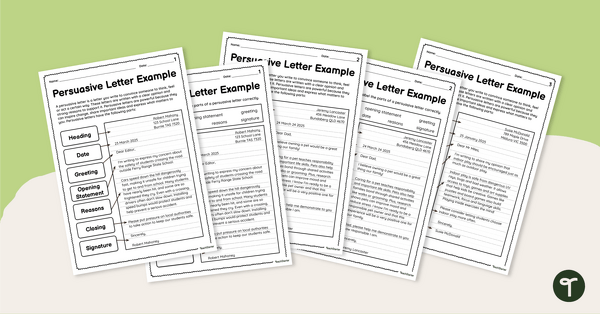
Persuasive Letter Example Pack
Download this persuasive letter example set featuring five model letters with labelled and unlabelled versions, perfect for teaching students the structure of a persuasive letter.
- Plus Plan
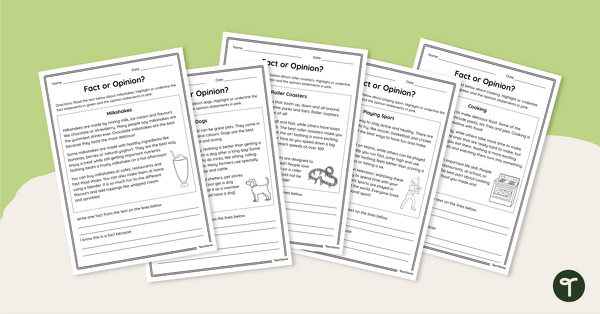
Fact or Opinion Worksheet Pack
Boost critical thinking skills with this fact or opinion worksheet pack featuring five engaging worksheets where students colour-code fact and opinion sentences.
- Plus Plan
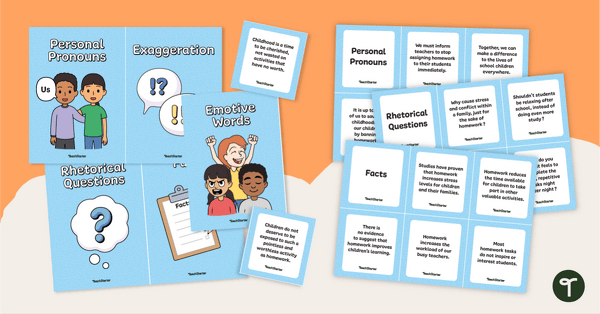
Persuasive Devices Sorting Activity
Explore persuasive devices with your students using this set of sorting cards.
- Plus Plan
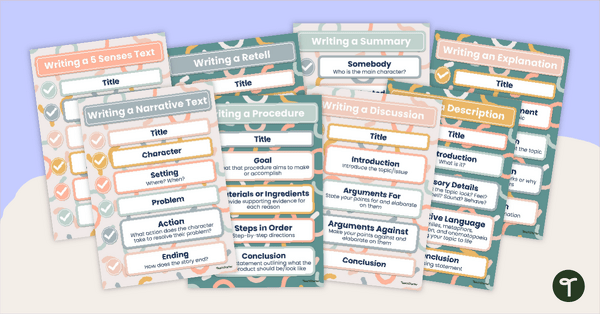
Text Type Structure Poster Pack
Display these posters in your room as a visual reminder of the structure of a variety of text types.
- Plus Plan
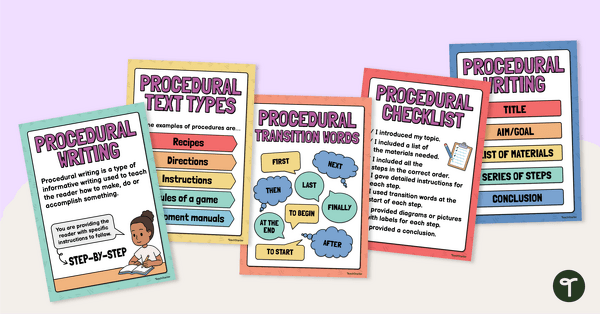
Procedural Writing Posters
Display this set of 5 procedural writing posters in your classroom during your procedural writing unit.
- Plus Plan
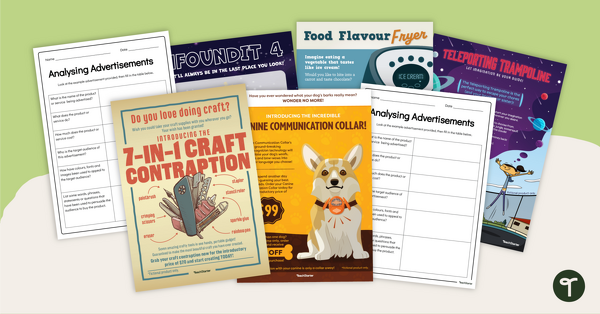
Advertisement Examples and Analysis Worksheets
Use these advertisement examples with accompanying analysis worksheets to teach your students about the purpose, structure and language features of product advertisements.
- Plus Plan
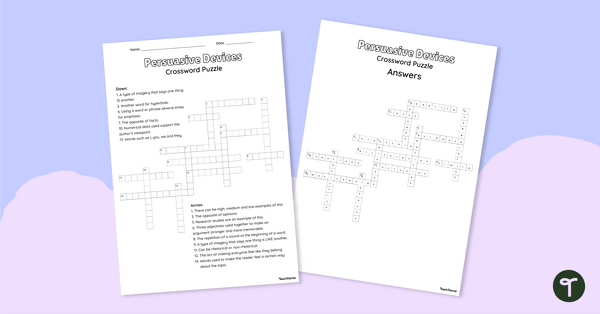
Persuasive Devices Crossword
Familiarise your students with the most common persuasive devices with an engaging crossword puzzle.
- Plus Plan
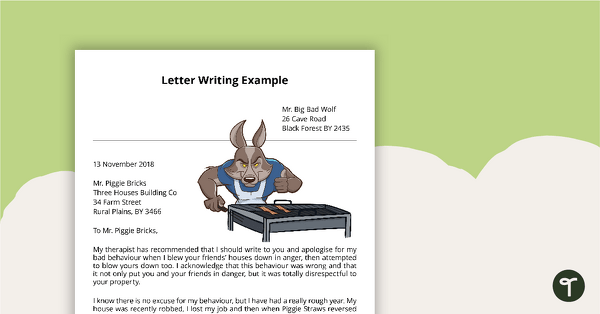
Example of a Formal Letter with Template
Use this example of a formal letter featuring the Big Bad Wolf’s humorous apology to the Three Little Pigs to teach letter structure in an engaging way.
- Plus Plan
Modelled Writing - Improving Procedure Texts
A 60 minute lesson in which students will improve a procedure text by applying knowledge of procedure text structure and language features.