Year 4
The English curriculum is built around the three interrelated strands of language, literature and literacy. Teaching and learning programs should balance and integrate all three strands. Together, the strands focus on developing students' knowledge, understanding and skills in listening, reading, viewing, speaking, writing and creating. Learning in English builds on concepts, skills and processes developed in earlier years, and teachers will revisit and strengthen these as needed.
In Years 3 and 4, students experience learning in familiar contexts and a range of contexts that relate to study in other areas of the curriculum. They interact with peers and teachers from other classes and schools in a range of face-to-face and online/virtual environments.
Students engage with a variety of texts for enjoyment. They listen to, read, view and interpret spoken, written and multimodal texts in which the primary purpose is aesthetic, as well as texts designed to inform and persuade. These encompass traditional oral texts including Aboriginal stories, picture books, various types of print and digital texts, simple chapter books, rhyming verse, poetry, non-fiction, film, multimodal texts, dramatic performances and texts used by students as models for constructing their own work.
The range of literary texts for Foundation to Year 10 comprises Australian literature, including the oral narrative traditions of Aboriginal and Torres Strait Islander Peoples, as well as the contemporary literature of these two cultural groups, and classic and contemporary world literature, including texts from and about Asia.
Literary texts that support and extend students in Years 3 and 4 as independent readers describe complex sequences of events that extend over several pages and involve unusual happenings within a framework of familiar experiences. Informative texts include content of increasing complexity and technicality about topics of interest and topics being studied in other areas of the curriculum. These texts use complex language features, including varied sentence structures, some unfamiliar vocabulary, a significant number of high-frequency sight words and words that need to be decoded phonically, and a variety of punctuation conventions, as well as illustrations and diagrams that support and extend the printed text.
Students create a range of imaginative, informative and persuasive types of texts including narratives, procedures, performances, reports, reviews, poetry and expositions.
(source: www.australiancurriculum.edu.au)
Achievement Standard
Receptive modes (listening, reading and viewing)
By the end of Year 4, students understand that texts have different text structures depending on purpose and context. They explain how language features, images and vocabulary are used to engage the interest of audiences. They describe literal and implied meaning connecting ideas in different textsÂ
They fluently read texts that include varied sentence structures, unfamiliar vocabulary including multisyllabic words. They express preferences for particular types of texts, and respond to others' viewpoints. They listen for and share key points in discussions.
Productive modes (speaking, writing and creating)
Students use language features to create coherence and add detail to their texts. They understand how to express an opinion based on information in a text. They create texts that show understanding of how images and detail can be used to extend key ideas.
Students create structured texts to explain ideas for different audiences. They make presentations and contribute actively to class and group discussions, varying language according to context. They demonstrate understanding of grammar, select vocabulary from a range of resources and use accurate spelling and punctuation, re-reading and editing their work to improve meaning.
(source: www.australiancurriculum.edu.au)
- Free Plan
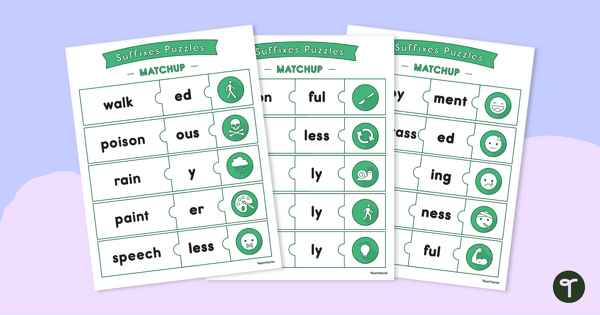
What is an Affix? Suffix Puzzle Pack
Practice building, reading, and understanding the meaning of words with suffixes with a fun set of printable puzzles for kids.
- Plus Plan
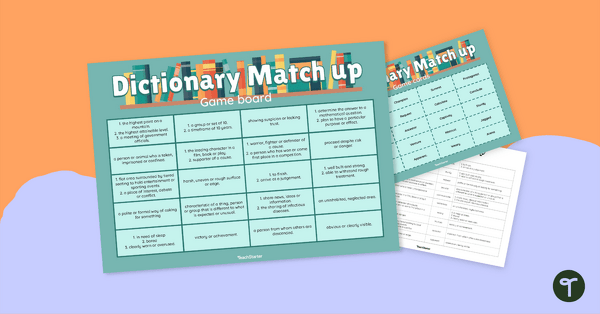
Dictionary Definitions Match Up Game
A set of 20 word cards for students to match to their definition.
- Plus Plan
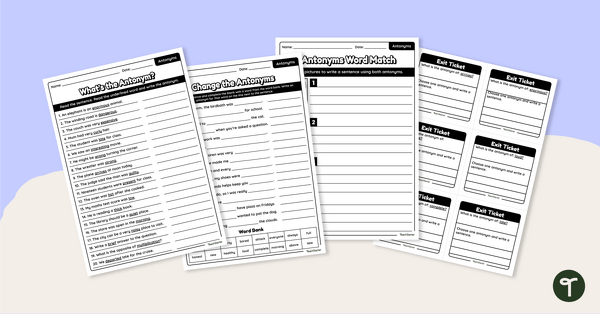
Antonym Worksheets - Middle Primary
Practise identifying and using antonyms with a set of worksheets for students in Year 3 and Year 4.
- Plus Plan
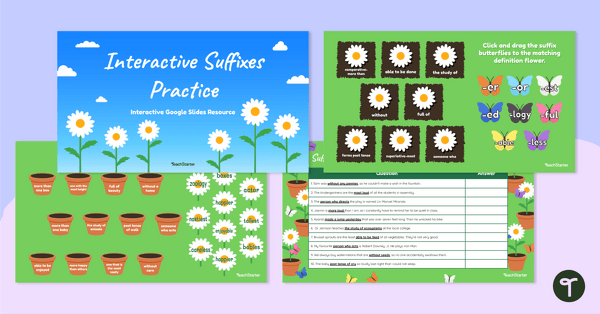
Suffix Practice - Interactive Activity
Practise adding suffixes to words by identifying, defining and matching them in context.
- Plus Plan
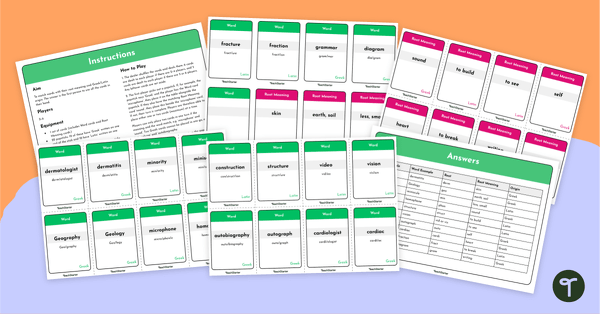
Greek and Latin Roots – Card Kaboom!
Explore Greek and Latin word origins with this hand-on card game.
- Plus Plan
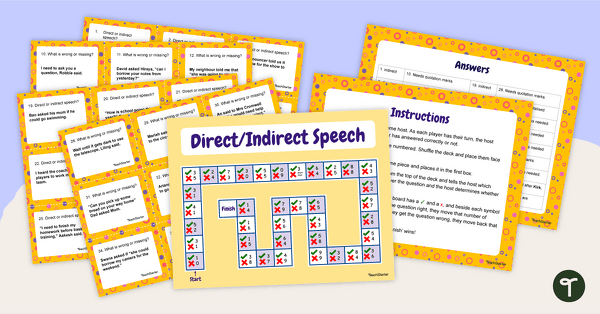
Direct and Indirect Speech Board Game
Explore direct and indirect speech with this board game.
- Plus Plan
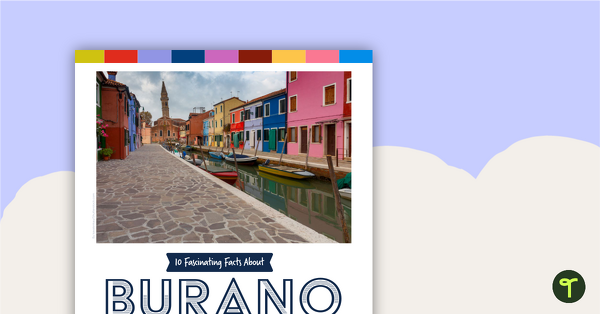
10 Fascinating Facts About Burano – Worksheet
A comprehension worksheet for an article from the Year 3 magazine (Issue 3).
- Free Plan
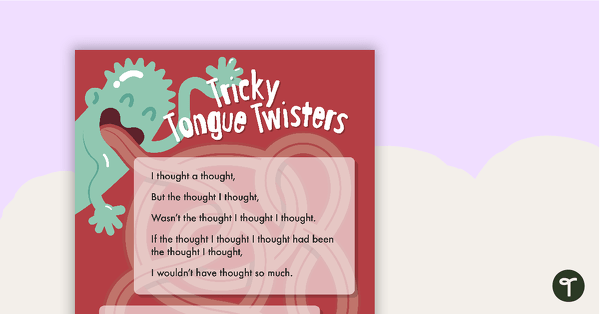
Tricky Tongue Twisters – Worksheet
A comprehension worksheet for a magazine article from the Year 3 magazine (Issue 3).
- Plus Plan
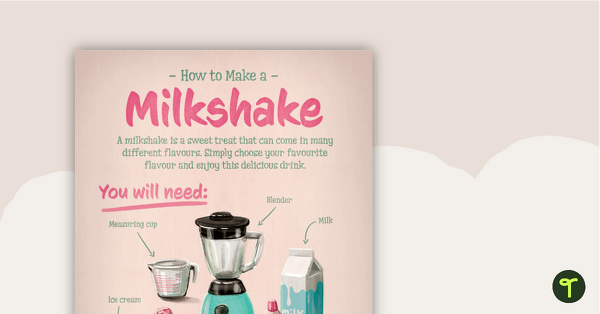
How to Make a Milkshake – Procedural Writing Worksheet
Explore how to make a milkshake while your students fine-tune their procedural writing skills.
- Plus Plan

10 Fascinating Facts About the Golden Gate Bridge – Worksheet
A comprehension worksheet for an article from the Year 4 magazine (Issue 3).
- Plus Plan
Jamie Oliver Biography – Worksheet
A comprehension worksheet for a biography from the Year 3 magazine (Issue 2).
- Plus Plan
Dr Mae Jemison Biography – Worksheet
A comprehension worksheet for a biography from the Year 4 magazine (Issue 2).
- Plus Plan
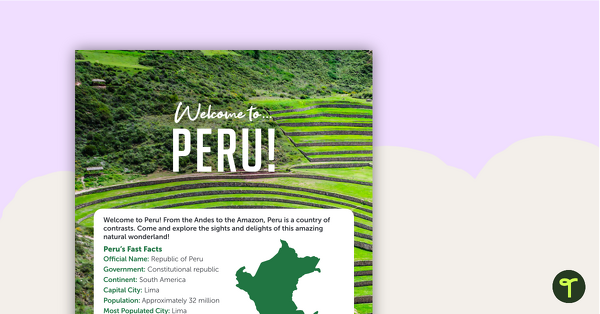
Welcome to Peru! – Worksheet
A comprehension worksheet for a country profile from the Year 4 magazine (Issue 2).
- Plus Plan
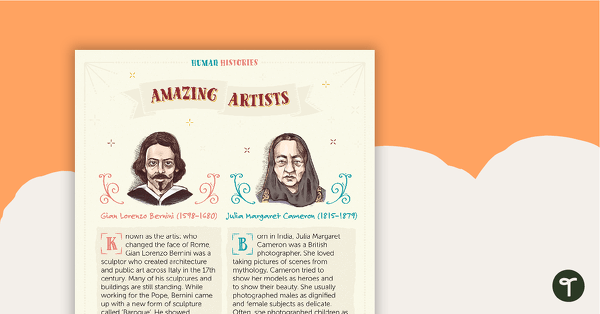
Human Histories: Amazing Artists – Comprehension Worksheet
A comprehension worksheet for a magazine article about some amazing artists.
- Plus Plan
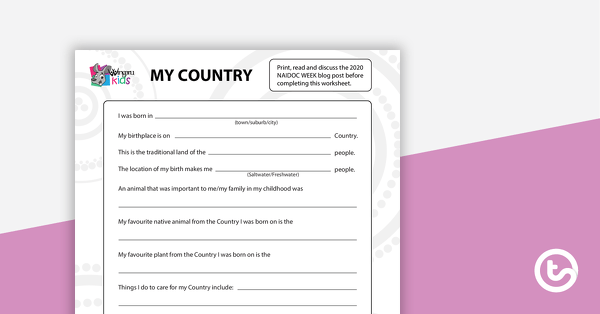
NAIDOC Week My Country Worksheet - Middle/Upper Primary
A NAIDOC Week "My Country" worksheet suitable for middle/upper primary school students.
- Plus Plan
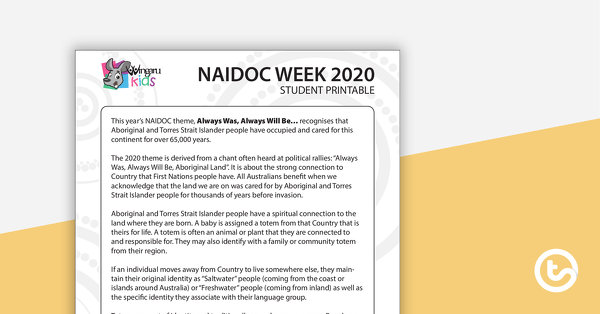
NAIDOC Week 2020 Student Printable
A printable student information sheet to provide context for NAIDOC Week 2020.
- Plus Plan
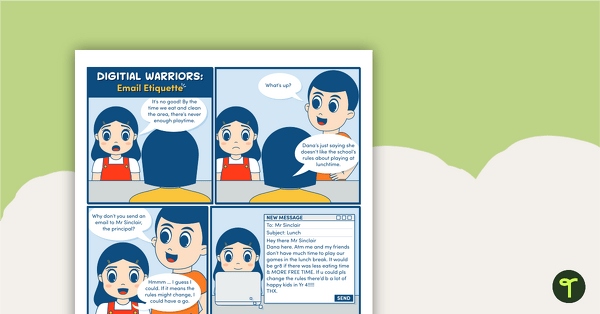
Digital Warriors Comic: Email Etiquette – Worksheet
A comprehension worksheet for the comic from the Year 4 magazine (Issue 2).
- Plus Plan
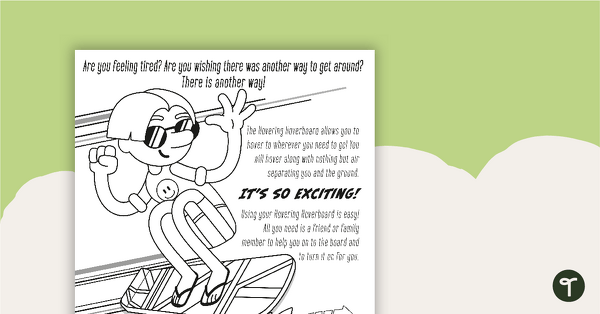
The Hovering Hoverboard – Worksheet
A comprehension worksheet for a fake advertisement from the Year 3 magazine (Issue 2).
- Plus Plan
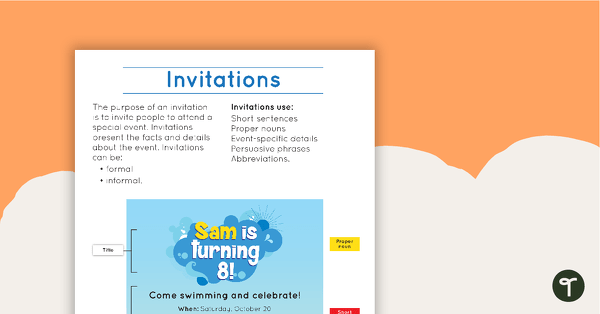
Invitation Text Type Poster With Annotations
A poster about invitations, including an annotated example.
- Plus Plan
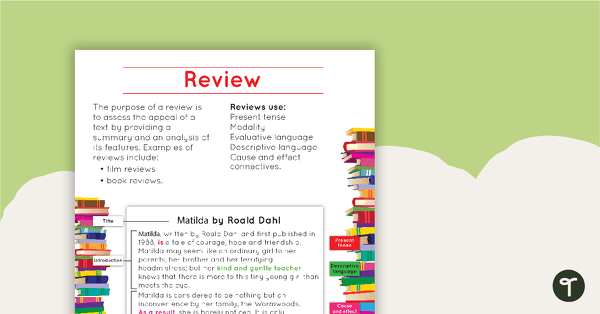
Review Text Type Poster With Annotations
A poster about reviews, including an annotated example.
- Plus Plan
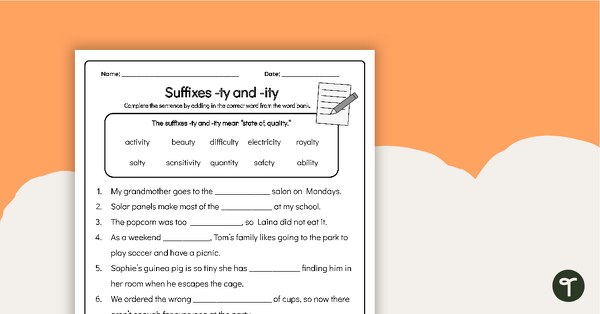
-Ty and -Ity Suffixes Worksheet
Practise using the suffixes -ty and -ity with a printable suffix worksheet.
- Plus Plan
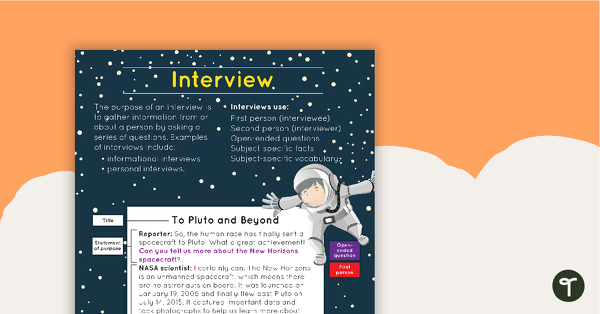
Interview Text Type Poster With Annotations
A poster about interviews, including an annotated example.
- Plus Plan
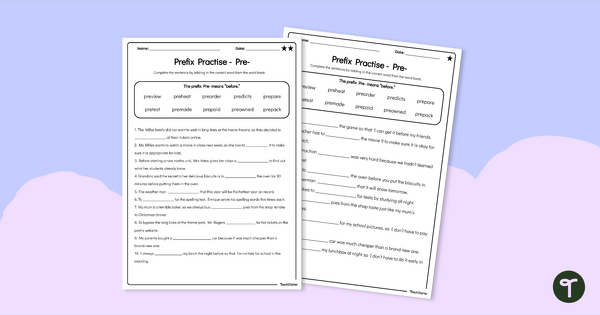
Pre- Prefixes Worksheet
Boost students' understanding of the prefix pre- with a printable prefix worksheet.
- Plus Plan
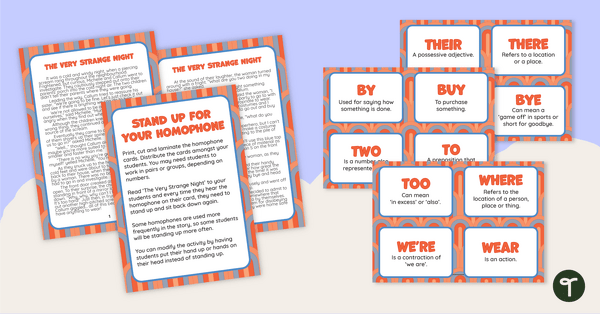
Stand Up For Your Homophone – Whole-Class Game
Help your students learn the different homophones and their meanings with an interactive, whole-class game.
- Plus Plan
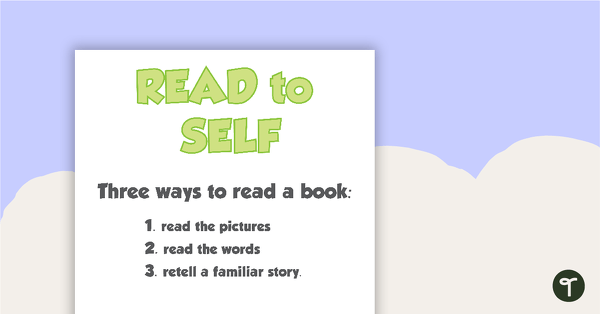
Literacy Tasks - Posters
5 Literacy Task posters and 1 Guide poster.
- Plus Plan
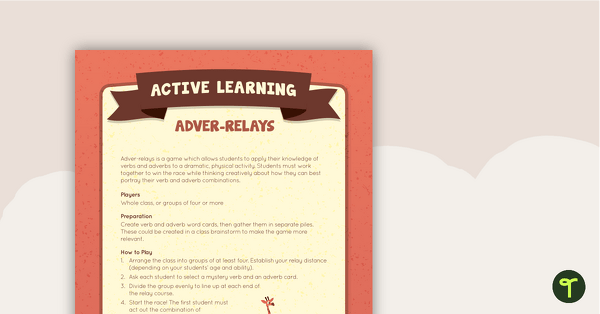
Adver-relays Active Learning Game
A whole class active game that encourages learning through a physical setting.
- Plus Plan
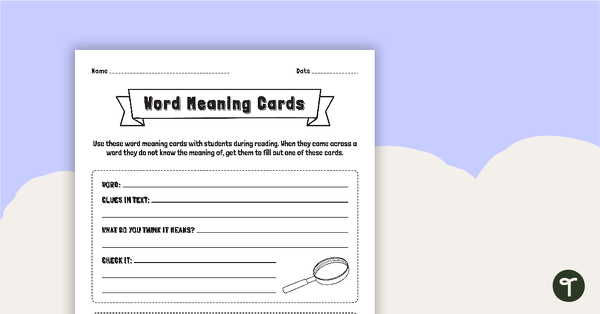
Finding Word Meaning In Context - Word Meaning Cards
A teaching resource to help teach your students how to find word meaning in context.
- Plus Plan
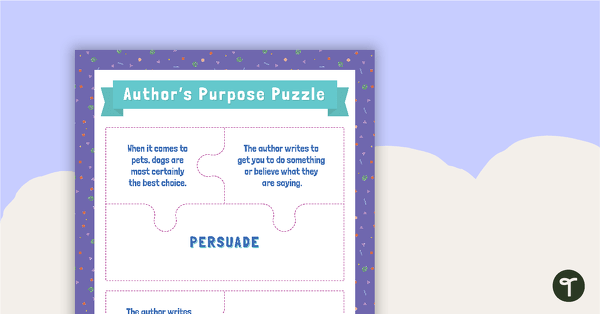
Author's Purpose - Puzzle Activity
A teaching resource to help teach your students the different reasons authors may write.
- Plus Plan
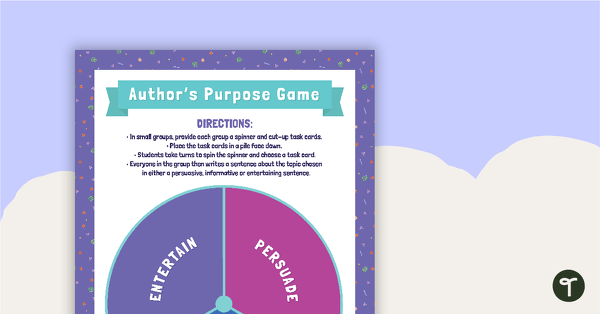
Author's Purpose - Sentence Writing Game
A teaching resource to help teach your students the different reasons authors may write.
- Plus Plan
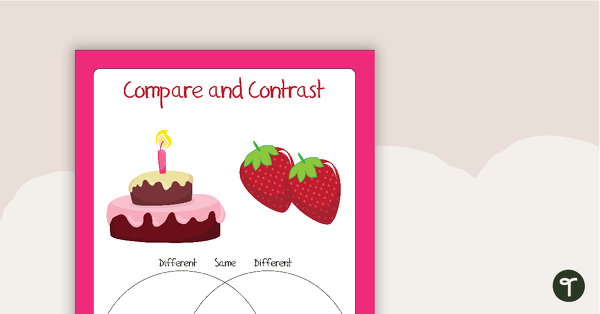
Compare and Contrast - Objects Worksheets
A pack of 5 worksheets comparing and contrasting pictures of similar objects.
- Plus Plan
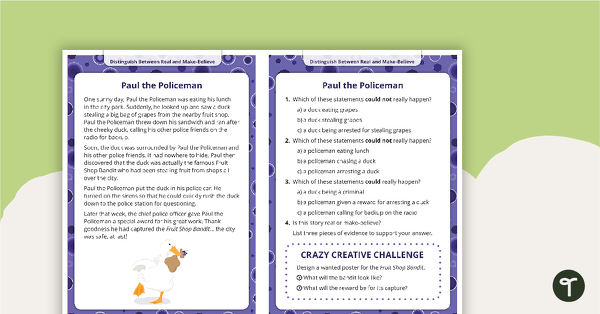
Comprehension Task Cards - Distinguishing Between Real And Make-Believe
A set of comprehension task cards to help students distinguish between real and make-believe when reading.
- Plus Plan
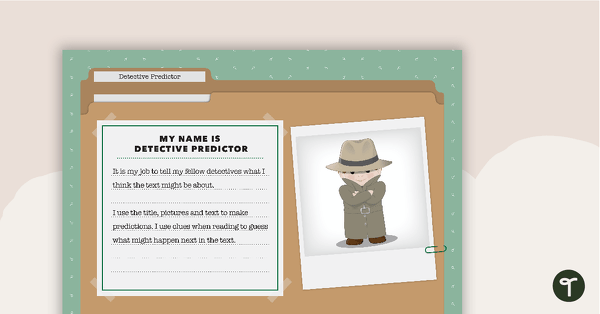
Reading Detectives Posters and Banner
8 colourful reading detective posters and a banner to display in the classroom.