Year 4
How people, places and environments interact, past and present
The Year 4 curriculum focuses on interactions between people, places and environments over time and space and the effects of these interactions. Students gain opportunities to expand their world knowledge and learn about the significance of environments, examining how people's need and want of resources over time has affected peoples, societies and environments. Specifically, students study European exploration and colonisation in Australia and elsewhere up to the early 1800s and life for Indigenous Australians pre- and post-contact. They examine the concept of sustainability, and its application to resource use and waste management, past and present, by different groups. The curriculum introduces the role of local government, laws and rules, and group belonging and how they meet people's needs. Themes of law and citizenship extend into their studies of diverse groups, the colonisation of Australia and other places, and how environmental sustainability is enacted.
The content provides opportunities for students to develop humanities and social sciences understanding through key concepts including significance; continuity and change; cause and effect; place and space; interconnections; roles, rights and responsibilities; and perspectives and action. These concepts may provide a focus for inquiries and be investigated across sub-strands or within a particular sub-strand context.
The content at this year level is organised into two strands: knowledge and understanding, and inquiry and skills. The knowledge and understanding strand draws from three sub-strands: history, geography and civics and citizenship. These strands (knowledge and understanding, and inquiry and skills) are interrelated and have been developed to be taught in an integrated way, which may include integrating with content from the sub-strands and from other learning areas, and in ways that are appropriate to specific local contexts. The order and detail in which they are taught are programming decisions.
Inquiry Questions
A framework for developing students' knowledge, understanding and skills is provided by inquiry questions. The following inquiry questions allow for connections to be made across the sub-strands and may be used or adapted to suit local contexts: inquiry questions are also provided for each sub-strand that may enable connections within the humanities and social sciences learning area or across other learning areas.
- How have laws affected the lives of people, past and present?
- What were the short- and long-term effects of European settlement on the local environment and Indigenous land and water management practices?
- What is the significance of the environment and what are different views on how it can be used and sustained, past and present?
(source: www.australiancurriculum.edu.au)
Achievement Standard
By the end of Year 4, students recognise the significance of events in bringing about change and the importance of the environment. They explain how and why life changed in the past and identify aspects of the past that have remained the same. They describe the experiences of an individual or group in the past. They describe and compare the diverse characteristics of different places at local to national scales. Students identify the interconnections between components of the environment and between people and the environment. They identify structures that support their local community and recognise the importance of laws in society. They describe factors that shape a person's identity and sense of belonging. They identify different views on how to respond to an issue or challenge.
Students develop questions to investigate. They locate and collect information and data from different sources, including observations to answer these questions. When examining information, they distinguish between facts and opinions and detect points of view. They interpret data and information to identify and describe distributions and simple patterns and draw conclusions. They share their points of view, respecting the views of others. Students sequence information about events and the lives of individuals in chronological order with reference to key dates. They sort, record and represent data in different formats, including large-scale maps using basic cartographic conventions. They reflect on their learning to propose action in response to an issue or challenge, and identify the possible effects of their proposed action. Students present ideas, findings and conclusions using discipline-specific terms in a range of communication forms.
(source: www.australiancurriculum.edu.au)
Achievement Standard
By the end of Year 4, students recognise the significance of events in bringing about change. They explain how and why life changed in the past and identify aspects of the past that have remained the same. They describe the experiences of an individual or group in the past.
Students sequence information about events and the lives of individuals in chronological order with reference to key dates. They develop questions about the past and locate, collect and sort information from different sources to answer these questions. They analyse sources to detect points of view. Students develop and present texts, including narrative recounts, using historical terms.
(source: www.australiancurriculum.edu.au)
Achievement Standard
By the end of Year 4, students describe the location of selected countries using compass direction. They describe and compare the characteristics of places in different locations at local to national scales. They identify the interconnections between components of the environment and between people and the environment. Students recognise the importance of the environment and identify different possible responses to a geographical challenge.
Students develop geographical questions to investigate and locate, collect and sort information and data from different sources to answer these questions. They record and represent data and the location of places and their characteristics in simple graphic forms, including large-scale maps that use the cartographic conventions of scale, legend, title and north point. They describe the location of places and their features using grid references and compass direction. Students interpret geographical data to identify spatial distributions and simple patterns and draw conclusions. They present findings using geographical terminology in a range of texts. They propose individual action in response to a local geographical challenge and identify some possible effects of their proposed action.
(source: www.australiancurriculum.edu.au)
Achievement Standard
By the end of Year 4, students identify structures and decisions that support their local community and recognise the importance of laws in society. They describe factors that shape a person's identity and sense of belonging.
Students develop questions about the society in which they live and locate and collect information from different sources to answer these questions. They examine information to distinguish between facts and opinions, identify points of view and to draw conclusions. They share their points of view, respecting the views of others, and identify the groups they belong to. Students present ideas and conclusions using discipline-specific terms in a range of communication forms.
(source: www.australiancurriculum.edu.au)
- Plus Plan
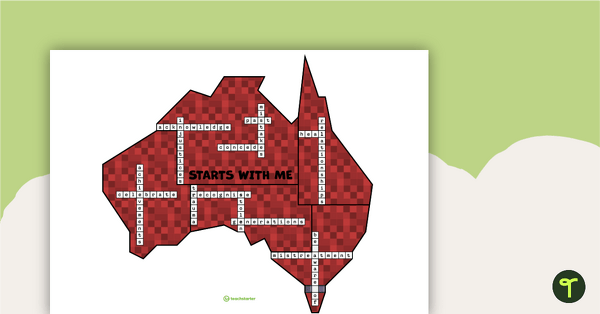
Piecing Australia Together – A Reconciliation Puzzle
A puzzle to assemble when learning about National Sorry Day.
- Plus Plan
Australian History Pop Quiz – Teaching Presentation
A teaching presentation that serves as a pop quiz to explore students' knowledge of Australian history and the culture we see today.
- Plus Plan
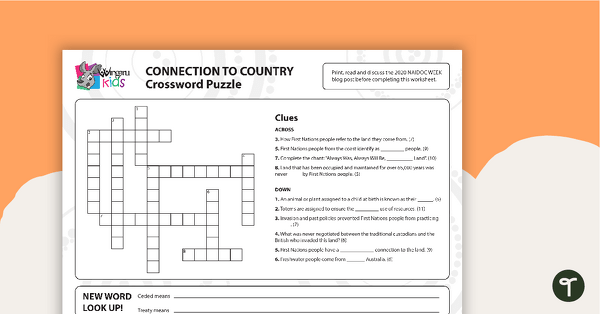
NAIDOC Week Connection to Country Crossword Puzzle Worksheet
A NAIDOC Week Connection to Country crossword puzzle worksheet to use with your students.
- Plus Plan
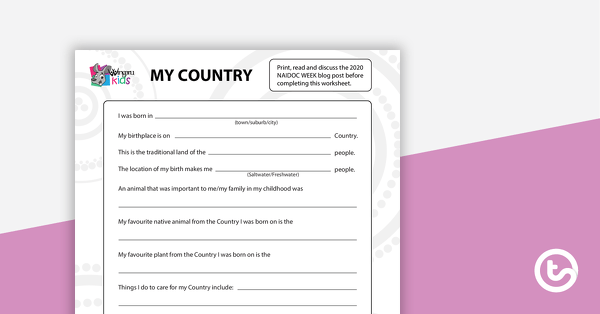
NAIDOC Week My Country Worksheet - Middle/Upper Primary
A NAIDOC Week "My Country" worksheet suitable for middle/upper primary school students.
- Plus Plan
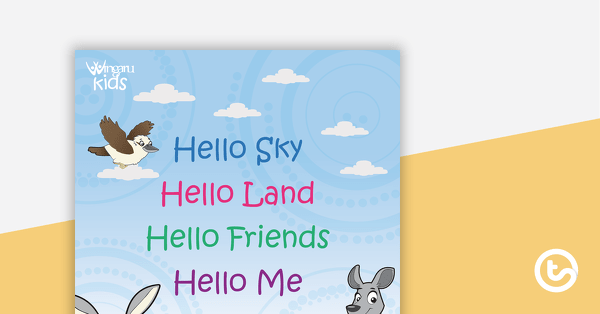
Acknowledgement of Country Hello Poster
A bright and colourful illustrated Acknowledgement of Country Hello poster to display in your classroom.
- Plus Plan
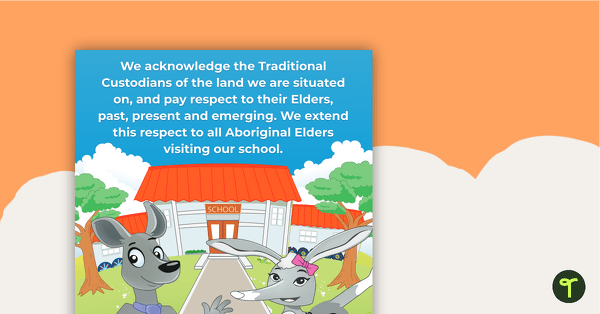
Acknowledgement of Country Poster - Lower Years
A bright and colourful illustrated Acknowledgement of Country poster to display in your classroom.
- Plus Plan
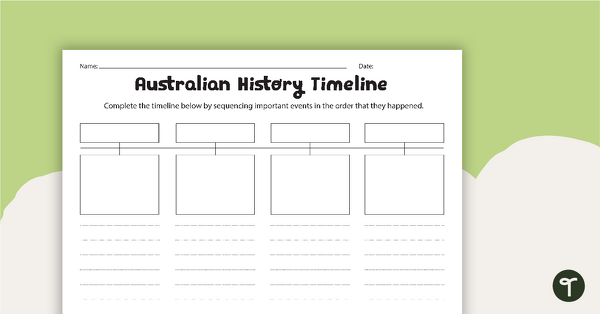
Australian History Timeline
A worksheet for students to record information about four significant Australian events.
- Plus Plan
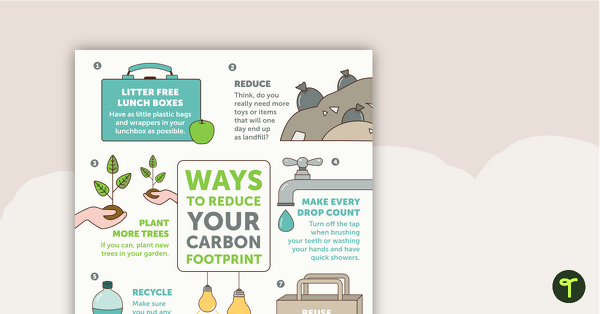
Ways to Reduce Your Carbon Footprint – Poster and Worksheet
Explore how to reduce your carbon footprint with this poster and accompanying comprehension worksheet.
- Plus Plan
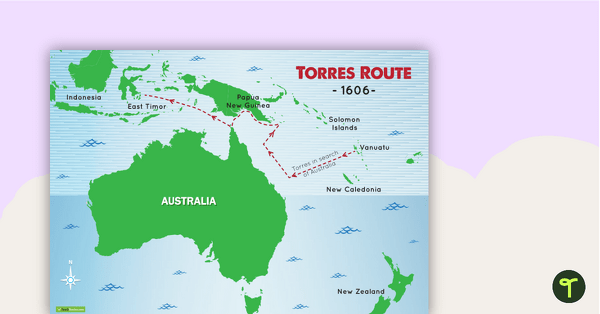
Torres Route 1606 Map
A map to display in the classroom when learning about Luis de Torres' route across the top of Australia in 1606.
- Plus Plan
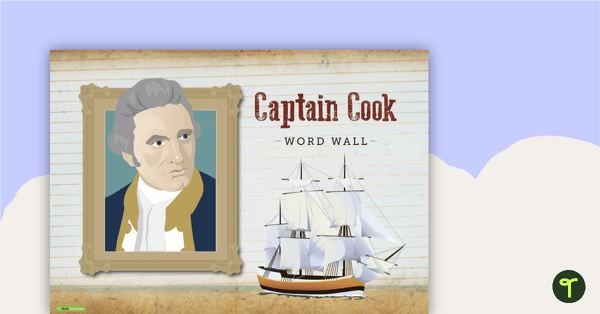
Captain Cook Word Wall
A vocabulary word wall to display and use in the classroom when learning about the explorations of Captain James Cook.
- Plus Plan
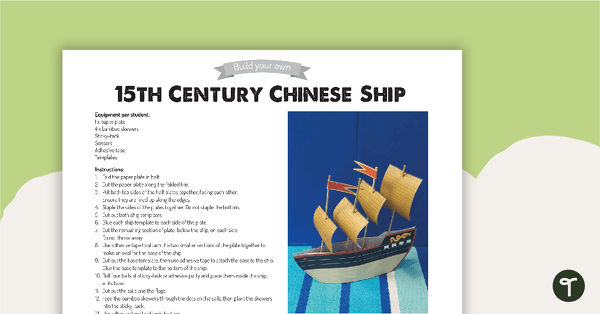
Fifteenth Century Chinese Ship - Model Building Activity
A 15th-Century Chinese model ship building task to create in the classroom when learning about Chinese explorers.
- Plus Plan
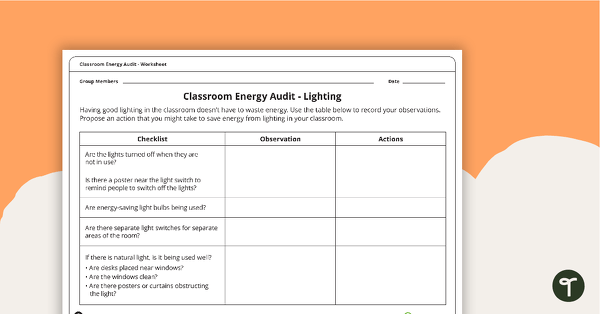
Classroom Energy Audit Worksheet
An investigation that will have students observing the energy usage in their classroom and proposing action to reduce energy waste.
- Plus Plan
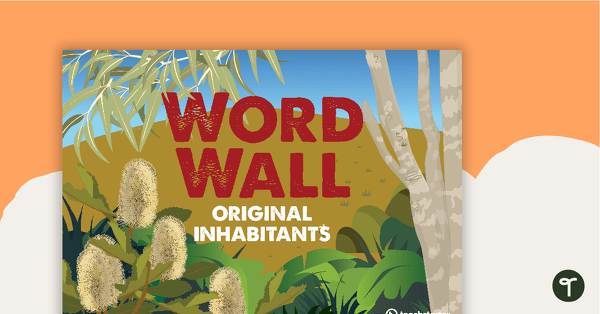
Original Inhabitants of Australia Word Wall
A vocabulary word wall to display and use in the classroom when learning about the original inhabitants of Australia.
- Plus Plan
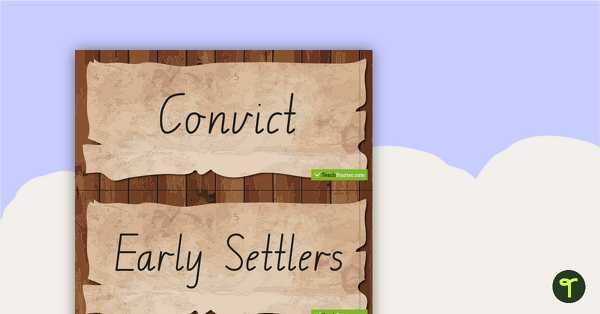
Australian Early Settler Word Wall Vocabulary
Vocabulary associated with Australian Early Settlers.
- Plus Plan
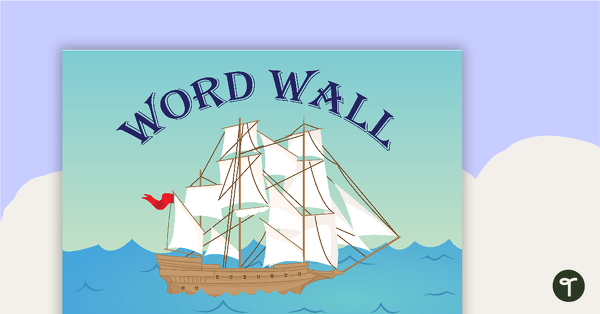
British Colonisation of Australia - Word Wall
An Australian Colonisation themed word wall to use in the classroom.
- Plus Plan
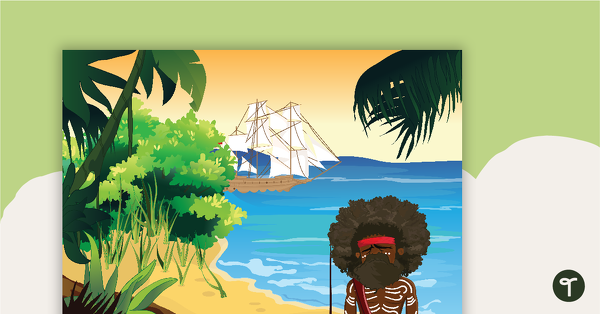
British Colonisation of Australia - Display Posters
A set of 3 British Colonisation posters to create a classroom display.
- Plus Plan
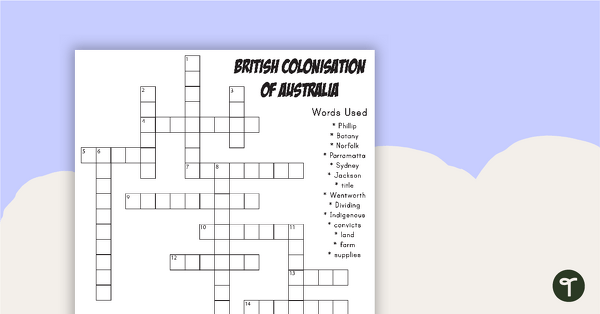
British Colonisation of Australia - Crossword
A crossword activity to use in the classroom when learning about the British Colonisation of Australia.
- Plus Plan

Commonwealth Games Timeline Activity
A template and classroom display banner to create a Commonwealth Games Timeline.
- Plus Plan
British Colonisation of Australia - Title Poster
A poster to display in the classroom when teaching about the British Colonisation of Australia.
- Plus Plan
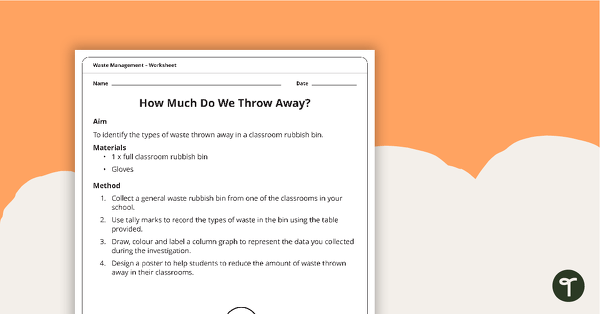
Waste Management Investigation - How Much Waste Do We Throw Away?
A practical investigation related to sustainable waste management.
- Free Plan
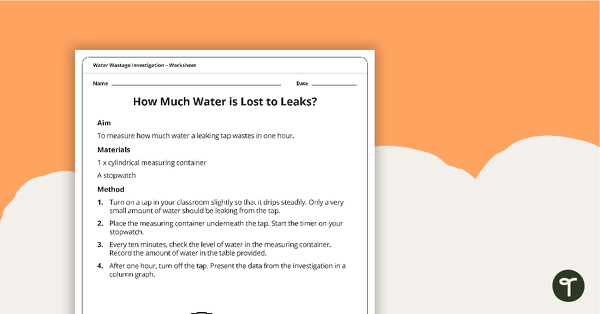
Water Wastage Investigation - How Much Water is Lost to Leaks?
A practical investigation related to sustainable resource use.
- Free Plan
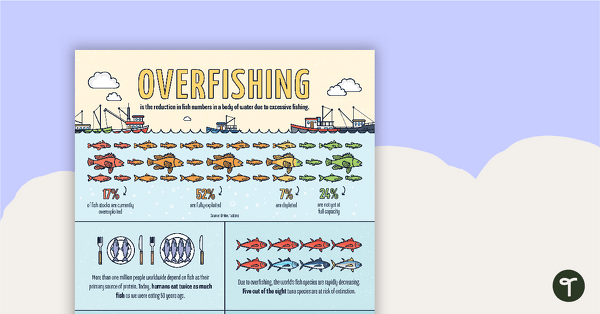
Overfishing – Infographic Poster and Worksheet
Explore overfishing and its effects on marine environments with this eye-opening infographic poster and accompanying comprehension worksheet.
- Plus Plan
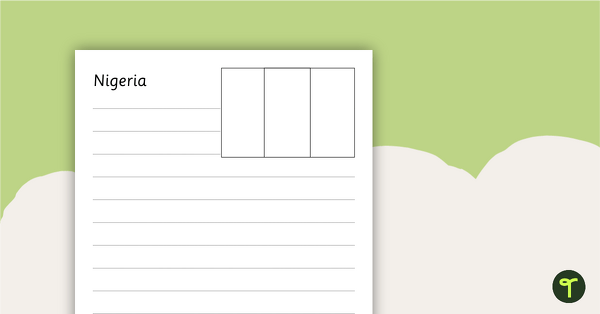
African Flags Worksheets - BW
Eight black and white worksheets with flags from Africa.
- Plus Plan
NAIDOC Week 2021 Teaching Resource Pack
A NAIDOC Week 2021 teaching resource pack that contains activities, worksheets and information for your students.
- Plus Plan
NAIDOC Week Land Rights Teaching Resource Pack
Wingaru Education has put together a timeline of Aboriginal land rights events. From the time of Cook’s intrusive exploration and the subsequent invasion by the First Fleet, land has been taken from Aboriginal People against their will. There are a number of ways to delve into this topic with your class.
- Plus Plan
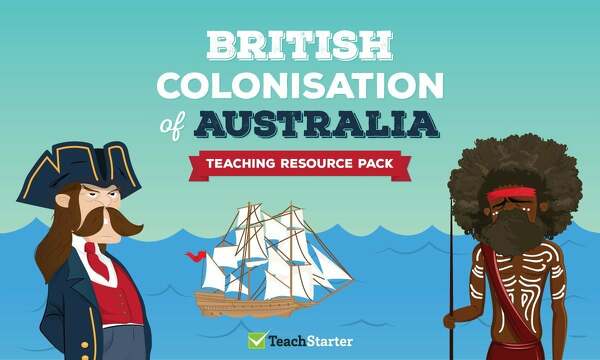
British Colonisation of Australia - Teaching Resource Pack
A resource pack containing a range of posters, worksheets and activities to use in your classroom when teaching a unit of work on the British Colonisation of Australia.
- Plus Plan
NAIDOC Week Teaching Resource Pack
An extensive collection of teaching resources to use during NAIDOC Week.
- Plus Plan
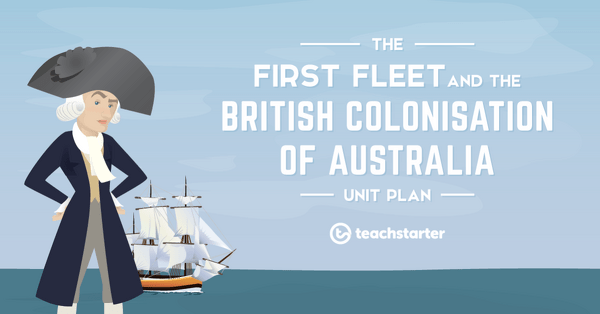
The First Fleet and the British Colonisation of Australia Unit Plan
This History unit covers a range of concepts relating to the stories of the First Fleet; including reasons for the journey, who travelled to Australia, their experiences following arrival and the impact colonisation had on Indigenous Australians.
- Plus Plan
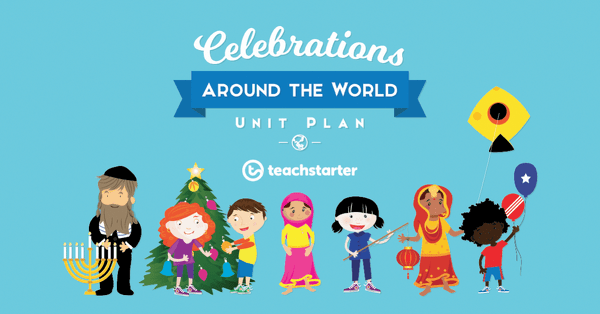
Celebrations Around The World Unit Plan
This Humanities and Social Sciences unit addresses the topic of celebrations. It covers personal, family and community celebrations; national days; Australia-specific commemorations and religious/cultural celebrations from around the world.
- Plus Plan
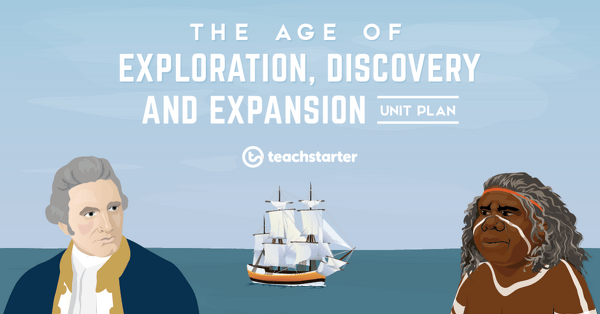
The Age of Exploration, Discovery and Expansion Unit Plan
This History unit covers a range of concepts relating to the early explorers of the Age of Exploration and the 'discovery' of Australia.
- Plus Plan
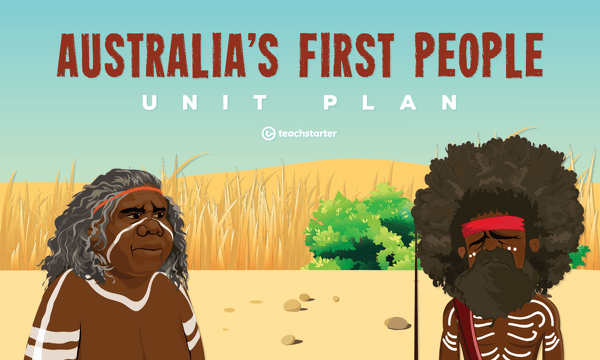
Australia's First People Unit Plan
This History unit covers a range of concepts relating to the diversity of Australia's first people and the long and continuous connection of Aboriginal and Torres Strait Islander peoples to Country.
- Plus Plan
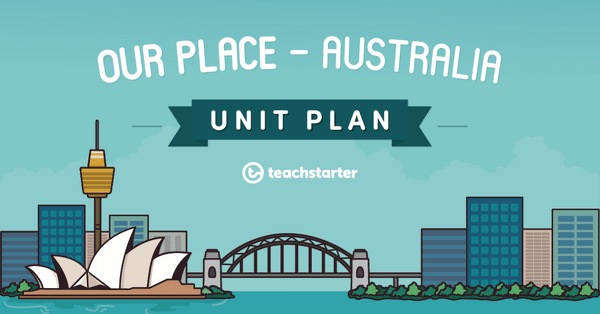
Our Place - Australia Unit Plan
This Humanities and Social Sciences unit addresses a range of concepts relating to the natural and human features of Australia.