Years 1 and 2
The curriculum for Years 1 and 2 builds on the learning from Foundation and supports students to make decisions to enhance their health, safety and participation in physical activity. The content enables students to explore their own sense of self and the factors that contribute to and influence their identities. Students learn about emotions, how to enhance their interactions with others, and the physical and social changes they go through as they grow older.
The content explores health messages and how they relate to health decisions and behaviours, and examines strategies students can use when they need help. The content also provides opportunities for students to learn through movement. It supports them in broadening the range and complexity of fundamental movement skills they are able to perform. They learn how to select, transfer and apply simple movement skills and sequences individually, in groups and in teams.
Students also further develop their knowledge, understanding and skills in relation to movement by exploring simple rule systems and safe use of equipment in a variety of physical activities and games. Through active participation, they investigate the body's response to different types of physical activities. In addition, students develop personal and social skills such as cooperation, decision-making, problem-solving and persistence through movement settings.
Focus areas to be addressed in Years 1 and 2 include:
- safe use of medicines (AD)
- food and nutrition (FN)
- health benefits of physical activity (HBPA)
- mental health and wellbeing (MH)
- relationships (RS)
- safety (S)
- active play and minor games (AP)
- fundamental movement skills (FMS)
- rhythmic and expressive movement activities (RE).
(source: www.australiancurriculum.edu.au)
Achievement Standard
By the end of Year 2, students describe changes that occur as they grow older. They recognise how strengths and achievements contribute to identities. They identify how emotional responses impact on others’ feelings. They examine messages related to health decisions and describe how to keep themselves and others healthy, safe and physically active. They identify areas where they can be active and how the body reacts to different physical activities.
Students demonstrate positive ways to interact with others. They select and apply strategies to keep themselves healthy and safe and are able to ask for help with tasks or problems. They demonstrate fundamental movement skills in a variety of movement sequences and situations and test alternatives to solve movement challenges. They perform movement sequences that incorporate the elements of movement.
(source: www.australiancurriculum.edu.au)
- Plus Plan
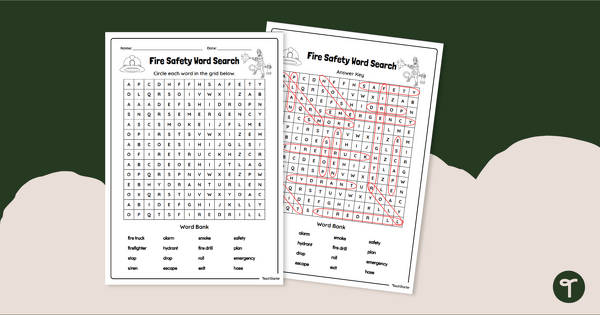
Fire Safety - Printable Word Find Worksheet
Kick off your fire safety study and explore fire-related vocabulary words with an engaging fire safety word search activity.
- Free Plan
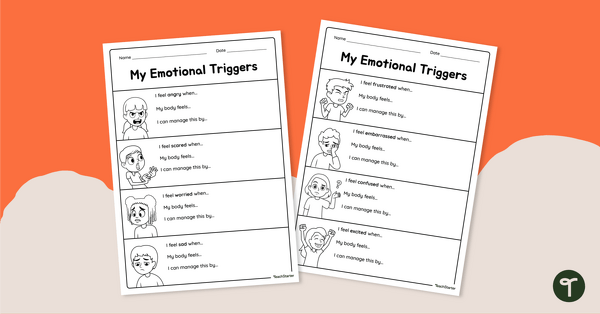
My Emotional Triggers Worksheet
Help your early years students explore the situations that trigger them to experience certain emotional responses with this 2-page emotional triggers worksheet.
- Plus Plan
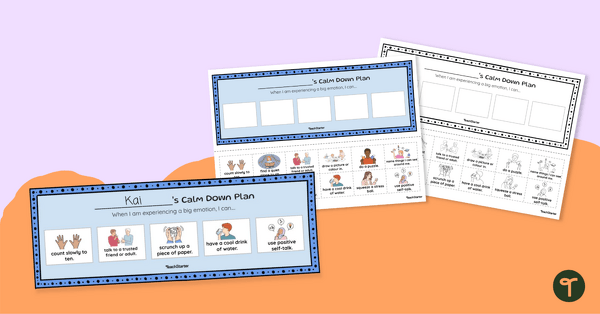
Coping Skills Desk Plates
Download and print calm-down strategy desk plates for your students so they can respond appropriately to big emotions.
- Plus Plan
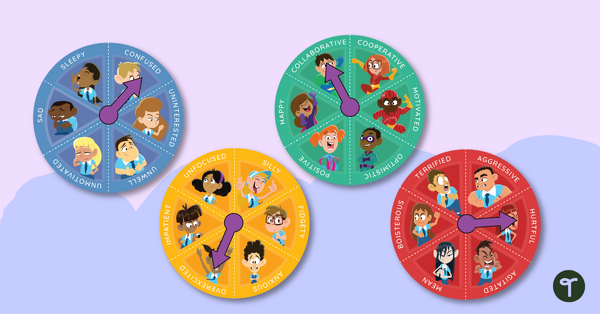
Emotional Self-Regulation – Student Mood Meter
Allow your students to communicate how they are feeling using a non-verbal, desk-sized mood meter.
- Plus Plan
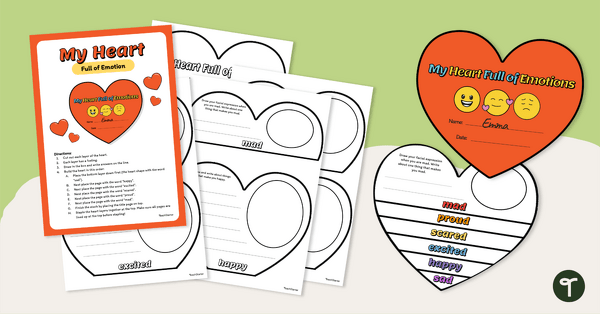
My Heart Full of Emotions Activity
Promote mindfulness and self reflection by writing out descriptions of different emotions.
- Free Plan
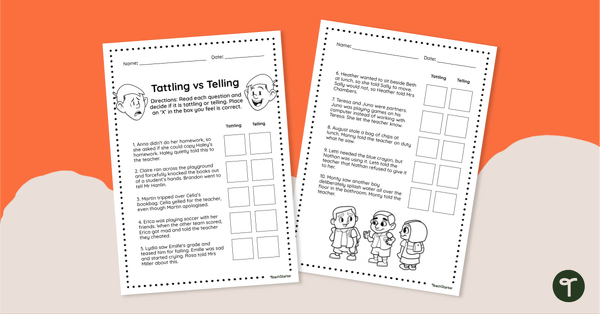
Tattling vs Telling Worksheet
Explore the differences between ‘tattling’ and ‘telling’ with this simple worksheet.
- Free Plan
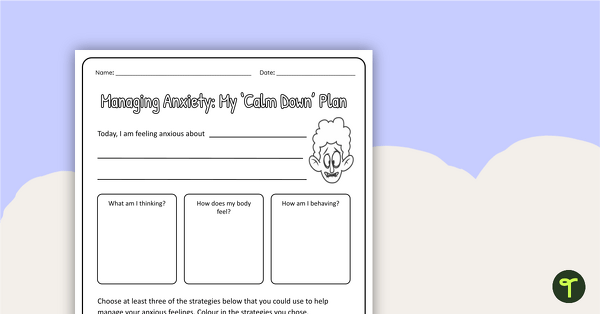
Managing Anxiety Worksheet (Lower Primary)
Help students identify and manage anxious feelings with this self-reflection worksheet.
- Free Plan
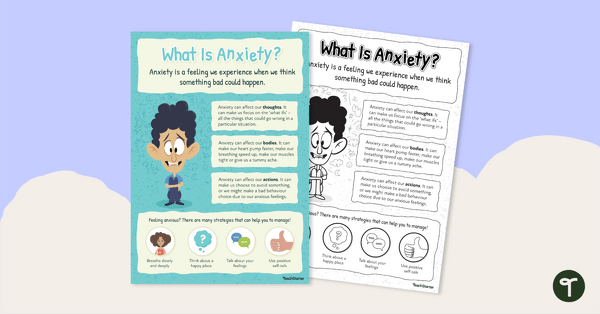
What Is Anxiety? Poster
Teach your students to understand and manage anxious feelings with this informative classroom display poster.
- Plus Plan
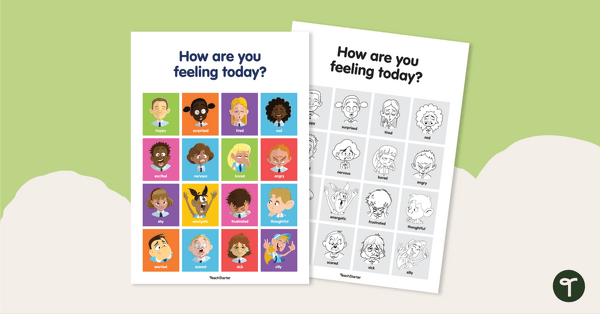
How Are You Feeling Today? Poster
Help students to recognise and identify their feelings and emotions with this colourful classroom display poster.
- Plus Plan
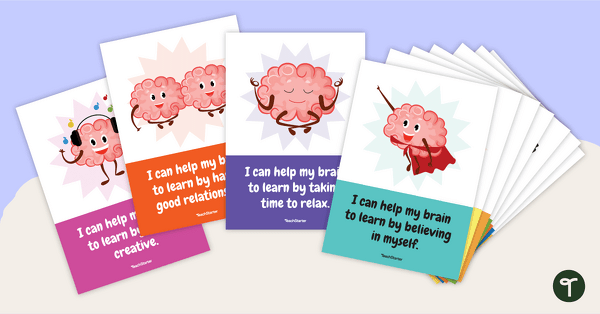
I Can Help My Brain to Learn - Posters
Display these classroom posters to remind your students of things they can do to ensure the three brains are functioning at their best.
- Plus Plan
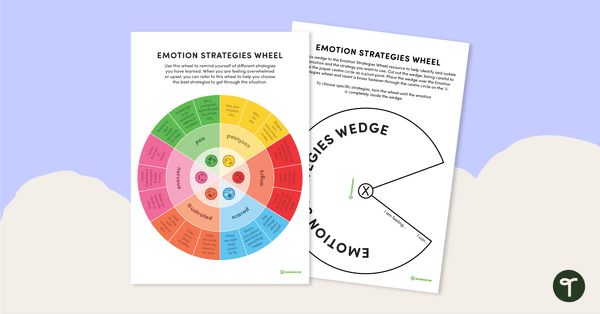
Emotion Strategies Wheel
Help your students self-regulate when they experience 'big' emotions with this hands-on emotions wheel with accompanying calming strategies.
- Plus Plan
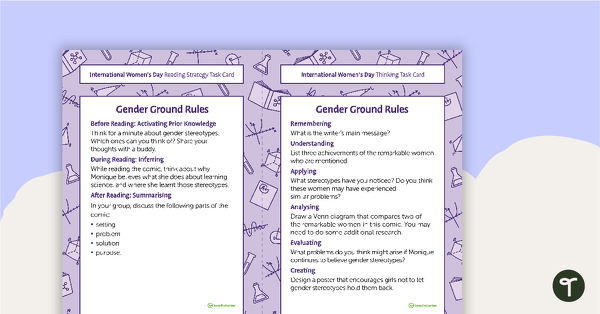
International Women's Day Gender Ground Rules – Task Cards
A set of literacy rotation task cards to be used in conjunction with the International Women's Day comic Gender Ground Rules.
- Plus Plan
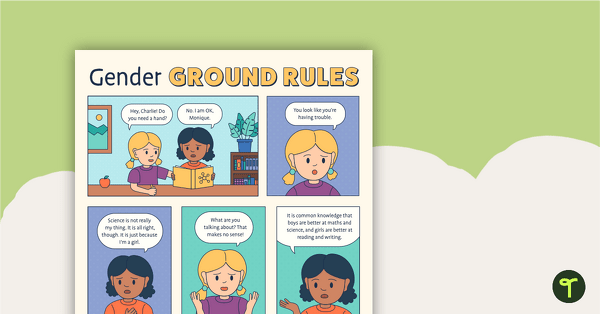
International Women's Day Gender Ground Rules – Comic
A two-page comic that shows an example of a gender stereotype about learning abilities.
- Plus Plan
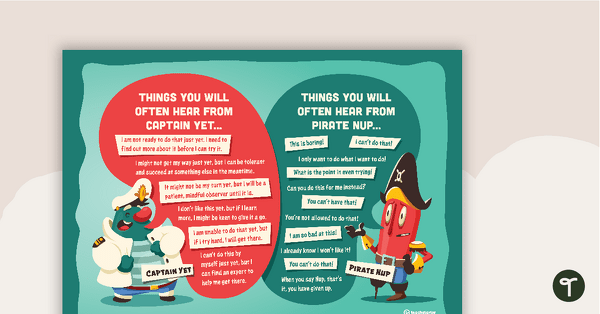
Growth Mindset Captain Yet: Yet vs Nup – Poster
A classroom display poster which compares positive and negative learning attitudes to help students focus on positive learning habits.
- Plus Plan
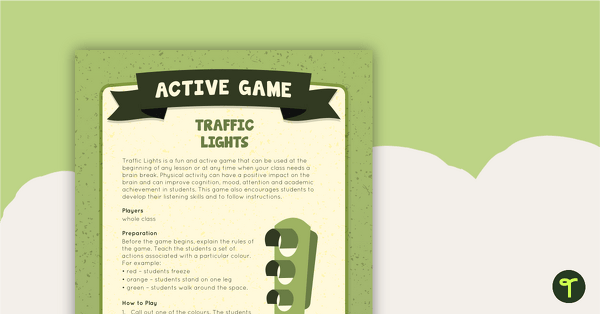
Traffic Lights Active Game
A whole class active game that encourages students to develop their listening skills and to follow instructions.
- Plus Plan
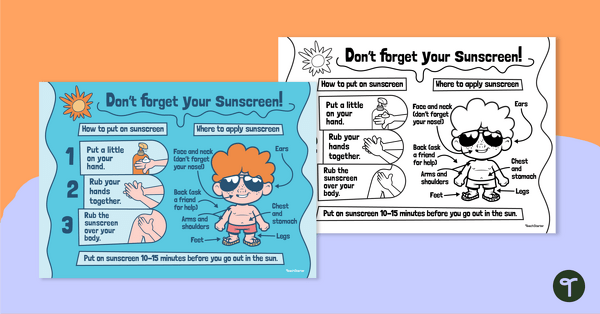
How to Apply Sunscreen Poster
Use this poster to teach your students how to apply sunscreen correctly before going out into the sun.
- Plus Plan
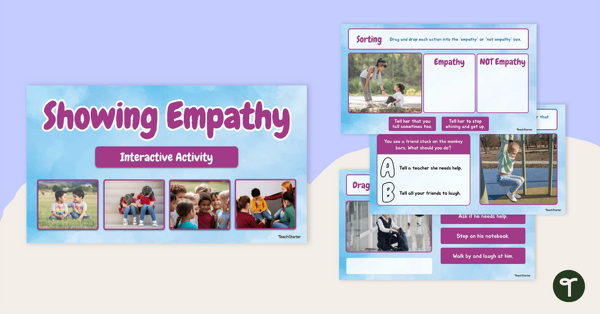
Showing Empathy Interactive Activity
Encourage your students to identify acts of empathy and determine the right thing to do in a given situation with an interactive activity designed for year 1 and 2 students.
- Plus Plan
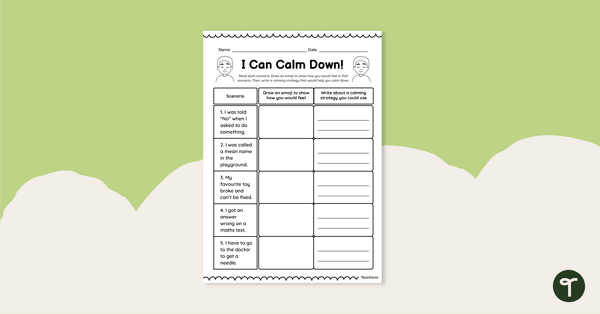
I Can Calm Down! Worksheet
Help students identify calming skills they can apply to real-world scenarios with this one-page worksheet.
- Plus Plan
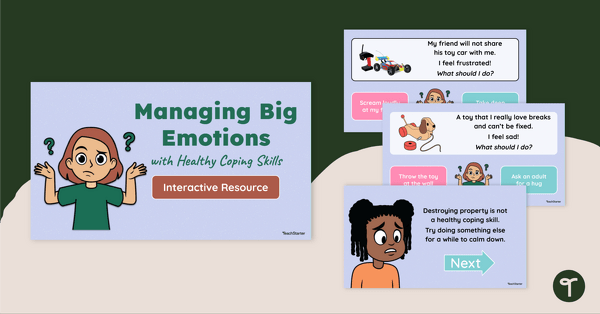
Managing Big Emotions – Interactive Activity
Teach students how to manage emotions using healthy coping skills with this interactive scenario game for the early years classroom.
- Plus Plan
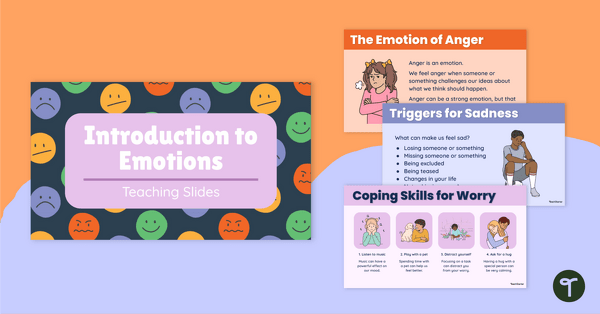
Introduction to Emotions Teaching Slides
Teach your students to understand and manage their emotions with this comprehensive teaching presentation for your social-emotional learning lessons.
- Plus Plan
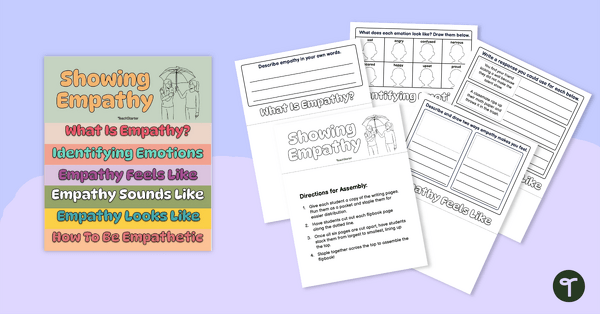
Showing Empathy Flipbook
Cultivate compassion in young minds! Download our printable empathy flipbook tailored for year 1 and 2 students.
- Plus Plan

Printable Empathy Games
Spark empathy in young hearts! Download our set of printable empathy games specially crafted for year 1 and 2 students.
- Plus Plan
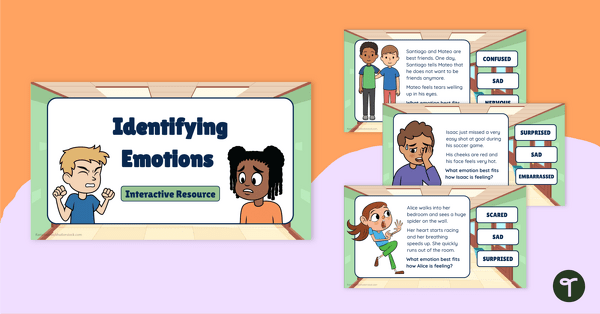
Identifying Emotions Interactive Activity
Help your students identify and explore common emotions with this engaging digital activity.
- Plus Plan
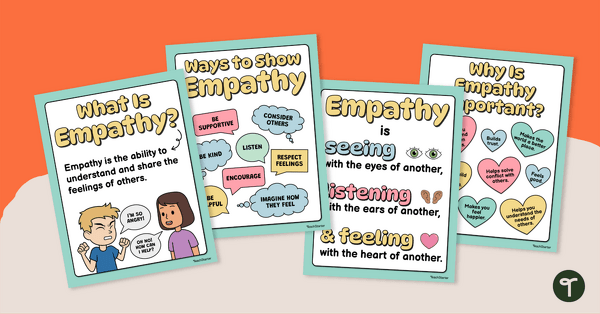
Empathy Poster Set
Enhance student understanding of empathy and why it is important with this set of 4 classroom posters.
- Plus Plan
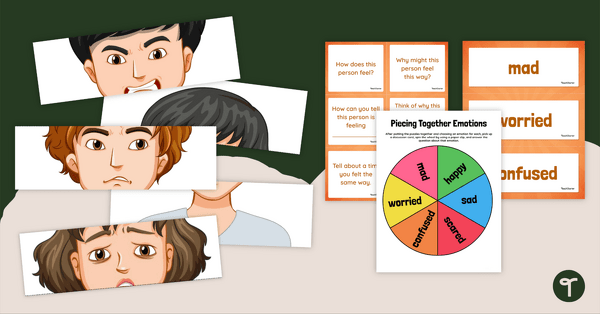
Piecing Together Emotions – Puzzle Activity
Guide your students to identify the feelings and emotions of others with this social emotional learning puzzle activity.
- Plus Plan
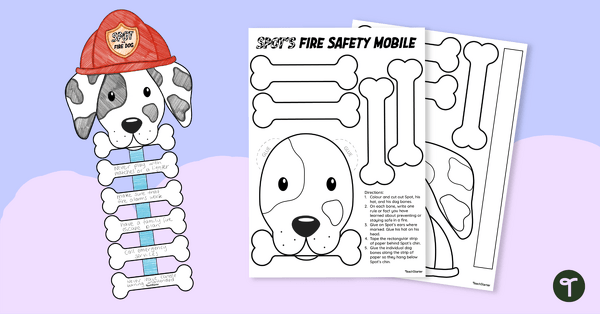
Fire Safety for Kids - Dalmatian Fire Dog Craft
Assemble a fun Spot the Fire Dog craft to demonstrate key learning points about fire safety and fire prevention.
- Plus Plan
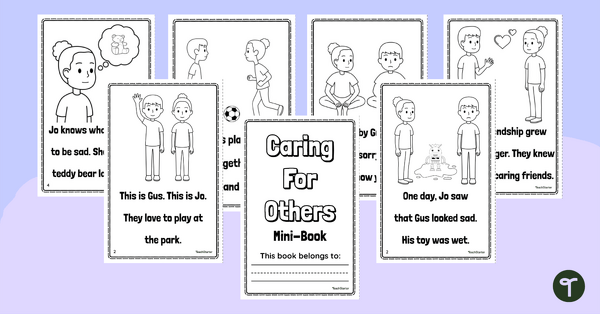
Caring for Others – Printable Empathy Book
Unlock the magic of empathy by giving your students a mini-book about how to connect, understand and make a difference through the simple act of caring.
- Plus Plan
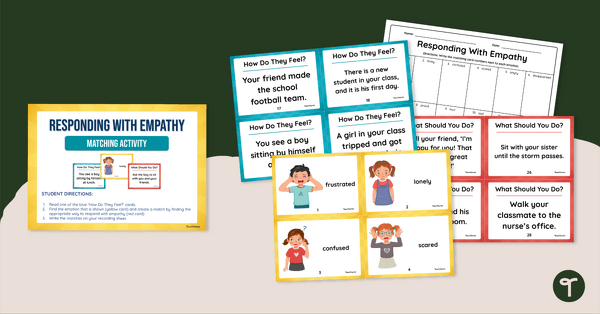
Responding With Empathy Matching Activity
Guide your students to identify emotions in others and select appropriate ways to respond with empathy with this matching activity.
- Plus Plan
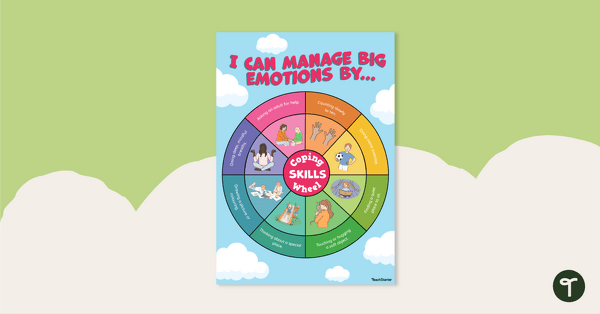
Coping Skills Wheel – Poster
Help your students learn and apply emotional self-regulation skills with this coping skills wheel of choices poster.
- Plus Plan
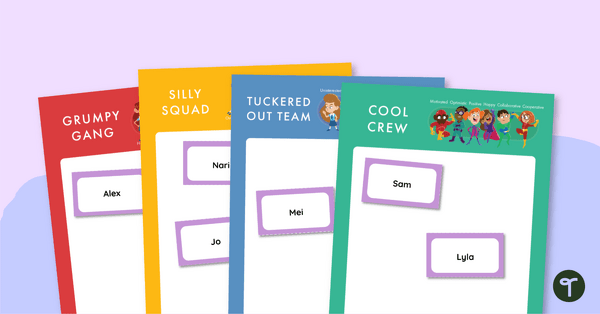
Emotional Self-Regulation Check-In Posters
Promote emotional awareness and self-regulation in your classroom with this daily mood check-in routine.
- Plus Plan
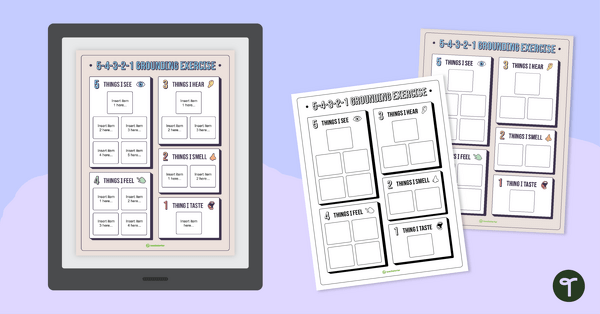
5-4-3-2-1 Grounding Exercise – Worksheet
De-escalate difficult situations with a printable grounding exercise.
- Plus Plan
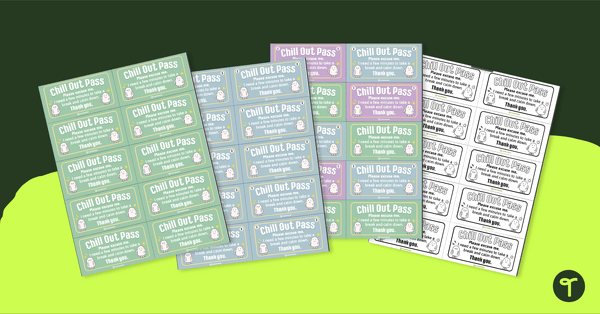
Chill Out – Classroom Break Passes
Give your students a work break to stop behavior problems before they start with our printable Chill Out Passes.