Year 1
The science inquiry skills and science as a human endeavour strands are described across a two-year band. In their planning, schools and teachers refer to the expectations outlined in the achievement standard and also to the content of the science understanding strand for the relevant year level to ensure that these two strands are addressed over the two-year period. The three strands of the curriculum are interrelated and their content is taught in an integrated way. The order and detail in which the content descriptions are organised into teaching and learning programs are decisions to be made by the teacher.
Incorporating the key ideas of science
From Foundation to Year 2, students learn that observations can be organised to reveal patterns, and that these patterns can be used to make predictions about phenomena.
In Year 1, students infer simple cause-and-effect relationships from their observations and experiences, and begin to link events and phenomena with observable effects and to ask questions. They observe changes that can be large or small and happen quickly or slowly. They explore the properties of familiar objects and phenomena, identifying similarities and differences. Students begin to value counting as a means of comparing observations, and are introduced to ways of organising their observations.
(source: www.australiancurriculum.edu.au)
Achievement Standard
By the end of Year 1, students describe objects and events that they encounter in their everyday lives, and the effects of interacting with materials and objects. They describe changes in their local environment and how different places meet the needs of living things.
Students respond to questions, make predictions, and participate in guided investigations of everyday phenomena. They follow instructions to record and sort their observations and share them with others.
(source: www.australiancurriculum.edu.au)
- Plus Plan
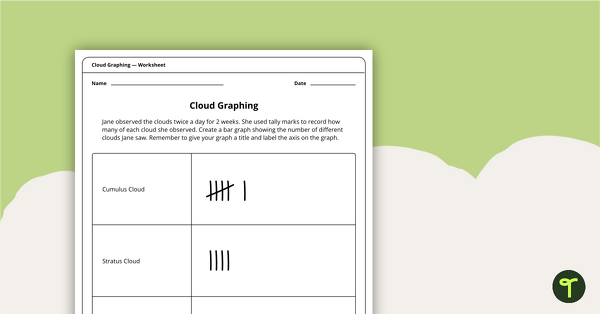
Cloud Graphing Activity
A worksheet to use when graphing cloud observations.
- Free Plan
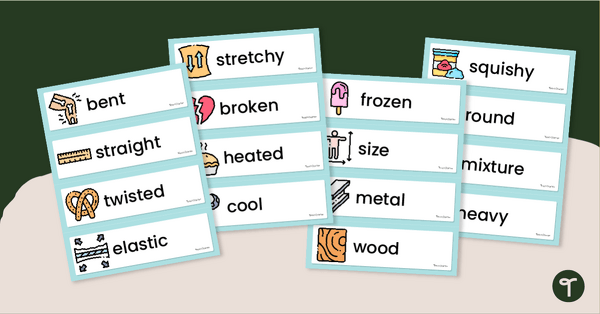
Describing Matter – Word Wall
Help your students learn to describe matter using physical properties with an illustrated matter word wall.
- Plus Plan
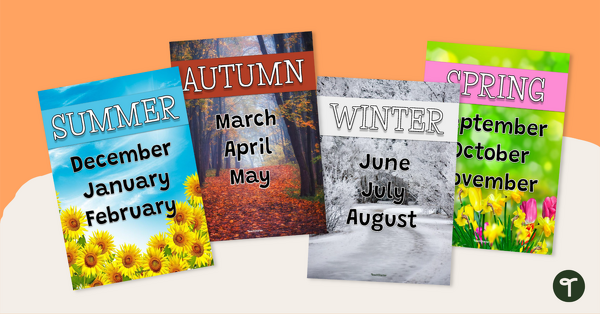
Seasons and Months Posters
Use these four months and the seasons posters to help your students to learn the seasons and their corresponding months.
- Plus Plan
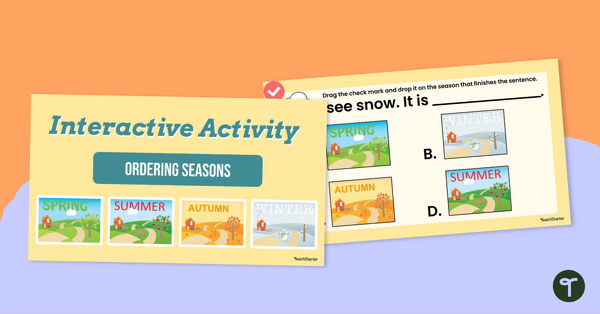
Order of Seasons Interactive Activity
Explore the order of the seasons with your students by travelling through times of the year in this interactive adventure.
- Free Plan
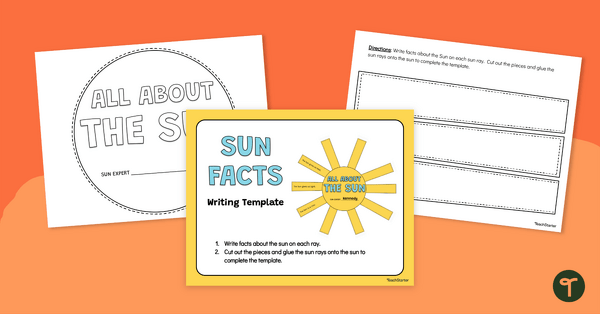
Sun Facts Writing Template
Research, write and display information about the sun with this printable sun template.
- Plus Plan
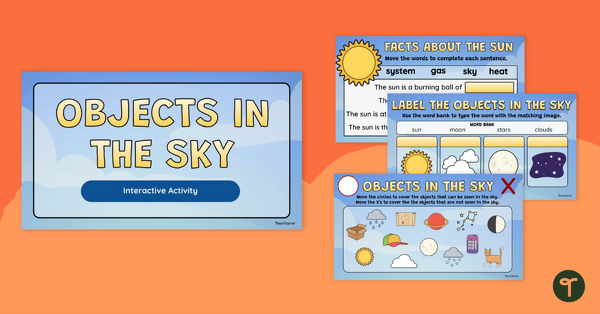
Objects in the Sky – Interactive Activity
Demonstrate an underestansding of the sun, moon, stars and clouds with this interactive activity.
- Plus Plan
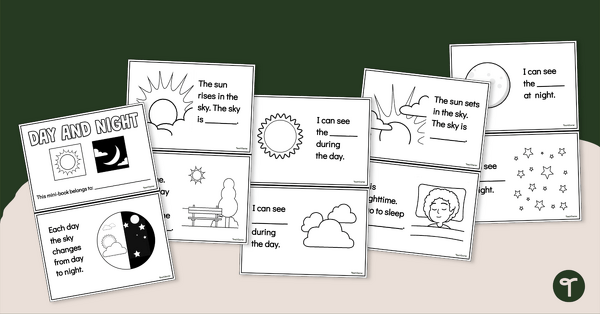
Day and Night Mini-Book
Learn about the differences between night and day with this printable mini-book.
- Plus Plan
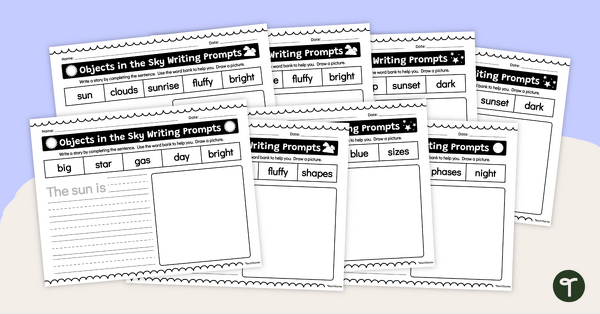
Objects in the Sky – Writing Prompts
Describe objects in the sky, such as the clouds, moon and sun, with this set of 8 space science writing prompts.
- Plus Plan
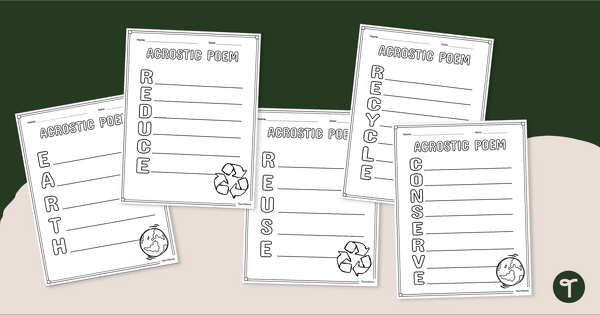
Earth Day - Acrostic Poem Template Pack
An acrostic poem template to use in the classroom to celebrate Earth Day and National Poetry Month.
- Plus Plan
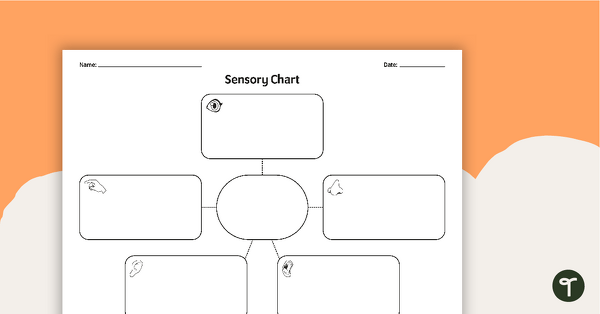
Sensory Chart Graphic Organiser
Observe and record observations of the world around you with a printable Sensory Chart Graphic Organiser.
- Plus Plan
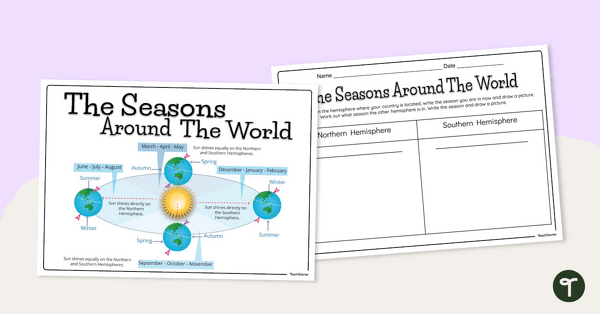
The Seasons Around the World Posters and Worksheet
Teach about the Earth's rotation around the sun and the corresponding seasons in the Northern and Southern Hemispheres with this 2-page worksheet.
- Plus Plan
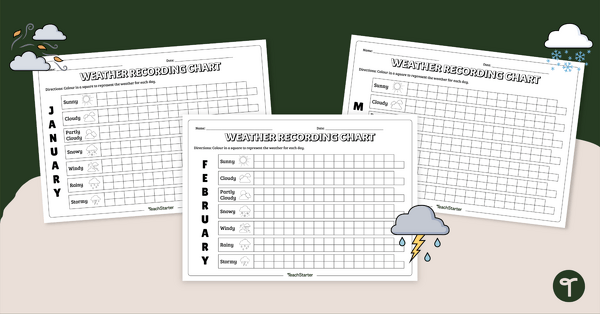
Printable Weather Recording Charts
Use these printable weather charts to graph and analyse the weather for each month.
- Plus Plan
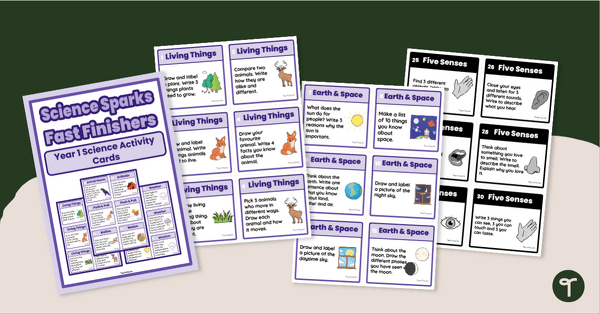
Science Sparks - Year 1 Science Activities for Fast Finishers
Grow your students’ scientific understanding during classroom downtime with Science Sparks, a collection of Year 1 science activities for fast finishers.
- Plus Plan
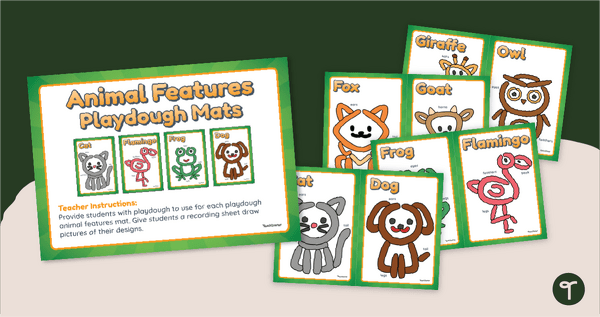
Animal Features Playdough Mats
Use our Animal Playdough Mats to introduce your Foundations students to the physical features of animals.
- Plus Plan
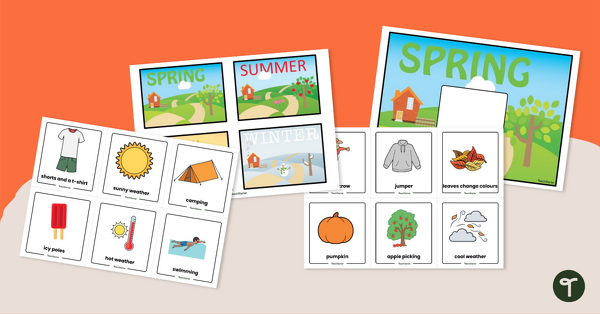
Order of Seasons Task Cards
Use these task cards to allow students to practise ordering images of seasonal changes across the year.
- Plus Plan
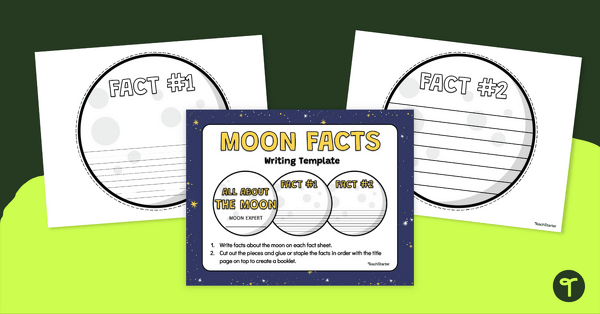
Moon Facts Writing Template
Describe and illustrate information about the moon with a printable writing template.
- Plus Plan
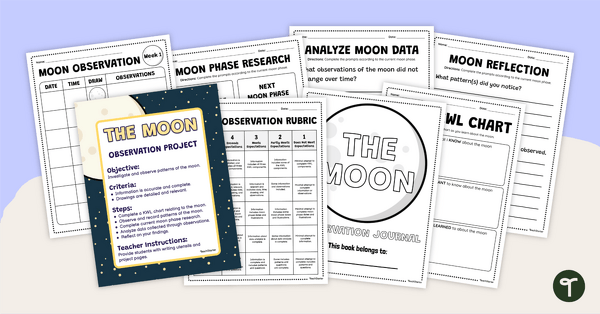
Phases of the Moon – Journal Project
Observe, describe and record patterns of the lunar cycle with this moon-tracking project.
- Plus Plan
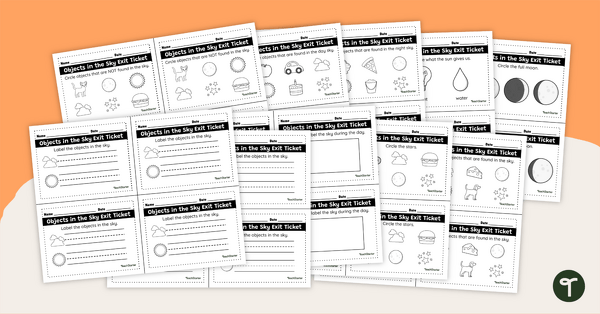
Objects in the Sky – Exit Tickets
Assess understanding of different objects in the sky with this set of 24 exit tickets.
- Plus Plan
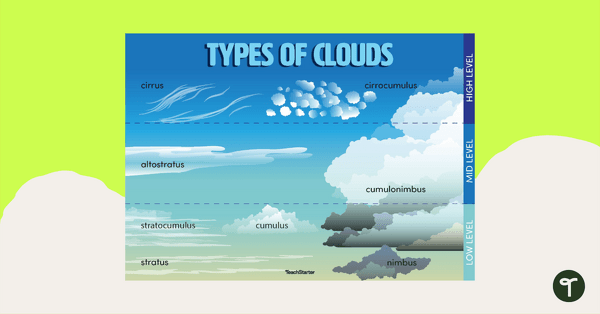
Clouds and Their Position – Poster
Learn about the different types of clouds and their position within the atmosphere with this printable poster.
- Plus Plan
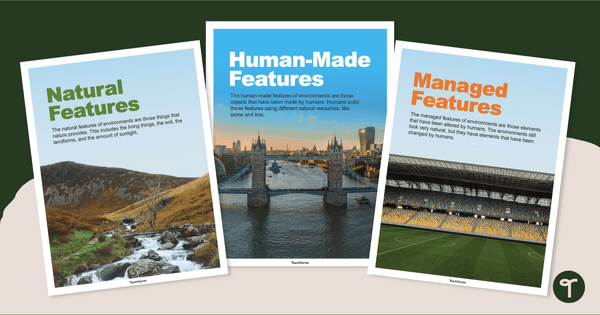
Natural, Managed, and Human-Made Features Posters
Identify the natural, manmade, and managed features of environments with printable anchor charts.
- Plus Plan
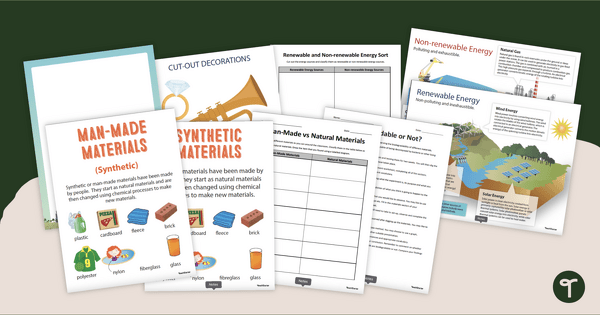
Material World Resource Pack
Learn about natural and manmade materials with a printable resource pack.
- Plus Plan
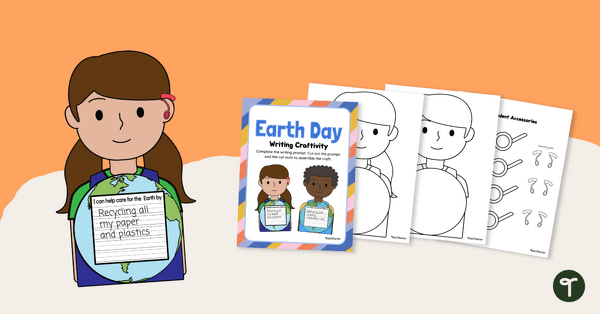
Earth Day Craft and Write
Create a fabulous Earth Day display with a printable Earth Day craft activity.
- Plus Plan
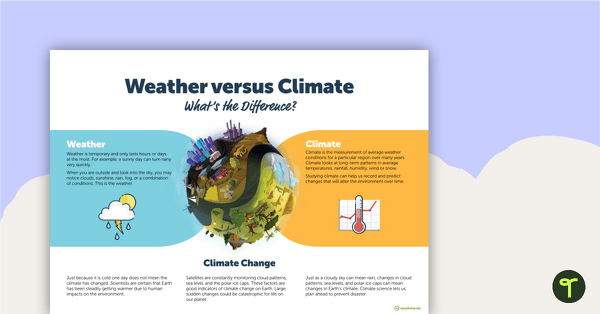
Weather versus Climate Poster
A poster explaining the difference between weather and climate.
- Plus Plan
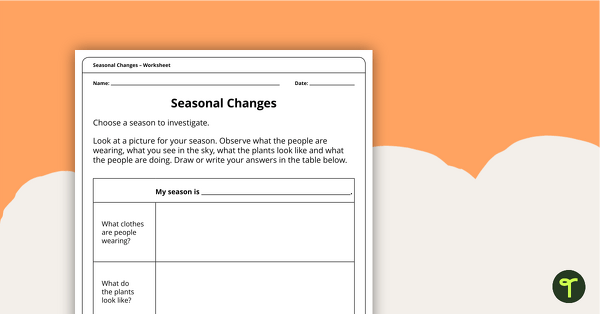
Seasonal Changes Worksheet
A worksheet the explores the observable features of the seasons.
- Plus Plan
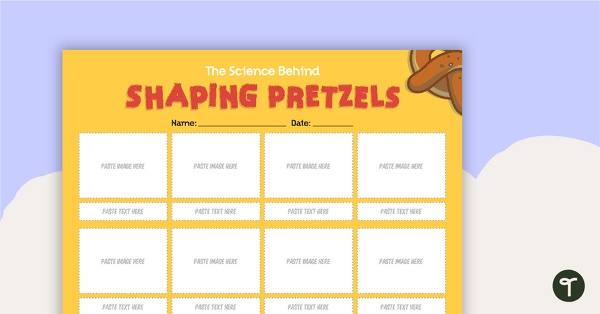
The Science Behind Shaping Pretzels – Worksheet
A worksheet to order an illustrated procedure about how to make a pretzel using scientific actions.
- Plus Plan
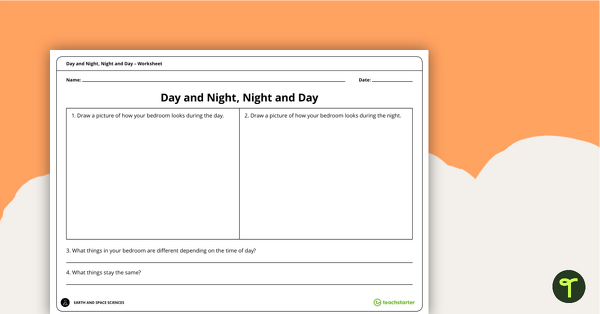
Day and Night, Night and Day Worksheet
Compare day and night with this one-page worksheet.
- Plus Plan
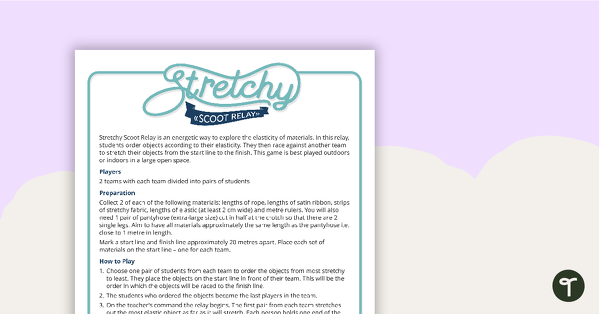
Stretchy Scoot Relay
A whole class active game to play when learning about the properties of materials.
- Plus Plan
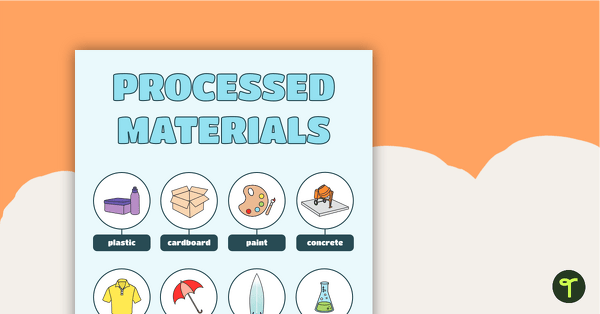
Processed Materials Poster
A poster displaying different processed materials and explaining what processed materials are.
- Plus Plan
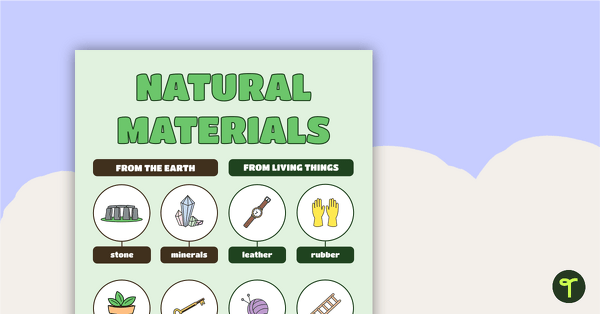
Natural Materials Poster
A poster displaying different natural materials and explaining what natural materials are.
- Free Plan
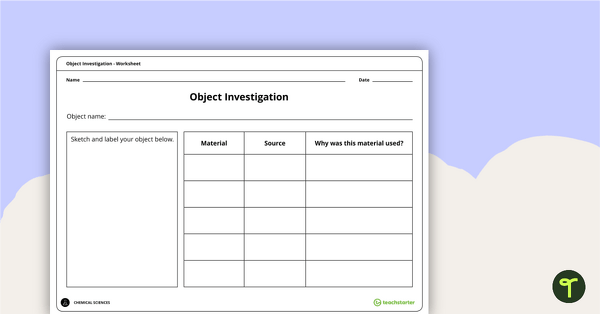
Object Material Investigation Worksheet
A worksheet for investigating the materials certain objects are made from.
- Plus Plan
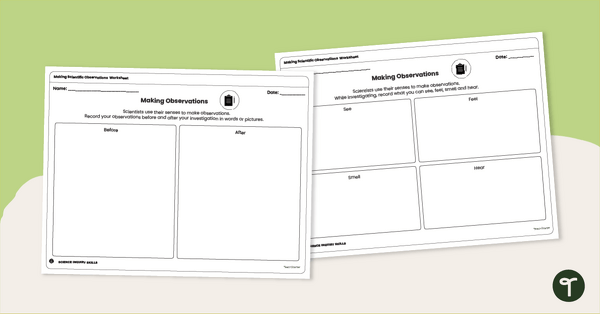
Making Scientific Observations Worksheets
Use this set of two worksheets to help your students record their own scientific observations during science experiments and projects.
- Plus Plan
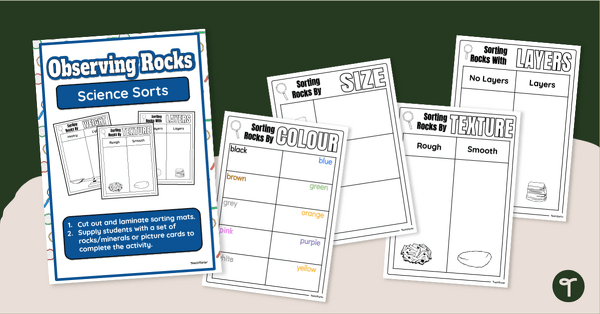
Sorting Rocks By Properties - Science Sorting Mats
Make sorting rocks by properties hands-on and engaging with our Printable Rock Properties Sorting Mats for Kindergarten through Year 3.