Year 2
The science inquiry skills and science as a human endeavour strands are described across a two-year band. In their planning, schools and teachers refer to the expectations outlined in the achievement standard and also to the content of the science understanding strand for the relevant year level to ensure that these two strands are addressed over the two-year period. The three strands of the curriculum are interrelated and their content is taught in an integrated way. The order and detail in which the content descriptions are organised into teaching and learning programs are decisions to be made by the teacher.
Incorporating the key ideas of science
From Foundation to Year 2, students learn that observations can be organised to reveal patterns, and that these patterns can be used to make predictions about phenomena.
In Year 2, students describe the components of simple systems, such as stationary objects subjected to pushes or pulls, or combinations of materials, and show how objects and materials interact through direct manipulation. They observe patterns of growth and change in living things, and describe patterns and make predictions. They explore the use of resources from Earth and are introduced to the idea of the flow of matter when considering how water is used. They use counting and informal measurements to make and compare observations and begin to recognise that organising these observations in tables makes it easier to show patterns.
(source: www.australiancurriculum.edu.au)
Achievement Standard
By the end of Year 2, students describe changes to objects, materials and living things. They identify that certain materials and resources have different uses and describe examples of where science is used in people’s daily lives.
Students pose and respond to questions about their experiences and predict outcomes of investigations. They use informal measurements to make and compare observations. They record and represent observations and communicate ideas in a variety of ways.
(source: www.australiancurriculum.edu.au)
- Plus Plan
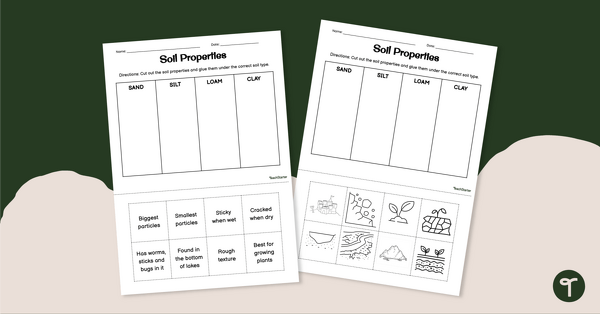
Soil Properties Cut and Paste Worksheet
Download this soil properties cut-and-paste worksheet to explore soil types and their properties in your science lessons.
- Plus Plan
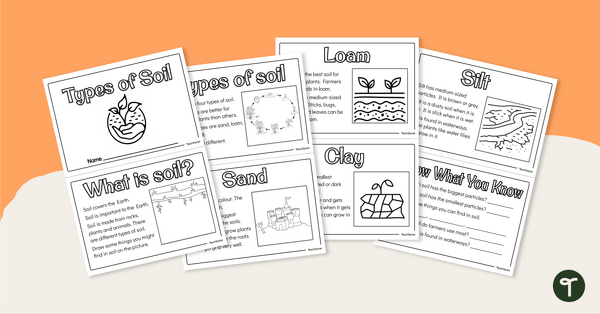
Types of Soil Mini-Book
Teach your students about the four main types of soil with this printable book, perfect for your science lessons!
- Plus Plan
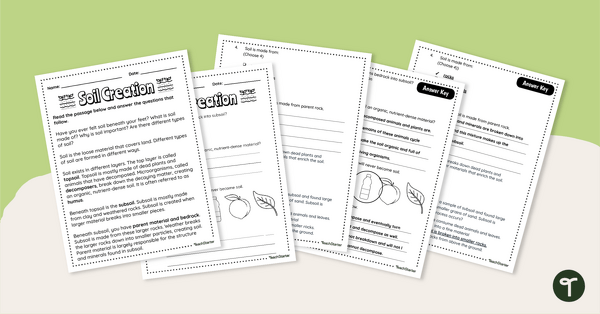
Soil Creation – Worksheet
Integrate reading and science with this 7-question comprehension worksheet about soil.
- Plus Plan
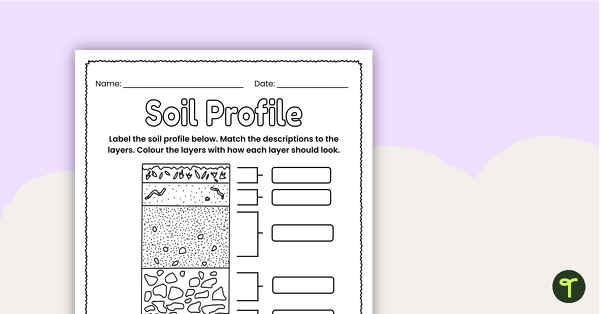
Label a Soil Profile – Worksheet
Identify and label different layers with this soil profile worksheet.
- Plus Plan
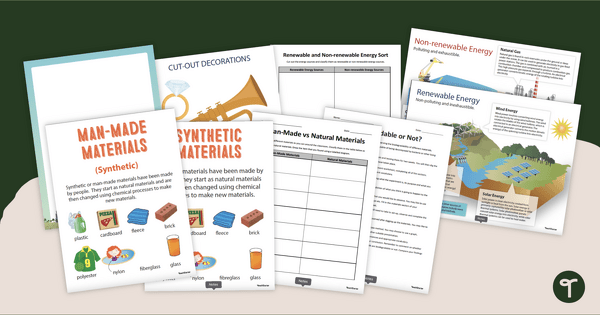
Material World Resource Pack
Learn about natural and manmade materials with a printable resource pack.
- Plus Plan
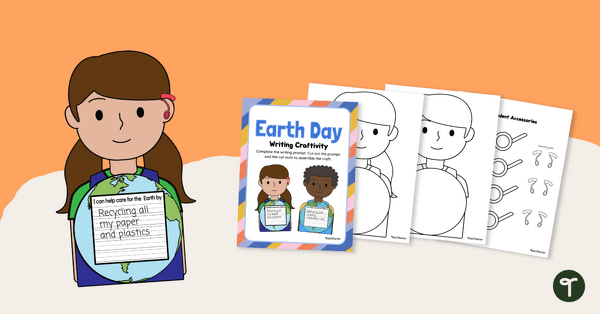
Earth Day Craft and Write
Create a fabulous Earth Day display with a printable Earth Day craft activity.
- Plus Plan
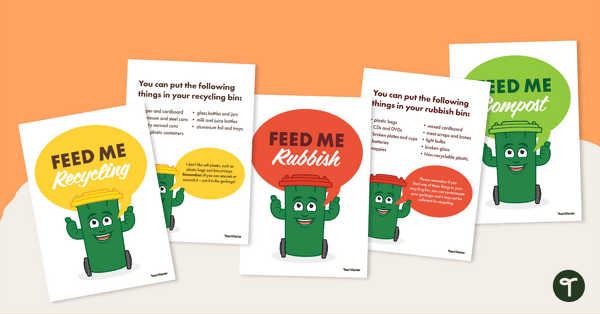
Rubbish Bin Posters - Rubbish, Recycling and Compost
Posters outlining what can be put in the different types of bins.
- Plus Plan
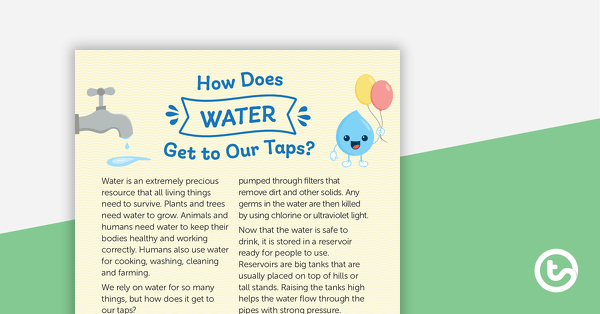
How Does Water Get to Our Taps? – Worksheet
A comprehension worksheet for an information report from the Year 2 magazine (Issue 2).
- Plus Plan
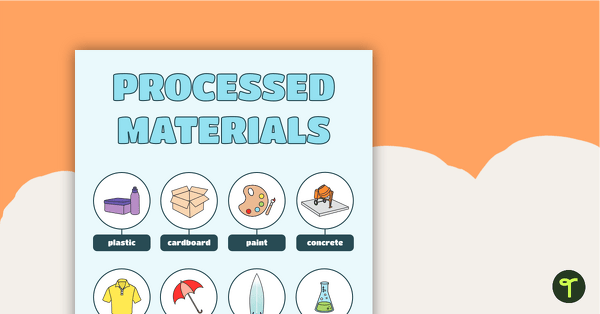
Processed Materials Poster
A poster displaying different processed materials and explaining what processed materials are.
- Plus Plan
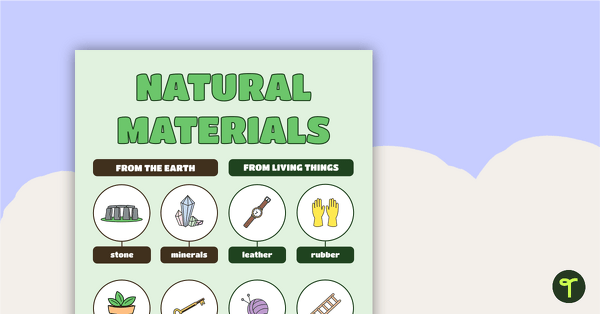
Natural Materials Poster
A poster displaying different natural materials and explaining what natural materials are.
- Free Plan
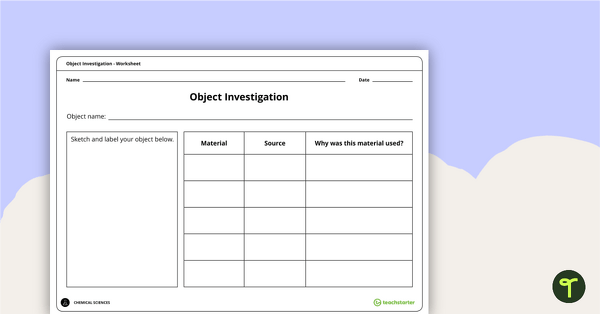
Object Material Investigation Worksheet
A worksheet for investigating the materials certain objects are made from.
- Plus Plan
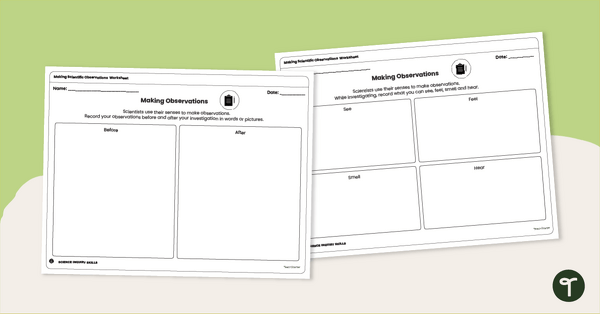
Making Scientific Observations Worksheets
Use this set of two worksheets to help your students record their own scientific observations during science experiments and projects.
- Plus Plan
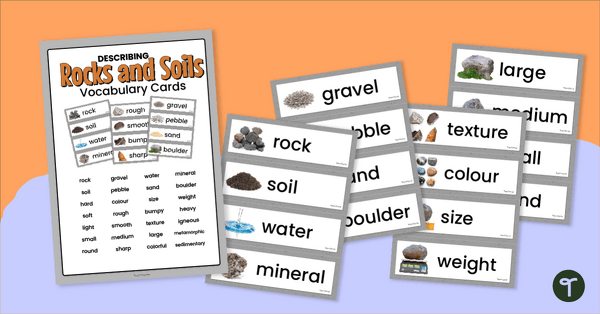
Describing Rocks and Soils Vocabulary Cards
Introduce your little learners to the academic vocabulary they need to describe rocks and minerals with a printable rocks vocabulary word wall.
- Plus Plan
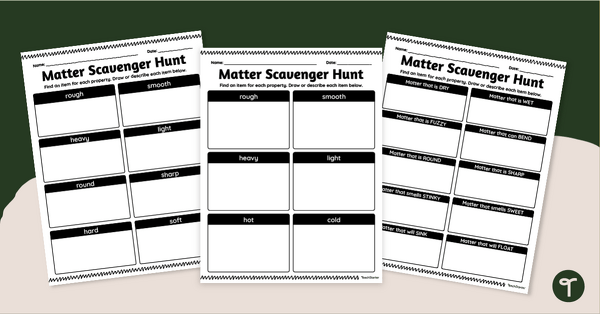
Describing Matter - Scavenger Hunt Activities
Host an engaging science scavenger hunt to introduce your early years students to the observable properties of matter.
- Plus Plan
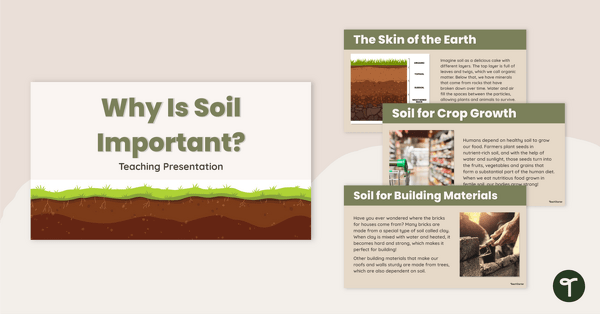
Why Is Soil Important? Teaching Slides
Explain to your students how living things depend on soil with this informative teaching presentation perfect for primary school science lessons.
- Plus Plan
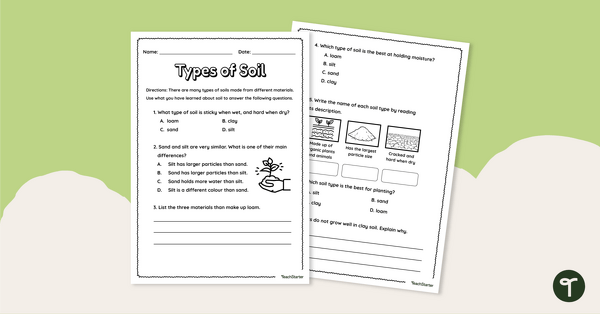
Types of Soil Worksheet
Identify and describe different soil types with this worksheet.
- Plus Plan
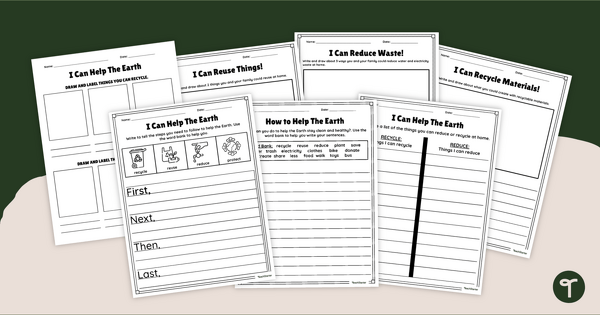
Write About It! Recycling Writing Prompt Worksheets
Differentiate writing instruction in primary grades with informational writing prompts about recycling and conservation.
- Plus Plan
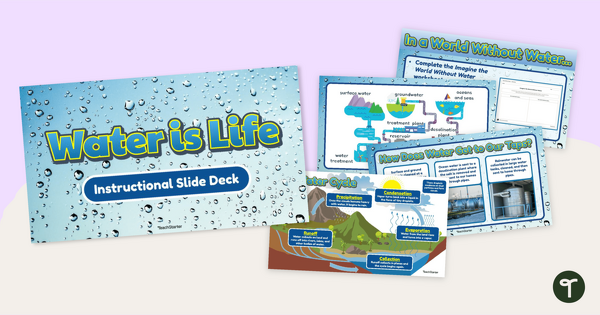
Water is Life - Instructional PowerPoint
Learn about the importance of water to life on Earth, along with where water comes from, with an instructional slide deck.
- Plus Plan
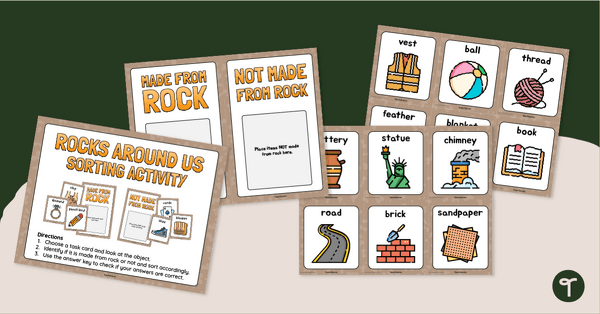
What is Made of Rock? Sorting Activity
Discover ways people use rocks to produce everyday objects with an engaging sorting activity.
- Plus Plan
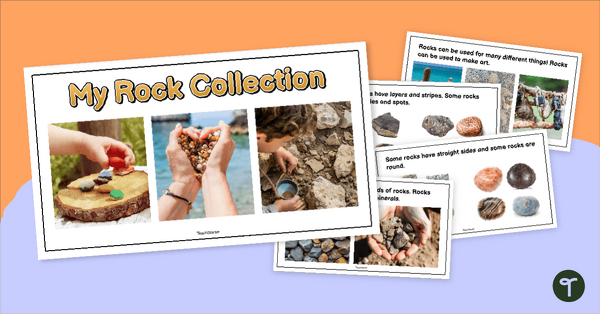
My Rock Collection - Google Slides E-Book
Introduce your students to the world of rocks and minerals with a digital Rocks book for foundation and year 1 students.
- Plus Plan
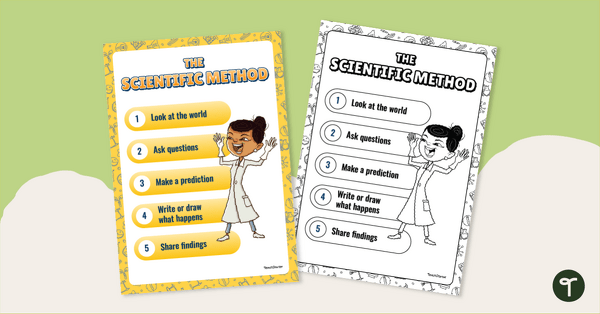
The Scientific Method Poster - Lower Years
Teach the five steps of the scientific method to younger students with a Scientific Method Poster.
- Plus Plan
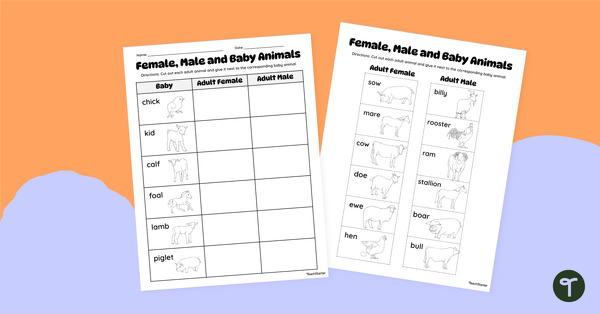
Animal Families Worksheet
Identify the names of female animals, male animals and their babies with an Animal Family Worksheet.
- Plus Plan
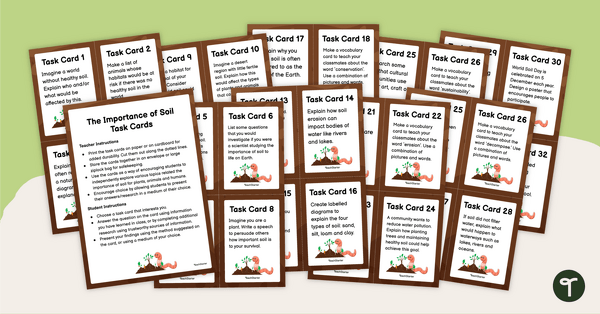
The Importance of Soil Task Cards
Have your students explore why healthy soil is so important for plants, animals and humans with this set of 32 student task cards.
- Plus Plan
Seasonal Change Display Banner Lettering
Create a science display board for your Seasons unit, beginning with this visually engaging Seasonal Changes banner.
- Plus Plan
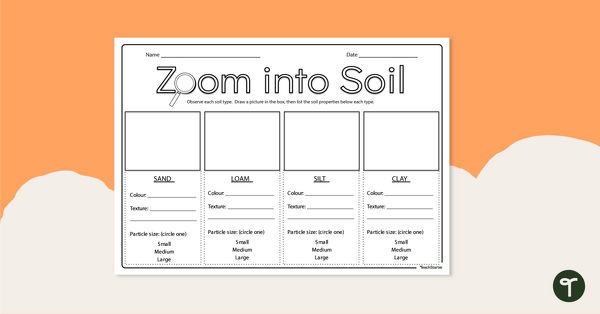
Observing Soil Worksheet
Transform your students into soil detectives as they explore the colour, texture and particle size of various soil types.
- Plus Plan
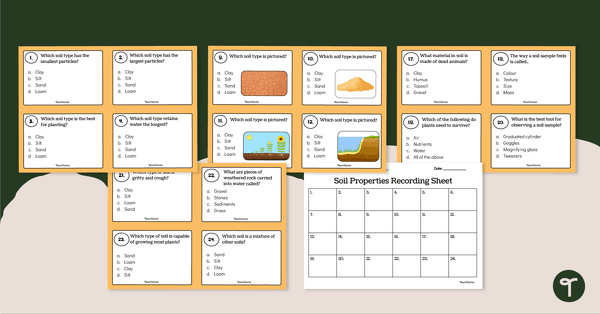
Properties of Soil Task Cards
Review the properties of the most common soil types with this set of 24 multiple-choice task cards.
- Plus Plan
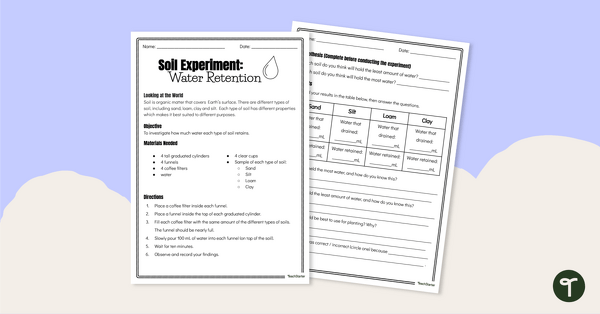
Water Retention in Soils – Science Experiment
Explore the water retention capabilities of sand, silt, loam and clay with this science experiment for kids.
- Free Plan
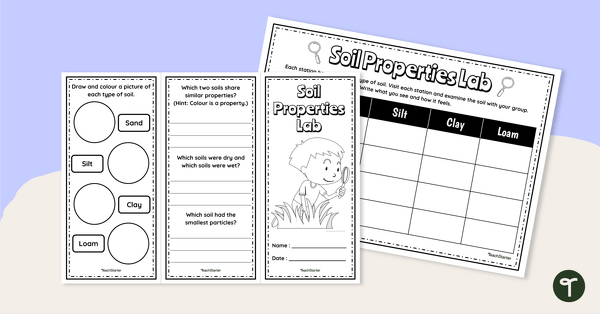
Soil Properties Lab – Brochure Template
Investigate different soil types and their properties with this hands-on activity.
- Plus Plan
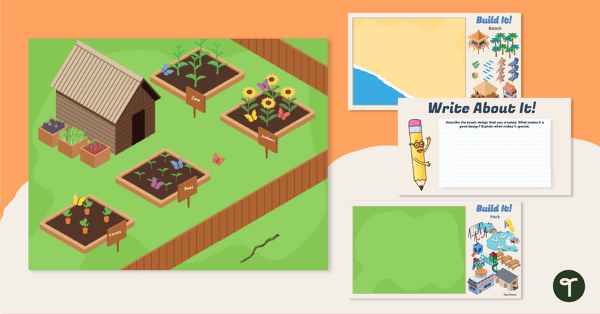
Build It! Interactive STEM Engineering Activity
Bring engineering into the digital classroom with an interactive design project.
- Plus Plan
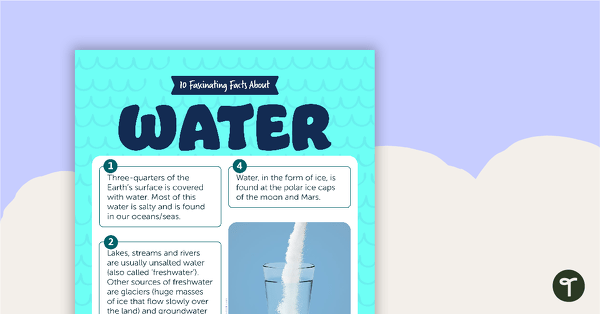
10 Fascinating Facts About Water – Worksheet
A comprehension worksheet for a magazine article from the Year 2 magazine (Issue 3).
- Plus Plan
Water is Life Teaching Resource Pack
A collection of Water is Life teaching resources including posters, worksheets and activities for teaching about how we use water and where it comes from.