Literature
- Plus Plan
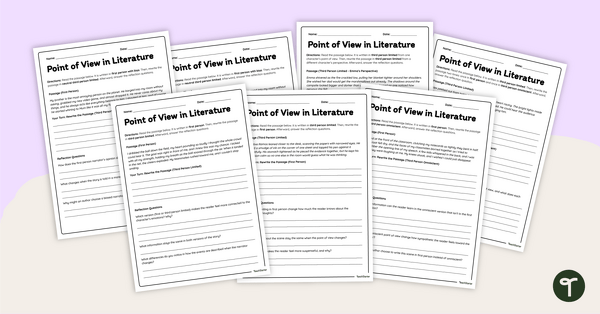
Voice in Narrative Writing Prompts
Explore voice in narrative with this set of engaging worksheets that require students to write literary passages in different points of view.
- Plus Plan
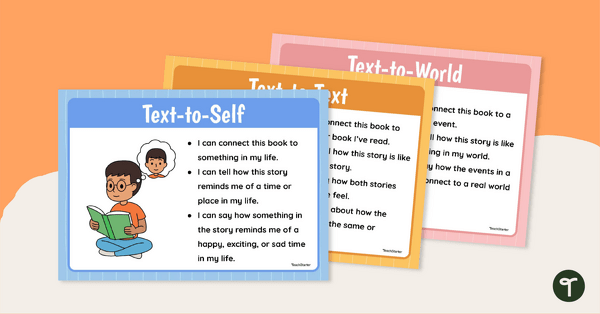
Making Connections Text to Self Poster Pack
Explore making connections with these text to self, text to text and text to world posters for the classroom.
- Plus Plan
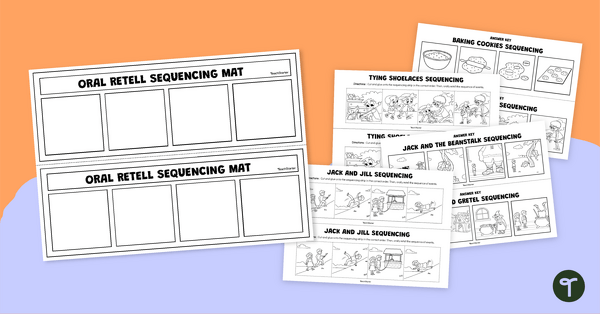
Oral Retell Sequencing Mats
Explore oral retelling with this set of oral retell sequencing mats for a variety of fairy tales and everyday activities.
- Free Plan
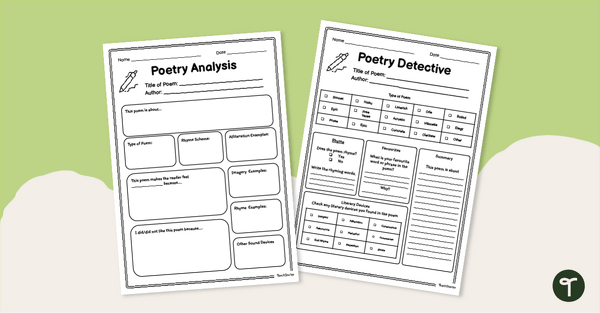
Poetry Analysis Worksheet Pack
Analyse and comprehend a variety of poetry types with a printable Poetry analysis worksheet pack.
- Plus Plan
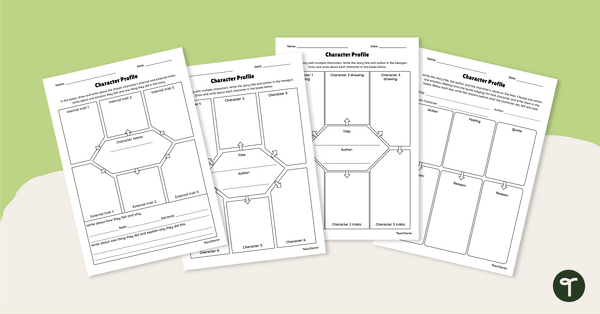
Character Profile - Graphic Organisers
Explore the internal and external traits of story characters with a set of differentiated graphic organisers.
- Plus Plan
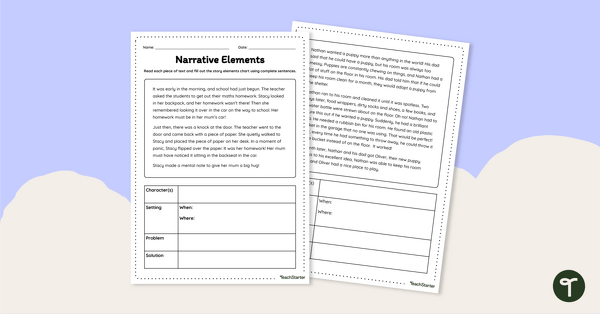
Narrative Elements - Worksheet
Practise identifying characters, settings, problems and solutions in fictional texts with this set of worksheets.
- Plus Plan
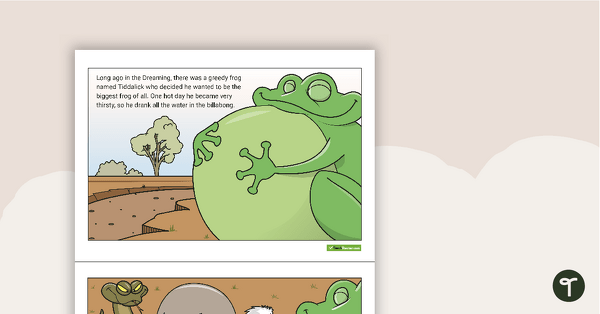
Tiddalick the Frog Dreaming Story Sequencing Activity Cards
Use these Tiddalick the Frog sequencing activity cards as a resource for teaching Australian Dreaming Stories.
- Plus Plan
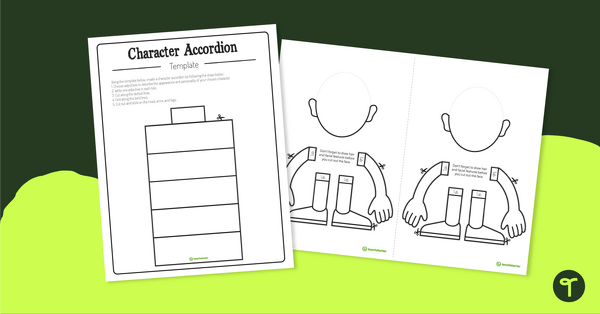
Character Adjective Concertina Template – Blank
Learn how adjectives can be used to describe a character's appearance and personality with a hands-on craft activity aligned to the English curriculum.
- Plus Plan

Five Senses Imagery Teaching Slides
Teach five senses imagery with an engaging slide deck that helps students understand how authors use descriptive language to create vivid mental pictures and richer reading experiences.
- Plus Plan
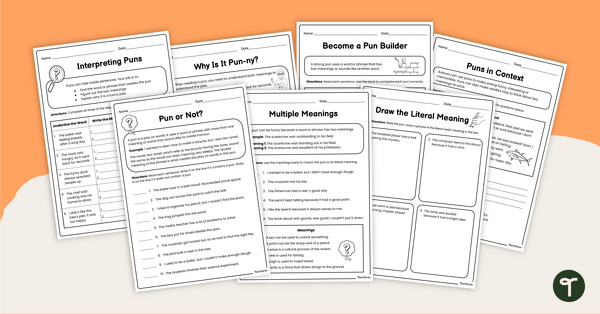
Puns Worksheet Pack
Teach word play to your students with this puns worksheet pack, designed to help learners recognise how multiple meanings can create humour in writing.
- Free Plan
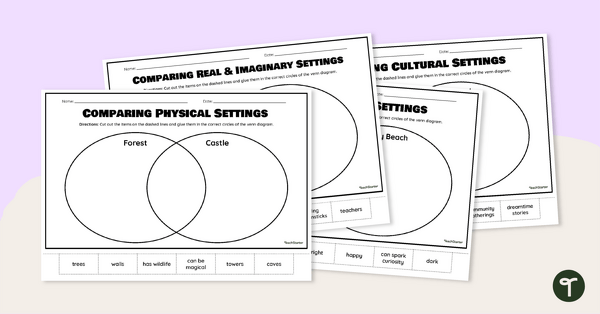
Comparing Story Settings Venn Diagrams
Explore different story settings using this set of Story Setting Comparison Venn Diagram pack.
- Plus Plan
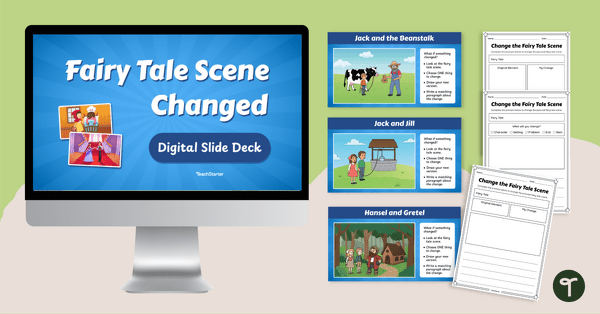
Fairy Tale Scene Flip Activity
Use this Fairy Tale setting flip activity to explore fractured fairy tales and the elements and vocabulary that make up a setting in a narrative
- Plus Plan
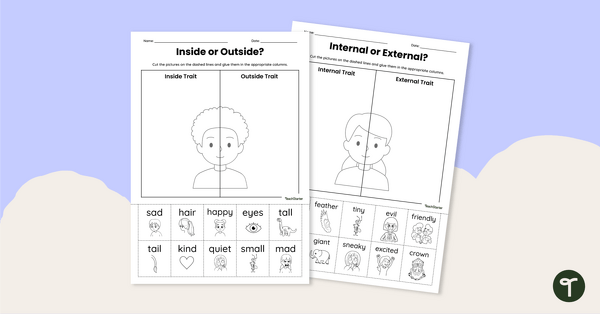
Internal and External Character Traits - Cut and Paste Worksheet
Explore the internal and external traits of story characters with this differentiated cut-and-paste worksheet.
- Plus Plan
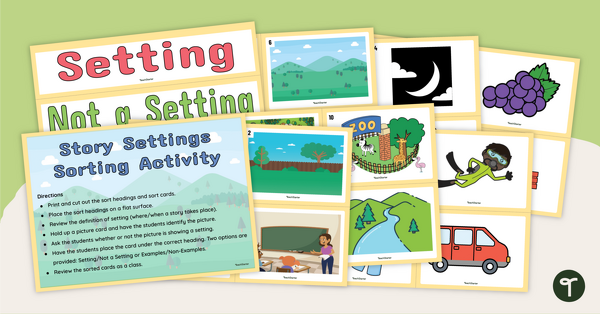
Story Setting or Not? - Sorting Activity
Explore the difference between story settings and non-settings with this hands-on sorting activity.
- Plus Plan
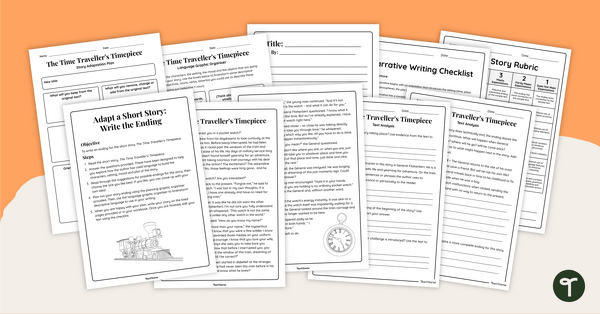
Adapt a Short Story – Write the Ending
Get your students to write the ending of an existing story with this engaging and fully scaffolded writing project booklet.
- Plus Plan
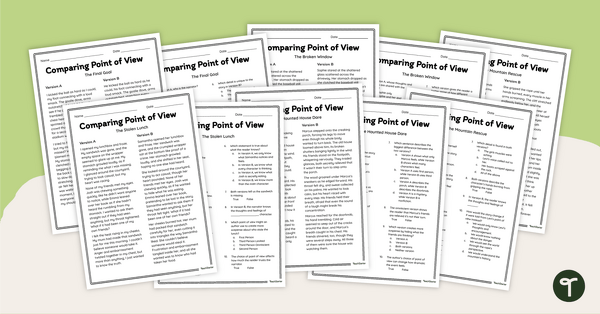
Comparing Narrative Voice Worksheets
Teach how narrative voice shapes the reader's experience of texts with this set of worksheets where students compare passages written from different points of view.
- Plus Plan
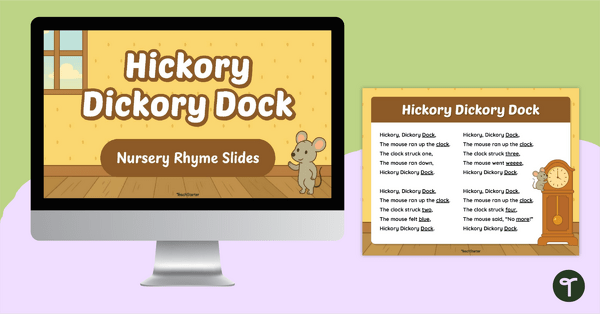
Hickory Dickory Dock – Nursery Rhyme Poster and PowerPoint
Use this “Hickory Dickory Dock” nursery rhyme poster and PowerPoint to teach your youngest students about rhyme, rhythm and counting.
- Plus Plan
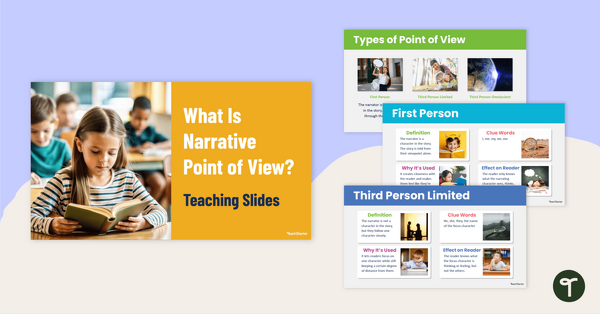
What Is Narrative Voice? Teaching Slides
Answer the question “What is narrative voice?” with this engaging slide deck that helps students understand first person, third person limited and third person omniscient narration.
- Plus Plan
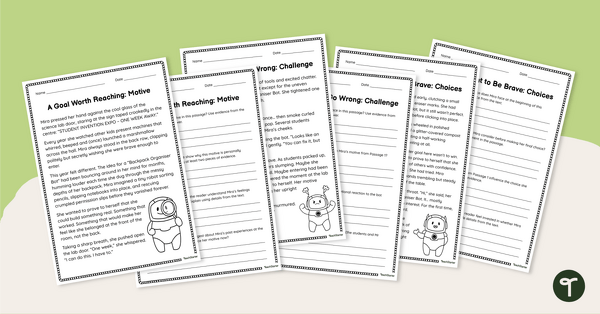
Character Development – Text Analysis Worksheets
Explore character development in narrative writing with this set of three engaging worksheets that help students understand how motivations, challenges and choices shape a character’s growth.
- Plus Plan
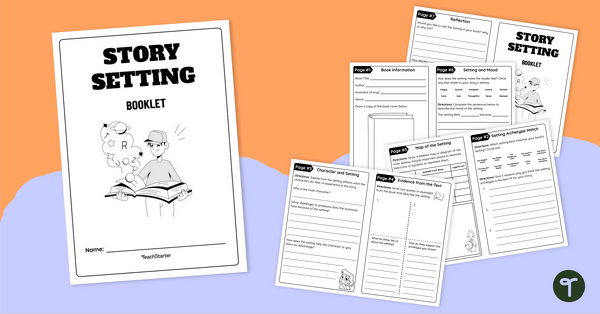
Story Settings Booklet
Explore common story settings in literature with this engaging 8-page mini book that helps students analyse settings from their own reading.
- Plus Plan
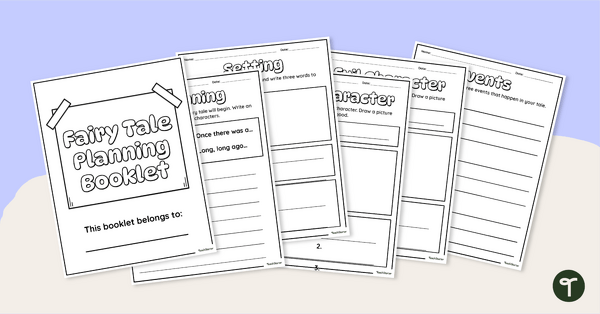
Fairy Tale Writing Templates
Use these structured pages to support storytelling and writing of fairy tales with your students.
- Plus Plan
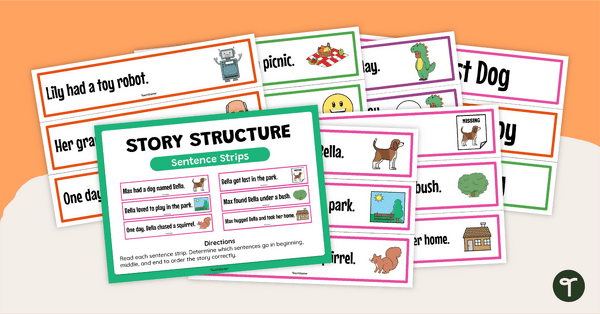
Story Structure Sentence Strips
Explore sentences that form the beginning, middle and end of 5 short stories with this sorting activity for younger year levels.
- Plus Plan
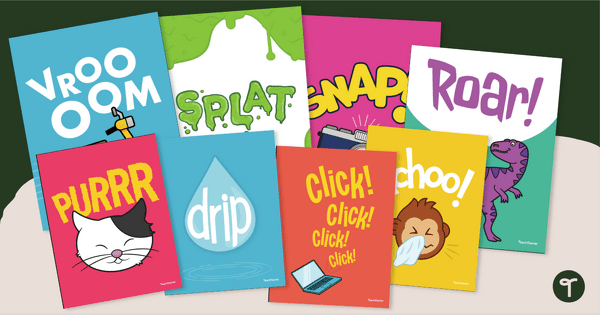
Figurative Language Posters – Onomatopoeia
Help young readers and writers recognise onomatopoeias with a set of onomatopoeia classroom posters.
- Plus Plan
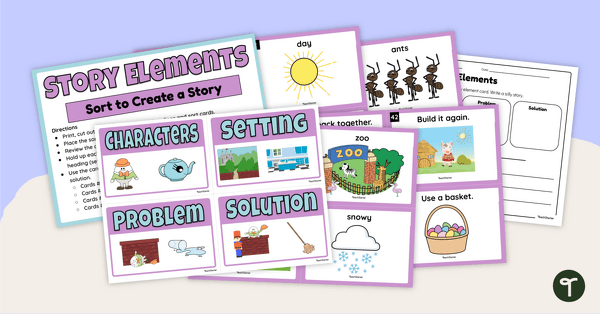
Create a Silly Story – Sorting Activity
Explore story characters, settings, problems and solutions by creating a silly story!
- Plus Plan
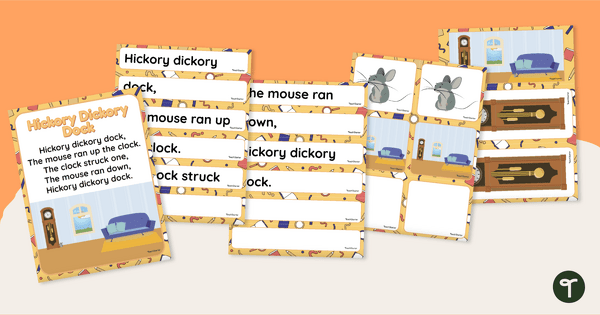
Hickory Dickory Dock Sequencing Activity Cards
Read and retell the story found within the nursery rhyme Hickory Dickory Dock with a set of retell sequencing cards.
- Plus Plan
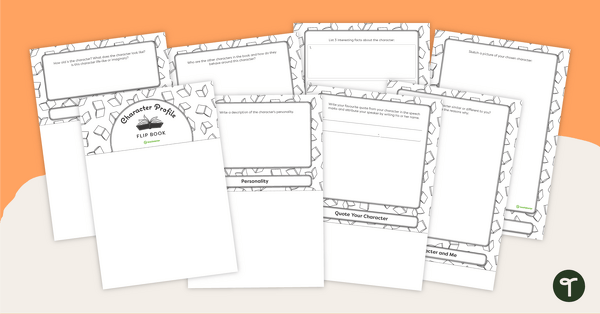
Character Profile Flip Book - Lower Primary
Explore story characters with this flipbook template for lower primary students.
- Plus Plan
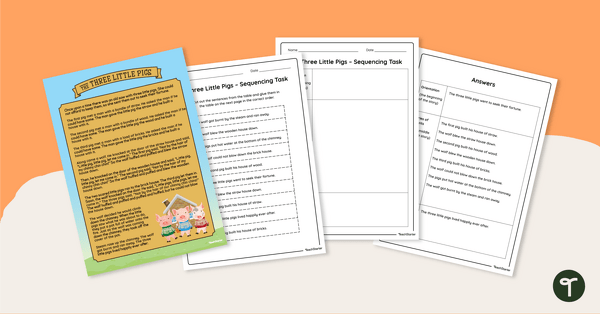
Three Little Pigs – Sequencing Worksheet
Identify the story beginning, series of events and ending with this narrative text sequencing activity.
- Plus Plan
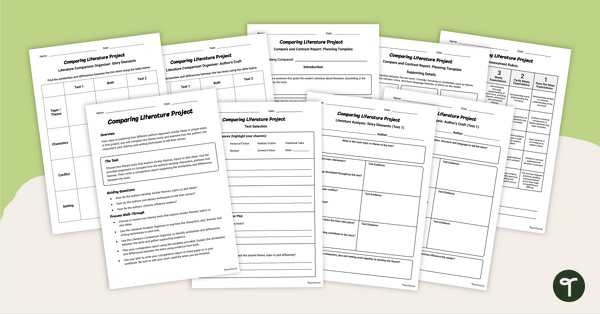
Comparing Texts with Similar Themes – Literature Project
Get your students comparing texts with this structured literary analysis project, where students identify similarities and differences between two texts based on similar themes.
- Plus Plan
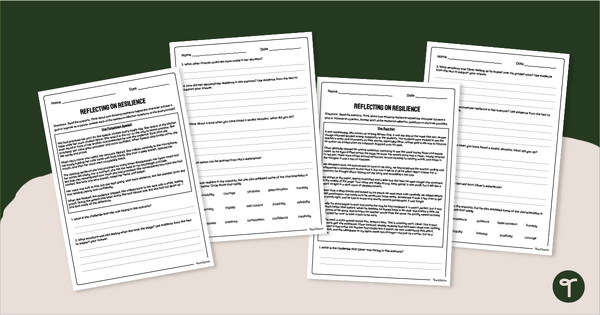
Reflecting on Resilience Worksheets (4-5)
Improve student resilience and reading comprehension skills with our Reflecting on Resilience Worksheets.
- Plus Plan
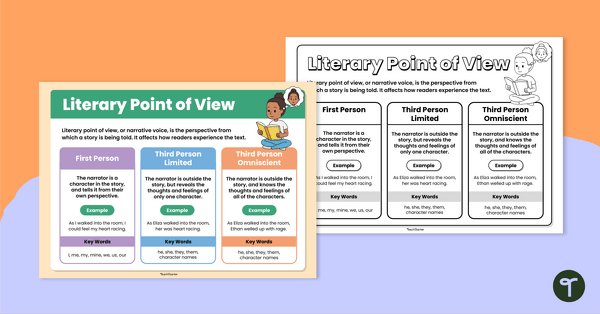
Types of Point of View in Literature Poster
Teach the types of point of view in literature with this classroom poster that explains first person, third person limited, and third person omniscient narration.
- Plus Plan
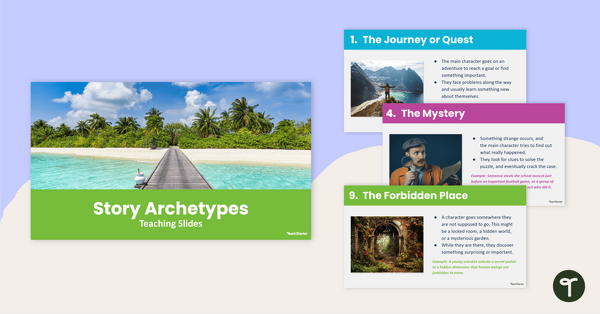
Story Archetypes Teaching Slides
Teach story archetypes with this engaging slide deck that introduces students to ten of the most common plot patterns in literature.
- Plus Plan
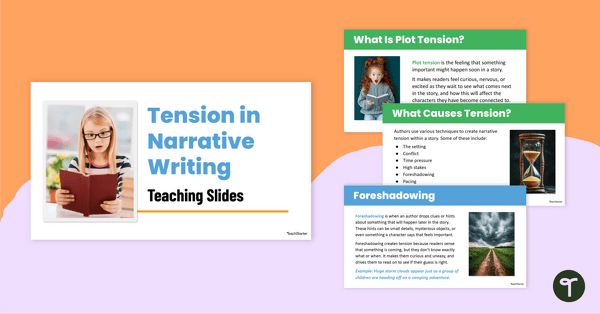
Building Tension in Narrative Writing Teaching Slides
Teach how to build tension in narrative writing with this interactive presentation that explains eight author techniques for creating suspense and excitement in stories.