EN2-UARL-01
identifies and describes how ideas are represented in literature and strategically uses similar representations when creating texts
- Plus Plan
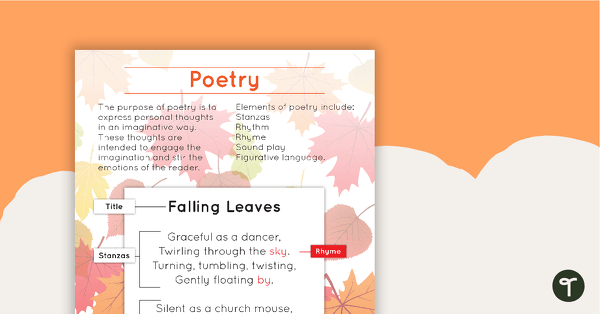
Poetry Poster with Annotations
Use this poetry poster to introduce your students to the structure and language features of poems through an annotated example.
- Plus Plan
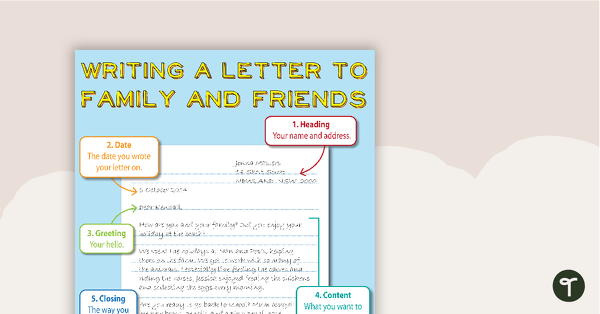
Parts of a Friendly Letter Anchor Chart
Use this parts of a friendly letter anchor chart to explain and simplify the letter-writing process for your lower primary students.
- Plus Plan
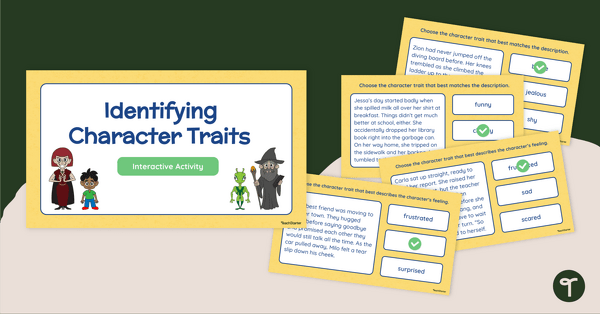
Identifying Character Traits Interactive Activity
Get your students identifying character traits with this engaging digital quiz that helps students understand how language reveals personality in writing.
- Plus Plan
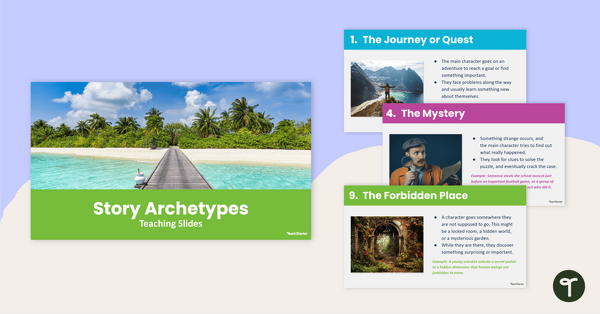
Story Archetypes Teaching Slides
Teach story archetypes with this engaging slide deck that introduces students to ten of the most common plot patterns in literature.
- Plus Plan
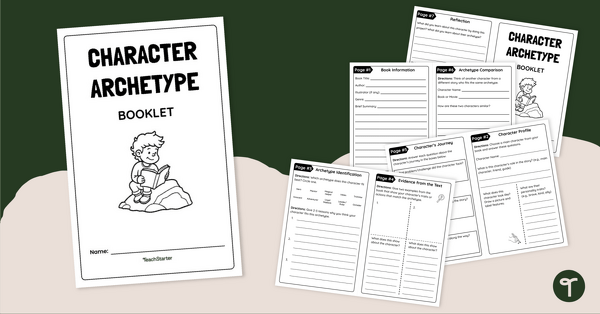
Archetype Characters Booklet
Explore archetype characters with this engaging 8-page mini book that helps students analyse a character from a book they have recently read.
- Plus Plan
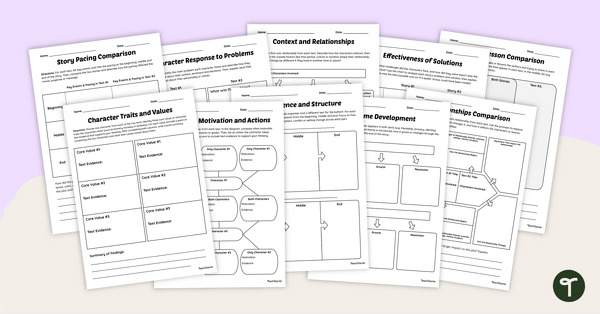
Comparing and Contrasting Texts Graphic Organisers
Support students in comparing and contrasting texts with this versatile set of graphic organisers designed to deepen comprehension and enhance classroom discussions.
- Plus Plan
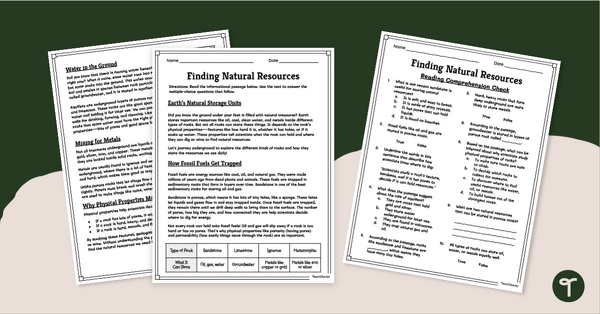
Earth’s Resources Worksheet - Natural Resources & Fossil Fuels (3-4)
Explore what's buried in rocks underground with a printable Earth’s Resources Worksheet for Year 3.
- Plus Plan
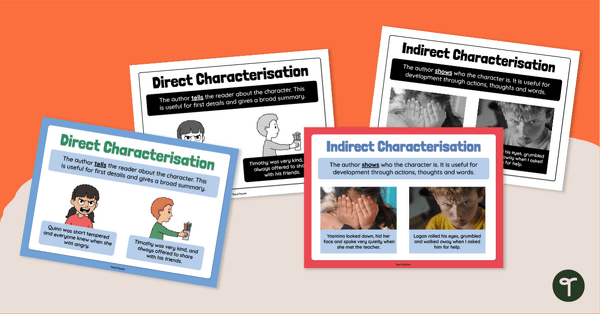
Direct and Indirect Characterisation Anchor Chart
Reference a direct and indirect characterisation anchor chart to teach your students the difference between types of characterisation.
- Plus Plan
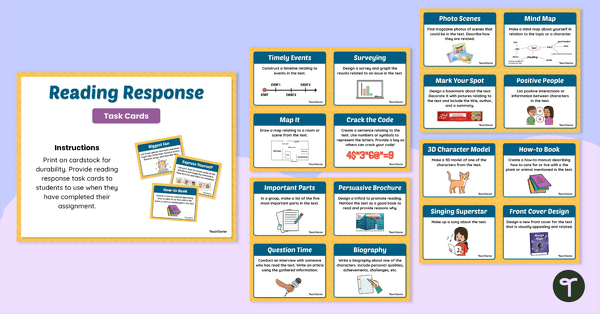
Reading Response Task Cards
Explore reading comprehension with your students using this set of reading response task cards.
- Plus Plan
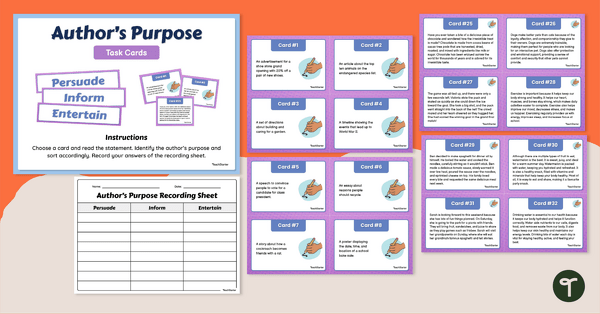
Author’s Purpose Sorting Activity
Use this author’s purpose sort to teach your students the difference between persuasive, informative and narrative writing.
- Plus Plan
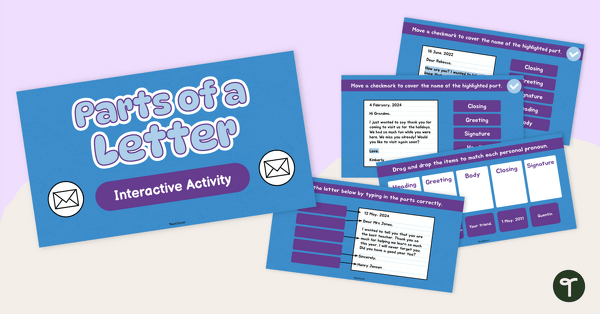
The Parts of a Letter Interactive Activity
Teach the parts of a letter with this engaging interactive activity where students learn the format of a letter through sorting and labelling exercises.
- Plus Plan
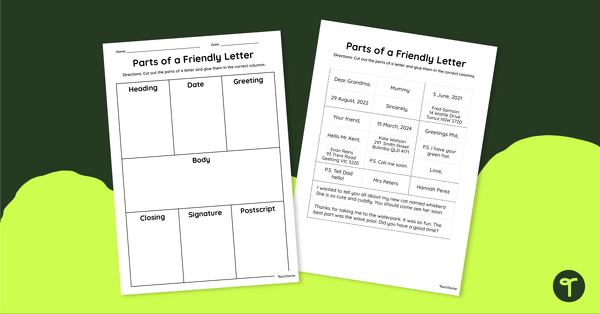
Parts of a Friendly Letter Sorting Worksheet
Teach the parts of a friendly letter with this sorting worksheet that helps students identify key letter components.
- Plus Plan
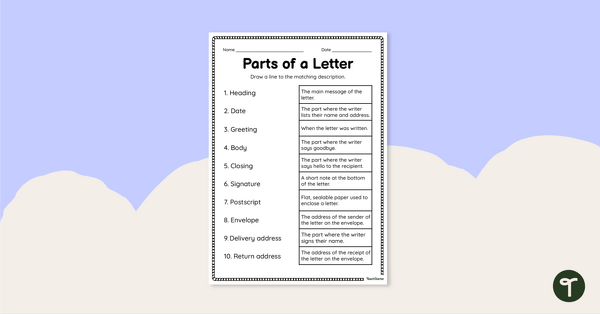
Parts of a Letter Worksheet
Download this parts of a letter worksheet to help students identify key letter-writing components and essential vocabulary.
- Free Plan
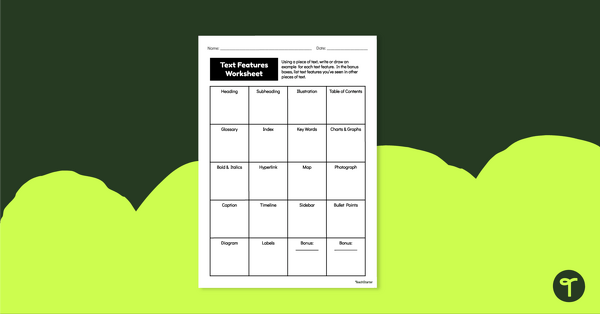
Nonfiction Text Features Worksheet
Download this nonfiction text features worksheet so students can practice locating different types of text features found in an information text.
- Plus Plan
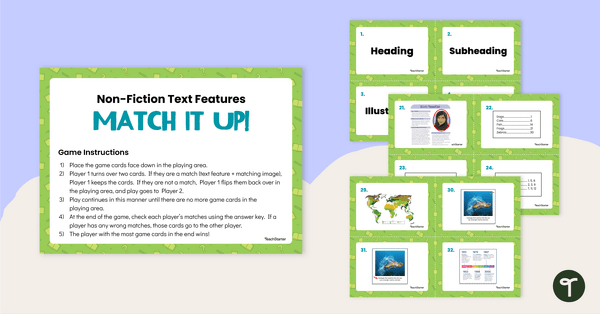
Informational Text Features: Match It Up!
Download this informational text features game to teach primary school students about the common text features of informational texts.
- Plus Plan
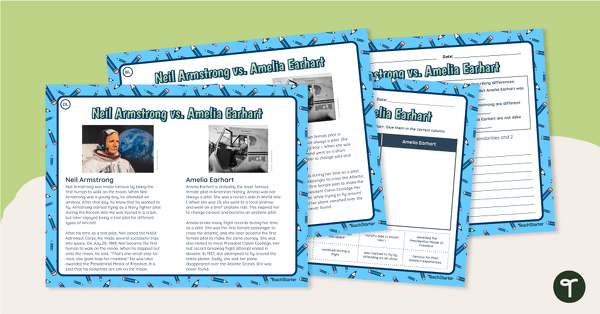
Compare and Contrast Worksheets - Neil Armstrong vs. Amelia Earhart
Compare and contrast Neil Armstrong and Amelia Earhart with differentiated reading comprehension worksheets.
- Plus Plan
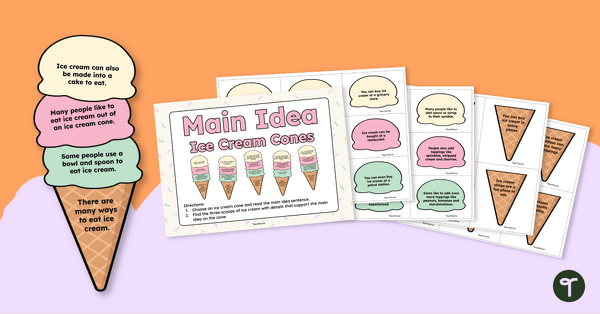
Main Idea Ice Cream Cones Sorting Activity
Practise distinguishing the main idea and the supporting detail with this fun ice cream sorting activity.
- Plus Plan
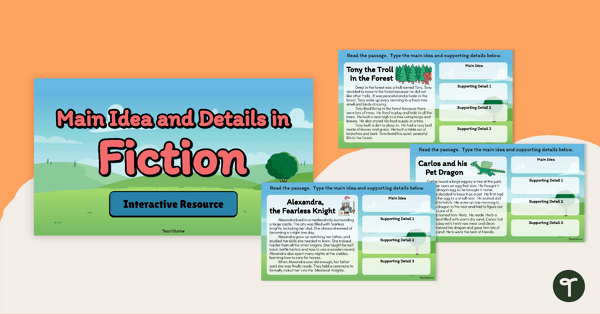
Finding the Main Idea in Fiction Texts Interactive Activity
Help your students easily find the main idea and support details in a fiction text with this interactive activity.
- Plus Plan
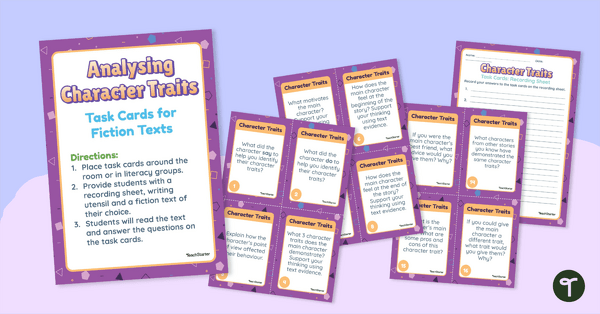
Character Analysis Task Cards
Get your students to perform a character analysis for any fictional character using this set of 20 task cards.
- Plus Plan
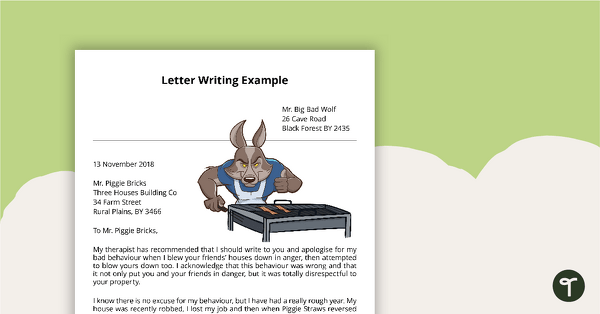
Example of a Formal Letter with Template
Use this example of a formal letter featuring the Big Bad Wolf’s humorous apology to the Three Little Pigs to teach letter structure in an engaging way.
- Plus Plan
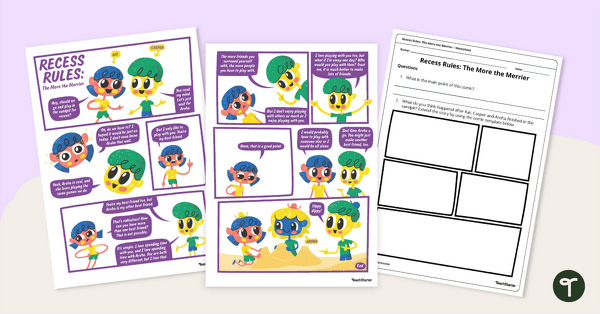
Recess Rules: The More the Merrier – Worksheet
A comprehension worksheet for a comic about the importance of making a variety of friendships.
- Plus Plan
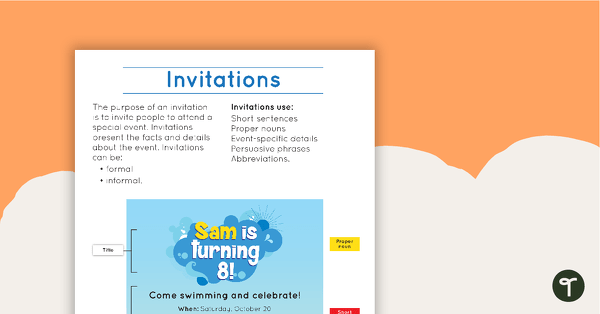
Invitation Text Type Poster With Annotations
A poster about invitations, including an annotated example.
- Plus Plan
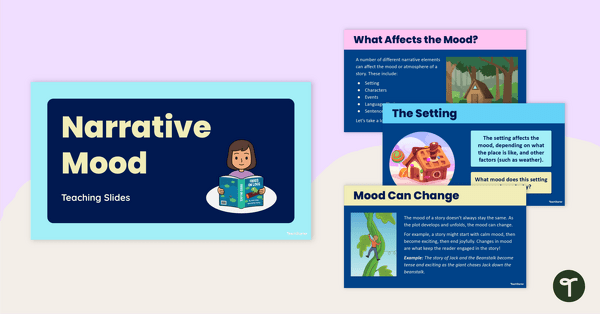
Narrative Mood Teaching Slides
Explore narrative mood with this interactive presentation that helps students understand what mood is, why it matters and how to create it in their own writing.
- Plus Plan
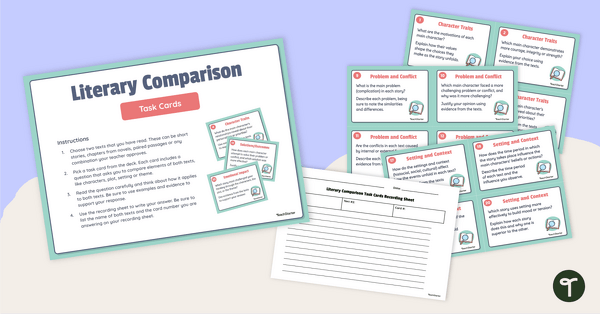
Literary Comparison Task Cards
Encourage deeper thinking through literary comparison with this engaging set of task cards designed to prompt meaningful analysis between two texts.
- Plus Plan
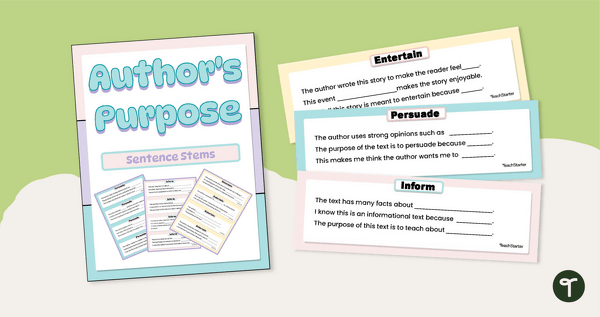
Author's Purpose Sentence Starter Flashcards
Assist students in identifying the author’s purpose with this set of Author’s Purpose Example Sentence Starter flashcards.
- Plus Plan
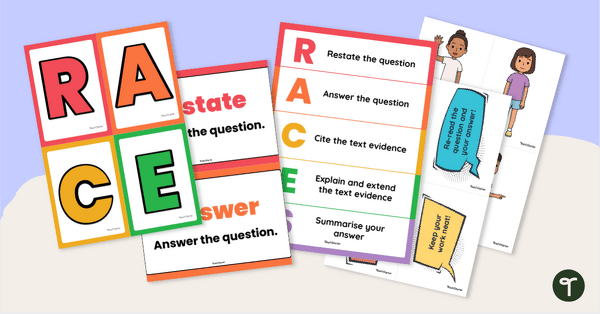
R.A.C.E.S. Constructed Response Writing Classroom Display
Help your students write evidence-based responses to text with a printable R.A.C.E.S. Writing Strategy classroom display.
- Plus Plan
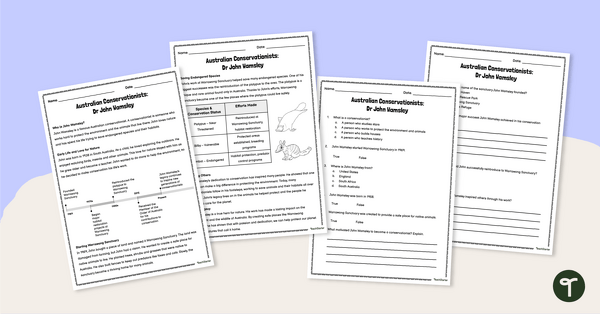
Australian Conservationists: John Walmsley – Comprehension Worksheet
Learn about Dr John Walmsley and his conservation work with this 2-page reading passage and accompanying comprehension questions.
- Plus Plan
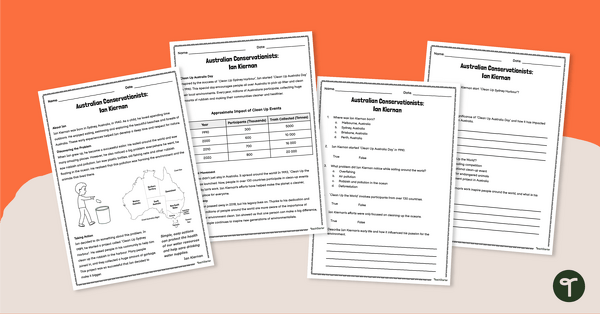
Australian Conservationists: Ian Kiernan – Comprehension Worksheet
Learn about Ian Kiernan and his conservation work with this 2-page reading passage and accompanying comprehension questions.
- Plus Plan
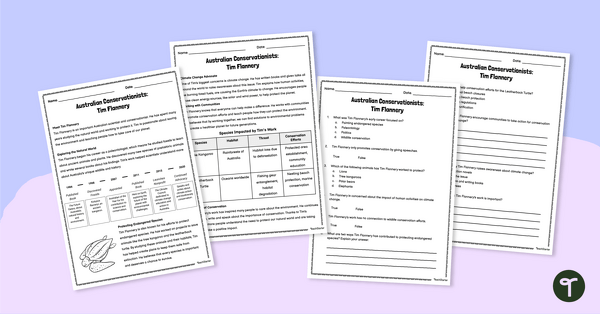
Australian Conservationists: Tim Flannery – Comprehension Worksheet
Learn about Tim Flannery and his conservation work with this 2-page reading passage and accompanying comprehension questions.
- Plus Plan
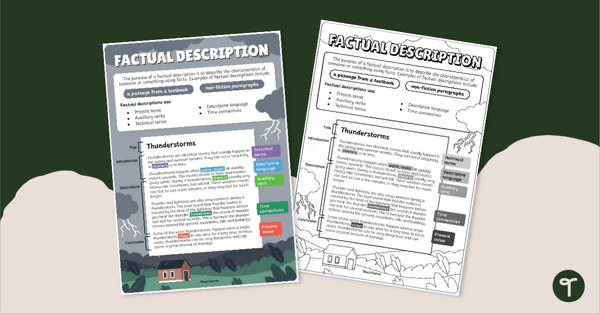
Factual Description Text Type Poster With Annotations
Display this factual description with annotations to help students identify the structure of this type of text.
- Plus Plan
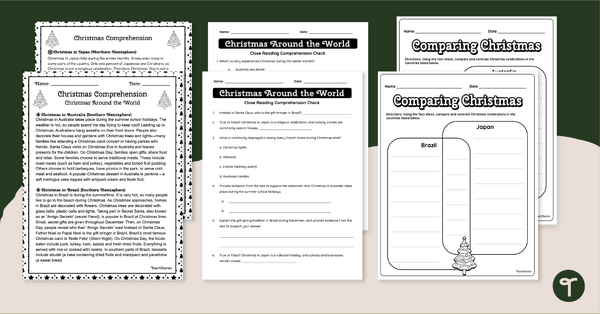
Christmas Around the World - Year 3 Reading Comprehension
Discover how Christmas is celebrated in the northern and southern hemispheres with printable reading comprehension sheets for Year 3.
- Plus Plan
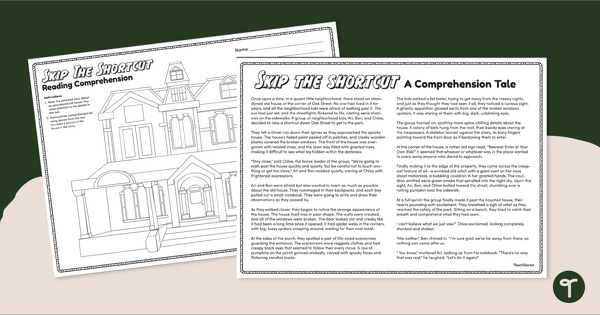
Halloween Printables - Read and Draw Worksheet
Practise comprehension skills with an exciting Halloween reading comprehension worksheet for year 4.