STe-3LW-ST
explores the characteristics, needs and uses of living things
- Free Plan
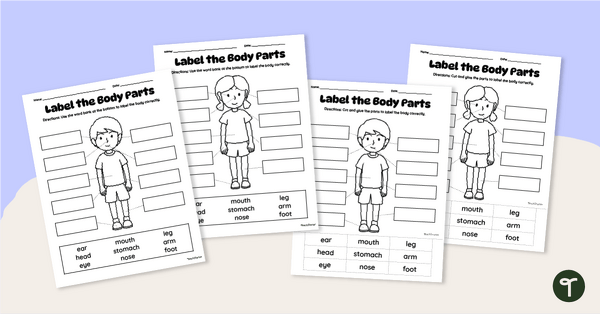
Human Body Labelling Worksheet Pack
Highlight the features of the body with a Human Body Labelling Worksheet pack.
- Plus Plan
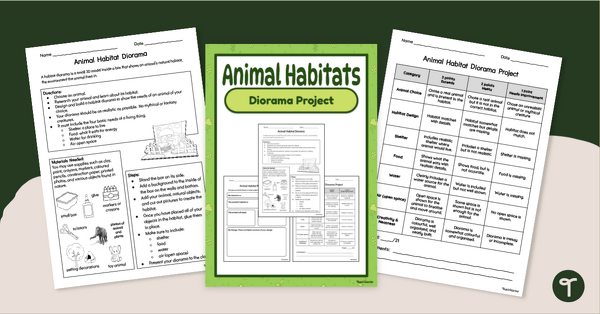
Animal Habitat Diorama Project
Plan an Animal Habitat Diorama Project for your students with our animal habitat / biome diorama project pack.
- Plus Plan
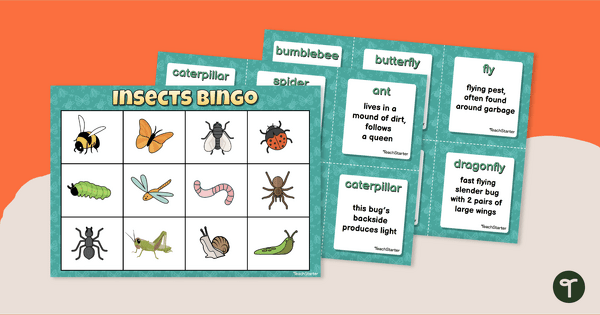
Insects for Kids - Bingo Game
Learn about creepy crawly insects with a Bug Bingo Game for early learners.
- Plus Plan
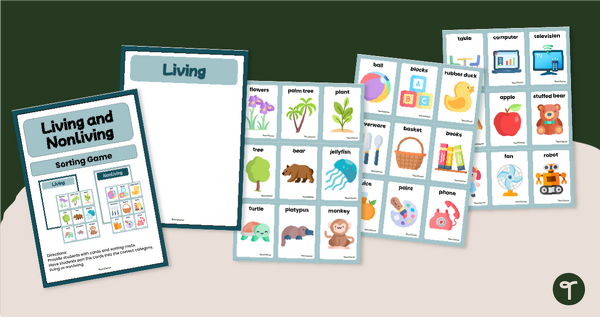
Living & Non-Living Things - Picture Sort
Sort biotic vs. abiotic things and discuss their characteristics with a hands-on living vs. non-living picture sort.
- Free Plan
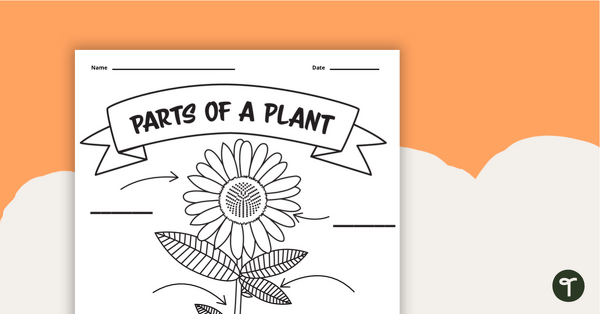
Free Parts of A Plant Labeling Worksheet (F-2)
Explore our free parts of a plant worksheet to help your students identify and label plant parts, including roots, stems, leaves, flowers, fruits, and seeds.
- Plus Plan
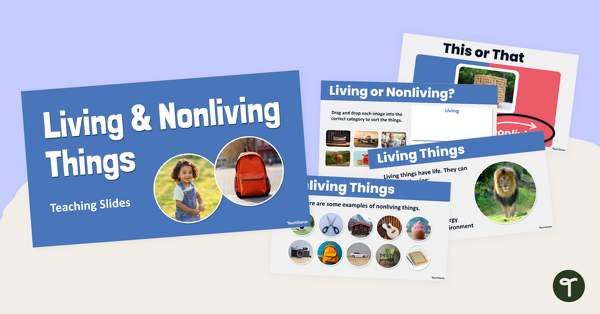
Living and Non-Living Things Teaching Slides
Discover living and non-living things with an engaging Living vs. Non-Living things teaching slide deck.
- Free Plan
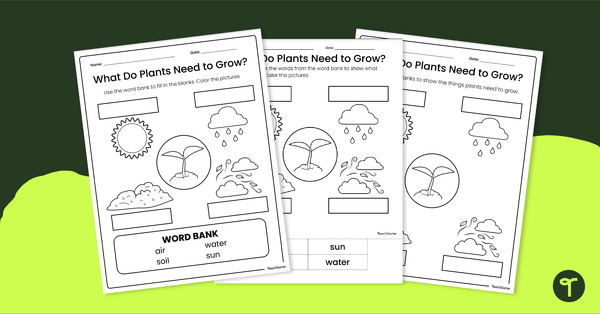
What Plants Need - Year 1 Worksheet
Identify what plants need to survive with a group of free plant worksheets for Year 1 students.
- Plus Plan
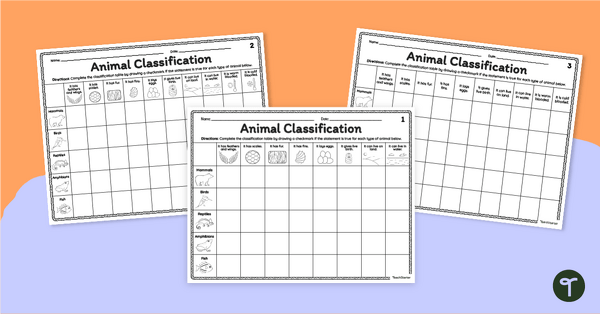
Animal Classification Chart Activity Pack
Classify mammals, reptiles, birds, and other animal groups with a printable pack of animal classification table worksheets.
- Plus Plan
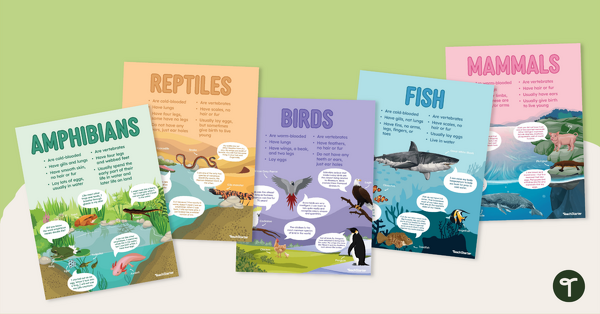
Printable Animal Classification Posters
Support your F-3 students’ understanding of the animal kingdom with classroom-ready animal classification posters. Designed for durability and easy display.
- Free Plan
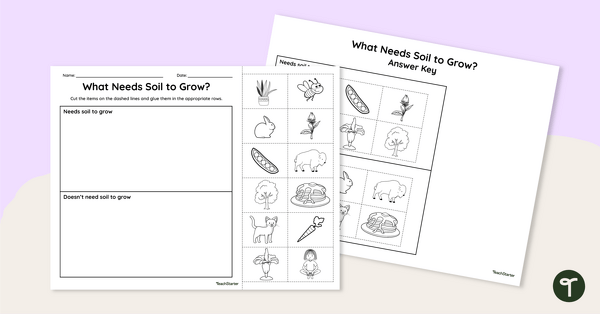
What Needs Soil to Grow? Cut and Paste Worksheet
Teach students what needs soil to grow with this cut-and-paste worksheet for early years students.
- Plus Plan
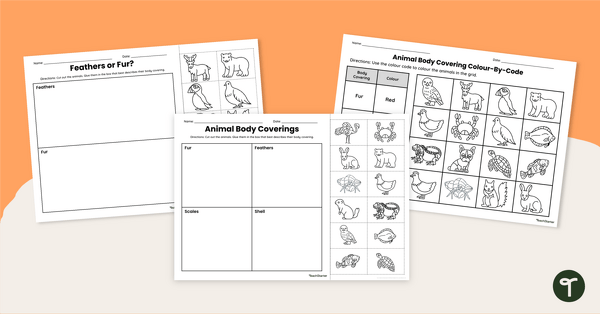
Animals With Scales, Fur, Shells and Feathers Worksheet Pack
Investigate different animal body coverings by sorting and colouring animals with feathers, fur, scales and shells.
- Plus Plan
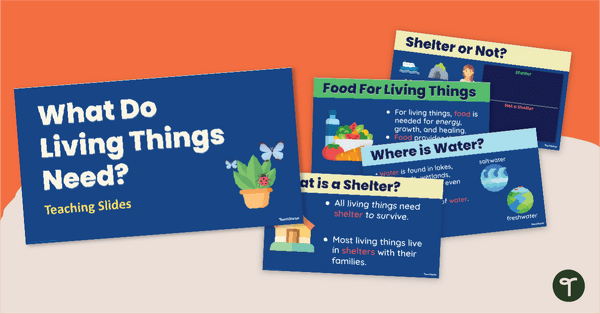
What Do Living Things Need to Survive? PowerPoint
Teach your students what living things need to survive with an engaging, interactive teaching slide deck.
- Plus Plan
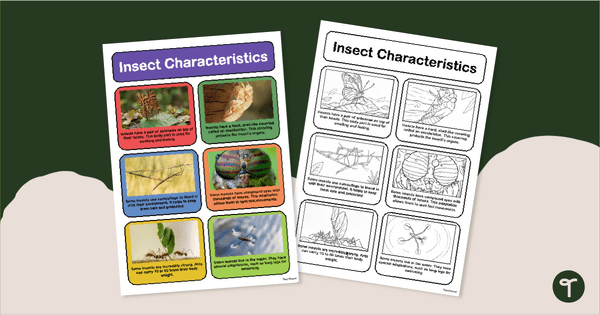
Facts About Insects Anchor Chart
Display this Facts About Insects poster showcasing interesting insect facts and characteristics in your classroom.
- Plus Plan
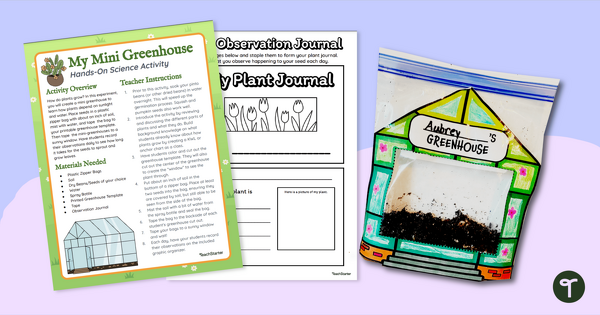
Growing Bean Plant Seeds — Greenhouse Template
Start growing bean plant seeds to observe plant life cycles with a printable greenhouse template and observation journal.
- Plus Plan
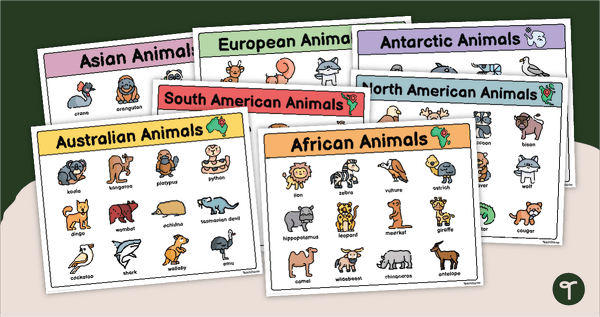
Animals Around the World - Word Mats
Discover the amazing animals on each continent and encourage global thinking with a pack of printable Animals Around the World Word Mats.
- Free Plan
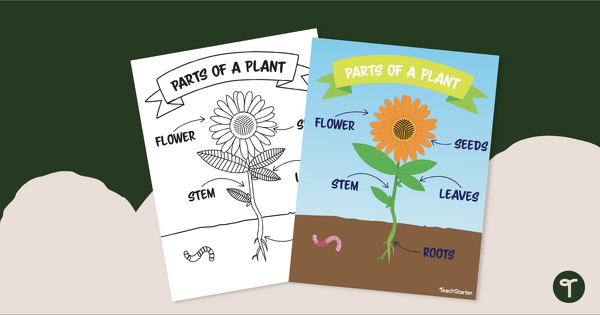
Parts of a Plant Diagram
Identify basic plant parts with a printable Parts of a Plant Diagram.
- Plus Plan
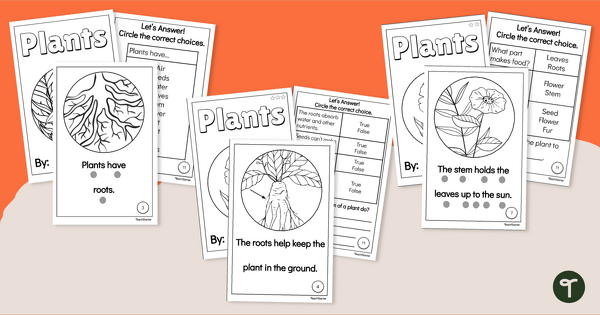
Parts of a Plant Booklets - Differentiated
Read and learn about the parts of a plant with a set of differentiated Parts of a Plant Books for kids.
- Plus Plan
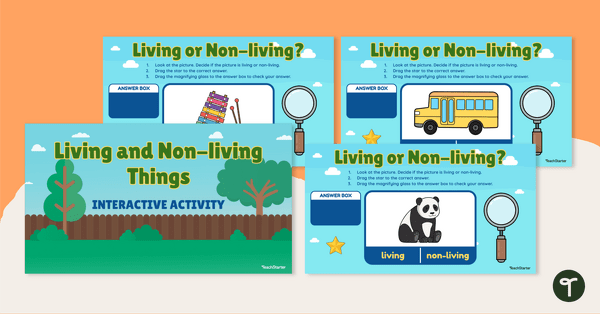
Living or Non-living Things – Interactive Activity
Identify living and non-living things with this self-checking interactive activity.
- Free Plan
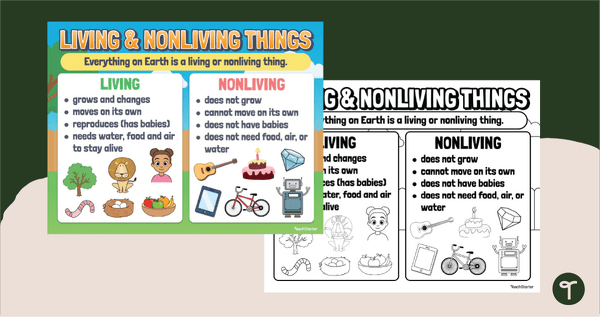
Living and Non-Living Things Poster
Highlight the differences between living and non-living things with an illustrative Living vs. Nonliving Things Anchor Chart
- Plus Plan
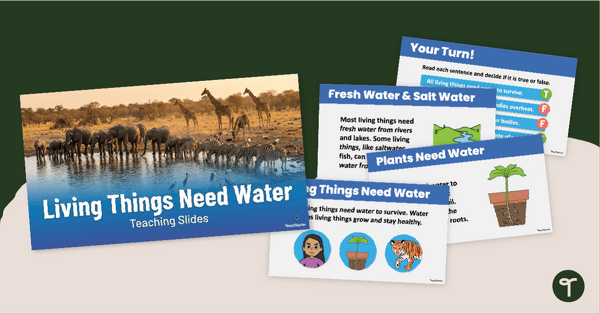
Living Things Need Water PowerPoint
Teach your students the importance of water to living things with an engaging Living Things Need Water PowerPoint Presentation.
- Plus Plan
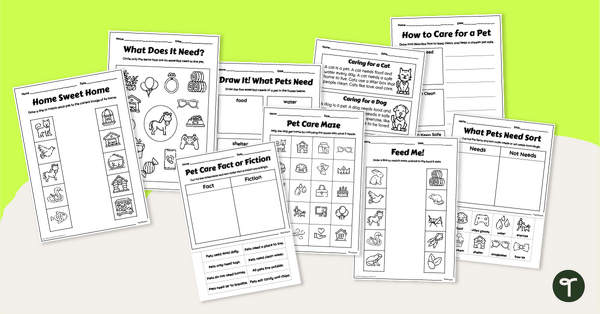
Caring for Pets Worksheet Pack
Help students understand the needs of pets with a printable Caring for Pets Worksheet Pack.
- Plus Plan
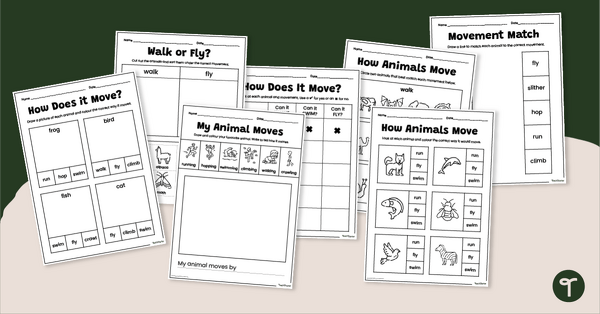
How Do Animals Move Worksheet Pack
Colour, sort, and categorise how animals get around with a set of ‘How Animals Do Animals Move’ Worksheet Pack
- Plus Plan
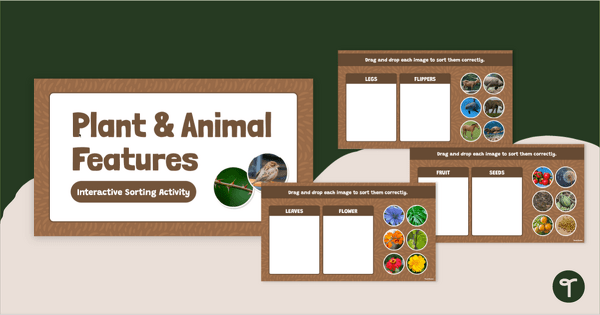
Interactive Plant and Animal Sorting Game - External Features
Observe, sort, and group living things based on external features with an Interactive Plant and Animal Sorting Game.
- Free Plan
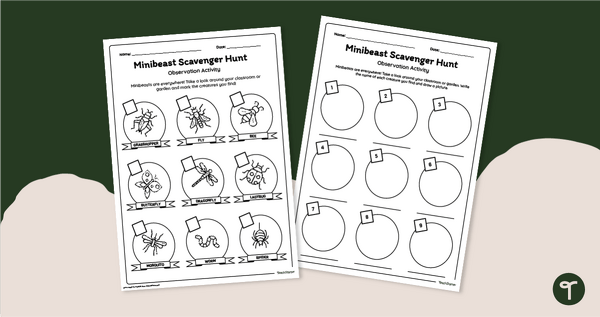
Minibeast Scavenger Hunt- Outdoor Observation Activity
Investigate and observe insects and minibeasts with a printable Minibeast Scavenger Hunt Observation Activity.
- Plus Plan
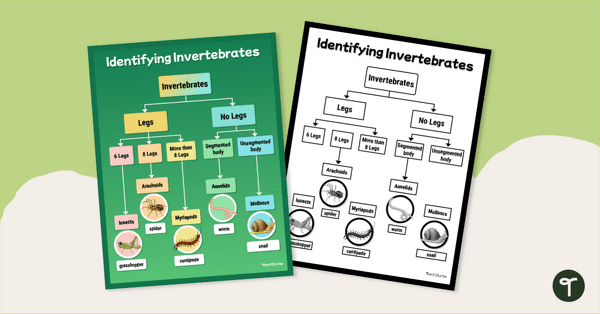
Identifying Invertebrates Poster
Help your students differentiate between insects, arachnids and other invertebrates, with a printable Invertebrate Identification chart.
- Free Plan
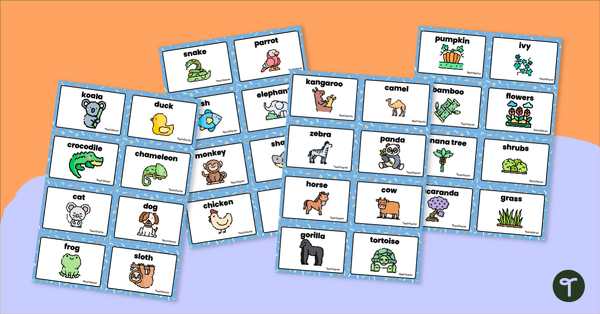
Plants and Animals Flashcards
Introduce your students to a variety of plants and animals with our printable flashcards.
- Plus Plan
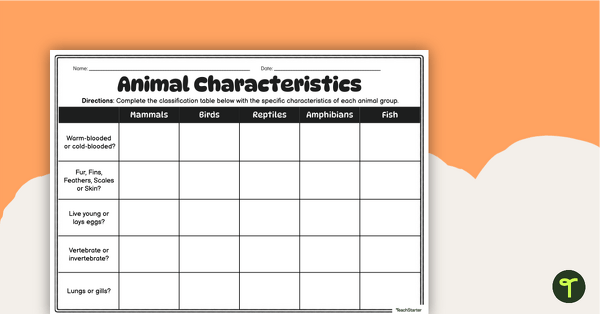
Animal Classification Chart Worksheet
Help your little learners identify members of mammals, birds, fish, and more animal classes using a handy animal characteristics worksheet.
- Plus Plan
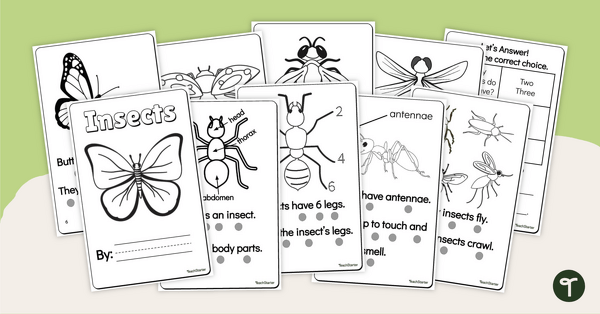
Features of Insects Mini Book
Learn about the features of insects with a printable decodable book for kids.
- Free Plan
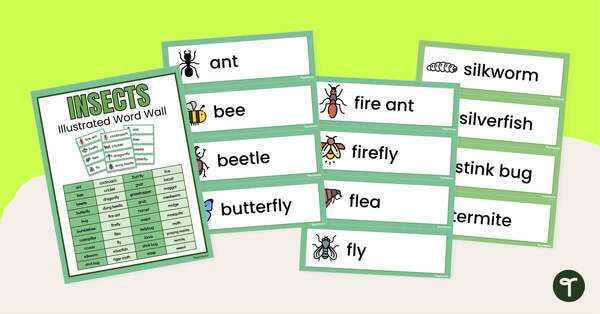
Insect Flashcards - Minibeast Word Wall Display
Use printable insect flashcards as display pieces in your classroom to introduce your students to the creepiest, crawliest creatures on the planet.
- Plus Plan
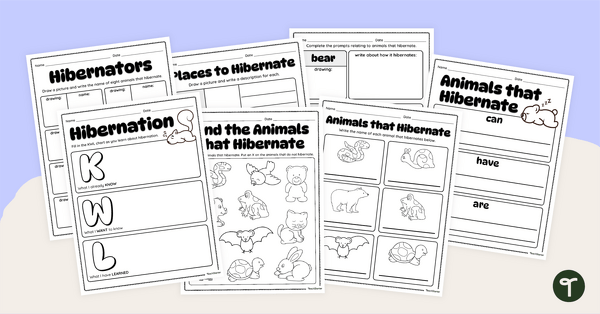
Animals and Hibernation Worksheet Pack
Help your students learn about animals that hibernate with a printable pack of worksheets about animals and hibernation.
- Plus Plan
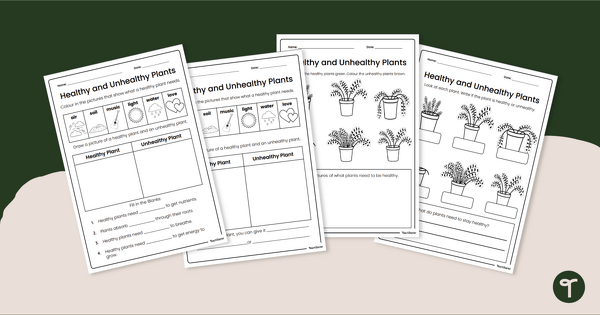
Healthy and Unhealthy Plants Worksheet Pack
Discover what plants need to grow with a differentiated Healthy and Unhealthy Plants Worksheet Pack.
- Plus Plan
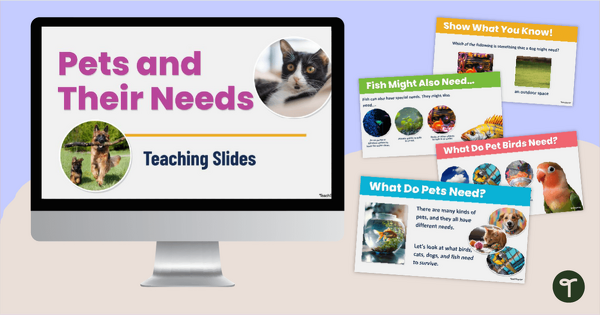
Pets and Their Needs PowerPoint Teaching Slides
Teach your students about the needs of living things with an engaging interactive slide deck about pets and their needs.