Tracing Worksheets for Teachers
Make tracing practice fun and engaging in your early years classroom with printable tracing worksheets created by teachers for teachers!
From tracing letters to numbers, the printables in this primary school teaching resource collection are all designed to help young learners develop their fine motor skills as they work on letter and number formation, as well as learn to write their own names. Cursive tracing worksheets are also included for middle years students who are learning the next step of handwriting.
New to teaching early years students and curious what the research says about tracing, or just looking for some fresh ideas to make this activity more fun and effective? Read on for a primer from our teacher team!
What Does Tracing Letters Do for Kids?
Handwriting is a key to communication — yes, even in the digital age! And for most students, it all starts with simple tracing exercises, following dotted lines over letters, numbers and shapes which serve as a scaffold for these young learners.
The pre-drawn lines on a tracing worksheet allow students to follow along the given paths, receiving guidance and support from us — their teachers — as needed.
For early years students whose hand muscles are still developing, this practise is an important part of learning to hold and control a pencil or other writing utensils, unlocking the door to better letter formation and legibility of their handwriting.
But the benefits of tracing the alphabet or sitting down to trace numbers don't stop there!
Carefully moving a pencil over the dotted lines on a simple worksheet allows young learners to work on hand-eye coordination, building their ability to track and control their hand movements in relation to their visual focus.

How to Teach Pencil Grip
In order to be successful at tracing, students need to learn how to grip their pencil correctly. So how do you help your students grasp the proper grip technique? Let's start with the correct way to hold a pencil!
The Tripod Grip
Known as the tripod grip because it involves using three fingers, the most common way to hold a pencil approved by occupational therapists involves four basic steps:
- Position the pencil — A student should hold their pencil in the dominant hand, resting it on the side of the middle finger.
- Position the thumb — Once the pencil is in position, the student should place their thumb on the side of the pencil, opposite the index and middle fingers.
- Position the fingers — Next, have your student curl their index and middle fingers slightly and place them on top of the pencil.
- Apply pressure — Students should maintain a moderate but relaxed grip on the pencil, avoiding excessive pressure that will tire out the hand.
Tips for Teaching Pencil Grip
Teaching kids how to hold the pencil just right involves a lot of practicing — much like many of the skills they will learn in primary school. But these strategies can put them on the path to success in no time!
Model the Proper Technique
This may seem obvious, but we'd be remiss if we didn't mention from the start that it's important to model how to hold a pencil so your students can imitate you!
Start With Bigger Writing Utensils
Pencils are thin and can be hard for younger students to manage as they are still building their fine motor muscles. Thick crayons and markers can be helpful as a starting point and allow students to get a feel for different grips.
Employ a Guided Hand-Over-Hand Approach
It can help to physically guide a child's hand to hold the pencil correctly. This way your student can feel the correct grip and develop muscle memory through repetitive practice.
Don't Be Afraid to Add Supports
There are plenty of adaptive tools out there to help students who are struggling to hold a pencil. Specialised pencil grips provide additional support and promote the tripod grip.
Practise, Practise, Practise
Activities that promote fine motor skills, such as colouring, drawing and — of course, tracing — can help reinforce the correct grip over time.
Be Flexible
While the tripod grip is best for most students, it does not work for every child. Remember the key is really for students to find a grip that allows them to write legibly and comfortably.
Tracing Ideas for the Early Years Classroom
This collection is full of printables that you can add to your lesson plans, including fun animal worksheets your students are sure to love, but we didn't stop there! Read on for some fine ideas for tracing in the classroom from our teacher team!
- Make Rainbow Letters — Have students use different coloured markers or pencils for tracing practise to create a colorful result that looks like a piece of art, making the worksheet more fun!
- Use Cotton Swabs and Watercolours — Give each student a set of watercolours, some water and cotton swabs, and allow them to trace the alphabet by painting each letter a to z with a cotton swab 'paintbrush.'
- Highlights — For a quick and easy tracing activity, write a letter, number or word with a bright coloured highlighter marker, then have students trace over it in pencil.
- Free Plan
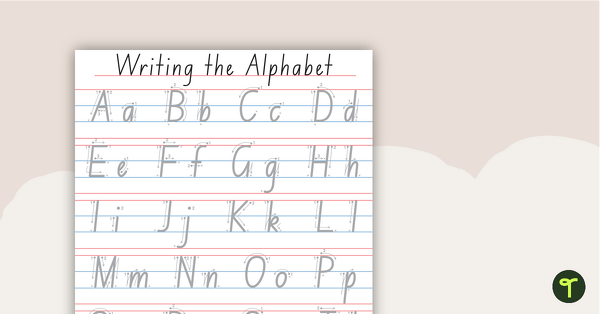
Writing the Alphabet Chart - Tracing
A chart to assist students when learning how to form letters.
- Free Plan
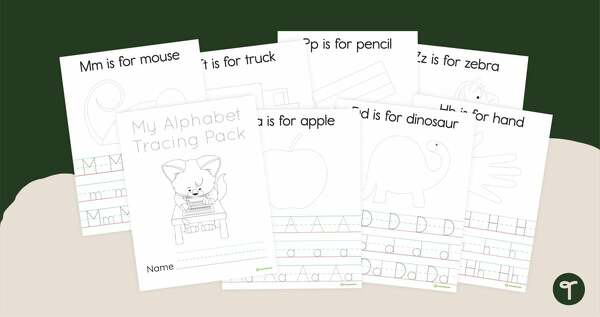
Free Letter Tracing Worksheets - State Fonts
Use letter tracing worksheets to help your students develop their handwriting and fine motor skills.
- Free Plan
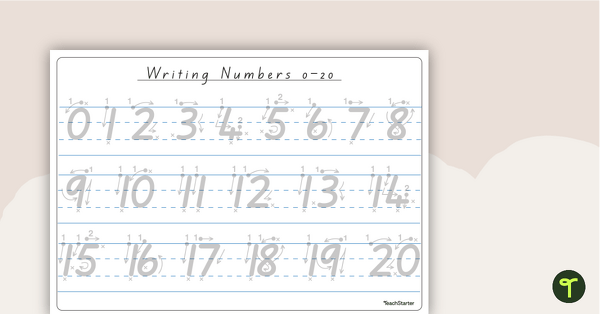
Tracing Numbers 0-20 Handwriting Worksheet
Get your students tracing numbers from 0-20 with this number formation worksheet available in Australian school fonts.
- Plus Plan
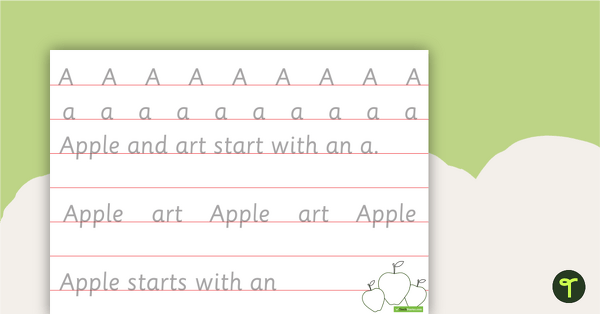
Alphabet Handwriting Sheets - Individual
Handwriting sheets for each letter of the alphabet.
- Plus Plan
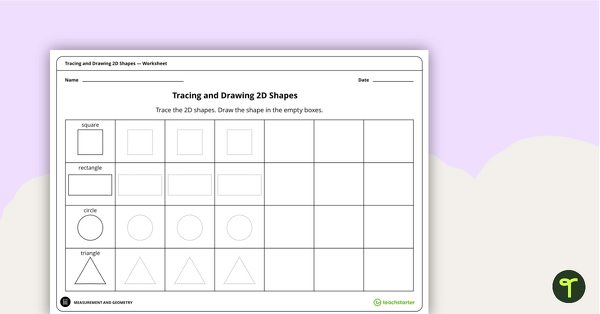
Tracing and Drawing 2D Shapes Worksheet
A simple trace and draw worksheet for 2D shapes.
- Plus Plan
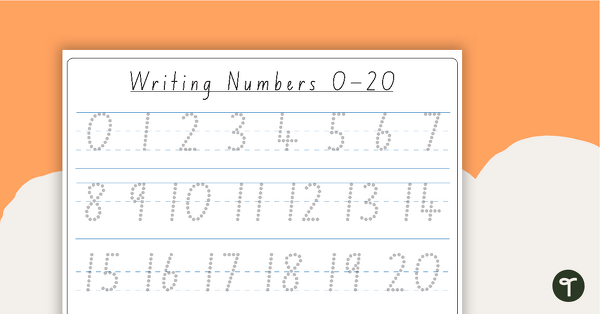
Dotted Numbers 0-20 Handwriting Sheet
Get your students writing numbers from 0-20 with this number formation worksheet available in Australian school fonts.
- Plus Plan
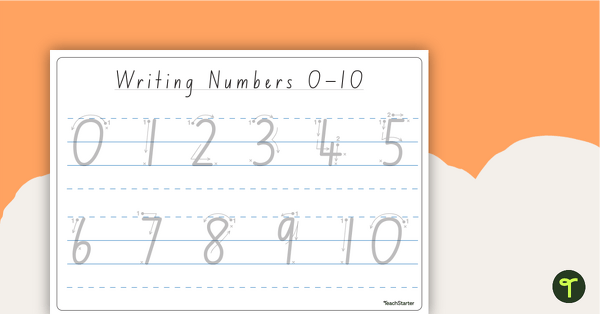
Tracing Numbers 0-10 Handwriting Worksheet
Get your students tracing numbers from 0-10 with this number formation worksheet available in Australian school fonts.
- Plus Plan
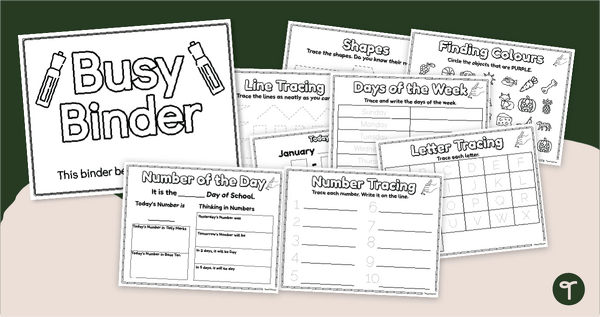
Busy Binder - Morning Work Pages for Kindergarten
Review daily calendar, maths, literacy, and fine motor skills with a printable morning work pages!
- Free Plan
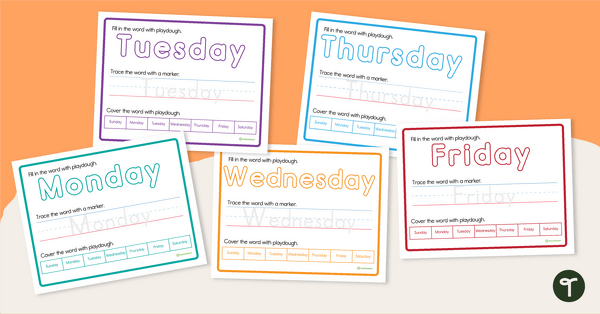
Days of the Week Playdough Mats
Use playdough mats to help your students identify, sequence and spell the days of the week.
- Plus Plan
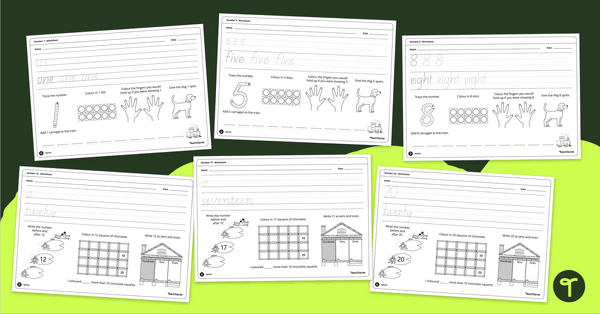
Number Handwriting Practise Worksheets
Provide number handwriting practise to your students with this set of worksheets for the numbers 0 through 20.
- Plus Plan
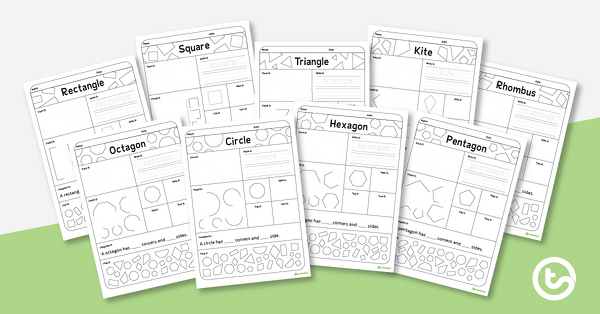
2D Shape Activity Sheets
A set of nine worksheets where students demonstrate their understanding of various 2D shapes.
- Plus Plan
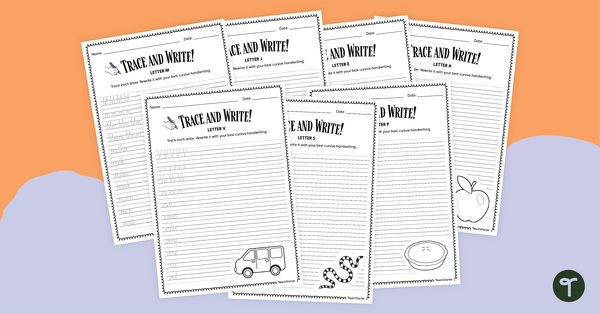
Cursive Writing Worksheets PDF - Alphabet
Practise writing the alphabet in cursive with a pack of printable cursive alphabet writing worksheets.
- Plus Plan
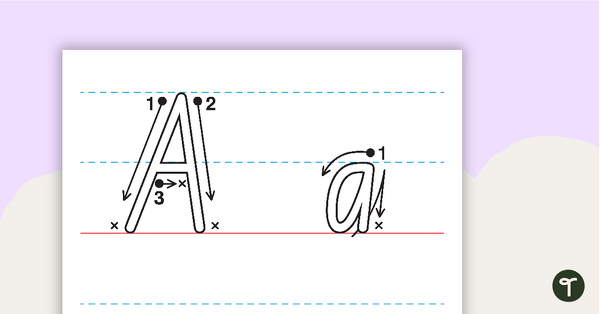
School Font Tracing Alphabet with Arrows
Full page upper and lower case alphabet letters with arrows for tracing.
- Plus Plan
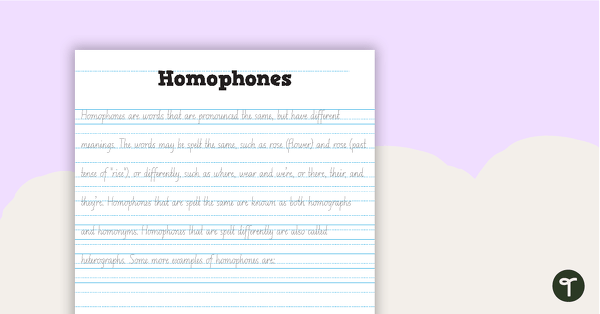
Cursive Handwriting Fluency Sheets
Fifteen handwriting sheets for upper primary.
- Plus Plan
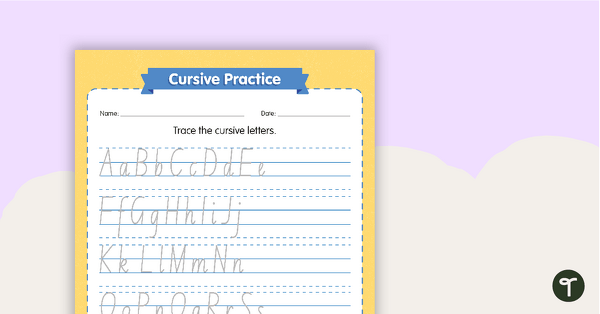
Cursive Alphabet Handwriting Practice Sheets
Download this set of 6 sheets to get your students writing letters of the alphabet in cursive.
- Plus Plan
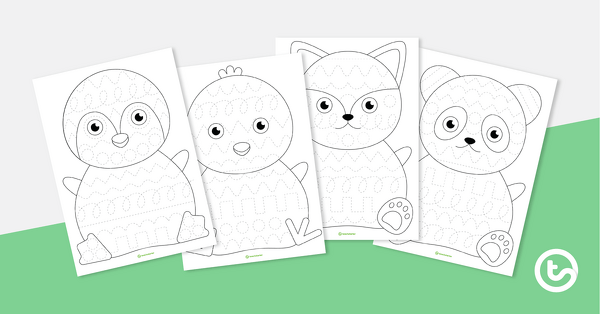
Pre-Writing Pencil Control Tracing Sheets
A set of four animal-themed pre-writing tracing worksheets.
- Plus Plan
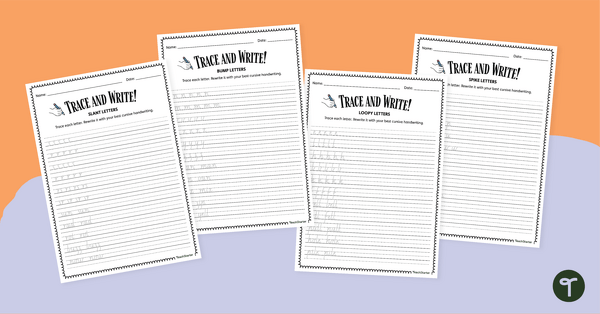
Cursive Alphabet Worksheets – Letter Groups
Use printable cursive writing worksheets PDF files to learn how to write in cursive.
- Plus Plan
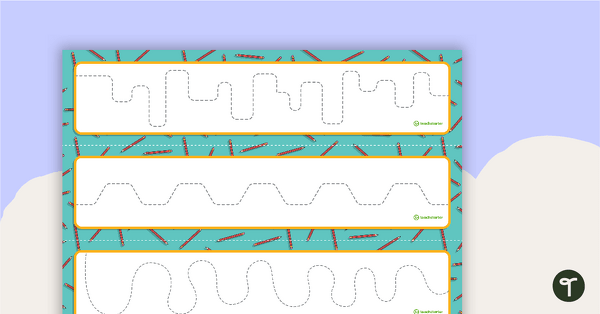
Tracing Lines - Fine Motor Activity
Tracing lines for students to develop their fine motor skills.
- Plus Plan
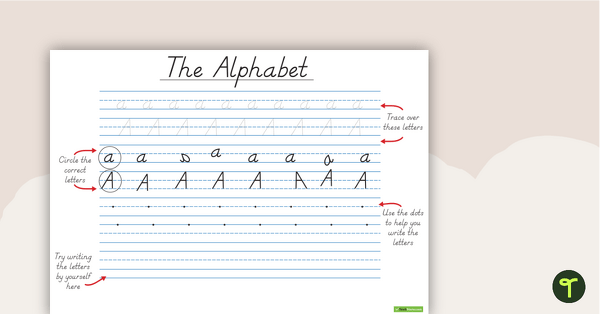
Alphabet Handwriting Sheets - Including Non-Examples
Handwriting sheets with opportunities for students to trace, identify and write the letters of the alphabet.
- Plus Plan
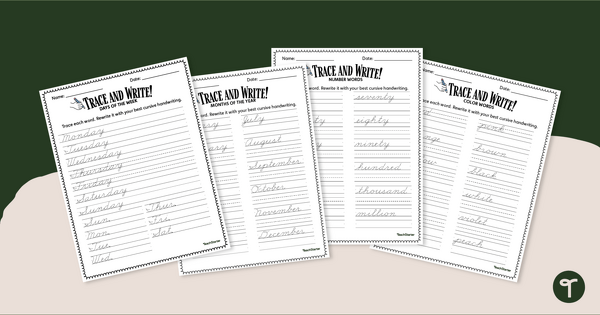
Cursive Handwriting Worksheets – Days, Months, Colours and Numbers
Trace and write days of the week, months of the year, number words, and colour words in cursive.
- Plus Plan
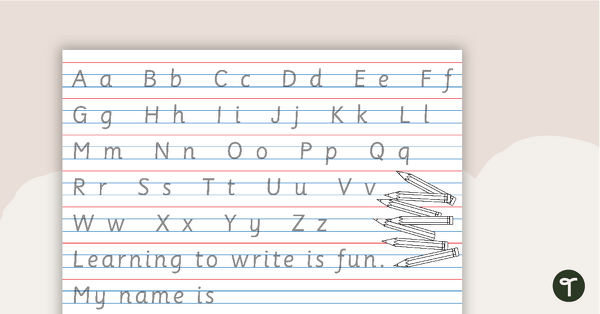
Alphabet Handwriting Sheet - 1 Page
Handwriting sheets with the alphabet and some words for students to trace.
- Plus Plan
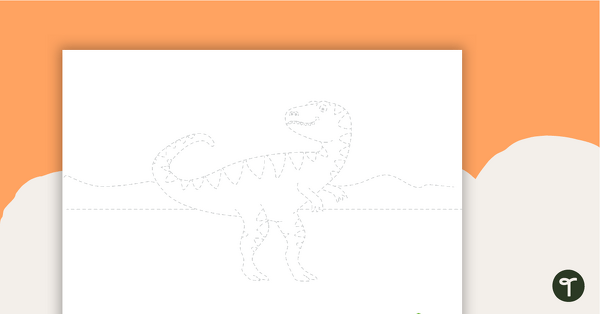
5 x Dinosaur Tracing Pictures - Fine Motor Skills
A set of 5 dinosaur-themed tracing pictures.
- Plus Plan
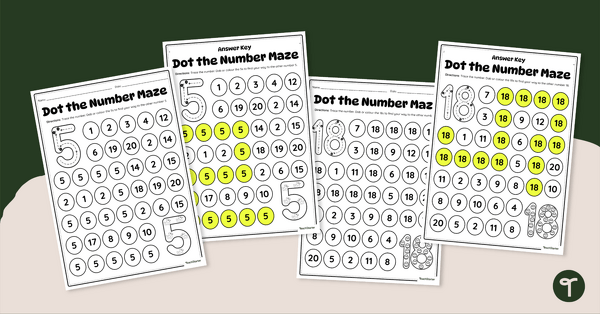
Number Recognition Printable Dot Maze Pack
Utilise these number recognition printable worksheets to help your students identify the numbers 1 through 20.
- Plus Plan
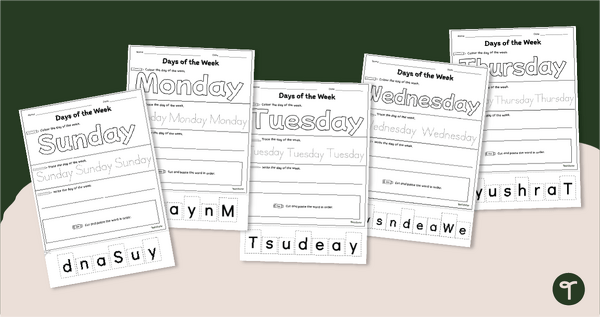
Days of the Week Spelling Worksheets
Use these Days of the Week Spelling worksheets to help your students practise reading, writing, and spelling the Days of the week.
- Plus Plan
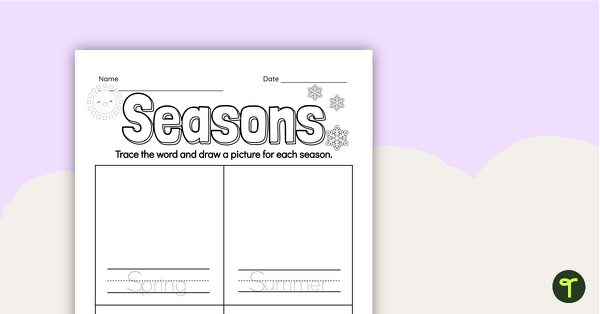
Grade One Seasons Worksheet
Set this seasons worksheet as a task for your Grade Ones to show their knowledge of the seasons' names and their order.
- Plus Plan
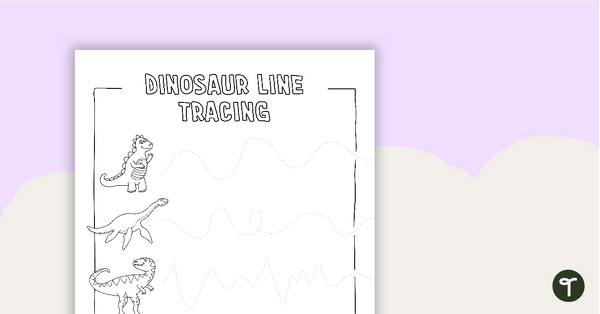
Fine Motor Skills - Dinosaur Tracing Lines Worksheet
A dinosaur-themed tracing lines worksheet.
- Plus Plan
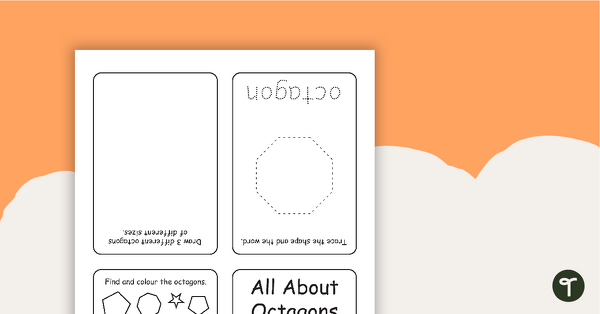
All About Octagons Mini Booklet
A mini booklet to assist younger students in recognising and drawing octagons.
- Plus Plan
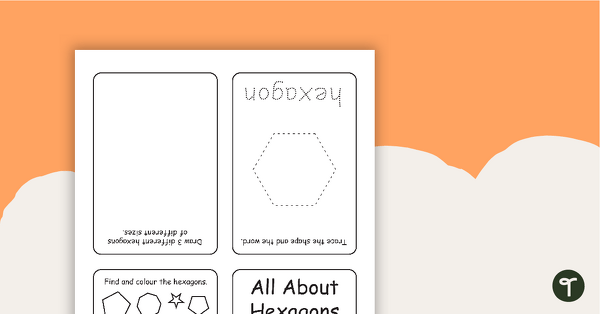
All About Hexagons Mini Booklet
A mini booklet to assist younger students in recognising and drawing hexagons.
- Plus Plan
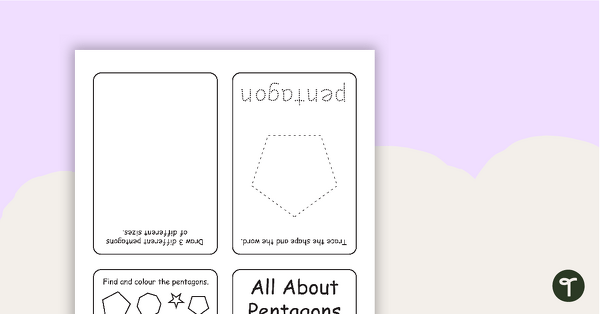
All About Pentagons Mini Booklet
A mini booklet to assist younger students in recognising and drawing pentagons.
- Plus Plan
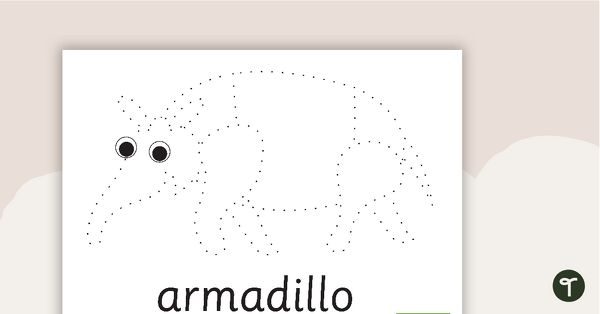
Pinning or Tracing Pages - Animals
Ten animal pinning pages.
- Plus Plan
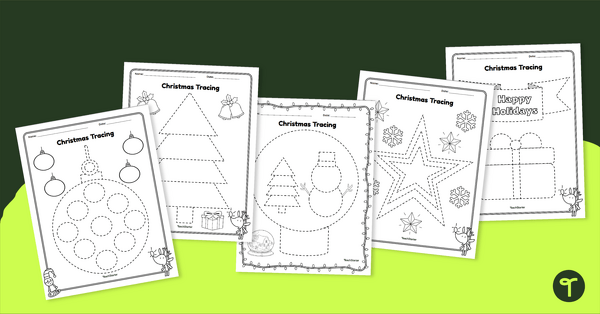
Christmas Tracing Worksheets
Use these Christmas worksheets for preschool to practise tracing and fine motor skills.
- Plus Plan
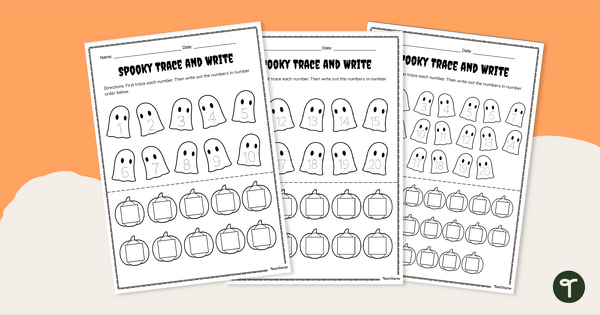
Halloween Tracing Numbers Worksheets
Trace and write numbers to twenty with a set of spooky Halloween tracing numbers worksheets.