Worksheets for Teachers
Did someone say printable worksheets? From year 1 maths worksheets to reading comprehension worksheets to printables for kindergarten and beyond, our collection of teacher-created teaching tools is ready to make learning fun and engaging for your students in all subject areas and on all primary year levels.
Explore printable activities, free worksheets, homework sheets and more — all aligned to the Australian curriculum and all created by teachers, for teachers just like you!
Teach Starter worksheets undergo a careful review process by our expert teacher team to ensure they're ready for your lesson plans ... and your students! Best of all, you know each printable is designed with the goal of turning on that lightbulb over your students' heads and producing more of those 'aha!' moments in the classroom!
Curious about how to make worksheets more engaging? Or maybe you're just wondering how worksheets became a tool used in schools? Read on for a primer from our teacher team!
Why Do Teachers Use Worksheets?
Worksheets are an important part of any teacher's toolkit — and yes, we say part because we believe in the importance of hands-on learning too (explore our full collection for plenty of student-led activities!) — but do you ever wonder how they ended up being so ubiquitous?
It was back in the mid-20th century that worksheets started to take hold in education.
The concept of individualised instruction was gaining traction, and educators recognised the need to tailor learning experiences to students' unique abilities, interests and learning styles.
Worksheets started to emerge because they were a means to provide students with both individualised practice and reinforcement of skills. Psychologists like Jean Piaget (you may know him best for his theories on children's cognitive development?) played a role here. The Swiss psychologist suggested teachers should be providing their students with materials that would advance their thinking, and worksheets offer a means for students to assess their own learning.
The real win for worksheets, however, was the invention of the photocopy machine! It made it easy for this supplemental tool to spread like wildfire!
How Do You Make Worksheets Engaging?
You already know educational printables are a beneficial learning tool. They enable students to work independently, practising and applying the concepts they've been learning in your classroom.
So how do you keep them from putting your students in boxes?
At Teach Starter, our worksheets aren't 'just worksheets.' Our expert teacher team works every day to create the tools you need to create impactful classroom experiences. That means our teacher team creates our school worksheets specifically to engage students with eye-catching graphics and creative formats. Here are some of their tips to ensure worksheets are used effectively in the classroom — and truly help engage your students!
- Use worksheets as just part of your toolbox. These are great tools to support classroom instruction and provide independent practise, and they should be balanced with a mix of other teaching tools!
- Mix up your worksheet types. Teach Starter's cut-and-paste worksheets, for example, add an interactive element to help hold students' attention.
- Encourage students to doodle. Doodle notes have taken education by storm in recent years as the visual note-taking method has been proven to improve students' focus and memory. Apply those benefits to your worksheets, and you may be surprised by how it pulls kids' attention to the page!
- Add plastic sleeves. Slipping worksheets into plastic sleeves and allow students to use wipe-away pens on the sleeves is a good way to extend the life of a worksheet — and it adds and element of fun for kids who love the chance to use pens!
- Use digital worksheets. Allow students to fill out their worksheets on classroom tablets as a means to add an extra level of engagement.
It's Not Just a Worksheet
The key to effective worksheets comes down to how you use them — a balanced approach to education combines worksheets with other instructional strategies — from hands-on activities to group work to project-based learning.
So what can you get from worksheets?
Consider this — early years students can work on their fine motor skills with our mini books, cut-and-paste worksheets and more while their upper years peers get pulled into the fun of vocabulary fun with word searches and crossword puzzle worksheets. Printable puzzles that engage students in the form of a brain game and colour by worksheets that bring art elements into maths and reading.
Worksheets also provide the opportunity for formative assessment and give your students a chance to practice problem-solving while they work independently.
- Plus Plan
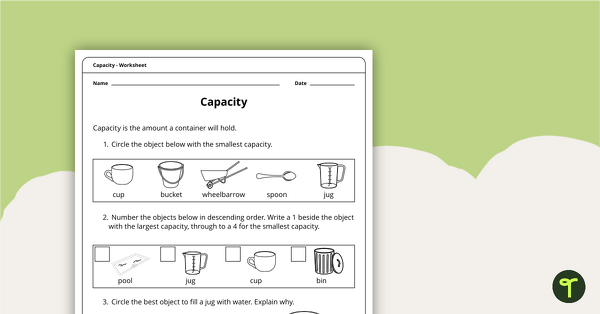
Capacity Worksheet
A worksheet to use when exploring the concept of capacity.
- Free Plan
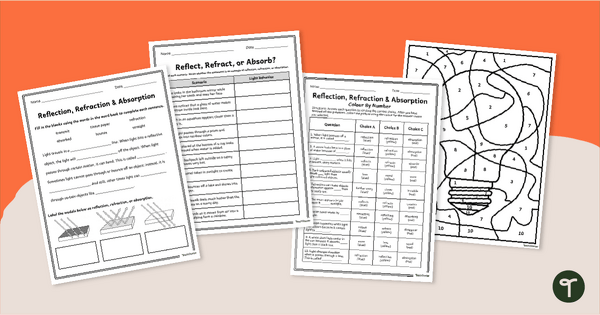
Reflection, Refraction, and Absorption Worksheet Pack
Use a Reflection, Refraction, and Absorption worksheet pack to ensure students understand light energy.
- Plus Plan
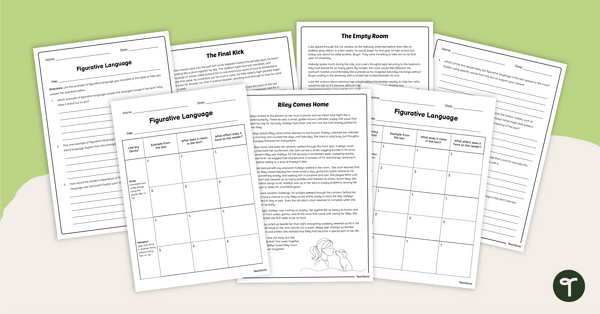
Analysing Figurative Language in Literature Worksheets
Explore figurative language in literature with engaging reading passages and targeted worksheets that help students identify, analyse and explain how authors use figurative devices to create meaning and impact.
- Plus Plan
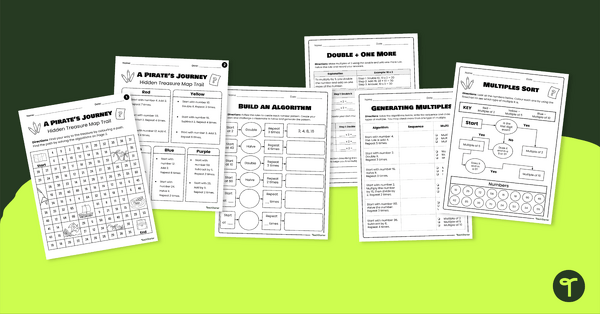
Following and Creating Patterns Worksheet Pack
Support number pattern understanding with this following and creating patterns worksheet pack.
- Plus Plan
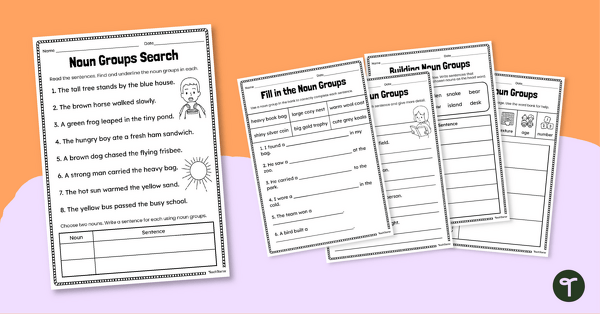
Writing Noun Groups Worksheet Pack
Use this set of noun group worksheets with your year 2 students to assist them understanding how to improve grammar knowledge and sentence writing
- Plus Plan
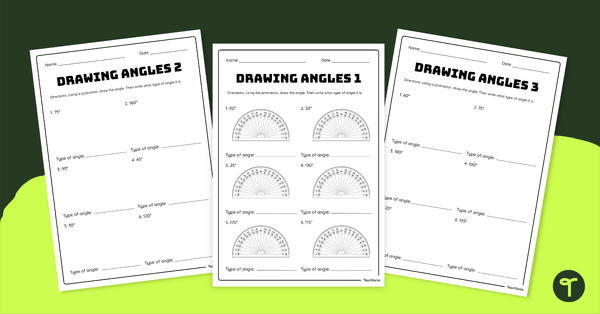
Drawing Angles Activity Sheet Set
Use our drawing angles activity sheet set to give students differentiated practice in classifying and constructing angles.
- Plus Plan
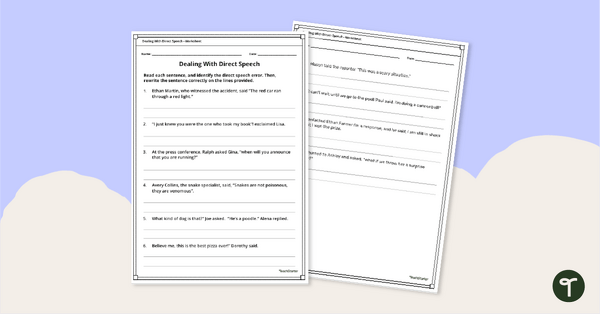
Dealing With Direct Speech - Worksheet
Use this worksheet when teaching students the rules for punctuating direct speech using double quotation marks.
- Plus Plan
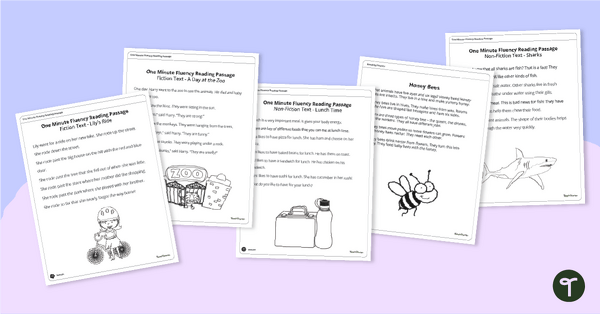
Fluency Reading Passage Pack- Year 1
Assess student fluency with a printable pack of reading fluency passages for Year 1.
- Plus Plan
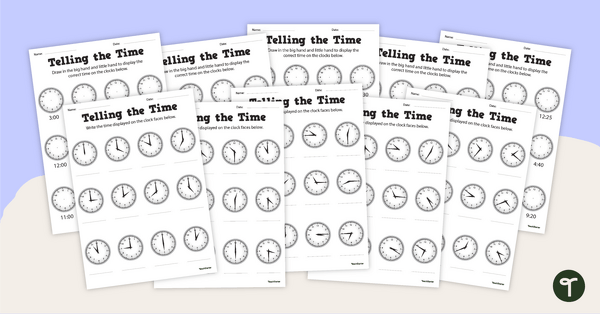
Telling Time Years 2 & 3 Worksheets
Practise telling time on a clock with a set of 5 printable telling time Year 2 & 3 worksheets.
- Plus Plan
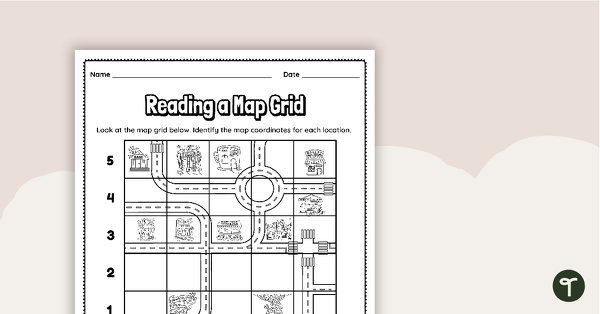
Reading a Map Grid Worksheet
Develop your students' map skills with a coordinate grid worksheet.
- Plus Plan
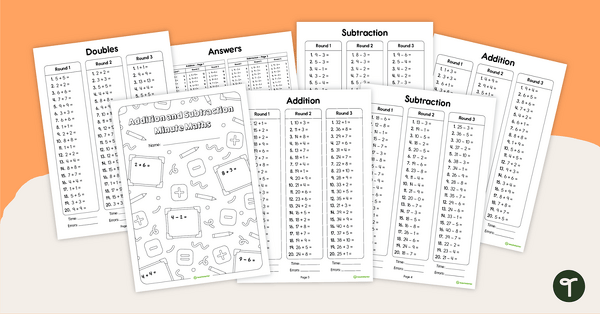
Addition and Subtraction Minute Maths Booklet
A maths warm-up booklet with ten pages of addition and subtraction questions.
- Plus Plan
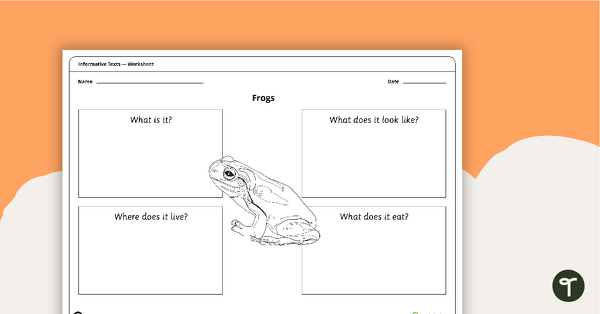
Build an Animal Fact File – Cut and Paste Worksheets
Use these animal fact file cut-and-paste worksheets as a precursor to information report writing.
- Plus Plan
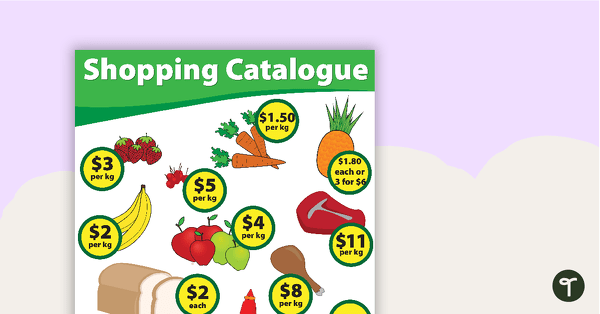
Shopping Catalogue with Worksheet
A shopping catalogue and worksheet to use when working on financial mathematics.
- Plus Plan
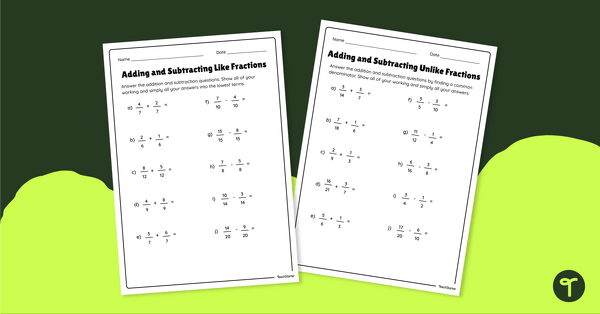
Adding and Subtracting Fractions Worksheets
Use these adding and subtracting fractions worksheets to enable your students to practise this important skill.
- Free Plan
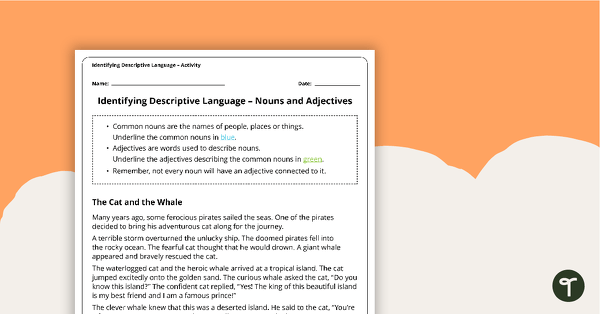
Identifying Descriptive Language Worksheets - Nouns, Adjectives, Verbs and Adverbs
A set of 5 worksheets to help your students identify descriptive language in narrative texts.
- Plus Plan
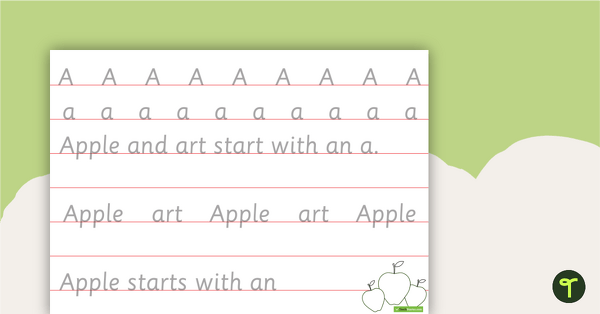
Alphabet Handwriting Sheets - Individual
Handwriting sheets for each letter of the alphabet.
- Plus Plan
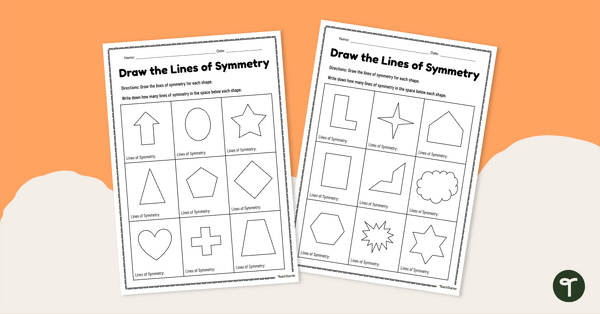
Draw The Line of Symmetry Worksheets
Use this lines of symmetry worksheet to help students practise drawing lines of symmetry on 2D shapes.
- Plus Plan
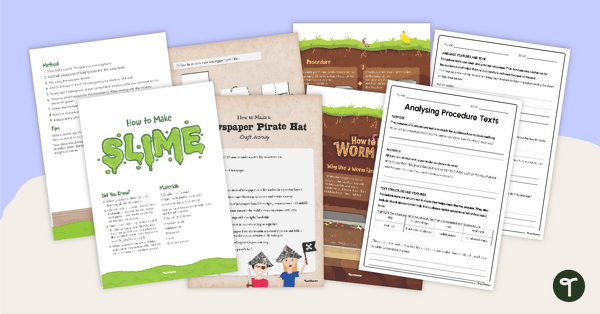
Procedural Text Examples and Analysis Worksheet
Use these procedural text examples with accompanying analysis worksheets to teach your students about the purpose, structure and language features of procedural writing.
- Plus Plan
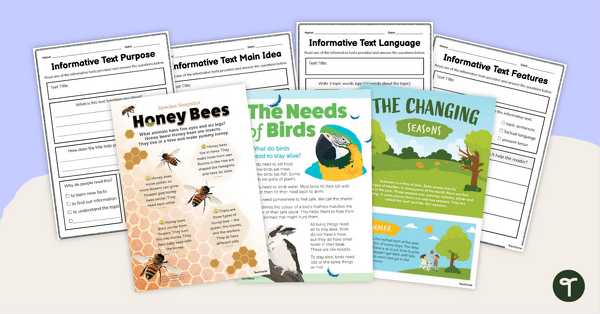
Analysing Informational Text Worksheets
Use these informational text worksheets and information text examples with your year 1 and Year 2 students to analysis text features and language features of informative texts.
- Free Plan
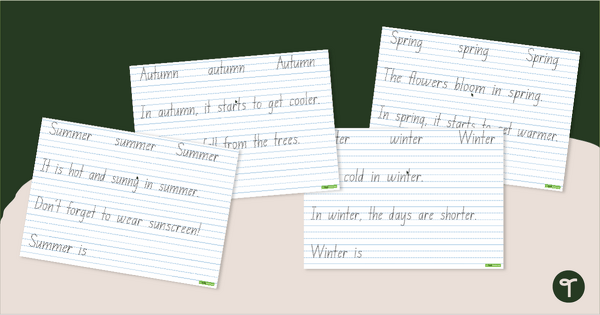
Season Handwriting Sheets
Use these handwriting sheets to help your students to learn about the seasons of the year and the structure and process when it comes to handwriting.
- Free Plan
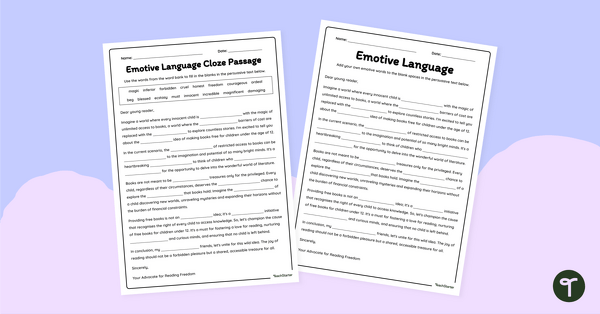
Emotive Language Cloze Passage Worksheet
Get students using emotive language examples in their persuasive writing with this differentiated cloze passage worksheet.
- Plus Plan
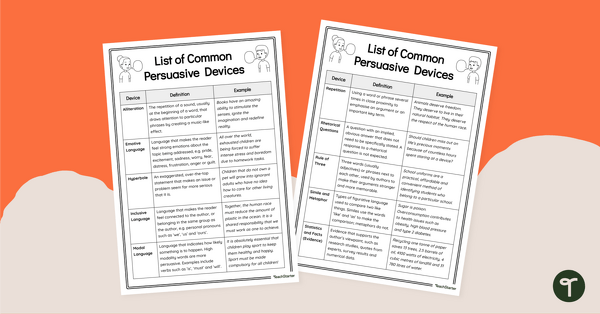
List of Persuasive Devices
Download this list of persuasive devices for your students to refer to when writing a persuasive text.
- Plus Plan
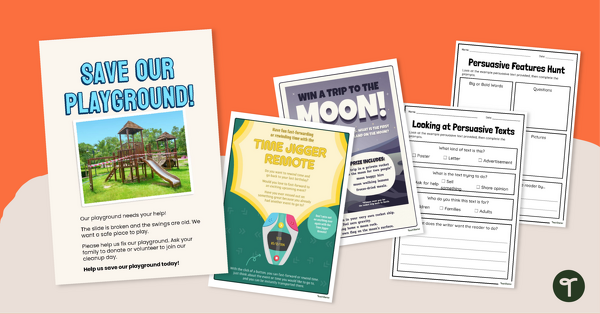
Year 2 Persuasive Texts and Analysis Worksheets
Help your year 2 students learn how different texts are organised and why they are written with this persuasive texts analysis activity pack.
- Plus Plan

Halloween Finish the Pattern Worksheet Pack
Have fun extending fun patterns with a printable Halloween Finish the Pattern Worksheet pack
- Plus Plan
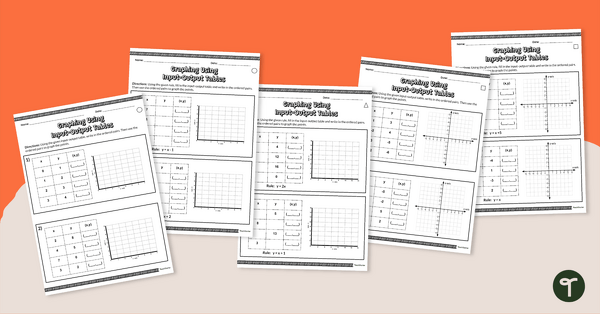
Input / Output Data Tables and Graphs Worksheets
Differentiate instruction with these data tables and graphs worksheets that have students completing input / output tables and plotting the points on a Cartesian plane.
- Plus Plan
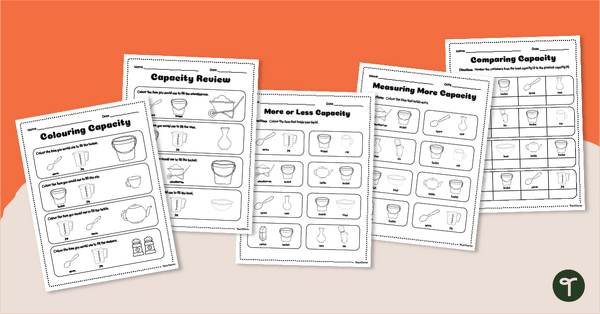
Year 1 Measuring Capacity Worksheets
Improve students' basic understanding of liquid measurement with a set of printable Capacity Worksheets for Year 1.
- Plus Plan
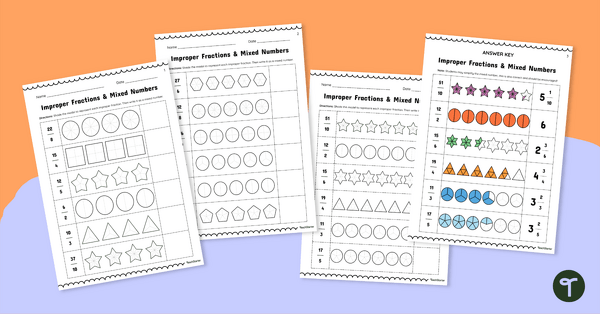
Changing Improper Fractions to Mixed Numbers Worksheet Set
Give students this changing improper fractions to mixed numbers worksheet set to build their understanding through shading models.
- Plus Plan
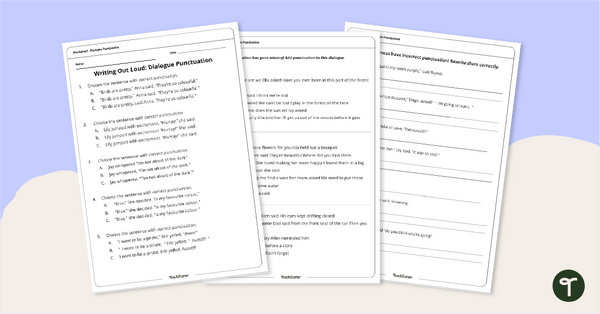
Punctuating Dialogue Worksheet Pack
Use this punctuating dialogue worksheet pack to help students confidently add quotation marks, commas, capital letters and end punctuation to dialogue sentences.
- Plus Plan
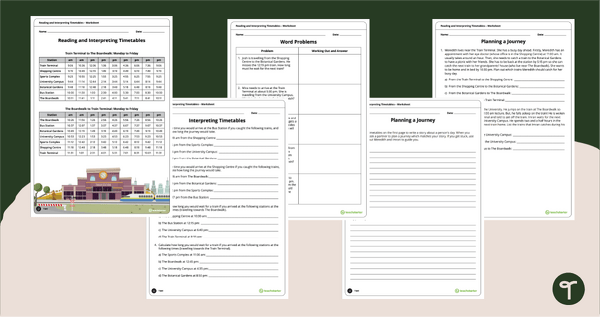
Read and Interpret Timetables Worksheets
Five pages of worksheets that allow students to work on reading and interpreting timetables.
- Plus Plan
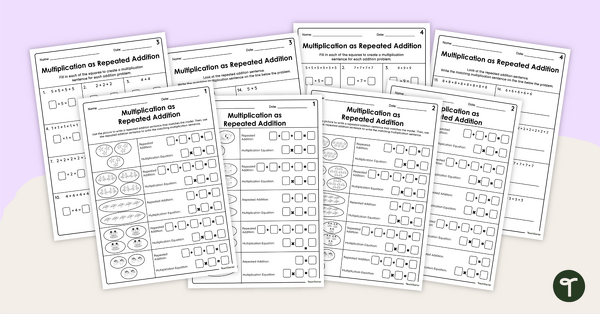
Multiplication as Repeated Addition Worksheet Pack
Strengthen student understanding of multiplication and repeated addition with this worksheet pack designed for year 2 and 3 students.
- Plus Plan
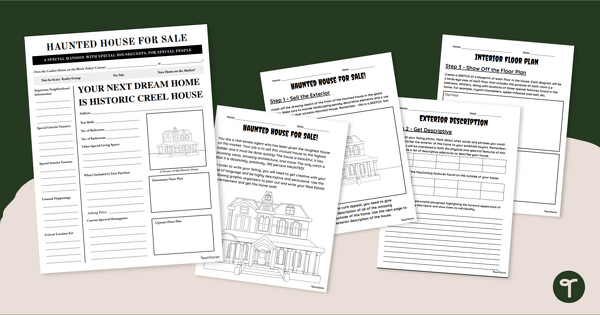
Haunted House for Sale - Creative Writing Activity
Use persuasive language and description writing to sell a haunted house with this exciting Halloween Haunted House Project!
- Plus Plan
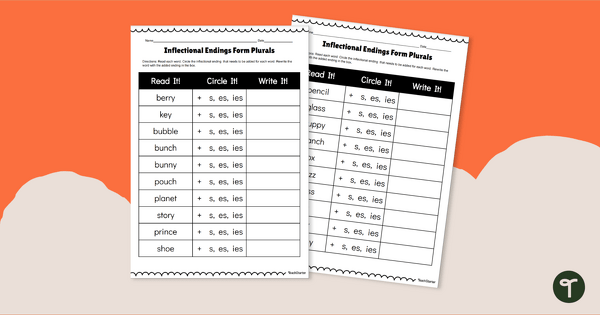
Plural Suffixes Worksheet Pack
Download this plurals worksheet pack to help students confidently identify and apply the plural suffixes -s, -es, -ies and -ves when spelling plural nouns.