Narrative Elements Teaching Resources
Are you teaching narrative elements and looking for worksheets and activities to get students excited about tone, narration, plot and a host of other elements to writing a great story? Wondering how to engage primary students on the concept of character traits and make plot development as exciting as recess?
The English teachers on the Teach Starter team have done just that with a collection of printable worksheets and digital activities built around this core reading standard. Aligned with the Australian English curriculum, each narrative elements activity in this collection has undergone a careful review by a member of our teacher team to ensure it's ready for your lesson plans and your students.
Explore our teacher team's guide to learn more about the various narrative elements and how to bring them to life in your classroom!
Is this your first year teaching about these story elements? Or the first year in a while? Our teacher team has put together a quick refresher to get you ready to rock and roll in the classroom, including a way to explain what narrative elements are.
What Are Narrative Elements? A Kid-Friendly Definition
First thing's first: Let's talk about the definition.
Narrative elements are the basic components of writing that the author uses to share the story with the reader. Without them, the narrative falls apart!
They are sometimes referred to as story elements or literary elements. No matter what you call them, these elements give a piece of writing structure and help the author convey information to the reader.
On the reading side, literary elements are also key to breaking down a story to understand better what the author is trying to say.
What Are Examples of Narrative Elements? 8 Examples That Can Help Your Students
There are eight main examples of narrative elements that students will encounter in narrative texts:
1. Setting
This element is crucial for developing a story as it provides the time in which the story takes place as well as where it takes place. Setting helps ground the story.
2. Plot
The plot is the way a story unfolds. It's essentially a pattern for the text.
3. Conflict
Conflict helps move a plot forward as it offers the reader a climax to move toward as they read.
4. Characterisation
This element of writing covers the way characters are developed within a story.
5. Point of View
Also called narration, this literary element is the perspective from which a story is told, such as first person or third person.
6. Tone
The tone of a story can be boiled down to the author's attitude about the subject of the story.
7. Genre
Genre covers the type of story written, such as realistic fiction, science fiction or even magical realism.
8. Figurative Language
Similes, metaphors and onomatopoeia are just some examples of the figurative language students may encounter in a text.
- Plus Plan
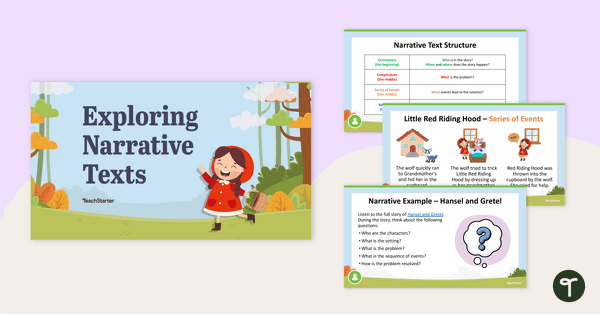
Exploring Narrative Texts PowerPoint
Teach your students about the key elements of narrative texts with this comprehensive teaching presentation.
- Plus Plan
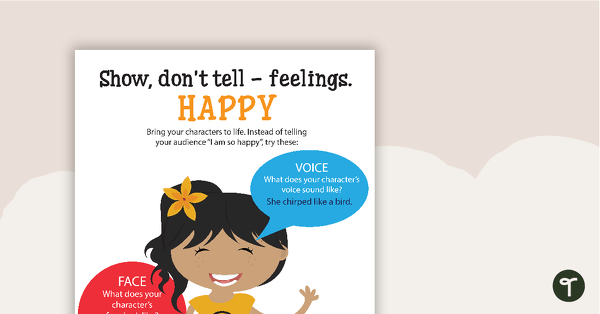
Show Don’t Tell Posters – Character Feelings
Use this set of Show, Don’t Tell posters to help your students describe character emotions through vivid details instead of simple statements.
- Plus Plan
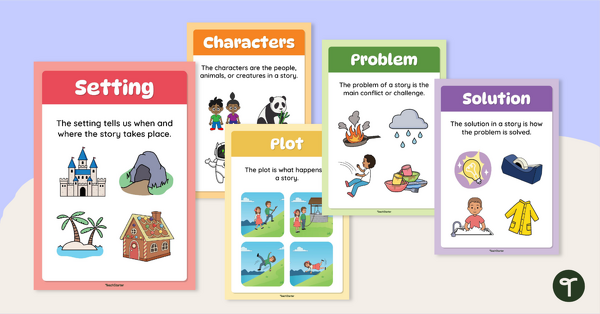
Story Elements Poster Set
Display this story elements poster set in your classroom when learning about narrative texts.
- Plus Plan
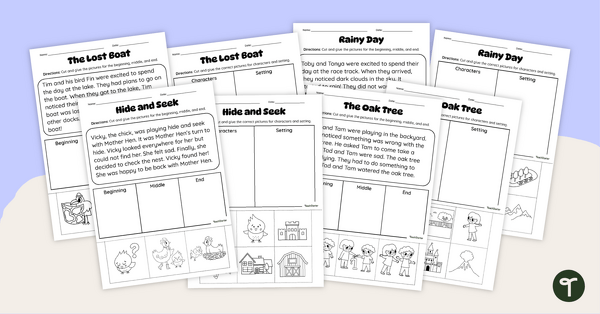
Beginning, Middle End Worksheets
Explore the main structure and story elements in a short story with these beginning, middle and end worksheets.
- Plus Plan
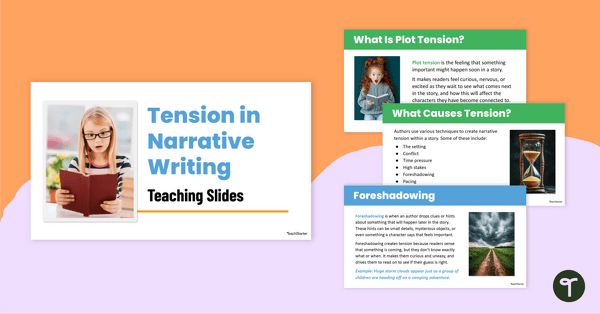
Building Tension in Narrative Writing Teaching Slides
Teach how to build tension in narrative writing with this interactive presentation that explains eight author techniques for creating suspense and excitement in stories.
- Plus Plan
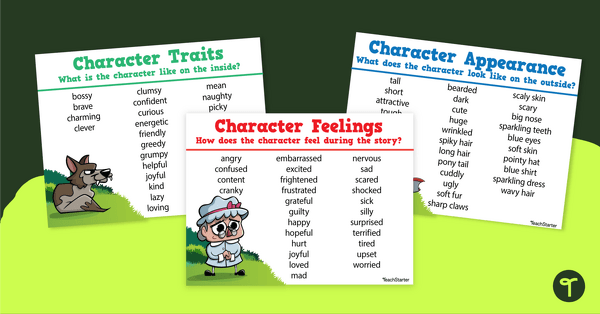
Character Traits, Feelings and Appearance - Posters
Use these 3 posters to show a variety of words and phrases that describes a character's personality, feelings and appearance.
- Plus Plan
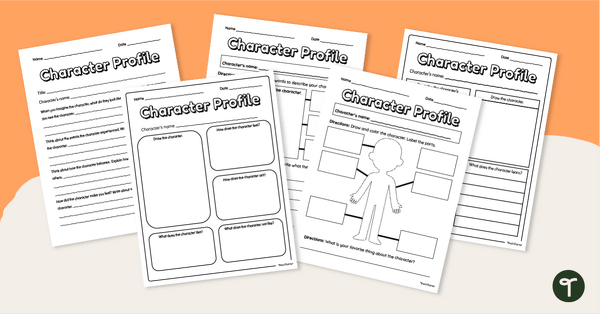
Character Profile Template Pack
Explore the personality, appearance, feelings and actions of a character from a narrative with this printable character profile templates.
- Plus Plan
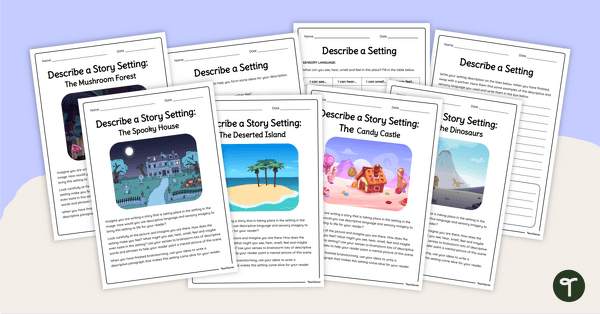
Describe a Story Setting Worksheets
Download these engaging story setting worksheets that help students brainstorm descriptive language and write vivid setting descriptions with ease.
- Plus Plan
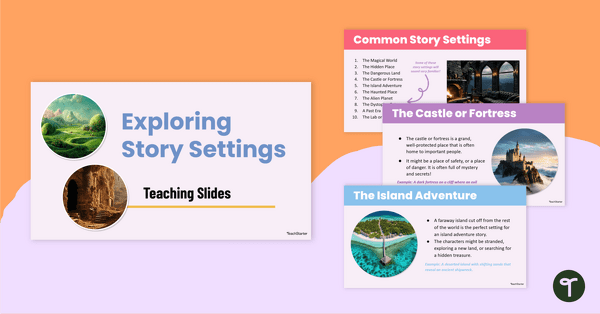
Examples of Story Settings Teaching Slides
Discover engaging examples of story settings with this teaching presentation that introduces students to ten classic settings in children’s literature.
- Free Plan
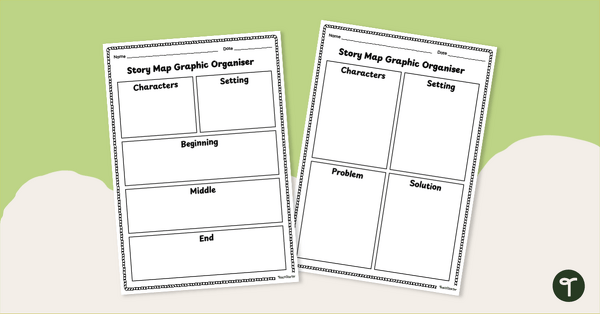
Story Map Graphic Organiser Pack
Download and use a printable Story Map Graphic Organiser to help your students make sense of story elements related to their reading.
- Plus Plan
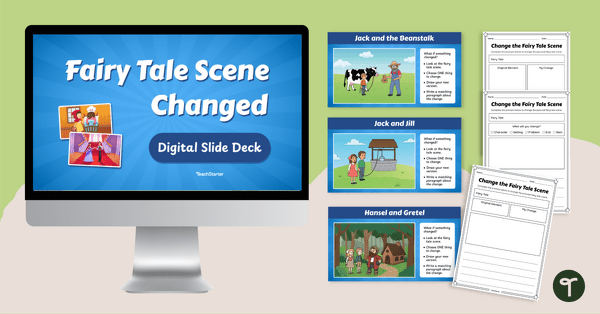
Fairy Tale Scene Flip Activity
Use this Fairy Tale setting flip activity to explore fractured fairy tales and the elements and vocabulary that make up a setting in a narrative
- Plus Plan
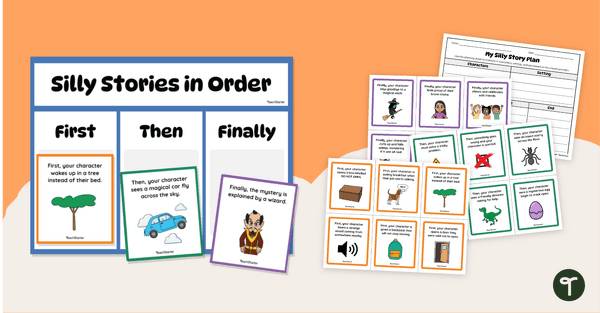
First, Then, Finally Sort and Writing Template
Help your students sequence ideas for a narrative story with these narrative element prompts and a First Then Finally Writing Template.
- Plus Plan
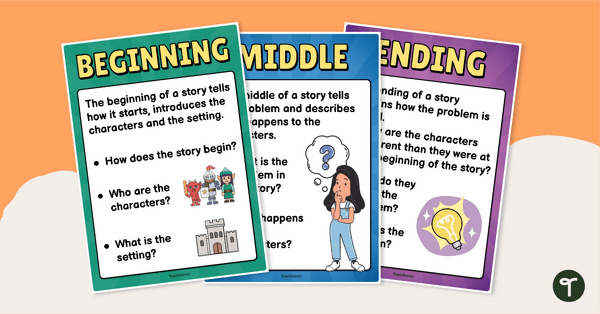
Beginning, Middle and End of Story Poster Set
Remind students of the elements that make up the beginning, middle and end of a story with this set of three posters.
- Plus Plan
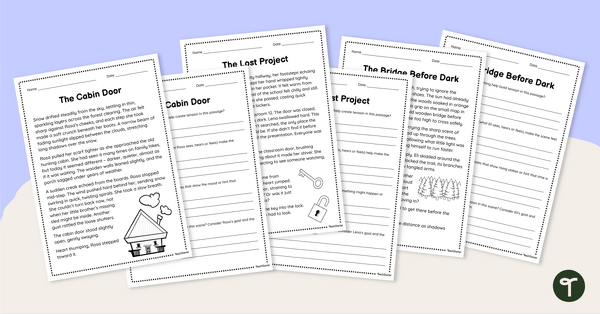
Narrative Tension – Text Analysis Worksheets
Teach narrative tension with this set of three worksheets designed to help students explore how authors build suspense and keep readers hooked.
- Plus Plan
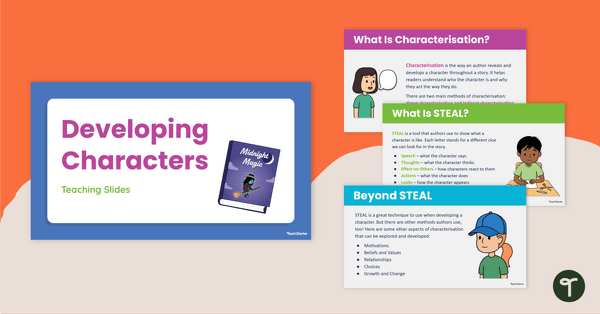
Develop a Character Teaching Slides
Teach your students how to develop a character using the STEAL technique and other characterisation methods with this comprehensive teaching presentation.
- Plus Plan
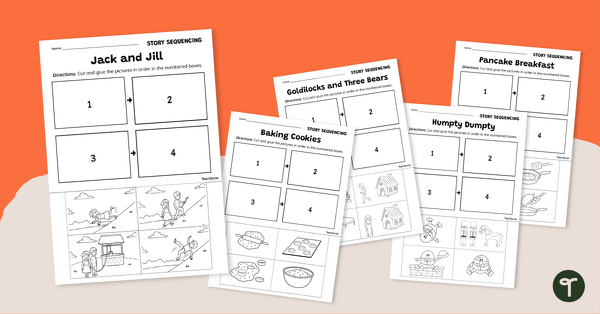
Picture Story Sequencing Worksheets
Help your students build strong visual literacy skills with these Picture Story Sequencing cut and paste worksheet pack.
- Plus Plan
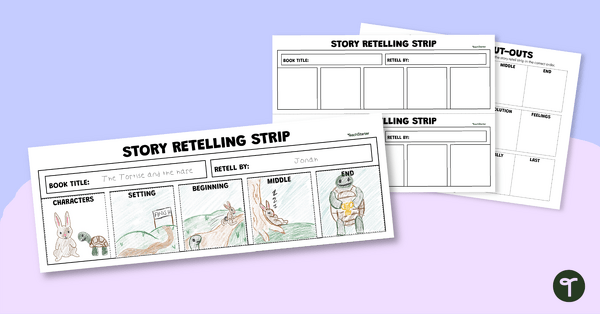
Story Retelling Strips
Explore a story with your students with this story-retelling cut-and-paste worksheet.
- Free Plan
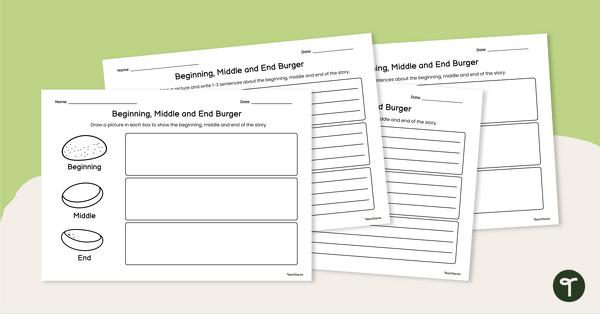
Story Beginning, Middle and End Graphic Organiser
Help your students write and draw about the beginning, middle and end of stories with this set of differentiated graphic organisers.
- Plus Plan
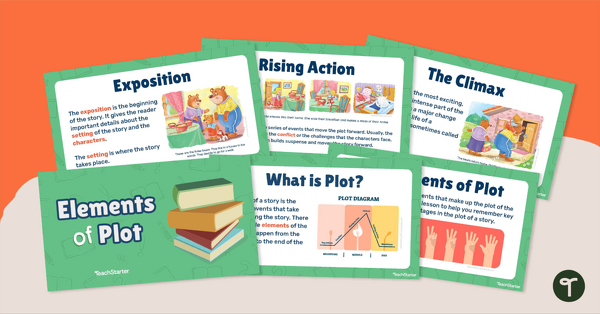
Elements of Plot Teaching Presentation
Teach your students about the elements of a story with this engaging teaching presentation.
- Plus Plan
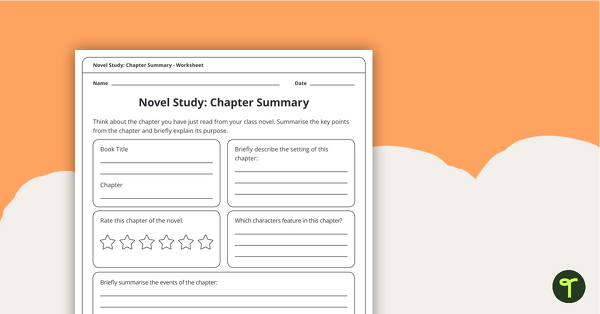
Novel Study Worksheet Pack
Download this set of novel study worksheets that can be used with any text to support your students in exploring characters and events in literature.
- Plus Plan
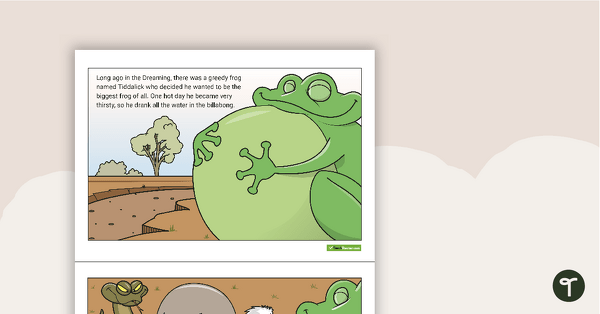
Tiddalick the Frog Dreaming Story Sequencing Activity Cards
Use these Tiddalick the Frog sequencing activity cards as a resource for teaching Australian Dreaming Stories.
- Plus Plan
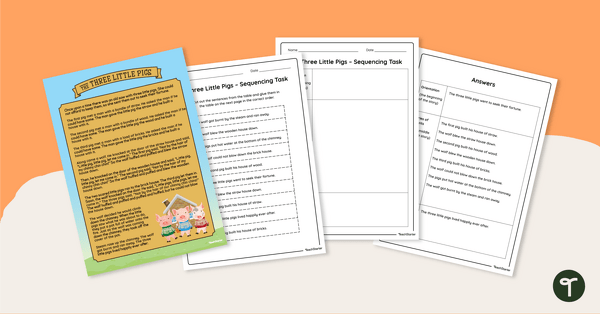
Three Little Pigs – Sequencing Worksheet
Identify the story beginning, series of events and ending with this narrative text sequencing activity.
- Plus Plan
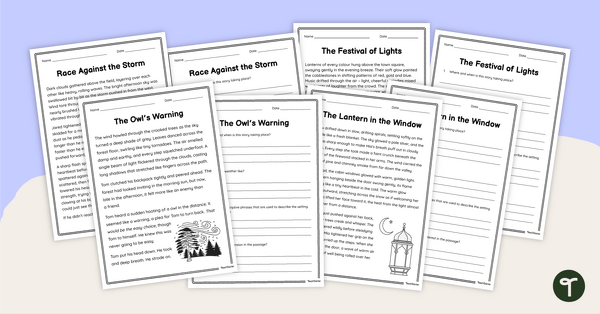
Mood in Narrative Writing – Text Analysis Worksheets
Teach mood in narrative writing with this set of four worksheets designed to help students explore narrative atmosphere in the context of real texts.
- Plus Plan
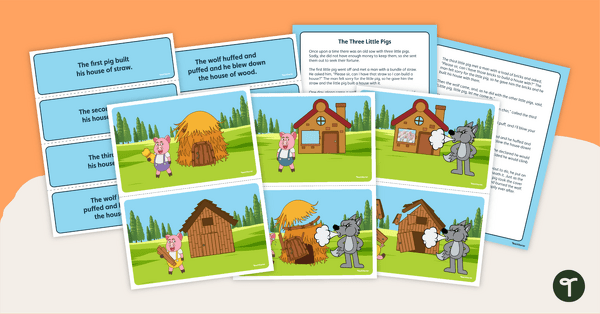
Three Little Pigs Retelling Activity Cards
Teach your students about retelling with this set of sequencing cards for The Three Little Pigs.
- Plus Plan
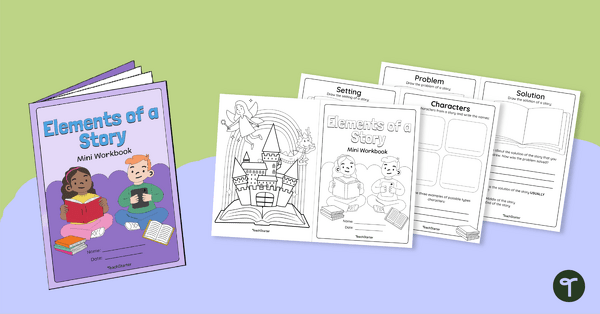
Elements of a Story Activity Workbook
Explore the different elements of a narrative story with this student mini workbook.
- Plus Plan
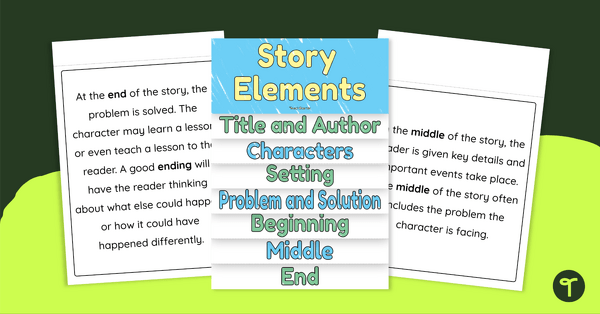
Narrative Elements Flipbook
Teach your students about narrative elements with this double-sided flipbook.
- Plus Plan
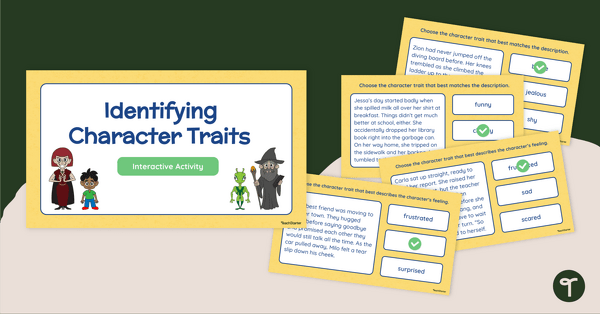
Identifying Character Traits Interactive Activity
Get your students identifying character traits with this engaging digital quiz that helps students understand how language reveals personality in writing.
- Plus Plan
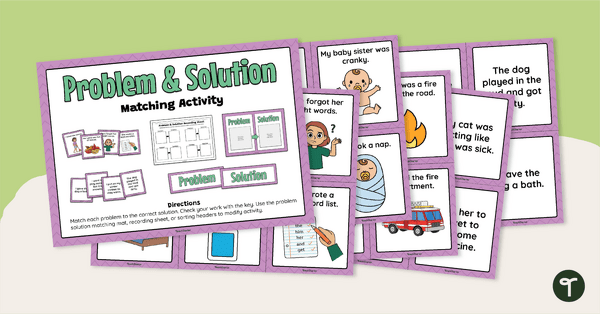
Story Problem and Solution Matching Activity
Match problems with their solutions to enhance your students' knowledge using this problem and solution matching activity.
- Plus Plan
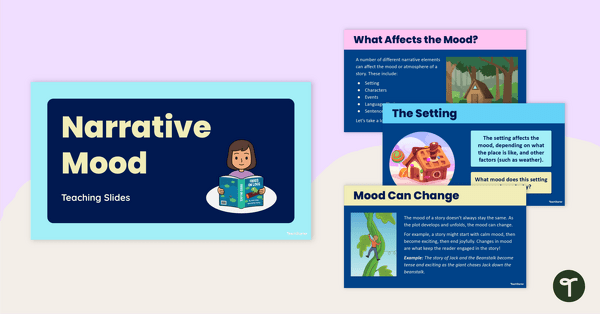
Narrative Mood Teaching Slides
Explore narrative mood with this interactive presentation that helps students understand what mood is, why it matters and how to create it in their own writing.
- Plus Plan
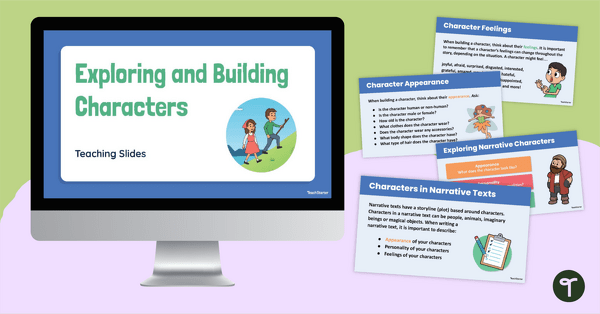
Exploring and Building Narrative Characters PowerPoint
Use this editable PowerPoint template when teaching younger students about how to build a character for a narrative text.
- Plus Plan
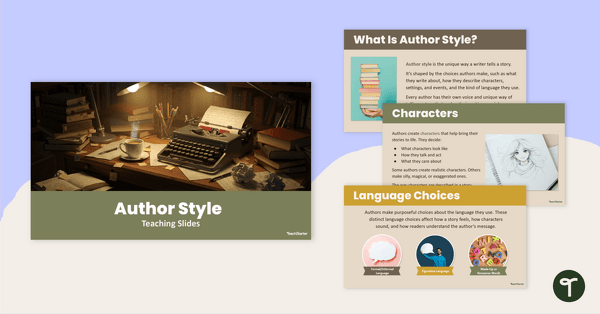
Author Style Teaching Slides
Teach your students about author style with this engaging slide deck that helps students understand the different elements that make up an author’s unique voice.
- Plus Plan
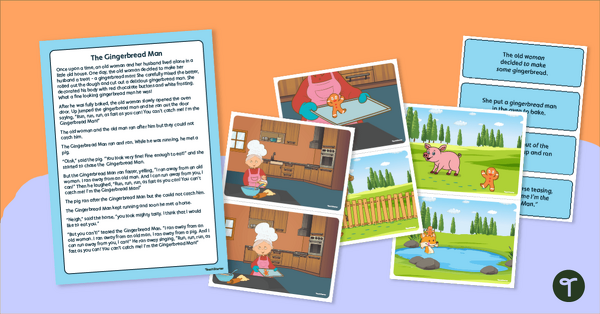
The Gingerbread Man Story Sequencing Cards
Teach your students about retelling with this set of printable gingerbread man story sequencing cards.
- Narrative Elements Worksheets
- Narrative Elements Templates
- Narrative Elements Teaching Presentations
- Narrative Elements Games
- Narrative Elements Posters
- Narrative Elements for Foundation Year
- Narrative Elements for Year 1
- Narrative Elements for Year 2
- Narrative Elements for Year 3
- Narrative Elements for Year 4
- Narrative Elements for Year 5
- Narrative Elements for Year 6