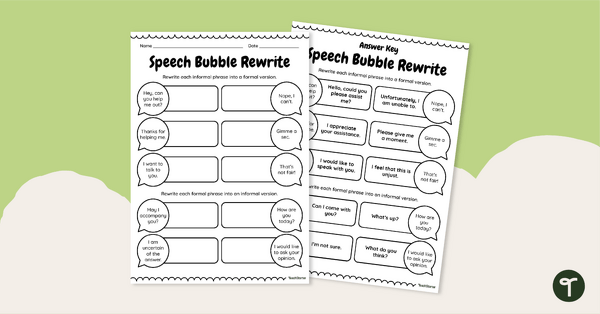
Build confident communicators with this engaging Speech Bubble Rewrite Informal vs Formal Worksheet.
Formal & Informal Language Worksheets
Support students as they learn to recognise and use formal language and informal language with this fun speech‑bubble themed worksheet. Learners practise rewriting everyday phrases into more formal versions and then flip the task by turning formal phrases into casual, conversational speech.
This resource helps students understand how language changes depending on audience, purpose and context. With familiar examples like “Hey, can you help me out?”, “Gimme a sec”, “May I accompany you?” and “I am uncertain of the answer”, students build confidence adjusting tone and wording to suit different situations.
How This Worksheet Builds Communication Skills
Help students understand that strong communicators choose language that fits the situation. These worksheets break the skill into simple, child‑friendly steps that support vocabulary development, tone awareness and real‑world communication.
Here’s a step by step way of modeling this vocabulary activity for your students:
- Read the phrase aloud — discuss whether it sounds formal or informal.
- Think aloud — model how you would adjust tone and vocabulary.
- Rewrite the phrase — match the required style (formal or informal).
- Compare versions — talk about when each style might be used.
- Let students try — guide them through the next speech bubble independently.
Download and Explore Language Choices Today
Use the dropdown menu to choose between the printable PDF or digital version of this Speech Bubble Rewrite – Familiar vs Formal Worksheet. With clear examples and engaging speech‑bubble visuals, this resource is an excellent way to build confident, flexible communicators in the early years.
This resource was created by Lindsey Phillips, a teacher and a Teach Starter Collaborator.
More Speaking and Listening Resources
Are you looking for more vocabulary resources to use in the classroom? We have you covered…
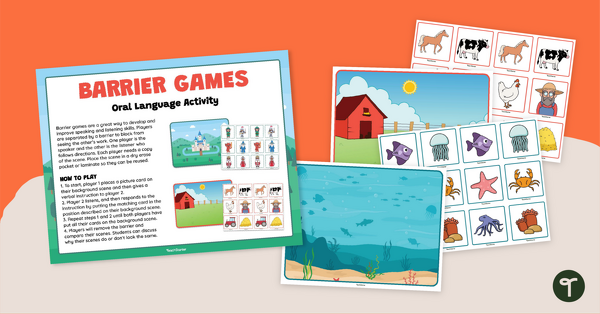
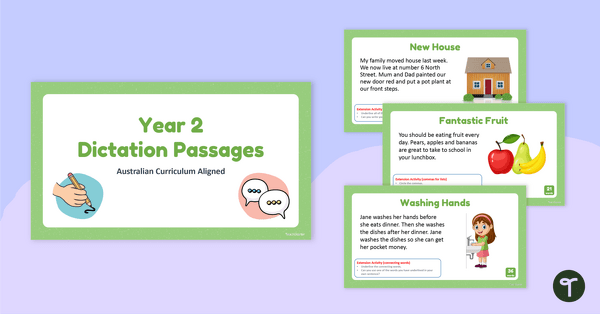
Engage with this Describe it Card Game to get your students using their oral language skills in a fun way! Use these Oral Language Barrier Games to develop oral language skills in the early years classroom. Use this set of Year 2 dictation passages to promote listening and transcription skills in your students.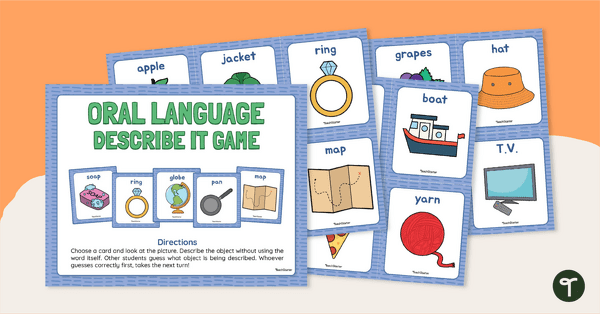
teaching resource
Describe it Card Game
teaching resource
Oral Language Barrier Games
teaching resource
Year 2 Dictation Passages PowerPoint

0 Comments
Write a review to help other teachers and parents like yourself. If you'd like to request a change to this resource, or report an error, select the corresponding tab above.