A comprehension worksheet for a poem about the season spring.
This teaching resource is a comprehension worksheet asking questions about the magazine poem ‘Spring is Here.’
Updated: 03 Sep 2020
A comprehension worksheet for a poem about the season spring.
Non-Editable: PDF
Pages: 2 Pages
Years: 2 - 4
Understand that different types of texts have identifiable text structures and language features that help the text serve its purposeElaborationsidentifying the topic and type of a text through its visual presentation, for example cover design, packa...
Understand how texts are made cohesive through language features, including word associations, synonyms, and antonymsElaborationsexploring how texts develop their themes and ideas, building information through connecting similar and contrasting dissi...
Understand how different types of texts vary in use of language choices, depending on their purpose and context (for example, tense and types of sentences)Elaborationsbecoming familiar with typical structural stages and language features of various t...
Understand how texts vary in complexity and technicality depending on the approach to the topic, the purpose and the intended audienceElaborationsbecoming familiar with the typical stages and language features of such text types as: simple narrative,...
Understand how texts are made cohesive by using personal and possessive pronouns and by omitting words that can be inferred
Understand how texts are made cohesive by using personal and possessive pronouns and by omitting words that can be inferred
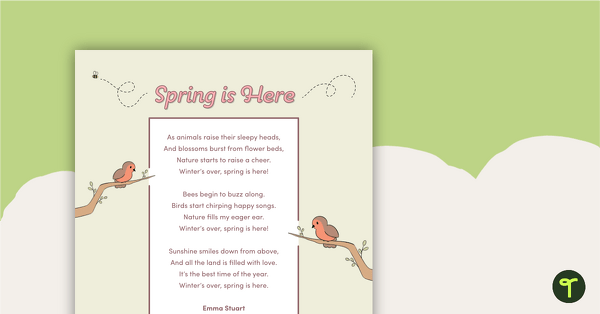
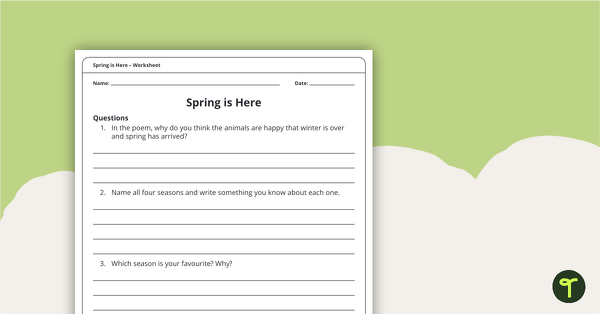
A comprehension worksheet for a poem about the season spring.
This teaching resource is a comprehension worksheet asking questions about the magazine poem ‘Spring is Here.’
Understand that different types of texts have identifiable text structures and language features that help the text serve its purposeElaborationsidentifying the topic and type of a text through its visual presentation, for example cover design, packa...
Understand how texts are made cohesive through language features, including word associations, synonyms, and antonymsElaborationsexploring how texts develop their themes and ideas, building information through connecting similar and contrasting dissi...
Understand how different types of texts vary in use of language choices, depending on their purpose and context (for example, tense and types of sentences)Elaborationsbecoming familiar with typical structural stages and language features of various t...
Understand how texts vary in complexity and technicality depending on the approach to the topic, the purpose and the intended audienceElaborationsbecoming familiar with the typical stages and language features of such text types as: simple narrative,...
Understand how texts are made cohesive by using personal and possessive pronouns and by omitting words that can be inferred
Understand how texts are made cohesive by using personal and possessive pronouns and by omitting words that can be inferred

We create premium quality, downloadable teaching resources for primary/elementary school teachers that make classrooms buzz!
Would you like something changed or customised on this resource? While our team makes every effort to complete change suggestions, we can't guarantee that every change will be completed.
Did you spot an error on this resource? Please let us know and we will fix it shortly.
Are you having trouble downloading or viewing this resource? Please try the following steps:
If you are still having difficulty, please visit the Teach Starter Help Desk or contact us .
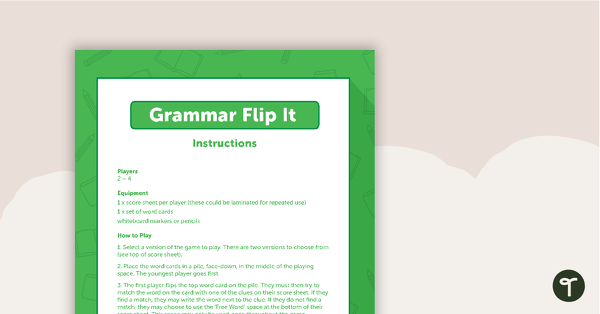
A fun game for students to play in small groups to consolidate their understanding of adjectives.
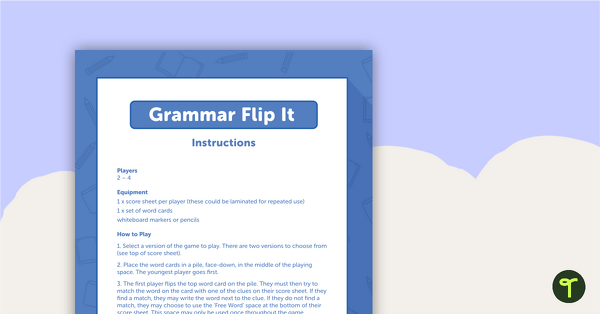
A fun game for students to play in small groups to consolidate their understanding of verbs.
Use this set of Year 1 editing passages to help your students demonstrate their spelling, punctuation and grammar knowledge.
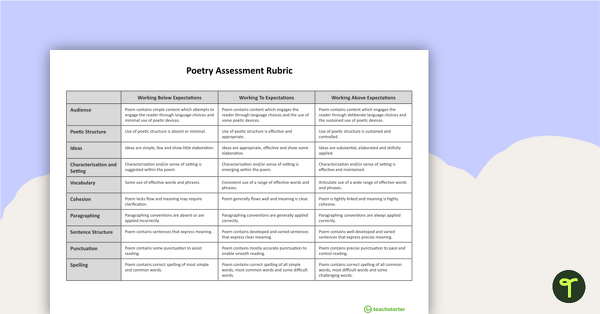
A NAPLAN-style rubric designed to help teachers to assess student's poetry.
Use this set of Year 4 editing passages to help your students demonstrate their spelling, punctuation and grammar knowledge.
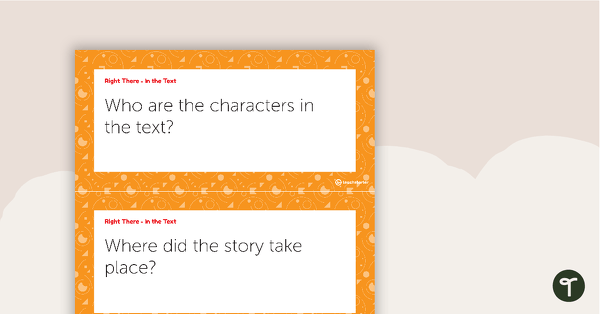
A set of 28 generic QAR question cards for students to use as a comprehension task after reading.
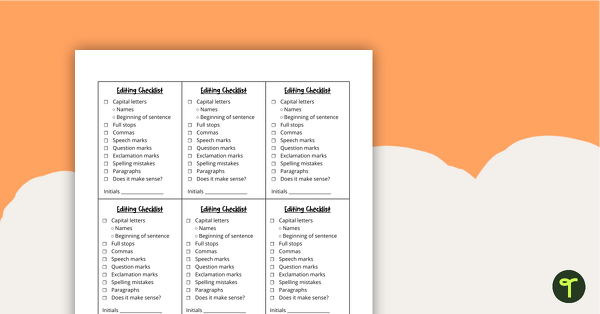
Get your students using this editing checklist so that no mistake gets left behind!
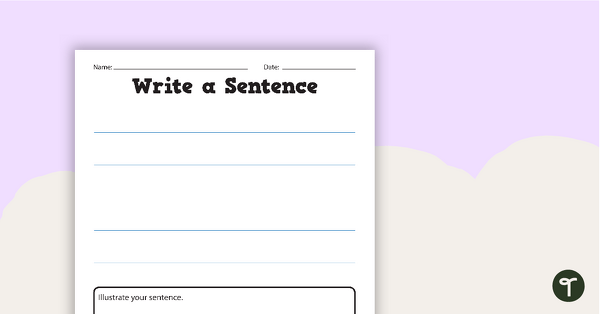
A worksheet for beginner writers to practice their handwriting.
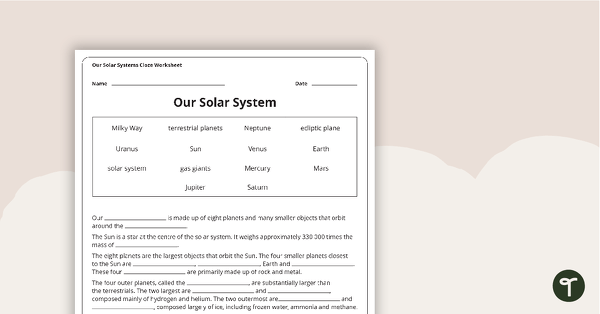
A set of 7 fiction and non-fiction cloze worksheets with answer sheets.
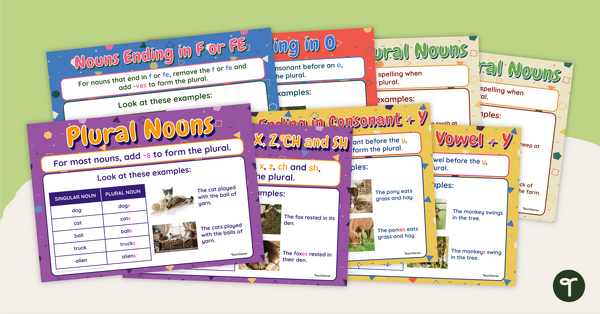
Make plural rules a breeze to understand with plural noun posters.
0 Comments
Write a review to help other teachers and parents like yourself. If you'd like to request a change to this resource, or report an error, select the corresponding tab above.