A comprehension worksheet for a comic from the Year 2 magazine (Issue 2).
This teaching resource is a comprehension worksheet for the magazine article ‘The ‘Oops’ Opportunity’ from the Year 2 magazine, ‘What’s Buzzing?’ (Issue 2).
Updated: 30 Jun 2023
A comprehension worksheet for a comic from the Year 2 magazine (Issue 2).
Non-Editable: PDF
Pages: 3 Pages
Years: 1 - 2
Use comprehension strategies, such as visualising, predicting, connecting, summarising and questioning, and draw on learnt vocabulary and growing knowledge of context and text structures to build literal and inferred meanings
Use comprehension strategies, such as visualising, predicting, connecting, summarising, monitoring and questioning, and begin to analyse texts by drawing on a growing knowledge of context and text structures to build literal and inferred meaning...
Comprehends independently read texts that require sustained reading by activating background and word knowledge, connecting and understanding sentences and whole text, and monitoring for meaning
Use comprehension strategies to build literal and inferred meaning about key events, ideas and information in texts that they listen to, view and read by drawing on growing knowledge of context, text structures and language featuresElaborationsusing ...
Use comprehension strategies to build literal and inferred meaning and begin to analyse texts by drawing on growing knowledge of context, language and visual features and print and multimodal text structuresElaborationsmaking connections between the ...
Practise strategies they can use when they feel uncomfortable, unsafe or need help with a task, problem or situationElaborationsidentifying and rehearsing strategies they can use when requiring assistance, such as asking an adult, reading basic signs...
Use comprehension strategies such as visualising, predicting, connecting, summarising and questioning when listening, viewing and reading to build literal and inferred meaning by drawing on vocabulary and growing knowledge of context and text structures
Use comprehension strategies such as visualising, predicting, connecting, summarising, monitoring and questioning to build literal and inferred meaning
Identify and demonstrate protective behaviours and help-seeking strategies they can use to help them and others stay safe
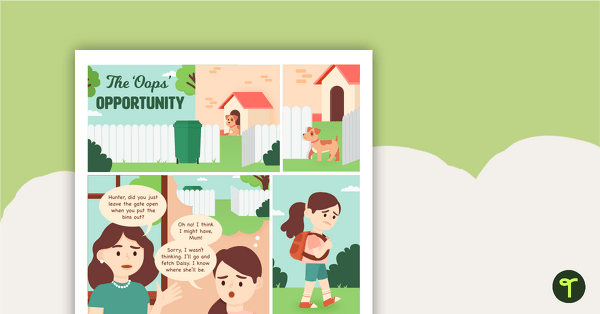
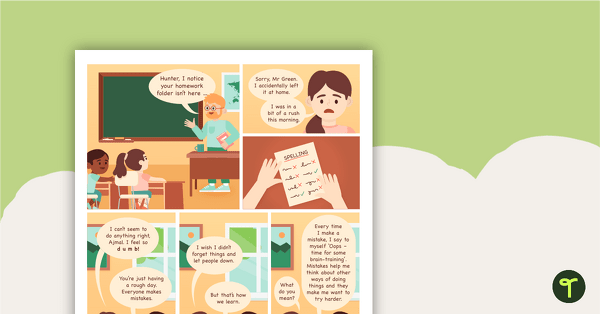
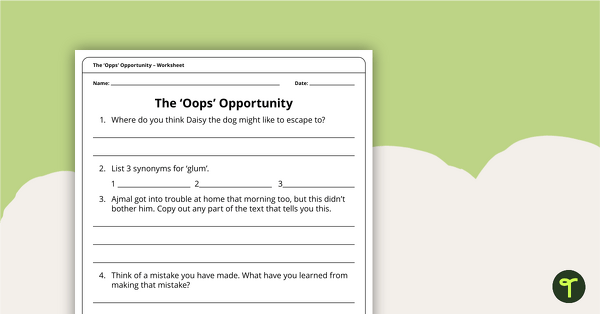
A comprehension worksheet for a comic from the Year 2 magazine (Issue 2).
This teaching resource is a comprehension worksheet for the magazine article ‘The ‘Oops’ Opportunity’ from the Year 2 magazine, ‘What’s Buzzing?’ (Issue 2).
Use comprehension strategies, such as visualising, predicting, connecting, summarising and questioning, and draw on learnt vocabulary and growing knowledge of context and text structures to build literal and inferred meanings
Use comprehension strategies, such as visualising, predicting, connecting, summarising, monitoring and questioning, and begin to analyse texts by drawing on a growing knowledge of context and text structures to build literal and inferred meaning...
Comprehends independently read texts that require sustained reading by activating background and word knowledge, connecting and understanding sentences and whole text, and monitoring for meaning
Use comprehension strategies to build literal and inferred meaning about key events, ideas and information in texts that they listen to, view and read by drawing on growing knowledge of context, text structures and language featuresElaborationsusing ...
Use comprehension strategies to build literal and inferred meaning and begin to analyse texts by drawing on growing knowledge of context, language and visual features and print and multimodal text structuresElaborationsmaking connections between the ...
Practise strategies they can use when they feel uncomfortable, unsafe or need help with a task, problem or situationElaborationsidentifying and rehearsing strategies they can use when requiring assistance, such as asking an adult, reading basic signs...
Use comprehension strategies such as visualising, predicting, connecting, summarising and questioning when listening, viewing and reading to build literal and inferred meaning by drawing on vocabulary and growing knowledge of context and text structures
Use comprehension strategies such as visualising, predicting, connecting, summarising, monitoring and questioning to build literal and inferred meaning
Identify and demonstrate protective behaviours and help-seeking strategies they can use to help them and others stay safe

We create premium quality, downloadable teaching resources for primary/elementary school teachers that make classrooms buzz!
Would you like something changed or customised on this resource? While our team makes every effort to complete change suggestions, we can't guarantee that every change will be completed.
Did you spot an error on this resource? Please let us know and we will fix it shortly.
Are you having trouble downloading or viewing this resource? Please try the following steps:
If you are still having difficulty, please visit the Teach Starter Help Desk or contact us .
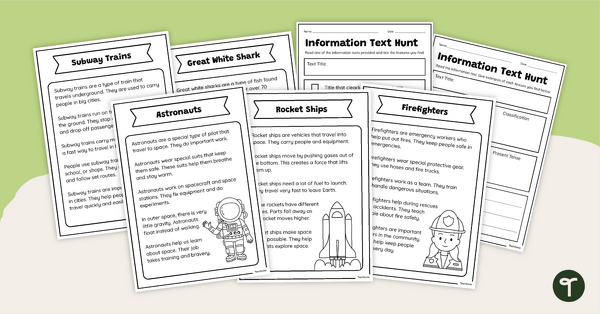
Use this set of 5 information report text examples and 2 targeted worksheets to support your students in breaking down and understanding informative writing.
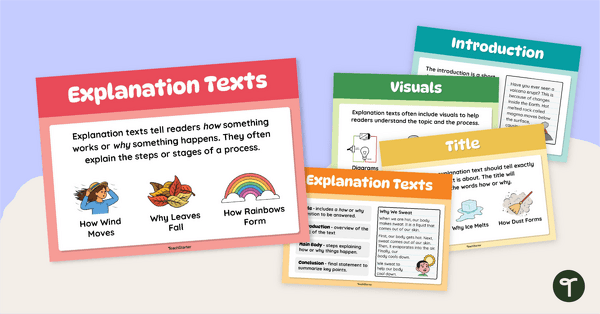
Use this Explanation Text poster set with your students to clearly show the structure and text elements of an explanation text.
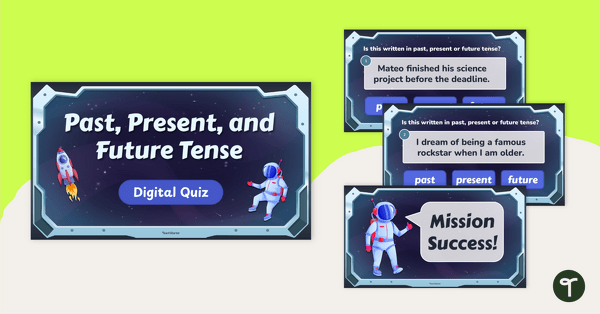
Boost verb tense understanding with an engaging self-checking quiz that helps students confidently identify past, present and future sentences.
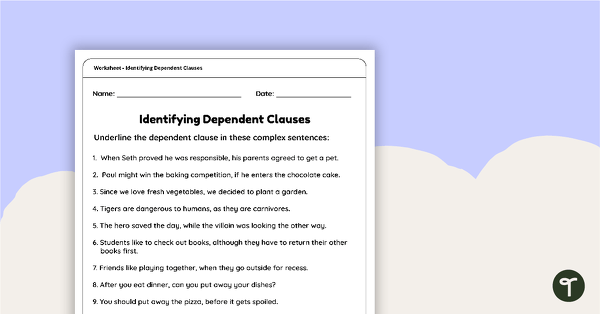
Engage learners with this dependent clause worksheet pack designed to help students confidently identify and understand clauses in complex sentences.
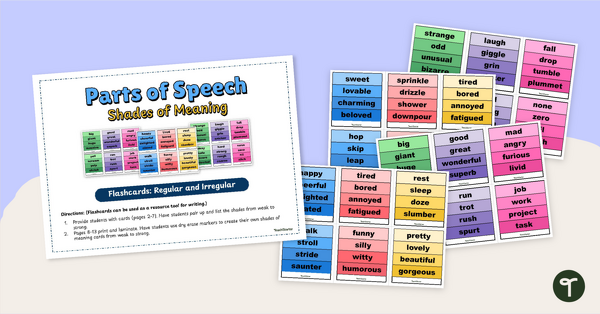
Support students to deepen their vocabulary understanding by exploring shades of meaning across verbs, adverbs, nouns and adjectives with engaging, classroom-ready posters.
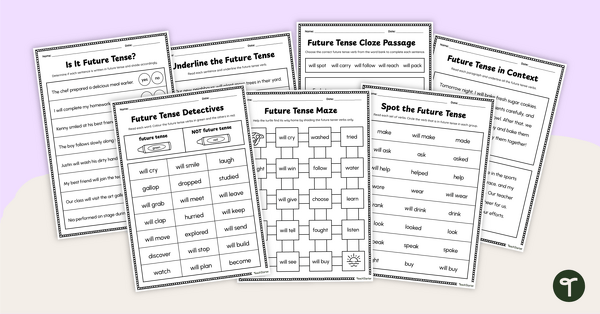
Use this future tense worksheet pack to help your students identify and use future tense verb forms in a variety of contexts.
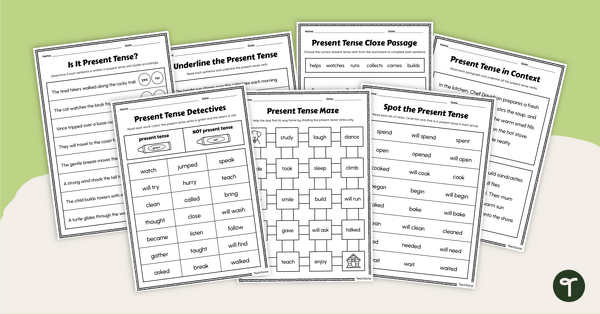
Use these present tense verbs worksheets to help your students identify and use present tense verb forms in a variety of contexts.
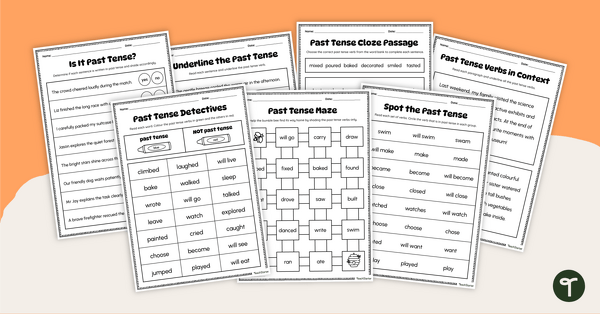
Use these past tense verbs worksheets to help your students identify and use past tense verb forms in a variety of contexts.
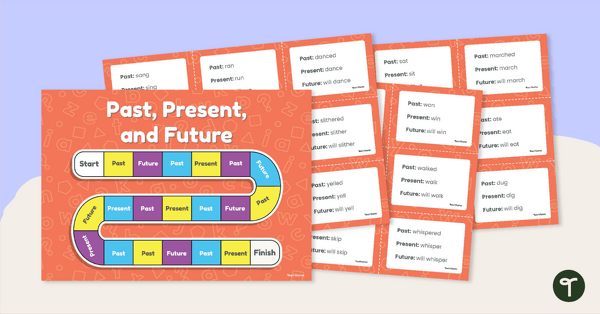
Engage students with this past, present and future game that turns verb tense practice into an exciting escape room challenge where they apply skills to crack a secret code.
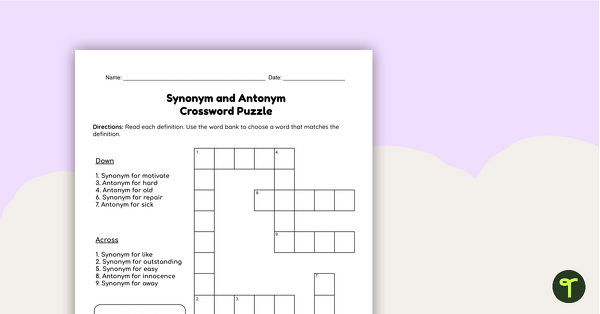
Review vocabulary skills and boost your students’ knowledge of synonyms and antonyms with a crossword puzzle worksheet.
0 Comments
Write a review to help other teachers and parents like yourself. If you'd like to request a change to this resource, or report an error, select the corresponding tab above.