A comprehension worksheet for a comic from the Foundation magazine (Issue 2).
This teaching resource is a comprehension worksheet for the magazine article ‘What’s My Pet?’ from the Foundation magazine, ‘What’s Buzzing?’ (Issue 2).
Updated: 26 Jul 2023
A comprehension worksheet for a comic from the Foundation magazine (Issue 2).
Non-Editable: PDF
Pages: 4 Pages
Year: F
Read decodable and authentic texts using developing phonic knowledge, and make and monitor meaning using context and emerging grammatical knowledge
Communicates effectively by using interpersonal conventions and language with familiar peers and adults
Tracks written text from left to right and from top to bottom of the page and identifies visual and spatial features of print
Uses single-letter grapheme-phoneme correspondences and common digraphs to decode and encode words when reading and creating texts
Comprehends independently read texts using background knowledge, word knowledge and understanding of how sentences connect
Read decodable and predictable texts, practising phrasing and fluency, and monitor meaning using concepts about print and emerging contextual, semantic, grammatical and phonic knowledgeElaborationsnavigating a text correctly, starting at the right pl...
Use comprehension strategies to understand and discuss texts listened to, viewed or read independentlyElaborationstalking about the meanings in texts listened to, viewed and read (Skills: Literacy, Critical and Creative Thinking)visualising elements ...
Read decodable and authentic texts using developing phonic knowledge, and monitor meaning using context and emerging grammatical knowledge
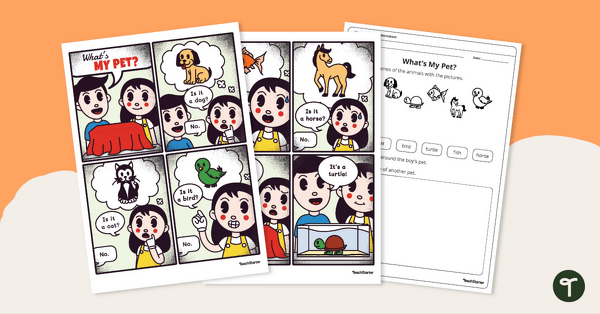
A comprehension worksheet for a comic from the Foundation magazine (Issue 2).
This teaching resource is a comprehension worksheet for the magazine article ‘What’s My Pet?’ from the Foundation magazine, ‘What’s Buzzing?’ (Issue 2).
Read decodable and authentic texts using developing phonic knowledge, and make and monitor meaning using context and emerging grammatical knowledge
Communicates effectively by using interpersonal conventions and language with familiar peers and adults
Tracks written text from left to right and from top to bottom of the page and identifies visual and spatial features of print
Uses single-letter grapheme-phoneme correspondences and common digraphs to decode and encode words when reading and creating texts
Comprehends independently read texts using background knowledge, word knowledge and understanding of how sentences connect
Read decodable and predictable texts, practising phrasing and fluency, and monitor meaning using concepts about print and emerging contextual, semantic, grammatical and phonic knowledgeElaborationsnavigating a text correctly, starting at the right pl...
Use comprehension strategies to understand and discuss texts listened to, viewed or read independentlyElaborationstalking about the meanings in texts listened to, viewed and read (Skills: Literacy, Critical and Creative Thinking)visualising elements ...
Read decodable and authentic texts using developing phonic knowledge, and monitor meaning using context and emerging grammatical knowledge

We create premium quality, downloadable teaching resources for primary/elementary school teachers that make classrooms buzz!
Would you like something changed or customised on this resource? While our team makes every effort to complete change suggestions, we can't guarantee that every change will be completed.
Did you spot an error on this resource? Please let us know and we will fix it shortly.
Are you having trouble downloading or viewing this resource? Please try the following steps:
If you are still having difficulty, please visit the Teach Starter Help Desk or contact us .
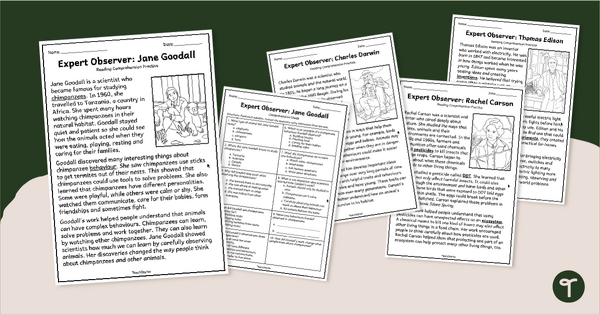
Boost reading skills and introduce your students to a world of expert observers with a set of printable Expert Observers Reading Comprehension Worksheets.
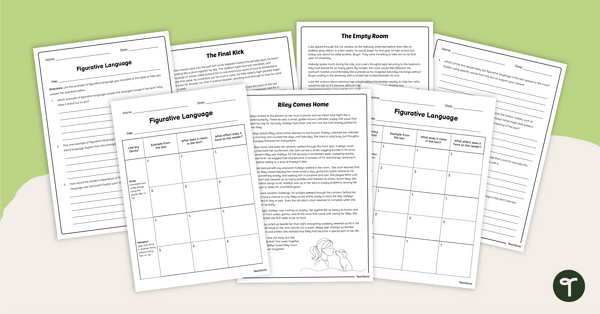
Explore figurative language in literature with engaging reading passages and targeted worksheets that help students identify, analyse and explain how authors use figurative devices to create meaning and impact.
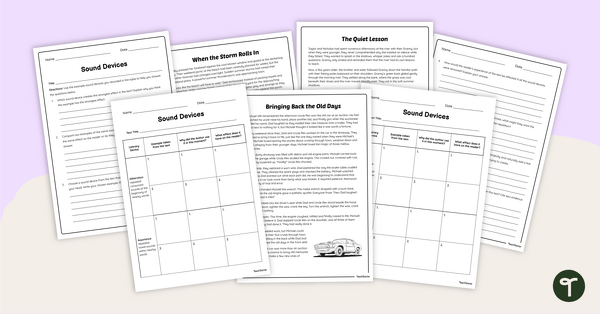
Teach sound devices in literature with three engaging passages and accompanying worksheets that help students identify, analyse and explain the effect of key sound devices in meaningful reading contexts.
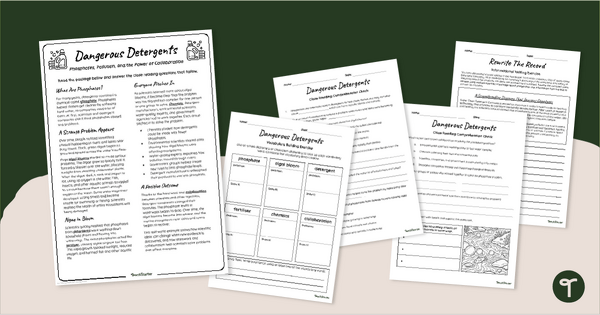
Explore the importance of collaboration between scientists and the effects of phosphates on the environment with our printable ‘Dangerous Detergents’ Reading Comprehension Worksheet Pack.
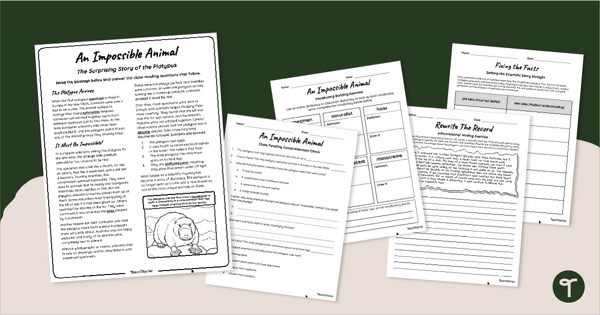
Explore how scientific study and collaboration allowed for understanding more about an animal species using our ‘An Impossible Animal’ Platypus Reading Comprehension Worksheets.
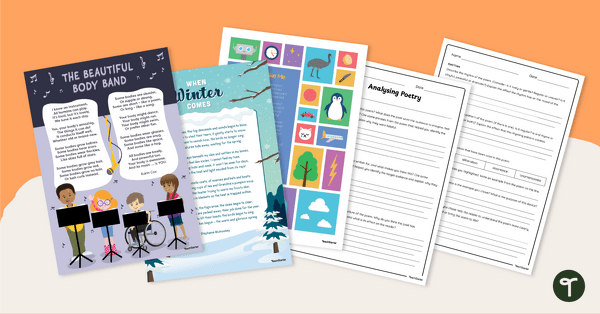
Strengthen poetry analysis skills with this set of engaging poems for upper primary students, accompanied by analysis worksheets exploring purpose, audience, structure, sound devices and figurative language.
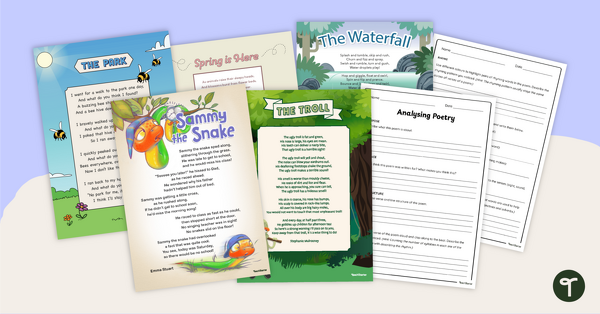
Teach poetry analysis skills with this set of engaging children’s poems, accompanied by an analysis worksheet exploring purpose, audience, structure, sound and imagery.
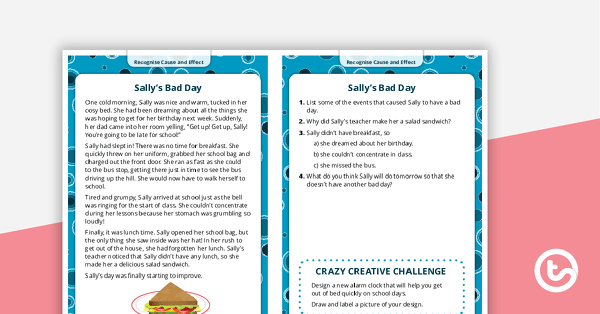
Use these cause and effect task cards to help your students identify relationships between events, understand why things happen, and improve overall reading comprehension.
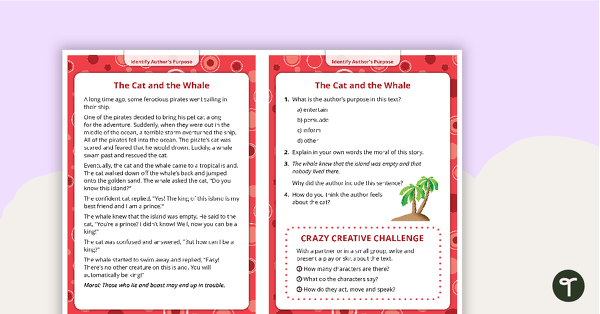
Download these identifying author’s purpose task cards to help students identify and understand why authors write various types of texts.
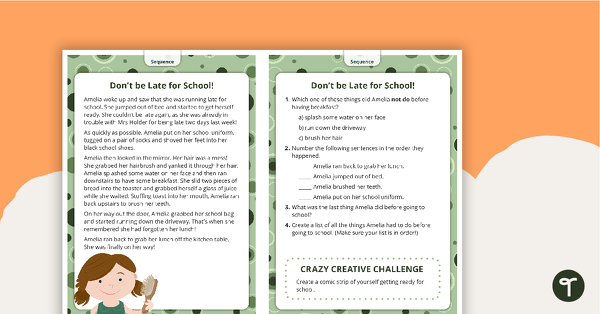
Use these sequencing reading comprehension task cards to help your students identify, organise and retell events in the correct order when reading various texts.
0 Comments
Write a review to help other teachers and parents like yourself. If you'd like to request a change to this resource, or report an error, select the corresponding tab above.