ELAR 3.2
Developing and sustaining foundational language skills: listening, speaking, reading, writing, and thinking--beginning reading and writing. The student develops word structure knowledge through phonological awareness, print concepts, phonics, and morphology to communicate, decode, and spell. The student is expected to:
- (1) demonstrate and apply phonetic knowledge by:
- (A) decoding multisyllabic words with multiple
sound-spelling patterns such as eigh, ough, and en;
- (i) decoding multisyllabic words with closed syllables; open syllables; VCe syllables; vowel teams, including digraphs and diphthongs; r-controlled syllables; and final stable syllables;
- (ii) decoding compound words, contractions, and abbreviations;
- (iii) decoding words using knowledge of syllable division patterns such as VCCV, VCV, and VCCCV with accent shifts;
- (iv) decoding words using knowledge of prefixes;
- (v) decoding words using knowledge of suffixes, including how they can change base words such as dropping e, changing y to i, and doubling final consonants; and
- (vi) identifying and reading high-frequency words from a research-based list;
- (vii) demonstrate and apply spelling knowledge by:
- (B) spelling multisyllabic words with closed syllables; open
syllables; VCe syllables; vowel teams, including digraphs and diphthongs;
r-controlled syllables; and final stable syllables;
- (i) spelling homophones;
- (ii) spelling compound words, contractions, and abbreviations;
- (iii) spelling multisyllabic words with multiple sound-spelling patterns;
- (iv) spelling words using knowledge of syllable division patterns such as VCCV, VCV, and VCCCV;
- (v) spelling words using knowledge of prefixes; and
- (vi) spelling words using knowledge of suffixes, including how they can change base words such as dropping e, changing y to i, and doubling final consonants;
- (vii) alphabetize a series of words to the third letter; and
- (C) write complete words, thoughts, and answers legibly in cursive leaving appropriate spaces between words.
- (A) decoding multisyllabic words with multiple
sound-spelling patterns such as eigh, ough, and en;
- Plus Plan
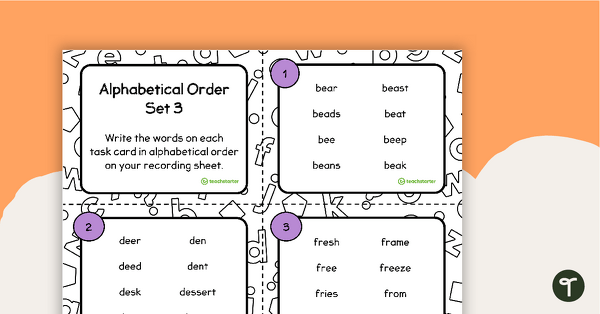
Alphabetical Order Task Cards - Set 3
A set of 11 task cards alphabetizing a series of words to the third letter.
- Plus Plan
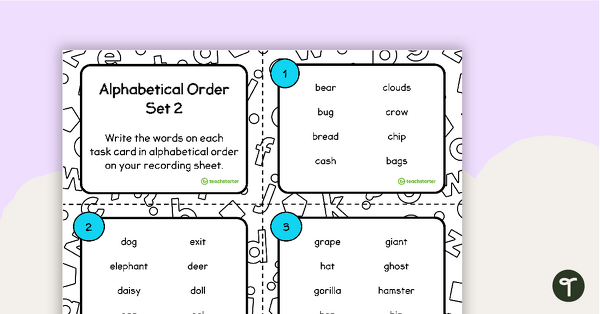
Alphabetical Order Task Cards - Set 2
A set of 11 task cards alphabetizing a series of words to the first and second letters.
- Plus Plan
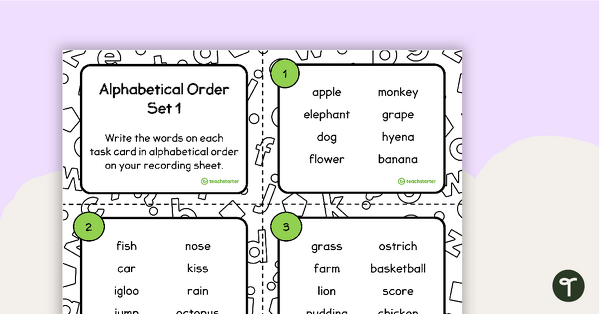
Alphabetical Order Task Cards - Set 1
A set of 11 task cards alphabetizing a series of words to the first letter.
- Plus Plan
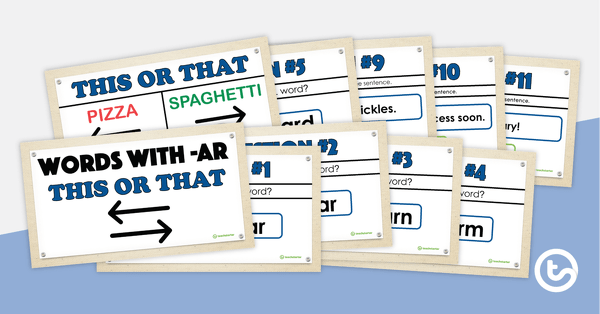
This or That! PowerPoint Game – -ar Words
Practice decoding -ar words with your students with this fun movement game.
- Plus Plan
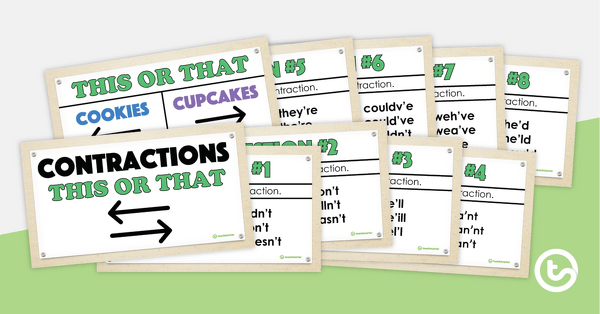
This or That! PowerPoint Game - Contractions
An active PowerPoint game to practice working with contractions.
- Plus Plan
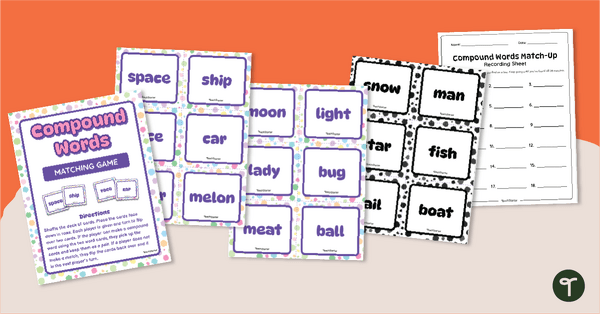
Compound Word Matching Game
Combine words to make compound words with a fun, printable Compound word game.
- Plus Plan
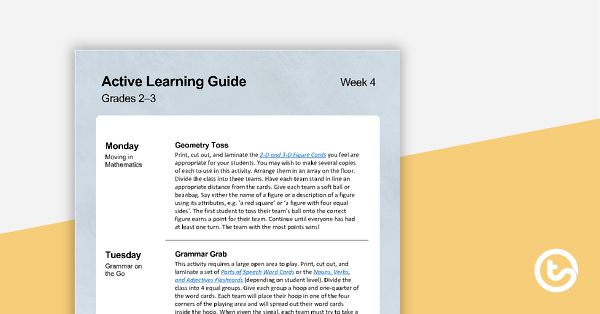
Active Learning Guide for Grades 2-3 - Week 4
Use this weekly active learning guide to celebrate National Physical Fitness Month in your Grade 2 or Grade 3 classroom.
- Plus Plan
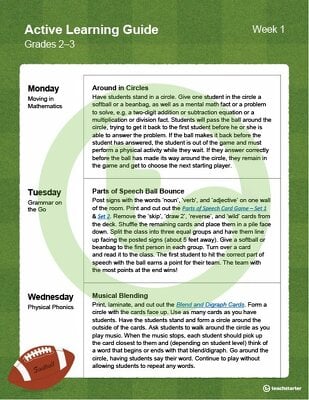
Active Learning Guide for Grades 2-3 - Week 1
Use this weekly active learning guide to celebrate National Physical Fitness Month in your Grade 2 or Grade 3 classroom.
- Plus Plan
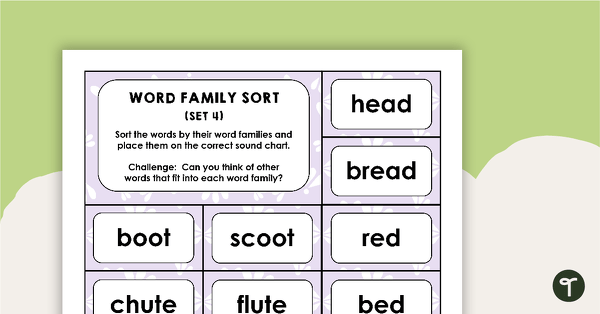
Word Family Sorting Activity - Set 4
A sorting activity to practice word families.
- Plus Plan
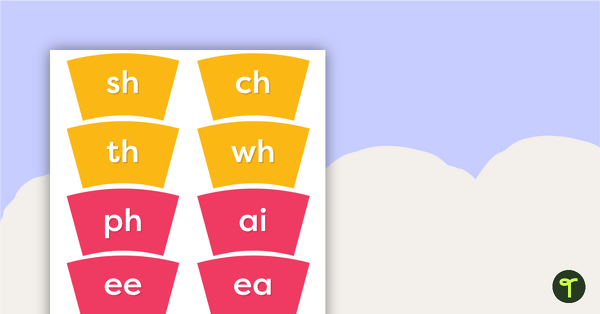
Classroom Spinner Template - Digraphs
A classroom spinner template focusing on digraphs.
- Plus Plan
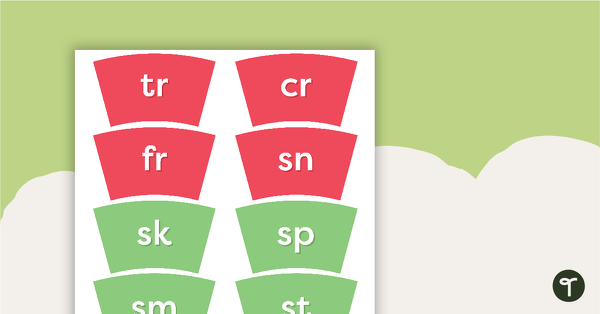
Classroom Spinner Template - Blends
A classroom spinner template focusing on blends.
- Plus Plan
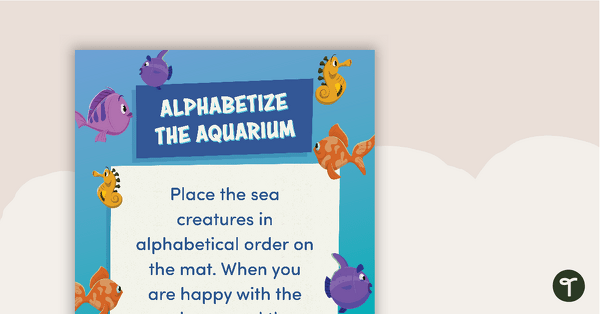
Alphabetize the Aquarium Activity
A set of 4 mats for students to practice alphabetizing.
- Plus Plan
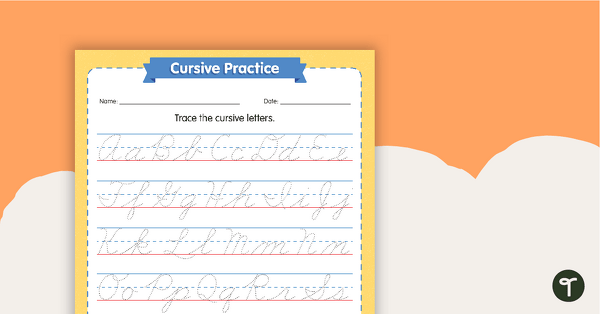
Cursive Alphabet Chart - Printable Cursive Practice Sheets
A set of 6 sheets to practice writing letters in cursive.
- Plus Plan
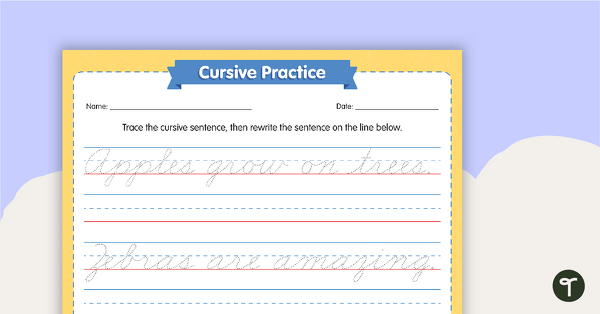
Cursive Practice - Sentences
A set of 6 sheets to practice writing sentences in cursive.
- Plus Plan
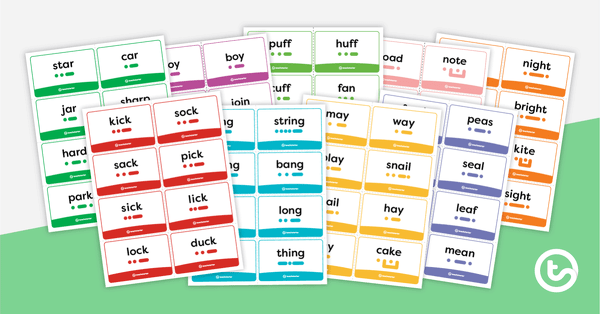
Phoneme Segmentation Flashcards – Set 2
A set of over 180 decodable phoneme segmentation flashcards.
- Plus Plan
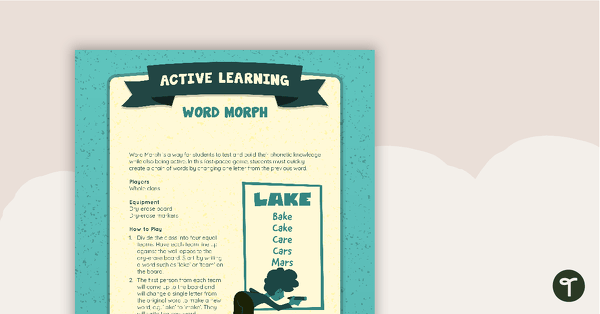
Word Morph Active Game
An active game that allows students to test and build their phonetic knowledge.
- Plus Plan
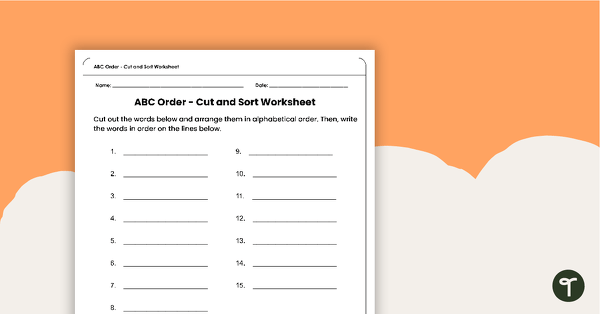
ABC Order - Cut and Sort Worksheet
A cut and sort worksheet to practice alphabetizing words to the third letter.
- Plus Plan
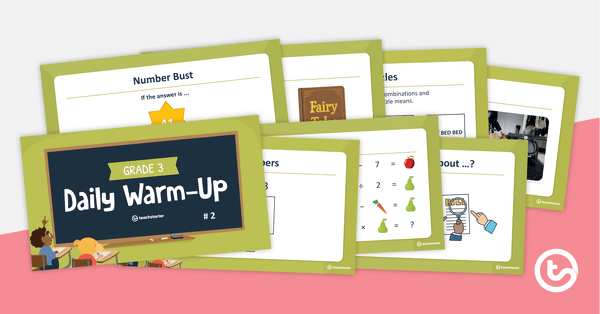
Grade 3 Daily Warm-Up – PowerPoint 2
A 64-slide PowerPoint presentation containing a variety of quick warm-up activities.
- Plus Plan
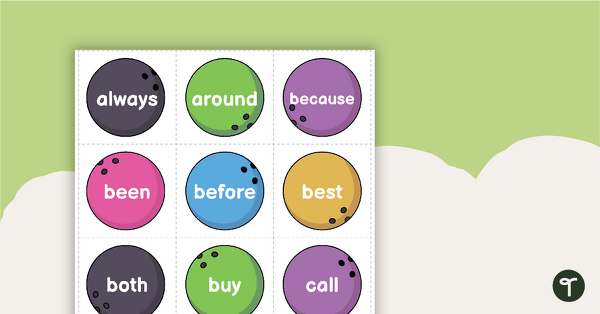
Bowling Game - Dolch Grade 2 Sight Words
Practice reading and matching 46 high-frequency words on the Dolch Second Grade sight words list.
- Plus Plan
3rd Grade Revising and Editing Passages
Use this set of 3rd grade revising and editing passages to help your students demonstrate their spelling, punctuation and grammar knowledge.
- Plus Plan
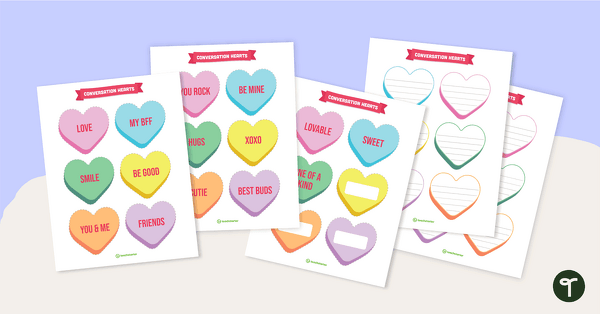
Conversation Hearts - Template
Turn this set of 18 conversation heart templates into a variety of teaching resources leading up to Valentine's Day.
- Plus Plan
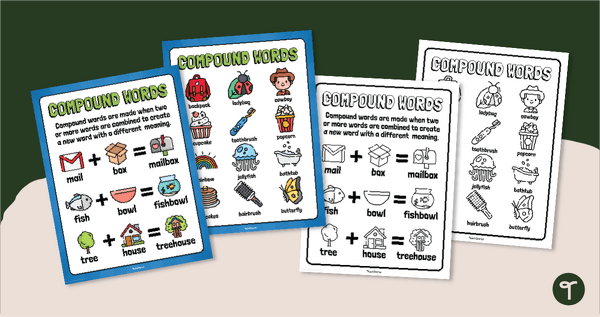
Compound Words Poster
Show your students examples of compound words with a pair of printable Compound Word Anchor Charts.
- Plus Plan
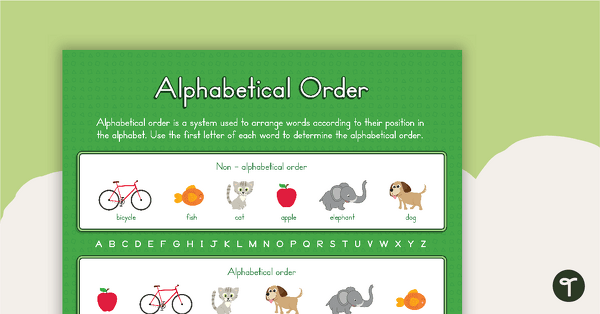
Alphabetical Order Poster
A set of two posters explaining how to order words according to their place in the alphabet.
- Plus Plan
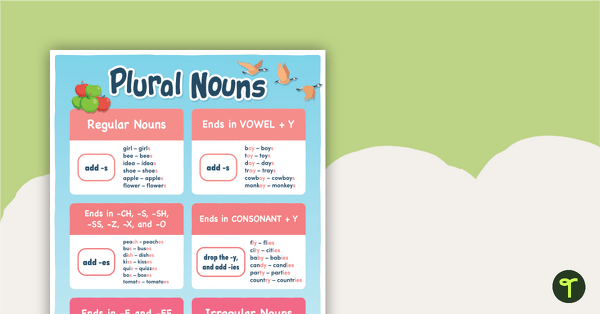
Spelling Suffixes Anchor Charts - Plurals
Help students understand when to apply the right plural spellings based on the ending of any word.
- Plus Plan
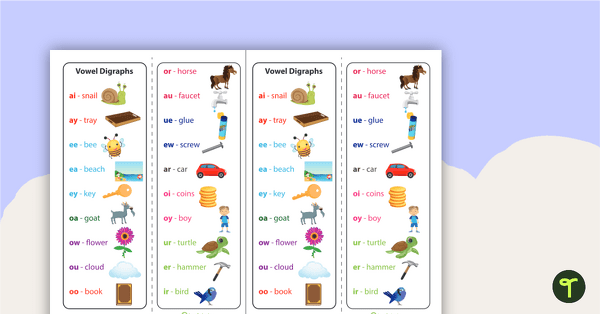
Vowel Digraphs Bookmarks
These bookmarks are designed to help students remember some of the most common vowel digraphs while reading.
- Plus Plan
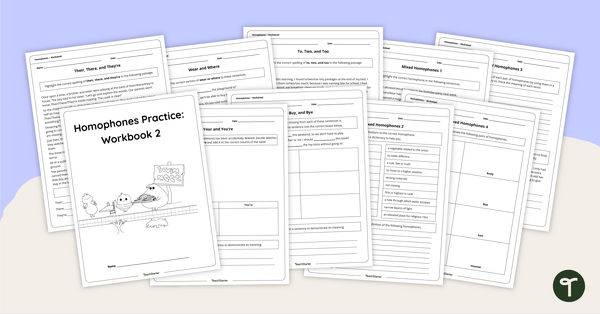
Homophones Practice Workbook 2
Strengthen your students’ ability to recognize homophones in context with this set of 9 worksheets with answers.
- Plus Plan
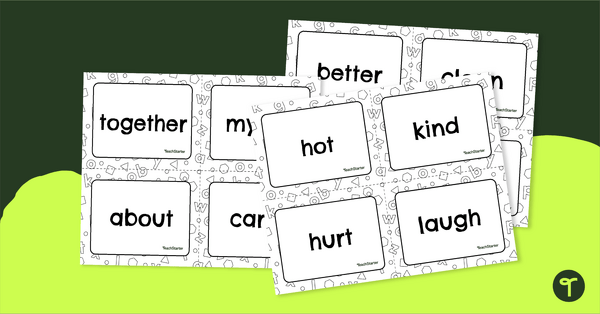
Dolch Sight Word Flash Cards for Third Grade
Practice the Dolch 3rd grade sight word list in the classroom with these fun printable flash cards. We've also included teacher tips for getting the most out of these cards!
- Plus Plan
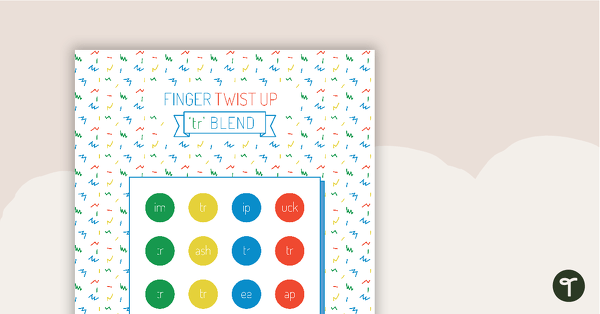
Finger Twist Up - Phonics Game
A fun, engaging board game to consolidate students' understanding of blends and sounds.
- Plus Plan
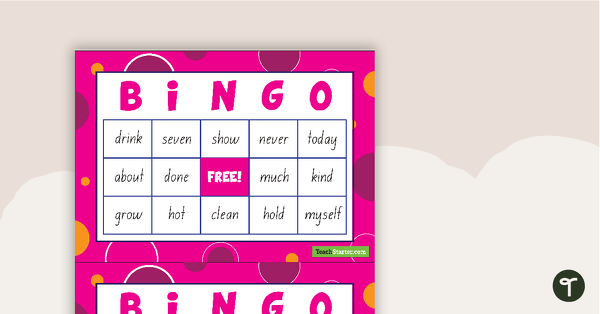
Dolch Third Grade Sight Word Bingo
Download this Dolch sight words Grade 3 bingo game to get your students mastering key vocabulary in a fun and interactive way.
- Plus Plan

Reading Goals Tracking Chart
A classroom display that allows students to see their reading progress.
- Plus Plan
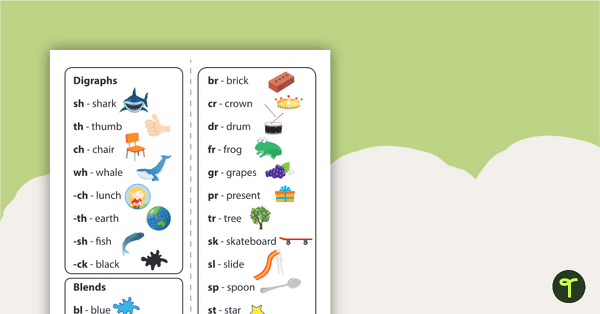
Common Blends and Digraphs Bookmarks
These bookmarks are designed to help students remember some of the most common blends and digraphs while reading.
- Plus Plan
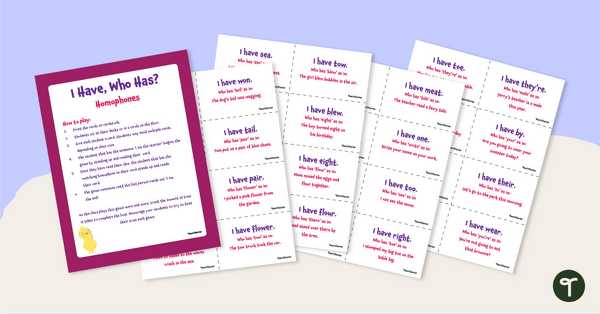
I Have, Who Has? Homophones Game
Play a whole-class game to review common homophones and their meanings.