VC2S2U03
plants and animals have external features that perform different functions to enable their survival; in plants these features include roots, stems, leaves, flowers, fruit, bulbs, trunks and branches, while different features in animals enable them to move, breathe, eat and respond to their environment
- comparing the roots, leaves, flowers and stems of different plants
- investigating the movement of water in plants by observing what happens when a celery stick is placed in a glass of water to which food colouring has been added
- exploring how the 5 human sensory organs (eyes, ears, skin, nose and tongue) detect and respond to what is happening around them, and comparing the importance of sensory organs for different animals, such as in echolocation used by bats
- exploring why animals, including humans, have different teeth and how this relates to diets (herbivores, carnivores and omnivores)
- investigating how Aboriginal and/or Torres Strait Islander Peoples’ observations of external features of living things, such as the way that different animals move and behave, can be represented in traditional dance
- grouping animals on the basis of common features, for example identifying how different animals use their tails or comparing body coverings of different animals, such as scales, fur, hair and skin
- Free Plan
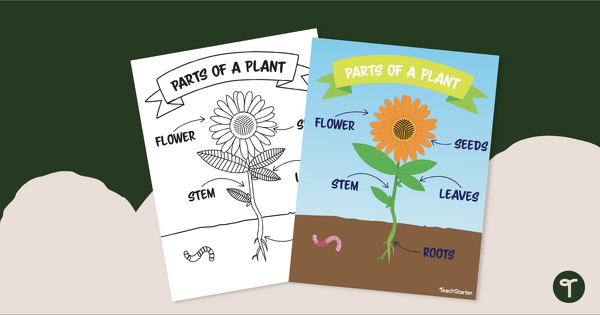
Parts of a Plant Diagram
Identify basic plant parts with a printable Parts of a Plant Diagram.
- Free Plan
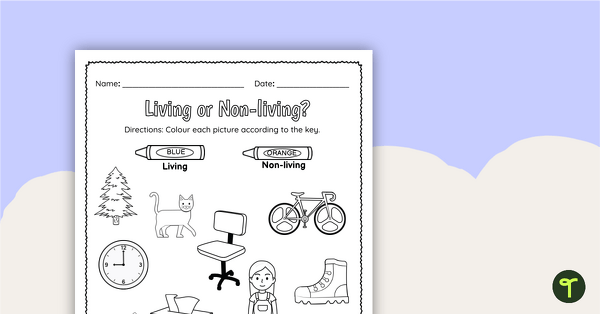
Living or Non-living? Colour by Code Worksheet
Practise identifying living and non-living things with this colour-by-code worksheet.
- Plus Plan
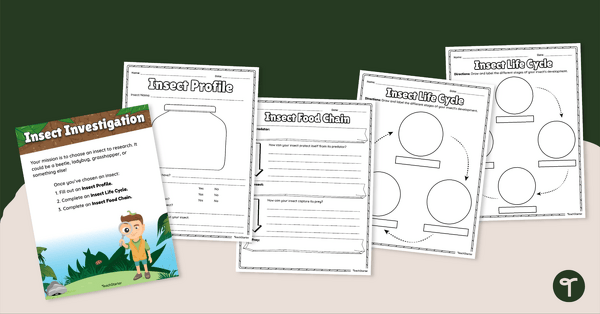
Insect Research Project
Explore insect life cycles and food chains with this research task.
- Plus Plan
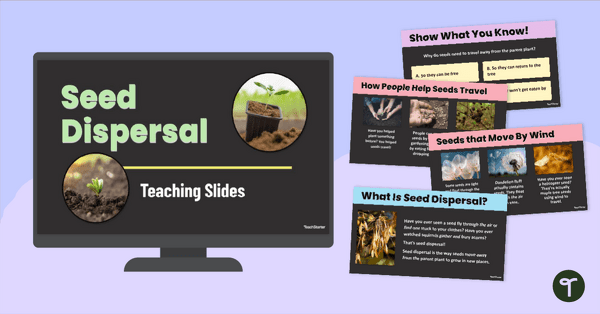
Seed Dispersal PowerPoint
Make teaching seed dispersal for kids easy with our interactive Seed Dispersal PowerPoint.
- Plus Plan
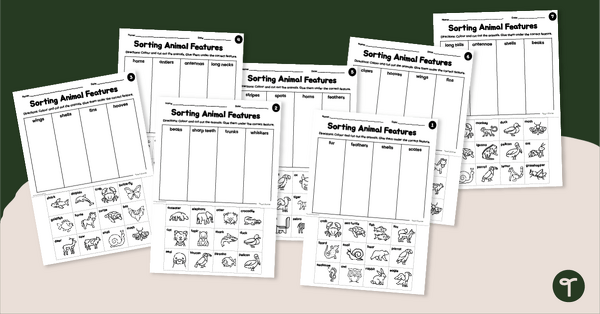
Sorting Animals Worksheet Pack - External Features
Observe and classify animals based on their external features with a Sorting Animals Worksheet Pack.
- Plus Plan
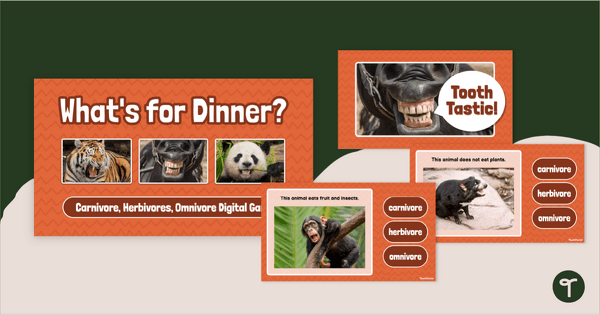
What’s for Dinner? Carnivore, Herbivore, Omnivore Game
Play ‘What’s for Dinner’, a Carnivore, Herbivore, or Omnivore game to explore animal teeth and eating habits.
- Plus Plan
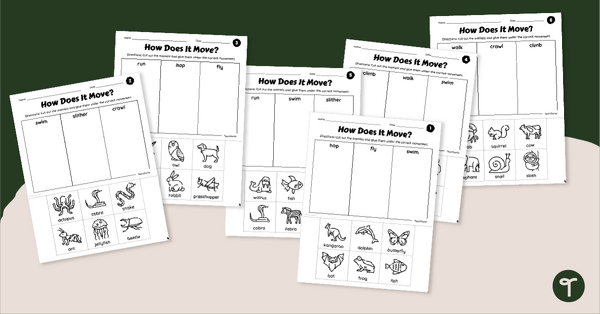
Movement of Animals Worksheets - Cut and Paste
Cut and sort to show how different animals move with our Movement of Animals Worksheets.
- Plus Plan
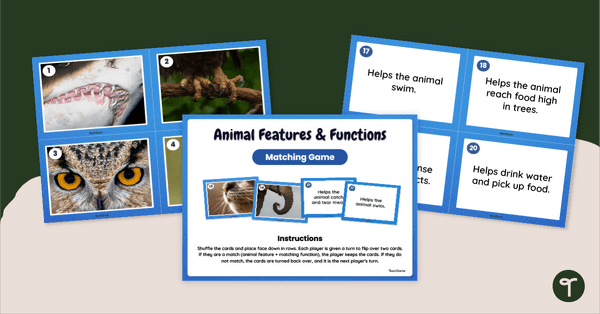
Animal Features and Functions Matching Activity
Explore animal features and their functions with an engaging Animal Features Matching Game.
- Plus Plan
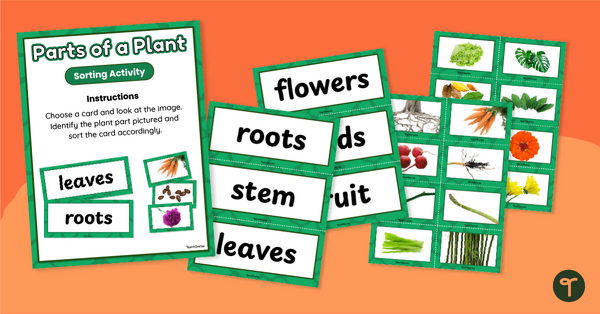
Parts of Plants Sorting Activity (F-2)
Identify roots, seeds, fruits, and other plant parts with a printable Parts of a Plant Sorting Activity for early learners.
- Plus Plan
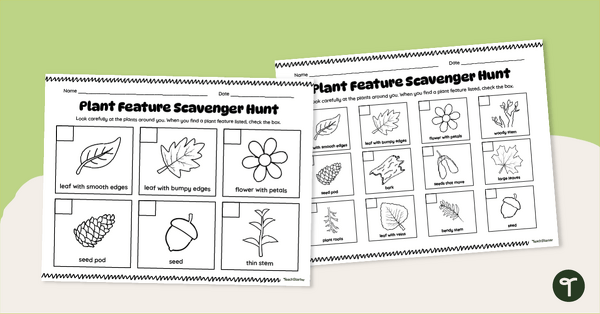
Features of a Plant Scavenger Hunt Checklists
Explore and observe the parts of plants with a printable Outdoor Plant Scavenger Hunt for kids.
- Free Plan
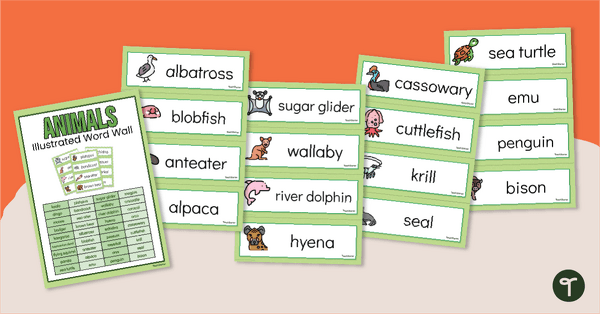
Animal Flash Cards - Word Wall Display
Read, write and show your students animals around the world with an animal flash cards word wall display for your classroom.
- Plus Plan
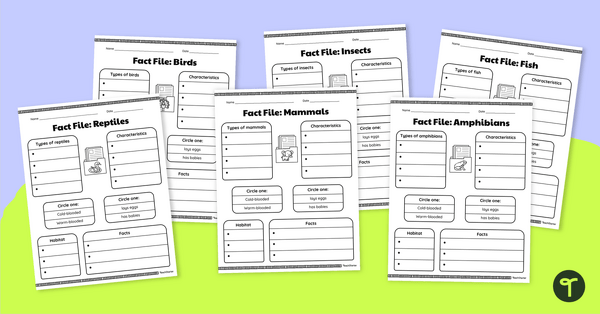
Animal Group Fact File Worksheets
Research and write about the characteristics of different animal groups with printable Animal Group Fact File Worksheets.
- Plus Plan
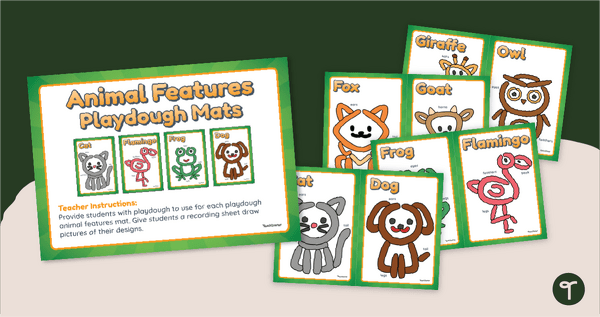
Animal Features Playdough Mats
Use our Animal Playdough Mats to introduce your Foundations students to the physical features of animals.
- Plus Plan
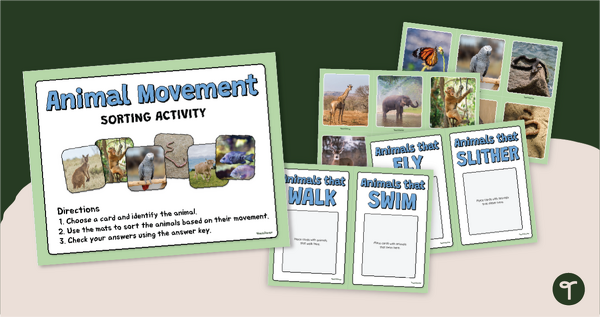
Movement of Animals Sorting Activity
Classify animals based on their movement methods with a picture-sorting game.
- Plus Plan
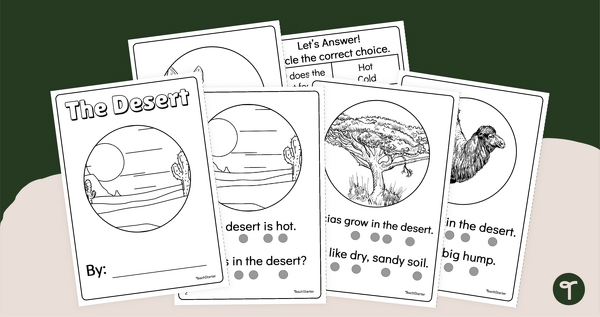
Australian Desert Animals Mini Book
Read and learn about plants and animals in the Australian desert with a printable mini book for Year 1.
- Plus Plan
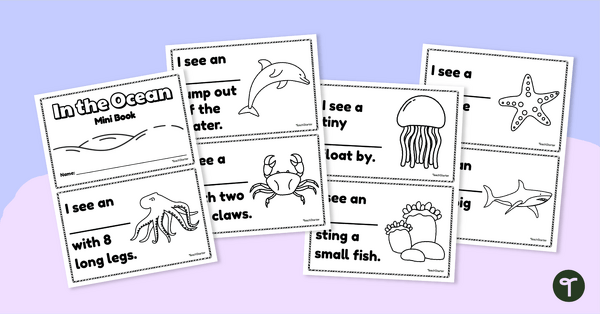
Printable Early Reader Books - Ocean Animals
Learn about sea life with a printable ocean book for year 1 students.
- Plus Plan
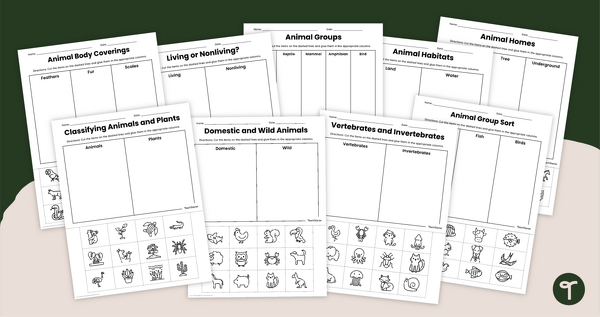
Grouping & Sorting Animals Worksheet Pack (F-1)
Identify and sort animals according to their characteristics with a printable of cut-and-paste Grouping & Sorting Animals Worksheet Pack (F-1).
- Plus Plan
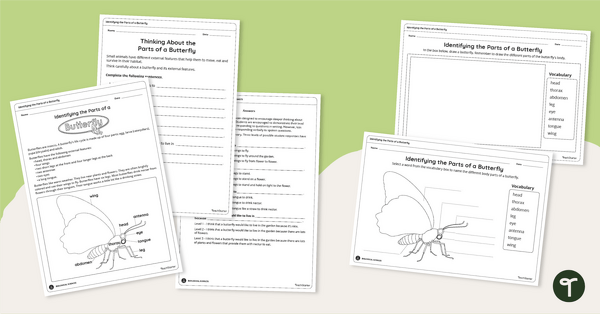
Identifying the Parts of a Butterfly Worksheet Pack
Learn about the anatomy of a butterfly with a printable reading passage and butterfly labelling worksheets.
- Plus Plan
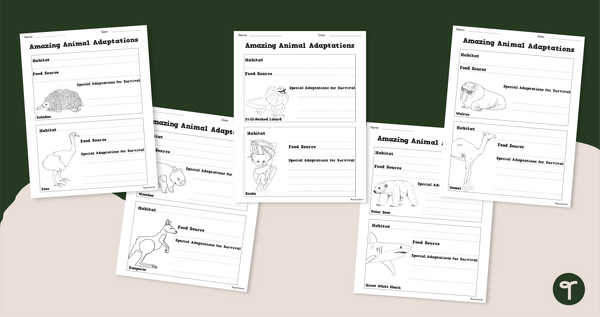
Australian Animals — Adaptations Worksheets
Research and write about amazing animal adaptations with our Australian Animals Adaptation Worksheets.
- Plus Plan
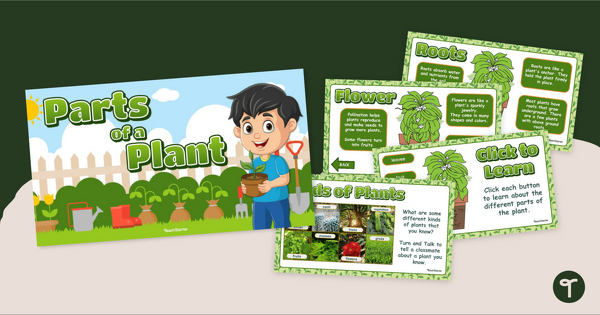
Parts of a Plant PowerPoint Teaching Presentation
Explore the features and functions of the different parts of a plant with an interactive Parts of a Plant PowerPoint.
- Plus Plan
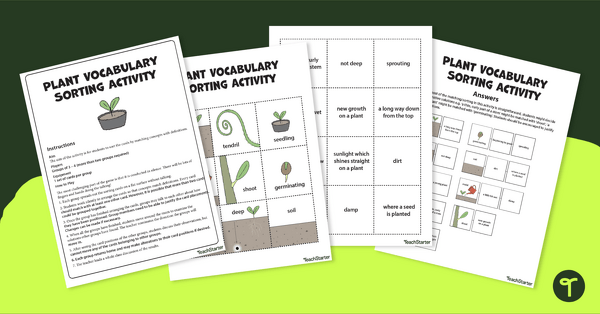
Plant Vocabulary Words - Sorting Activity
Help students become familiar with vocabulary related to plants with a hands-on matching activity.
- Plus Plan
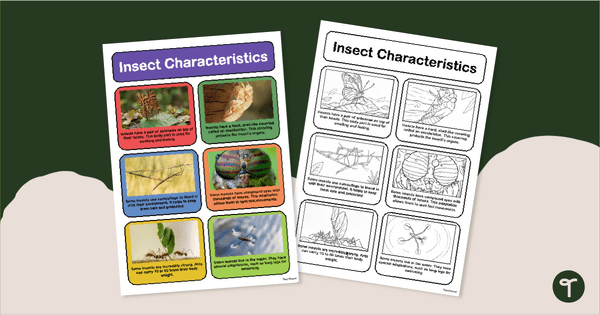
Facts About Insects Anchor Chart
Display this Facts About Insects poster showcasing interesting insect facts and characteristics in your classroom.
- Plus Plan
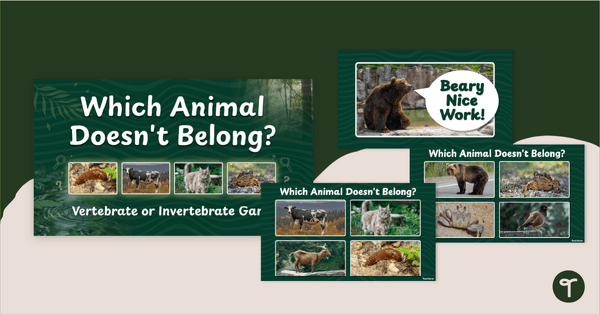
Which Doesn’t Belong? Vertebrate or Invertebrate Game
Identify examples of vertebrates and invertebrates with an engaging Which Animal Doesn’t Belong? Vertebrate or Invertebrate Game.
- Plus Plan
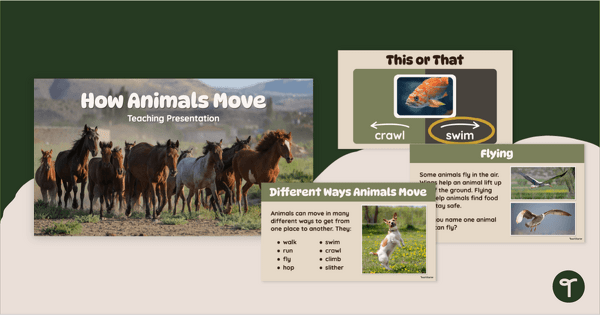
How Animals Move PowerPoint Presentation
Observe, describe and categorise the ways in which living things move with an interactive ‘How Animals Move’ PowerPoint slide deck.
- Plus Plan
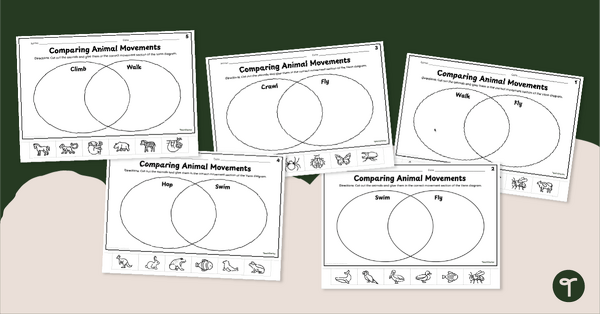
Compare and Contrast Animals Worksheet Pack - Movement
Use our Compare and Contrast Animals Worksheet Pack to help your students practise scientific classification and explore ways that animals move.
- Free Plan
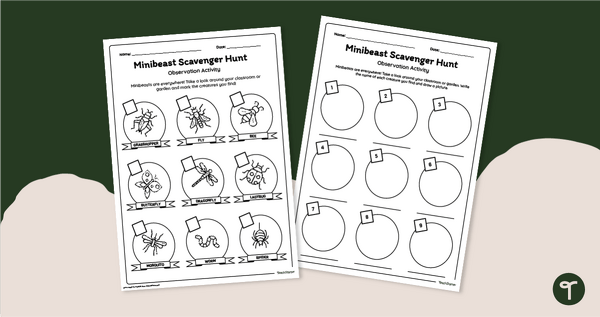
Minibeast Scavenger Hunt- Outdoor Observation Activity
Investigate and observe insects and minibeasts with a printable Minibeast Scavenger Hunt Observation Activity.
- Plus Plan
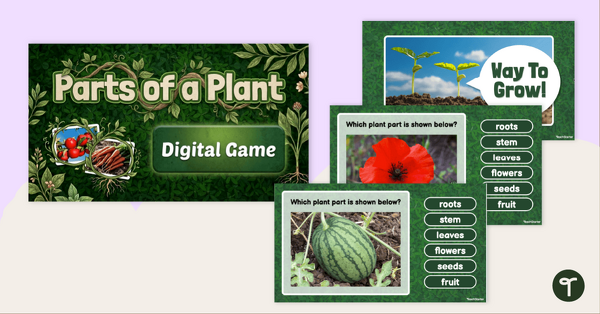
Interactive Parts of a Plant Game
Discover the features of plants with a self-checking Parts of a Plant Game for early learners.
- Free Plan
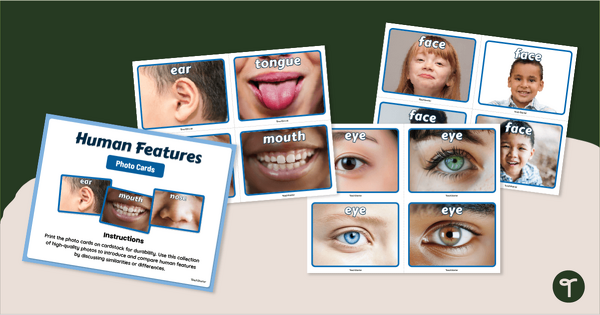
Human Features Picture Cards
Explore the similarities and differences between humans by using these printable Human Features Picture Cards.
- Plus Plan
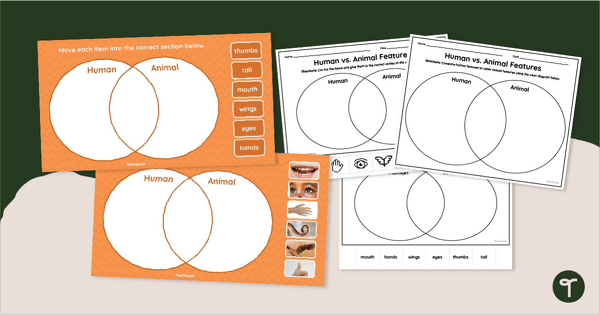
Humans vs. Animals Venn Diagram Activity
Compare human and animal characteristics with our printable and digital Human vs. Animal Features Venn Diagram activity.
- Plus Plan
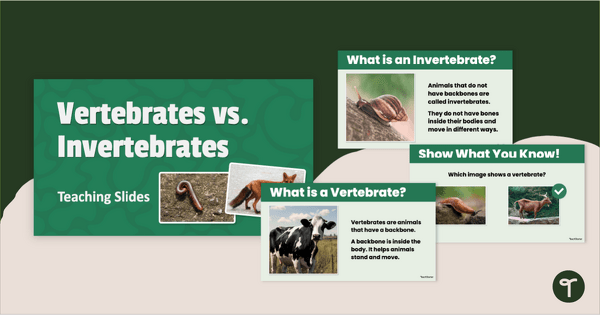
Vertebrate vs. Invertebrates PowerPoint (F-2)
Explore animals with and without backbones with a Vertebrates vs. Invertebrates PowerPoint for early learners.
- Plus Plan
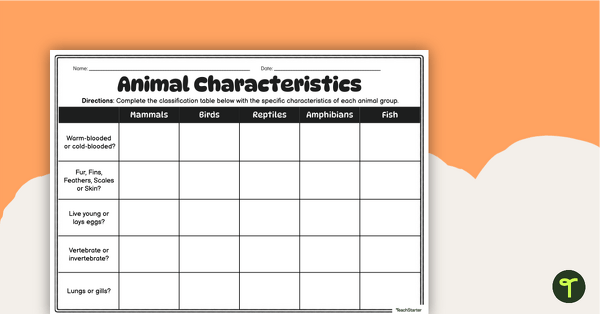
Animal Classification Chart Worksheet
Help your little learners identify members of mammals, birds, fish, and more animal classes using a handy animal characteristics worksheet.
- Plus Plan
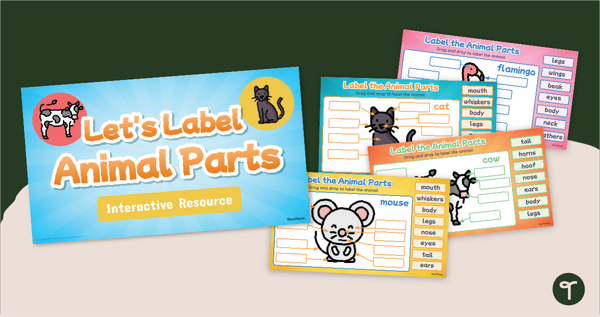
Label the Parts of an Animal - Digital Activity
Identify and label the features of animals with an interactive labelling activity .