Year 3 Teaching Resources
Explore printable worksheets, digital activities, games and more Year 3 resources, all aligned to the Australian curriculum! The teacher-created resources have all been designed with primary teachers and students in mind to meet the special needs of children as they transition into the middle years of their primary school education.
Carefully curated and thoroughly reviewed by the expert teachers of the Teach Starter team to ensure they're classroom-ready, our Year 3 resources can save you lesson planning time this school year with editable and differentiated options at the ready.
Teach Starter’s Year 3 resources utilise a vast array of resource types and have something for every learning area. Here's just a taste of what you'll find for your classroom!
- Spelling words and English worksheets
- Fractions activities and Maths worksheets
- Social and emotional learning activities
- Narrative writing stimuli
- Language conventions practice
- And so much more!
Are you new to teaching Year 3? Here's a look at what this year of primary school is all about!
What Is Year 3 in Australia?
Year 3 sits right in the middle of primary school for most students in Australia as the fourth year of compulsory education.
How Old Are Kids in Year 3?
The exact age of students will vary slightly by state (and birthday!), but most children in your Year 3 class will be 8 to 9 years old.
What Do Students Learn in Year 3?
Year 3 is a big one for Australian students. Many will sit the NAPLAN tests, and more than a few will hit double digits before the year is through. This is a big year for Maths between the introduction of more complex fractions and formal multiplication, as well as even more skill-building in other learning areas.
Exactly what they're expected to learn will depend to some degree on the state or territory where you are teaching, but here's a look at what your students can expect to encounter in the key areas of the curriculum!
English
Year 3 students continue to develop their reading, writing, speaking, and listening skills in their English lessons. Reading will involve more complex texts, including longer novels, non-fiction texts, and poetry.
Students will also be expected to analyse these texts more deeply, examining themes, character development, and literary techniques. Comprehension skill-building will require deeper analysis of texts and drawing inferences from what is read.
While Year 2 instruction focuses on basic writing skills such as sentence structure and punctuation, this older group of students will move toward more advanced writing skills such as paragraphing, using descriptive language, and organising ideas in a logical way.
Grammar and spelling will also become a greater focus this year, with an emphasis on understanding and applying more complex grammar rules and spelling patterns.
Maths
Fractions feature front and centre of the Year 3 Maths curriculum. Students will learn to identify, compare, and order unit fractions (those being fractions with a numerator of 1), as well as use them in simple problem-solving contexts.
We already alluded to this being a big year for multiplication, and is it ever! Year 3 students learn the basic multiplication facts — such as 2 x 2 = 4 and 3 x 3 = 9 — and they begin to use these facts to solve multiplication and division problems. They also learn to interpret and create simple multiplication and division problems.
Students will have the chance to build upon their understanding of measurement concepts from Year 2, including length, mass, and capacity. They'll learn to measure and estimate using standard units, plus how to compare and order measurements.
Maths students will expand their knowledge of 2D shapes this year, and they will begin to learn about three-dimensional shapes and their properties.
Place value is still a big part of maths, of course. Year 3 students expand their understanding of place value to include numbers up to 10,000, and they learn to read, write, and compare four-digit numbers. They also learn to use place value to solve addition and subtraction problems.
Science
Science instruction in Year 3 is more focused on building a deeper understanding of scientific concepts and their applications, as compared to Year 2. It also emphasises the development of scientific inquiry skills that will help kids become more proficient in conducting scientific investigations and communicating their findings.
Students in Year 3 learn to ask questions, plan and conduct investigations, collect and record data, and communicate their findings as part of their development of science inquiry skills. They spend a portion of the year learning about the characteristics of living things, including plants and animals. Year 3 students will have the chance to explore the life cycles of plants and animals, as well as learning about the needs of living things and their habitats.
While they're learning about things that live on Earth, they're also learning about the planet itself, exploring geological features such as rocks, soil, and minerals. They also explore heat energy and how it can be transferred from one object to another.
Last, but certainly not least, Year 3 students learn about the properties and states of matter, including solids and liquids (gasses are explored later on in primary school).
Humanities and Social Sciences
Building on the foundation set in Year 2, Year 3 HAAS lessons build a deeper understanding of historical events and concepts, as well as exploring the social and economic systems that underpin Australian society.
Students learn about the historical events, people, and places that have shaped Australia's history. They explore the concept of change and continuity over time and learn to use historical sources to investigate the past. Students also study significant cultural events celebrated in our country and how they contribute to Australia's diversity and identity.
Geography instruction will guide students as they learn about the physical and cultural characteristics of places and regions. They'll learn more about the representation of Australia as states and territories, and as Countries/Places of First Nations Australians. Students will also begin exploring Australia's neighbours such as New Zealand, Papua New Guinea, and Indonesia.
Civics instruction sees Year 3 students strengthening their understanding of what it means to live in a democratic society. They will draw upon their own personal experiences to examine why rules are important and to discuss how they can be active participants in the communities to which they belong.
Health and Physical Education
With their bodies rapidly changing, Year 3 students learn about the factors that influence their health and wellbeing, including the importance of good nutrition, hygiene, and sleep. They also learn about social and emotional health, including how to manage their feelings, develop positive relationships, and make safe and healthy choices.
In Year 3, there are a number of different types of safety on tap in lessons, including road safety, water safety, and personal safety. They develop an understanding of risk and learn strategies for staying safe in different situations.
Year 3 students also learn about the importance of being active and informed citizens in their community. They learn about the benefits of volunteering and begin to develop an understanding of the responsibilities and rights of individuals in society.
The Arts
In Year 3, students develop more advanced skills in drawing, painting, and other visual arts techniques. This includes studying the elements of art — such as line, shape, colour, and texture — and beginning to use these to create more complex artworks.
In music class, these children are learning all about musical notation and how to read and write simple music, while drama instruction explores different forms of drama, including role-playing, improvisation, and scripted performance. Students get the chance to learn about the elements of drama, such as character, plot, and setting, and begin to use these to create their own dramatic works.
- Plus Plan
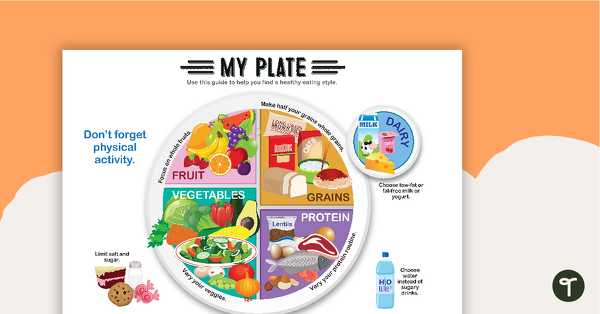
My Plate Poster
An educational poster for your PE and health classroom, highlighting the My Plate healthy eating guidelines.
- Plus Plan
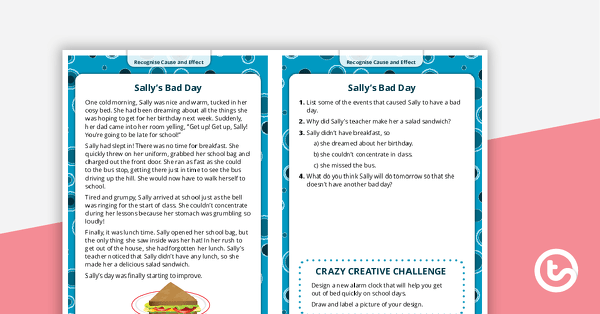
Cause and Effect Task Cards and Worksheets
Use these cause and effect task cards to help your students identify relationships between events, understand why things happen, and improve overall reading comprehension.
- Plus Plan
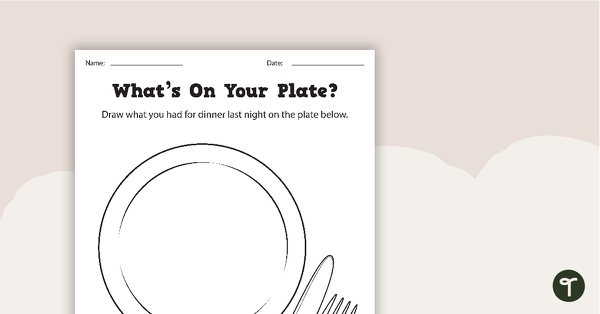
What's On Your Plate Worksheet
A worksheet that helps students to reflect on their eating habits.
- Plus Plan
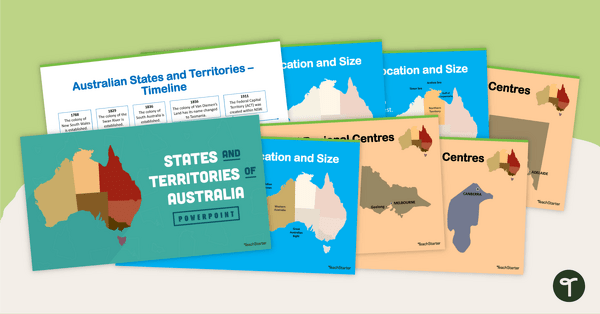
States and Territories of Australia PowerPoint
Explore Australia's six states and two territories with this 27-slide editable teaching presentation.
- Plus Plan
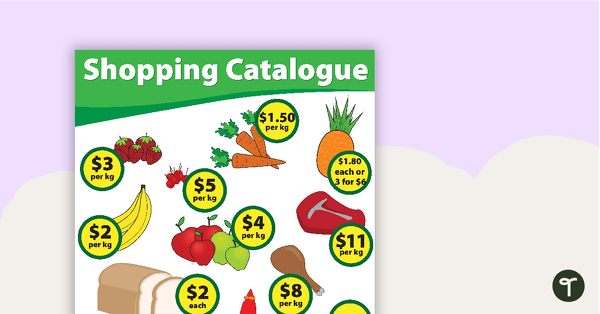
Shopping Catalogue with Worksheet
A shopping catalogue and worksheet to use when working on financial mathematics.
- Plus Plan
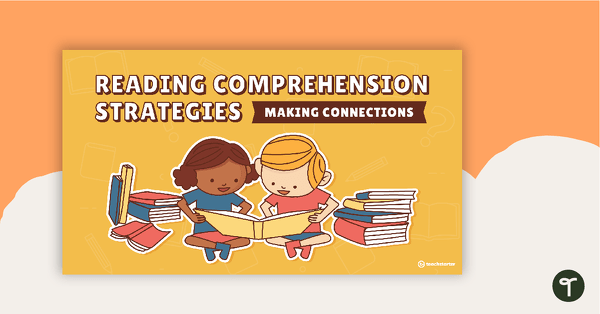
Making Connections to Text Teaching Slides
Teach the reading comprehension skill of making connections to text with this ready-to-use, age-appropriate teaching presentation for Year 3 and 4 students.
- Plus Plan
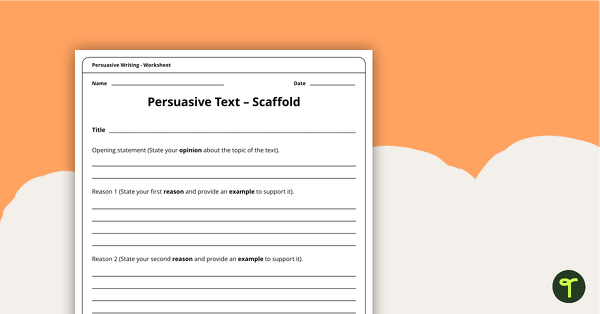
Persuasive Texts Writing Scaffold
A one page scaffolding sheet which can be used to write a persuasive text.
- Plus Plan
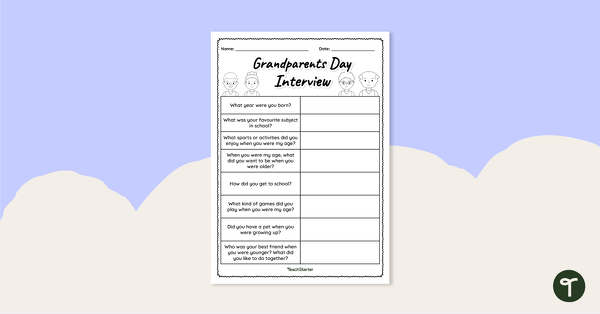
Grandparents Day Interview Worksheet
Use this worksheet to record answers to questions when interviewing a grandparent.
- Plus Plan
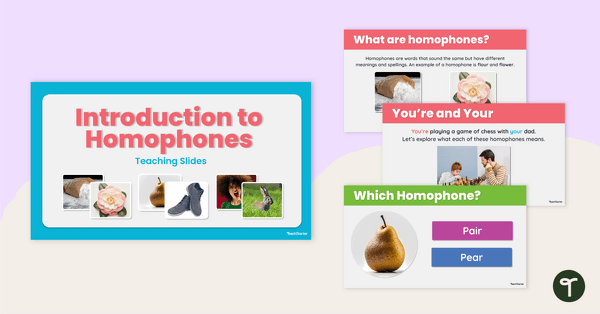
Introduction to Homophones Teaching Slides
Teach your students how to use homophones correctly in their writing with this comprehensive set of teaching slides.
- Plus Plan
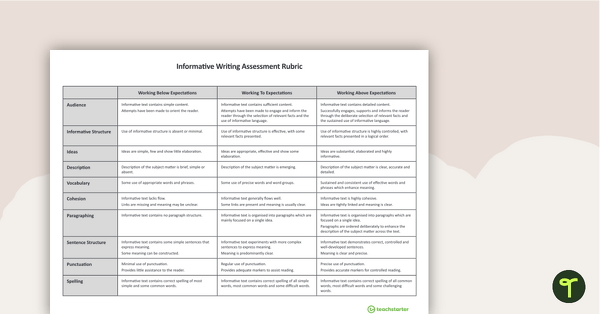
NAPLAN-Style Assessment Rubric - Informative Writing
A NAPLAN-style rubric designed to help teachers to assess students' informative writing.
- Plus Plan
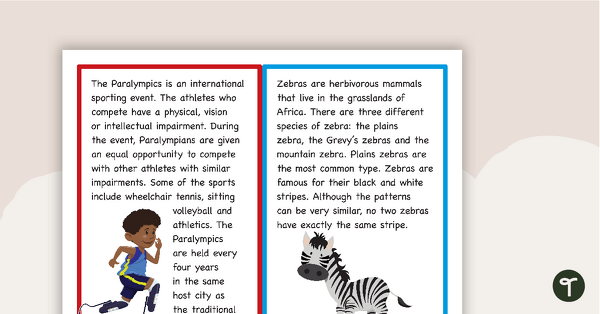
Information Report Paragraph Structure – Sequencing Activity
Teach your students about information report paragraph structure with this hands-on sequencing activity.
- Plus Plan
Bike Riding Safety Worksheet Pack
A set of 5 worksheets about bike riding safety and benefits.
- Plus Plan
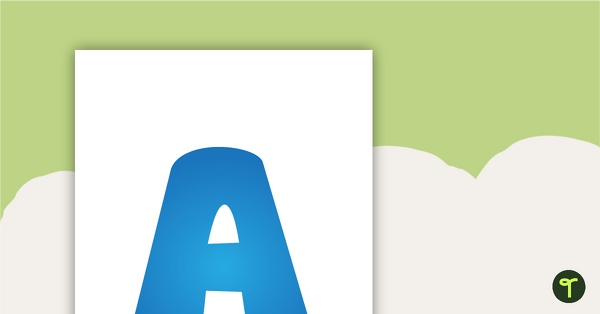
Cartoon Blue - Letter, Number and Punctuation Sets
Blue cartoon letters that can be customised for personalised signs in your classroom.
- Plus Plan
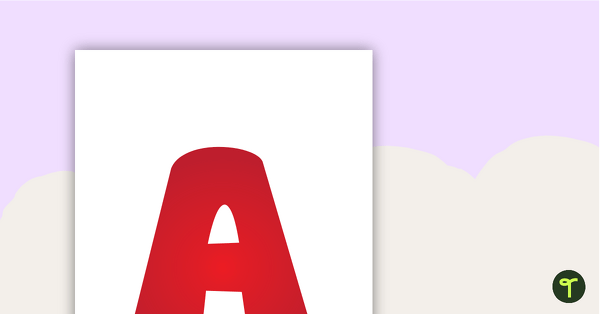
Cartoon Red - Letter, Number and Punctuation Sets
Red cartoon letters that can be customised for personalised signs in your classroom.
- Free Plan
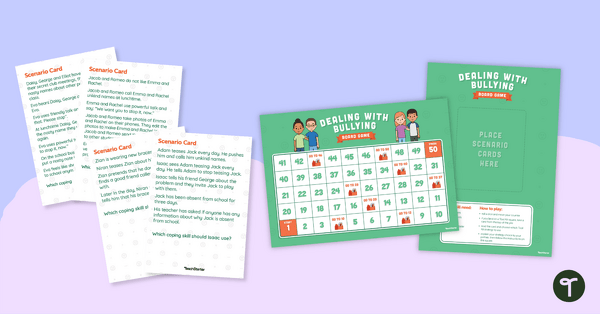
Dealing with Bullying Board Game
A fun board game for students to play when encouraging the use of resilience strategies.
- Plus Plan
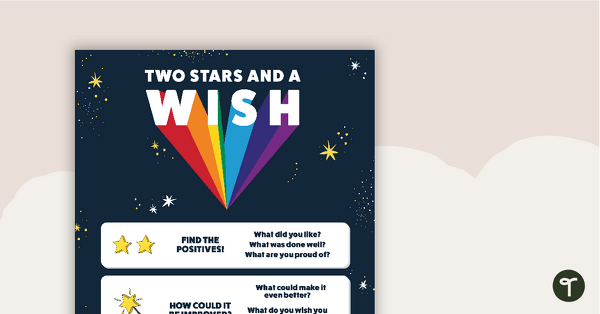
Two Stars and a Wish Poster and Feedback Slips
A set of feedback cards and display poster for the classroom.
- Plus Plan
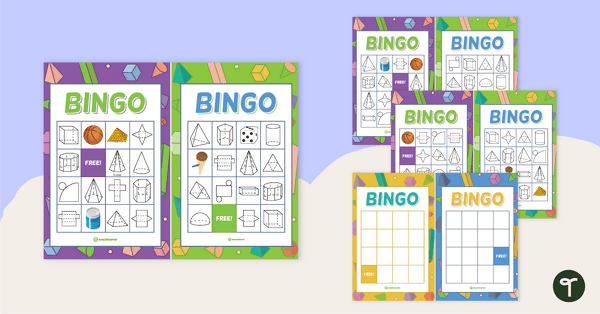
3D Object Bingo
Learn the names of the most common 3D objects with this whole-class Bingo game.
- Plus Plan
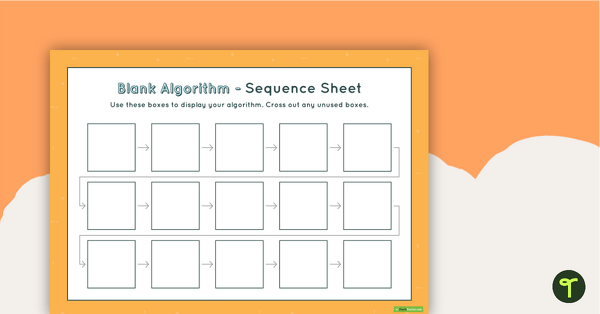
15-Step Algorithm Sequence Sheet - Middle Primary
A worksheet for students to use when writing an algorithm.
- Free Plan
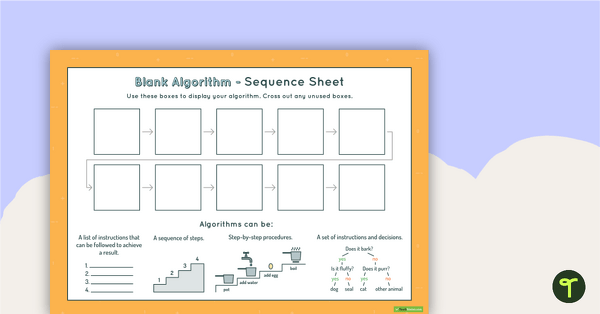
10-Step Algorithm Sequence Sheet - Middle Primary
A worksheet for students to use when writing an algorithm.
- Plus Plan

Structure of a Narrative Escape Room - Lost the Plot
Teach the structure of a narrative with this engaging escape room game where students learn about the orientation, complication, climax and resolution by rebuilding a broken story.
- Free Plan
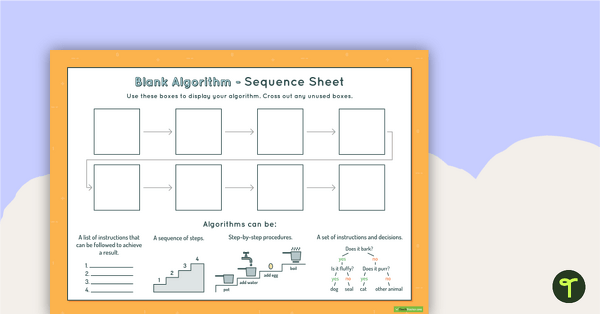
8-Step Algorithm Sequence Sheet - Middle Primary
A worksheet for students to use when writing an algorithm.
- Plus Plan
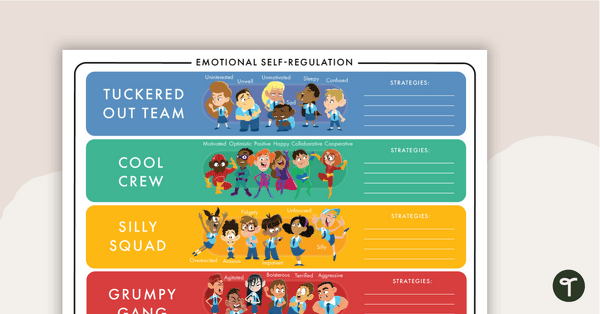
Emotional Self-Regulation Poster
Promote emotional awareness and self-regulation in your classroom with this classroom poster.
- Plus Plan
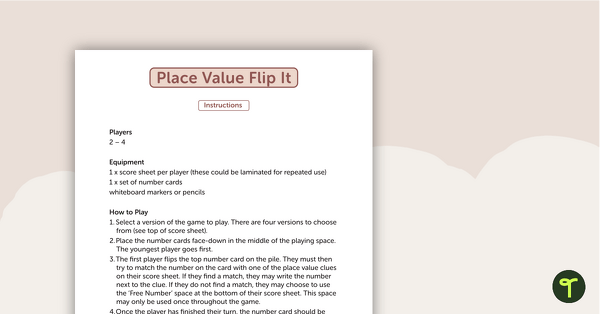
5-Digit Place Value Card Game - Flip It!
A fun game for students to play in small groups to consolidate their understanding of place value to the tens of thousands.
- Plus Plan
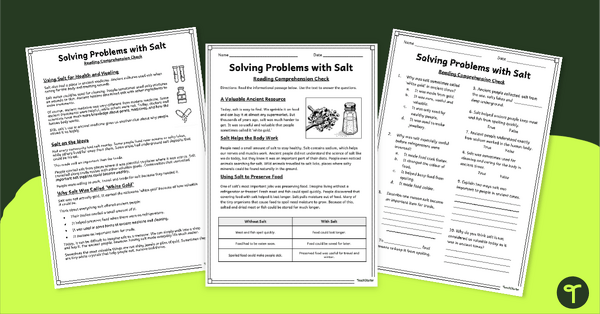
Solving Problems With Salt - Comprehension Worksheets
Explore how salt was used in ancient times with our ‘Solving Problems With Salt’ Reading comprehension worksheet pack.
- Plus Plan
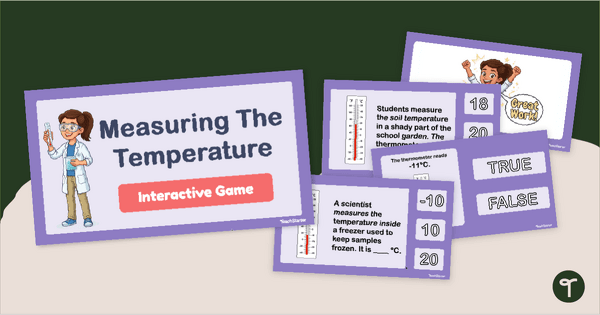
Interactive Measuring the Temperature Game
Teach your young scientists how to read a thermometer with an engaging Measuring the Temperature Game.
- Plus Plan
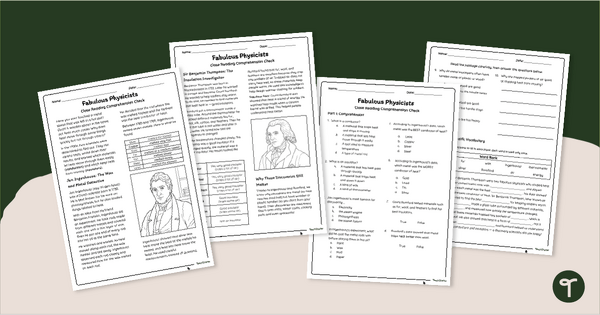
Fabulous Physicists Reading Comprehension Pack
Get to know Ingenhousz and Thompson, two physicists responsible for discovering conductors and insulators, with our Fabulous Physicists Reading Comprehension Worksheet Pack.
- Plus Plan
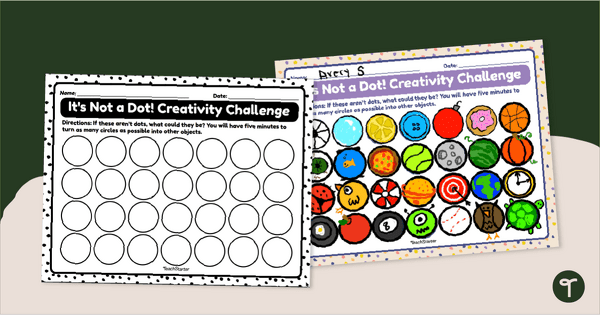
International Dot Day Creativity Challenge - Upper Years
Get creative on International Dot Day with a creativity challenge worksheet for older students.
- Plus Plan
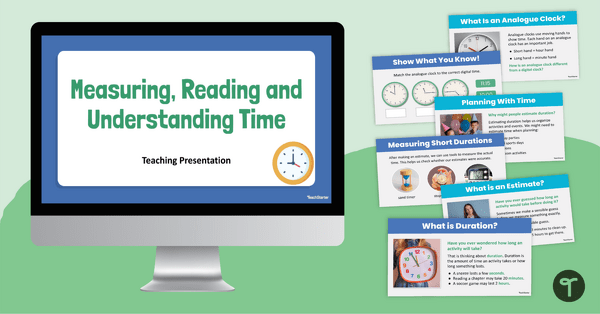
Measuring, Reading and Understanding Time Teaching Slides
Teach understanding time with this teaching slide deck, designed to help students explore duration, read analogue and digital clocks and confidently work with units of time.
- Plus Plan
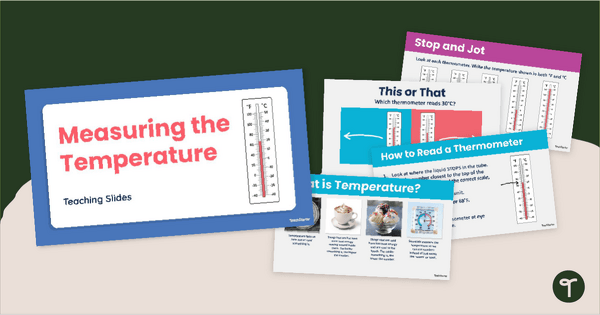
Measuring the Temperature PowerPoint
Teach your students how to read the temperature with an interactive Measuring the Temperature PowerPoint.
- Plus Plan
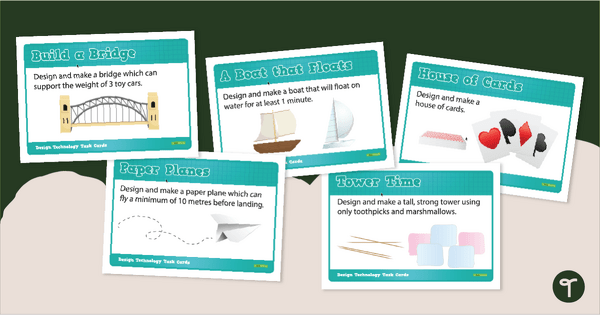
Design and Technology Challenge Task Cards
A set of 15 design challenge tasks for students.
- Plus Plan
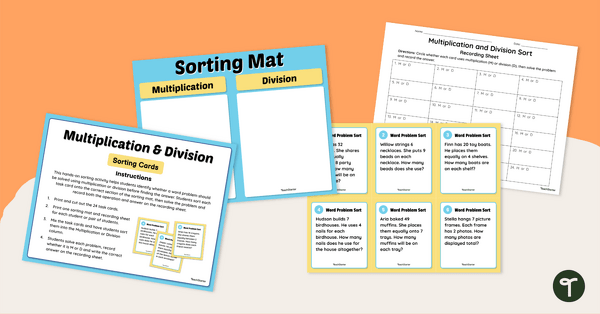
Multiplication and Division — Word Problem Solving and Sorting Cards
Strengthen multiplication and division word problem skills with a hands-on sort and solve activity.
- Plus Plan
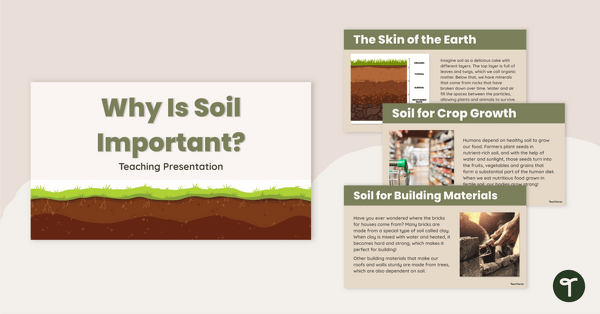
Why Is Soil Important? Teaching Slides
Explain to your students how living things depend on soil with this informative teaching presentation perfect for primary school science lessons.