English Language Arts Teaching Resources
Explore English Language Arts (ELA) activities, worksheets, games and more teaching resources created by teachers for teachers just like you! You'll find ELA resources aligned with the Common Core State Standards (CCSS), and ELAR resources that align to TEKS.
This collection of teacher-created resources for elementary and middle school teachers was designed with students and teachers in mind, including differentiated activities and worksheets ready to print and add to your lesson plan.
Each game, activity and more have undergone a careful review by a member of our ELA teaching team to ensure it's classroom — and student — ready.
What Is ELA in Education?
In most educational instances, ELA stands for English Language Arts, the subject that encompasses reading, writing, speaking, listening and language skills development in American schools.
ELA curriculum standards vary from state to state and even school district to school district, but they typically include instruction in the following areas:
1. Reading
In ELA classes, students learn to read, understand and interpret a variety of texts, including fiction and non-fiction. They develop reading comprehension skills such as identifying main ideas and making inferences while building their understanding of vocabulary.
2. Writing
As they progress through elementary and middle school, students learn the skills they need for effective written communication by learning to create types of texts — such as narratives and persuasive essays, research papers, and descriptive pieces.
They also learn to organize their ideas, use proper grammar and punctuation and refine their writing through revision and editing.
3. Speaking and Listening
While English instruction in the US was once heavily focused on grammar and reading comprehension, education experts saw a call to move toward a more student-centered means of teaching that paved the way to today's ELA curriculum ... and to the inclusion of oral communication as a focus in the curriculum.
Through speaking and listening activities, kids learn to express themselves clearly, listen actively, ask questions, participate in discussions and deliver presentations. They also learn to articulate their thoughts and understand different perspectives while developing their critical thinking abilities.
4. Language
Finally, students study grammar, vocabulary and syntax to enhance their understanding of English and how it should be used.
The curriculum includes proper sentence structure, word choice, spelling and punctuation rules. Language instruction also includes figurative language, idioms and understanding context.
ELA as English Language Acquisition
You may have noticed that we said ELA stands for English Language Arts in most educational instances. So, what else can it stand for?
In some schools, ELA is the abbreviation used for English Language Acquisition, and it's the name given to programs created to help English language learners as they tackle the language.
This form of ELA has marked similarities with the ELA described above, as it focuses on helping students build oral, reading and writing skills. However, there are distinct differences as one focuses on educating native speakers and the other on ELL students.
English vs. Language Arts — Why Is English Called Language Arts?
Some of your students may have parents who remember attending English classes as children but are unfamiliar with the concept of English language arts.
How do you explain the difference to them?
The fact is, some districts may well use the term English for what another district terms "English language arts." In other places, the two refer to very different concepts. In many areas, English is the name for courses taught on a high school level, while English language arts applies to elementary level work.
To explain why their children are enrolled in language arts coursework, it may be helpful to break down the various components of language arts — as we have done above — and their role in students' literacy growth.
What Is ELAR?
ELAR stands for English Language Arts and Reading. While much of the country's schools follow an ELA curriculum, ELAR is unique to Texas, where ELAR is an integrated subject that combines the study of language arts skills with the development of reading abilities.
This collection includes hundreds of ELAR activities, aligned directly with TEKS standards to ensure Texas teachers have everything they need for their lesson plans.
- Plus Plan
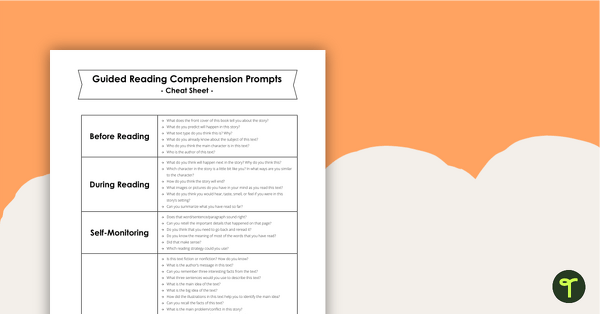
Guided Reading Groups - Comprehension Question Prompts
Use these question prompts before, during, and after reading texts in your guided reading sessions.
- Plus Plan
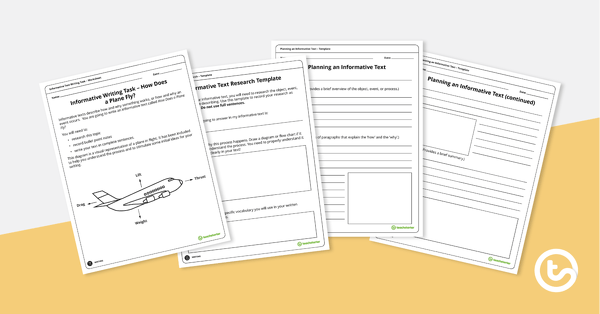
Informative Text Writing Task – How Does a Plane Fly?
A scaffolded writing task for students to complete when learning about the informative text type.
- Plus Plan
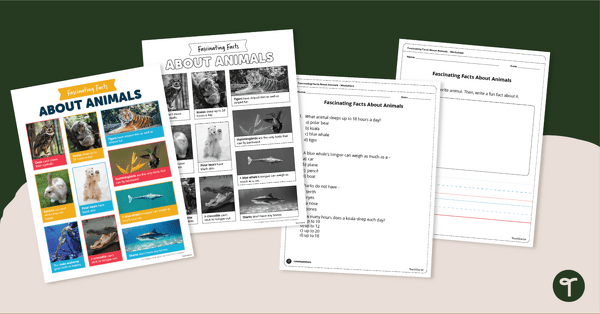
Fascinating Facts About Animals – Comprehension Worksheet
Build reading comprehension skills and learn about amazing animals with a printable 1st grade reading comprehension worksheet pack.
- Plus Plan
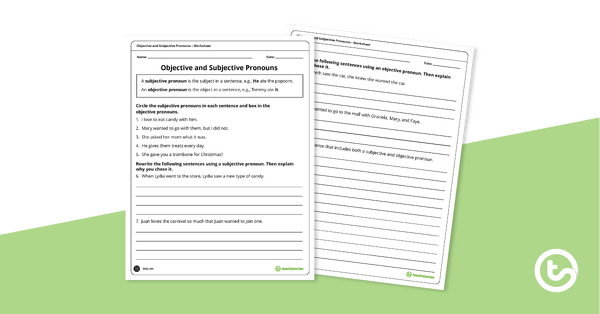
Subject and Object Pronouns Worksheet
Download this 2-page worksheet to get your students using objective and subjective pronouns.
- Plus Plan
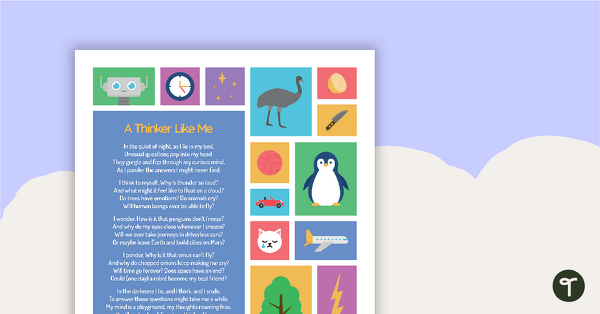
A Thinker Like Me Poem - Comprehension Worksheet
A comprehension worksheet paired with a poem about a thinker.
- Free Plan
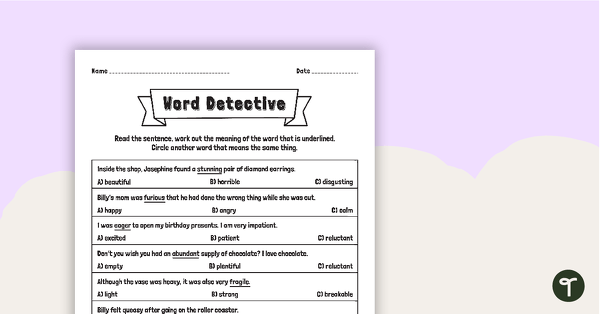
Finding Word Meaning In Context - Word Detective Worksheet
A teaching resource to help teach your students how to find word meaning in context.
- Free Plan
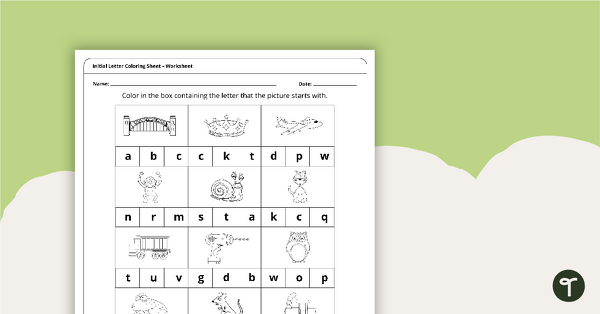
Initial Letter Coloring Worksheet
Identify the first letter for each picture and then color it.
- Free Plan
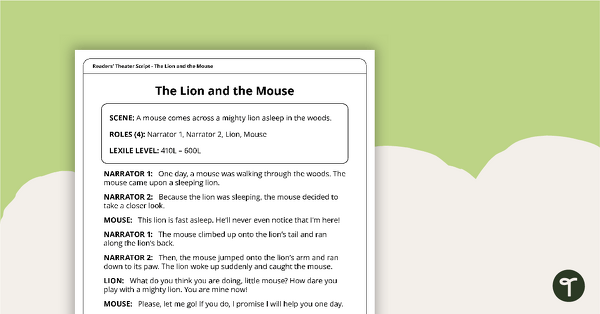
Readers' Theater Script - The Lion and the Mouse
A readers’ theater script that can be used for reading fluency and expressive reading.
- Free Plan

Storyboard Template
A template for use when planning a narrative text.
- Plus Plan
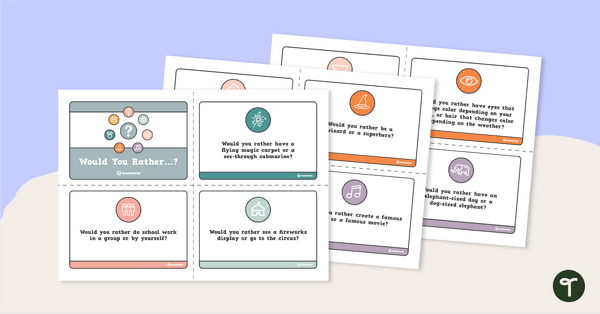
Would You Rather...? Question Cards
Would You Rather use this set of 31 question cards or eat a can of worms?
- Plus Plan
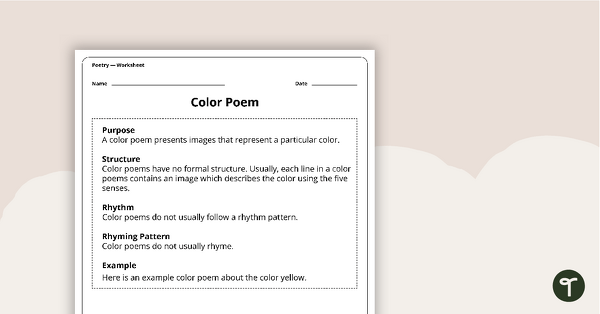
Write a Color Poem Worksheet
Set your students up for success when writing a color poem with this set of scaffolded, easy-to-follow worksheets.
- Plus Plan
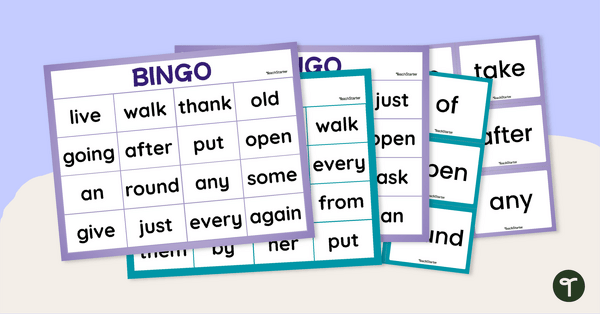
Sight Word Bingo - Grade 1
Practice knowledge of sight words with this set of 16 bingo cards suitable for Grade 1.
- Free Plan
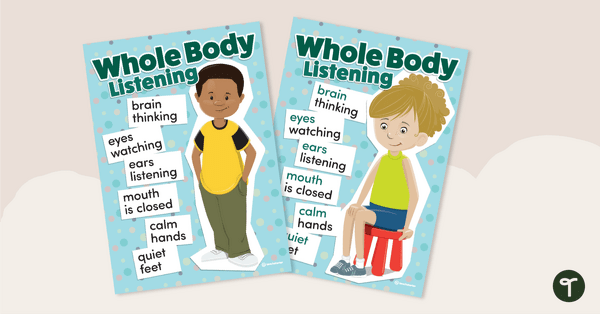
Whole Body Listening Poster Pack
Print a Whole Body Listening Poster Pack to highlight the characteristics of a good listener.
- Plus Plan
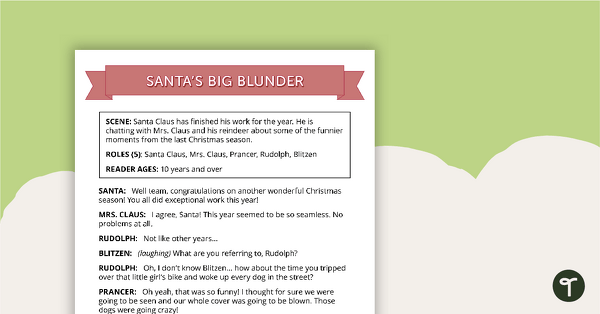
Readers' Theater Script - Santa's Big Blunder
A script that can be used in reading or theater class.
- Plus Plan
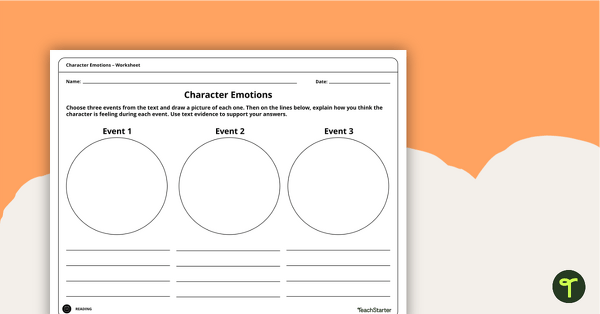
Character Emotions Worksheet
Make inferences about character's feelings with this one-page worksheet.
- Free Plan
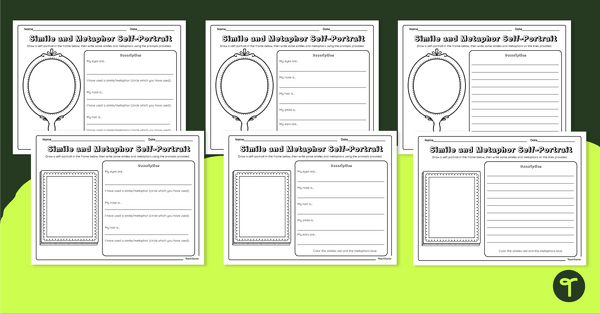
Simile and Metaphor Self-Portrait Worksheet
Teach students about similes and metaphors by asking them to describe... themselves!
- Plus Plan
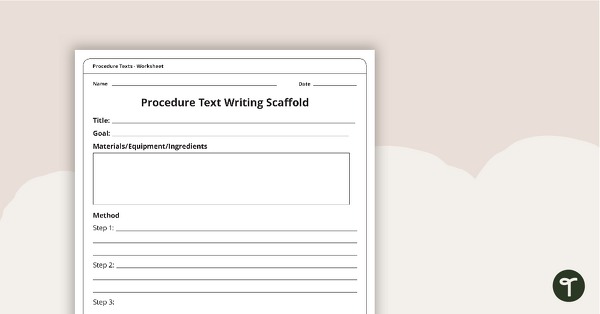
Procedure Texts Writing Scaffolds
Use this procedural writing scaffold to guide your students towards writing high-quality procedure texts.
- Plus Plan

Inference Car Classifieds - Worksheet
A series of car classifieds worksheets to use when teaching your students how to to make inferences when reading.
- Plus Plan
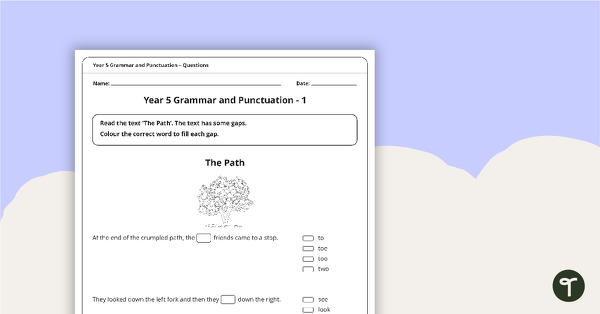
Grammar and Punctuation Assessment Tool - Grade 5
A set of 5 grammar and punctuation assessment tools suited to Grade 5 students.
- Plus Plan
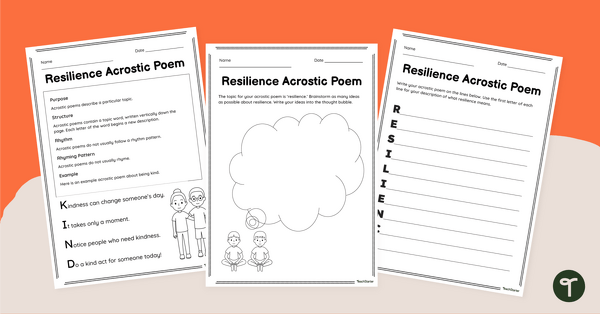
Resilience Acrostic Poem Worksheet
Have students write a resilience poem to help them understand the meaning of this crucial social-emotional skill.
- Plus Plan
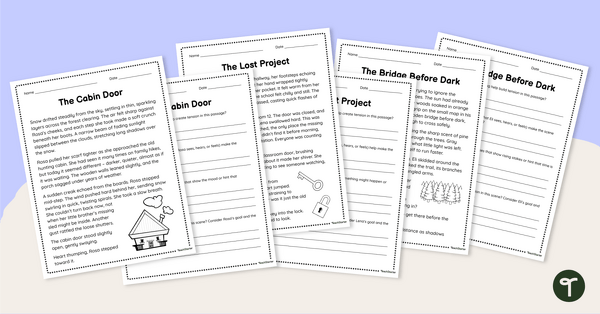
Narrative Tension – Text Analysis Worksheets
Teach narrative tension with this set of three worksheets designed to help students explore how authors build suspense and keep readers hooked.
- Plus Plan
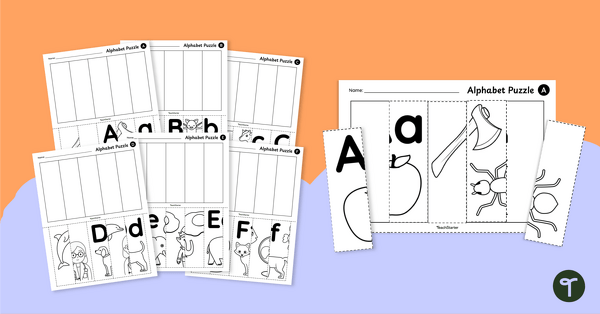
Uppercase and Lowercase Matching Activity Pack
Use these uppercase and lowercase matching cut and paste activities to help students identify and name both forms of each letter.
- Plus Plan
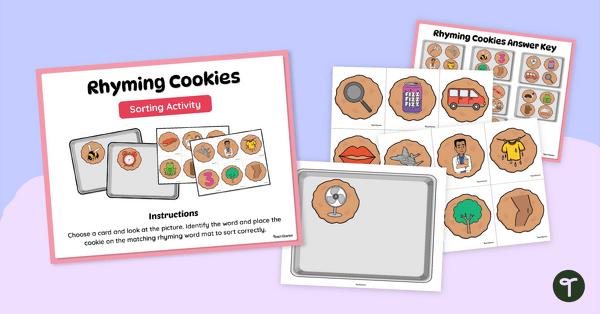
Rhyming Sort Cookies Activity Mats
Use this cookie tray rhyming sort to explore the auditory component of rhyming words to develop phonemic awareness in your students.
- Plus Plan
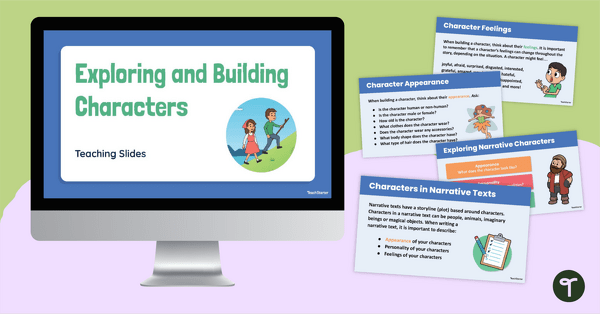
Exploring and Building Narrative Characters PowerPoint
Use this editable PowerPoint template when teaching younger students about how to build a character for a narrative text.
- Plus Plan
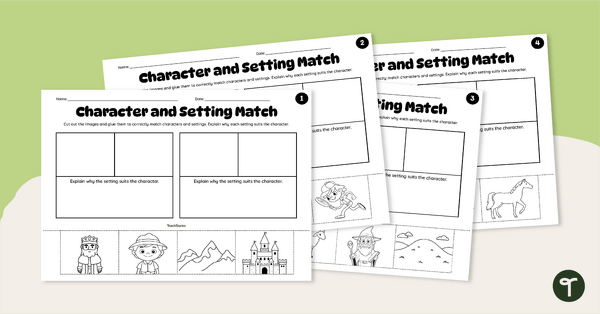
Character and Setting Connections Cut-and-Paste Pack
Explore the connection between characters and settings with this cut and paste activity pack.
- Plus Plan
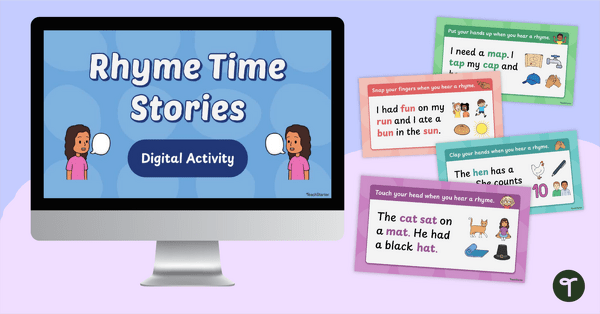
Rhyme Time Stories PowerPoint
Use this Rhyme Time Stories PowerPoint to explore auditory recognition of rhyming words with your young readers.
- Plus Plan
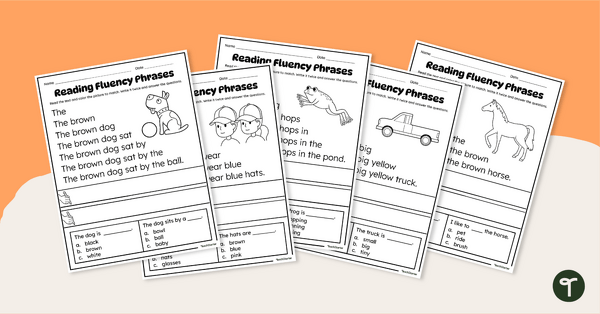
Sentence Fluency Worksheet Pack
Improve reading fluency and comprehension with this Sentence Fluency Worksheet Pack..
- Plus Plan
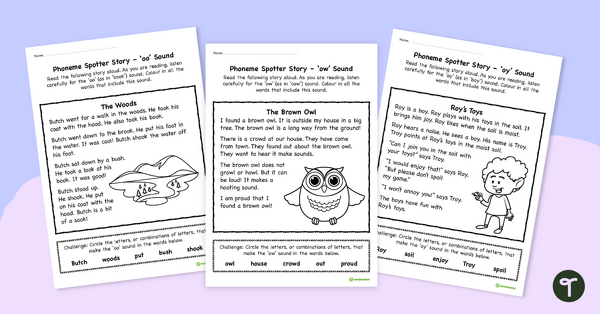
Diphthong Phoneme Spotter Stories
Use this set of decodable texts featuring various graphemes that make diphthong vowel sounds.
- Plus Plan
Comparing Narrator’s Voice Worksheets
Teach how narrator’s voice shapes the reader's experience of texts with this set of worksheets where students compare passages written from different points of view.
- Plus Plan
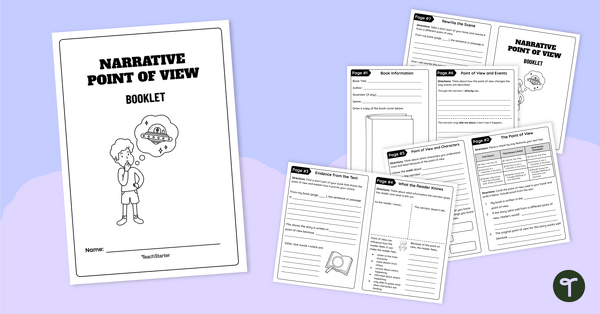
Point of View in Narration Booklet
Explore point of view in narration with this engaging mini book that helps students analyze the narrative voice of a book they have recently read.
- Plus Plan
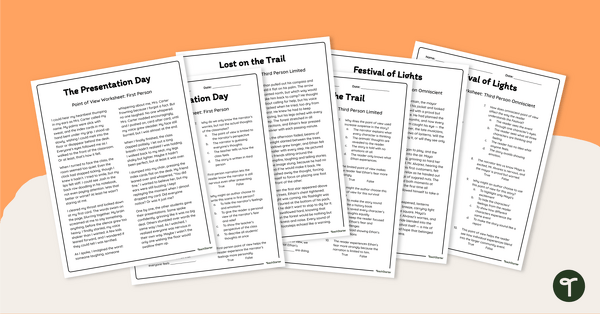
Narration and Point of View Worksheets
Use these narration and point of view comprehension passages to help students explore different narrative voices in literary texts.
- Plus Plan
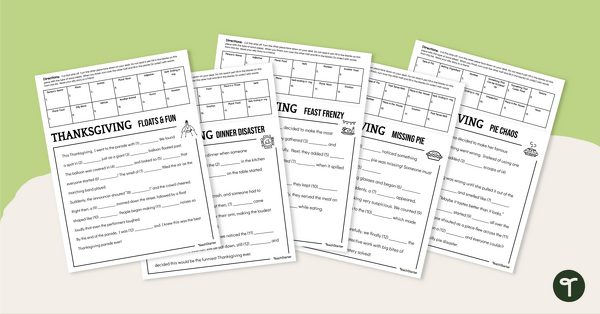
Thanksgiving Mad Lib Worksheets
Boost engagement and reinforce grammar skills with Thanksgiving Mad Lib worksheets that turn learning parts of speech into a fun, interactive activity.
- English Language Arts Worksheets
- English Language Arts Games
- English Language Arts Templates
- English Language Arts Posters
- English Language Arts Flashcards
- English Language Arts Word Walls
- English Language Arts Projects
- English Language Arts for Pre-K
- English Language Arts for Kindergarten
- English Language Arts for 1st Grade
- English Language Arts for 2nd Grade
- English Language Arts for 3rd Grade
- English Language Arts for 4th Grade
- English Language Arts for 5th Grade
- English Language Arts for 6th Grade
- English Language Arts for 7th Grade