English Language Arts Teaching Resources
Explore English Language Arts (ELA) activities, worksheets, games and more teaching resources created by teachers for teachers just like you! You'll find ELA resources aligned with the Common Core State Standards (CCSS), and ELAR resources that align to TEKS.
This collection of teacher-created resources for elementary and middle school teachers was designed with students and teachers in mind, including differentiated activities and worksheets ready to print and add to your lesson plan.
Each game, activity and more have undergone a careful review by a member of our ELA teaching team to ensure it's classroom — and student — ready.
What Is ELA in Education?
In most educational instances, ELA stands for English Language Arts, the subject that encompasses reading, writing, speaking, listening and language skills development in American schools.
ELA curriculum standards vary from state to state and even school district to school district, but they typically include instruction in the following areas:
1. Reading
In ELA classes, students learn to read, understand and interpret a variety of texts, including fiction and non-fiction. They develop reading comprehension skills such as identifying main ideas and making inferences while building their understanding of vocabulary.
2. Writing
As they progress through elementary and middle school, students learn the skills they need for effective written communication by learning to create types of texts — such as narratives and persuasive essays, research papers, and descriptive pieces.
They also learn to organize their ideas, use proper grammar and punctuation and refine their writing through revision and editing.
3. Speaking and Listening
While English instruction in the US was once heavily focused on grammar and reading comprehension, education experts saw a call to move toward a more student-centered means of teaching that paved the way to today's ELA curriculum ... and to the inclusion of oral communication as a focus in the curriculum.
Through speaking and listening activities, kids learn to express themselves clearly, listen actively, ask questions, participate in discussions and deliver presentations. They also learn to articulate their thoughts and understand different perspectives while developing their critical thinking abilities.
4. Language
Finally, students study grammar, vocabulary and syntax to enhance their understanding of English and how it should be used.
The curriculum includes proper sentence structure, word choice, spelling and punctuation rules. Language instruction also includes figurative language, idioms and understanding context.
ELA as English Language Acquisition
You may have noticed that we said ELA stands for English Language Arts in most educational instances. So, what else can it stand for?
In some schools, ELA is the abbreviation used for English Language Acquisition, and it's the name given to programs created to help English language learners as they tackle the language.
This form of ELA has marked similarities with the ELA described above, as it focuses on helping students build oral, reading and writing skills. However, there are distinct differences as one focuses on educating native speakers and the other on ELL students.
English vs. Language Arts — Why Is English Called Language Arts?
Some of your students may have parents who remember attending English classes as children but are unfamiliar with the concept of English language arts.
How do you explain the difference to them?
The fact is, some districts may well use the term English for what another district terms "English language arts." In other places, the two refer to very different concepts. In many areas, English is the name for courses taught on a high school level, while English language arts applies to elementary level work.
To explain why their children are enrolled in language arts coursework, it may be helpful to break down the various components of language arts — as we have done above — and their role in students' literacy growth.
What Is ELAR?
ELAR stands for English Language Arts and Reading. While much of the country's schools follow an ELA curriculum, ELAR is unique to Texas, where ELAR is an integrated subject that combines the study of language arts skills with the development of reading abilities.
This collection includes hundreds of ELAR activities, aligned directly with TEKS standards to ensure Texas teachers have everything they need for their lesson plans.
- Plus Plan
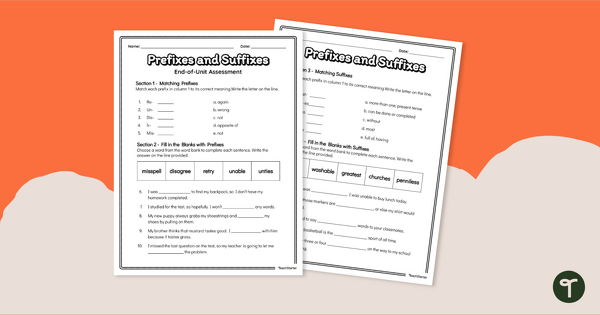
Prefix and Suffix Quiz
Assess your students’ knowledge of prefixes and suffixes with a vocabulary quiz.
- Plus Plan
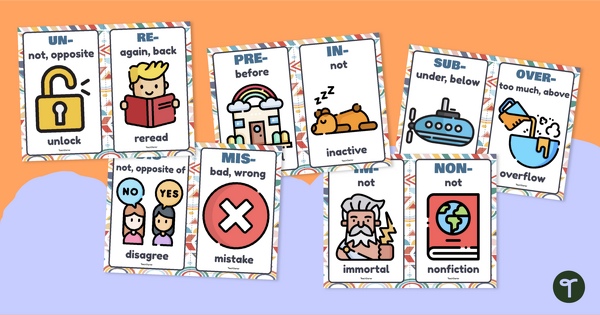
Prefix Mini-Anchor Charts
Give your students a visual reminder of the meanings of 36 different prefixes with a printable set of miniature prefix anchor charts.
- Free Plan
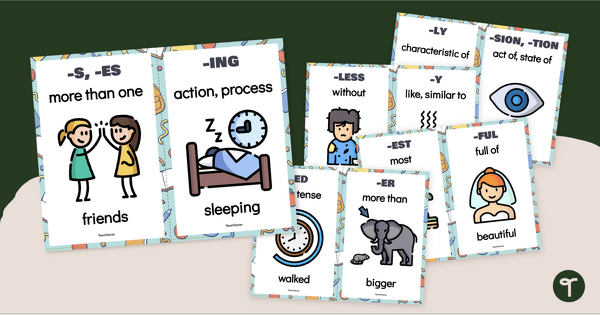
Suffix Mini Anchor Charts
Give your students a visual reminder of the meanings of 28 suffixes with a printable set of miniature anchor charts.
- Plus Plan
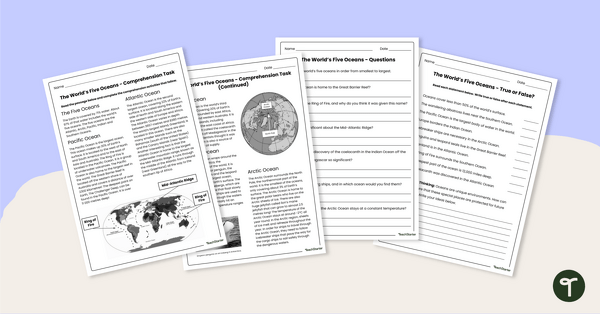
The World's Oceans - Comprehension Worksheet
Explore the world’s five oceans with this detailed comprehension passage and related questions.
- Plus Plan
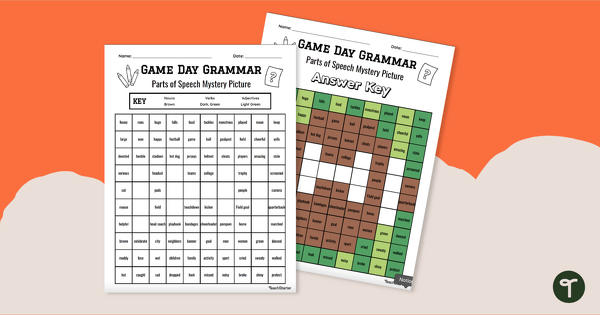
Football Mystery Grid Worksheet - Parts of Speech
Follow the color-coded parts of speech guide to fill in the word grid and reveal a Football-themed mystery image.
- Plus Plan
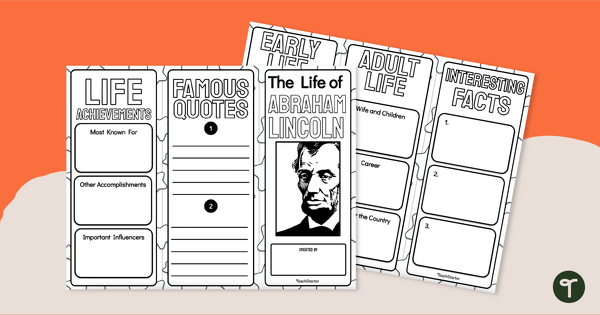
Abraham Lincoln Brochure Project
Demonstrate learning about the Abraham Lincoln’s contributions to America with a brochure project.
- Plus Plan
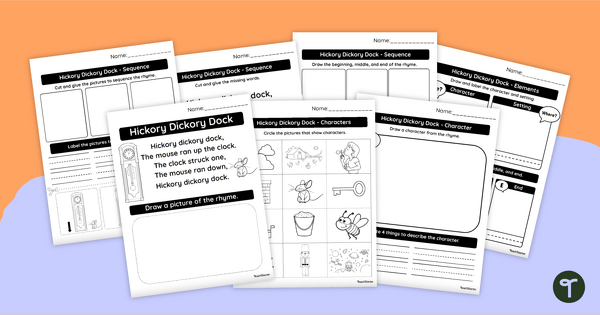
Hickory Dickory Dock - Story Elements Worksheet Pack
Demonstrate learning about the parts of a story with a printable set of Hickory Dickory Dock worksheets.
- Plus Plan
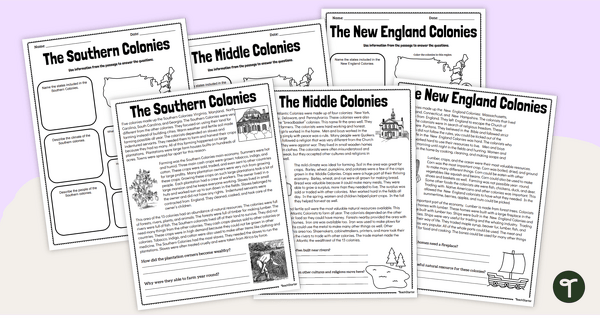
13 Colonies Reading Passages - New England, Southern, and Middle Colonies
Build reading comprehension skills and knowledge of the New England, Southern, and Middle colonies with printable comprehension worksheets.
- Plus Plan
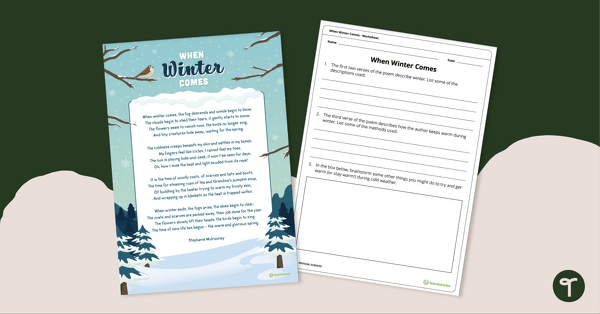
Poetry Analysis Worksheet Pack - 4th and 5th Grade
Strengthen poetry analysis skills with this set of engaging poems and poetry analysis worksheets exploring purpose, audience, structure, sound devices and figurative language.
- Plus Plan
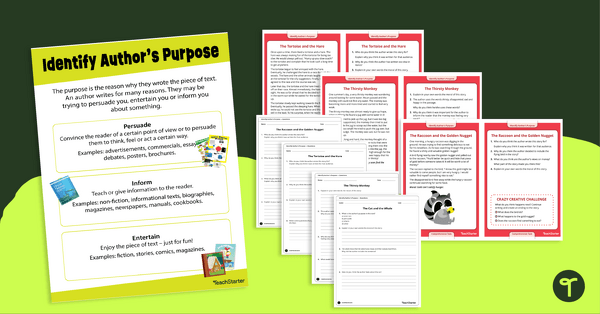
Author’s Purpose Task Cards and Worksheets
Download these author’s purpose task cards to help students identify and understand why authors write various types of texts.
- Free Plan
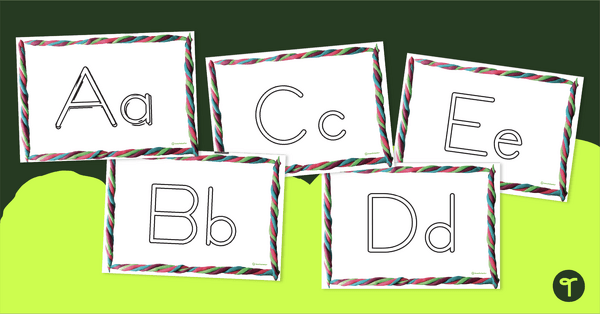
Alphabet Playdough Mats for Fine Motor Development
A set of alphabet playdough letter mats to help children develop their fine motor skills and identify the letters of the alphabet.
- Free Plan
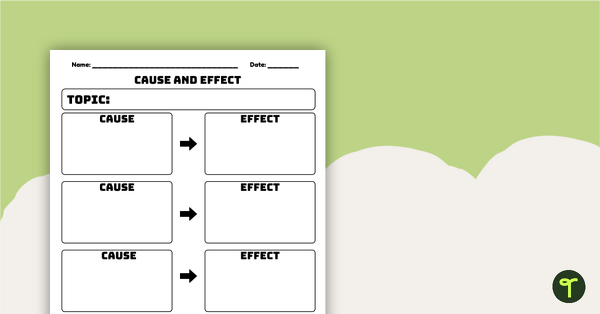
Free Cause and Effect Graphic Organizer
Practice identifying cause and effect with a blank cause and effect graphic organizer.
- Free Plan
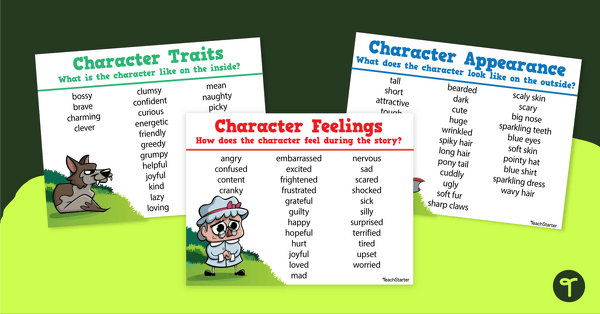
Character Anchor Charts - Traits, Feelings, and Appearances
A set of 3 posters depicting words and phrases that can be used to describe a character traits, feelings and appearance.
- Plus Plan
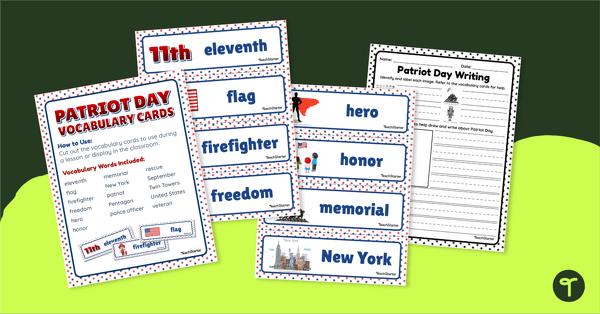
Patriot Day Vocabulary Cards and Writing Center
Increase vocabulary and build background knowledge about Patriot Day (September 11th) with a set of vocabulary word wall cards and writing worksheets.
- Plus Plan
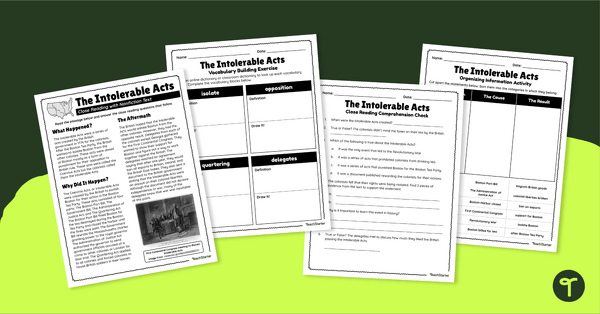
The Intolerable Acts Worksheets
Practice close reading strategies, vocabulary, and writing skills with an Intolerable Acts worksheet and writing prompt.
- Plus Plan
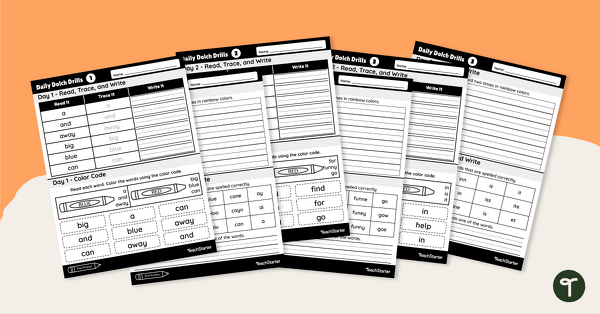
Daily Dolch Drills — Pre-Primer Weekly Homework
Practice weekly sight words to strengthen letter-sound recognition, spelling, and reading fluency with six weeks of sight word homework worksheets.
- Free Plan
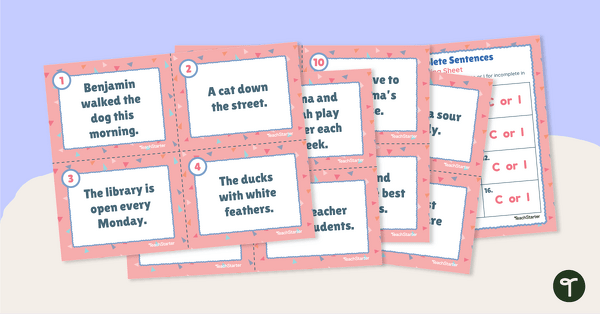
Complete and Incomplete Sentence Task Cards
These task cards are best used as independent practice or formative assessment assignments during sentence structure lessons.
- Plus Plan
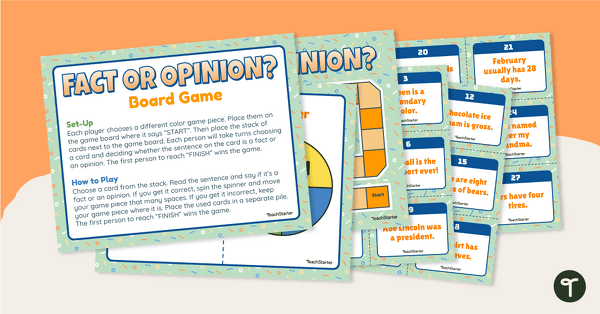
Fact and Opinion Board Game
Practice differentiating between fact and opinion with a fun and engaging board game.
- Plus Plan
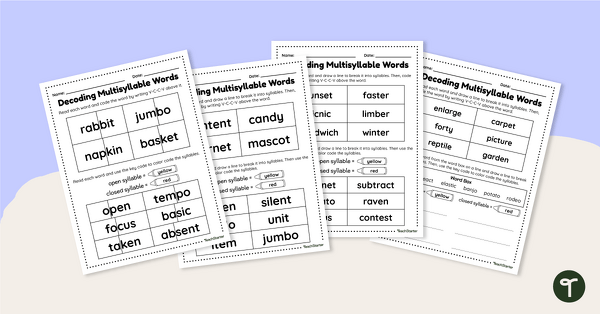
Multisyllable Words Worksheets
Build multisyllable word decoding skills with a Science of Reading based worksheet pack.
- Free Plan
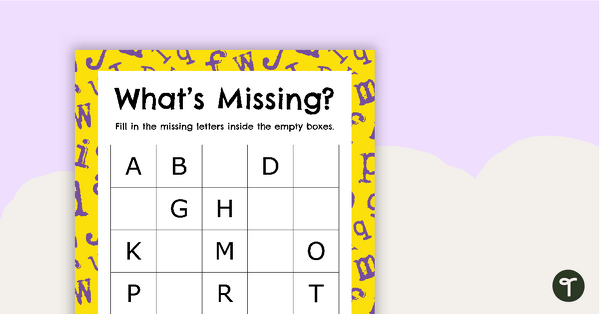
What's Missing? - Alphabet Worksheet
A set of worksheets to practice writing the letters of the alphabet in order.
- Plus Plan
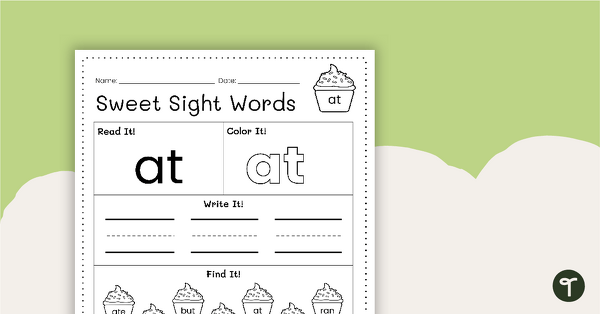
Sweet Sight Words Worksheet - AT
Practice reading, writing, and identifying the high-frequency word “at” from the Kindergarten-level Dolch sight words list.
- Plus Plan
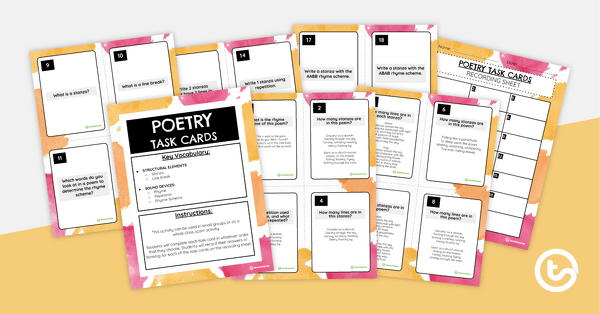
Poetry Task Cards
A set of 20 task cards to practice different elements of peotry.
- Plus Plan
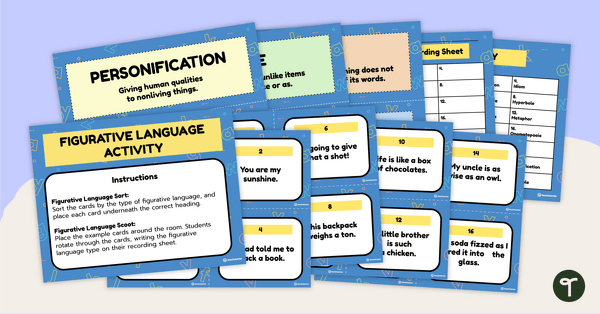
Figurative Language Sorting Activity
Explore figurative language in context with this set of 28 sorting cards.
- Plus Plan
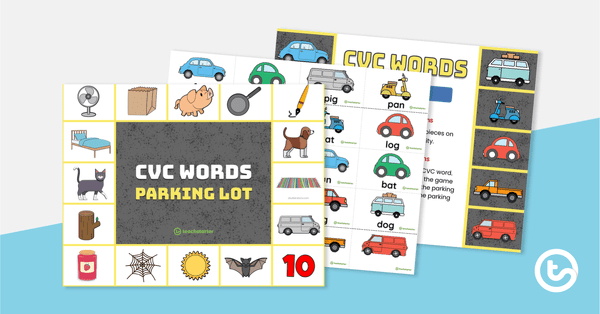
CVC Words Parking Lot Game
Practice decoding and spelling CVC words with this set of 16 word cards and matching game board.
- Free Plan
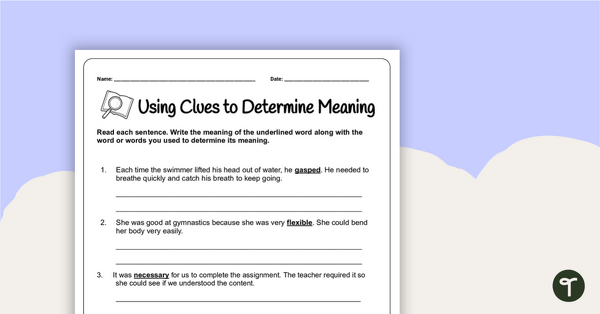
Using Clues to Determine Meaning Worksheet
Practice defining unfamiliar words by looking for context clues within a sentence.
- Free Plan
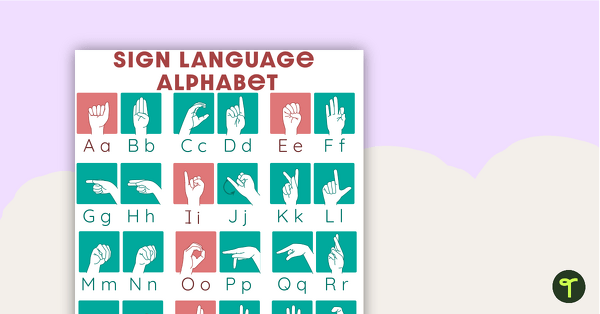
Sign Language Alphabet Poster
Display this poster in your classroom as a reminder of how to represent the letters of the alphabet when spelling words in ASL (American Sign Language).
- Plus Plan
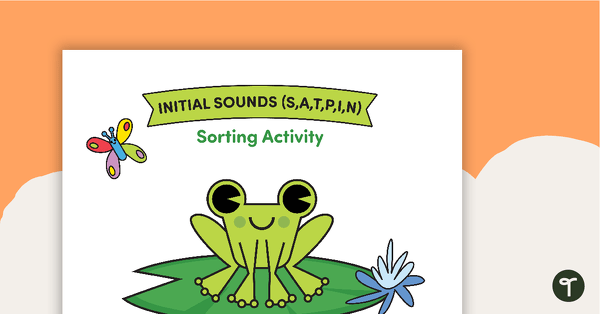
Initial Sound Sorting Activity (s, a, t, p, i, and n)
A sorting activity to practice initial sounds regarding the letters s, a, t, p, i, and n.
- Plus Plan

Grade 6 Daily Warm-Up – PowerPoint 1
An 80-slide PowerPoint presentation containing a variety of quick warm-up activities.
- Free Plan
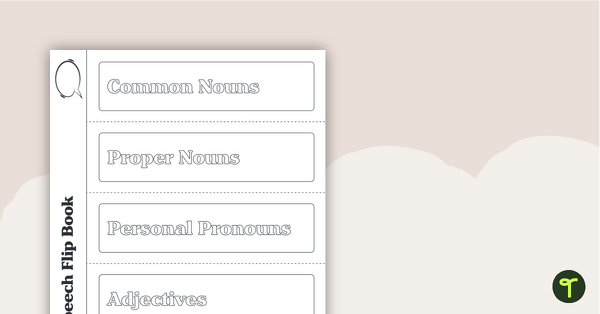
Parts of Speech Flip Book
A flip book to use when learning about parts of speech.
- Plus Plan
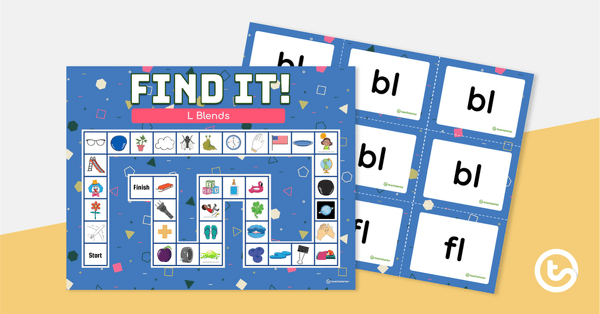
FIND IT! L Blends Board Game
Practice decoding and spelling words with this board game that focuses on L consonant blends.
- Plus Plan
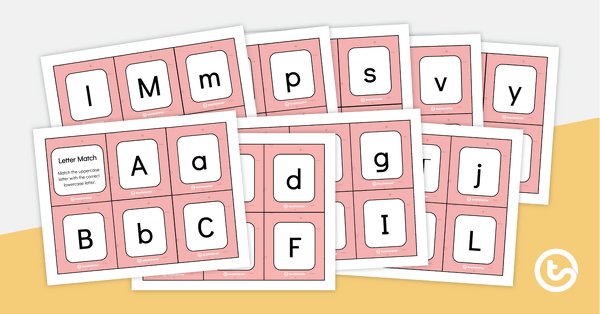
Letter Match-Up Cards
A set of uppercase and lowercase letter cards.
- Free Plan
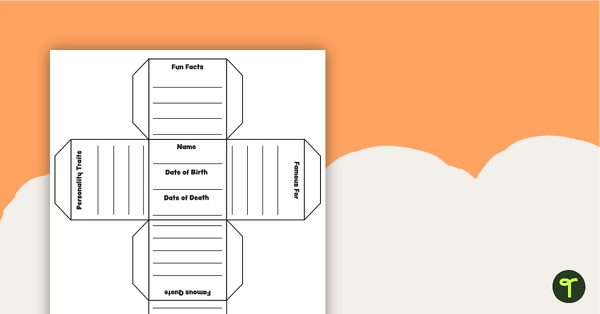
Biography Cube
Research and create an interactive biography for a historical figure.
- English Language Arts Worksheets
- English Language Arts Games
- English Language Arts Templates
- English Language Arts Posters
- English Language Arts Flashcards
- English Language Arts Word Walls
- English Language Arts Projects
- English Language Arts for Pre-K
- English Language Arts for Kindergarten
- English Language Arts for 1st Grade
- English Language Arts for 2nd Grade
- English Language Arts for 3rd Grade
- English Language Arts for 4th Grade
- English Language Arts for 5th Grade
- English Language Arts for 6th Grade
- English Language Arts for 7th Grade