Science Teaching Resources
Elementary teachers, are you ready to get hours of science lesson planning time back?
Welcome to Teach Starter, where science printable worksheets, STEM activities, and more ways to integrate the science curriculum into your classroom are waiting for you. Every science resource in our curated resource library has been created by a teacher for teachers, and every lesson has undergone a rigorous review process by our team of expert teachers to ensure it's ready for your classroom.
Science Teaching Resources
Whether you're teaching the life cycle of a frog to 1st graders, the water cycle to your 4th-grade class, or you're taking your 3rd graders on a journey around the sun and back again with rotation and revolution worksheets, there is something in this collection for every science teacher.
Here are just a few of the topics you'll discover as you dive into our curriculum-aligned resource collection:
- The scientific method
- Earth and space resources
- Matter and energy worksheets
- Environment printables
- Scientific tools
Science Classroom Decor Ideas
Decorating your science classroom? We've got you covered there with plenty of ideas and printables:
- Set up word walls with science vocabulary regarding the weather, natural disasters, and more.
- Line your walls with science classroom posters that introduce students to scientific tools like the thermometer and the microscope.
- Print out space, earth, and other bulletin board banners that make bulletin board set-up a snap!
- Plus Plan
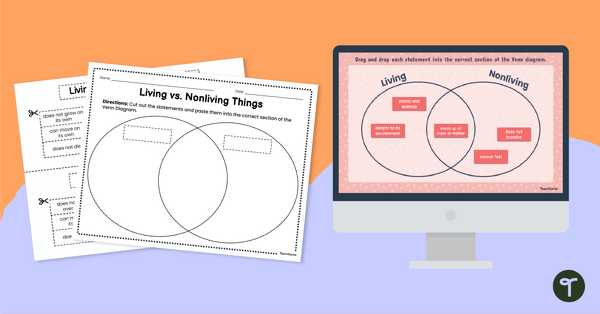
Living vs. Nonliving Things - Interactive and Printable Sorting Activity
Compare the characteristics of living and nonliving things with this cut-and-paste Venn Diagram worksheet.
- Plus Plan
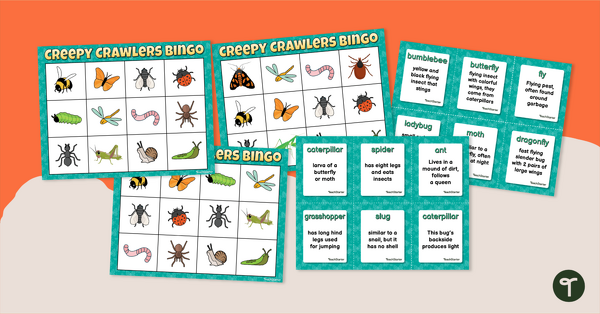
Insects for Kids - Bingo Game
Learn about creepy crawly insects with a Bug Bingo Game for preschoolers.
- Plus Plan
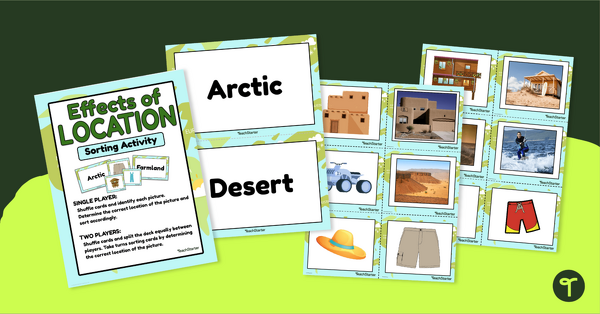
Effects of Physical Location Sort
Help children learn how the environment affects those that live in a specific area with a sorting activity.
- Free Plan
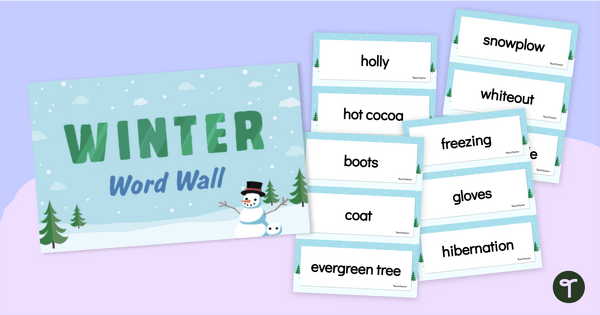
Winter Words - Vocabulary Word Wall
Bring a bit of chill to your classroom with a set of 45 vocabulary cards containing words related to winter.
- Plus Plan

Dinosaurs - Vocabulary Cards and Writing Prompts for Second Grade
Inspire young paleontologists to read and write about dinosaurs with a dinosaur-themed writing center and word wall.
- Plus Plan
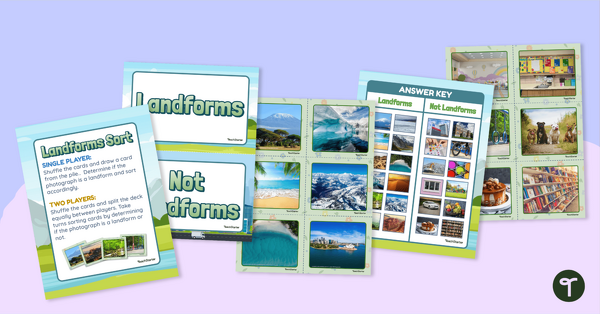
Natural Landforms Sorting Activity
Identify the major landforms of the world with a sorting activity.
- Plus Plan

Life Cycle of a Pumpkin Cut and Paste Worksheet
Learn about the life cycle of a pumpkin with a cut and paste sequencing worksheet.
- Plus Plan
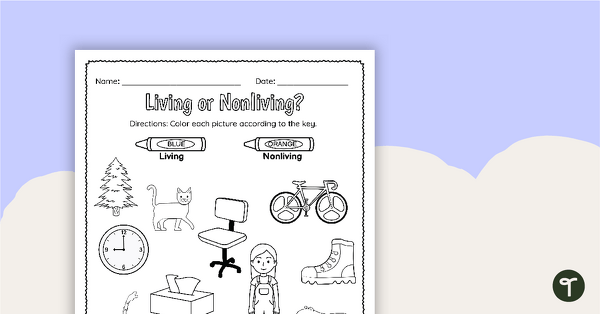
Living or Nonliving? Color by Code Worksheet
Practice identifying living and nonliving things with this color by code worksheet.
- Plus Plan
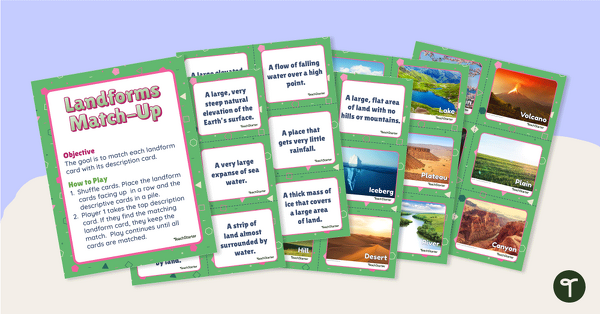
Landforms Vocabulary Match
Identify the major landforms of the world with a matching activity.
- Plus Plan

Living and Nonliving Things – Clip Card Activity
Differentiate between living and nonliving things with this set of 24 clip cards.
- Free Plan

Dress for the Weather Worksheet
Identify proper clothing choices for different weather conditions with this worksheet.
- Plus Plan
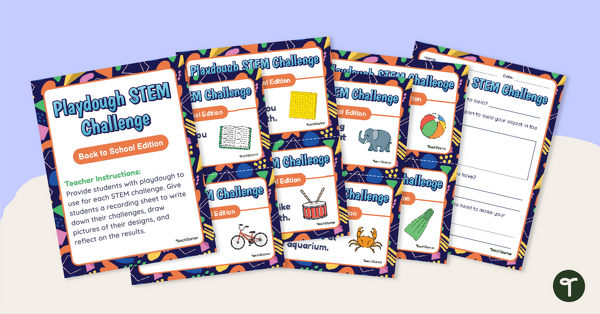
Playdough STEM Challenge – Task Cards
Use this set of STEM challenge cards to foster critical thinking and problem-solving by building various items with playdough.
- Plus Plan
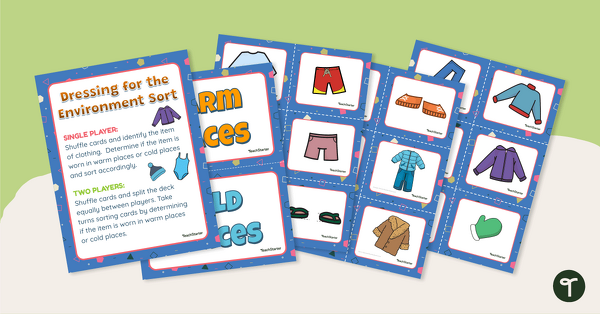
Dressing for the Physical Environment Sorting Activity
Help children learn about dressing for the environment by sorting clothing items into categories for warm climate and cold climate.
- Plus Plan
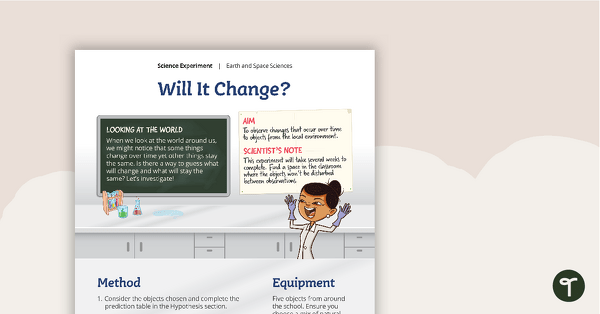
Science Experiment - Will It Change?
A science investigation in which the students observe changes that occur to various objects over time.
- Plus Plan

The Daytime Sky - Worksheet
Explore features of the daytime sky with this one-page worksheet.
- Plus Plan
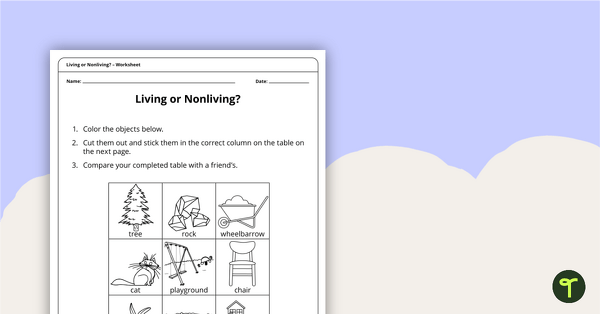
Living or Nonliving Sort
A worksheet that explores living and nonliving things.
- Plus Plan

Backyard Bingo
A set of 6 bingo cards for kids to use when outside in nature.
- Plus Plan
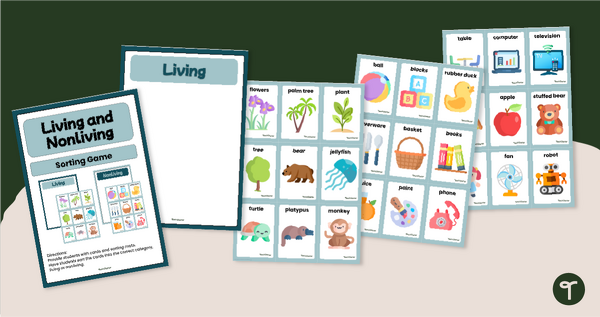
Living vs Nonliving Things - Sorting Activity
Sort biotic vs. abiotic things and discuss their characteristics with a hands-on living and nonliving things picture sort.
- Plus Plan
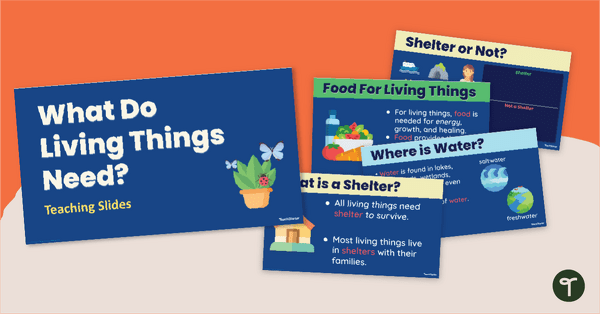
What Living Things Need to Survive - Teaching Slides
Teach your students what animals, plants, and humans need to survive with an engaging, interactive teaching slide deck.
- Plus Plan
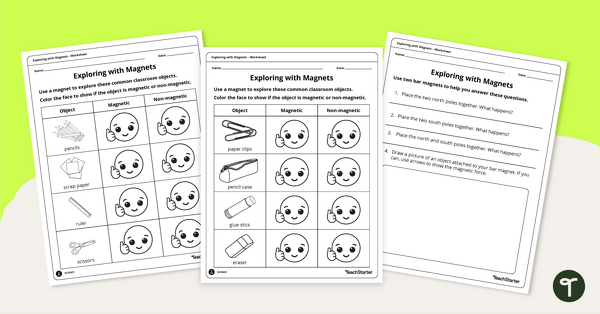
Exploring Magnets Worksheets
Download this magnetism worksheet to use when exploring magnetism in your elementary school science lessons.
- Plus Plan
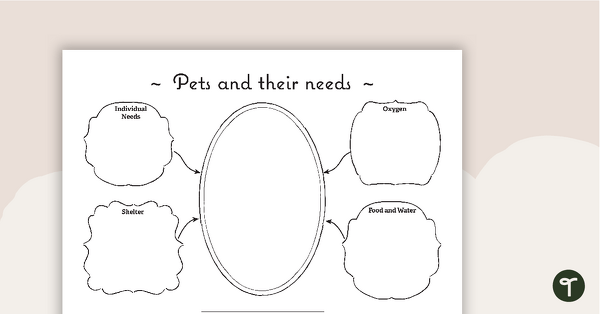
Pets and Their Needs - Worksheet
A worksheet for students to identify the four basic needs of living things.
- Free Plan

Volume Level Wheel and Posters
Show the appropriate student noise level throughout the day with this noise level spinner.
- Plus Plan
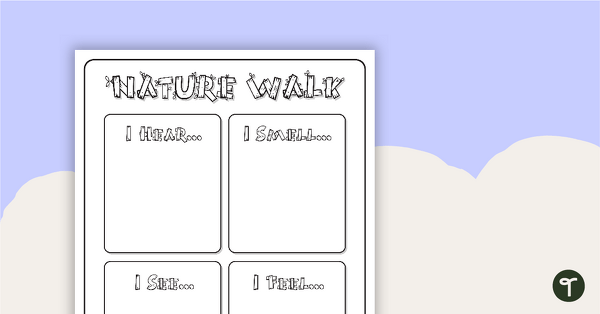
Nature Walk Senses Worksheet
Encourage children to listen, smell, look, and feel during a nature walk with this graphic organizer!
- Plus Plan

Earth Hour Poster
A poster highlighting the importance of Earth Hour.
- Plus Plan

Make Every Day Earth Day Poster
A poster that encourages students to think about the Earth every day!
- Plus Plan

How We Grow and Change - Sequencing Activity
A sequencing activity to use when learning about growth and change.
- Free Plan
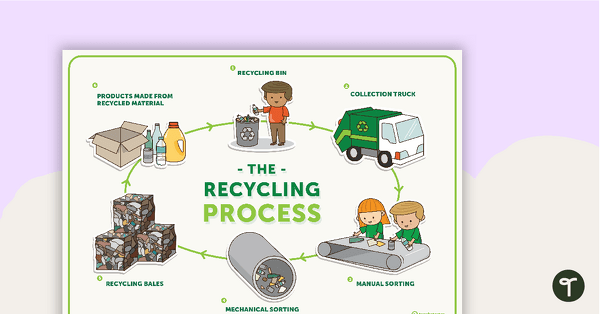
The Recycling Process Poster
Show your students the process materials go through when they are recycled with printable recycling posters.
- Plus Plan
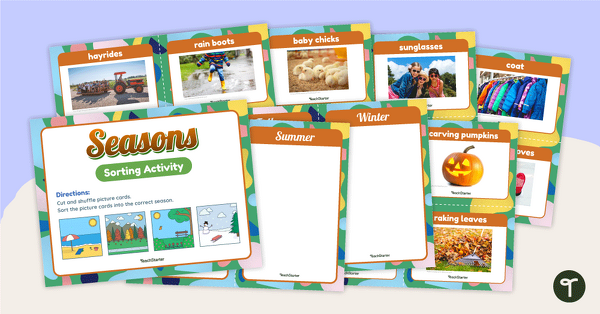
Seasons Sorting Activity
Teach students in K-2 the proper clothing, activities, and objects for different types of weather with this four seasons activity.
- Plus Plan

Water is Life Teaching Resource Pack
A collection of Water is Life teaching resources including posters, worksheets and activities for teaching about how we use water and where it comes from.
- Free Plan

Free Science Booster Pack
A free sample pack that includes six Science resources.
- Plus Plan

Easy Pumpkin Drawing Video for Kids
Use a fun and easy pumpkin drawing video for kids as a lesson hook for your 1st and 2nd grade science lessons on plants!
- Plus Plan
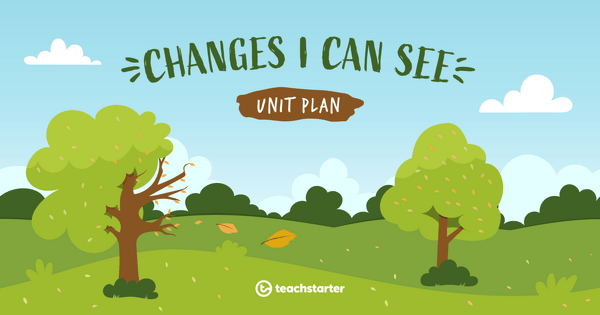
Changes I Can See!
This Earth and Space Sciences unit explores how and why observable changes occur in the sky and landscape, and develops students' ability to describe these changes in their local environment.