English
By the beginning of year 3, pupils should be able to read books written at an age-appropriate interest level. They should be able to read them accurately and at a speed that is sufficient for them to focus on understanding what they read rather than on decoding individual words. They should be able to decode most new words outside their spoken vocabulary, making a good approximation to the word’s pronunciation. As their decoding skills become increasingly secure, teaching should be directed more towards developing their vocabulary and the breadth and depth of their reading, making sure that they become independent, fluent and enthusiastic readers who read widely and frequently. They should be developing their understanding and enjoyment of stories, poetry, plays and non-fiction, and learning to read silently. They should also be developing their knowledge and skills in reading non-fiction about a wide range of subjects. They should be learning to justify their views about what they have read: with support at the start of year 3 and increasingly independently by the end of year 4.
- Plus Plan
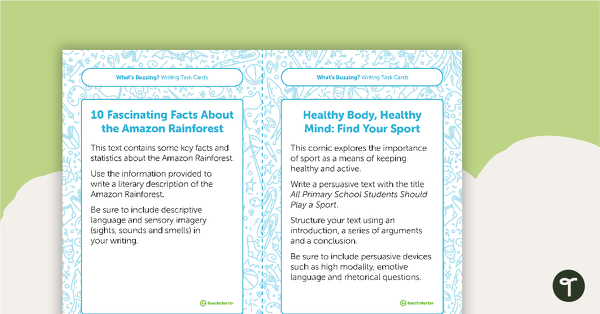
Year 5 Magazine - "What's Buzzing?" (Issue 1) Task Cards
A set of five literacy rotation task cards to be used in conjunction with issue 1 of Teach Starter's Year 5 magazine.
- Plus Plan
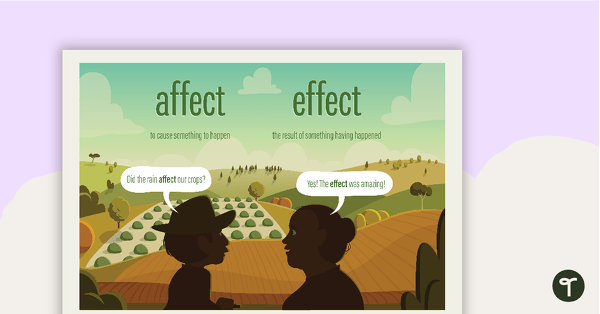
Affect and Effect Homophones Poster
An educational poster for the homophones affect and effect.
- Plus Plan
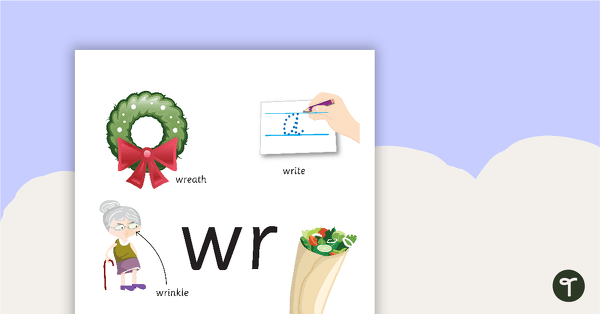
Wr Digraph Poster
A poster showing words and pictures for wr digraphs.
- Plus Plan
Year 5 Magazine - What's Buzzing? (Issue 1)
A beautifully designed, 24-page reading magazine specifically designed for Year 5 students.
- Plus Plan
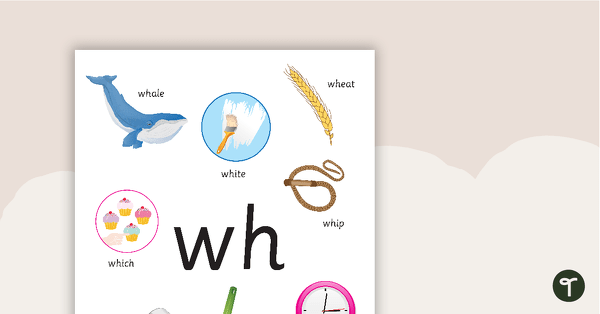
Wh Digraph Poster
A poster showing words and pictures for wh digraphs.
- Plus Plan
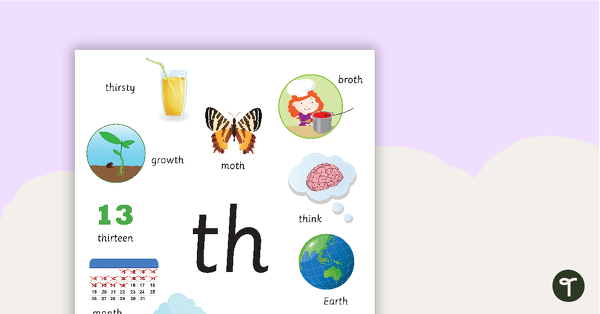
Th digraph Poster
A poster showing words and pictures for th digraphs.
- Plus Plan
The Moon of Planet Earth – Worksheet
A comprehension worksheet for the information report from the Year 3 magazine (Issue 3).
- Plus Plan
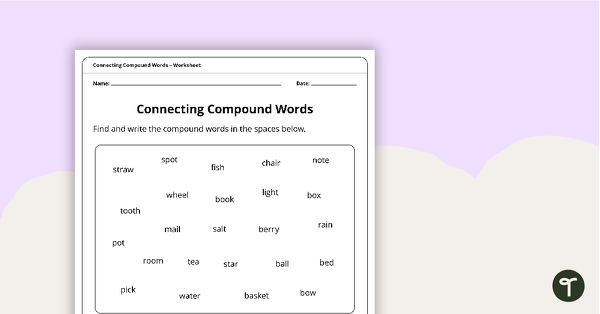
Connecting Compound Words Worksheet
A worksheet to consolidate students' understanding of compound words.
- Plus Plan
Reading Detectives Display Banner
A classroom display banner to use on your 'Reading' display board.
- Plus Plan
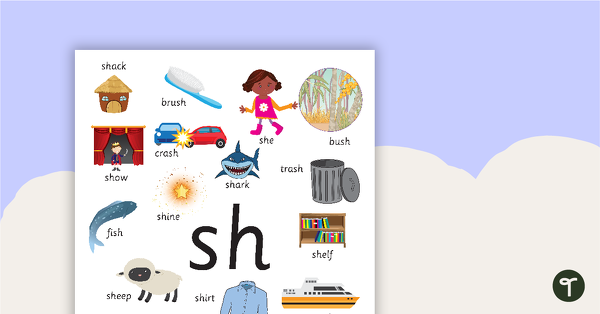
Sh Digraph Poster
A poster showing words and pictures for sh digraphs.
- Plus Plan
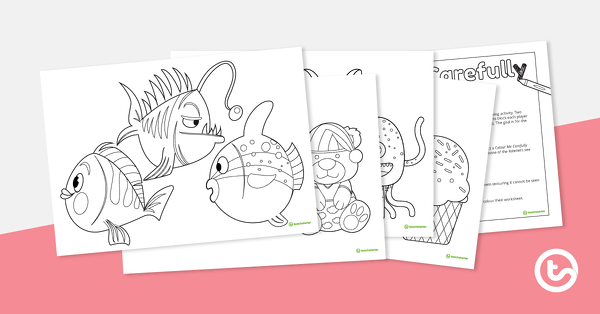
Colour Me Carefully Worksheets
A set of four colouring pages to be used as speaking and listening activities.
- Plus Plan
Narrative Writing Word Wall
A set of 30 vocabulary words related to narrative texts and narrative writing.
- Plus Plan
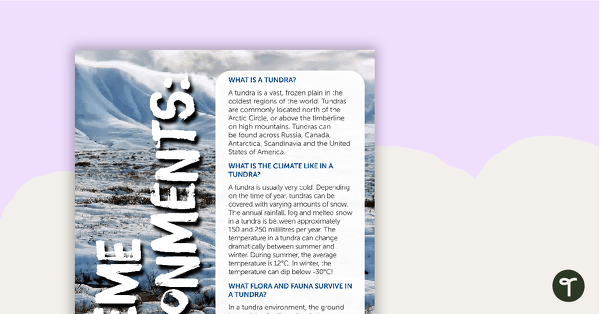
Extreme Environments: Lands of Ice and Sand – Worksheet
A comprehension worksheet for an information report from the Year 4 magazine (Issue 3).
- Plus Plan
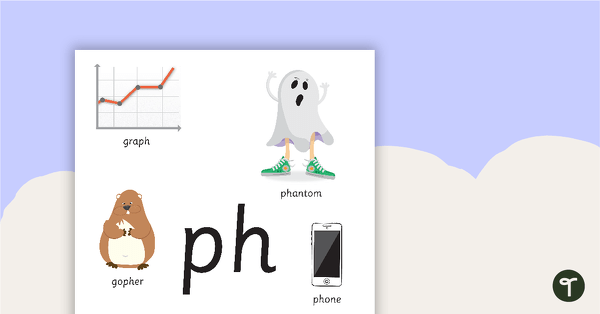
Ph Digraph Poster
A poster showing words and pictures for ph digraphs.
- Plus Plan
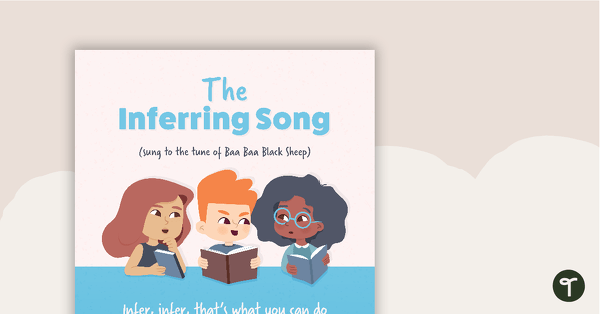
The Inferring Song Poster
A fabulous song to use when learning about inference.
- Plus Plan
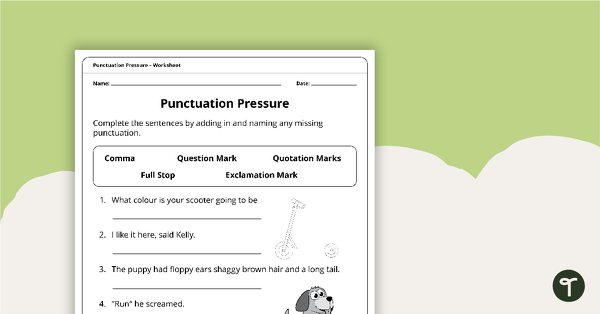
Punctuation Pressure Worksheet
A worksheet consolidating students' understanding of punctuation.
- Plus Plan
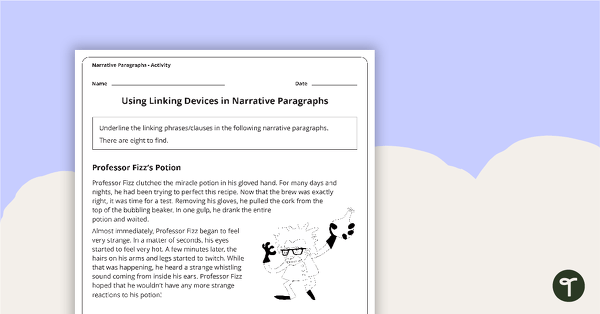
Using Linking Devices in Narrative Paragraphs Worksheets
3 worksheets teaching students how to link ideas when writing narrative paragraphs.
- Plus Plan
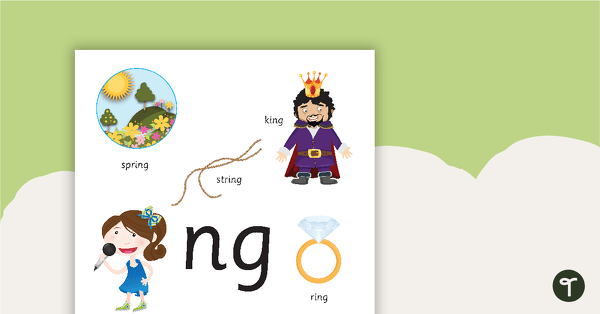
Ng Digraph Poster
A poster showing words and pictures for ng digraphs.
- Plus Plan
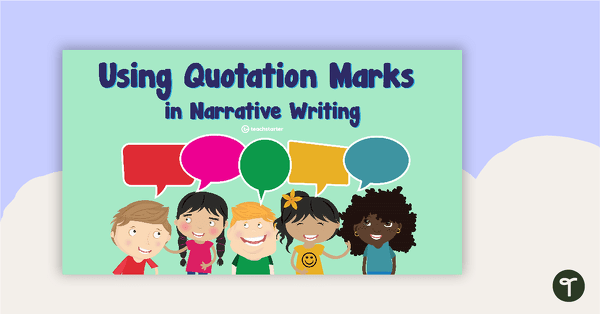
Using Quotation Marks in Narrative Writing PowerPoint
A 21 slide editable PowerPoint template to be used when teaching correct usage of quotation marks.
- Plus Plan
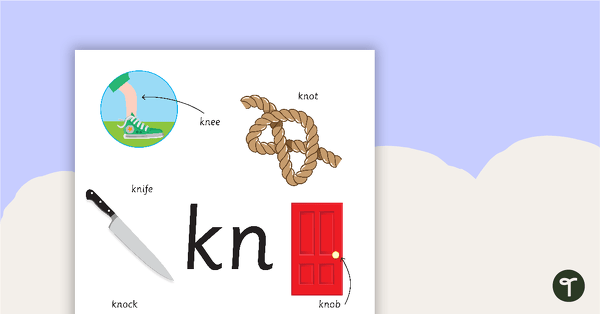
Kn Digraph Poster
A poster showing words and pictures for kn digraphs.
- Plus Plan
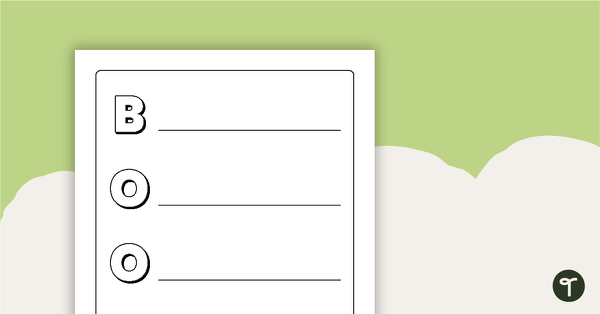
Reading Acrostic Poem Templates
A set of 7 acrostic poem templates.
- Plus Plan
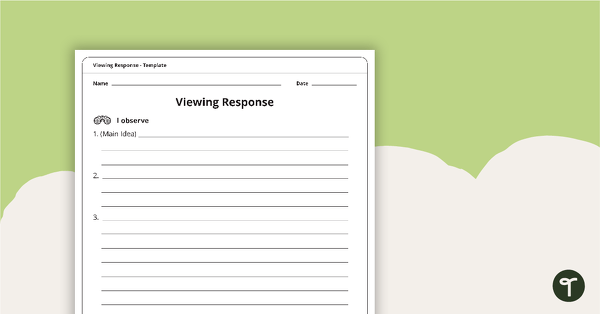
Viewing Response Template
A useful template to encourage students to make careful observations and interpretations while viewing visual prompts.
- Plus Plan
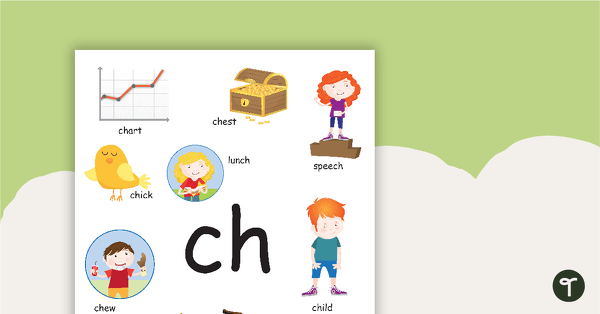
Ch Digraph Poster
A poster showing words and pictures for ch digraphs.
- Plus Plan
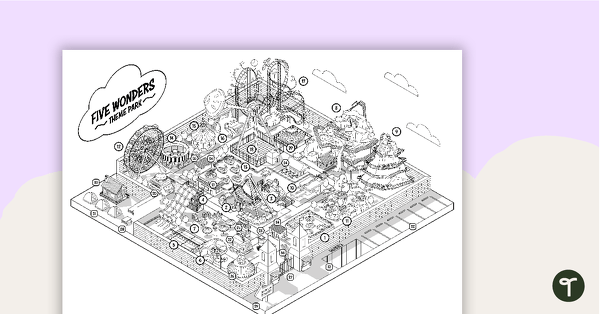
Five Wonders Theme Park – Stimulus Posters
A number of stimulus posters all themed around Five Wonders Theme Park.
- Plus Plan
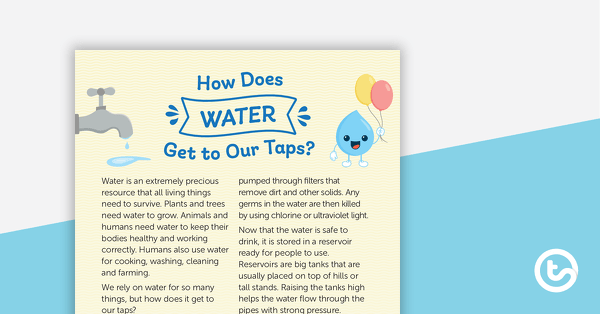
How Does Water Get to Our Taps? – Worksheet
A comprehension worksheet for an information report from the Year 2 magazine (Issue 2).
- Plus Plan
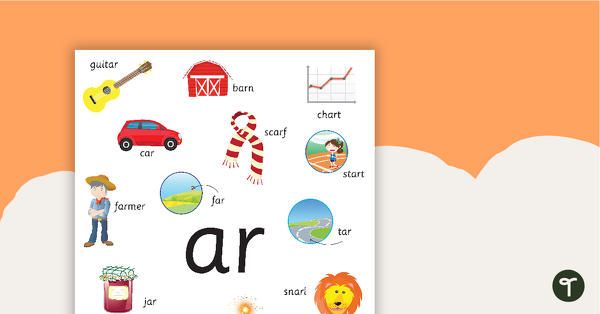
Ar Digraph Poster
A poster showing words and pictures for ar digraphs.
- Plus Plan
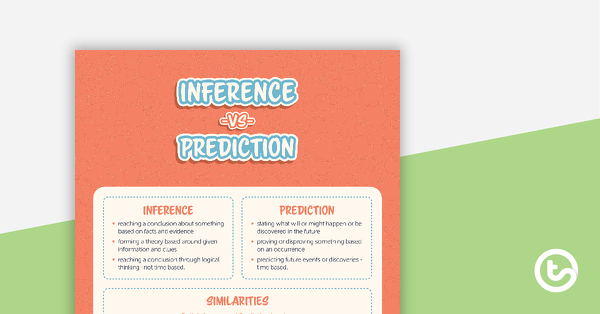
Inference vs Prediction Poster
A poster outlining the similarities and differences between inference and prediction.
- Plus Plan
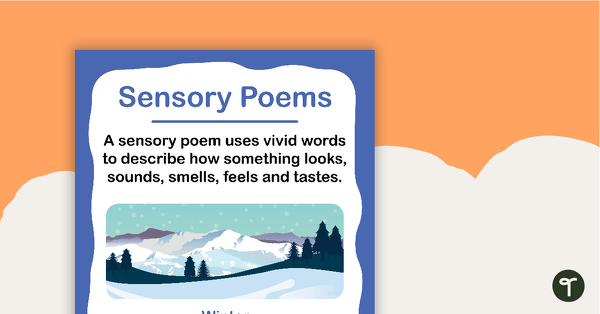
Sensory Poem Poster
A poster providing a definition and example of a sensory poem.
- Plus Plan
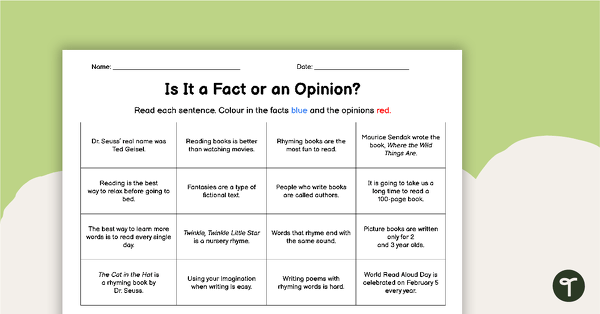
Is It a Fact or an Opinion? - Worksheet
A worksheet to practise identifying facts and opinions.
- Plus Plan
Persuasive Writing Bump It Up Wall – Year 4
A visual display for your classroom to help students 'bump up' their persuasive writing.
- Plus Plan
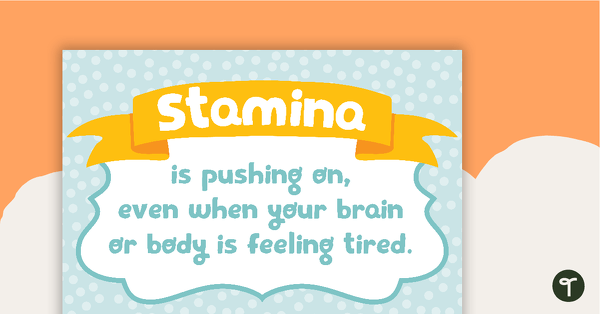
Stamina Poster
A poster to encourage students to build stamina.
- Plus Plan
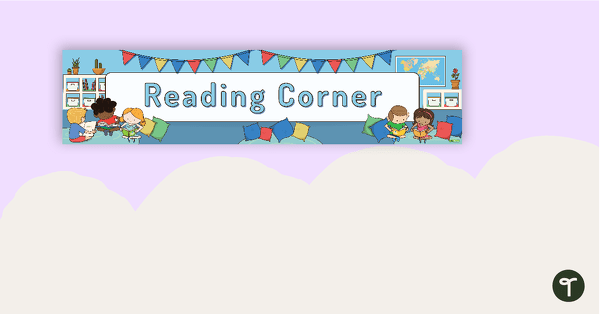
Reading Corner Display Banner
A classroom display banner to use on your 'Reading Corner' display board.