ELAR K.2
Developing and sustaining foundational language skills: listening, speaking, reading, writing, and thinking--beginning reading and writing. The student develops word structure knowledge through phonological awareness, print concepts, phonics, and morphology to communicate, decode, and spell. The student is expected to:
- (1) demonstrate phonological awareness by:
- (A) identifying and producing rhyming words;
- (i) recognizing spoken alliteration or groups of words that begin with the same spoken onset or initial sound;
- (ii) identifying the individual words in a spoken sentence;
- (iii) identifying syllables in spoken words;
- (iv) manipulating syllables within a multisyllabic word; and
- (v) blending syllables to form multisyllabic words;
- (vi) segmenting multisyllabic words into syllables;
- (vii) blending spoken onsets and rimes to form simple words;
- (viii) blending spoken phonemes to form one-syllable words;
- (ix) segmenting spoken one-syllable words into individual phonemes;
- (x) demonstrate and apply phonetic knowledge by:
- (B) identifying and matching the common sounds that letters
represent;
- (i) using letter-sound relationships to decode, including VC, CVC, CCVC, and CVCC words;
- (ii) recognizing that new words are created when letters are changed, added, or deleted such as it - pit - tip - tap; and
- (iii) identifying and reading at least 25 high-frequency words from a research-based list;
- (iv) demonstrate and apply spelling knowledge by:
- (C) spelling words with VC, CVC, and CCVC;
- (i) spelling words using sound-spelling patterns; and
- (ii) spelling high-frequency words from a research-based list;
- (iii) demonstrate print awareness by:
- (D) identifying the front cover, back cover, and title page
of a book;
- (i) holding a book right side up, turning pages correctly, and knowing that reading moves from top to bottom and left to right with return sweep;
- (ii) recognizing that sentences are comprised of words separated by spaces and recognizing word boundaries;
- (iii) recognizing the difference between a letter and a printed word; and
- (iv) identifying all uppercase and lowercase letters; and
- (v) develop handwriting by accurately forming all uppercase and lowercase letters using appropriate directionality.
- (A) identifying and producing rhyming words;
- Plus Plan
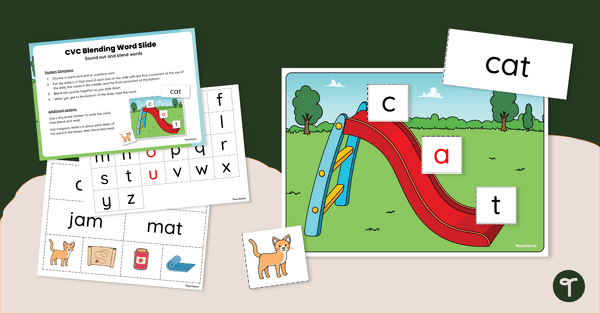
CVC Word Blending Slide Activity
Engage students in a fun blending activity to encourage students to ‘slide’ their phonemes together with this phoneme blending mat.
- Free Plan
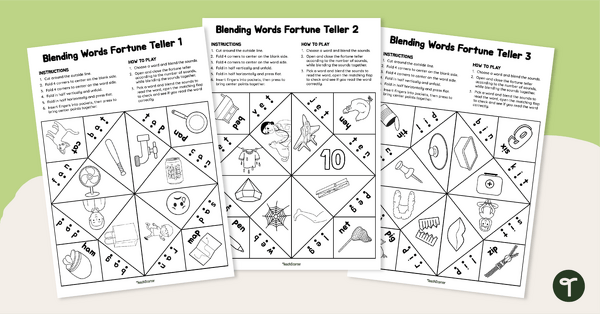
Blending Words Fortune Teller Templates
Help students practice blending CVC words with these interactive fortune teller templates.
- Plus Plan
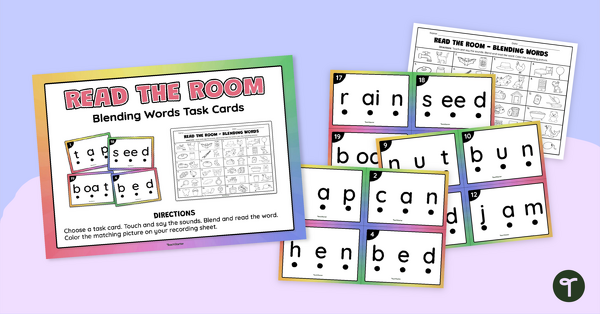
Read the Room - Blending Words Task Cards
Get your students active and also practicing their phoneme blending skills with this fun read the room blending activity.
- Plus Plan
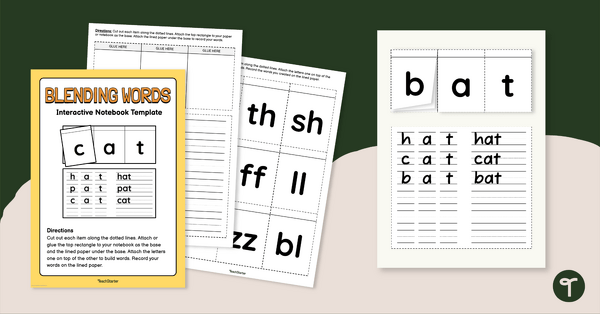
Blending Interactive Notebook Template
Engage students in blending simple 3 and 4 phoneme words with this interactive flip book template.
- Plus Plan
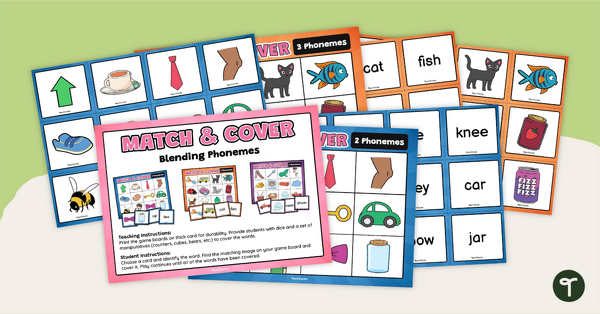
Match and Cover Blending Phonemes Game
Engage your students in blending phonemes with this set of ‘Blend and Cover’ game boards.
- Plus Plan
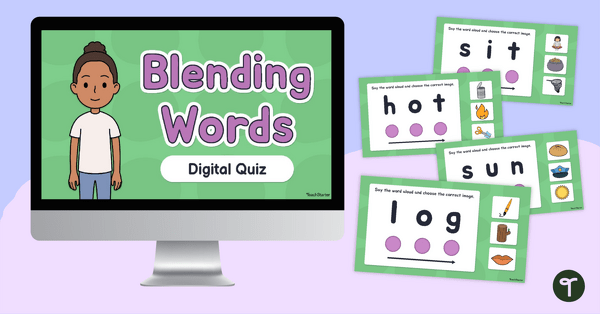
Blending Words Digital Quiz
Get your students to practice their blending with simple CVC words using this digital activity.
- Plus Plan
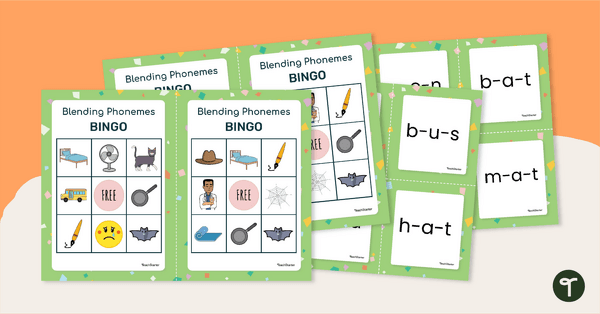
Blending Phonemes CVC Word BINGO
Practice blending phonemes to form one-syllable words with this set of 20 bingo game boards and cards.
- Plus Plan
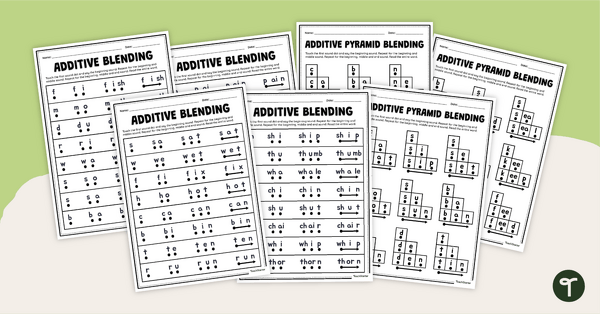
Additive Blending Worksheet Pack
Provide students with the tools to successfully practice phoneme and word blending with these additive and pyramid blending worksheets.
- Plus Plan
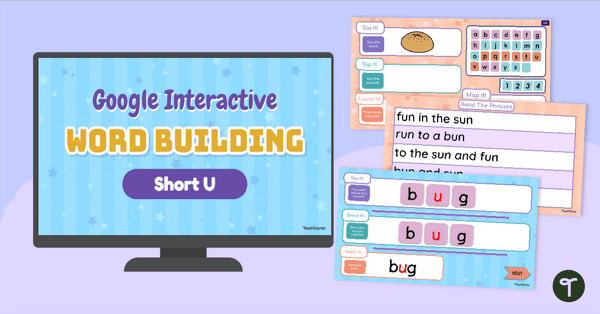
Learn to Read Short U - Daily Phonics for Kids
Use our week-long Interactive Short U Word Building Interactive to teach daily phonics lessons for kindergarten!
- Plus Plan
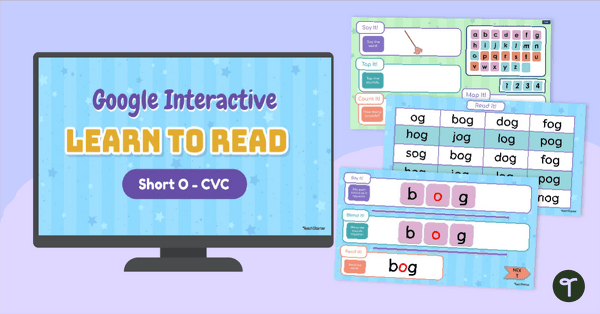
Learn to Read Short O - Daily Phonics for Kids
Teach your students to read short O words with a daily digital phonics instructional slide deck.
- Plus Plan
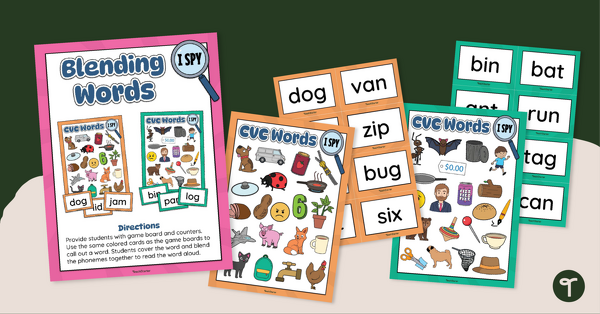
I Spy Blending Phonemes Activity
Support students' phonemic awareness development with this fun I Spy phoneme blending activity.
- Plus Plan
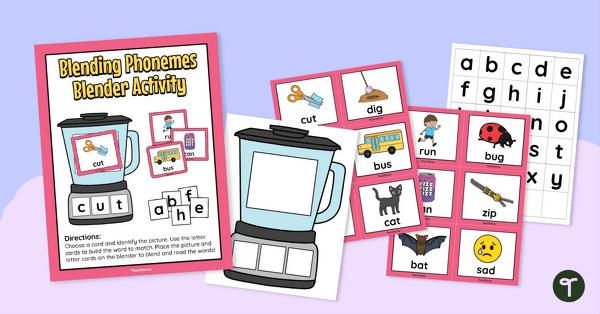
Phoneme Blending Blender Activity
Set your students up for success when learning to blend phonemes by using this fun blender activity to practice blending simple CVC words.
- Plus Plan
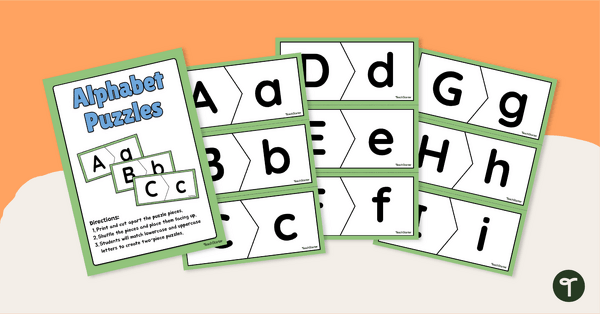
Alphabet Puzzle Uppercase and Lowercase Activity
Use this hands-on matching activity to support students' recognition of lowercase and uppercase letters.
- Plus Plan
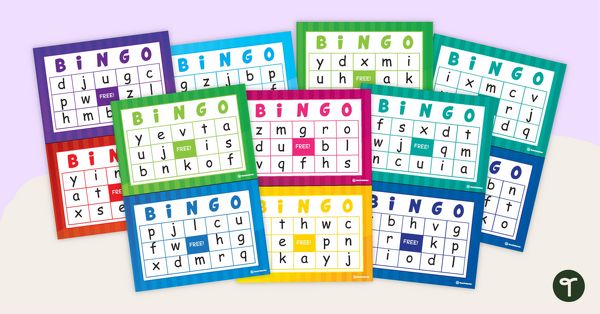
Alphabet Bingo Upper and Lowercase Recognition
Give students the opportunity to practice the recognition of lowercase and uppercase letters with this set of alphabet bingo cards.
- Plus Plan
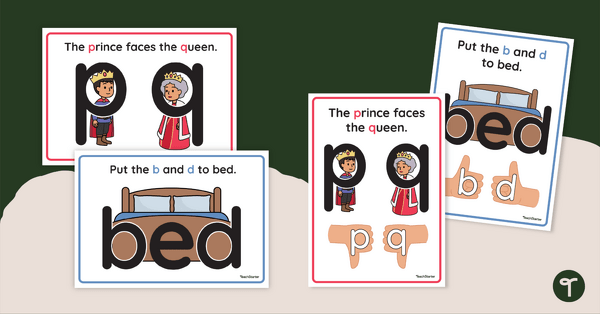
Letter Reversal Posters
Display these posters highlighting the differences between b, d, p and q letterforms.
- Plus Plan
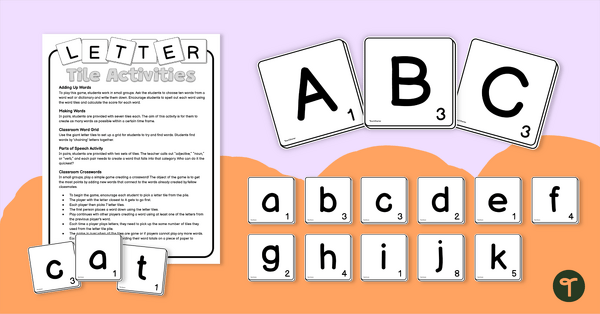
Giant Letter Tiles with Numbers
Use these giant letter tiles for a variety of vocabulary and spelling activities for your students.
- Plus Plan
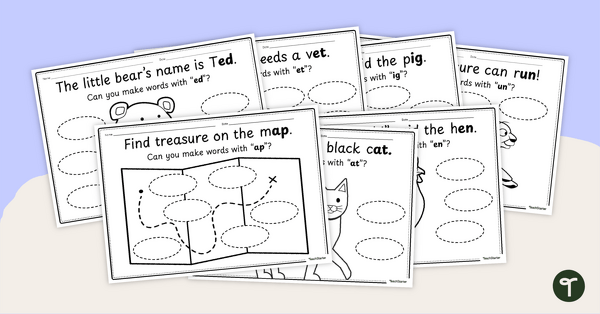
Onset and Rime Worksheet Pack
Explore all the different word families based on onset and rime words with this fun and engaging onset and rime worksheet pack.
- Plus Plan
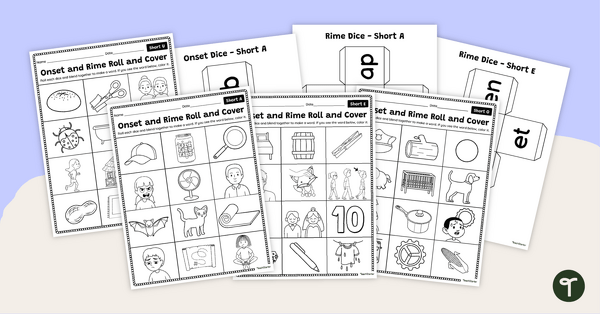
Roll and Cover Onset and Rime Activity Pack
Practice decoding onset and rime words with this short vowel onset and rime activity pack.
- Plus Plan
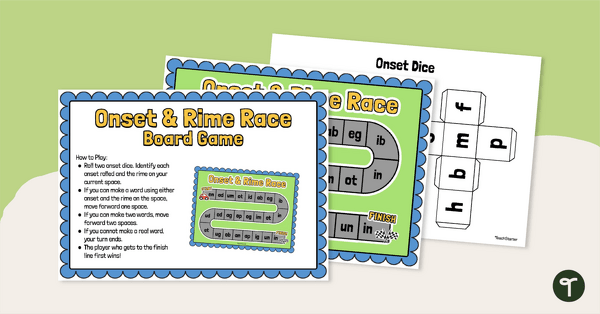
Onset and Rime Race Board Game
Explore different onset and rime words with this fun and engaging race to the finish onset and rime game board.
- Free Plan
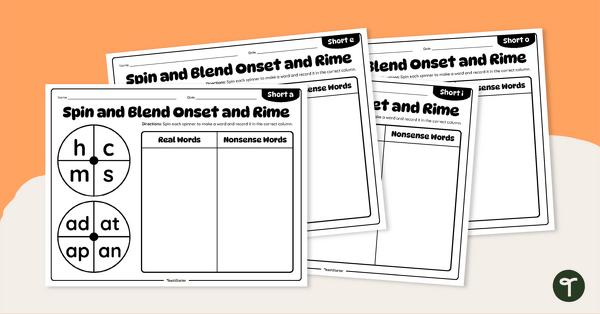
Spin and Blend Onset and Rime Pack
Practice blending onset and rime words with this set of spin and blend worksheets.
- Plus Plan
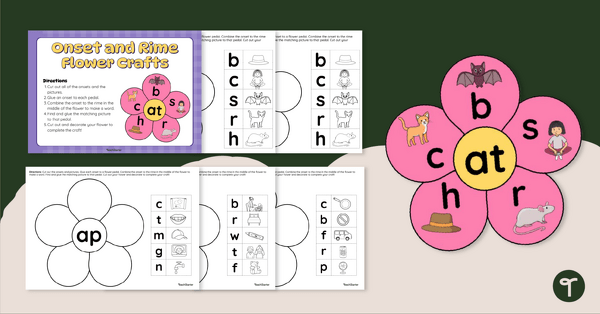
Onset and Rime Flower Craft Pack
Explore different onset and rime patterns with these fun and engaging flower craft packs.
- Plus Plan
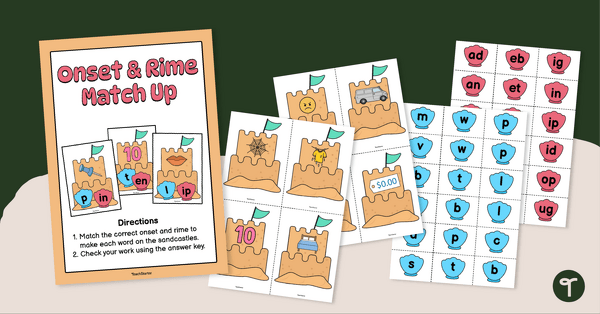
Onset and Rime Sandcastle Matching Activity
Match up the onset, rime and picture in this activity to create sandcastles.
- Plus Plan
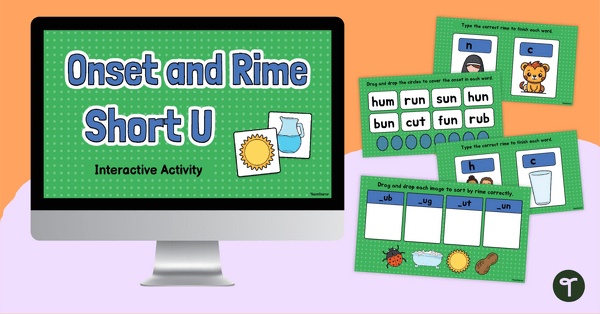
Onset and Rime Short U Interactive
Practice onset and rime words that contain the short U vowel sound with this interactive activity for the early years classroom.
- Plus Plan
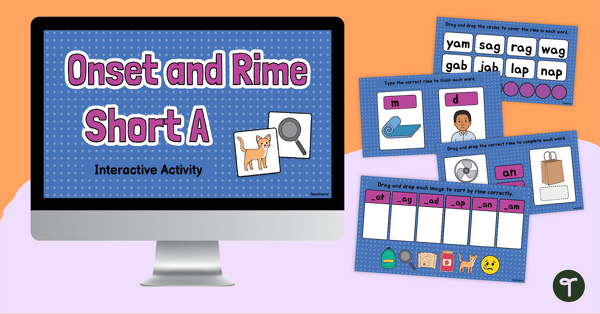
Onset and Rime Short A Interactive Activity
Practice onset and rime words that contain the short a vowel sound with this interactive activity for the early years classroom.
- Plus Plan
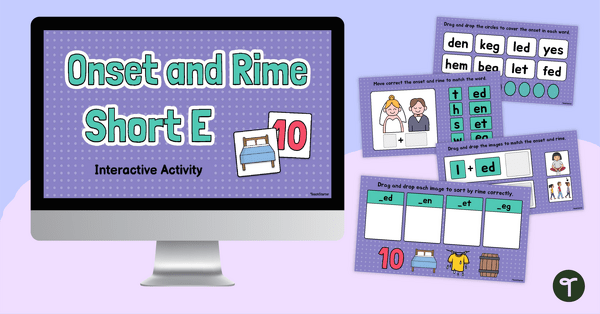
Onset and Rime Short E Interactive
Practice onset and rime words that contain the short E vowel sound with this interactive activity for the early years classroom.
- Plus Plan
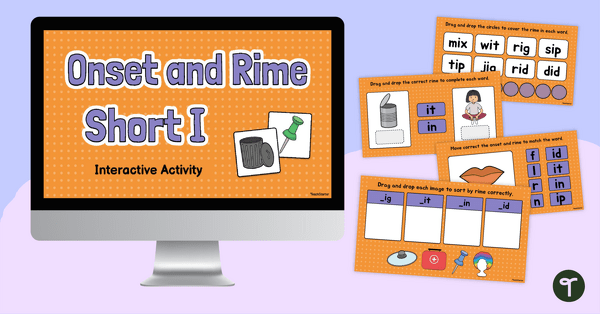
Onset and Rime Short I Interactive
Practice onset and rime words that contain the short I vowel sound with this interactive activity for the early years classroom.
- Plus Plan
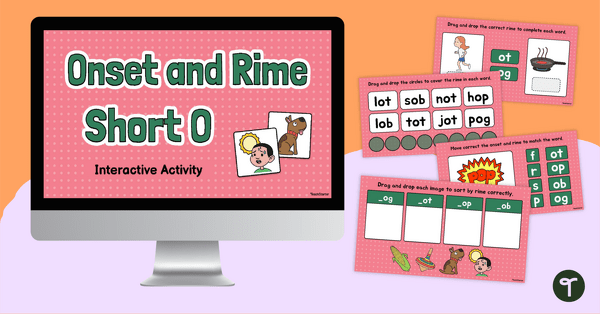
Onset and Rime Short O Interactive Activity
Practice onset and rime words that contain the short O vowel sound with this interactive activity for the early years classroom.
- Plus Plan
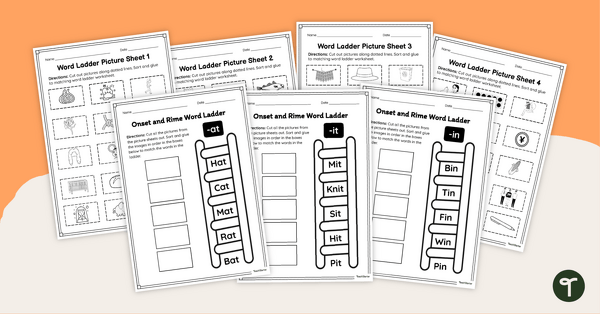
Onset and Rime Word Ladder Worksheet Pack
Climb the virtual ladder of onset and rime knowledge with this set of onset and rime worksheets.
- Plus Plan
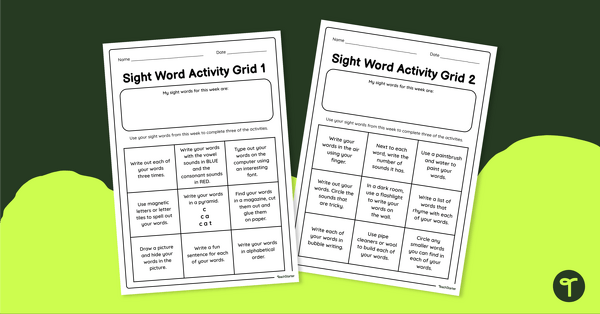
High Frequency words Activity Grid
Support your students in practicing high-frequency words at home with this set of two activity grids, designed to reinforce decoding, encoding, and automatic word recognition in line with the Science of Reading.
- Plus Plan
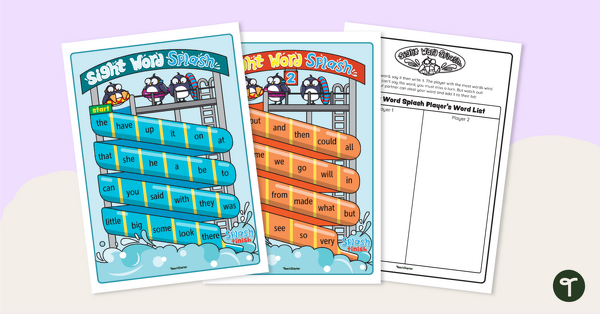
Sight Word Splash Game
Use this collaborative partner game to allow your students to practice reading and writing some of the most common high-frequency words.
- Plus Plan
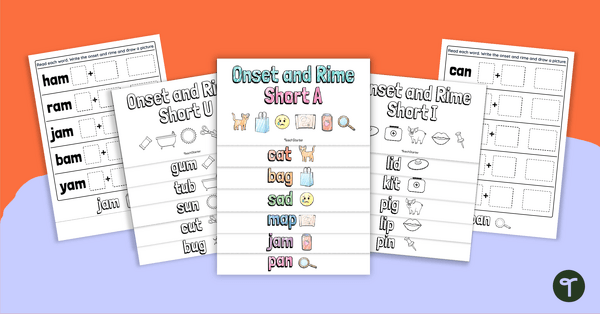
Onset and Rime Flipbooks
Flip through different short vowel onset and rime words with this set of printable flipbooks.
- Plus Plan
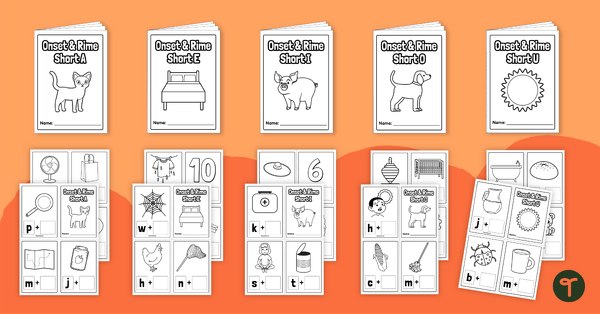
Onset and Rime Mini Books
Practice onset and rime phonemic awareness with this set of mini books that each focus on the short vowel sounds (a,e,i,o,u).