Scientific and Engineering Practices
Scientific inquiry is the planned and deliberate investigation of the natural world using scientific and engineering practices. Scientific methods of investigation are descriptive, comparative, or experimental. The method chosen should be appropriate to the grade level and question being asked. Student learning for different types of investigations include descriptive investigations, which involve collecting data and recording observations without making comparisons; comparative investigations, which involve collecting data with variables that are manipulated to compare results; and experimental investigations, which involve processes similar to comparative investigations but in which a control is identified.
(i) Scientific practices. Students ask questions, plan and conduct investigations to answer questions, and explain phenomena using appropriate tools and models.
(ii) Engineering practices. Students identify problems and design solutions using appropriate tools and models.
(iii) To support instruction in the science content standards, it is recommended that districts integrate scientific and engineering practices through classroom and outdoor investigations for at least 80% of instructional time.
- Plus Plan
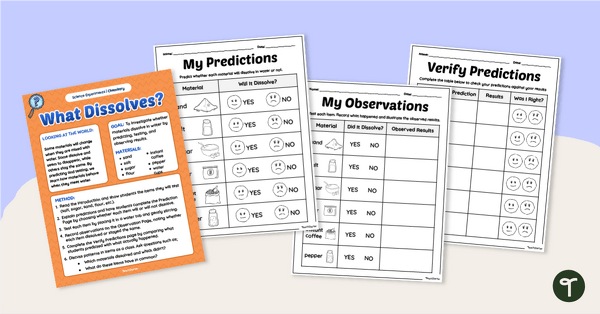
What Dissolves? Science Inquiry Activity (K-1)
Introduce science inquiry skills and investigate whether materials dissolve in water with a hands-on science experiment for early learners.
- Plus Plan
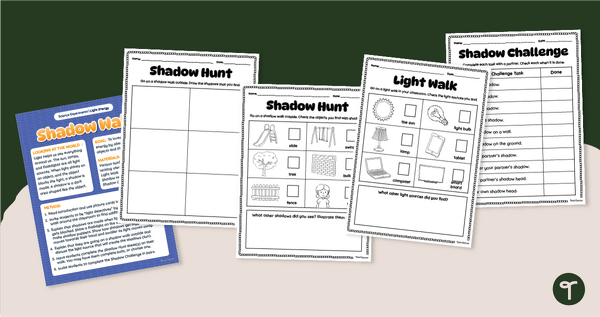
Shadow Walk Activity Pack (K-1)
Explore light and shadow while building science observation skills with a printable Shadow Walk Activity Pack.
- Plus Plan
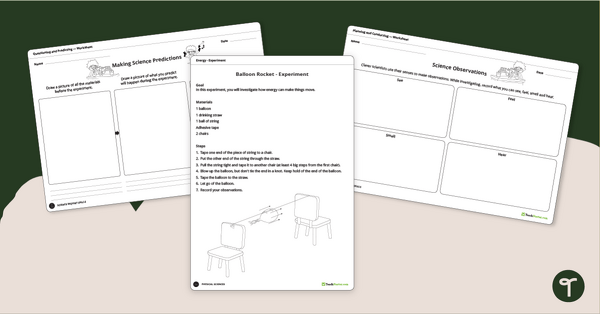
Balloon Rocket Experiment
Complete a hands-on Balloon Rocket experiment to use when investigating how energy can make things move.
- Free Plan
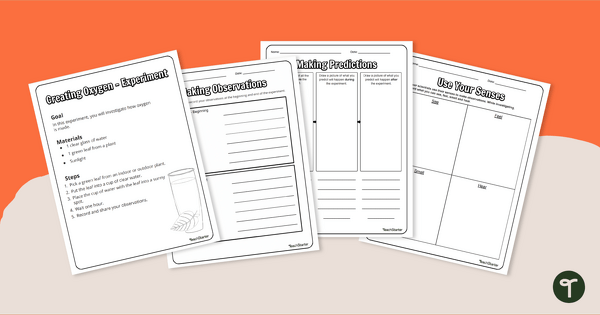
Observing Photosynthesis Experiment (K-2)
Investigate how oxygen is made with a hands on photosynthesis experiment.
- Plus Plan
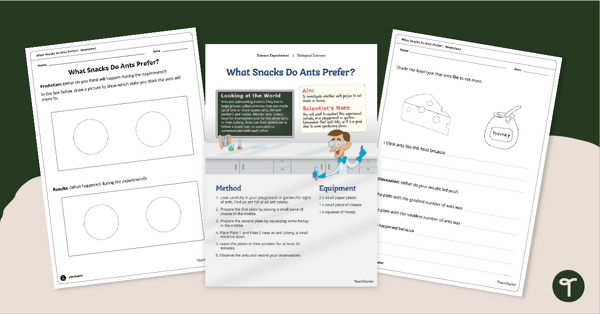
Science Experiment - What Snacks Do Ants Prefer?
Teach your students how to make scientific predictions and observations with an engaging hands-on science experiment..
- Plus Plan
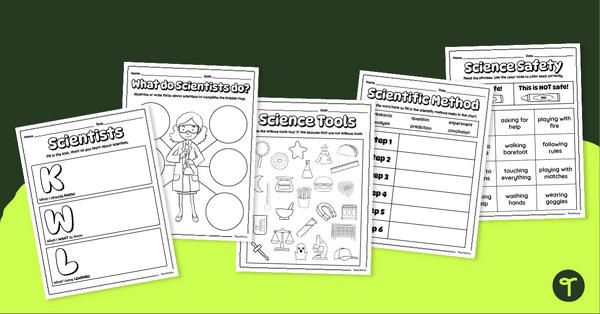
What is a Scientist? Worksheet Pack
Help your students learn what a scientist is and what scientists do with a set of printable science worksheets for primary grades/
- Plus Plan
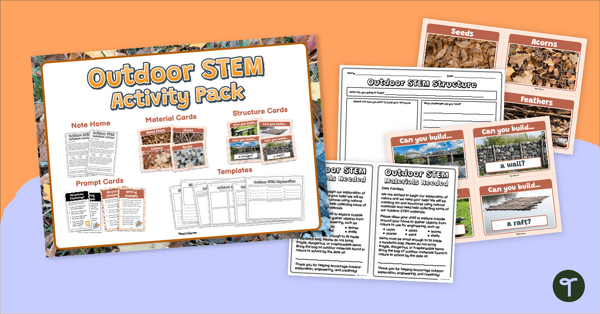
Outdoor STEM Activities Resource Pack
Take your STEM lessons outside with our printable Outdoor STEM Activities Resource Pack.
- Plus Plan
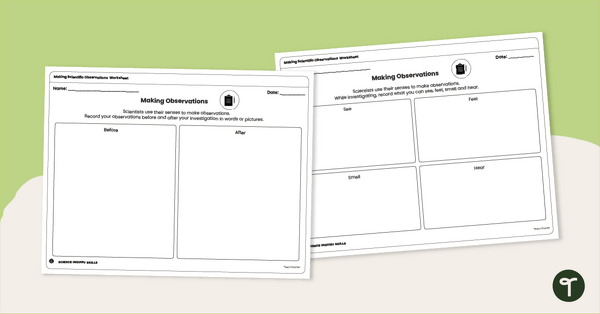
Making Scientific Observations Worksheets
Use this set of two worksheets to help your students record their own observations during science experiments and projects.
- Plus Plan
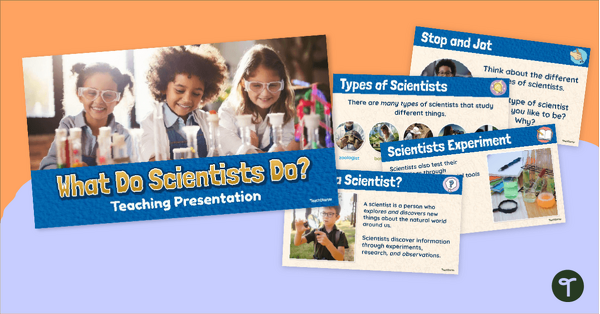
What Do Scientists Do? Teaching Slides
Discover what scientists do, the tools they use, and more with our 'What Do Scientists Do?' Teaching Presentation.
- Plus Plan
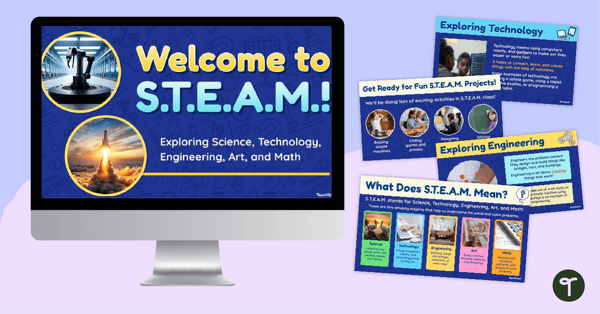
What is S.T.E.A.M. Education? Teaching Slides
Introduce your students to the world of STEAM Education with our 'What is STEAM Education? Teaching Presentation.
- Plus Plan
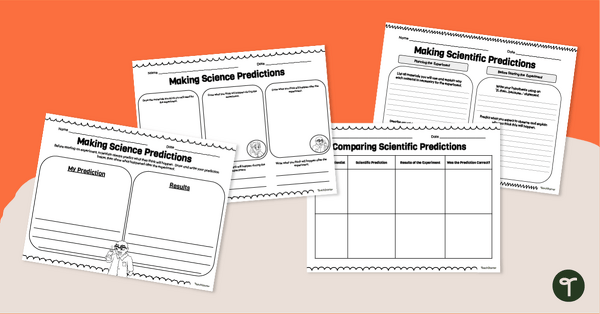
Making a Prediction in Science Worksheets (Differentiated)
Introduce your students to making predictions in science with a set of differentiated Scientific Prediction Worksheets.
- Free Plan
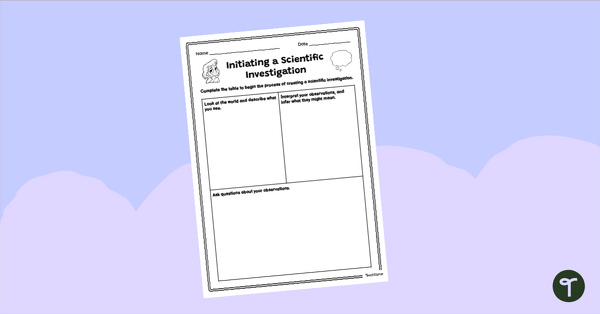
Starting a Scientific Investigation Worksheet
Help students begin the process of a scientific investigation with an introduction to the scientific method activity sheet.
- Plus Plan
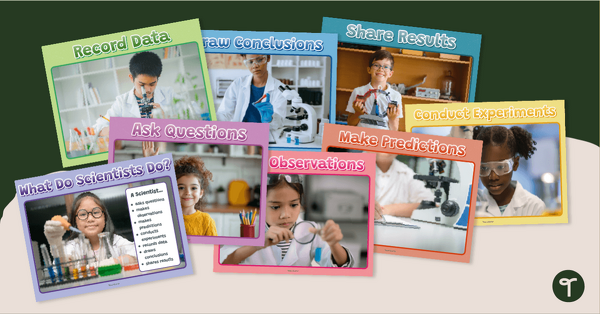
Scientific Method - Scientist Poster Pack (K-1)
Help your little learners understand the scientific method with a set of ‘What Do Scientists Do? Kindergarten Science Posters.
- Plus Plan
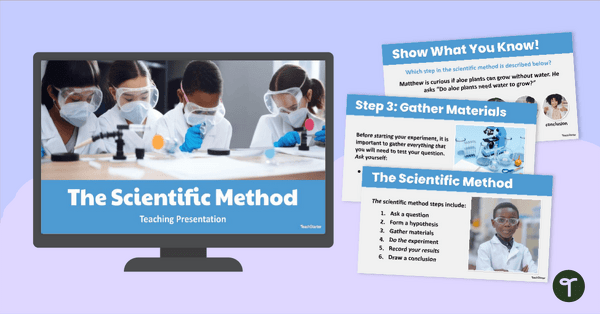
Exploring the Scientific Method Teaching Slides - Lower Grades
Complete your introductory scientific method lesson plan with a ready-made Scientific Method Teaching Presentation!
- Free Plan
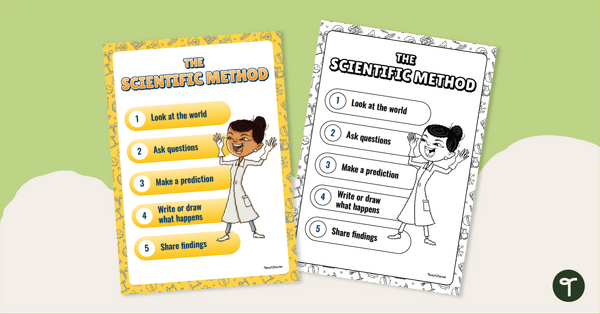
The Scientific Method Poster - Lower Grades
Teach the five steps of the scientific method to younger students with a Scientific Method Poster.
- Plus Plan
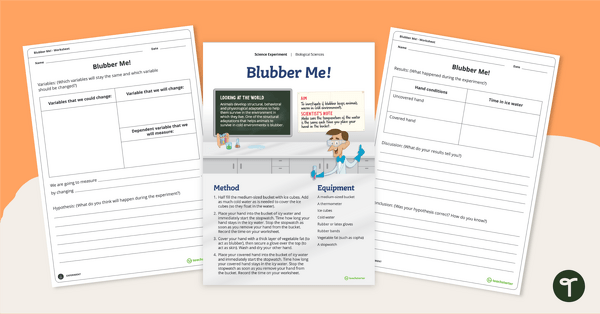
Animal Blubber Experiment - Polar Adaptations Activity
Explores the structural adaptation of blubber with an Arctic Animal Adaptation experiment..
- Plus Plan
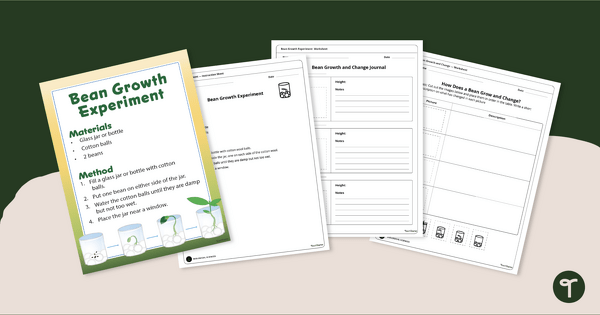
Bean Growth Experiment
“Grow” your students’ knowledge of plant life cycles with a plant growth experiment.
- Plus Plan
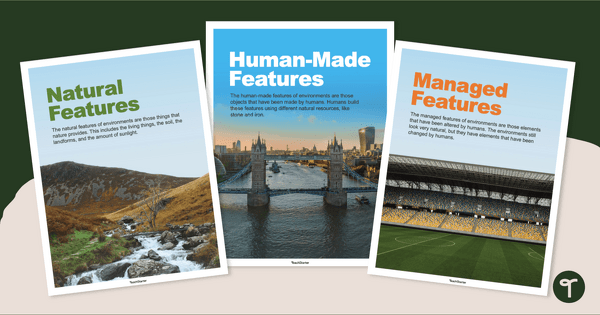
Natural, Managed, and Human-Made Features Posters
Identify the natural, manmade, and managed features of environments with printable anchor charts.
- Plus Plan
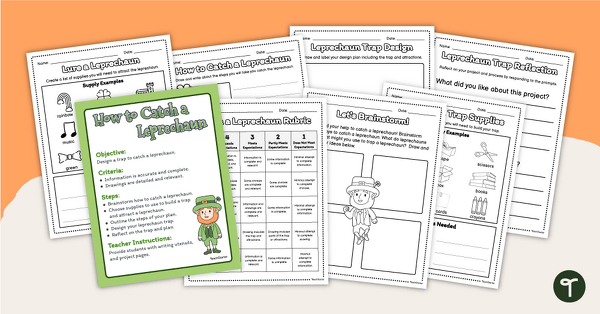
Building Leprechaun Traps - Kindergarten STEM Project
Complete a Leprechaun Trap School project with printable Leprechaun Trap STEM worksheets for Kindergarten and 1st grade.
- Free Plan
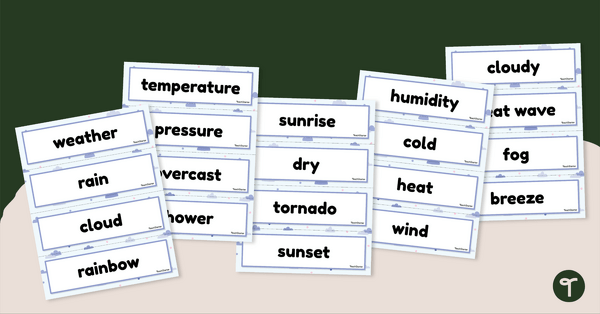
Weather Word Wall Vocabulary
Use this teacher-created weather resource to teach weather vocabulary. Build a word wall with your students during your weather lessons.
- Plus Plan
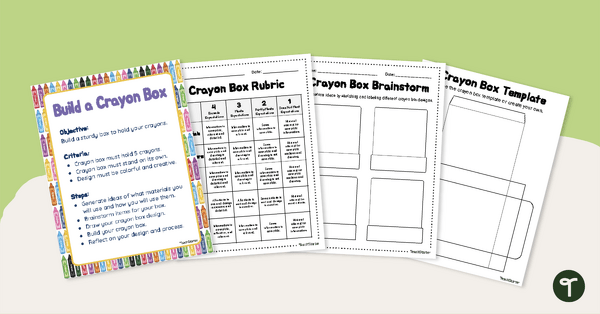
Build a Crayon Box – STEM Activity
Foster critical thinking and problem solving with this back to school STEM activity.
- Plus Plan
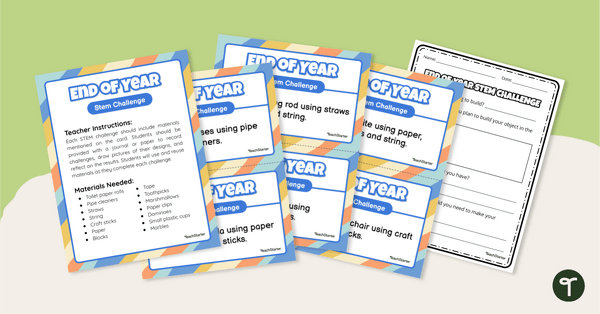
End of Year STEM Challenge
Use critical thinking and problem-solving skills with this set of STEM challenge cards.
- Plus Plan
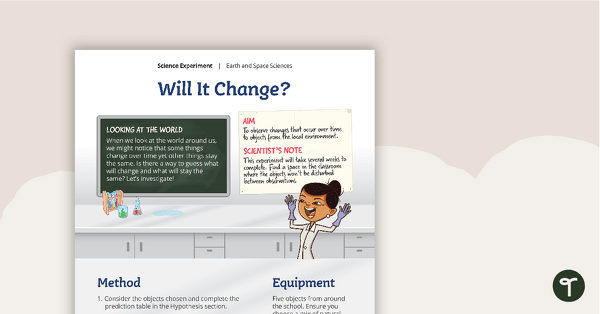
Science Experiment - Will It Change?
A science investigation in which the students observe changes that occur to various objects over time.
- Plus Plan
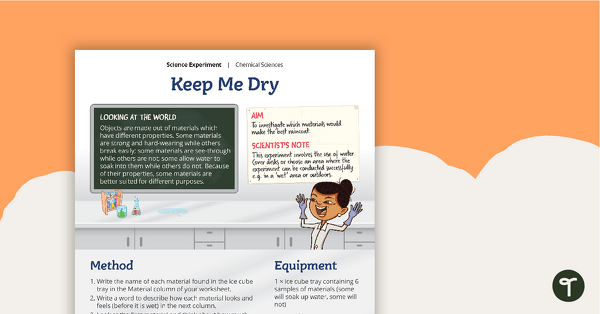
Science Experiment - Keep Me Dry
A science experiment that explores the absorptive properties of materials.
- Plus Plan
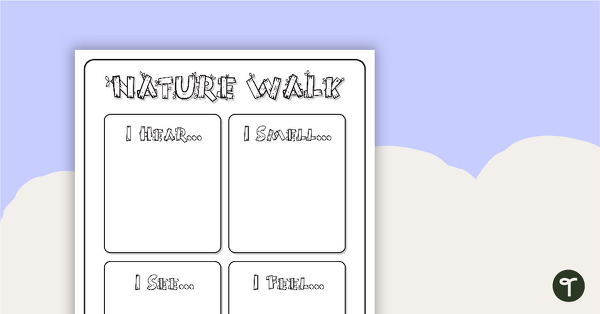
Nature Walk Senses Worksheet
Encourage children to listen, smell, look, and feel during a nature walk with this graphic organizer!
- Plus Plan
Changes I Can See!
This Earth and Space Sciences unit explores how and why observable changes occur in the sky and landscape, and develops students' ability to describe these changes in their local environment.
- Plus Plan
Assessment - Changes I Can See
- Plus Plan
Day and Night, Night and Day
- Plus Plan
What Will Change?
- Plus Plan
Do You See What I See?
A 60-minute lesson in which students will make observations using their 5 senses.