Year 1
The proficiency strands understanding, fluency, problem-solving and reasoning are an integral part of mathematics content across the three content strands: number and algebra, measurement and geometry, and statistics and probability. The proficiencies reinforce the significance of working mathematically within the content and describe how the content is explored or developed. They provide the language to build in the developmental aspects of the learning of mathematics. The achievement standards reflect the content and encompass the proficiencies.
At this year level:
- understanding includes connecting names, numerals and quantities, and partitioning numbers in various ways
- fluency includes readily counting number in sequences forwards and backwards, locating numbers on a line and naming the days of the week
- problem-solving includes using materials to model authentic problems, giving and receiving directions to unfamiliar places, using familiar counting sequences to solve unfamiliar problems and discussing the reasonableness of the answer
- reasoning includes explaining direct and indirect comparisons of length using uniform informal units, justifying representations of data and explaining patterns that have been created.
(source: www.australiancurriculum.edu.au)
Achievement Standard
By the end of Year 1, students describe number sequences resulting from skip counting by 2s, 5s and 10s. They identify representations of one half. They recognise Australian coins according to their value. Students explain time durations. They describe two-dimensional shapes and three-dimensional objects. Students describe data displays.
Students count to and from 100 and locate numbers on a number line. They carry out simple additions and subtractions using counting strategies. They partition numbers using place value. They continue simple patterns involving numbers and objects. Students order objects based on lengths and capacities using informal units. They tell time to the half-hour. They use the language of direction to move from place to place. Students classify outcomes of simple familiar events. They collect data by asking questions, draw simple data displays and make simple inferences.
(source: www.australiancurriculum.edu.au)
- Plus Plan
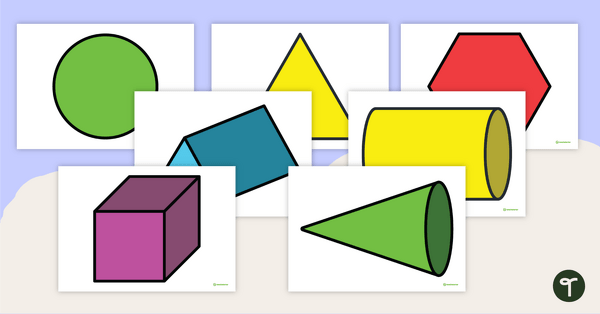
2D Shape and 3D Object Flashcards
Explore 2D shapes and 3D objects with this set of 20 full-page flashcards.
- Plus Plan
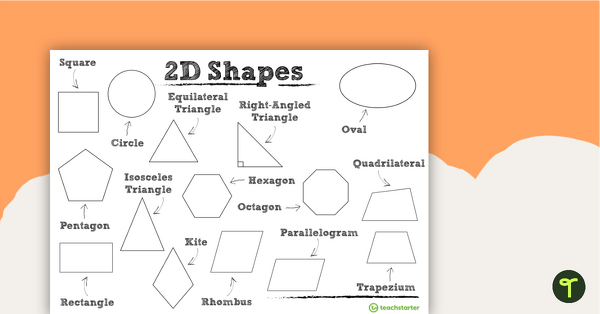
Individual 2D Shapes Posters - BW
2D Shapes and their names, diagrams and properties on individual posters.
- Plus Plan
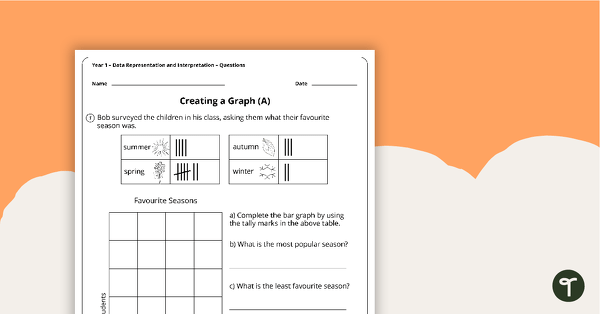
Data Representation and Interpretation Worksheets - Year 1
Two data representation and interpretation worksheets linked to the Australian Curriculum.
- Plus Plan
Chance Lower Years PowerPoint
An engaging 22 slide interactive PowerPoint to use in the classroom when learning about chance in the lower years.
- Plus Plan
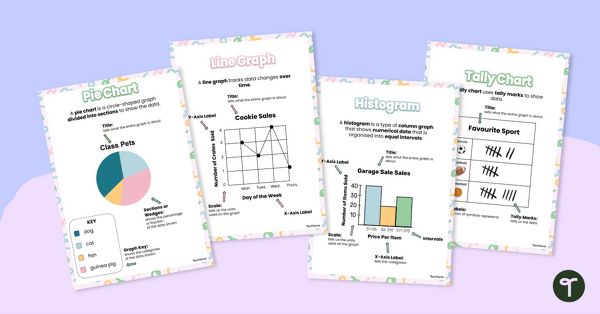
Types of Graphs Posters
Show students the varying data displays they will encounter in their primary maths lessons with these colourful and easy-to-digest visual posters.
- Plus Plan
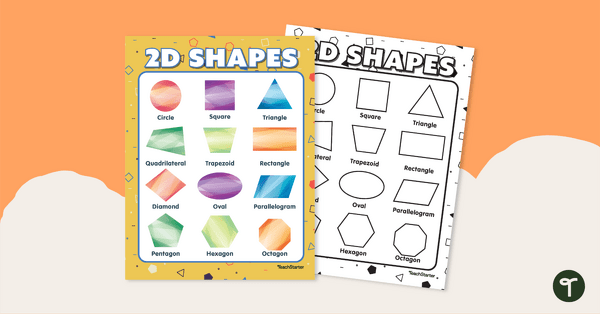
2D Shapes Poster
Use this colourful poster with a collection of 2D shapes in your maths classroom.
- Plus Plan
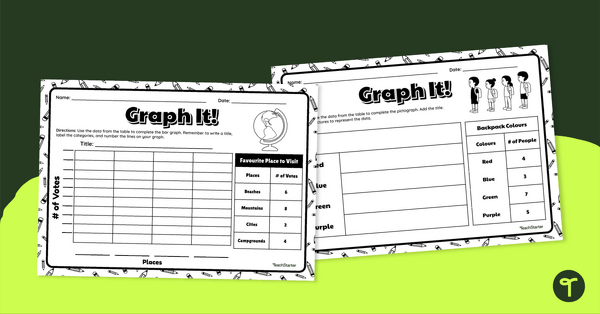
Graph It! Worksheet (Single-Unit Intervals)
Draw a single-unit picture graph and bar graph to represent data with this worksheet.
- Plus Plan
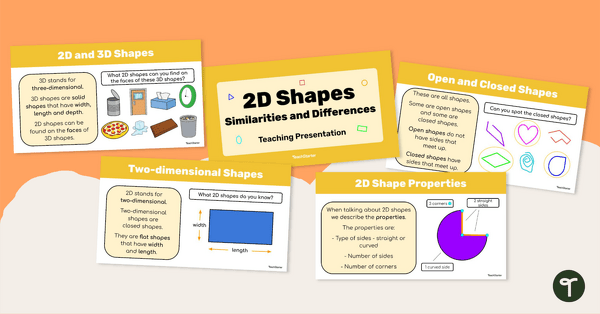
2D Shapes Similarities and Differences Presentation
Support teacher instruction to help enable students to identify similarities and differences between 2-D shapes with this 18-slide deck.
- Plus Plan
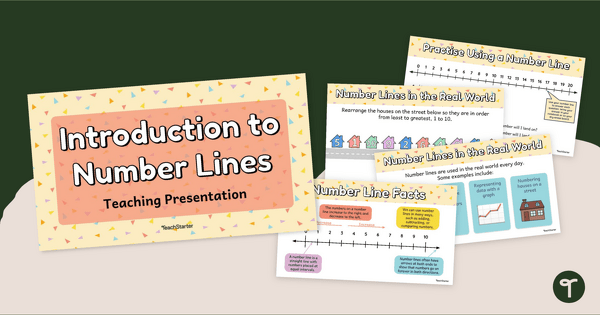
Introduction to Number Lines PowerPoint
Introduce your students to the number line with an interactive teaching slide deck.
- Plus Plan
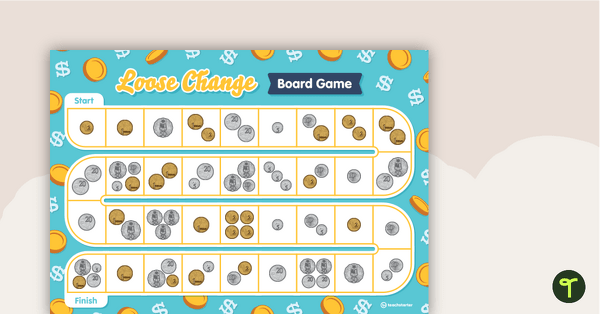
Loose Change (Coins) – Board Game
A board game to encourage students to learn about Australian coins.
- Plus Plan
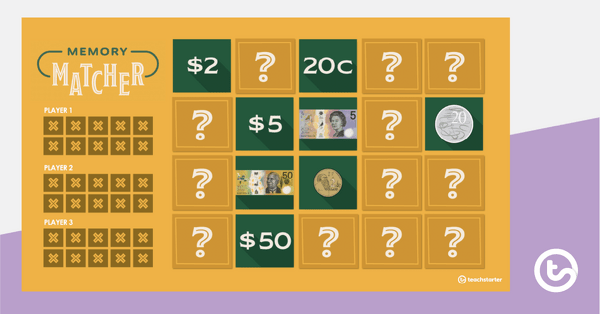
Memory Matcher PowerPoint – Australian Coins and Notes
An interactive memory match up game to consolidate students' recognition of Australian coins and notes.
- Plus Plan
Memory Matcher PowerPoint – 2D Shapes
An interactive memory match-up game where students recall the names of shapes.
- Plus Plan
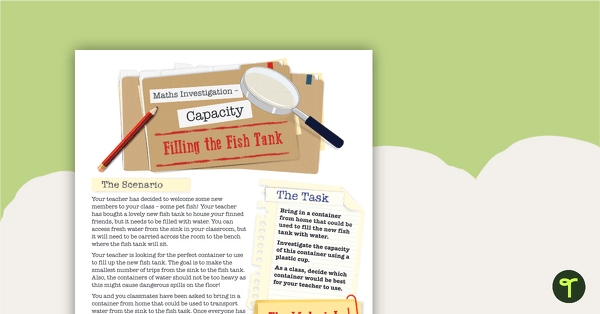
Capacity Maths Investigation — Filling the Fish Tank Activity
A mathematics investigation involving capacity, embedded in a real-world context.
- Plus Plan
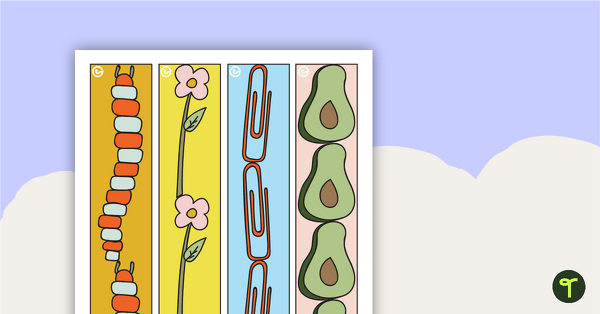
Informal Units Rulers
Use printable informal measuring rulers to introduce your little learners to the world of measurement.
- Plus Plan
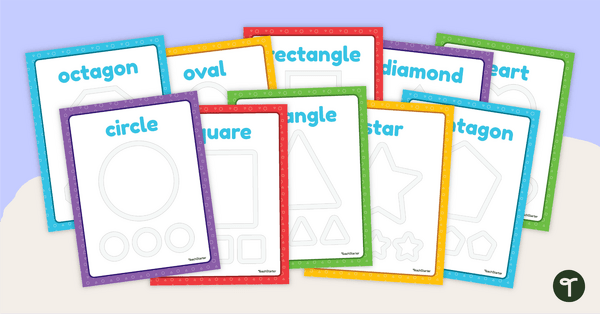
Shape Playdough Mats for Fine Motor Development
A set of 6 shape playdough mats to help children develop their fine motor skills and identify different 2D shapes.
- Plus Plan
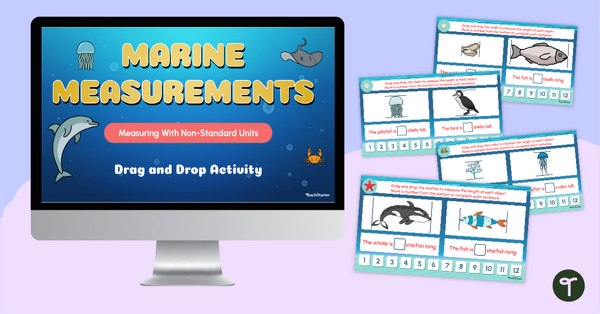
Marine Measuring With Informal Units Interactive
Dive into measurement with informal units using an engaging ocean-themed interactive measurement activity.
- Plus Plan
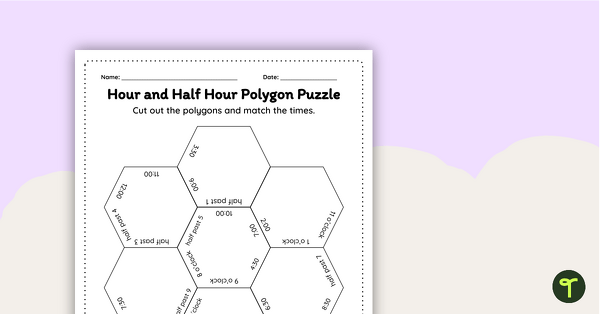
Telling the Time Year 2 Tarsia Puzzle
Solve the tarsia puzzle and practise matching digital times with their corresponding word forms.
- Plus Plan
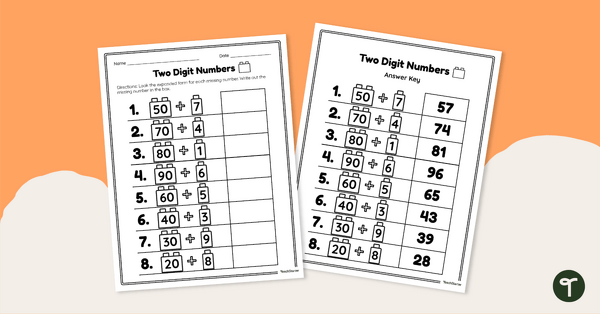
Reading and Writing 2-Digit Numbers Worksheet
Practise converting expanded form numbers into their standard form with this worksheet.
- Plus Plan
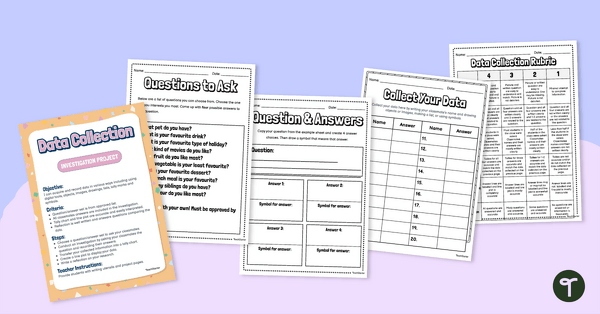
Data Collection Investigation Project
Assign this data collection project to enable students to master the skills of acquiring and recording data.
- Plus Plan
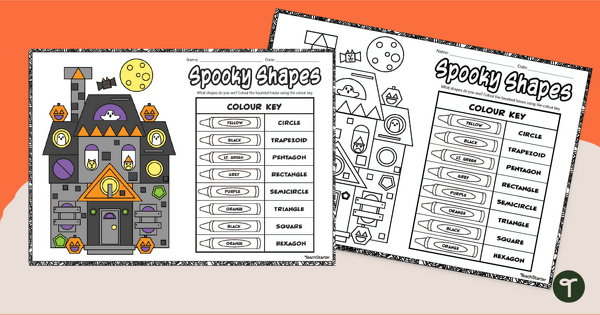
Halloween Shapes - Colour By 2D Shapes Worksheet
Don’t get too spooked while trying to identify 2D shapes with a printable Halloween Shapes Colour by Code worksheet!
- Plus Plan
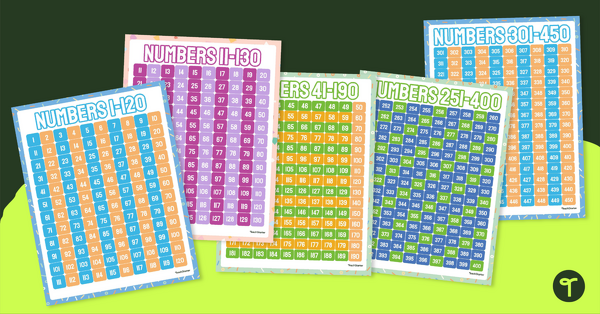
Charts of Odd and Even Numbers Up to 500
Encourage your students to identify odd and even numbers with this set of number charts up to 500.
- Plus Plan
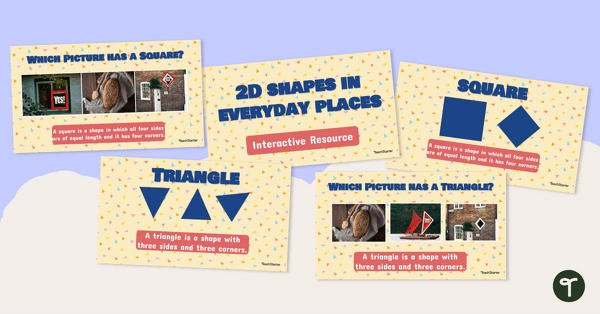
2D Shapes in the Environment Interactive Activity
Teach students to recognise and name 2D shapes in component parts of everyday items in their environment.
- Plus Plan
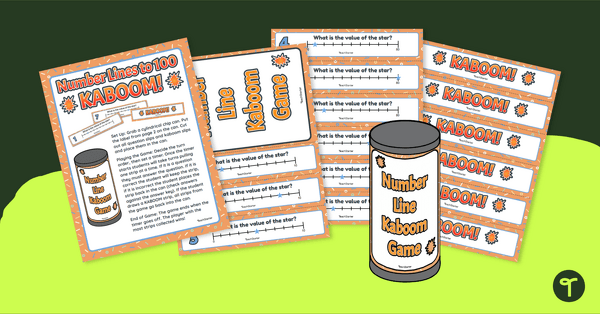
Number Lines to 100 - Kaboom Game
Practise using a number line and locating numbers to 100 with an exciting Kaboom! Card Game.
- Plus Plan
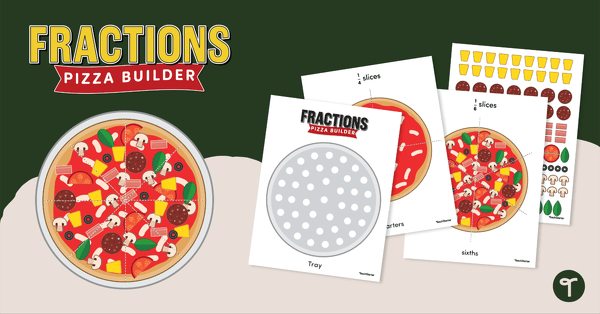
Pizza Fractions – Hands-On Materials
Use these hands-on materials to improve student understanding of fraction models and equivalent fractions while making a pizza.
- Plus Plan
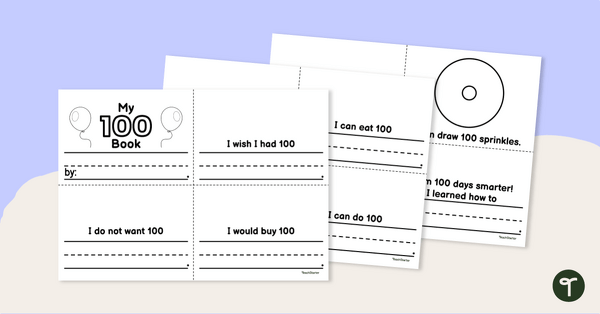
100 Day Mini Book
Create a mini-book by completing the 100-item writing prompts and illustrating each page
- Plus Plan
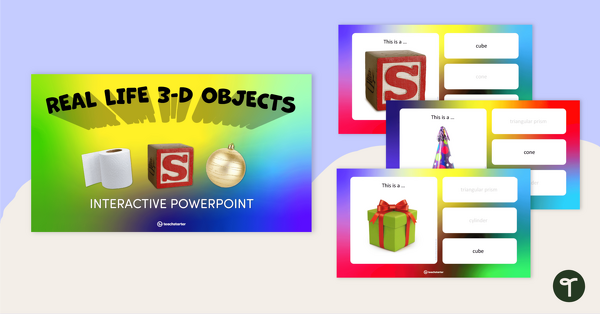
Real Life 3D Objects – Interactive PowerPoint
Explore three-dimensional objects in the real world with this engaging interactive activity.
- Plus Plan
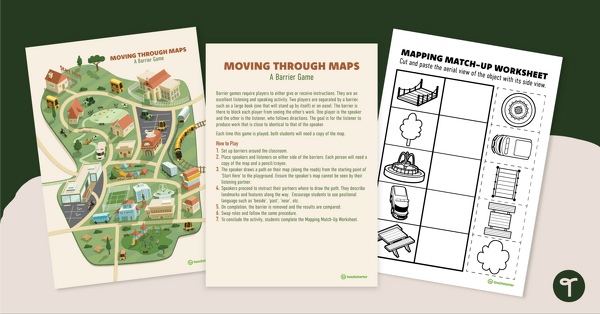
Moving Through Maps - Barrier Game
Practise basic mapping skills with a fun partner game that encourages use of positional language.
- Plus Plan
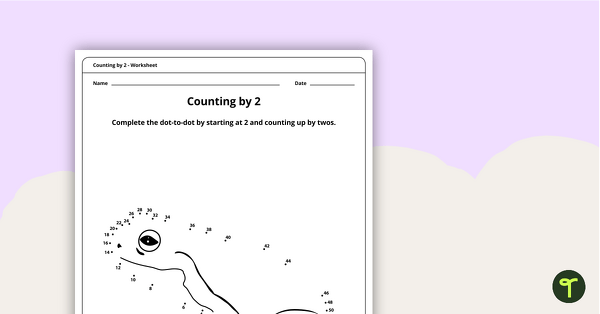
Dot-to-Dot Drawing - Numbers by 2 - Frog
Join the dots and numbers to make a picture.
- Plus Plan
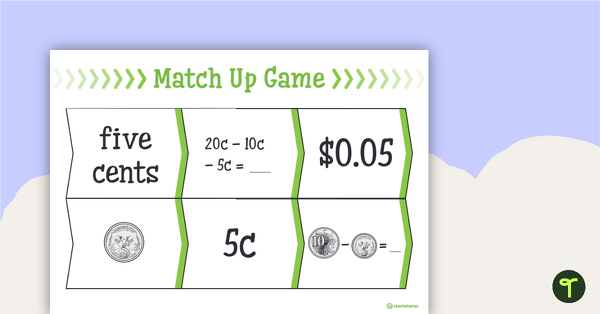
Money Match-Up Game (Australian Currency)
A set of six cards to be matched up for each note and coin in Australian currency.
- Plus Plan
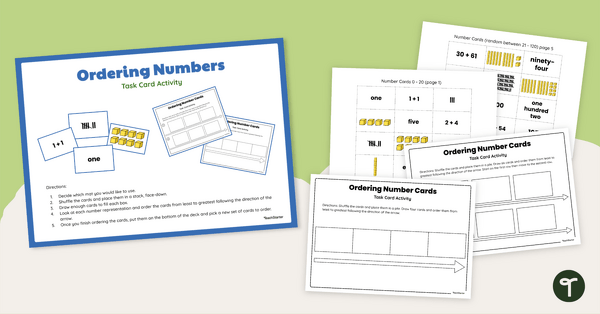
Early Learning Maths Activity (Ordering Numbers)
Share this early learning maths activity with your students to give them practise ordering numbers 0 to 20 or 0 to 120.
- Plus Plan
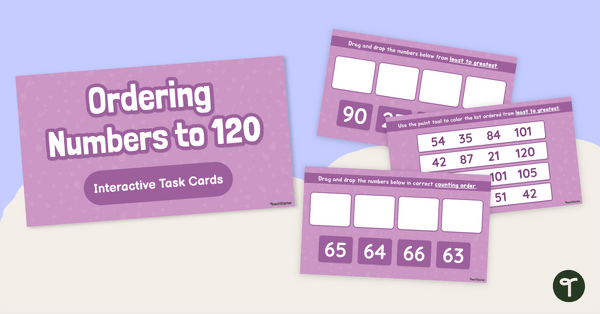
Ordering 2-Digit Numbers Interactive Task Cards
Download our Ordering 2-Digit Numbers Interactive Task Cards for an engaging way to practise ordering numbers up to 120.
- Plus Plan
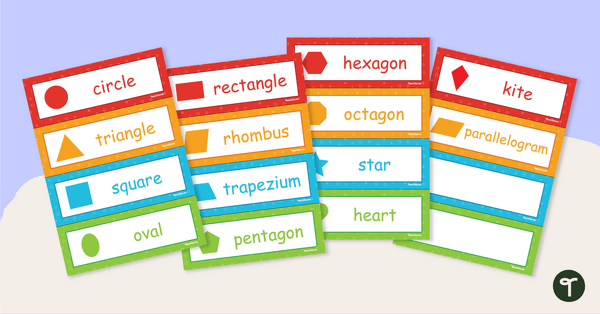
2D Shapes Flashcards
Use these 2D shapes flashcards to help familiarise your students with the most common two-dimensional shapes.