Foundation Year
The proficiency strands understanding, fluency, problem-solving and reasoning are an integral part of mathematics content across the three content strands: number and algebra, measurement and geometry, and statistics and probability. The proficiencies reinforce the significance of working mathematically within the content and describe how the content is explored or developed. They provide the language to build in the developmental aspects of the learning of mathematics. The achievement standards reflect the content and encompass the proficiencies.
At this year level:
- understanding includes connecting names, numerals and quantities
- fluency includes readily counting numbers in sequences, continuing patterns and comparing the lengths of objects
- problem-solving includes using materials to model authentic problems, sorting objects, using familiar counting sequences to solve unfamiliar problems and discussing the reasonableness of the answer
- reasoning includes explaining comparisons of quantities, creating patterns and explaining processes for indirect comparison of length.
(source: www.australiancurriculum.edu.au)
Achievement Standard
By the end of the Foundation year, students make connections between number names, numerals and quantities up to 10. They compare objects using mass, length and capacity. Students connect events and the days of the week. They explain the order and duration of events. They use appropriate language to describe location.
Students count to and from 20 and order small collections. They group objects based on common characteristics and sort shapes and objects. Students answer simple questions to collect information and make simple inferences.
(source: www.australiancurriculum.edu.au)
- Plus Plan
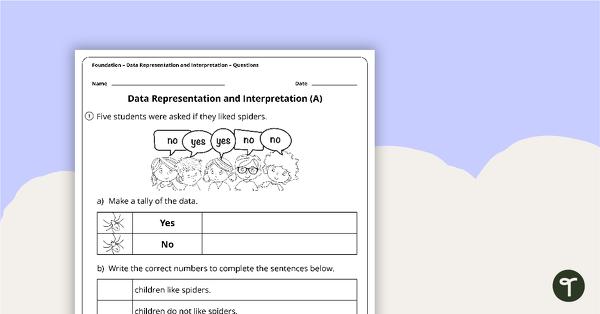
Data Representation and Interpretation Worksheets - Foundation
2 data representation and location worksheets linked to the Australian Curriculum.
- Plus Plan
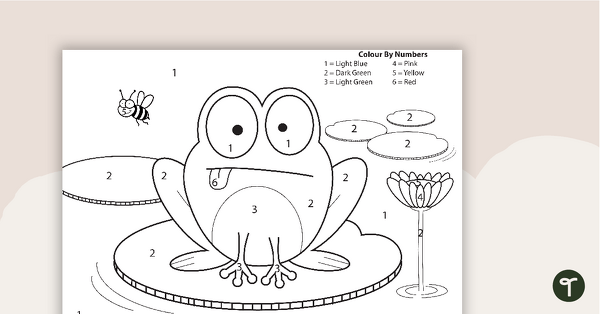
Frog in a Pond - Colour by Numbers
Colour by numbers is a fun and easy way to help students recognise digits.
- Plus Plan
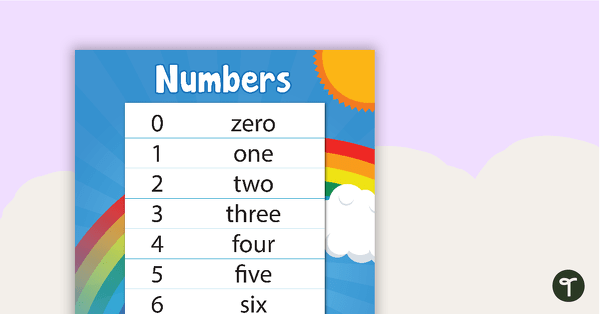
Numbers and Words 0-10
Numerals 1-10 and their corresponding names.
- Plus Plan
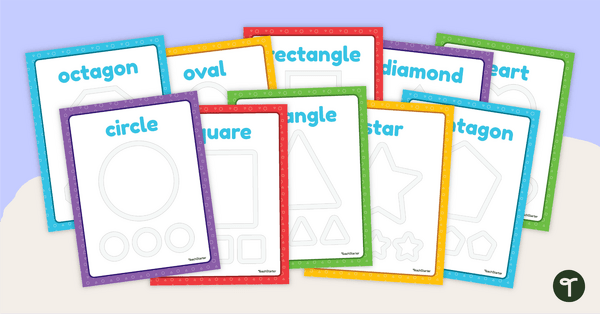
Shape Playdough Mats for Fine Motor Development
A set of 6 shape playdough mats to help children develop their fine motor skills and identify different 2D shapes.
- Plus Plan
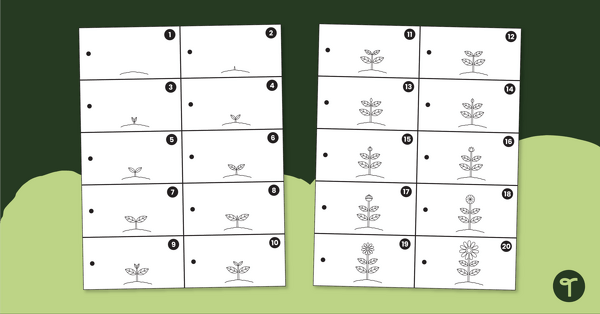
Animated Flip Book (Ordering Numbers)
Delight your students with this animated flip book that will help them solidify their understanding of counting and ordering the numbers 1 through 20.
- Plus Plan
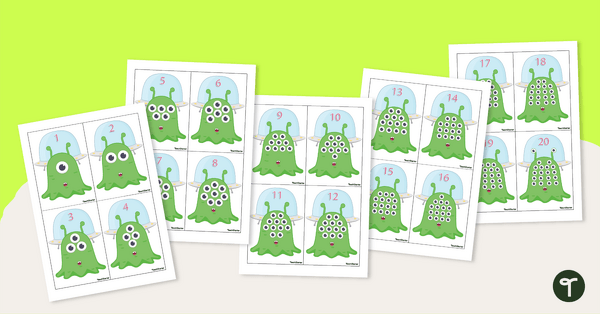
Alien Ordering Numbers Cards (Numbers 1 - 20)
- Plus Plan
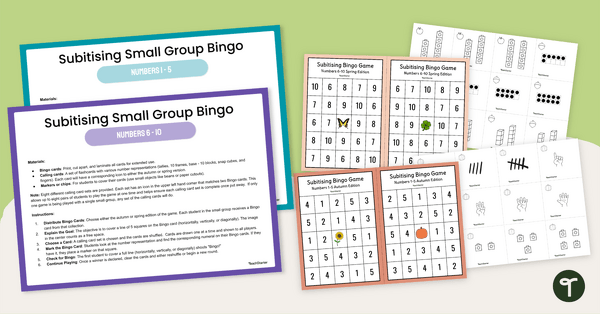
Subitising Bingo Games (Numbers 1 - 10)
Play these subitising bingo games in your guided groups to give your students practise subitising numbers up to 10.
- Plus Plan
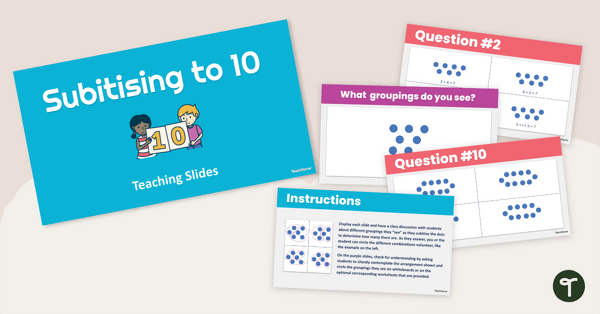
Subitising to 10 Teaching Slides
Display our Subitising to 10 Teaching Slides to encourage mathematical discussions in your classroom.
- Plus Plan
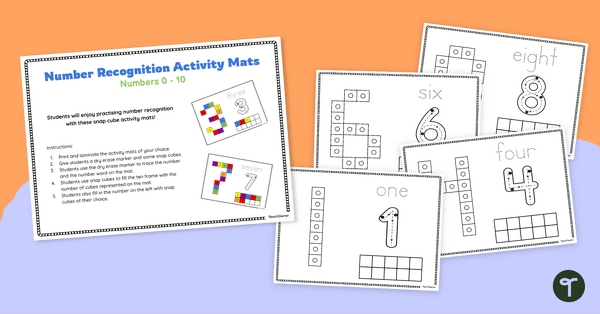
Number Recognition Activity Mats (Numbers 0 - 10)
Use these Number Recognition Activity Mats to give your students hands-on practise building and writing the numbers 0 - 10.
- Plus Plan
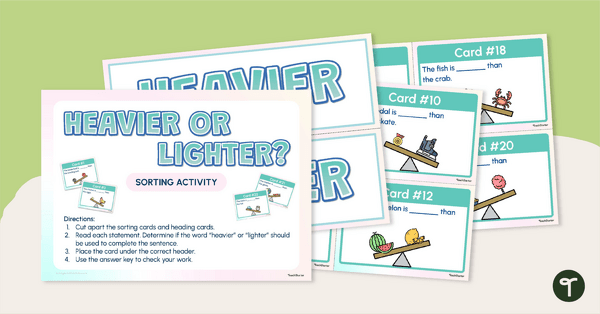
Heavier or Lighter? Sorting Activity
Sort cards into heavier and lighter headings after looking at the balance scales on each card with this mass sorting activity.
- Plus Plan
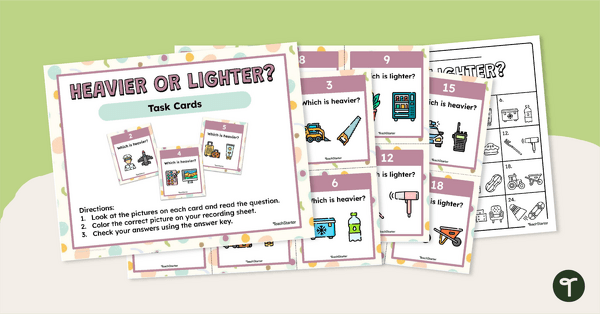
Heavier or Lighter Task Cards
Compare and contrast pairs of objects and encourage students to respond to questions featured on this set of task cards.
- Plus Plan
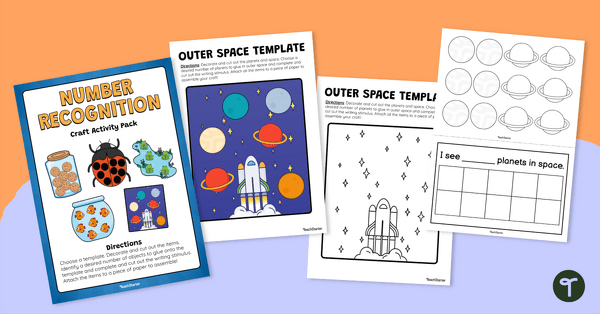
Number Recognition Craft Activity Pack
Reinforce number recognition with this engaging craft activity pack for numbers 1 - 10.
- Plus Plan
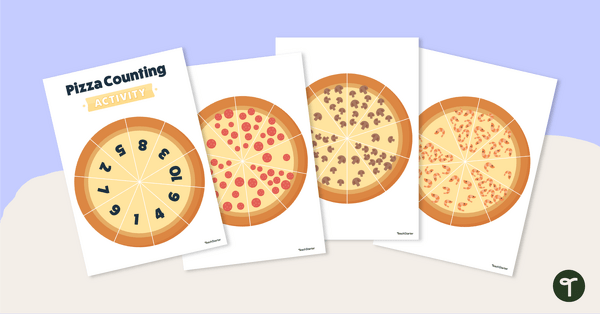
Make a Pizza Counting Game
Use this pizza-themed counting game to get your students matching numerals with their corresponding quantities.
- Plus Plan
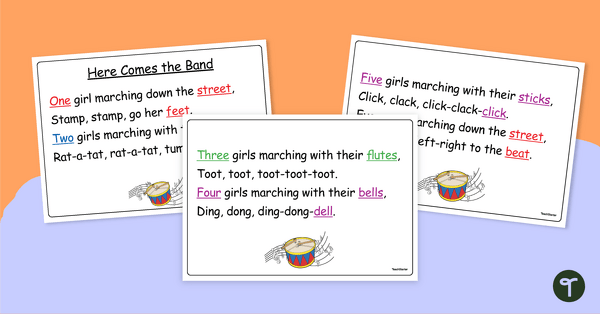
Here Comes the Band – Counting Rhyme Poster
Use the counting nursery rhyme “Here Comes the Band” poster to teach your students about numbers and rhyme simultaneously!
- Plus Plan
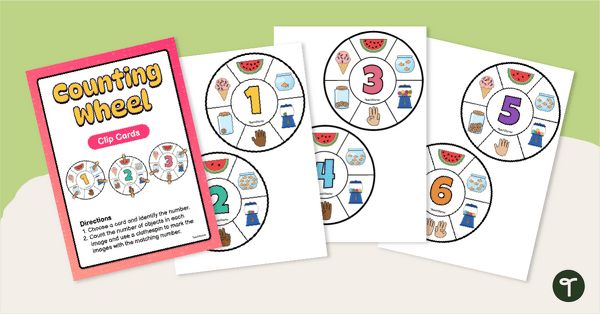
Counting Wheel Clip Cards Numbers 1-10
Practise counting objects to 10 and using fine motor skills to put a peg on these clip cards.
- Plus Plan
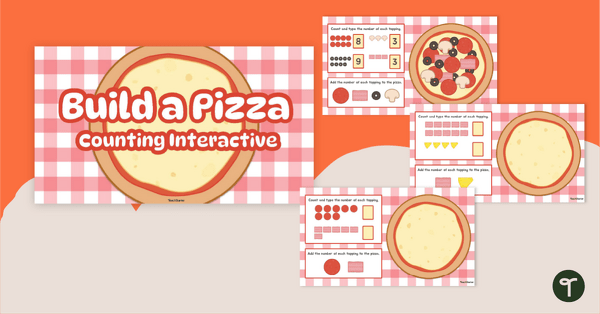
Build a Pizza Counting Interactive Activity
Build a pizza by using counting skills with this fun interactive game.
- Plus Plan
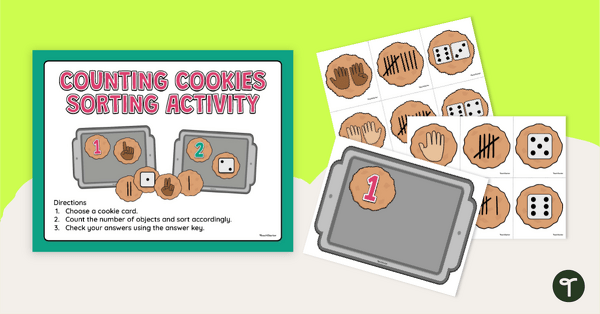
Counting Cookies Sorting Activity
Practise counting to 10 with various representations with this cookie sorting activity.
- Plus Plan
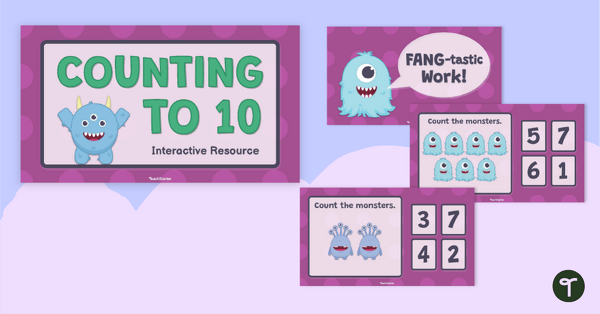
Counting to 10 Interactive Task Cards
Count groups of aliens up to 10 with this set of fun and engaging interactive counting task cards.
- Plus Plan
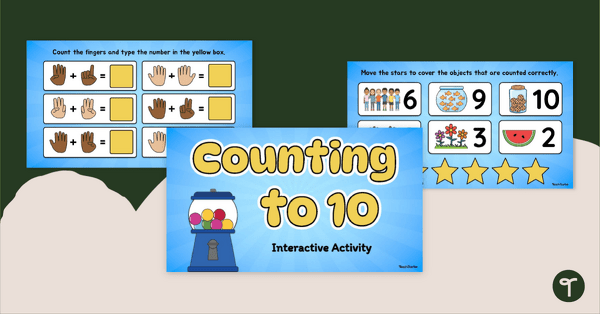
Counting to 10 Interactive Activity
Practise counting to 10 with this fun and engaging interactive activity.
- Plus Plan
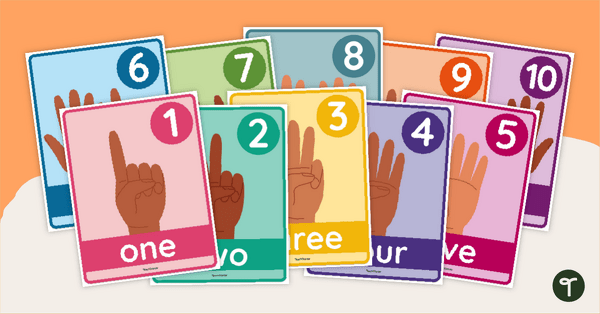
Finger Counting Poster Set
Display this set of finger counting posters to10 in the early years classroom.
- Plus Plan
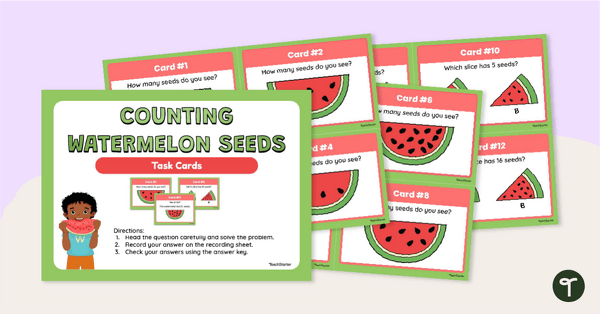
Counting Watermelon Seeds Task Cards
Practise counting with this set of watermelon-themed counting task cards.
- Plus Plan
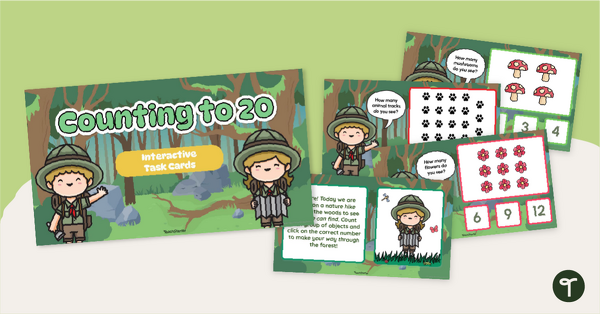
Counting to 20 Interactive Task Cards
Explore the woods with this nature hike and count the different groups of objects along the way!
- Plus Plan
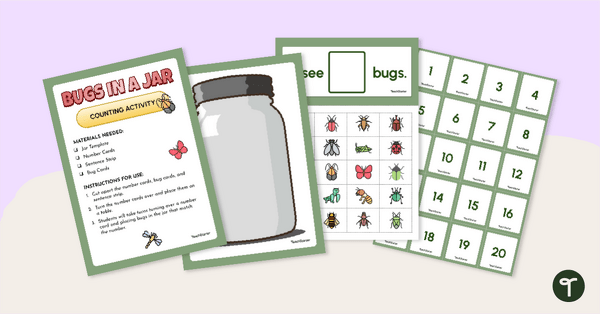
Bugs in a Jar Counting Activity
Practise counting to 20 with this engaging and hands-on bugs in a jar activity set.
- Plus Plan
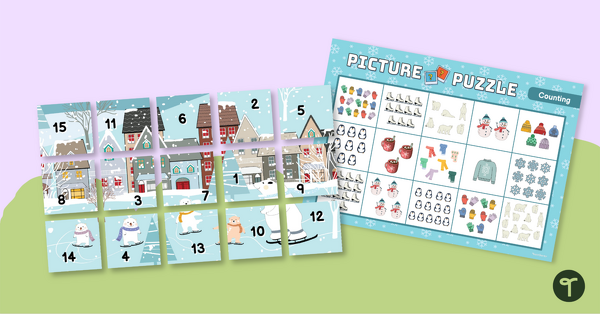
Counting Within 20 Picture Puzzle
Practise counting objects within 20 and matching groups to numbers through this 15-piece winter scene picture puzzle.
- Free Plan
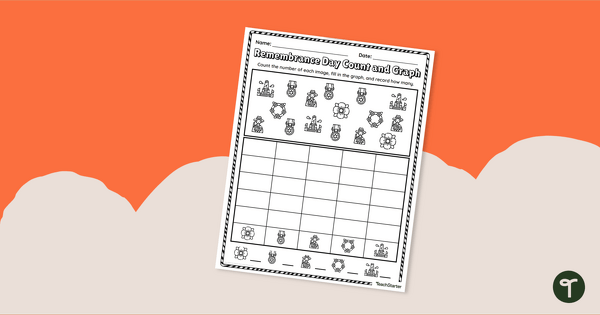
Remembrance Day Count and Graph Worksheet
Practise counting and graphing with a Remembrance Day Maths worksheet.
- Plus Plan
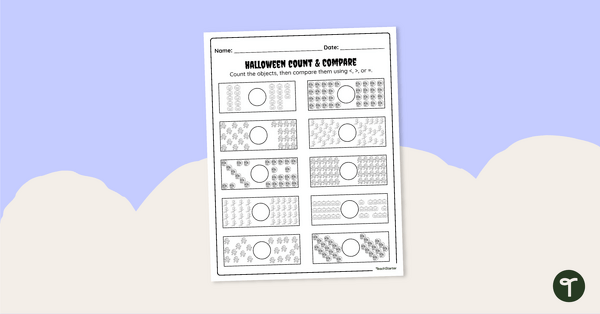
Halloween Comparing Numbers Worksheet
Have a spooktacular time practising number comparisons with a count and compare Halloween maths worksheet.
- Plus Plan
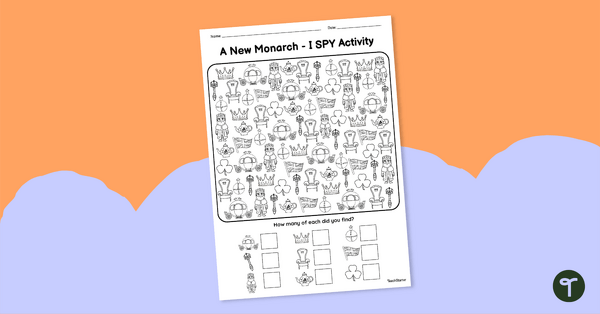
A New Monarch - A Royal 'I Spy' Worksheet
Count and find the royal symbols that represent the King's Coronation.
- Plus Plan
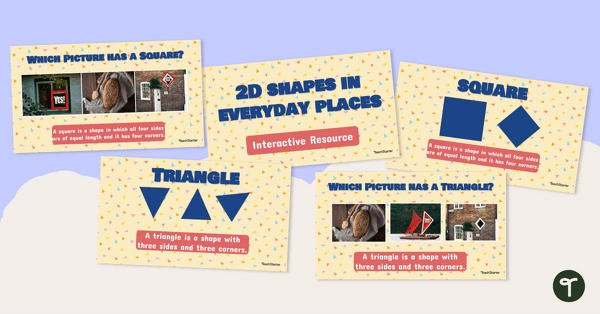
2D Shapes in the Environment Interactive Activity
Teach students to recognise and name 2D shapes in component parts of everyday items in their environment.
- Plus Plan
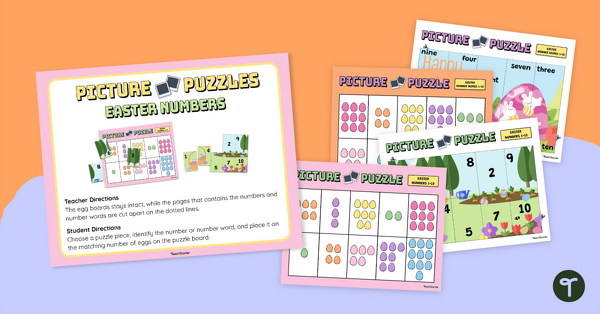
Easter Puzzles - Numbers 1-20
Practise number recognition with these fun Easter puzzles.
- Plus Plan
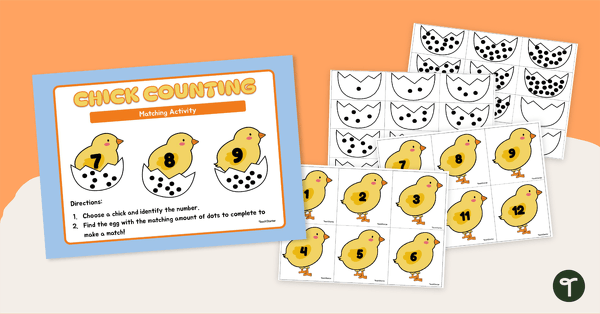
Chick Counting Activity - Numbers 1-20
Practise recognising, counting and subitising numbers from 1-20 with this Easter-themed counting activity.
- Plus Plan
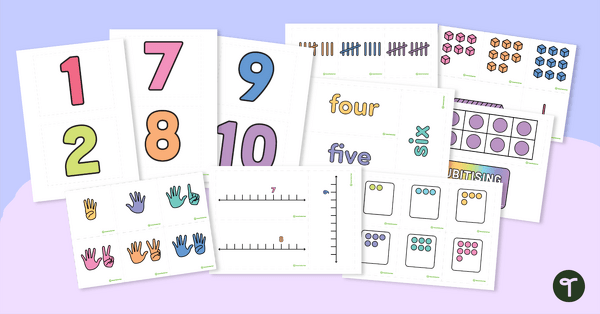
Classroom Display for Numbers 1 - 10
Utilise this classroom display to help your students recognise multiple representations of the numbers 1 - 10.
- Plus Plan
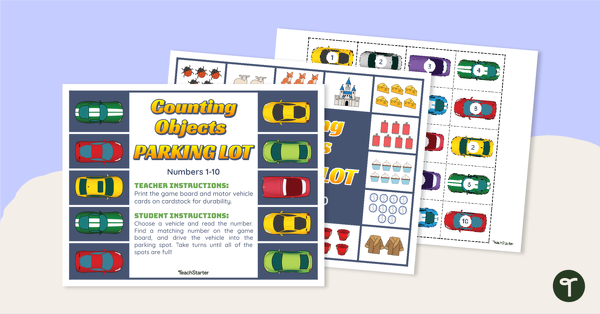
Counting Objects Parking Lot - Numbers 1-10
Count objects and recognise numbers with a fun car-themed match-up style game.