Mathematics
Learning mathematics creates opportunities for and enriches the lives of all Australians. The Australian Curriculum: Mathematics provides students with essential mathematical skills and knowledge in number and algebra, measurement and geometry, and statistics and probability. It develops the numeracy capabilities that all students need in their personal, work and civic life, and provides the fundamentals on which mathematical specialties and professional applications of mathematics are built.
Mathematics has its own value and beauty and the Australian Curriculum: Mathematics aims to instil in students an appreciation of the elegance and power of mathematical reasoning. Mathematical ideas have evolved across all cultures over thousands of years, and are constantly developing. Digital technologies are facilitating this expansion of ideas and providing access to new tools for continuing mathematical exploration and invention. The curriculum focuses on developing increasingly sophisticated and refined mathematical understanding, fluency, reasoning, and problem-solving skills. These proficiencies enable students to respond to familiar and unfamiliar situations by employing mathematical strategies to make informed decisions and solve problems efficiently.
The Australian Curriculum: Mathematics ensures that the links between the various components of mathematics, as well as the relationship between mathematics and other disciplines, are made clear. Mathematics is composed of multiple but interrelated and interdependent concepts and systems which students apply beyond the mathematics classroom. In science, for example, understanding sources of error and their impact on the confidence of conclusions is vital, as is the use of mathematical models in other disciplines. In geography, interpretation of data underpins the study of human populations and their physical environments; in history, students need to be able to imagine timelines and time frames to reconcile related events; and in English, deriving quantitative and spatial information is an important aspect of making meaning of texts.
The curriculum anticipates that schools will ensure all students benefit from access to the power of mathematical reasoning and learn to apply their mathematical understanding creatively and efficiently. The Mathematics curriculum provides students with carefully paced, in-depth study of critical skills and concepts. It encourages teachers to help students become self-motivated, confident learners through inquiry and active participation in challenging and engaging experiences.
- Plus Plan
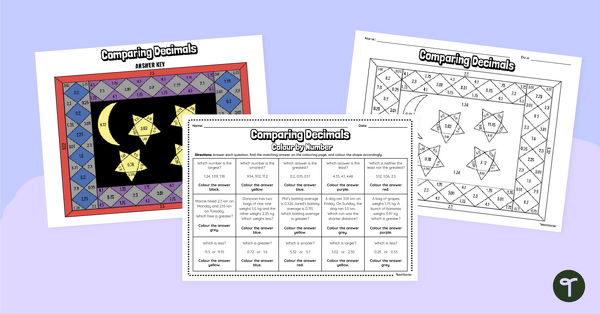
Comparing Decimals – Colour by Number Worksheet
Compare decimals and create a beautiful stained-glass picture with this colour-by-number worksheet.
- Plus Plan
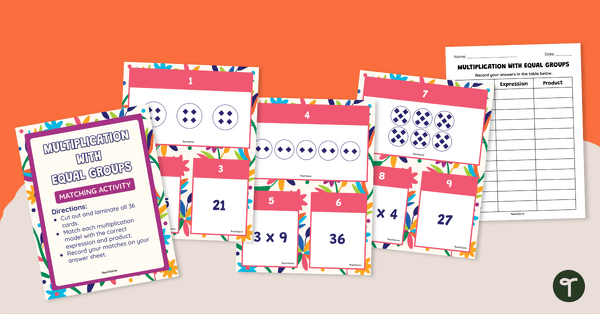
Multiplication With Equal Groups Matching Activity
Reinforce how to relate multiplication and equal groups with this printable matching activity.
- Plus Plan
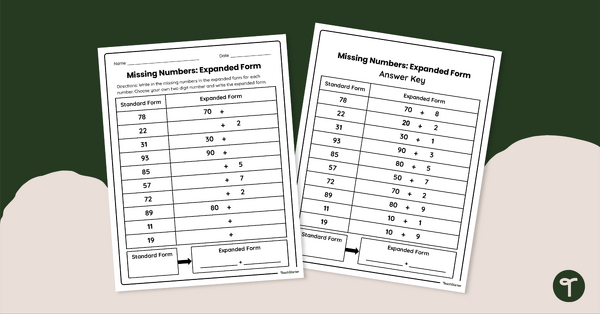
Missing Numbers in Expanded Form Worksheet
Practise converting double digit numbers into their expanded form with this easy to use student worksheet.
- Plus Plan
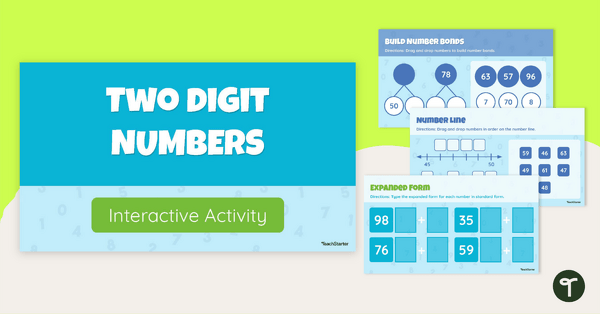
2-Digit Numbers Interactive Activity
Explore double digit numbers in a variety of different scenarios with this engaging interactive activity for your classroom.
- Plus Plan
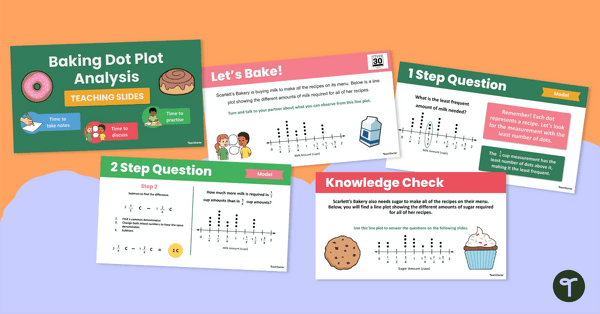
Baking Dot Plot Analysis Teaching Slides
Explore the sweet side of graphs and data with this bakery-themed dot plot resource, supporting your students' abilities to interpret dot plots!
- Plus Plan
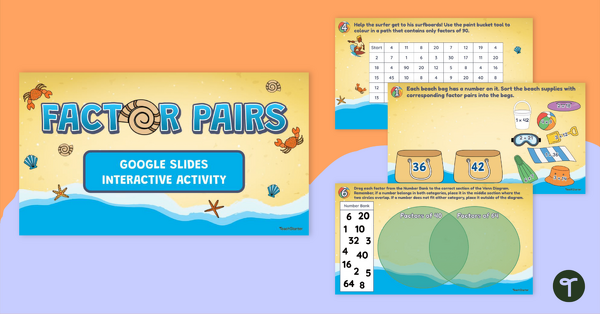
Factor Pairs Interactive Activity for Year 5
Guide your students to determine the factors of numbers less than 100 with these interactive slides.
- Plus Plan
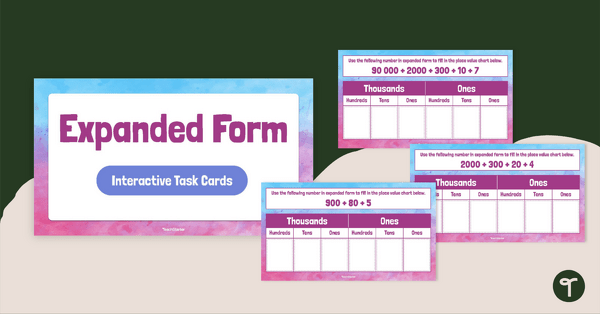
Expanded Form Interactive Task Cards
Explore expanding numbers with your students using these interactive task cards, reviewing numbers in expanded form and place value charts.
- Plus Plan
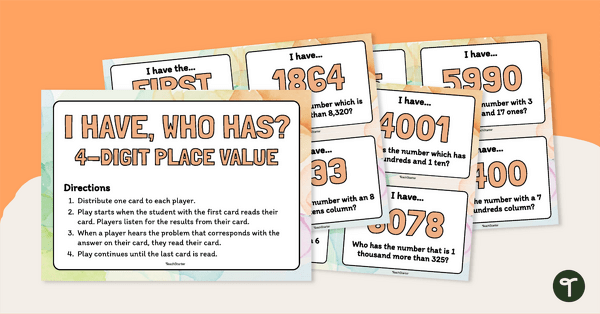
I Have, Who Has? 4 Digit Place Value Game
Explore numbers up to 4-digits with this fun whole class place value game of 'I have, Who Has?'
- Plus Plan
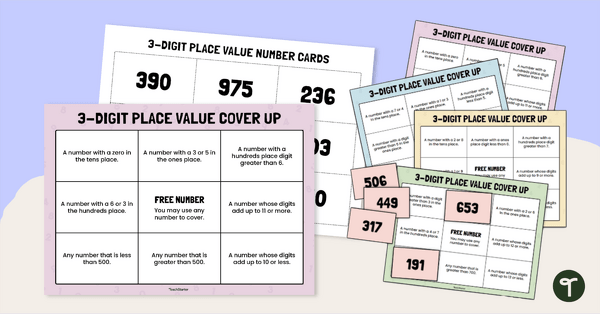
3-Digit Place Value Cover Up Game
Engage students in understanding place value to the hundreds with this place value card game.
- Free Plan
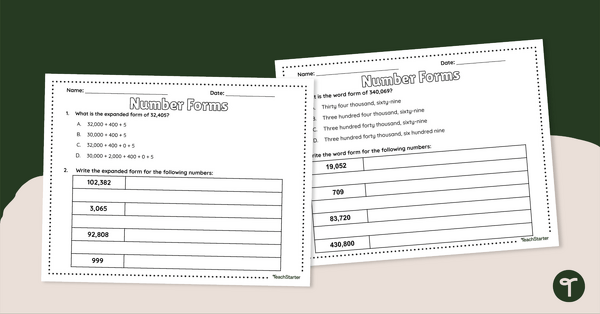
Number Forms Worksheet (Up to 5 Digits)
Help students practice recognising and writing numbers in word form and expanded form with this worksheet.
- Plus Plan
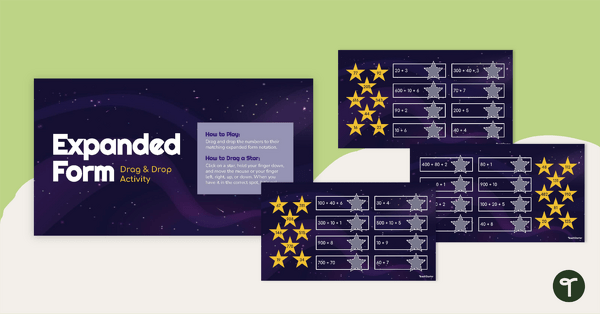
2-Digit and 3-Digit Expanded Form Interactive Activity
Use this interactive activity with your students to practice expanded form through to the hundreds place.
- Plus Plan
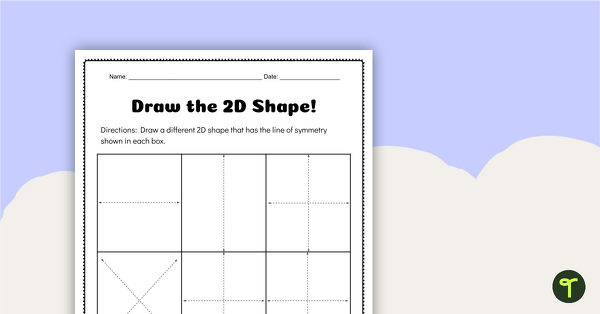
Draw the 2D Shape! Worksheet
Use this single-page symmetry worksheet to spark students’ creativity, as they think of and draw shapes which fit the provided lines of symmetry.
- Plus Plan
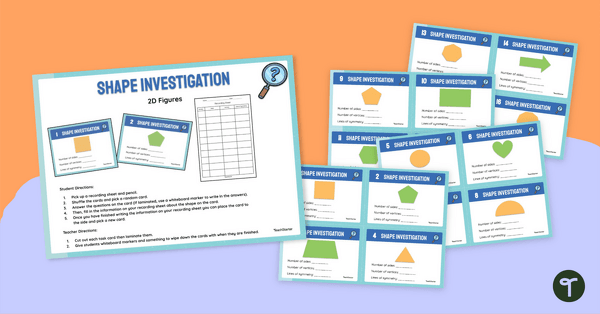
Shape Investigation 2D Figures Task Cards
Combine fun and learning with these 2D shapes and symmetry task cards for your Grade Four students!
- Plus Plan
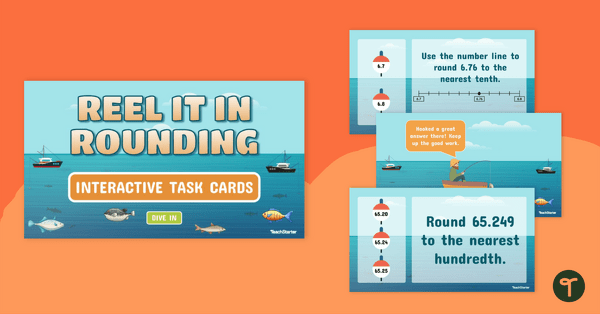
Reel It in Rounding With Decimals – Interactive Task Cards
Guide your students to tackle questions where they must round decimals to the nearest whole number, tenth and hundredth with this set of 24 interactive task cards.
- Plus Plan
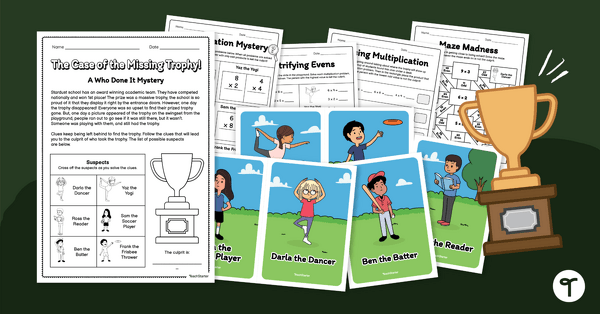
The Case of the Missing Trophy Mystery (Odd and Even Properties)
Explore odd and even properties in multiplication sums with this fun and engaging mystery project.
- Plus Plan
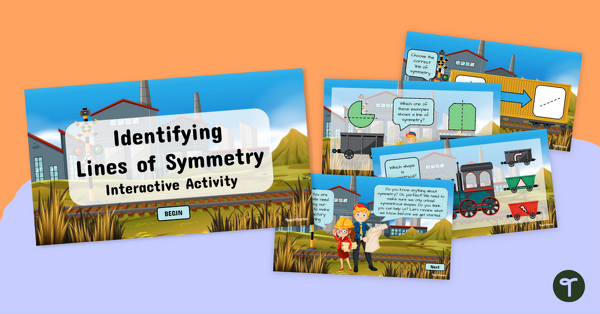
Identifying Lines of Symmetry Interactive Activity
Explore this rail-yard themed interactive activity with your students to teach them how to identify lines of symmetry.
- Plus Plan
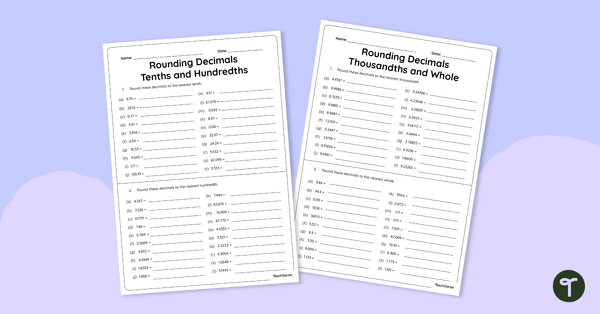
Rounding Decimals Worksheet Set
Practise rounding numbers to the nearest whole, tenth, hundredth and thousandth with this worksheet set.
- Plus Plan
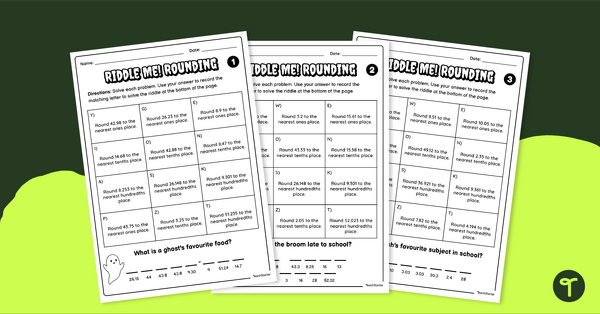
Halloween Rounding Decimals Worksheets
Have fun rounding decimals to the tenths and hundredths place with our Halloween Riddle worksheets!
- Plus Plan
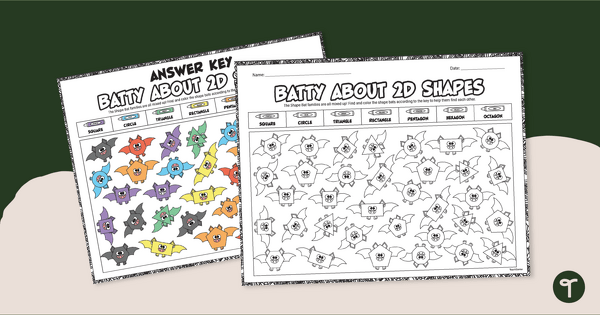
Batty for 2D Shapes - Halloween Shapes Worksheet
Go batty and identify the 2D shapes with a printable Halloween Shapes worksheet.
- Plus Plan
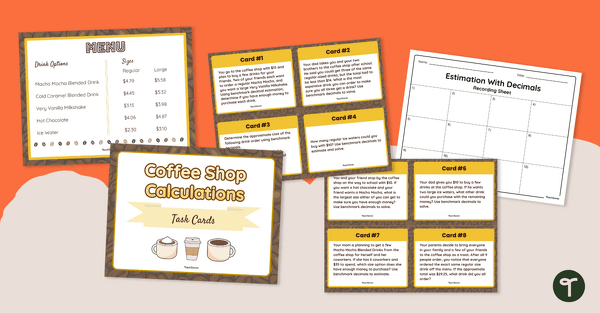
Coffee Shop Calculations – Estimation With Decimals Task Cards
Download this set of 24 task cards to help your students practise estimating decimal sums and differences with benchmark numbers.
- Plus Plan
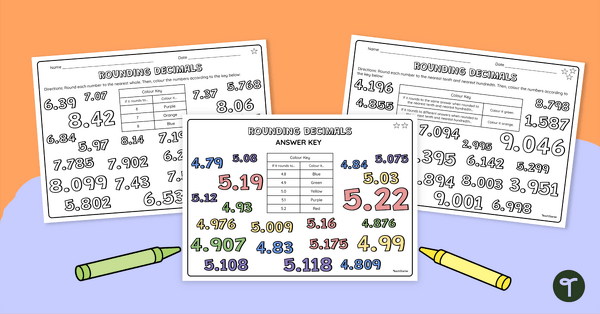
Rounding Decimals – Differentiated Colour by Code Worksheet
Guide your students to round decimals to the nearest tenth and hundredth with this differentiated colour-by-code worksheet.
- Plus Plan
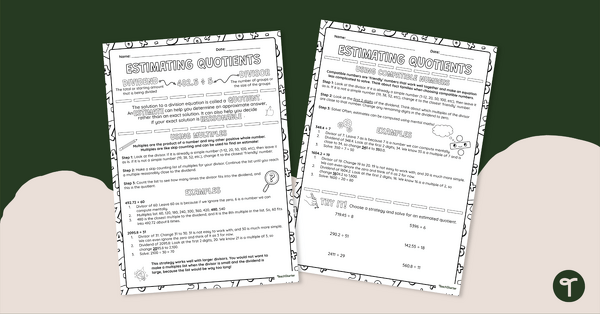
Estimating Quotients Doodle Notes
Engage your students with this set of doodle notes when teaching them how to estimate quotients.
- Plus Plan
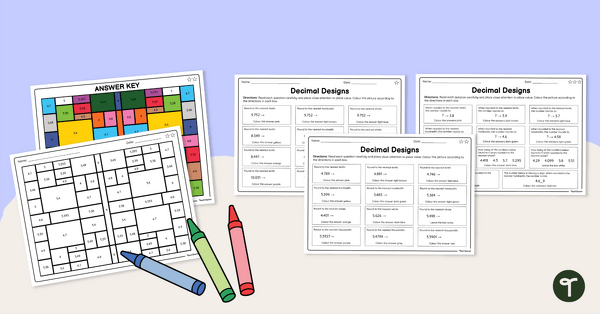
Decimal Designs – Differentiated Decimal Rounding Worksheet
Guide your students to round decimals to different places and create a beautiful design with this differentiated worksheet.
- Plus Plan
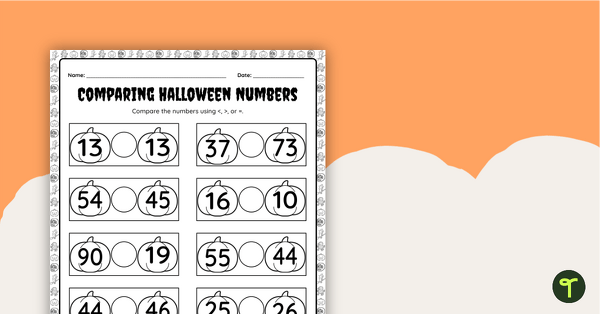
Using Greater Than - Less Than Symbols - Halloween Worksheet
Practise using the greater than, less than, and equal to symbols to compare two-digit numbers with a fun Halloween worksheet.
- Plus Plan
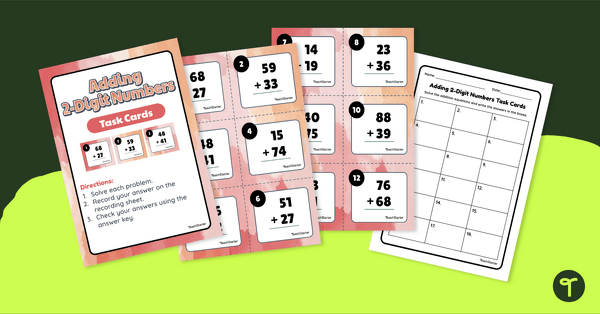
Double-Digit Addition - Maths Task Cards
Practise adding 2-digit numbers with this set of 18 double-digit addition task cards.
- Plus Plan
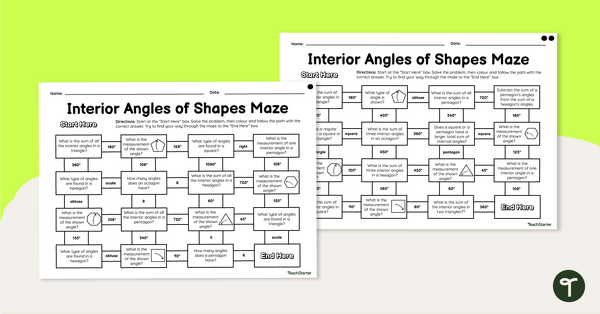
Interior Angles of Shapes – Differentiated Mazes
Explore the interior angles of regular shapes with this differentiated, maze-inspired worksheet.
- Plus Plan
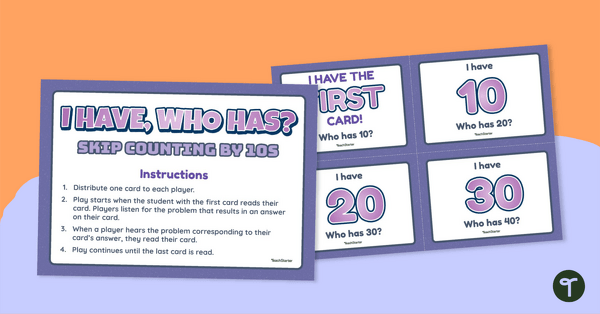
Skip Counting by 10s I Have, Who Has Game
Use this fast-paced whole class game to help your students practise skip counting by tens.
- Plus Plan
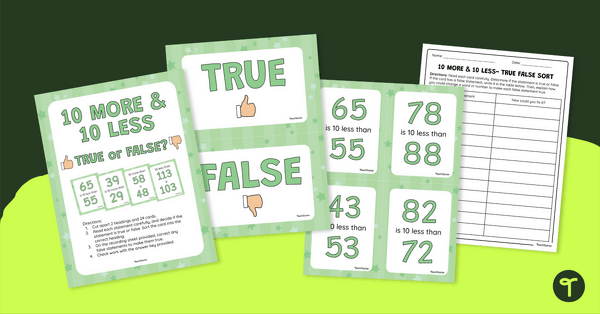
10 More 10 Less Sorting Card Game
Engage your students and have them practise reading statements about values 10 more or 10 less, then and determining if the statement is accurate.
- Plus Plan
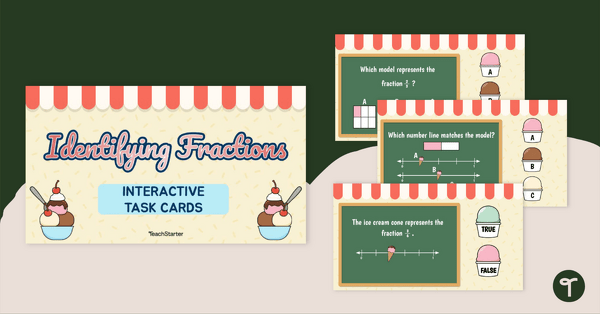
Identifying Fractions – Interactive Task Cards
Practise identifying fractions represented on a number line, shaded model and in a set with this interactive task card activity.
- Plus Plan
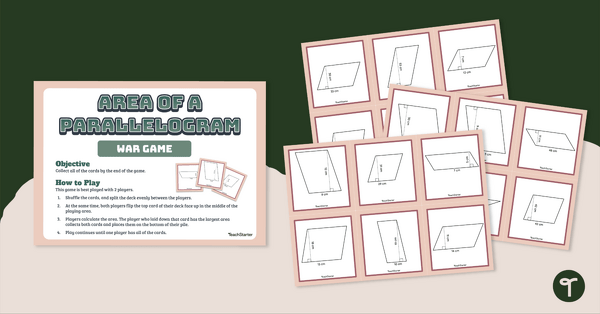
Area of a Parallelogram – War Game
Practise finding and comparing the area of a parallelogram with a game of WAR!
- Free Plan
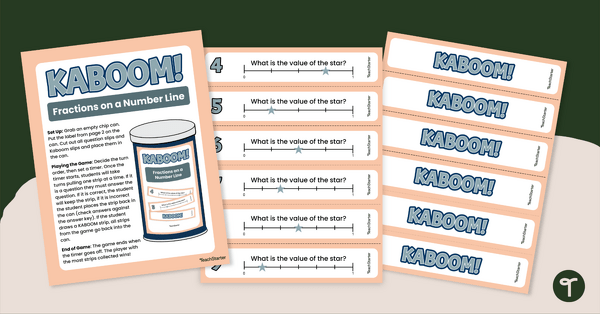
Fractions on a Number Line – Kaboom Game
Practise identifying fractions on a number line with an exciting game of Kaboom!
- Plus Plan
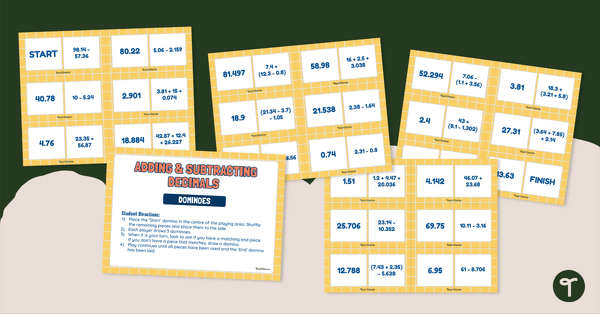
Adding and Subtracting Decimals Dominoes for Year 6
Use this year 6 maths game of dominoes to strengthen computation skills by adding and subtracting decimals through the thousandths place.