Year 1
The science inquiry skills and science as a human endeavour strands are described across a two-year band. In their planning, schools and teachers refer to the expectations outlined in the achievement standard and also to the content of the science understanding strand for the relevant year level to ensure that these two strands are addressed over the two-year period. The three strands of the curriculum are interrelated and their content is taught in an integrated way. The order and detail in which the content descriptions are organised into teaching and learning programs are decisions to be made by the teacher.
Incorporating the key ideas of science
From Foundation to Year 2, students learn that observations can be organised to reveal patterns, and that these patterns can be used to make predictions about phenomena.
In Year 1, students infer simple cause-and-effect relationships from their observations and experiences, and begin to link events and phenomena with observable effects and to ask questions. They observe changes that can be large or small and happen quickly or slowly. They explore the properties of familiar objects and phenomena, identifying similarities and differences. Students begin to value counting as a means of comparing observations, and are introduced to ways of organising their observations.
(source: www.australiancurriculum.edu.au)
Achievement Standard
By the end of Year 1, students describe objects and events that they encounter in their everyday lives, and the effects of interacting with materials and objects. They describe changes in their local environment and how different places meet the needs of living things.
Students respond to questions, make predictions, and participate in guided investigations of everyday phenomena. They follow instructions to record and sort their observations and share them with others.
(source: www.australiancurriculum.edu.au)
- Plus Plan
Day and Night, Night and Day
- Plus Plan
The Daytime Sky
- Plus Plan
Do You See What I See?
- Plus Plan
Design a Musical Instrument
An assessment task in which students will demonstrate their knowledge and understanding of sound.
- Plus Plan
Sounds of Change
A 60 minute lesson in which students will investigate if the pitch and volume of sounds can be changed.
- Plus Plan
Make a Sound
A 60 minute lesson in which students will investigate if similar sounds can be made in different ways.
- Plus Plan
Stretch, Bend and Twist – I Think You've Got the Gist
A 60-minute lesson designed for students to use their knowledge of materials to predict and identify whether materials stretch, bend or twist.
- Plus Plan
Handy Heating
A 60-minute lesson designed to explain how certain materials change when they are heated.
- Plus Plan
Choice Cooling
A 60-minute lesson designed to explain how certain materials change when they are cooled.
- Plus Plan
Assessment: Chemical Science – Clever Changes
A 30-minute assessment designed to assess students' ability to describe physical changes in materials.
- Plus Plan
Changes I Can See - Aboriginal and Torres Strait Islander Perspectives
- Plus Plan
How About This Weather?
- Plus Plan
The Nighttime Sky
- Plus Plan
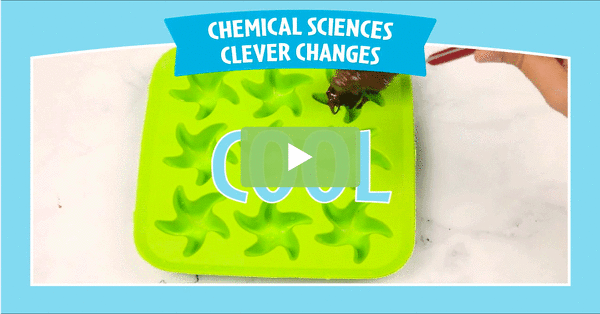
Cooling Materials Down Video
Explore how cooling affects different materials using this science demonstration video perfect for your early years Chemical Sciences unit!
- Plus Plan
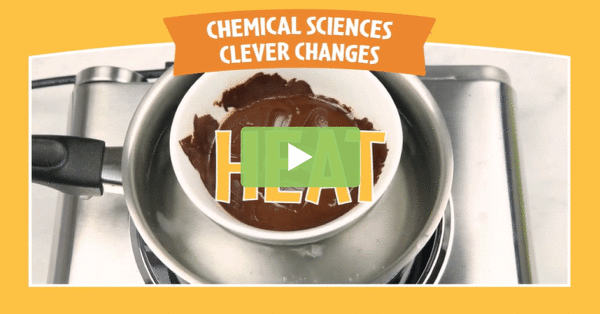
Adding Heat to Materials Video
Explore how different materials are affected by heat energy using this science demonstration video perfect for your early years Chemical Sciences unit!
- Plus Plan
Chemical Sciences: Clever Changes – Unit Plan
This Chemical Sciences unit investigates the physical changes of materials and how properties change when materials stretch, bend, twist, heat or cool. Students predict how materials will vary and whether they can be returned to their original state.
- Plus Plan
Changes I Can See!
This Earth and Space Sciences unit explores how and why changes occur in the sky and landscape, and develops students' ability to describe these changes in their local environment.
- Plus Plan
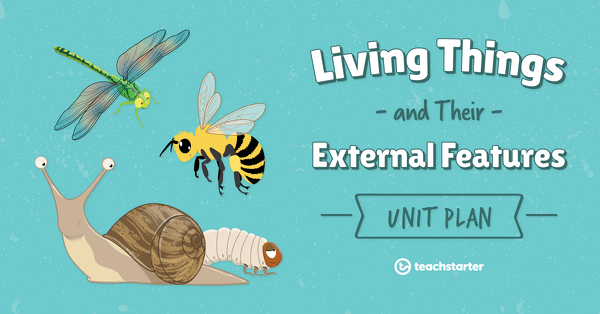
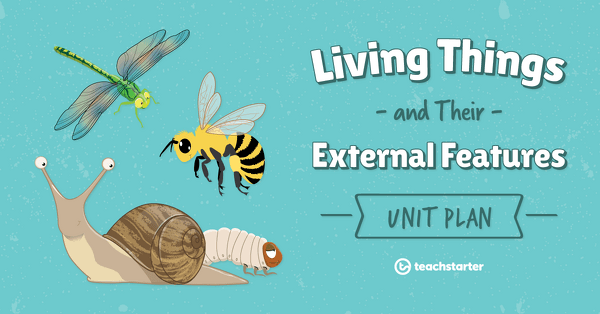
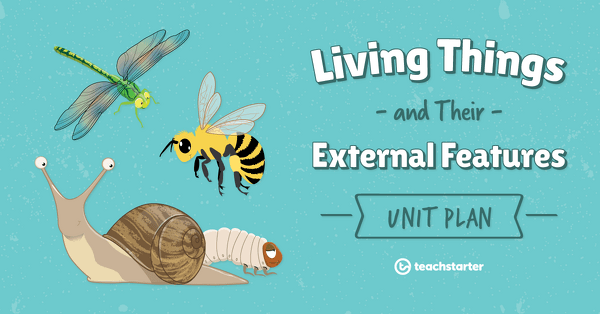
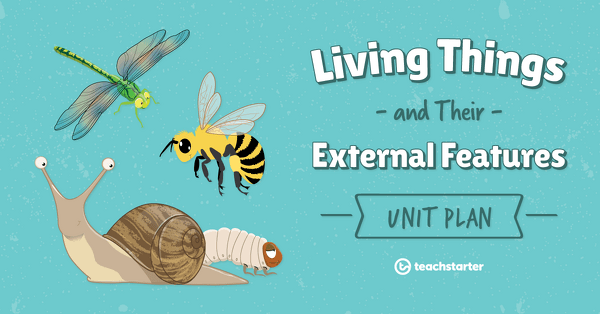
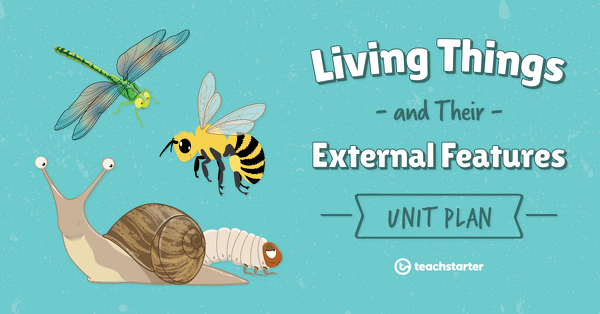
Living Things and Their External Features Unit Plan
This Biological Sciences unit covers a range of concepts relating to living things, such as their external features and the places in which their needs are met.
- Plus Plan
Light and Sound Unit Plan
This Physical Sciences unit addresses the concepts of light and sound and how they are sensed.
- Plus Plan
The Very Hungry Caterpillar
An assessment task in which students will demonstrate their knowledge and understanding of the external features of small animals.
- Plus Plan
What is the Same and What is Different?
A 60 minute lesson in which students will compare the external features of small animals.
- Plus Plan
Astounding Ants
A 60 minute lesson in which students will identify the external features of an ant.
- Plus Plan
Let's Build an Earthworm House
A 60 minute lesson in which students will identify that living things live in different places where their needs are met.
- Plus Plan
Amazing Tunnellers
A 60 minute lesson in which students will identify the external features of an earthworm.
- Plus Plan
What Did We Find On Our Playground Safari?
A 60 minute lesson in which students will represent and communicate observations and ideas in a variety of ways.
- Plus Plan
Sound Research
A 60 minute lesson in which students will investigate how sound travels.
- Plus Plan
C'mon, Feel the Noise
A 60 minute lesson in which students will explore sound and how it is made.
- Plus Plan
Sensational Stretching
A 60-minute lesson designed to explain how certain materials can be stretched.
- Plus Plan
Brilliant Bending
A 60-minute lesson designed to explain how certain materials can bend.
- Plus Plan
Terrific Twisting
A 60-minute lesson designed to explain how certain materials can be twisted.
- Plus Plan
Are You Getting Hot or Cold?
A 60-minute lesson designed to summarise the physical changes that occur when things stretch, bend, twist, heat and cool.
- Plus Plan
Assessment - Changes I Can See