Year 5
The science inquiry skills and science as a human endeavour strands are described across a two-year band. In their planning, schools and teachers refer to the expectations outlined in the achievement standard and also to the content of the science understanding strand for the relevant year level to ensure that these two strands are addressed over the two-year period. The three strands of the curriculum are interrelated and their content is taught in an integrated way. The order and detail in which the content descriptions are organised into teaching and learning programs are decisions to be made by the teacher.
Incorporating the key ideas of science
Over Years 3 to 6, students develop their understanding of a range of systems operating at different time and geographic scales.
In Year 5, students are introduced to cause and effect relationships through an exploration of adaptations of living things and how this links to form and function. They explore observable phenomena associated with light and begin to appreciate that phenomena have sets of characteristic behaviours. They broaden their classification of matter to include gases and begin to see how matter structures the world around them. Students consider Earth as a component within a solar system and use models for investigating systems at astronomical scales. Students begin to identify stable and dynamic aspects of systems, and learn how to look for patterns and relationships between components of systems. They develop explanations for the patterns they observe.
(source: www.australiancurriculum.edu.au)
Achievement Standard
By the end of Year 5, students classify substances according to their observable properties and behaviours. They explain everyday phenomena associated with the transfer of light. They describe the key features of our solar system. They analyse how the form of living things enables them to function in their environments. Students discuss how scientific developments have affected people’s lives, help us solve problems and how science knowledge develops from many people’s contributions.
Students follow instructions to pose questions for investigation and predict the effect of changing variables when planning an investigation. They use equipment in ways that are safe and improve the accuracy of their observations. Students construct tables and graphs to organise data and identify patterns in the data. They compare patterns in their data with predictions when suggesting explanations. They describe ways to improve the fairness of their investigations, and communicate their ideas and findings using multimodal texts.
(source: www.australiancurriculum.edu.au)
- Plus Plan
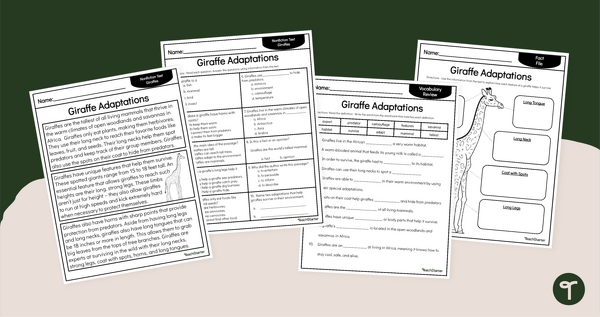
Giraffe Adaptations - Reading Comprehension Year 3
Read and learn about adaptations of the giraffe with a set of printable Year 3 comprehension activities.
- Plus Plan
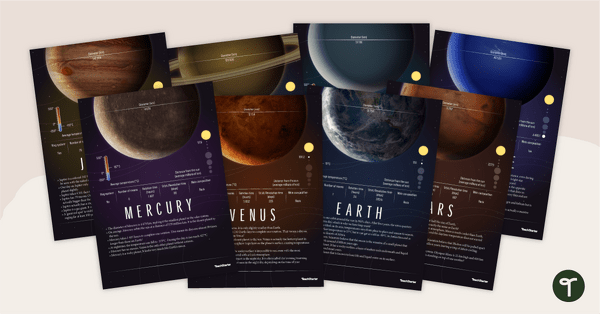
Planets of the Solar System Posters
Use this set of visually striking and informative posters about the planets of our solar system in your classroom.
- Free Plan
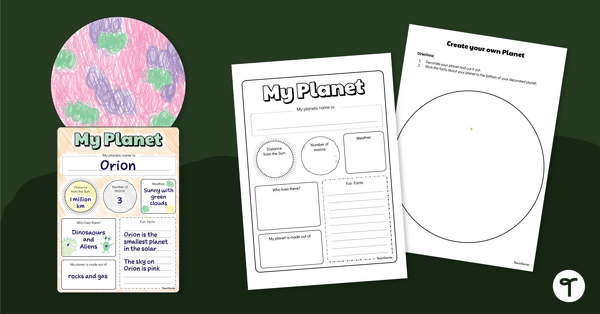
If I Could Create My Own Planet Craft Template
Explore planets and let your students get creative by developing their own planet.
- Free Plan
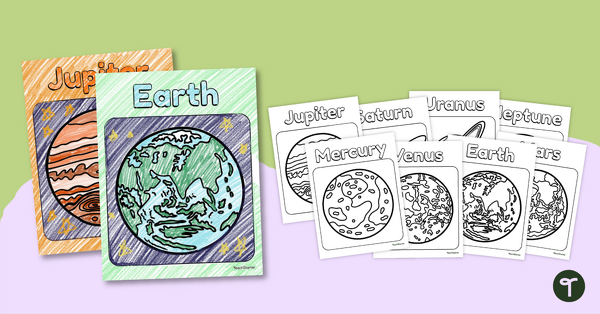
Free Planet Colouring Pages
Use these black and white planet templates as colouring in pages for your students.
- Plus Plan
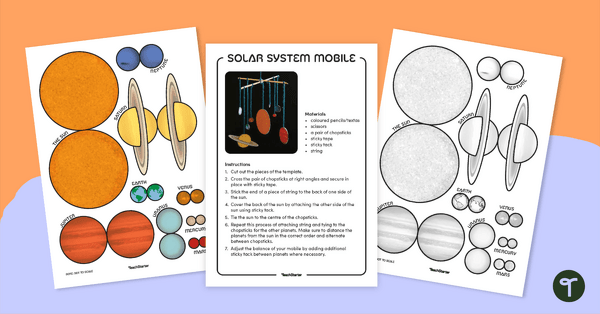
Solar System Craft - Mobile of the Solar System
Use this printable solar system craft when learning about the planets and their position in relation to the Sun.
- Plus Plan
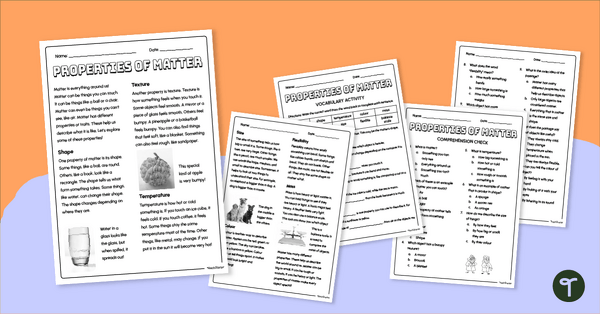
Properties of Matter Reading Comprehension Pack (Year 3)
Read and discover the properties of matter with a set of Year 3 Reading Comprehension Worksheets.
- Plus Plan
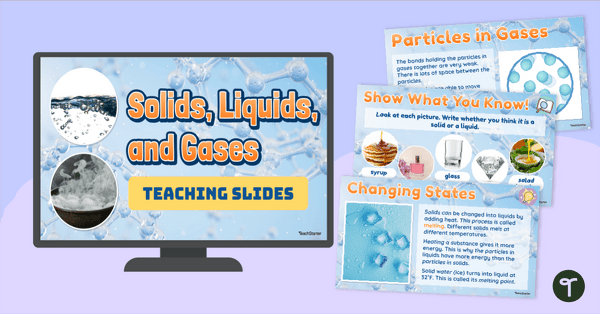
Solids, Liquids and Gases PowerPoint
Teaching your students about solids, liquids and gases with an engaging interactive teaching slide presentation.
- Plus Plan
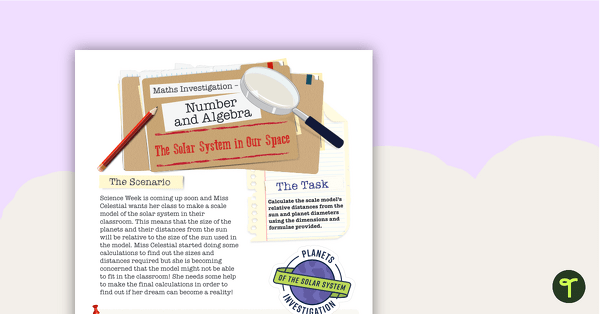
The Solar System in Our Space — Mathematics Investigation
A mathematics investigation about number and the scale of the solar system, embedded in a real-world context.
- Plus Plan
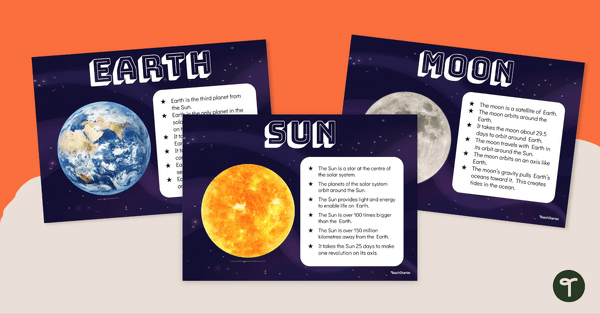
Earth, Sun and Moon – Poster Pack
Display these posters with information about the Earth, Sun and moon in your science classroom.
- Plus Plan
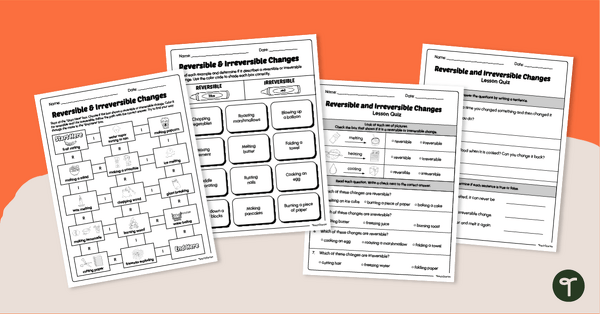
Reversible and Irreversible Changes Worksheet Pack
Download our Reversible and Irreversible Changes Worksheet Pack to help your students learn about temporary and permanent changes in matter.
- Plus Plan
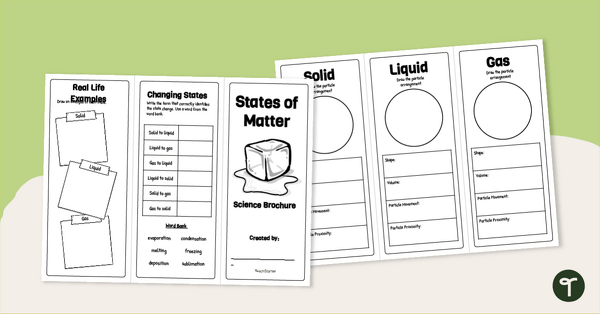
Forms of Matter Brochure Template
Introduce your students to the three states of matter with a printable Forms of Matter Foldable Brochure Template.
- Plus Plan
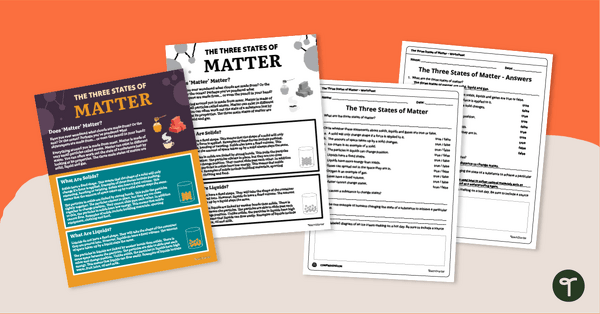
The Three States of Matter – Year 5 Reading Worksheets
Use a Year 5 Reading Comprehension passage and worksheet to teach your students about the three states of matter.
- Plus Plan
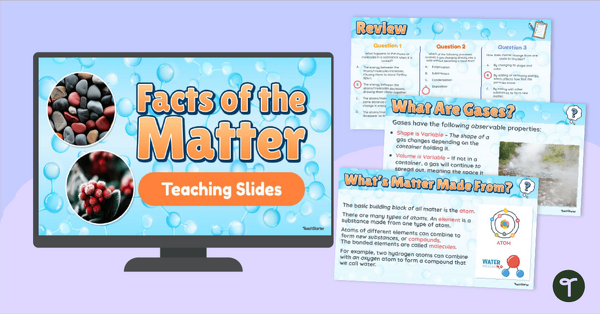
Facts of the Matter PowerPoint Presentation
Intoduce your students to matter and change with an engaging interactive teaching presentation for Year 5.
- Plus Plan
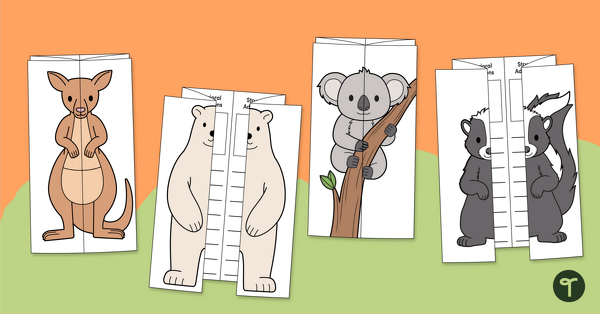
Animal Adaptations Foldables - Shutter Card Templates
Write and draw about the behavioural, structural and physiological adaptations of animals from around the world with a set of fun printable shutter card templates.
- Free Plan
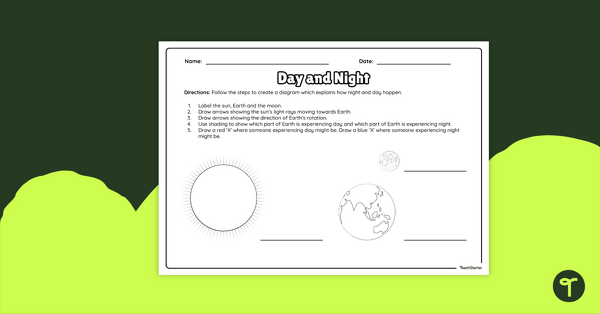
Day and Night – Worksheet
Encourage your students to illustrate the day and night cycle with this free worksheet.
- Plus Plan
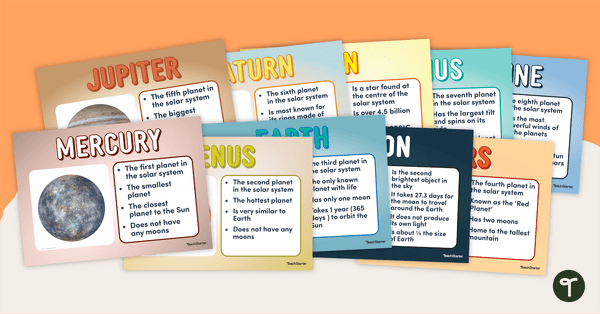
Individual Planet Posters
Use this set of posters with your space unit to teach about the individual planets.
- Plus Plan
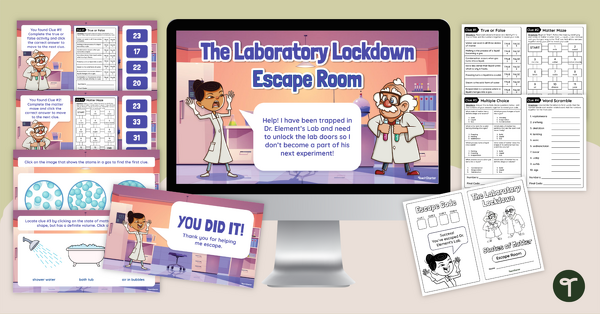
Laboratory Escape Room - States of Matter Game
Use an Escape Room-styled States of Matter Game to engage and excite your students about the forms and changes seen in matter.
- Plus Plan
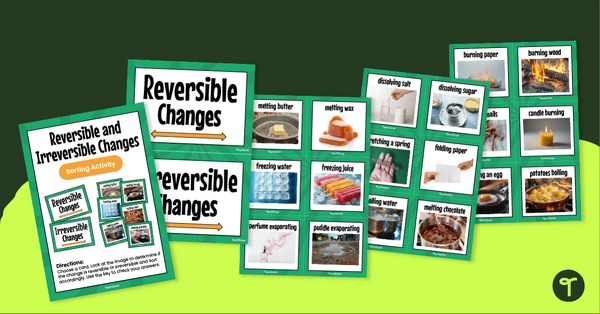
Reversible and Irreversible Changes Sort
Identify examples of reversible and irreversible changes with an engaging Matter Card Game for kids!
- Free Plan
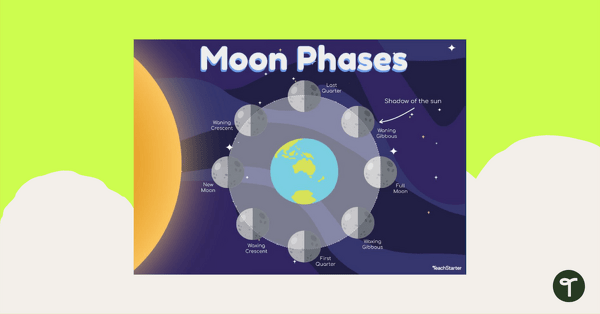
Moon Phases Diagram
Learn the phases of the moon in the southern hemisphere with this set of two posters.
- Free Plan
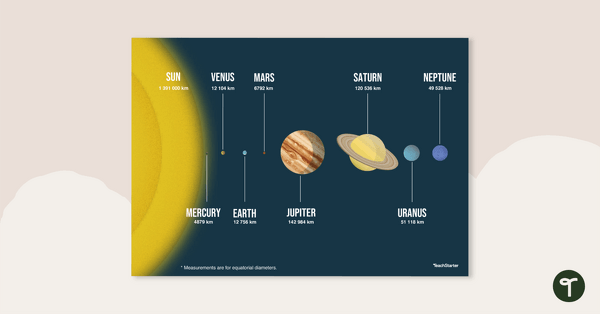
The Solar System to Scale
Display information about the order, scale and the diameter of the planets with this colourful science poster.
- Plus Plan
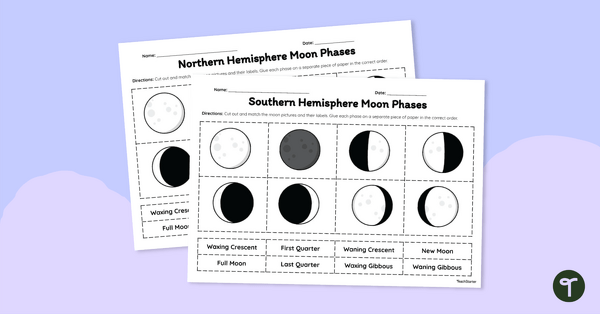
Moon Phases – Cut and Paste Activity
Create a diagram showing the different moon phases and their names with this cut-and-paste activity sheet.
- Plus Plan
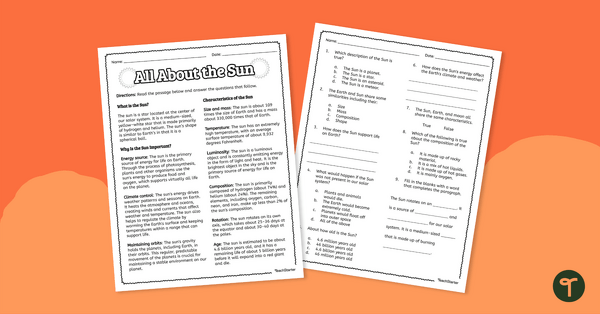
All About the Sun – Comprehension Worksheet
Integrate science and reading while learning about the Sun with this comprehension worksheet.
- Plus Plan
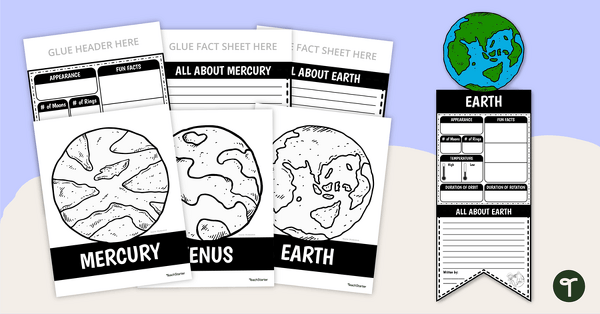
Planets of the Solar System – Project Template
Create a visual display of information about the planets of the solar system using this project template.
- Plus Plan
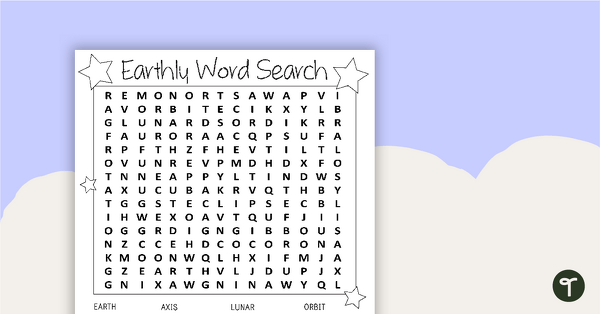
Earthly Word Search with Answers
The Earthly Word Search uses scientific vocabulary in a fun way!
- Plus Plan
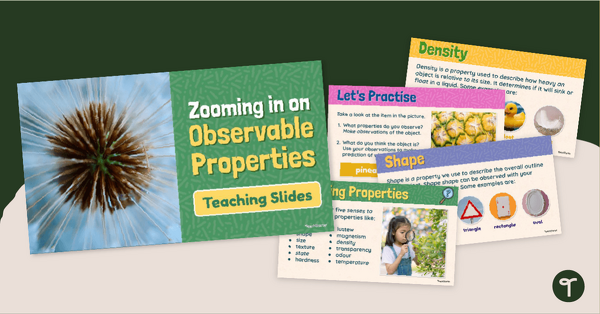
Zooming in on Matter Properties Teaching Slides
Zoom in on the Observable Properties of matter with an engaging Properties of Matter Teaching Slideshow.
- Plus Plan
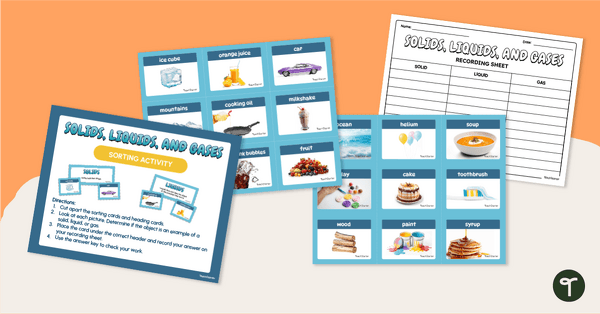
Solids, Liquids and Gases – Sorting Activity
Use a hands-on States of Matter sorting activity to help students identify solids, liquids and gases.
- Plus Plan
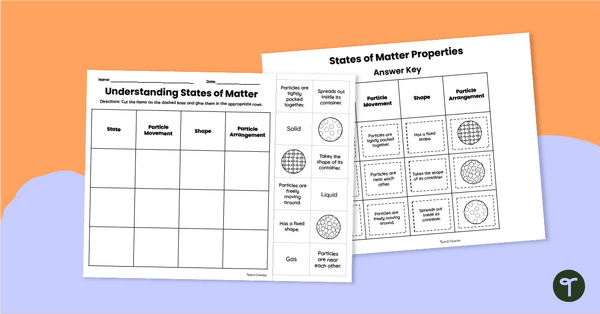
Understanding States of Matter - Cut and Paste Worksheet
Engage your students with an interactive activity where they cut and paste to match the properties of solids, liquids, and gases.
- Plus Plan
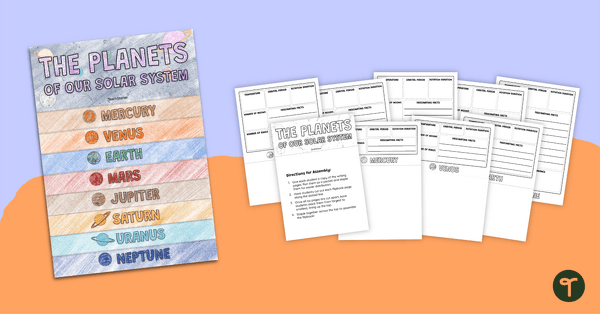
Planets of the Solar System Flipbook
Discover each of the planets of the solar system with this engaging flip book template.
- Plus Plan
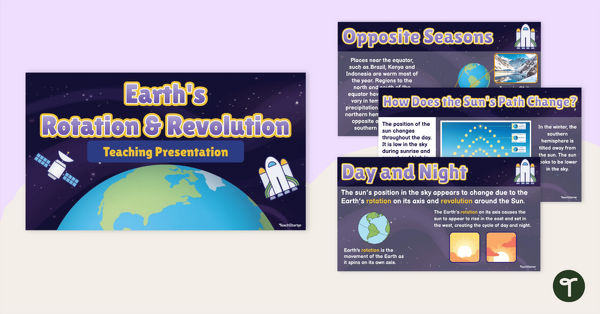
Earth's Rotation and Revolution – Teaching Presentation
Explore the difference between rotation and revolution while learning about the day and night cycle, what causes the seasons to change and more with this teaching presentation.
- Plus Plan
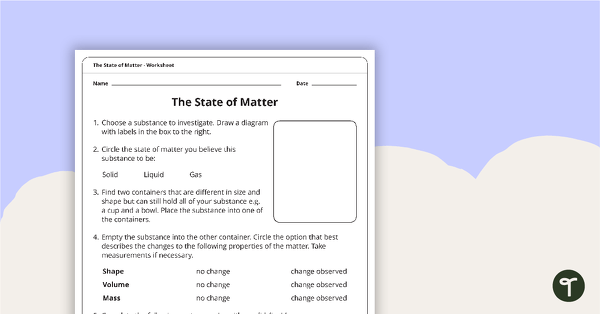
Year 4 States of Matter - Nonfiction Reading Comprehension
Teach science and reading skills with a set of printable Year 4 Reading Worksheets about the three states of matter.
- Plus Plan
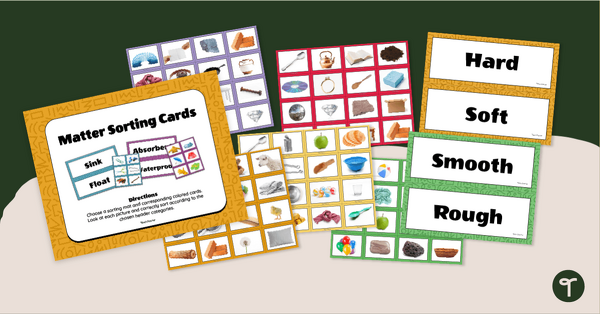
Sort It Out! Properties of Matter Activity
Use our Properties of Matter Sorting Activity cards to create an engaging Matter Sorting Station in your classroom.
- Plus Plan
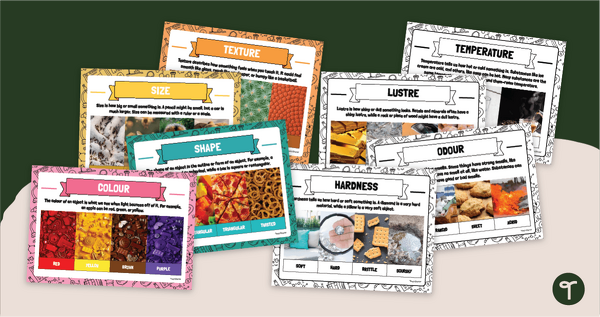
Physical Properties of Matter Poster Pack
Discover the physical properties of matter with a set of printable Properties of Matter Posters for the classroom.