Science
Science provides an empirical way of answering interesting and important questions about the biological, physical and technological world. The knowledge it produces has proved to be a reliable basis for action in our personal, social and economic lives. Science is a dynamic, collaborative and creative human endeavour arising from our desire to make sense of our world through exploring the unknown, investigating universal mysteries, making predictions and solving problems. Science aims to understand a large number of observations in terms of a much smaller number of broad principles. Science knowledge is contestable and is revised, refined and extended as new evidence arises.
The Australian Curriculum: Science provides opportunities for students to develop an understanding of important science concepts and processes, the practices used to develop scientific knowledge, of science’s contribution to our culture and society, and its applications in our lives. The curriculum supports students to develop the scientific knowledge, understandings and skills to make informed decisions about local, national and global issues and to participate, if they so wish, in science-related careers.
In addition to its practical applications, learning science is a valuable pursuit in its own right. Students can experience the joy of scientific discovery and nurture their natural curiosity about the world around them. In doing this, they develop critical and creative thinking skills and challenge themselves to identify questions and draw evidence-based conclusions using scientific methods. The wider benefits of this ‘scientific literacy’ are well established, including giving students the capability to investigate the natural world and changes made to it through human activity.
The ability to think and act in scientific ways helps build the broader suite of capabilities in students as confident, self-motivated and active members of our society.
- Plus Plan
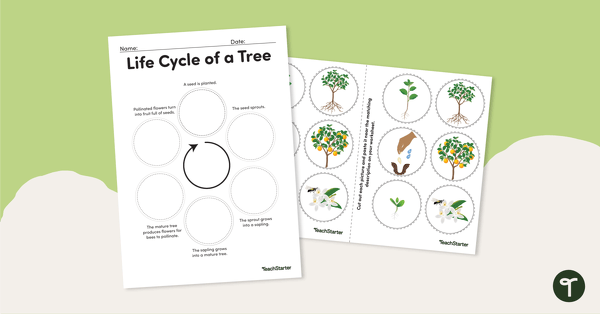
Life Cycle of a Tree – Worksheet
Piece together the life cycle of a tree with this cut and paste worksheet.
- Plus Plan
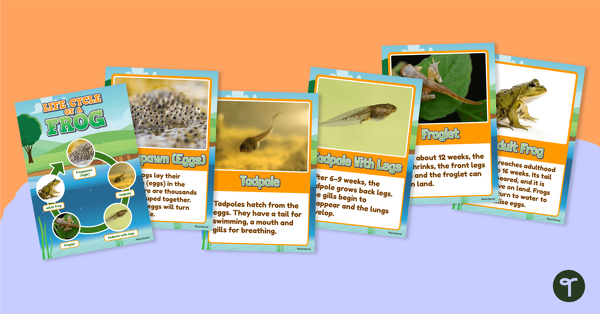
Life Cycle of a Frog – Poster Pack
Display information about the life cycle of a frog with this set of six posters.
- Plus Plan
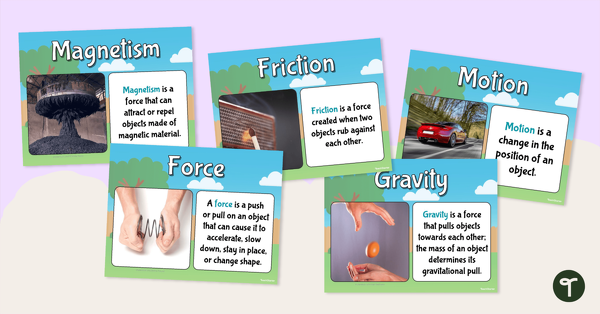
Force and Motion – Poster Pack
Display information about force and motion with this set of 12 vocabulary posters.
- Plus Plan
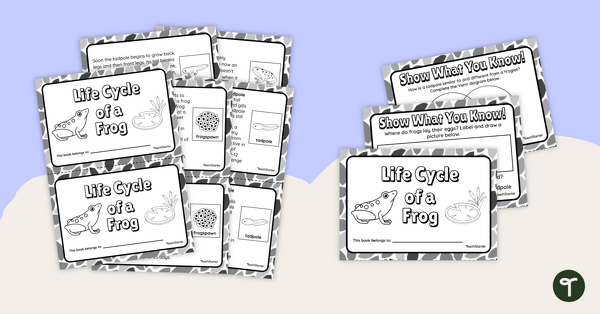
Life Cycle of a Frog Booklet
Read and learn about the life cycle of a frog with this informational reader and activity booklet.
- Free Plan
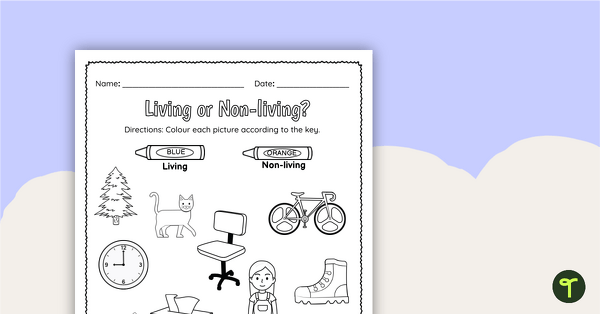
Living or Non-living? Colour by Code Worksheet
Practice identifying living and non-living things with this colour-by-code worksheet.
- Plus Plan
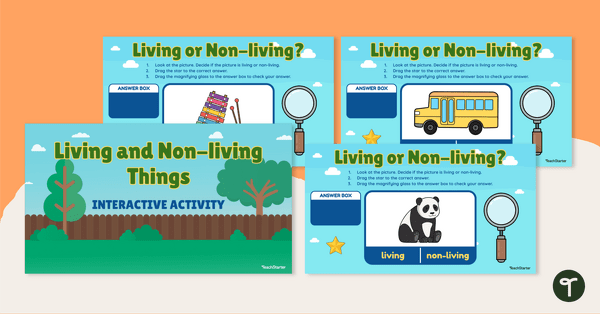
Living or Non-living Things – Interactive Activity
Identify living and non-living things with this self-checking interactive activity.
- Plus Plan
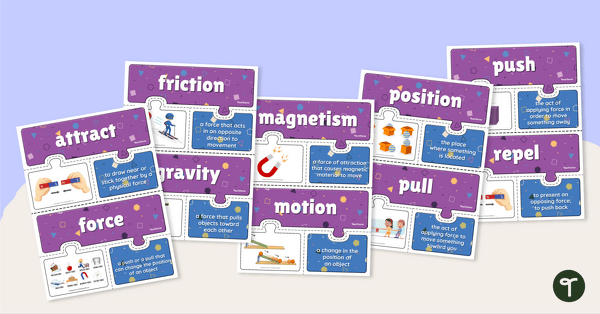
Force and Motion Vocabulary Puzzles
Reinforce science vocabulary with this set of 22 force and motion vocabulary puzzles.
- Plus Plan
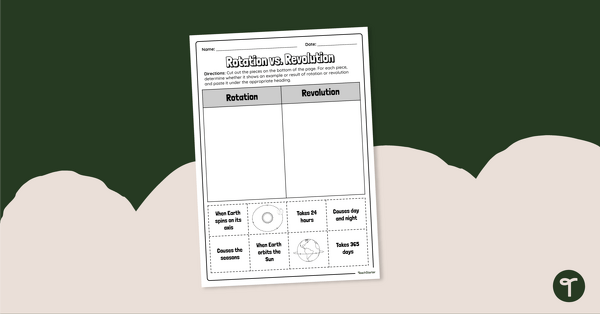
Rotation vs. Revolution – Cut and Paste Worksheet
Demonstrate an understanding of rotation vs. revolution with this cut and paste worksheet.
- Plus Plan
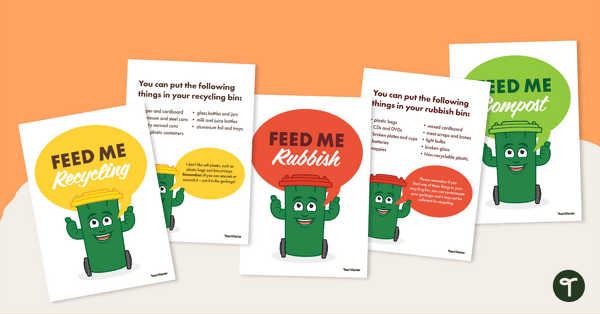
Garbage Bin Posters - Rubbish, Recycling and Compost
Posters outlining what can be put in the different types of bins.
- Plus Plan
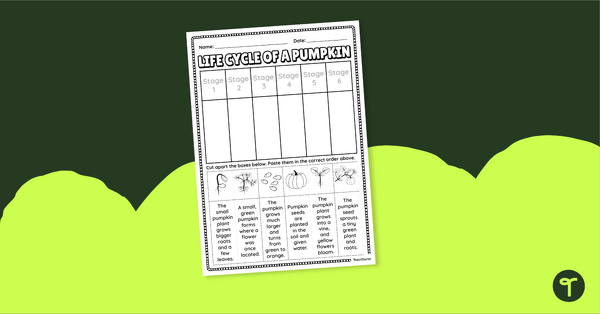
Life Cycle of a Pumpkin – Cut and Paste Worksheet
Learn about the life cycle of a pumpkin with a cut and paste sequencing worksheet.
- Plus Plan
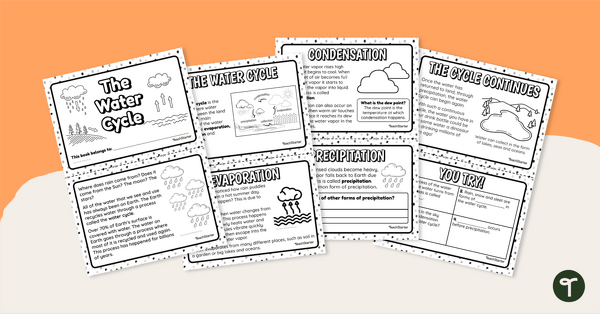
Water Cycle Mini-Book (In Depth)
Use this 8-page mini-book when learning about the water cycle.
- Plus Plan
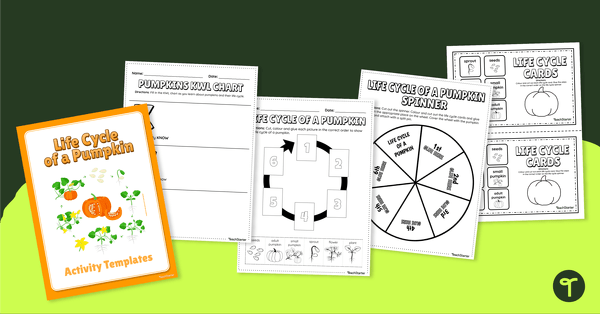
Life Cycle of a Pumpkin Activity Templates
Organise, record and display information about the life cycle of a pumpkin with these activity templates.
- Plus Plan
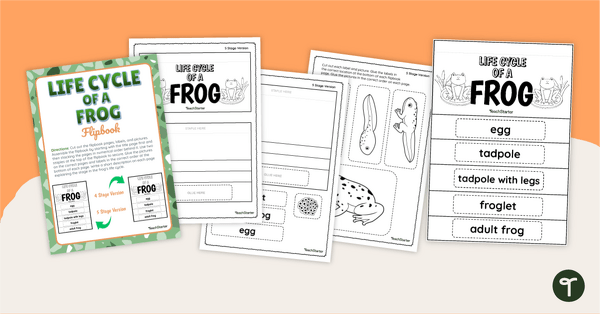
Life Cycle of a Frog Flipbook
Sequence the stages of a frog’s life cycle with this printable flipbook.
- Plus Plan
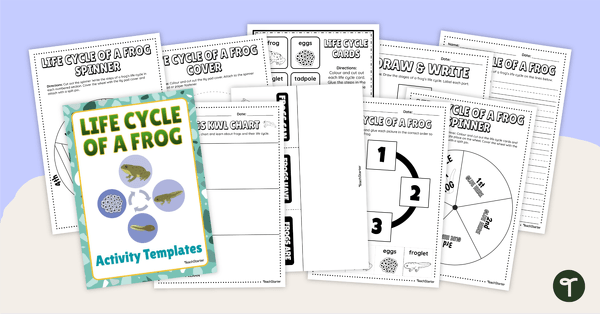
Life Cycle of a Frog – Activity Templates
Organise, record and display information about the life cycle of a frog with these activity templates.
- Plus Plan
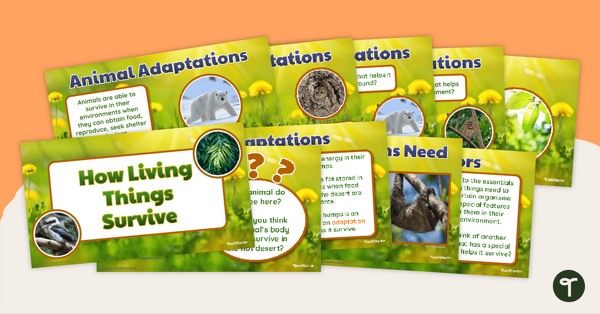
How Living Things Survive – Teaching Presentation
Use this 13-slide teaching presentation to teach your students about the basic needs and physical characteristics of animals and plants.
- Free Plan
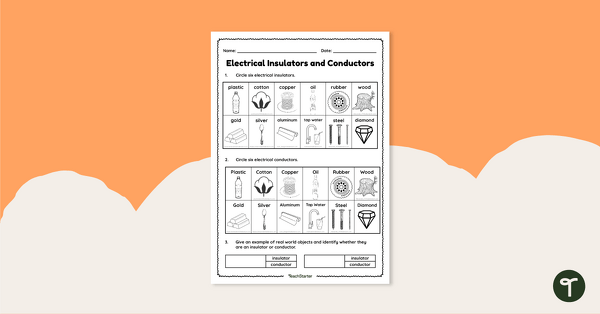
Insulators and Conductors Worksheet
Identify different insulators and conductors of electrical energy with this worksheet.
- Plus Plan
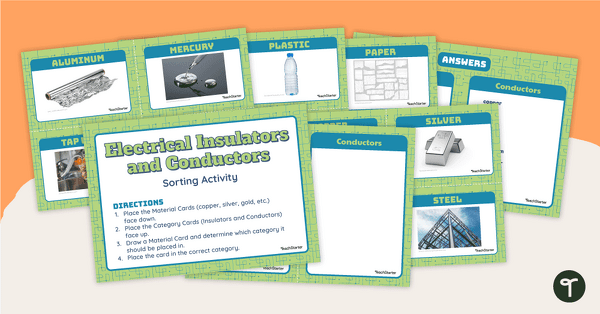
Insulators and Conductors Sorting Activity
Distinguish between electrical insulators and conductors with a picture-based sorting activity.
- Plus Plan
5 Fun Facts About Ants - Read and Respond Worksheet
A '5 fun facts ...' information sheet and worksheet.
- Free Plan
Observing Matter Worksheet
A worksheet to practise observing the properties of materials used in a range of objects.
- Plus Plan
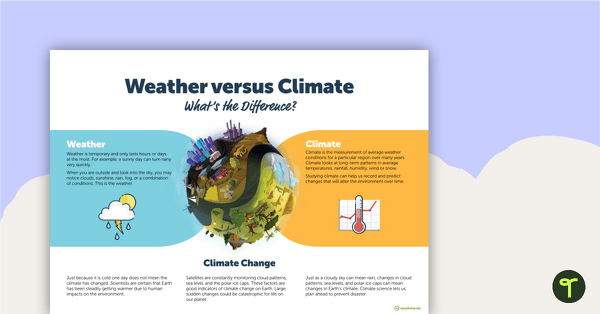
Weather versus Climate Poster
A poster explaining the difference between weather and climate.
- Plus Plan
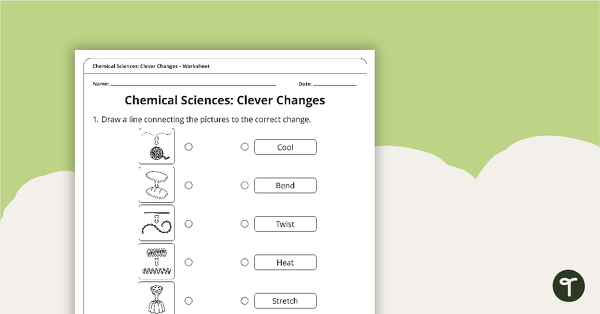
Assessment: Chemical Science Clever Changes – Worksheet
A worksheet designed to assess Year 1 students about Chemical Science.
- Plus Plan
Natural and Processed Materials PowerPoint
A teaching presentation comparing natural and processed materials and how humans make scientific comparisons.
- Plus Plan
Electric Avenue - Understanding the Non-contact Force of Electrostatics PowerPoint
A teaching presentation introducing the students to the non-contact force of electrostatics.
- Plus Plan
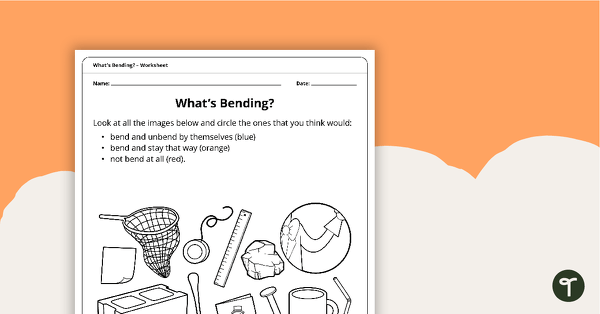
What's Bending – Worksheet
A worksheet designed for students to use their knowledge and understanding of objects and if they bend.
- Plus Plan
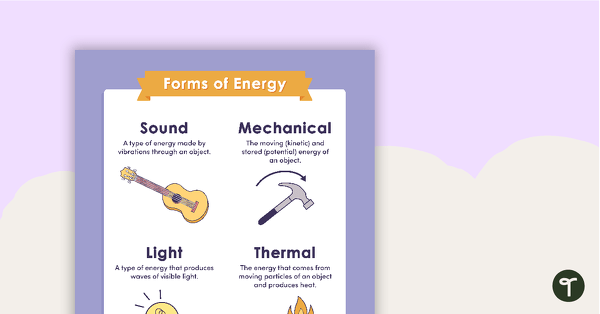
Forms of Energy Poster
A poster to display in the classroom that shows different forms of energy.
- Plus Plan
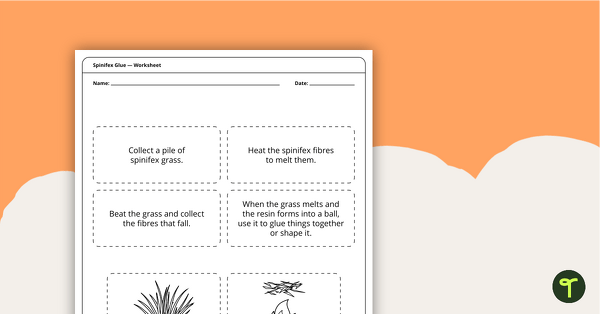
Spinifex Glue – Worksheet
A worksheet for students to order the sequence of turning spinifex grass into resin glue.
- Plus Plan
The Science Behind Shaping Pretzels – Worksheet
A worksheet to order an illustrated procedure about how to make a pretzel using scientific actions.
- Plus Plan
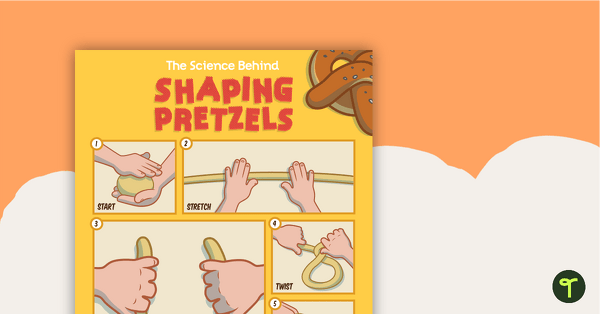
The Science Behind Shaping Pretzels
An illustrated procedure about how to make a pretzel using scientific actions.
- Free Plan
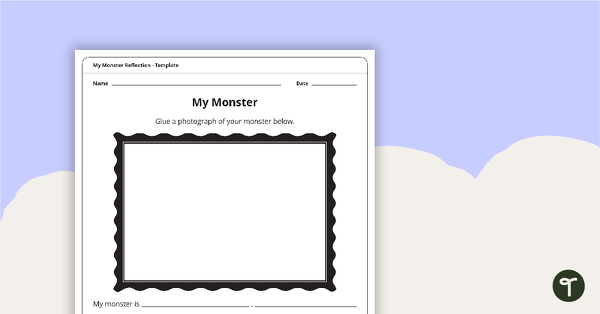
My Monster Reflection Template
A reflection template for students to use after creating a 3D monster.
- Plus Plan
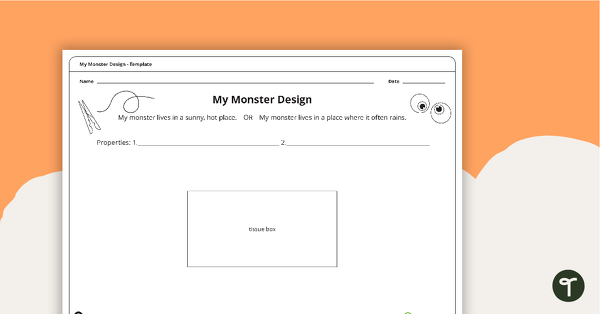
My Monster Design Template
A template to use for a design activity related to the properties of materials.
- Plus Plan
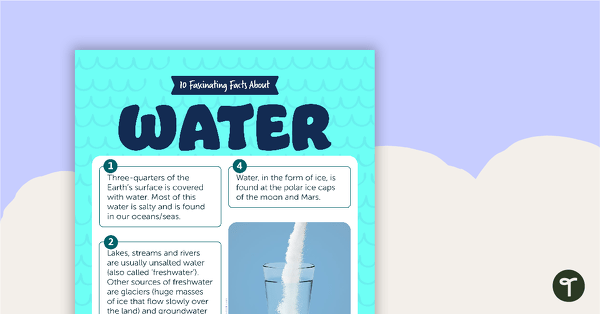
10 Fascinating Facts About Water – Worksheet
A comprehension worksheet for a magazine article from the Year 2 magazine (Issue 3).
- Free Plan
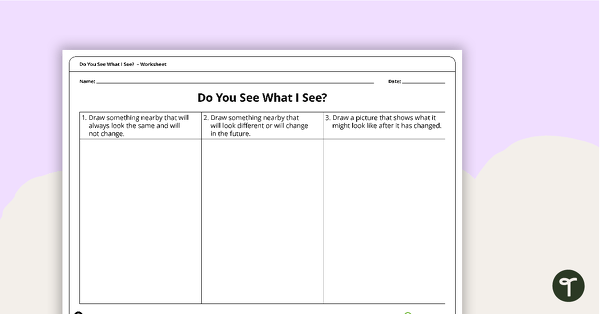
Do You See What I See? - Worksheet
A worksheet that explores how features of a local environment may change.